
Mar 29, 2026
The Hacker House Is the New Pre-Seed. Accelr8 wants to own the whole stack.
An interview with Daniel Morgan, Co-founder of Accelr8
Inside Hacker Houses
"The graveyard of hacker houses is in the hundreds. They don't last that long."Daniel MorganCo-founder of Accelr8
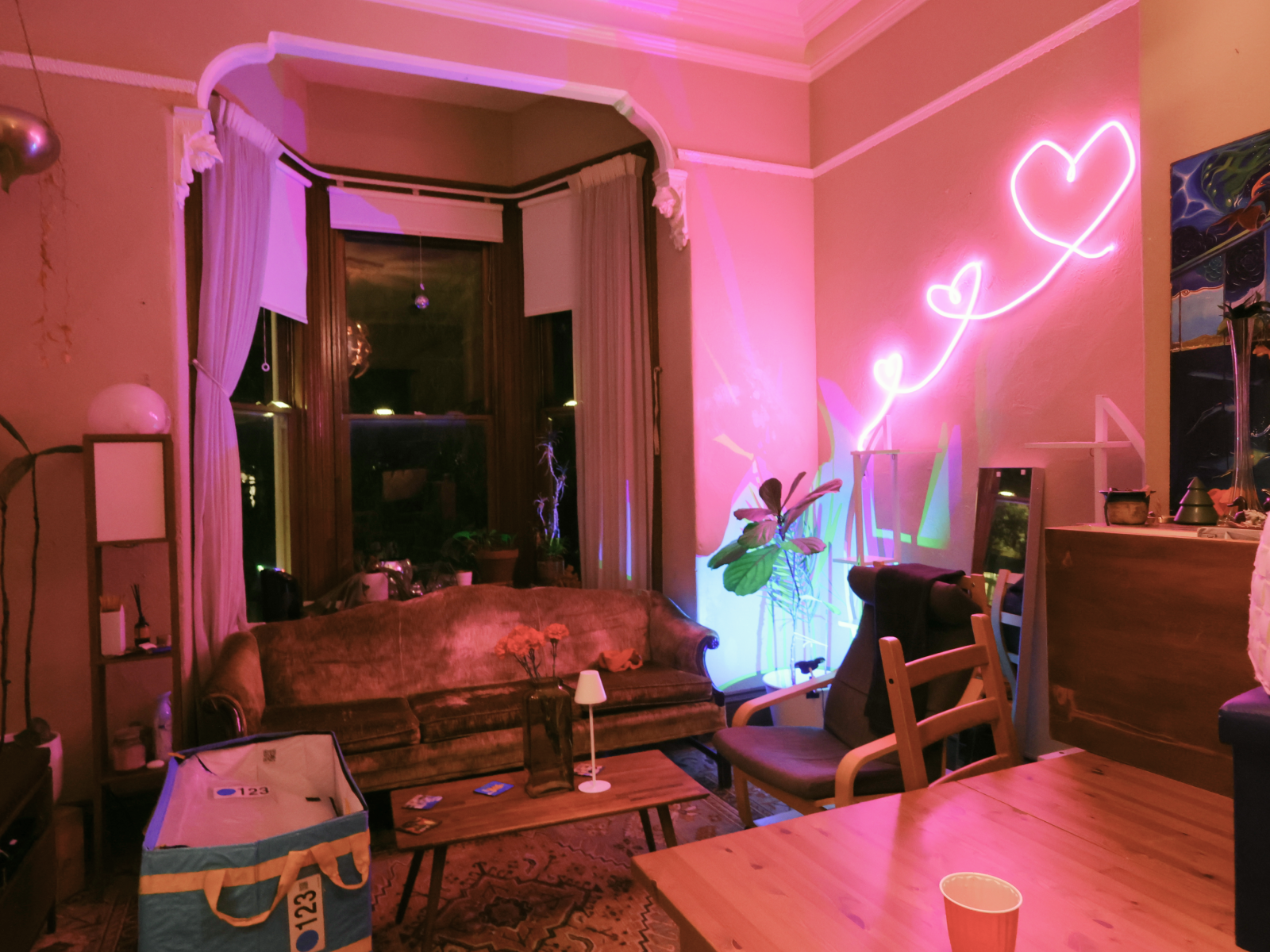
Hacker houses have become synonymous with the romance and raw energy of startup culture. Anyone paying close attention has known for a while now that for ambitious outsiders flying into Silicon Valley to bet everything on a big idea, a hacker house is often the first place they land. An a16z partner, Tom Hammer, declared hacker houses the next big thing in 2026, and The Residency founder Nick Linck wrote that residencies were on track to eat the early-stage ecosystem.
But the reality of running one is far less romantic. New houses open across the city every year, only to shut down within two or three years, sometimes within months, undone by bad leases, mounting costs, and the grinding weight of day-to-day operations. The people who start them almost always begin with genuine passion. Then reality closes in, and they walk away.
Why? Daniel Morgan, co-founder of Accelr8, has a concise answer.
"At the end, most people just don't want to. Most community-oriented houses are started because somebody likes them. It's a really good product for people who are 18 to 30. Then you get married, you have a kid, you get promoted. Most people just don't want to live communally anymore."Daniel MorganCo-founder of Accelr8
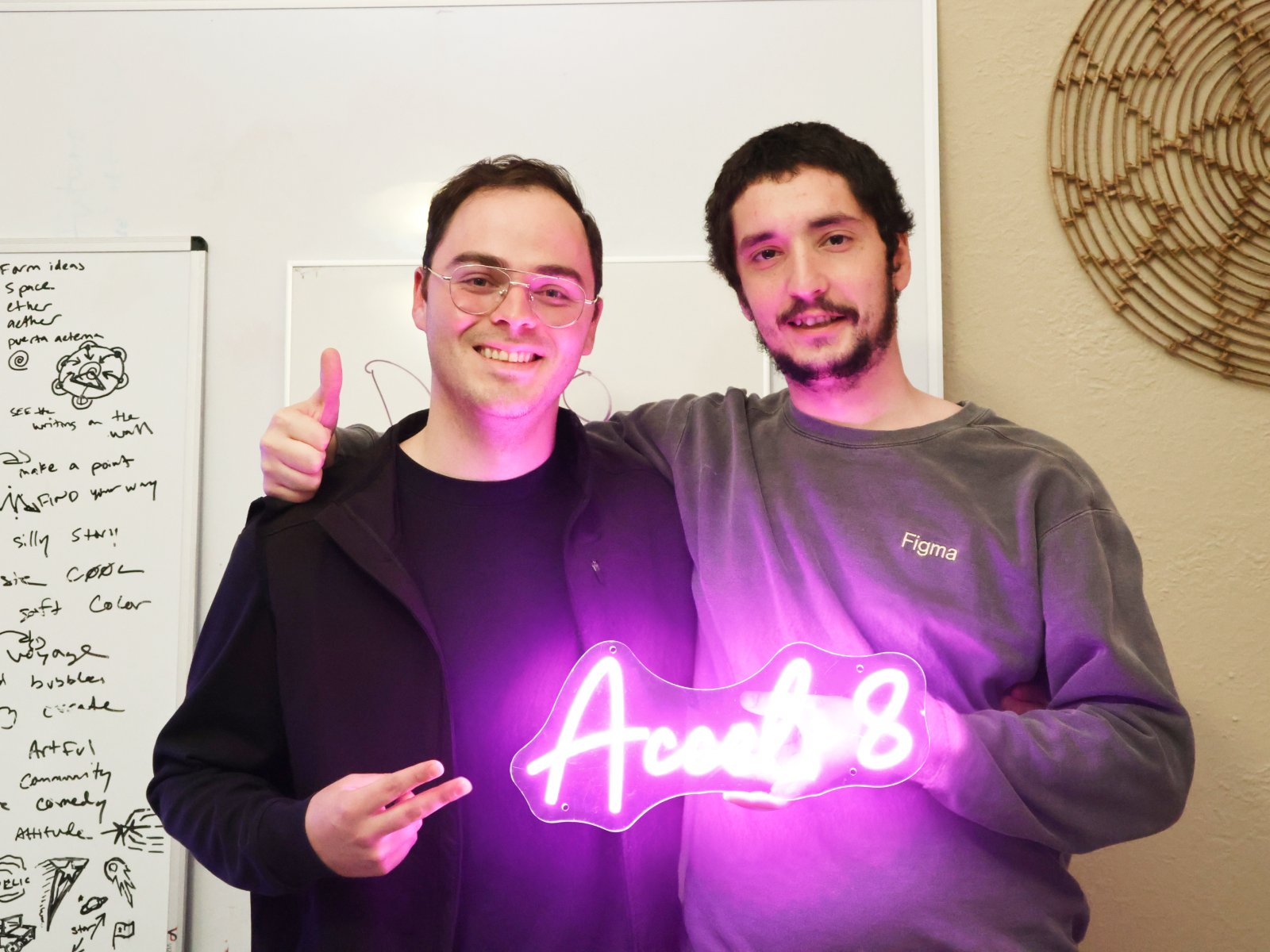
Daniel and his co-founder, Patrick, treat Accelr8 as a serious business. That makes them more akin to the co-living startups of a few years ago than to the casual, community-first houses that are easier to find and faster to fold. But Daniel is equally careful not to repeat those companies' mistakes.
"We haven't raised any money from VCs, because all of the former co-living startups that raised VC money made dumb decisions. They signed bad leases. They expanded too quickly, pushed to grow. This is something where you've got to be really thoughtful. You have to ask: if I open a new house, can I actually maintain it?"Daniel MorganCo-founder of Accelr8
A hacker house that doesn't naively trust in community self-sustainability, but also won't lean on VC money to fuel growth. So what are they actually building, and where do they see it going? How did they land in this position in the first place? We asked Daniel Morgan how he started a hacker house that won't add to the body count, and what he plans to do with it next.
How to Fill a Hacker House in 30 Days
Q. Before Accelr8, what were you and Patrick actually doing?
Daniel Morgan: I was a sales guy turned finance, based in San Francisco. Patrick was on the core team at CityDAO. We met at a retreat in Northern California after COVID. About 12 of us are in this beautiful three-story hippie mansion in the mountains. We became very close, very quickly. And then at the end, you go home and think: when's the next one?
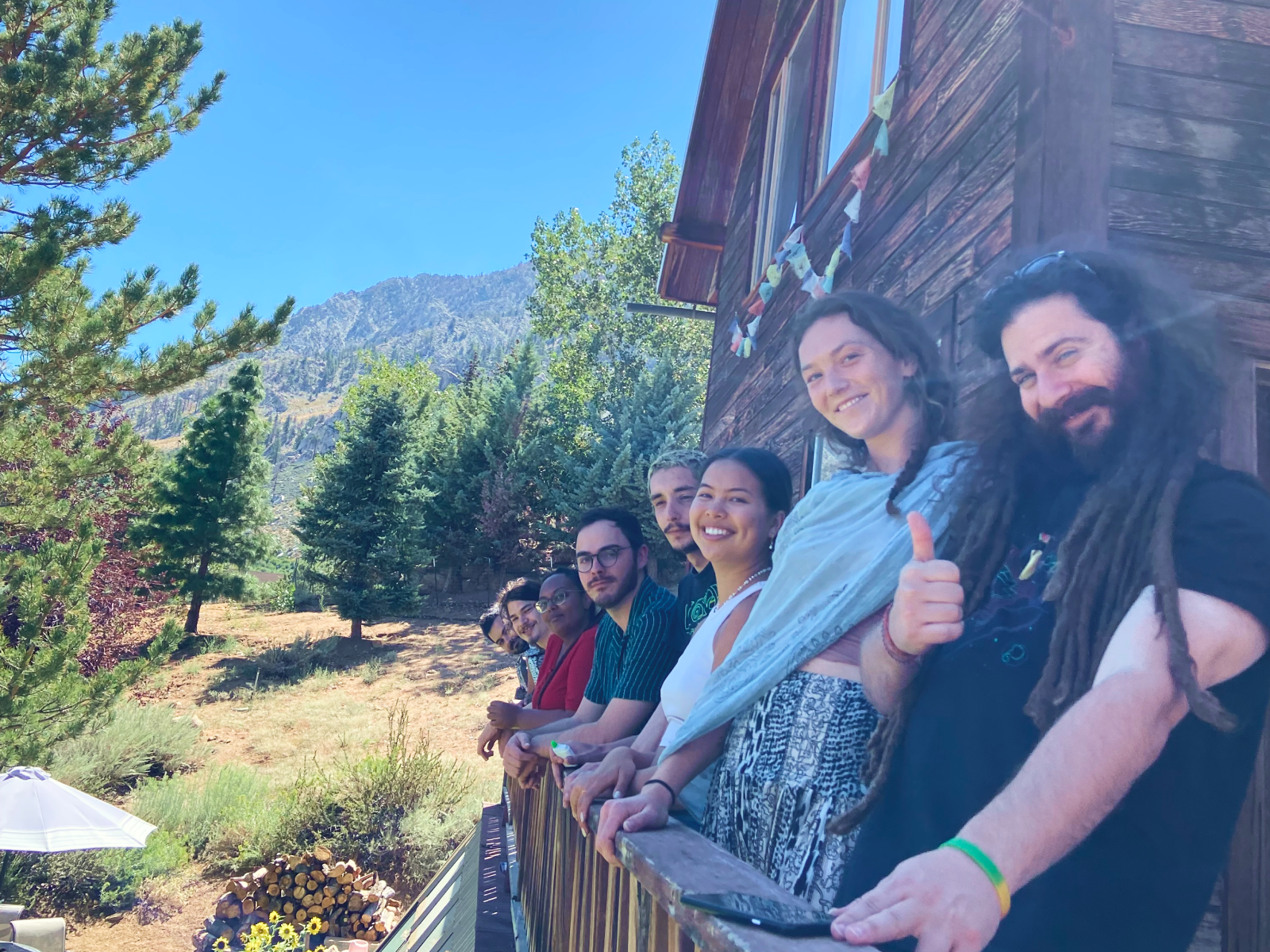
But crypto went through some tough times. A lot of those communities fell apart because they couldn't find a business model. After about a year of waiting, Pat and I said, "If they're not going to do it, we will."
Q. So you didn't plan to start a hacker house. You were just looking for housing.
Daniel: Exactly. The genesis of Accelr8 was that we were both tired of working remotely, being alone all the time, and we were looking for community. We would have loved to live somewhere like Mission Control.
But as we were talking to people, we found one empty property 15 bedrooms, great location. We looked at each other and said, well, if we do this one, maybe we can run it more like a business. It was June 5, 2024. It took about 30 days to get the first cohort.
Q. That's a very short time. How did you fill 15 rooms?
Daniel: The first person who signed up was one of my friends who was building an AI startup. We met in college a couple of years prior. He wrote the first check, put down his deposit, and sent me the money. I was like, okay, I at least have one. I at least have a couple thousand dollars. Now I don't have to burn it all.
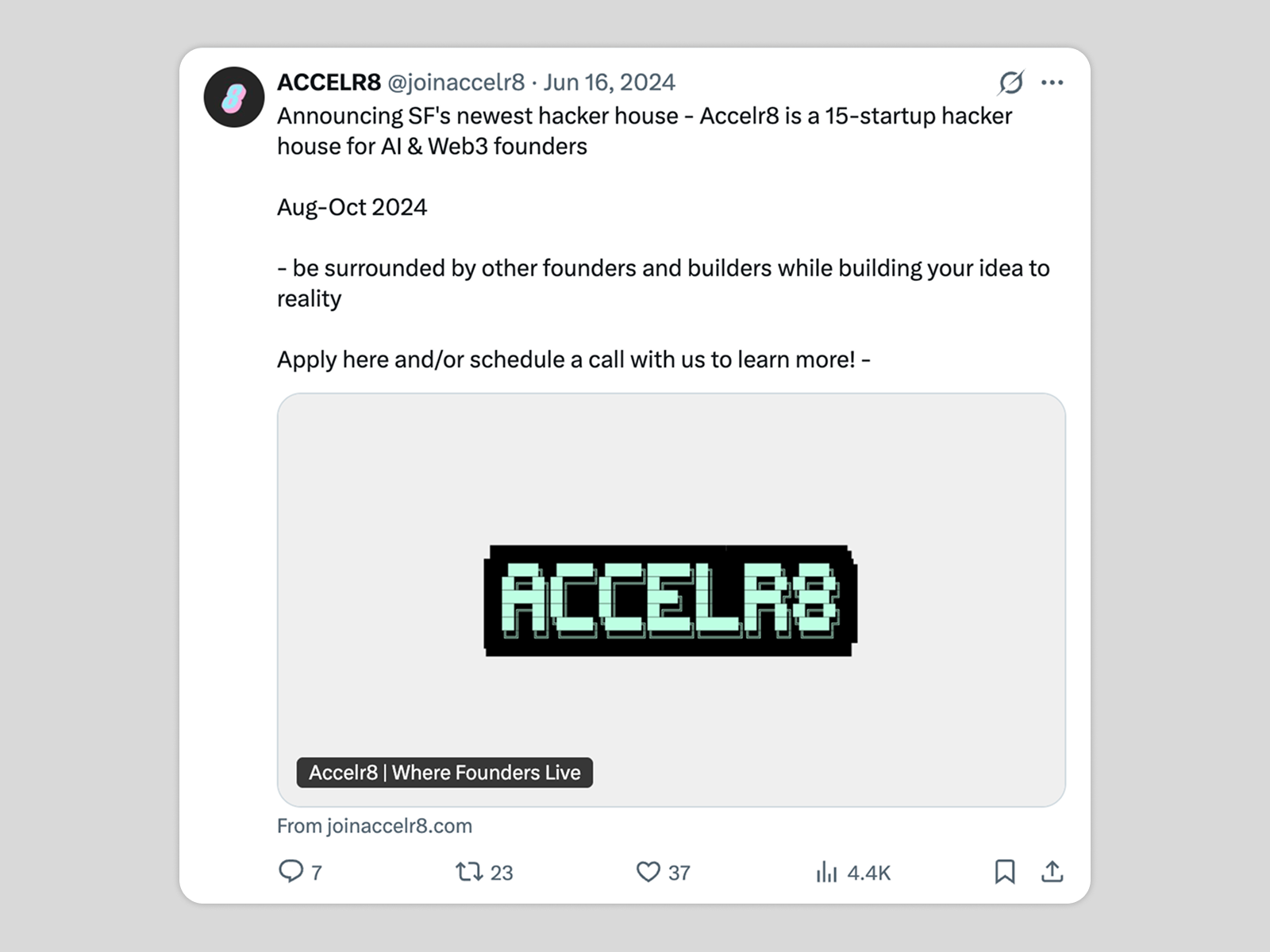
We went all out. I was messaging everyone I'd ever met. Joined every Discord, posting: we're opening up this house in San Francisco, who do you have? We made a website and had a Google form. Friends of friends. We ended up interviewing around 90 people every day.
A week before opening, we were staying in a bunk bed hostel in North Beach and going to every single event morning, afternoon, and night. I'd walk up to people and just say: hey, do you have a place to live next month? What are you building?
We closed the 15th person on July 4, American Independence Day. I was locked in my room while all my family was outside celebrating. And we flew to San Francisco. It may sound crazy, but we hadn't seen the house.
Wait, you hadn't seen it at all?
Daniel: Yes, we found the house on Craigslist. The person we were dealing with was an executive assistant based in Ukraine. We had to wire $25,000 as a deposit, and I kept delaying signing the lease. I kept saying, just give me a couple more days.
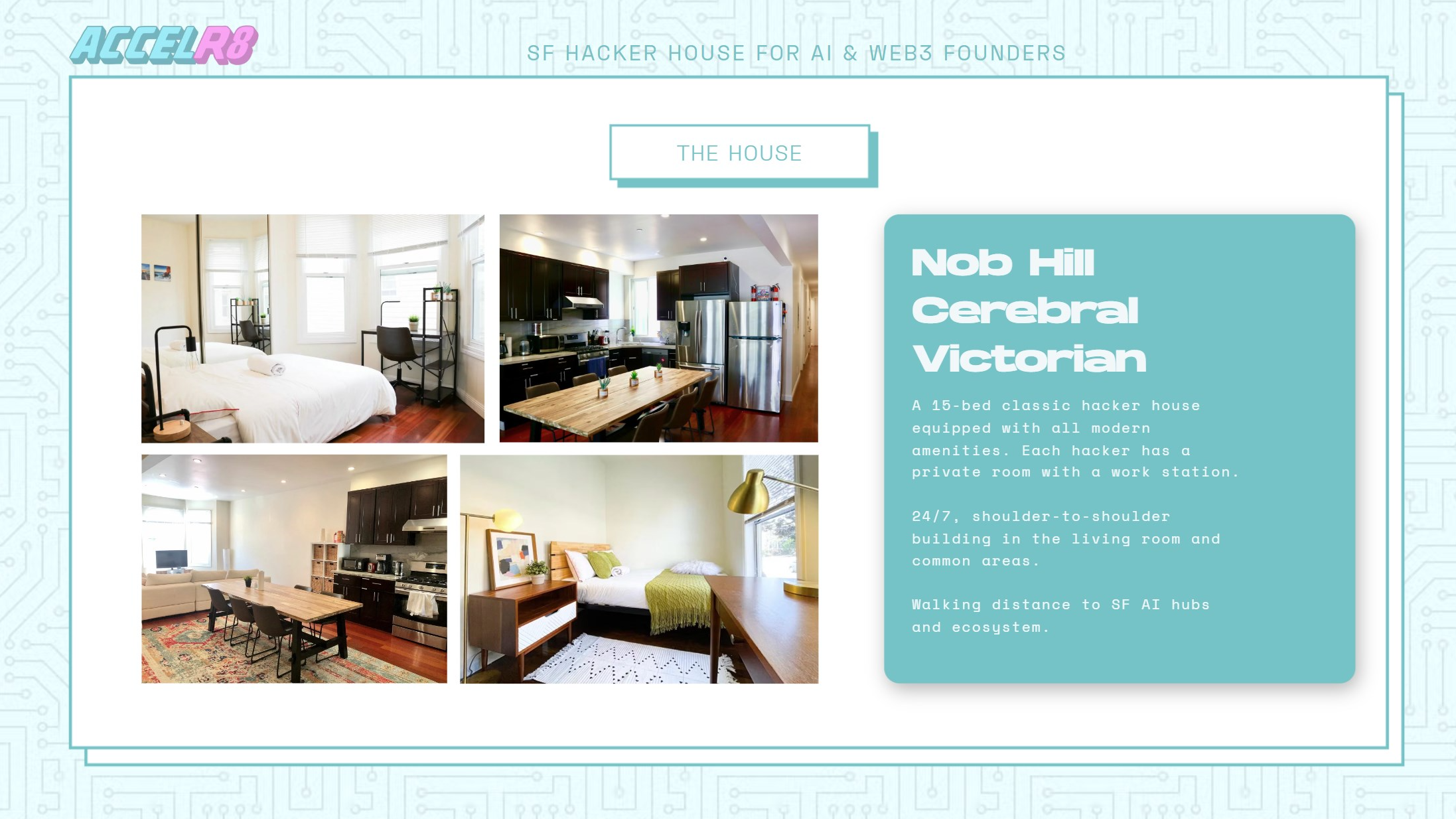
Fortunately, we had a big waitlist. We had people flying from all over the world just to be at our house. But we hadn't seen the house until then, so we were kind of scared of getting scammed. It didn't feel real until day one, when we finally opened it.
Then I flew to San Francisco, got the key, actually walked through the building, and only then sent the money. The handyman hadn't shown up when we tried to visit. It was just very weird. Fortunately, it was fine. It was kind of nerve-wracking in the first little bit.
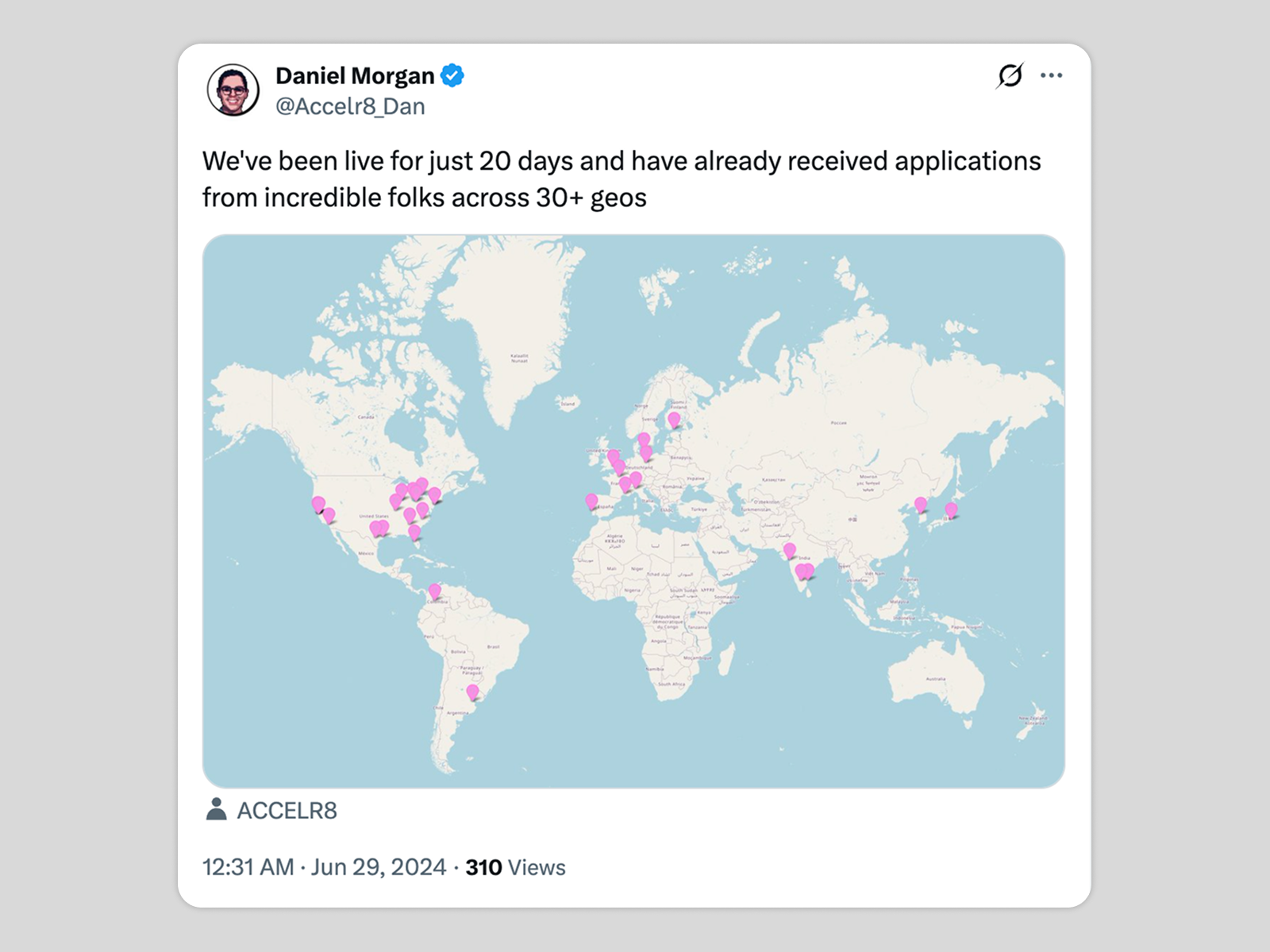
We had people flying from all over the world. 60% were international. All of this, with a terrible website and a couple of pictures of a house I'd never even visited. Day one, when everyone walked in, it finally felt real. People were putting their dreams into this.
What It Actually Takes to Run a Hacker House
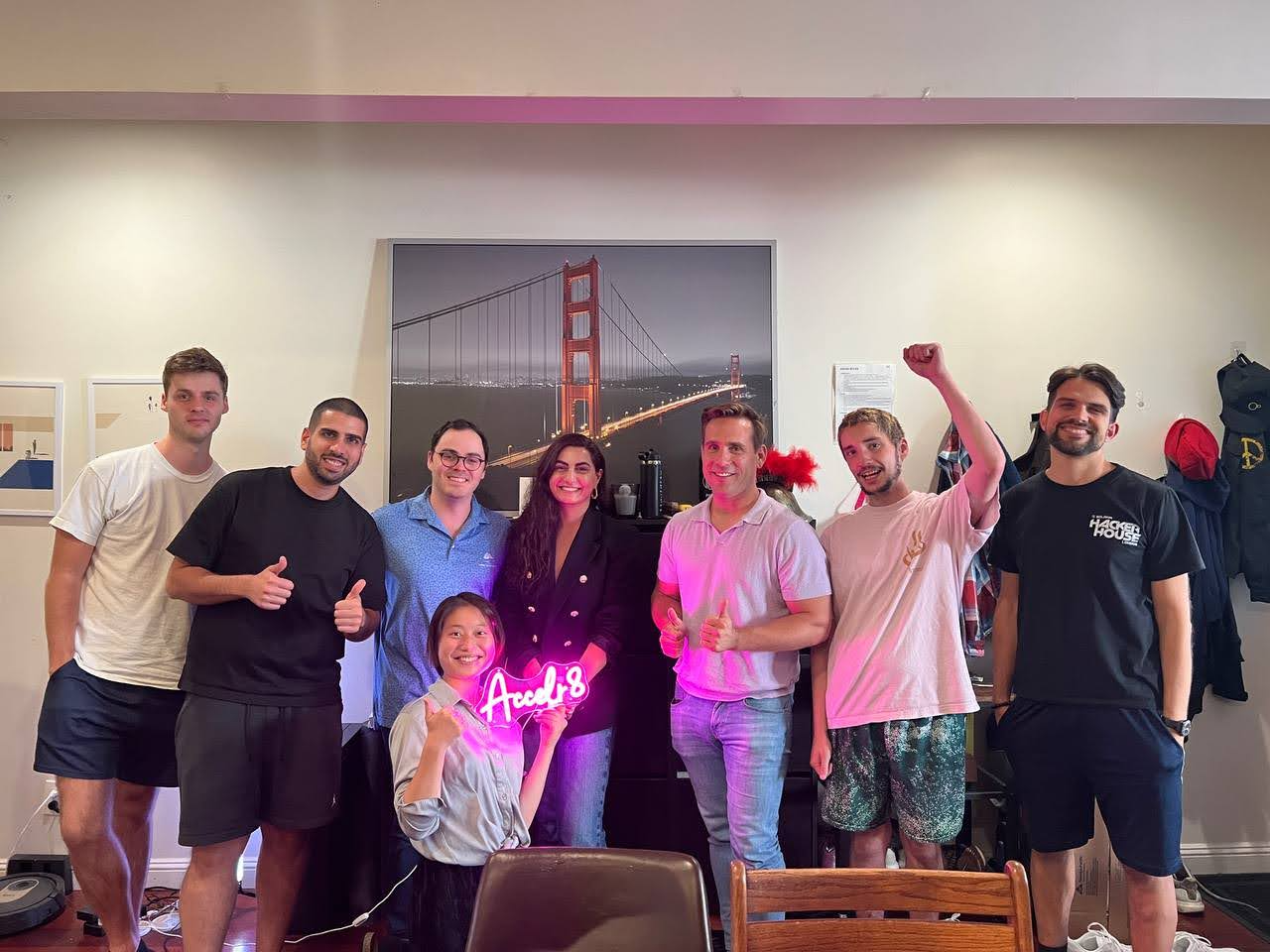
Can you tell me more about that first cohort? It must have been very scrappy.
Daniel: In the first cohort, we were all just figuring it out together.
There were two kids from Stanford and CMU who were 18 or 19. They wanted the worst room in the house. They took the bed frame out, put two mattresses on the floor, and made a pile of Celsius energy drinks in the corner. They wanted that room so they'd have an X picture.
Meanwhile, I'm thinking everyone wants a nice private room. But some people, there's this virality element to it. How scrappy can you be? That's a culture in San Francisco. And those two were building a plushie that could talk to seniors in care homes.
On the day of the demo with a VC, the app wasn't working. They came to me ten minutes before, "Daniel, what do I do?" I said, "Put a cell phone inside the plushie, go in the other room, call me, and I'll be the AI."
So I'm in my room, door closed, walls are thin, and the investor comes over. Ring ring. And I go, "Hi, I'm Plushie AI." The investor was blown away. "This is the best AI I've ever heard." And I'm just sitting there dying laughing. It's like the Bill Gates story. Get the contract, then build it.
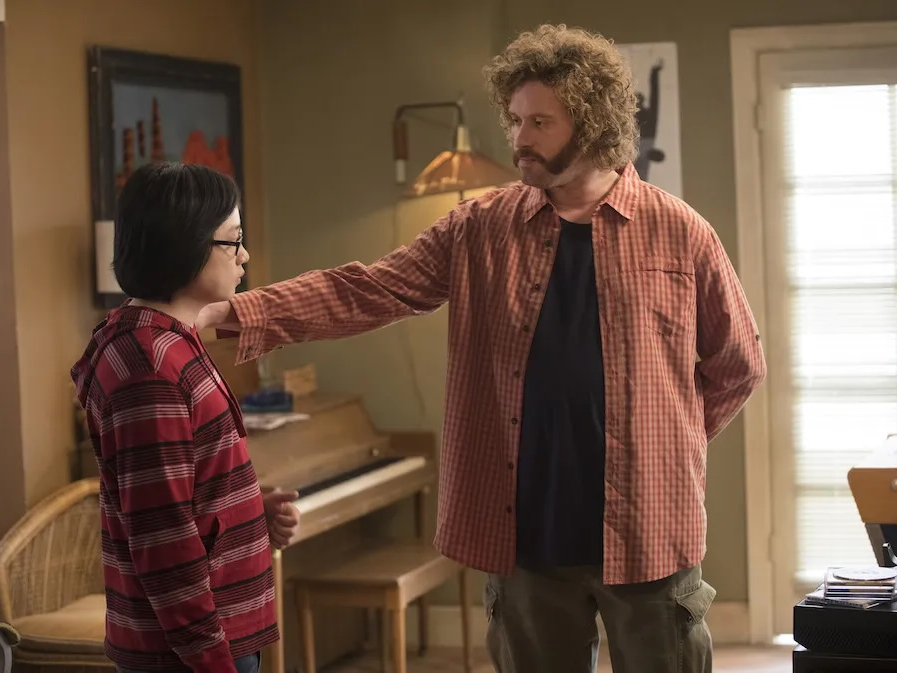
It's like something straight out of "Silicon Valley". Were there any challenges you didn't see coming?
Daniel: The amount of hacking. People just took things apart. Someone was soldering metal in the living room we had to make a rule because there was metal all over the dining table. Then the Wi-Fi. With 15 people, it gets slow, so someone got into the admin portal and gave themselves faster speeds.
I'd come out and ask why my phone wasn't working, and they'd be giggling in the corner. It was like herding cats. They called me Ehrlich Bachman from "Silicon Valley".
We made everyone cook dinner, but some of these people are under 20, and they've never cooked. They've never cleaned. And I said, "We're going to teach you life skills. I'm an old man now. I just turned 30. We're gonna teach you how to clean dishes and make dinner."
We had to figure out all the rules and how to deal with house chores. And yeah, we eventually had our cleaner come in more often just to keep up with the mess.
So you were, like, basically a dorm supervisor?
Daniel: It very much felt like that. On the same day, I could be advising someone on what to do before a CEO meeting, and then turn around and say, "Hey, you left your cereal bowl in the sink." It would just flip between these extremes all the time.
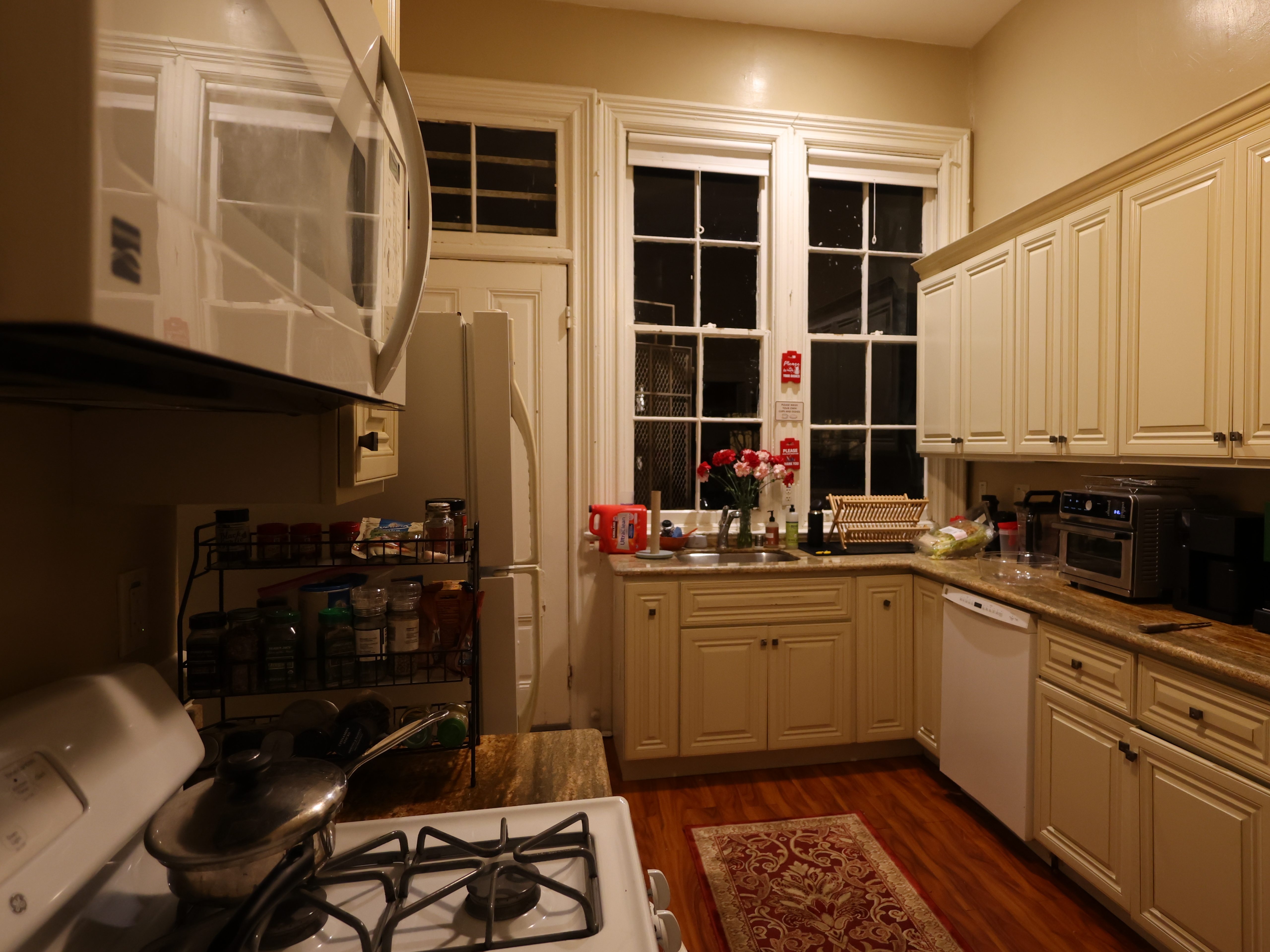
At 11:30 at night, I'd be out in the living room throwing away cans. That's annoying. But that's what you take on when you decide to do something like this. You've got to be the one wiping the counters. People started calling me dad. I guess that's accurate, haha.
But it couldn't have always been easy. Were there harder moments?
Daniel: We had a guy I really liked, a very good founder, a very good CEO. He flew in internationally, his currency was bad, and he was trying to raise money. About two months in, I could tell it wasn't going well. He'd go on ten-mile walks just to get the stress out. He and I would grill together because we both had that in common, and we'd just talk.
One day, he said, "I've got to break my lease. I have to go home. It's not working." And I felt all of that responsibility. I didn't convince him to come, but I did say, hey, you'd be a great fit. I thought this would be a good program for you. And then he had to go back.
You hear that 99 startups fail for every one that succeeds, and you think, well, the other 99 just weren't smart enough. But everyone's pretty smart. It's still hard even so.
That sounds like it weighs on you.
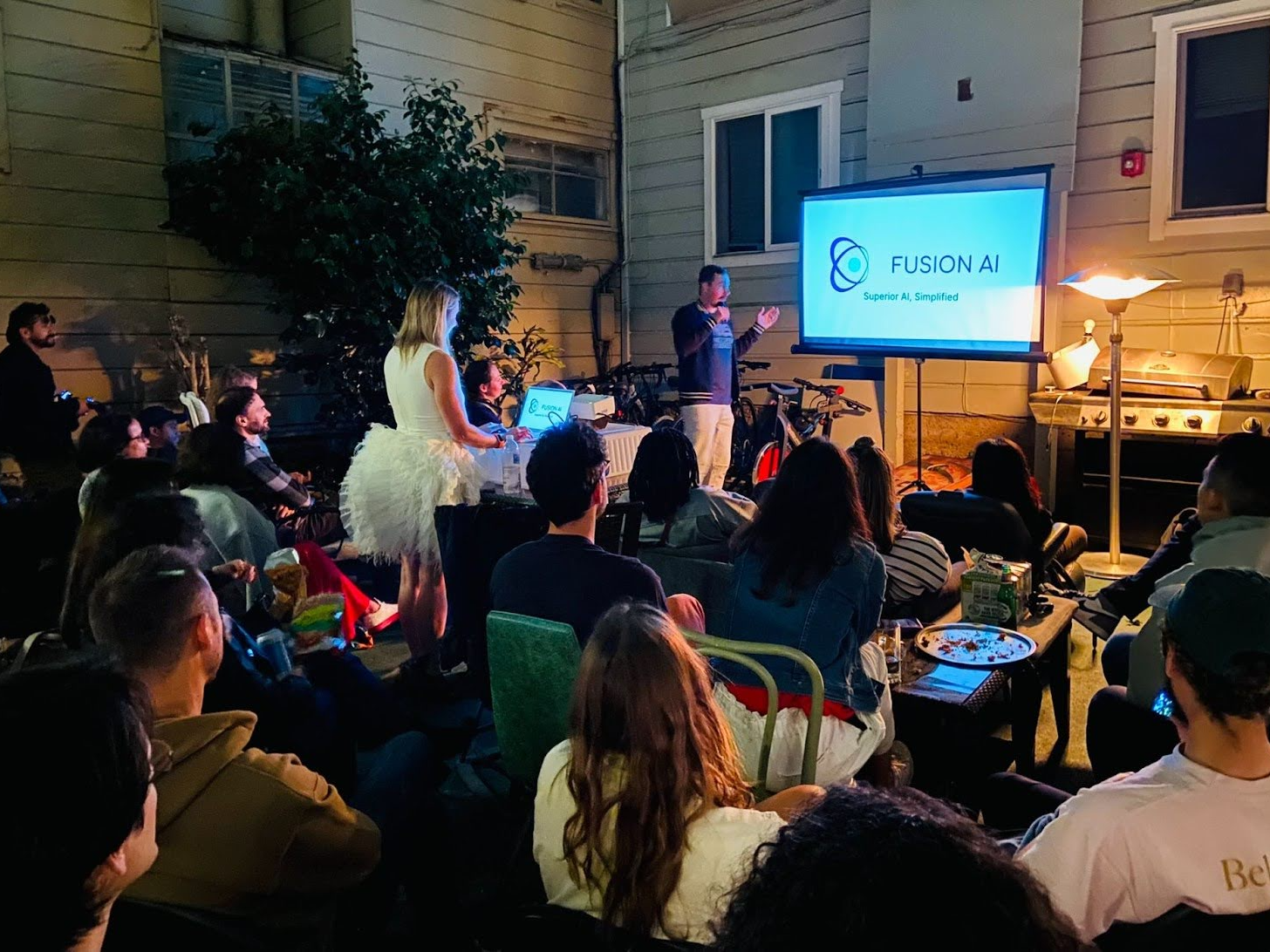
Daniel: So you feel every emotion running a hacker house. You're happy when somebody is successful. When they launch, we're sitting on their laptop, they record their launch video, they post it, we all go and like it, and comment.
And sometimes you just want to be alone after meeting people for seven days straight. Sometimes you go to the gym with people and come back sore. You just feel everything.
But that sounds exactly like what founders need.
Daniel: Everyone in this house is a CEO of a tiny little business, so it's stressful and lonely. If you say you're a startup founder, everyone in your life says, "No, that's dumb. Go work for PwC or a bank. Or just be a restaurant manager." They cut you down to their level.
And they get told, "Go to San Francisco, where people will actually help you." Because here, if somebody says, "I want to make a billion dollars," everyone says, "What are you doing? How are you doing that? Can I help you?" Nobody tells you that's never going to happen.
What we were trying to build was a place where you could feel that no matter what your vision was or your dream was, it was awesome. Go do it. That's how you should be thinking. Because if you don't think like that, you're never going to make it. It's going to just kind of peter out.
Why Most Hacker Houses Fail
Hacker houses seem to carry this romantic, exciting image. But a lot of them don't last very long. What do you think is happening?
Daniel: At the end of the day, most people just don't want to. Most community-oriented houses are started because somebody likes them. And it is a really good product for people aged 18 to 25. But then you get married, you have a kid, you get promoted, or acquired. Most people just don't want to live communally anymore.
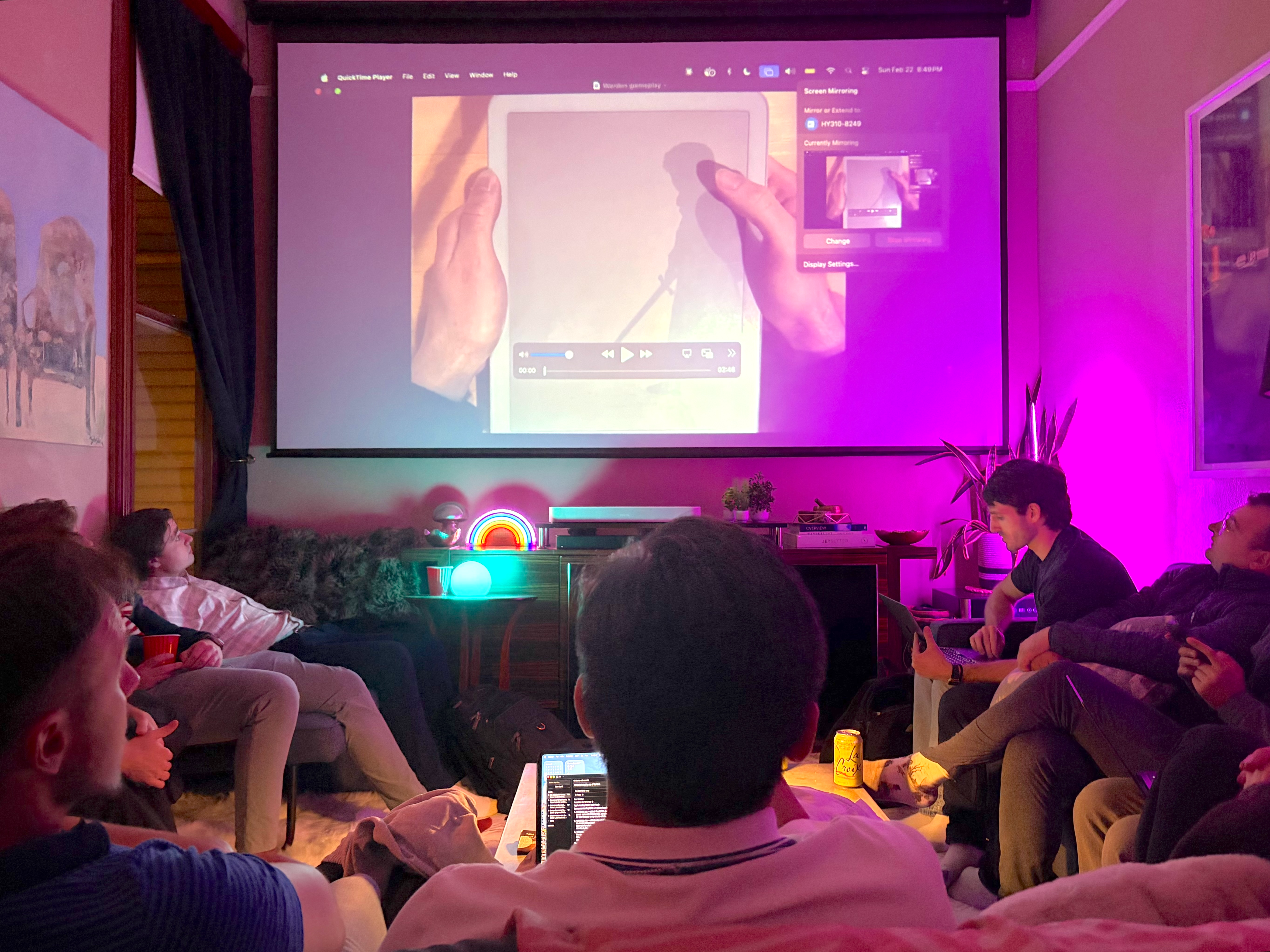
I describe it like delicious ice cream. Some people can eat ice cream every day. But for others, it's every week or two. It's a tiring life over a long period of time.
And this is a people business. You get people problems. Somebody's making the bathroom messy. Somebody's loud. Somebody cooks at seven a.m. every morning in the kitchen. If you're not good at managing that, things blow up.
The other issue is that rent alone doesn't sustain it. You make enough to basically get beer for the house. There's no money for the cleaner, the toilet paper, the detergent, and on top of all that, you have to pay somebody to run it. Most houses are just, hey, let's live together and have a good time. They don't think beyond that. And if you don't, you don't last.
So what did you do differently from the start?
Daniel: One of our first sponsor meetings, the very first question the guy asked was, "How do you deal with sexual assault allegations?" Right out of the gate. I was like, that's the first thing out of your mouth?
But I actually had an answer, because I used to work in apartment leasing. We already had a rule book, a process, language in the lease, a code of conduct everyone signs, and insurance. You talk to both people, call the police, and report immediately. It's all written down.
Most people who start these houses because they love community don't think about any of that. And if you don't think about it, you have liabilities. Somebody trips on the stairs. The microwave falls. It's the real world, and it's people.
And you've avoided VC money entirely. Why?
Daniel: All of the former co-living startups that raised VC money made dumb decisions. They signed bad leases. They expanded too quickly. They were pushed to grow. This is something where you've got to be really thoughtful. If I open a new house, can I actually maintain the quality of the residents? If that dips, it all blows up.
We just had an open house in January for our hotel: about 400 applicants for five slots. A hundred were just not good fits on paper. We interviewed dozens. That bar has to stay high.
The Business Behind the House
How many houses are you running now, and how do they fit together?
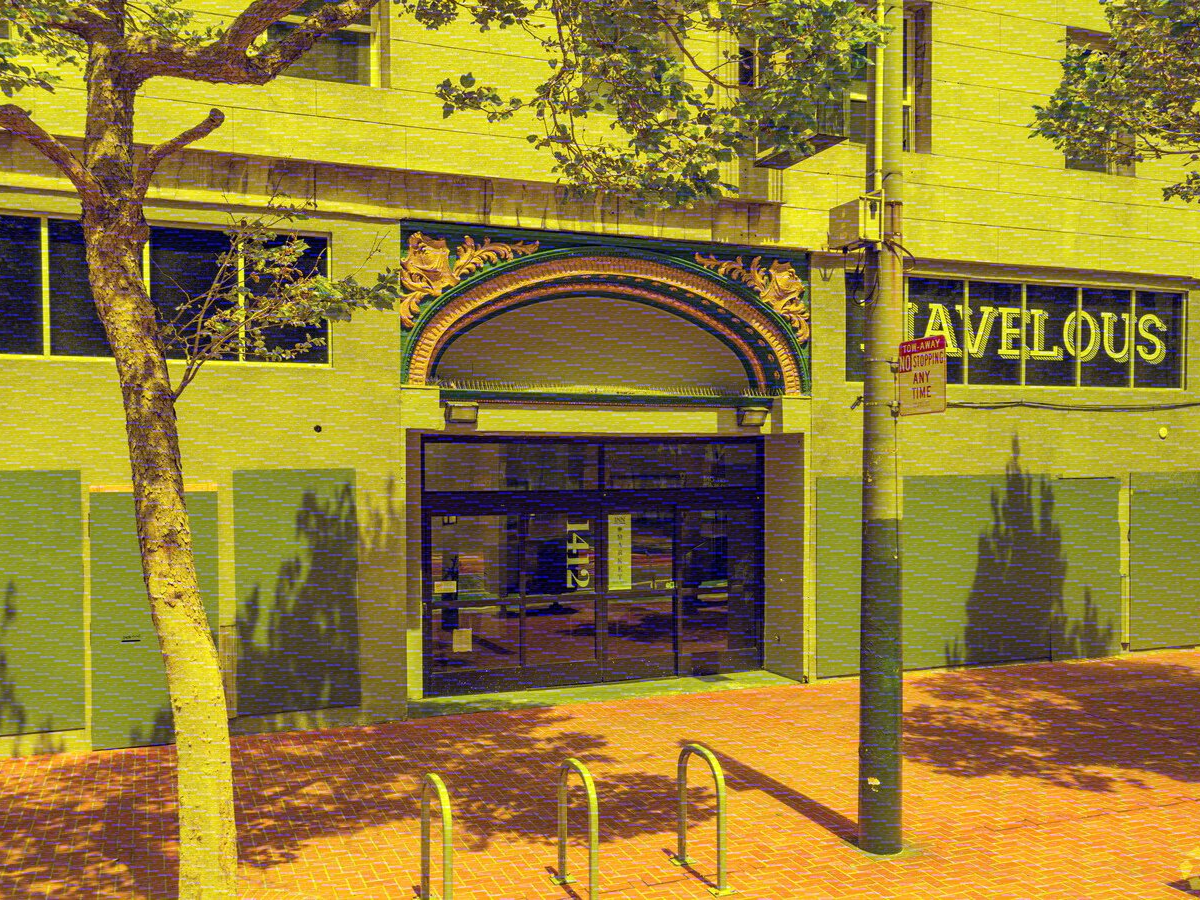
Daniel: We currently have two. The main one is a 120-room residential hotel on Market Street, 1412 Market Street in SOMA, right down the street from our co-working space at Frontier Tower, where all our residents get to work. That's the main footprint.
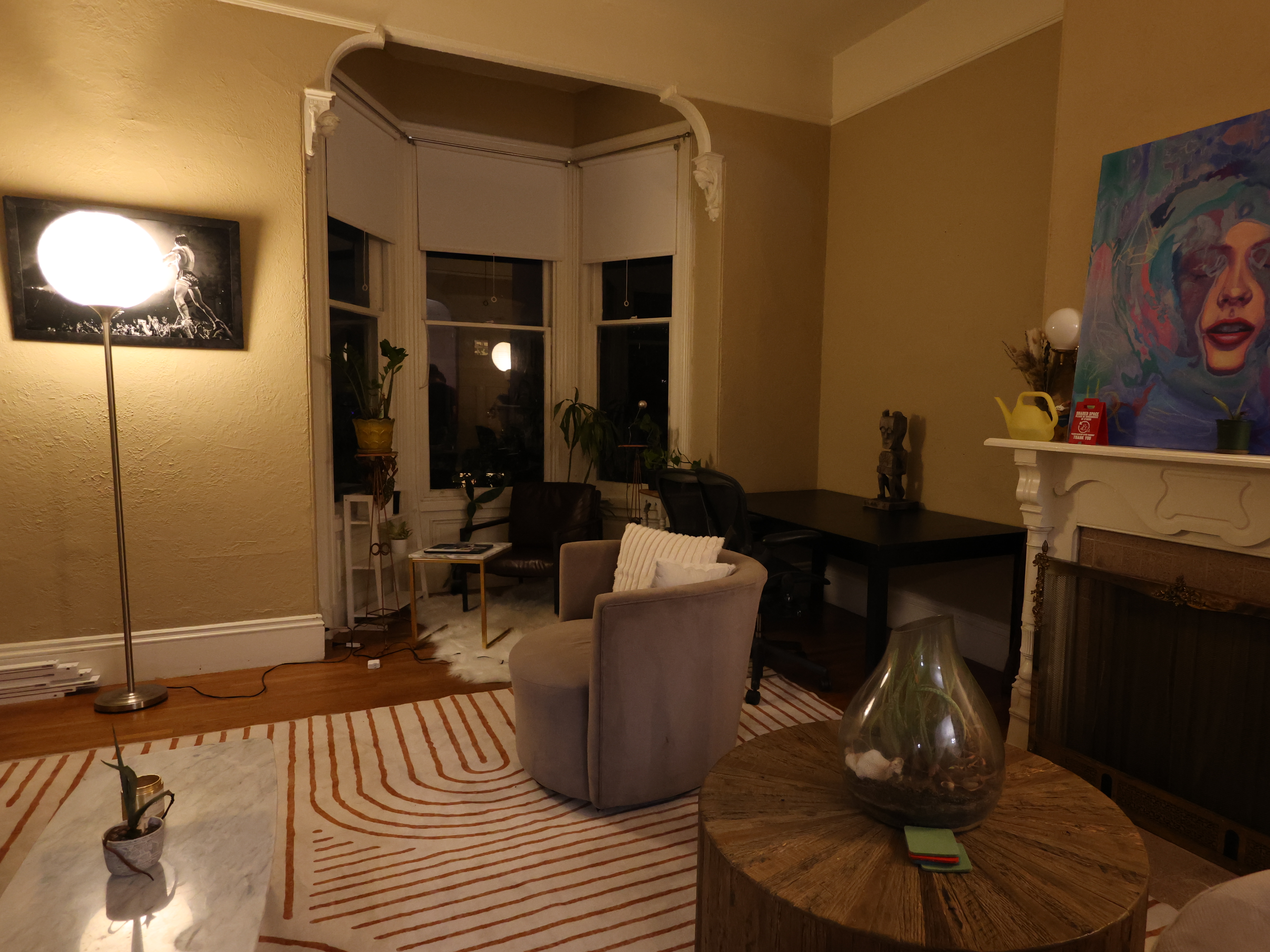
And then we have a Victorian mansion in Alamo Square, bigger rooms, usually for more funded or established founders.
We also tried two short-term houses, one in Salt Lake City and one in Austin. But we decided we needed our San Francisco foundation to be really solid first. For every founder I meet going to Salt Lake City, there are 10 coming here.
Did you have all of this in mind from the start?
Daniel: No. When we started, we just wanted to be in San Francisco. We said, "If we all pay $1,500, we can all live here." That's it. But as we talked to people over time, after about a year, we started seeing what was possible. And honestly, people wait for you to survive before they really invest in you.
There's a graveyard of houses in the hundreds. So if a new one pops up, nobody reacts because they don't last that long. After about a year, my LinkedIn DMs started getting answered. People started coming to us. And we started realizing: real estate alone doesn't make enough to sustain this.
So what does the real business model look like?
Daniel: I always describe it as two circles. The core is the house, which is a small circle. But then there's the big circle: the 30,000 people in San Francisco who have bought a ticket to one of our events, subscribed, or seen something we posted on Twitter. If 10,000 people see something and they're all in San Francisco, that's really targeted media.
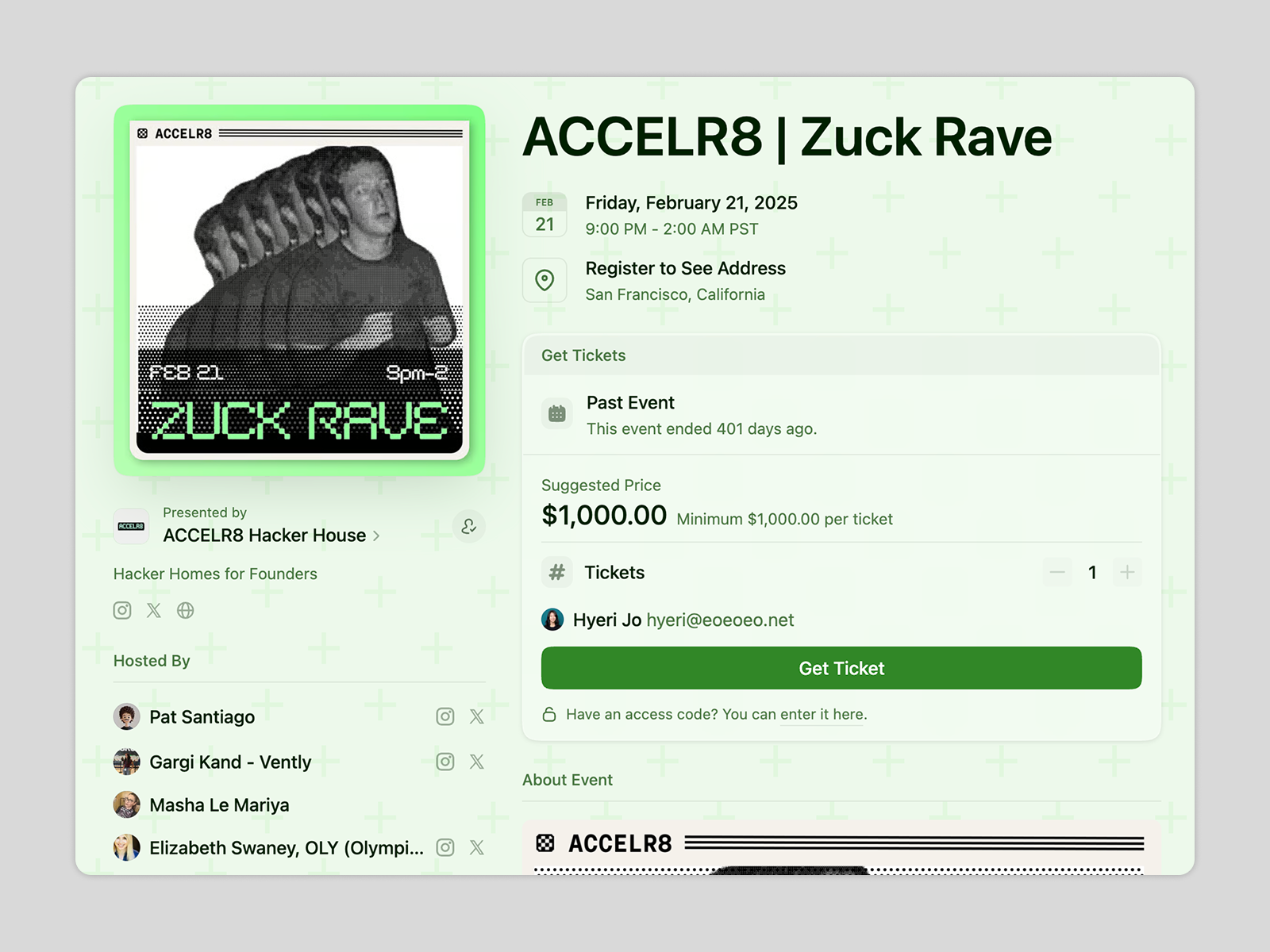
We're now one of the biggest event companies in the city. Hackathons, launch parties, community dinners. We help companies go to market and do talent placement. If an engineer makes $200,000, the recruiter's fee is around $40,000. That's two years of rent in terms of margin.
The model I look at is Andreessen Horowitz. They were a VC, then they built a media team, a talent team, events, and a community. We're obviously not there yet. But the question I keep asking is, "Can we eventually become so valuable to our founders that we receive equity in their companies?" That's where this goes.
The New Pre-Seed, Hacker Houses
What role do you think hacker houses are actually playing in the startup ecosystem right now?
Daniel: There's a new piece of the capital stack. It used to be: seed, Series A, B, C. Then pre-seed became a thing. Then accelerators. Now it's hacker house, then accelerator, then pre-seed. Startups are increasingly being formed in hacker houses, that's where they start.
I was at a party recently, and someone came up to me and said, "I'm applying to this hacker house called Accelr8. I don't know if I'll get in, but I'd love to." And I'm just standing there thinking: do you know I am Accelr8? These houses are becoming real brands in and of themselves. The brand starts building its own gravity.
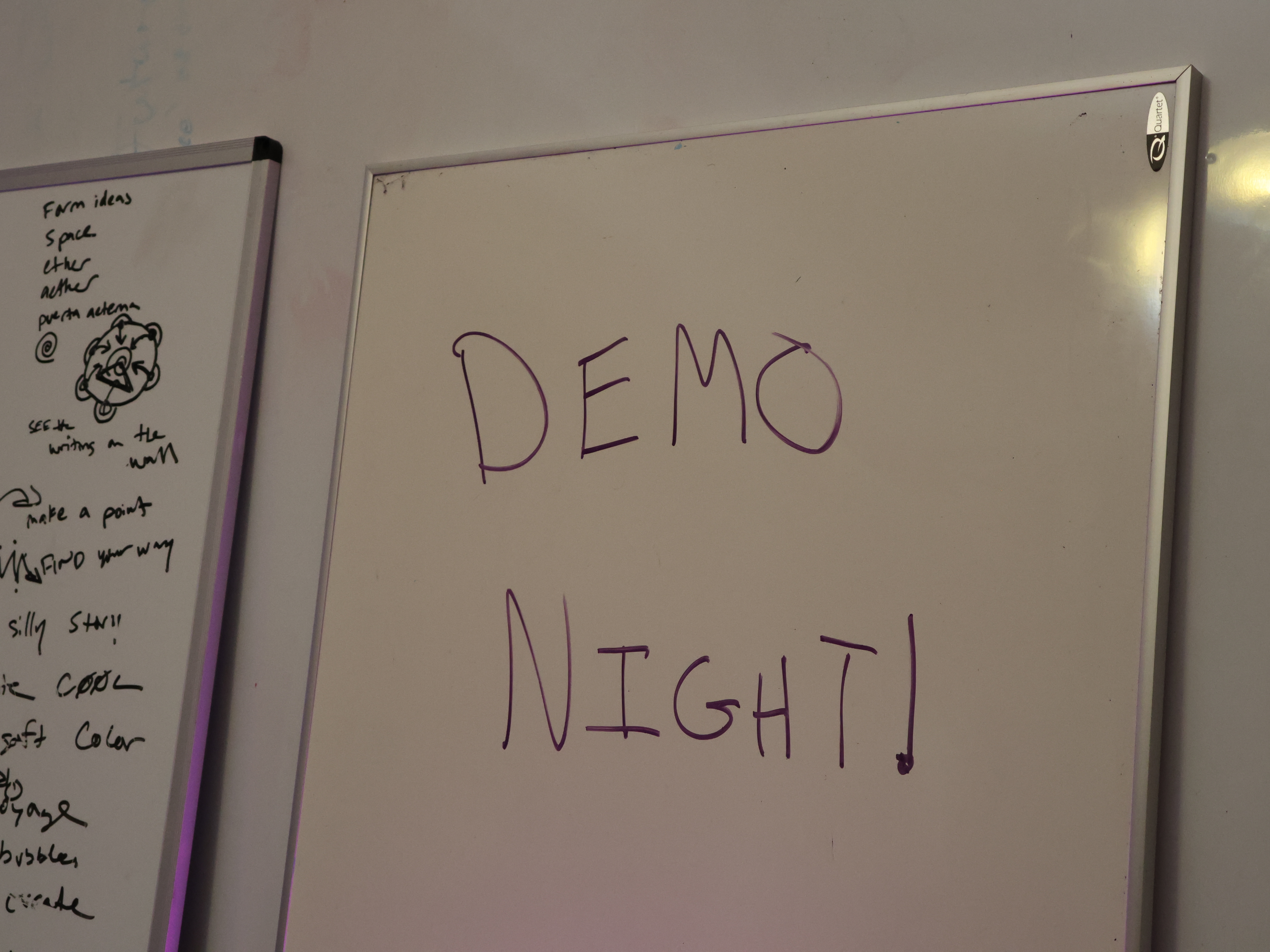
And I think increasingly, ambitious people are opting out of college entirely. If you're 19, you have a lot of energy, and you're not going to school, you should probably be living in a hacker house. It's becoming a real alternative.
Do you think hacker houses have become more relevant after AI?
Daniel: LLMs have 1,000% made it incredibly easy to create a company. A process that used to take two weeks, 14 days, 80 hours of work, I did it with an engineer friend a while back, and we did it in 10 minutes. It sounds fake. But things like building lead lists, reading profiles, understanding someone's background, and an LLM just do that now.
And if you're going to iterate and build fast, it's a lot easier to do it with other people who are also building fast. Something drops on X at noon, and by one p.m., everyone in the house is already working on it. It's like hours to days versus years. Everything's compressed.
How do you see Accelr8 evolving over the next two or three years? Are you planning to expand?
Daniel: We want Accelr8 to be there at the genesis of a company. When you start, when you scale, when you launch, when you hire.
The concept is: we want to build all the capabilities that service somebody across that entire journey. We want to be able to fund them. Accelr8 Talent is helping founders get placed into jobs or helping companies hire from our network. That's something we're actively building out right now.
If we can place ten or twenty people a year, that's a real revenue stream that funds everything else. The media arm is something we want too. We can amplify our founders' voices and give them a platform.
In two or three years, I want Accelr8 to be a well-oiled machine for every startup that comes in: real estate, events, services, media, and capital. All of it.
Is there a version of success that's not just about scale?
Daniel: It would be a bad result for me if someone came and lived at the house and didn't leave with my best friend. Community is the whole point. Relationships and connections are number one. Everything else is built on top of that.
I think I'll be successful if I have a couple who get married from the house. I want a co-founder relationship to IPO. And I want a competitor to come out of this. I want somebody to live here, learn everything, and then go start their own house and compete against me. If those three things happen, I'll know it worked.
All the hacker houses in San Francisco probably don't even have a thousand people total. You drive by one apartment complex, and there are a thousand people right there. There are so many people who could live in a community if the spaces existed. We're just getting started.
Explore more