Jan 22, 2026
How Prompt Engineering Inventor Built $1.5B in 3 Years
An interview with Richard Socher, the founder of You.com
Founder Focused


In 2010, when neural networks were considered a dead-end in AI research, a young German researcher had a "crazy idea" that would reshape the entire field of artificial intelligence.
Richard Socher, founder and CEO of You.com, didn't just witness the AI revolution—he helped create it. His company recently achieved unicorn status, reaching a $1.5 billion valuation in just three years by solving one of AI's biggest problems: hallucination.
In this revealing conversation, Socher shares how he invented prompt engineering, why he believes we should accelerate AI development rather than slow it down, and the pivotal moment that transformed his search infrastructure into a billion-dollar enterprise serving OpenAI, Amazon, and Alibaba.
Watch the full interview now on EO's YouTube channel! Below is the complete transcription of the interview. Minor edits have been made for clarity and readability.
Key Highlights:
"Had the crazy idea in 2010 to use neural networks for natural language processing, which was a very controversial idea at the time. A lot of people in the field said, oh, neural networks, they've never worked, they won't ever work."
"Most of my papers got rejected because people hated neural nets for NLP. MIT and especially Berkeley here in the Bay Area, they hated neural networks for Natural Language Processing, too."
"We had invented prompt engineering, and so we thought people should get access to this. We felt like, well, someone's got to do it."
"In 2020 when we started you.com, a lot of people said search is dead, nothing you can do, but I don't really generally care about what's popular. I just care about what's meaningful."
"When you really love an idea, and you feel like that idea makes sense from first principles, you have to have a little bit of that belief inside of you that you can make it prevail for a lot of rejection and still keep on going."
"Most of my papers got rejected because people hated neural nets for NLP. MIT and especially Berkeley here in the Bay Area, they hated neural networks for Natural Language Processing, too."
"We had invented prompt engineering, and so we thought people should get access to this. We felt like, well, someone's got to do it."
"In 2020 when we started you.com, a lot of people said search is dead, nothing you can do, but I don't really generally care about what's popular. I just care about what's meaningful."
"When you really love an idea, and you feel like that idea makes sense from first principles, you have to have a little bit of that belief inside of you that you can make it prevail for a lot of rejection and still keep on going."
How the Inventor of Prompt Engineering Became a $1.5B Founder
Can you tell us about your background and how You.com came to be?
Richard Socher: Hi, I'm Richard Socher. I'm the founder and CEO of You.com and the founder and partner at AI Accentures. You.com is an AI search infrastructure. In order to make an LLM not hallucinate, you actually need to have a good search infrastructure to inform that LLM. People searched on Google, AI and LLMs and agents search on you.com.
Companies like OpenAI, Amazon, Alibaba, Telegraph, Windsurf, and Harvey use our API infrastructure to make their LLMs up to date, accurate, and have citations so you can actually verify that the facts are correct.
It's amazing to become a unicorn, and in many ways it also just feels like, OK, it's this, what's next? What's the next step?
Companies like OpenAI, Amazon, Alibaba, Telegraph, Windsurf, and Harvey use our API infrastructure to make their LLMs up to date, accurate, and have citations so you can actually verify that the facts are correct.
It's amazing to become a unicorn, and in many ways it also just feels like, OK, it's this, what's next? What's the next step?
What drew you to the intersection of math and language?
Richard Socher: I'm originally from Germany. I thought a lot about sort of the meaning of life when I was younger. In high school already, I love natural languages, you know, I've studied English, I'm originally from Germany, and French and Chinese. But I also love math, and so math and languages don't intersect often, right? It's very different fields of study, but they do intersect in a computer where you try to use math to understand language.
And so I ended up deciding to study linguistic computer science in 2003. It was definitely not famous or popular in Germany. Linguistic computer science, as it was called then, was very much a niche type of subject that very few people were studying. Still remember my dad thinking, ah, what will become of my son cause this linguistic computer science thing doesn't sound like anything useful forever, but I don't really generally care about what's popular. I just care about what's meaningful.
And then it felt to me as if we could really get that to work on the research side, it would have an amazing impact. Ultimately, language is the most interesting manifestation of human intelligence. Several civilizations were able to create written language, but not all of them, right? And the ones that didn't were falling behind, and we're saying similar things. Civilizations that don't use AI now are falling behind, and so ultimately, I think it's very meaningful to help us understand language because it helps us understand who we are as humans.
And then it also actually helps in the journey to understanding intelligence. It helps to create it because anything we can create, we can engineer, and we understand a lot better afterward.
And so I ended up deciding to study linguistic computer science in 2003. It was definitely not famous or popular in Germany. Linguistic computer science, as it was called then, was very much a niche type of subject that very few people were studying. Still remember my dad thinking, ah, what will become of my son cause this linguistic computer science thing doesn't sound like anything useful forever, but I don't really generally care about what's popular. I just care about what's meaningful.
And then it felt to me as if we could really get that to work on the research side, it would have an amazing impact. Ultimately, language is the most interesting manifestation of human intelligence. Several civilizations were able to create written language, but not all of them, right? And the ones that didn't were falling behind, and we're saying similar things. Civilizations that don't use AI now are falling behind, and so ultimately, I think it's very meaningful to help us understand language because it helps us understand who we are as humans.
And then it also actually helps in the journey to understanding intelligence. It helps to create it because anything we can create, we can engineer, and we understand a lot better afterward.
Building Neural Networks When Everyone Said They'd Never Work
How did you get into neural networks for natural language processing?
Richard Socher: And then I was very fortunate at Stanford to hear Andrew Ng talk about deep learning and neural nets for computer vision.
"Your brain and mind are jam-packed full of neurons that are tightly connected to and that talk to each other."
"In a computer, we can therefore build what's called an artificial neural network, or the other technical term is a sparse learning algorithm."
"But we can build a neural network that simulates all of these neurons being connected to and talking to each other."Andrew NgStanford University
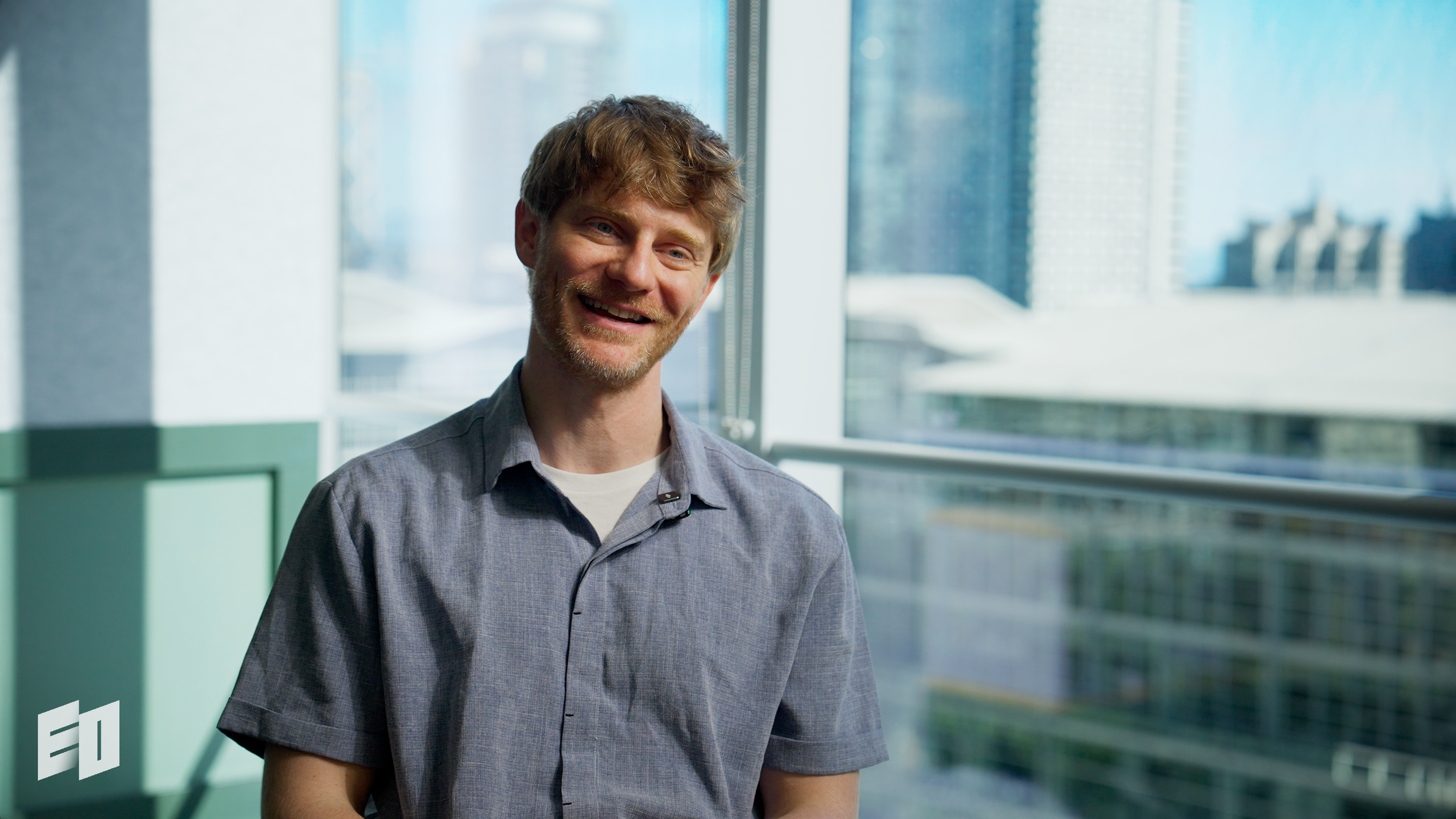
It made sense to me from first principles that neural networks would be right because a lot of the research actually was about feature engineering that people were doing at the time, like in sentiment analysis, you might say, oh, these are positive words, and this is how negation works, and here's like all these like linguists would come up with features, and that clearly wouldn't scale to more complex things like translation and I wanted to unify also the fields and that eventually led us to prompt engineering and inventing that.
What made you transition from academia to industry?
Richard Socher: But then after the PhD, I was like, now we have the main ingredients, we know how to make it work. We need large neural networks, we need a lot of data, and I showed that in all my research papers, and now we need to actually scale it up. We need to like take those ideas and apply them into real applications for real people, and I think a lot of the papers that came out in the last couple of years, they made everything a little bit better, but those main ideas of end to end trainable neural networks on large data sets, that is the main idea that pushed the field forward.
And I felt like it made more sense now to majorly scale that. And then in academia, you just don't have the resources to really scale. And then while I was excited about scaling it, I should have scaled it even more. You know, I thought, oh, I raised like 10 to $20 million, but I should have raised $200 million or a billion dollars to really scale it more. So, it was clear to me that to really scale it, you had to do it in industry, and that the technology was ready now to move out of academic research into the real world.
And then when you maximize impact, and you realize well the main ideas we've been researching, now it's time to really apply them in the real world, and so the startup felt like it made sense.
And I felt like it made more sense now to majorly scale that. And then in academia, you just don't have the resources to really scale. And then while I was excited about scaling it, I should have scaled it even more. You know, I thought, oh, I raised like 10 to $20 million, but I should have raised $200 million or a billion dollars to really scale it more. So, it was clear to me that to really scale it, you had to do it in industry, and that the technology was ready now to move out of academic research into the real world.
And then when you maximize impact, and you realize well the main ideas we've been researching, now it's time to really apply them in the real world, and so the startup felt like it made sense.
Solving for Fundamental Impact When Everyone Said No
Tell us about starting MetaMind and the Salesforce acquisition.
Richard Socher: So I graduated in 2014, then started MetaMind. MetaMind was basically an AI platform that made it very easy to train neural networks. We had started selling into, but for selling you had to be very, very focused on one small niche, but we had built this very powerful platform and so it felt like in the hands of a, no pun intended, Salesforce that is very large, we could actually have much, much more impact, and the impact within Salesforce was much, much larger for the way we had built that company.
And then I thought for a long time, like, I'll just be very happy at Salesforce and do amazing research and improve a lot of the products. We did not just prompt engineering, but we also built the largest language model for proteins, for instance, and biology.
And then I thought for a long time, like, I'll just be very happy at Salesforce and do amazing research and improve a lot of the products. We did not just prompt engineering, but we also built the largest language model for proteins, for instance, and biology.
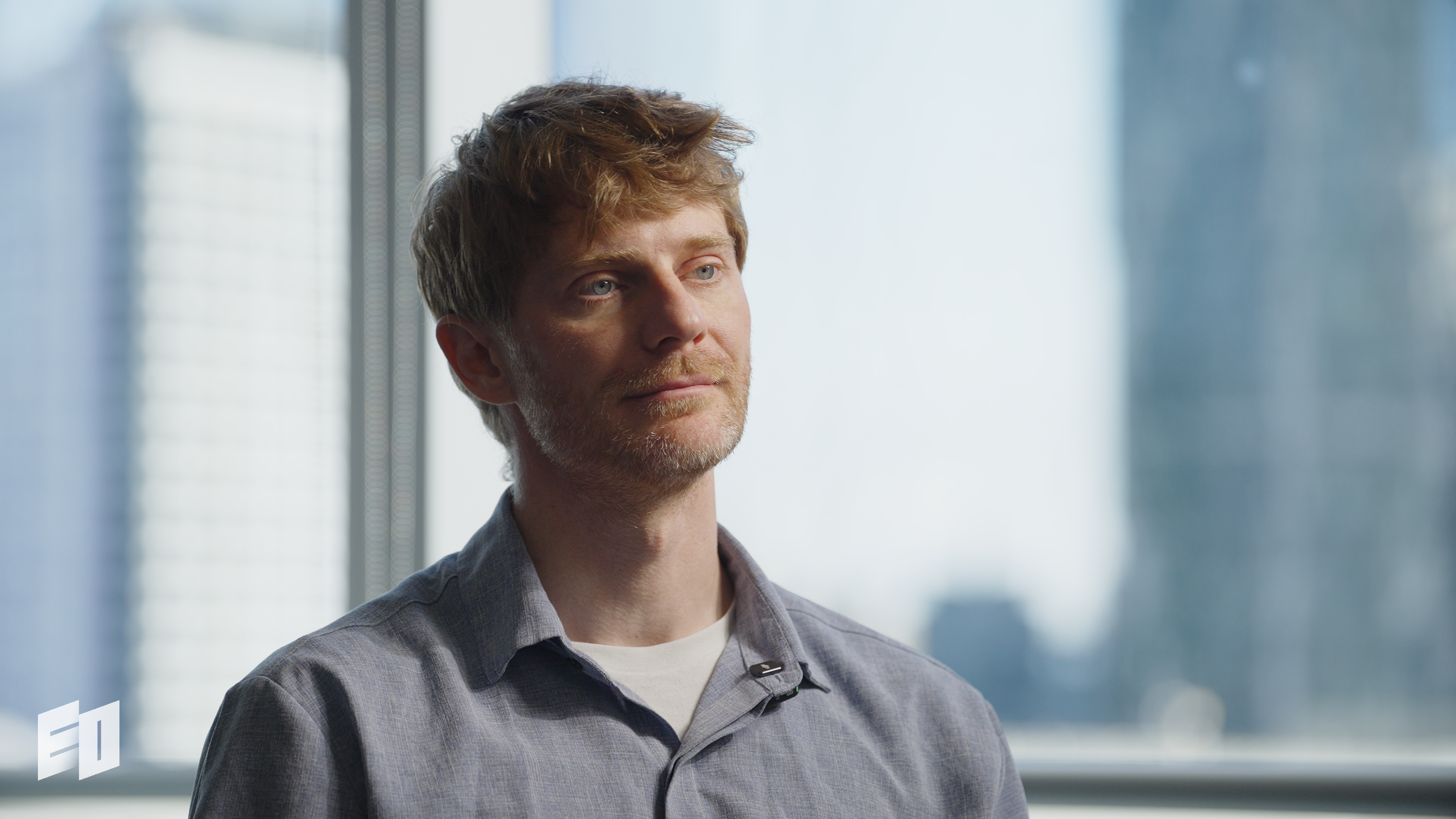
Richard Socher: And then we had invented prompt engineering, and so we trained this one neural network that can give you all different kinds of answers. And so we thought, clearly, people should get access to this, and we published a paper and you know, the paper got cited by other people at OpenAI and Alec Radford and Ilya, and they said, oh, this is an interesting idea and they extended it and so on, but we felt like, well, they're also research labs, so we needed to bring this to real people and Google was just not doing anything because they're a monopoly, they're making money and more and more money just selling advertisement and so they didn't see a reason and weren't making any interesting sort of modifications to fundamentally how we search.
And so we felt like, well, someone's got to do it. And so we started you.com and we felt like it had to be a new company to have the impact to really become a better way of finding information online. And eventually we became the first to put an LLM into a search engine. Imagine, you know, Google Gemini, like people also ask, and you get like answers from AI. We did those kinds of things, but in 2021. So it's different because it was no one, it didn't exist.
And so we felt like, well, someone's got to do it. And so we started you.com and we felt like it had to be a new company to have the impact to really become a better way of finding information online. And eventually we became the first to put an LLM into a search engine. Imagine, you know, Google Gemini, like people also ask, and you get like answers from AI. We did those kinds of things, but in 2021. So it's different because it was no one, it didn't exist.
What was your thinking process behind putting AI into search from first principles?
Richard Socher: You know, a research background where you, the whole idea of being a PhD is to do things that don't exist, right? To create new ideas and new models, and then you can often think about what kinds of new ideas and models should you build, the kinds of things that are useful for people, and when you ask like, oh, how do I write the Fibonacci function or how do I write an HTML page that does something, it's just obvious that it's better to just get an answer from an LLM than to get a list of blue links where you then have to click on 10 to open tabs and open them up and then kind of find the answer somewhere else.
And so that just seems like, from first principles, it's better to get an answer than lists of links that may have the answer or not. So, that's how we invented that one.
And so that just seems like, from first principles, it's better to get an answer than lists of links that may have the answer or not. So, that's how we invented that one.
Don't Just Build Nice Things - Build What Peopl Pay For
What was the key turning point for You.com's success?
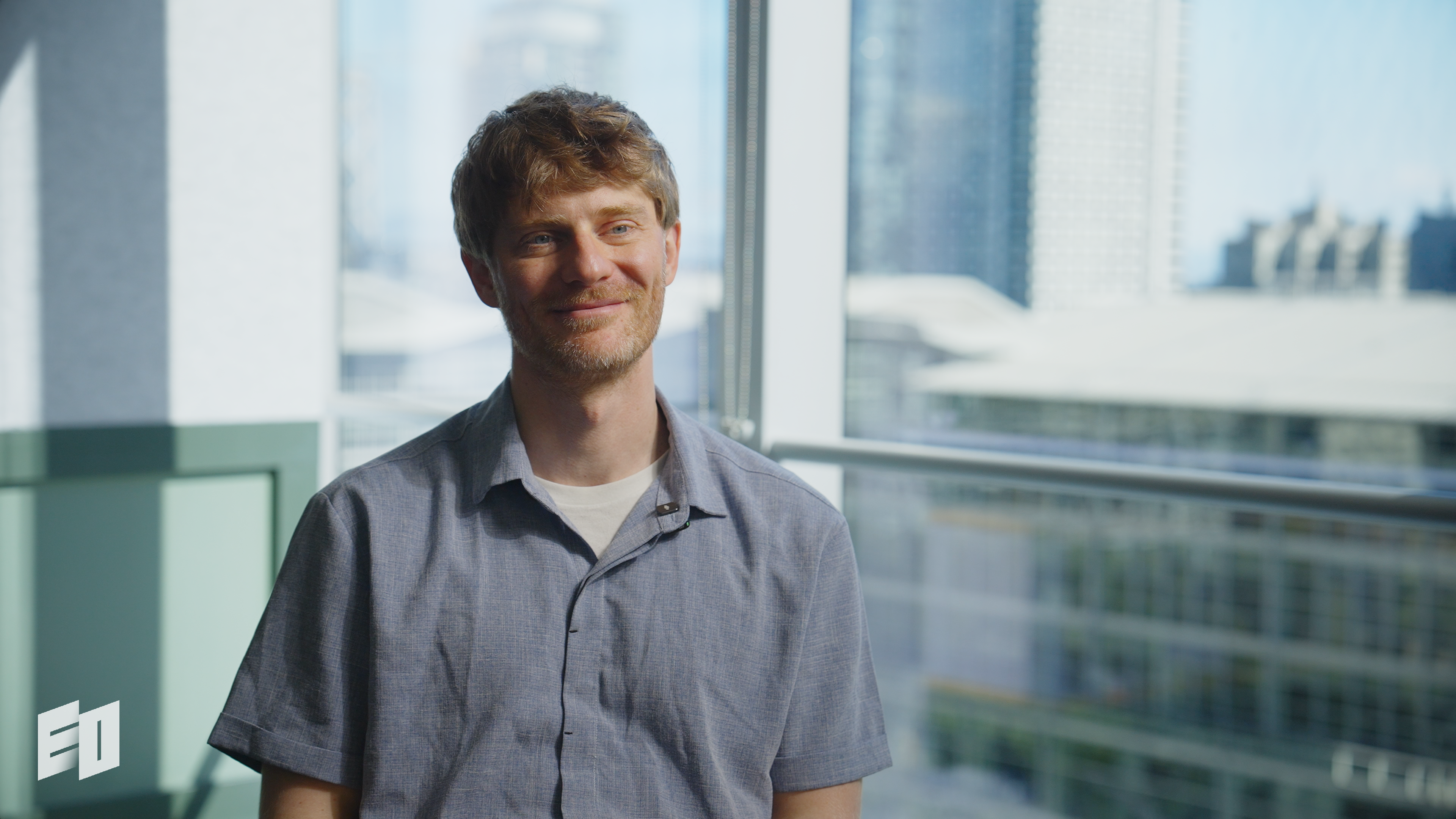
Richard Socher: I think the biggest thing for us was the pivot into enterprise. That was a really good focus. A lot of folks now realize they need AI, but only the experts realized that in order to make AI accurate, in order to make an LLM not hallucinate, you actually need to have a good search infrastructure to inform that LLM. So we built that infrastructure layer because we've been at it since 2022. What we found is that more and more companies actually want to use the underlying infrastructure for their own solutions inside their own products.
I guess, you know, there's sort of different pivots in the world, right? You can say, oh, we make cameras and now we sell soft drinks, right? That's a big pivot, but we give people answers, and now we give people answers. But how we're selling those answers is different, and it's good to follow the revenue.
Here are a bunch of people who want to use the product for free, and then here are a bunch of people who want to use and get really good answers over their own custom data sets, and they're willing to pay. You follow the people that pay, follow real revenue, not like, OK, hype, some people say, oh, I want to use this part for free, and you're like, OK, that's great. But if you build something that companies are willing to pay for, you know, you've built something of value.
I guess, you know, there's sort of different pivots in the world, right? You can say, oh, we make cameras and now we sell soft drinks, right? That's a big pivot, but we give people answers, and now we give people answers. But how we're selling those answers is different, and it's good to follow the revenue.
Here are a bunch of people who want to use the product for free, and then here are a bunch of people who want to use and get really good answers over their own custom data sets, and they're willing to pay. You follow the people that pay, follow real revenue, not like, OK, hype, some people say, oh, I want to use this part for free, and you're like, OK, that's great. But if you build something that companies are willing to pay for, you know, you've built something of value.
Are You Moving Fast Enough to Lead the AI Era?
What's your perspective on AI development - should we accelerate or slow down?
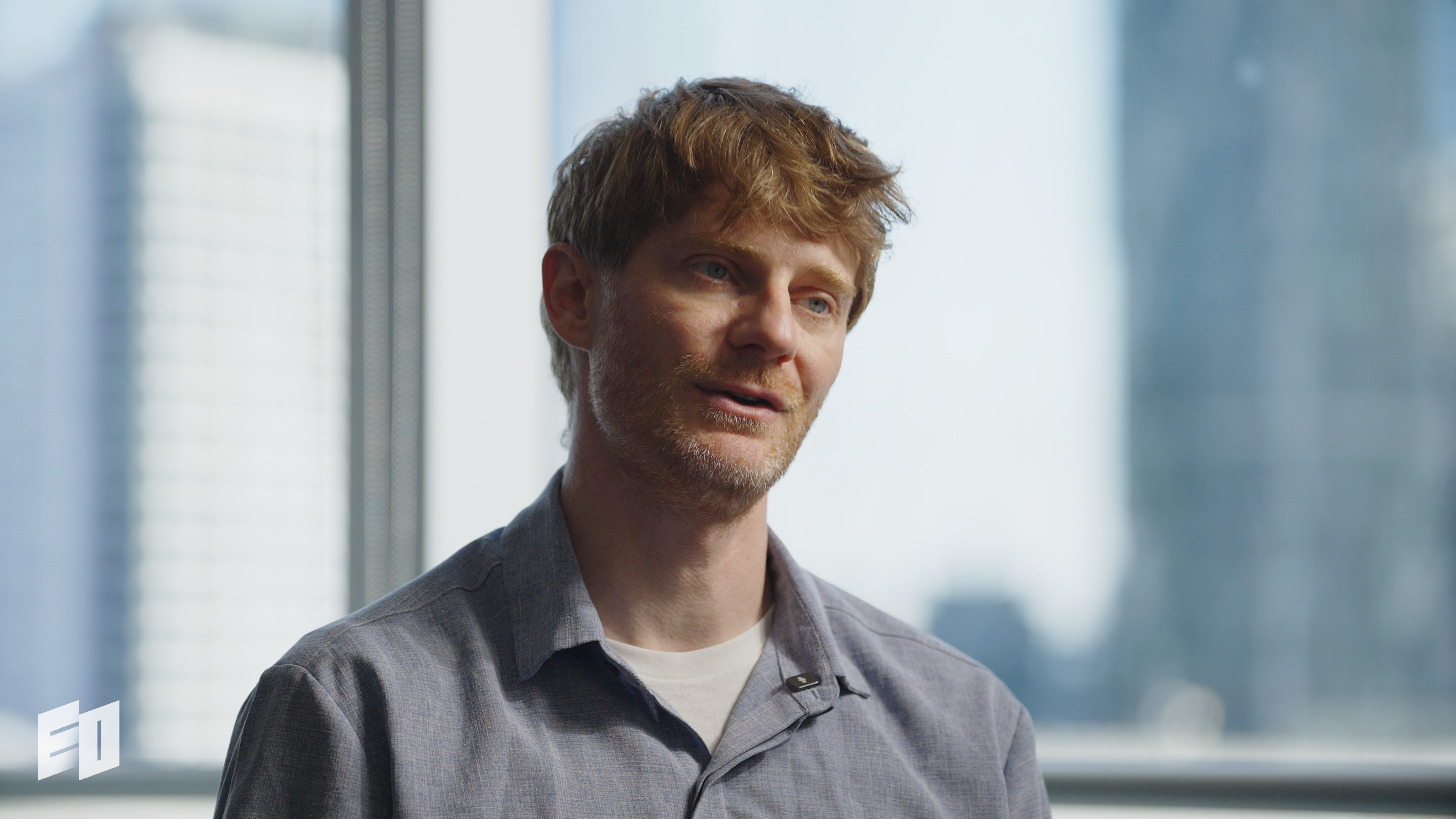
Richard Socher: Some people think we should like slow down. I think we should accelerate more. I think we should accelerate everything a lot more. It's kind of interesting. It's hard to navigate AI because on the one hand, there's real impact, right? Our customers have built over 100,000 agents that are automating real tasks for their work, right? And they're telling us and they're paying us for it because it's valuable and it works.
At the same time, there's a lot of hype around AI like how quickly and how far are we on super intelligence, are we on the right track for that? How much could a browser automate complete tasks without knowing enough about me and things like that, and sometimes the timelines are a little bit off, you know, maybe it will take a little bit longer, but the field moves so quickly, you have to mostly think of like 2 to 4 week cycles to try to move quickly.
At the same time, there's a lot of hype around AI like how quickly and how far are we on super intelligence, are we on the right track for that? How much could a browser automate complete tasks without knowing enough about me and things like that, and sometimes the timelines are a little bit off, you know, maybe it will take a little bit longer, but the field moves so quickly, you have to mostly think of like 2 to 4 week cycles to try to move quickly.
What's your approach to building AI applications that actually work?
Richard Socher: And so it's important to think about what are the right applications where you can create ideally virtuous data cycles where you do something manually, you collect data, and then you make that decision process a little bit better, and then at some point, you've made it good enough that you can automate it.
And so, I, for instance, didn't want to invest in a bunch of self-driving car companies that said, we don't even need a steering wheel. We just need to like have a full self-driving car. And I was like, oh man, you can't sell that car until you're perfect. And so that's not generally good. AI is not right away perfect. Humans aren't perfect, right? Humans still make driving mistakes and so on. AI will make some driving mistakes too. And so it's good to have a steering wheel.
And so the companies that were able to eventually get to full self-driving were either the really clever ones like Tesla. You buy the car, you pay for the product, you use the product, you're now creating training data by using the product, and then the AI can use that training data and eventually automate the process. When you see small but continuous improvements, that's when you can be very motivated too. So, it's one of my mottos is better, better, never done, and you can always improve yourself, your company, your processes.
And so, I, for instance, didn't want to invest in a bunch of self-driving car companies that said, we don't even need a steering wheel. We just need to like have a full self-driving car. And I was like, oh man, you can't sell that car until you're perfect. And so that's not generally good. AI is not right away perfect. Humans aren't perfect, right? Humans still make driving mistakes and so on. AI will make some driving mistakes too. And so it's good to have a steering wheel.
And so the companies that were able to eventually get to full self-driving were either the really clever ones like Tesla. You buy the car, you pay for the product, you use the product, you're now creating training data by using the product, and then the AI can use that training data and eventually automate the process. When you see small but continuous improvements, that's when you can be very motivated too. So, it's one of my mottos is better, better, never done, and you can always improve yourself, your company, your processes.
How would you summarize your overall perspective on AI?
Richard Socher: Overall, I would summarize it as excitement. I love AI. I love AI and all of its facets from foundational research and thinking about the upper bounds of super intelligence, all the way down to like how do we make it really work now and get it into the hands of more companies and people to make their lives better.