
Feb 29, 2024
Best Leadership Advice from a CEO at a $1B Company
Interview with Kris Nagel, CEO of Sift (2)
Founder Focused

💡
At a Glance
- Who: Kris Nagel is CEO of Sift, having previously served as COO at Ping Identity and CEO at Vindicia before joining Sift about a year before this interview.
- What: Sift is a late stage growth company that helps enterprises build great consumer experiences while preventing fraud and cybersecurity risk, applying machine learning models to score transaction risk instead of relying on static rules.
- Traction: Sift has been in business for 11 years, serves about 750 customers across 34,000 different websites, and ingests a trillion events a year.
In this interview, Kris Nagel, CEO of Sift, opens up about leading through the cultural clash after a Silicon Valley company he ran was acquired by an Israeli parent, the leadership habit he warns every first time CEO to avoid, and why he believes vision, context, and alignment matter more than day to day control.
He also explains why letting a difficult top performer play by different rules is a recipe for leadership disaster.
And he breaks down the one habit he considers non negotiable for any leader: feedback in private, praise in public.
He also explains why letting a difficult top performer play by different rules is a recipe for leadership disaster.
And he breaks down the one habit he considers non negotiable for any leader: feedback in private, praise in public.
Key Takeaways
Cultural fit matters as much as strategy
When Vindicia was acquired by Amdocs, Nagel says the biggest challenge was not operational, it was cultural. Amdocs's CEO told him directly to speak more plainly, forcing him to reconcile Silicon Valley's hope and dream style of communication with a more direct one.
New leaders should not copy their old playbook
Nagel warns that first time CEOs often try to lead every function the way they led their strongest one, such as running engineering the way they ran sales. He calls that a recipe for disaster and argues leaders need to adapt their style to each team's circumstances.
Set vision and context, then get out of the way
At Ping, with well over a thousand employees and several hundred million in revenue, Nagel could not be involved in everything. He says establishing the right vision, context, and alignment, then giving the team room to operate independently, is what let the company scale.
Fair, consistent standards prevent leadership disaster
Nagel says allowing a high performing but difficult employee to behave differently than others is a leadership failure that everyone in the company notices. He argues leaders must address underperformance directly rather than give indefinite chances.
Feedback in private, praise in public
Nagel calls himself a huge believer in feedback and transparency. He addresses problems directly with employees while reinforcing positive behavior publicly, and Sift runs an internal program to help managers build the courage to give feedback.
Startups succeed through mentors, not solo grit
Nagel says building a company is a culmination of experiences, successes, and failures. He believes leaders who lack that experience should surround themselves with mentors who challenge their thinking, spending even an hour a week talking through problems with two or three people.
Below is the complete transcription of the interview. Minor edits have been made for clarity and readability.
I am Kris Nagel, CEO of Sift. Sift is what you would call a late stage growth company. We are focused on helping the enterprise build great consumer experiences and prevent fraud and cybersecurity risk. We've been in business for 11 years, growing quite well. We've got about 750 customers across 34,000 different websites, so we have scale with us today.
2 Lesson learned from 2 Companies
I was with a company called Vindicia, based here in Silicon Valley, and we were acquired by a company called Amdocs, out of Tel Aviv, Israel. They asked me to step into the CEO role. I think probably the single biggest challenge was the cultural challenge: being a Silicon Valley startup, now owned by a company in Israel, and figuring out how to mix and match those kinds of cultures.
I can recall very distinctly my first board meeting with Amdocs. It was a broad group of companies that they owned doing the board meetings, and the CEO of Amdocs said to me, you need to speak more plainly and more directly if you're going to be successful at Amdocs. It was a great learning experience for me to really talk about what's on my mind in that structure.
In Silicon Valley, with the investors and the venture capital firms, you're kind of walking two different paths: the hope and the dream of where we're going to go, and the reality of where we are. So learning to speak plainly and working through those cultural issues was a challenge.
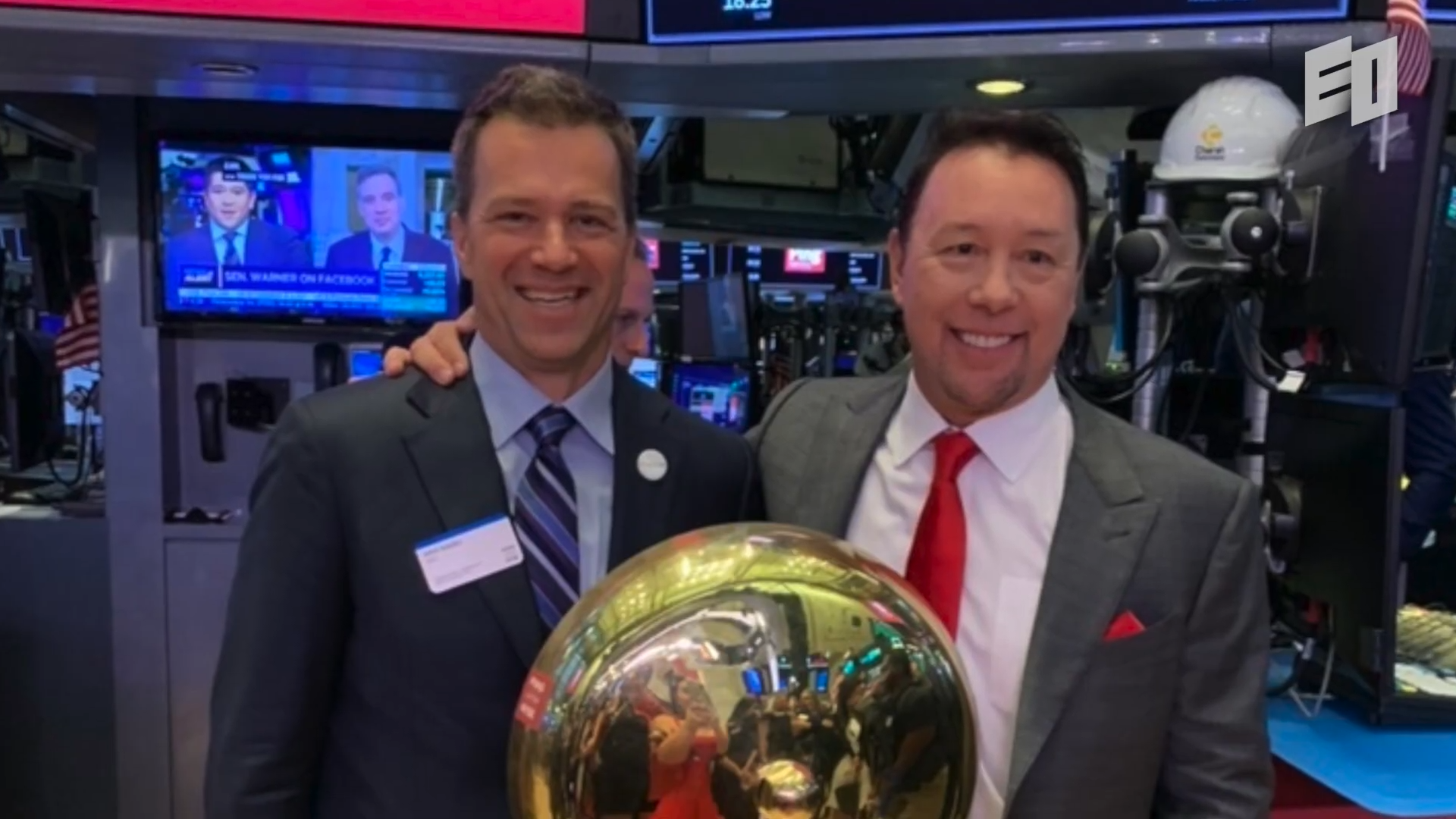
After I had left Vindicia, I took some time off and looked at what was happening in the market. I was very naturally drawn to the identity and access management space through the introduction of investors. I met with Andre Durand, who's the CEO.
Identity was going to become strategically important to the enterprise, and that's why I got interested. I did have questions about going from a CEO role to a COO role, and there have been a few spots in my career where I've made that decision, either to step sideways or to step back on title, to have access to a broader opportunity. Every opportunity is a chance to learn.
Key takeaway: operational discipline matters. Giving the team room to succeed is incredibly important. I'm a big believer, as a leader, in hiring the very best people I can hire, people who are so much better at their jobs than I could ever possibly hope to be. It's about setting some context, giving some vision, some alignment, and then letting them be free to go do their jobs. That's what we did at Ping. There was no way, with well over a thousand employees and several hundred million in revenue, that I was going to be able to be involved in everything. If you set the right context, the right vision, and establish the right alignment, and put a bit of operational discipline in place, wonderful things can happen.
Ping was at a very natural inflection point where we were a public company. I was at a point where I had accomplished what I wanted to accomplish, and I was getting curious about other things. I really wanted to get back into a CEO position. While I was at Ping, I had bought a company in the digital fraud space, and I became interested in what was happening and what kind of disruption might be building.
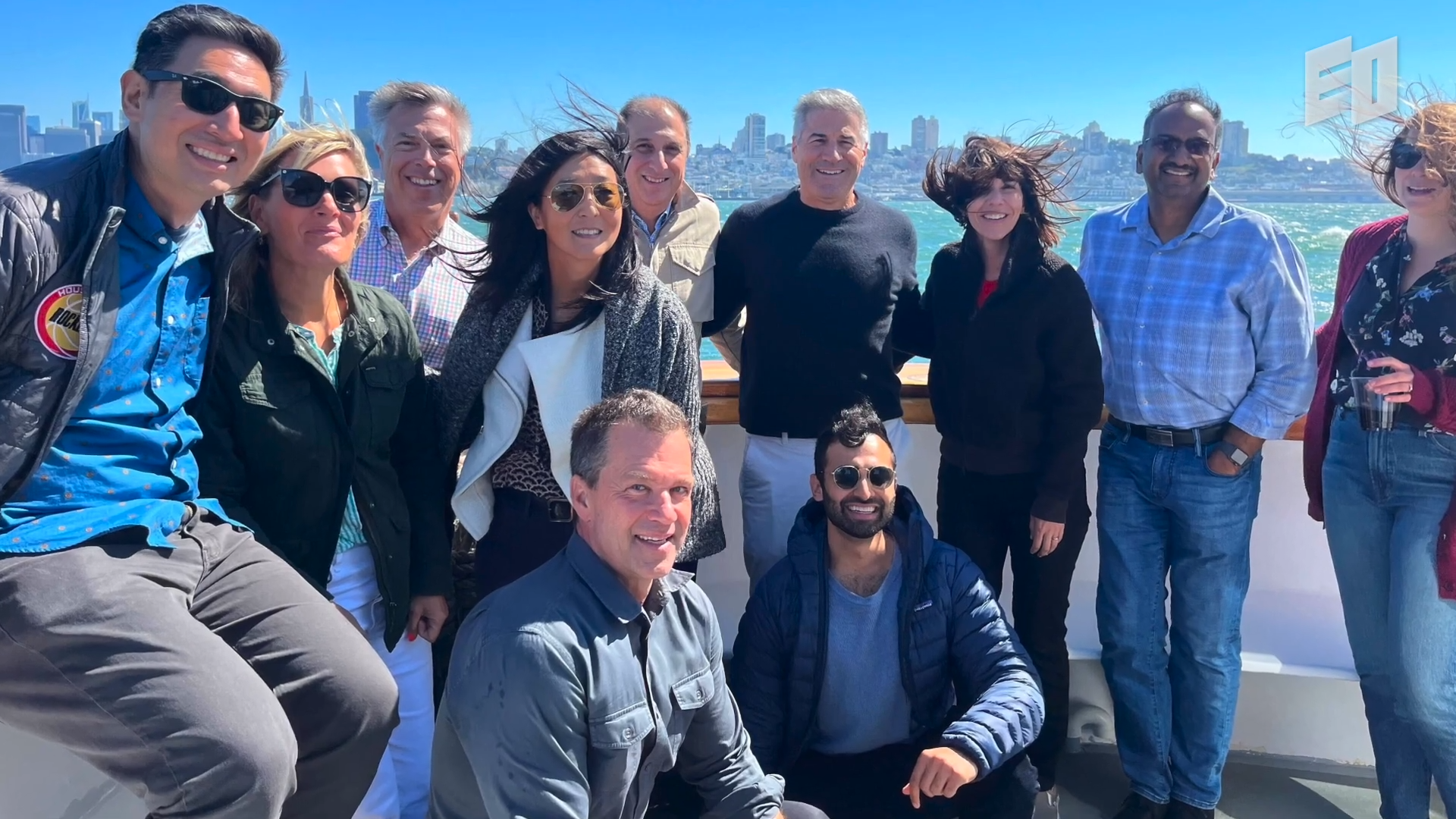
I also knew that I wanted to move pretty wholesale into the AI and ML space, which was something I had not done before. I naturally gravitate to complex enterprise sales and decision making processes. Sift fit all of those criteria: growth equity backed, in the flow of money, solving a complex enterprise problem. So I decided to join about a year ago. I'm coming up on my one year, I think, next week. It's been a fantastic run.
Leadership approach depends on the situation
Fraud is, unfortunately, just the nature of being in business. Tools get proliferated, stolen credit cards become available to users, all of these things happen. Even before the idea of generative AI, technology categories, as is so often the case, go through disruptions about every 10 to 15 years. The disruption was really the application of machine learning to solve problems that used to be solved by rules. If somebody came in and tried to do something, we'd invoke a rule. Well, the problem is fraudsters move so fast and change so quickly that there's no way your rules can keep up.
So we ingest a trillion events a year across a vast variety of merchants online, the 34,000 websites and apps. We bring in all of this data, we apply the appropriate model, and we provide essentially a riskiness score for this transaction to the enterprise. Ultimately, we are about providing them control. They get to make the decision about what to do with this particular transaction, based on their environment and their business needs.
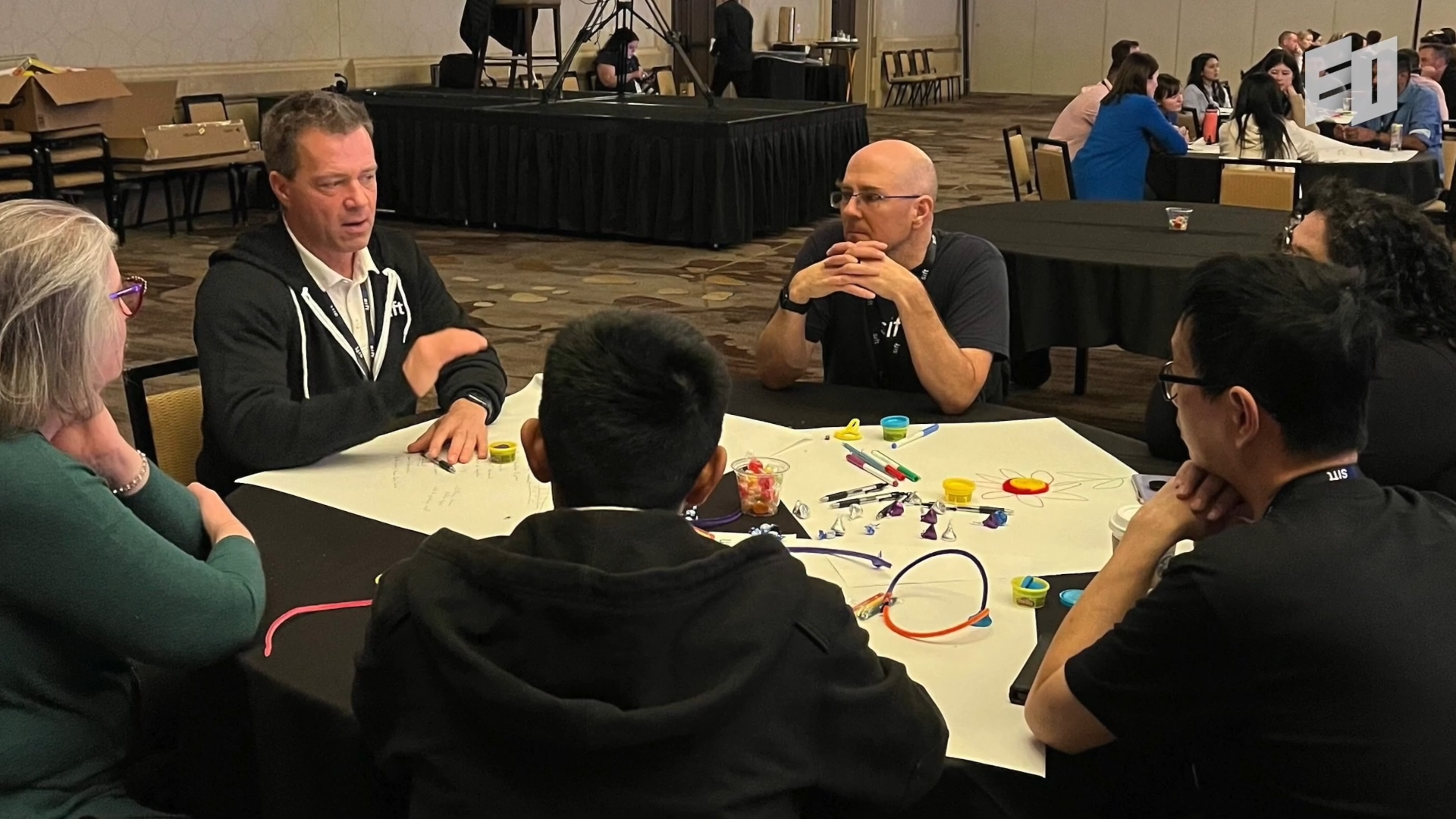
Leadership style is always an interesting question, and I think it's very circumstantial. I was kind of laughing, thinking about how if some of the Ping employees, my prior employer, saw me today, they wouldn't recognize me, because it's a different circumstance with a different set of skills and a different kind of leadership required right now. I see this a lot with early first time CEOs: I grew up in sales, so I'm going to lead the engineering team just like I did the sales team. That's not going to work. That's a recipe for disaster.
I think the common theme, through all of my leadership experiences and the different styles I've invoked at different points in time, is vision, context, alignment, and focus. Every all hands, I start with: what are our themes? What are we trying to accomplish? How do we adjust if we don't see an opportunity? Setting that framework of context and alignment gives you a lot of freedom as a leader to move and change and evolve as things happen over time.
As soon as employees really internalize where we're going and why, they start to act on their own, and that's when it scales. That's when it's a beautiful thing. If you don't set context and alignment, even two or three degrees of separation of employee activities results in a huge mismatch, a huge amount of wasted time, and a huge amount of wasted resources.
Behaviors that Make You a Bad Leader
Bad leadership can come from a variety of different places. Emotional intelligence can be a major problem for some leaders, just not understanding the impact of their words and actions on others. It's often a career capper. I think another one I see is people not being fair and equitable to the team, leaders who allow one employee a certain kind of behavior while they don't allow another employee that same behavior.
That will often come about with a rock star engineer who has a very difficult personality to deal with, and you often have to make decisions as a leader to say, okay, that behavior is not tolerated. Letting those kinds of individuals get away with behaviors you don't let others get away with is a recipe for leadership disaster, because everybody sees it.
Another mistake I see leaders make, and it sounds a little harsh, is not moving fast enough on difficult decisions around employees. It's a team sport. We all need our peers and team members to contribute equally. The employees know who's not performing, and if you don't address that, either by trying to help that employee get better or, if they don't get better, by moving on from them, that can really slow an organization down.
I see leaders often fail by thinking, I just want to give them one more chance, just one more chance, I know they're going to get better. That's a failure in leadership. Somebody who does that consistently, who isn't constantly bringing the best talent to the team to solve the problem, that's a leadership failure as well.
I'm a huge believer in feedback. I'm also a huge believer in transparency, transparency at the company level and transparency at the employee level. I think managers who are early in their management career feel uncomfortable with feedback, and you need to get very comfortable with feedback to be successful.
As soon as I see an issue or a problem, I will try to address it with the employee: here's what I'm seeing, here's the impact on the rest of the company and our ability to be successful. It's not just about them, it's about how it's impacting their peers, our ability to succeed or deliver something, and our customers. So the context of why that behavior needs to change is really important.
Frank, open conversations, having those conversations early, before issues get too big and too out of control, is really important. I'm also a big believer in feedback in private, praise in public. The idea that we need to have a conversation that might make both of us uncomfortable, that's a private conversation.
The idea that you praise in public and reinforce positive behavior so everybody else sees that's a positive behavior is very important. That's also feedback. You need to be really comfortable with feedback. We have a whole program inside of Sift for helping managers develop the skills and the courage to give feedback in a positive way for the employee. I think it's incredibly important as a tool.
Find a Mentor Who Challenges You
Startups are hard work, and a vast majority fail. You have to be dedicated and committed to making this thing work, but you can't do it on your own. Through your career, you realize it's a culmination of experiences, successes, and failures. If you don't have those personally, surround yourself with people who do, and then listen to them. You don't have to necessarily agree with them, but I think mentors and coaches you can bounce ideas off of, people who have been at that stage and grown from there, that's important.
I personally like, and some people will find this more challenging, people who will challenge me and push my thinking and make me feel a little uncomfortable. I find I get the biggest growth when I'm a little uncomfortable and outside my swim lane, so to speak. So I like mentors who ask, why do you think that? What do you think the result of that will be? Why is that important to you? It's not somebody you need to agree with all the time. It's important that you remain independent in your thought process, but you can also learn that from a mentor.
Try to find time every week to reach out to two or three people. It only takes an hour, an hour, to talk to this person about this particular problem, and you'll be amazed at what you can learn. And like I said before, you don't need to agree with it, but you get a different perspective, a perspective that has come from success and failure and trial and error. So that makes up for your lack of experience as an early young CEO.
Explore more