
Dec 29, 2024
The Pivots That Nearly Broke SES AI's Battery Dream
An interview with Qichao Hu, Founder of SES AI
Founder Focused
"Sometimes you have to change your DNA faster," says Qichao Hu, reflecting on the pivots that nearly broke his company. "The biggest risk is you are letting go of something."
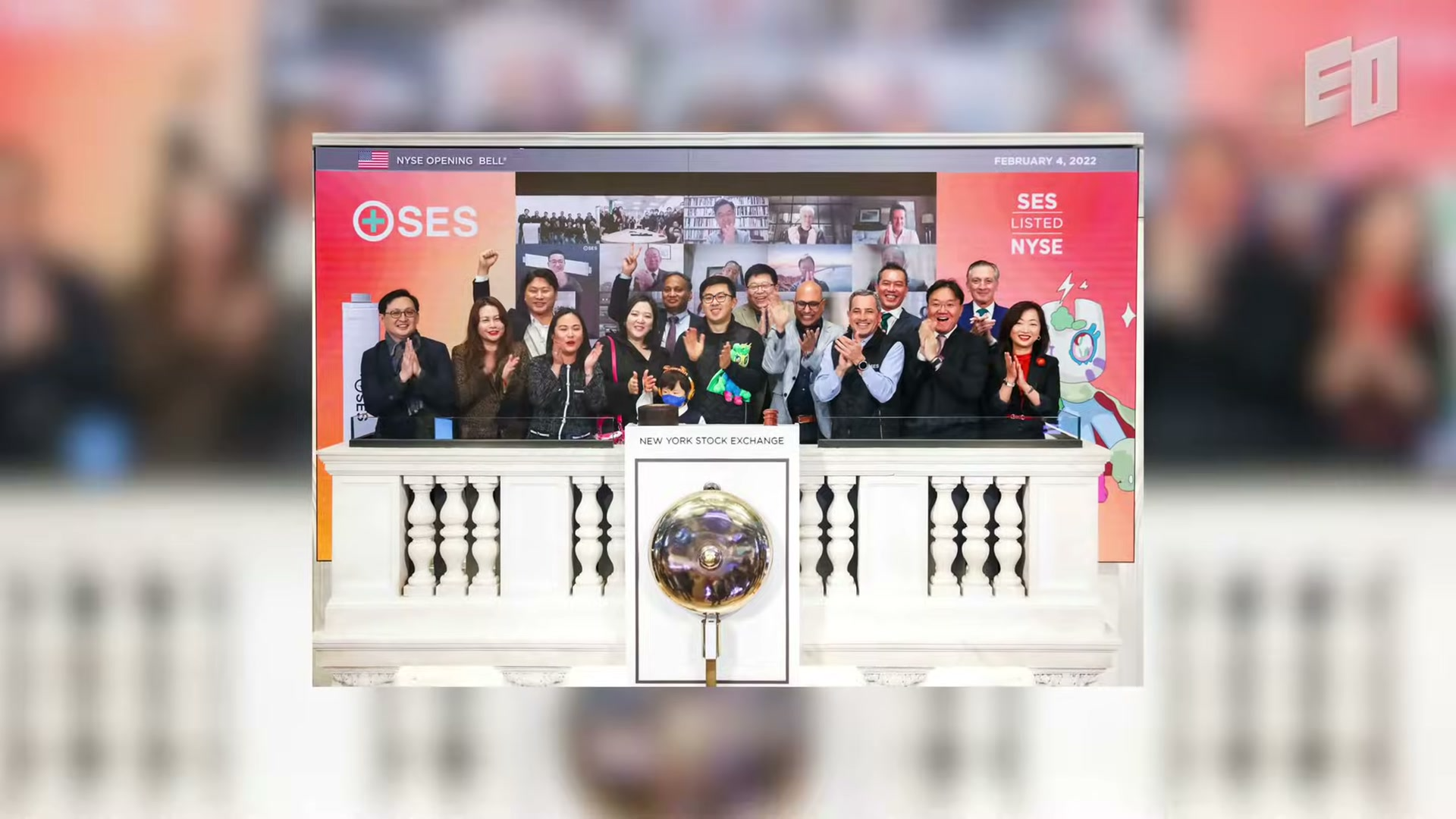
For over 12 years, Hu has been building SES AI, developing next-generation lithium metal batteries for electric vehicles. The company has raised over half a billion dollars and went public on the NYSE, partnering with automotive giants like GM, Hyundai, and Honda. But the path to IPO was paved with painful pivots—from drones to EVs, from pure technology to AI-powered solutions.
In this candid interview, Hu shares the brutal lessons from watching America's battery hero A123 Systems collapse, the art of strategic frugality in a cash-burning industry, and why founder CEOs must fight for power or risk losing their companies to well-meaning boards.
Watch the full interview now on EO's YouTube channel! Below is the complete transcription of the interview. Minor edits have been made for clarity and readability.
Key Highlights:
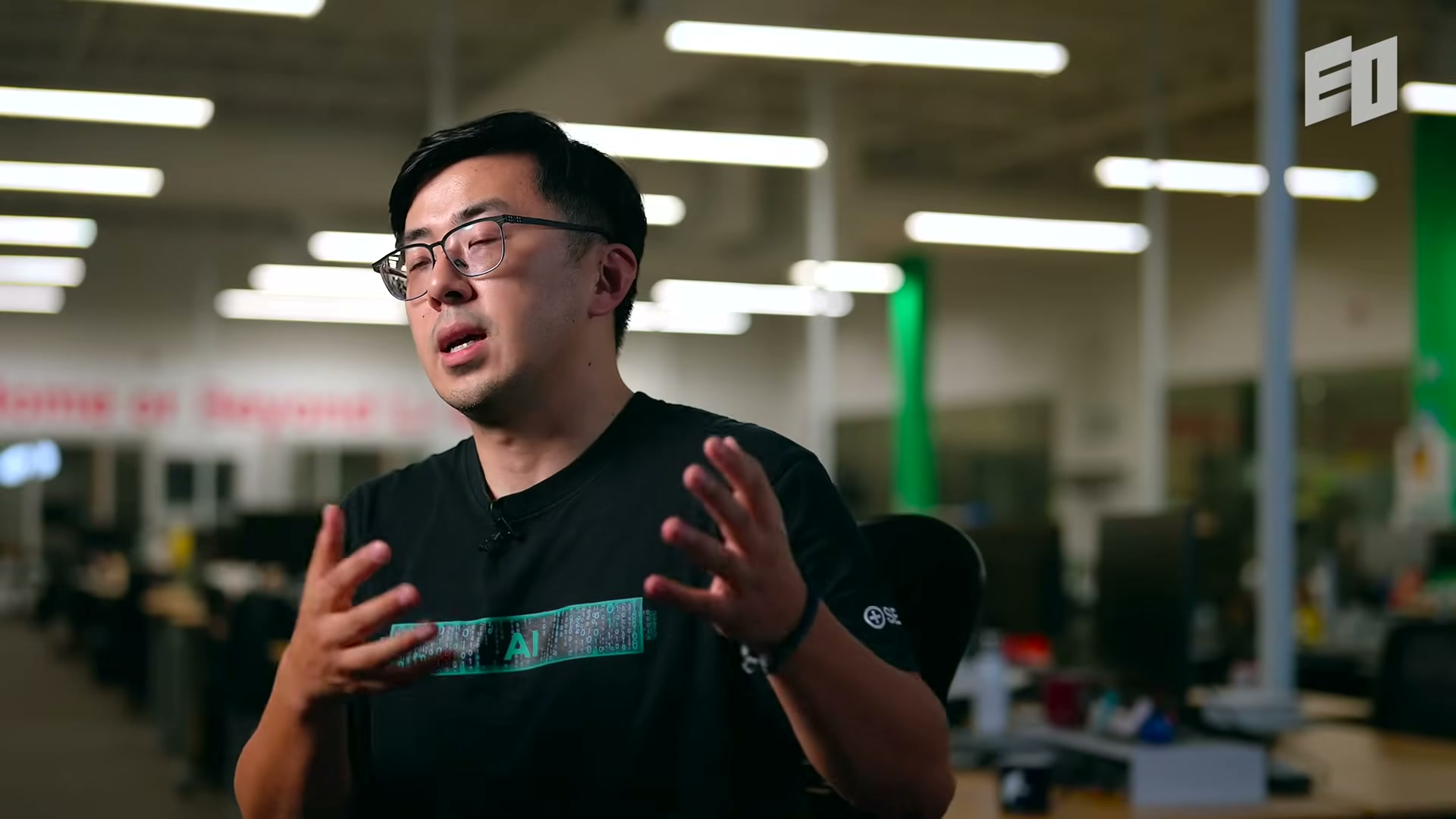
"I think the one thing that I wish I had done differently is I wish I had made these pivots faster. Sometimes you have to change your DNA faster, but then because you are who you are and you don't want to change something that's quite core to you, that takes a long time."
"When you make a pivot, there is a risk, and the biggest risk is you are letting go of something. It's quite natural for you to be emotionally attached to the thing that you're trying to let go, but you have to let go for the sake of growth."
"A123 had a good technology, but they expanded too fast. They got a lot of funding and they almost forgot who they were."
"As an entrepreneur, now is not the time to be nice. You have to be really clear in terms of what power the CEO has and then what power the board has. If you don't give me the power, don't make me the CEO."
"I think as a human, it's quite natural to assign an emotion to success and emotion to failure, but actually they're just different labels of different states. I'm not that bothered by those. I'm a robot."
"When you make a pivot, there is a risk, and the biggest risk is you are letting go of something. It's quite natural for you to be emotionally attached to the thing that you're trying to let go, but you have to let go for the sake of growth."
"A123 had a good technology, but they expanded too fast. They got a lot of funding and they almost forgot who they were."
"As an entrepreneur, now is not the time to be nice. You have to be really clear in terms of what power the CEO has and then what power the board has. If you don't give me the power, don't make me the CEO."
"I think as a human, it's quite natural to assign an emotion to success and emotion to failure, but actually they're just different labels of different states. I'm not that bothered by those. I'm a robot."
The DNA Problem: Why Pivots Hurt More Than They Should
What's the biggest lesson you've learned about pivoting during your 12-year journey?
Qichao Hu: I think the one thing that I wish I had done differently is I wish I had made these pivots faster. Sometimes you have to change your DNA faster, but then because you are who you are and you don't want to change something that's quite core to you, that takes a long time, at least realize that the things that you're doing are influenced by who you are and by the human aspect.
For example, we used to focus on droning. And then we had people that were quite close to drones companies that we work with and then also they spent a long time developing the drones sales and the drones design. And when we say now we pivot to EVs, we had to let go all that, all the relationships we build with those people, all the work that we did, all the momentum that we built, we had to let that go and that's not that easy.
It goes back to pivot. When you make a pivot, there is a risk, and the biggest risk is you are letting go of something. It's quite natural for you to be emotionally attached to the thing that you're trying to let go, but you have to let go for the sake of growth. And I think I wish I had let go of momentum, the past, the DNA faster so that we can actually pivot faster.
For example, we used to focus on droning. And then we had people that were quite close to drones companies that we work with and then also they spent a long time developing the drones sales and the drones design. And when we say now we pivot to EVs, we had to let go all that, all the relationships we build with those people, all the work that we did, all the momentum that we built, we had to let that go and that's not that easy.
It goes back to pivot. When you make a pivot, there is a risk, and the biggest risk is you are letting go of something. It's quite natural for you to be emotionally attached to the thing that you're trying to let go, but you have to let go for the sake of growth. And I think I wish I had let go of momentum, the past, the DNA faster so that we can actually pivot faster.
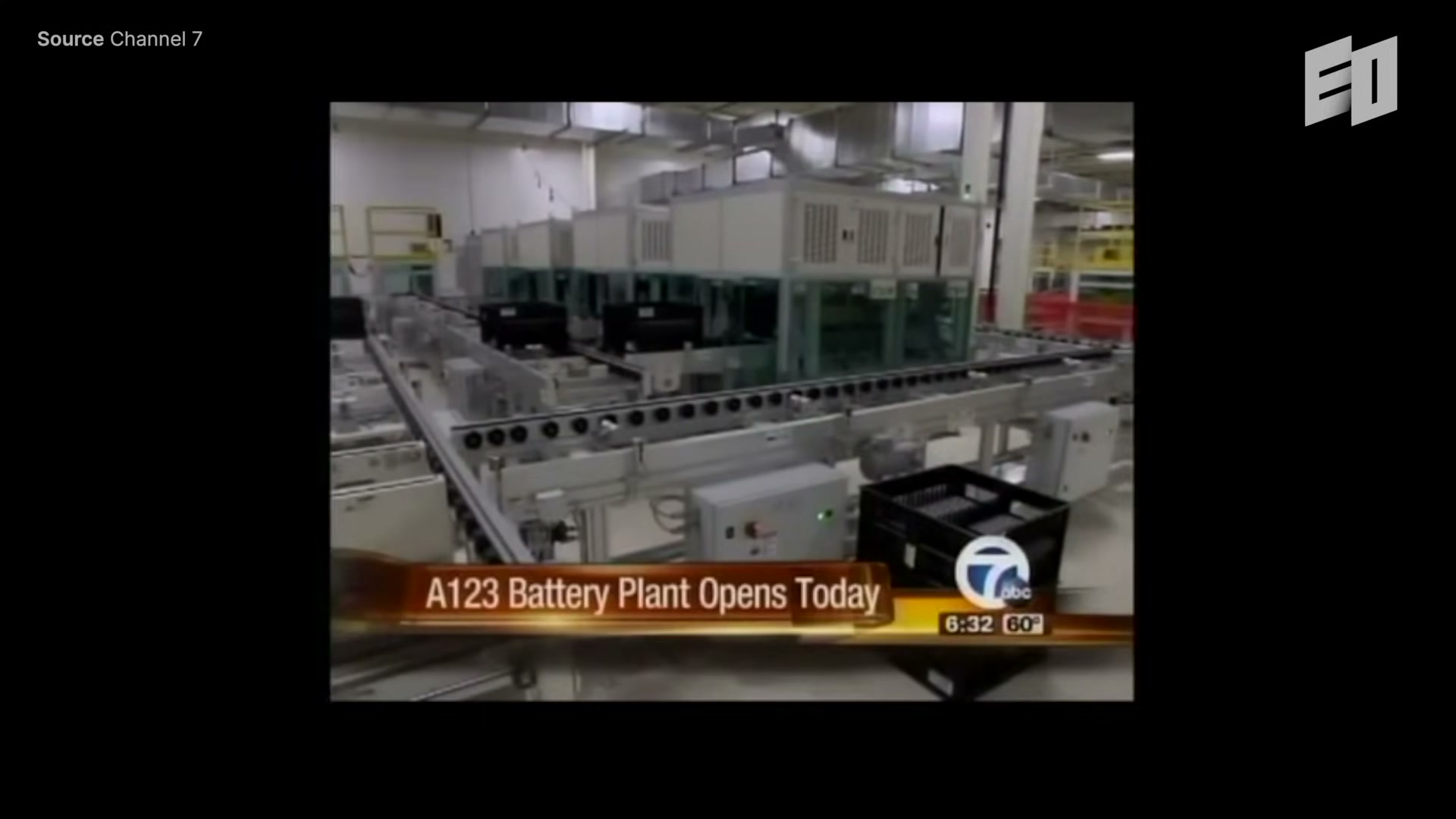
Watching America's Battery Hero Fall
Can you tell us about your background and what led you to start SES AI?
Qichao Hu: My name is Qichao Hu. I'm the founder and CEO of SES AI. We develop next generation lithium metal batteries for electric transportation both on land and in the air. We also use AI to accelerate the pace of material discovery and improve EV safety. We've been around for more than 10 years, we've raised more than half a billion dollars. Now we're listed on the NYSE and we were the world's first to develop automotive A sample and automotive B sample lithium metal cells, and we partner with global car companies including GM, Hyundai, and Honda.
When I was a child, I was fascinated by the universe and then in terms of anime, Transformers, just like any other kid that grew up in the late 80s and 90s, everything that we have today, once upon a time was an imagination. A lot of the things in Transformers, for example, cars, flying cars, space travel. Nowadays, we're quite close to be living in a society where you have these things everywhere.
I was fascinated by physics, so a lot of my time at MIT in undergrad studying physics, and then at that time, when I started my PhD in 2007, 2008, there was a very special time in the US. A123 was at the peak. I will go to these seminars, MIT and then just hear founders, top executives at A123 give talks about their experience.
When I was a child, I was fascinated by the universe and then in terms of anime, Transformers, just like any other kid that grew up in the late 80s and 90s, everything that we have today, once upon a time was an imagination. A lot of the things in Transformers, for example, cars, flying cars, space travel. Nowadays, we're quite close to be living in a society where you have these things everywhere.
I was fascinated by physics, so a lot of my time at MIT in undergrad studying physics, and then at that time, when I started my PhD in 2007, 2008, there was a very special time in the US. A123 was at the peak. I will go to these seminars, MIT and then just hear founders, top executives at A123 give talks about their experience.
What happened to A123 Systems and what did you learn from their failure?
Qichao Hu: A123 was the American hero in American battery industry, but then in 2012, they could not compete. I think A123 was too early, too advanced for its time. They had this LFP technology, but back in 2009, 2010, 2012, the popular chemistry by the Japanese and the Korean companies was not LFP, it was NCM. At that time, the OEMs like GM, Ford, they would make A123 and the Korean and Japanese cell makers compete and obviously A123 could not compete and they lost and then they went bankrupt.
So founder CEOs and professional CEOs are really different. Founder CEOs are very technology focused and they really care because it's like your baby, but when you are a professional CEO, you don't know a lot of the deep challenges and the deep issues, and then you get funding from the government and then you quickly forget who you are, then their professional management forgot that because they got a lot of funding and they thought they could expand really fast.
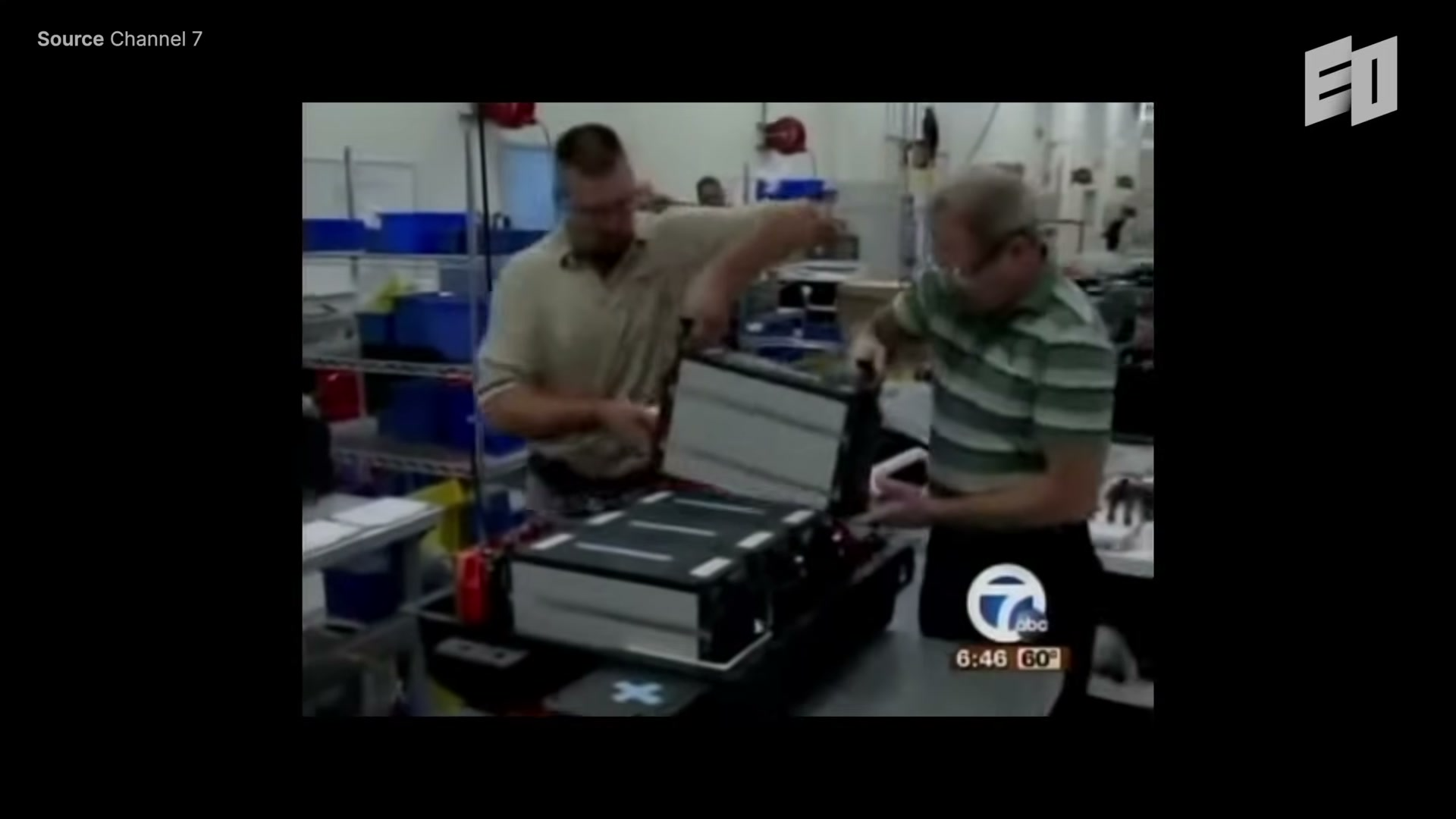
They hired 5000 people in 3 months, build these giant factories in Michigan, and then it was like from the moment they announced this buildout and the hire 3 months later, they had 5000 people, they had just bare bone facility, and then 3 months later, they had to lay everyone off. Growth was too inorganic, it was too fast.
So founder CEOs and professional CEOs are really different. Founder CEOs are very technology focused and they really care because it's like your baby, but when you are a professional CEO, you don't know a lot of the deep challenges and the deep issues, and then you get funding from the government and then you quickly forget who you are, then their professional management forgot that because they got a lot of funding and they thought they could expand really fast.
They hired 5000 people in 3 months, build these giant factories in Michigan, and then it was like from the moment they announced this buildout and the hire 3 months later, they had 5000 people, they had just bare bone facility, and then 3 months later, they had to lay everyone off. Growth was too inorganic, it was too fast.
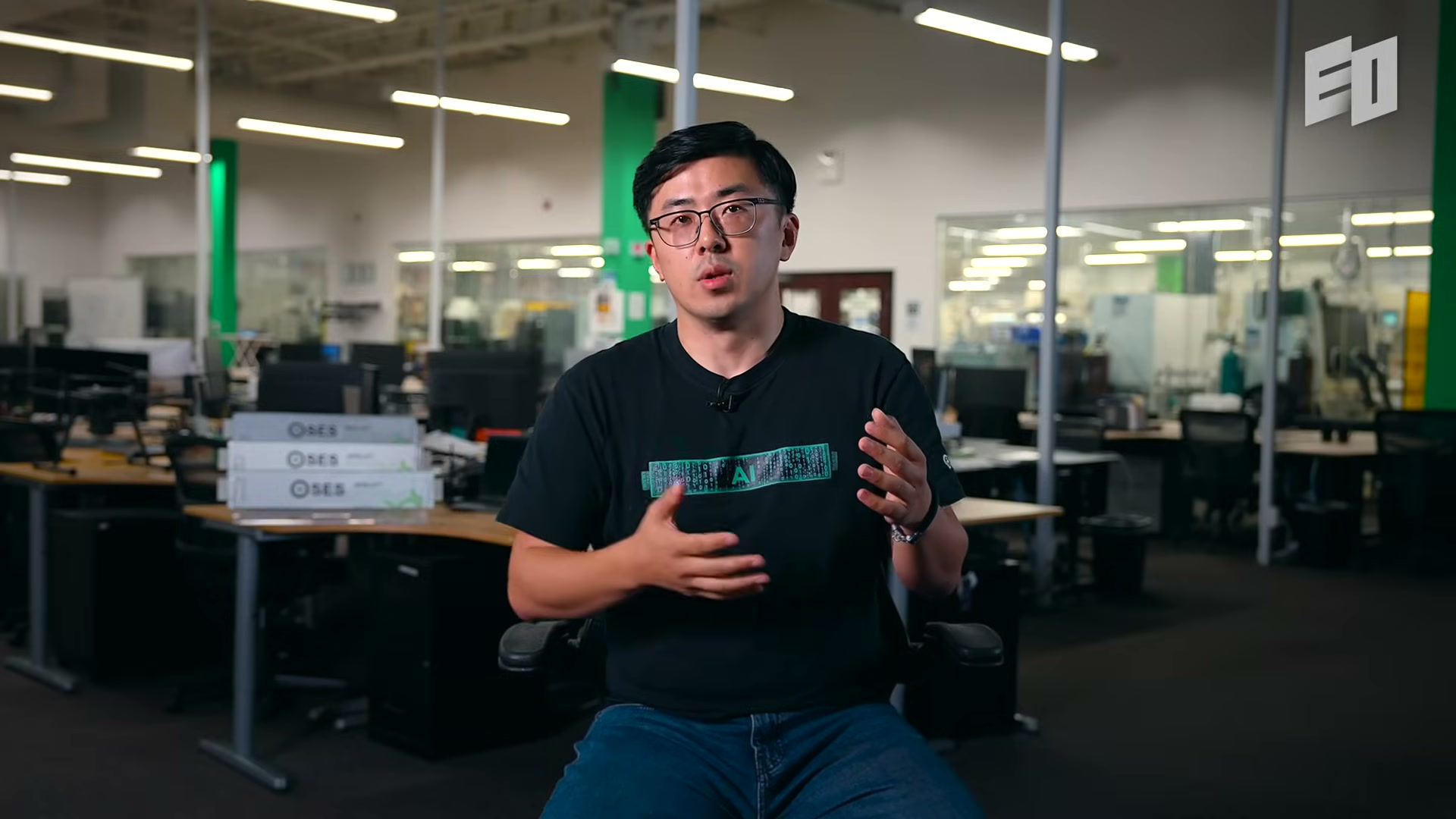
What specific mistakes did A123's management make that led to their downfall?
Qichao Hu: If you make one mistake, and also they lost focus on quality, they were focusing on management, focusing on just public marketing. They had an issue with one of their, I think it was like a tab welding, those defects cells ended up getting shipped to GM. Obviously, that was not good. They lost the contract to LG, so the A123 professional management care a lot about revenue is a listed company and revenue is important for your market cap, but they lost focus on the cost. It was huge revenue with huge negative margin, just it was not sustainable and the whole thing blew up.
I watched the whole thing and I interfaced with everyone, both the founders, professional management back then. I remember just saying to myself, don't let that happen to your SES AI.
I watched the whole thing and I interfaced with everyone, both the founders, professional management back then. I remember just saying to myself, don't let that happen to your SES AI.
Scavenging from the Wreckage
How did A123's bankruptcy actually help SES AI in its early days?
Qichao Hu: End of 2012 after A123 went bankrupt because A123 is here in Waltham. At that time, we were just trying to raise our Series A. We had no money. So we went to A123 because we had known those people quite well and then their R&D facility in Waltham was available. It used to have at the peak 200 people. At that time you had like 8 people and then all the dry rooms, all the equipment, there were state of the art, but everyone's gone.
So we went there and we just asked one of those engineers, hey, can you use the line 1865 line and help us build a couple of prototypes for free. So they did that. So that was the end of 2012. We will go to A123 and then just leverage whatever they had and then just build prototypes all for free.
Looking back, that really saved us a lot of time and then a lot of money was a very good experience. No other battery company in the US went through that. We were the only company in Massachusetts at that time that leveraged that A123 and I think both that experience, leveraging the A123 incubator, learning from A123's mistake. A123 had a good technology, but they expanded too fast. They got a lot of funding and they almost forgot who they were.
So we went there and we just asked one of those engineers, hey, can you use the line 1865 line and help us build a couple of prototypes for free. So they did that. So that was the end of 2012. We will go to A123 and then just leverage whatever they had and then just build prototypes all for free.
Looking back, that really saved us a lot of time and then a lot of money was a very good experience. No other battery company in the US went through that. We were the only company in Massachusetts at that time that leveraged that A123 and I think both that experience, leveraging the A123 incubator, learning from A123's mistake. A123 had a good technology, but they expanded too fast. They got a lot of funding and they almost forgot who they were.
Strategic Frugality in a Cash-Burning Industry
How has watching A123's collapse influenced your approach to capital allocation and growth?
Qichao Hu: I think one thing is when the market is really good, we try to get as much cash as possible, but then we don't invest many others. For example, in 2022, in 2023, and also I would say first half of this year, when the market was actually quite hot, a lot of our peers invested a lot. If you go visit our peers in California, in other places, I think you'll probably like their facility more than our facility. We tend to be pretty cheap, but then a lot of those companies that invested in these things, they are now shutting it down.
The market is good, we're trying to get as much cash as possible, which is what we did back in 2021 and 2022, but we don't invest as aggressively as many of our peers, especially in Capex, because I've seen companies that spend $100 on Capex, fire sale situation will have to sell that for less than 1 cent.
The market is good, we're trying to get as much cash as possible, which is what we did back in 2021 and 2022, but we don't invest as aggressively as many of our peers, especially in Capex, because I've seen companies that spend $100 on Capex, fire sale situation will have to sell that for less than 1 cent.
The Board from Hell
What's been the biggest challenge you've faced as a public company CEO?
Qichao Hu: Yeah, so when you run a company, especially once you become listed, there is a lot of work that you have to do, but you also don't have to do. You have to do a lot of work for the sake of shareholders, market, investors, but those actually don't really add value to the core mission.
I mean, I think there are lots of challenges. We fundraise 7 times. Sometimes market is good, sometimes market is tough, and you have to raise from private investors, from financial investors, from strategic investor. It's challenging. Technology is challenging, deals done is challenging. These are OK. These are challenges that we have to deal with.
I think the biggest challenge that I hate the most is a bad board. So, when you're the CEO of a company, there's a board, right? When you're private, the board consists of investors. When you have like a bad investor that doesn't know anything but wants to get involved, could be this investor has like a timeline and they need to exit. Or they have, say, this new fund and they have pressure from LP, the most challenging and then it's the worst kind of challenge. It's not like a worthy challenge, it's not like technology or business deals, they're challenging, but they're interesting and they're worthy of your time investment.
I mean, I think there are lots of challenges. We fundraise 7 times. Sometimes market is good, sometimes market is tough, and you have to raise from private investors, from financial investors, from strategic investor. It's challenging. Technology is challenging, deals done is challenging. These are OK. These are challenges that we have to deal with.
I think the biggest challenge that I hate the most is a bad board. So, when you're the CEO of a company, there's a board, right? When you're private, the board consists of investors. When you have like a bad investor that doesn't know anything but wants to get involved, could be this investor has like a timeline and they need to exit. Or they have, say, this new fund and they have pressure from LP, the most challenging and then it's the worst kind of challenge. It's not like a worthy challenge, it's not like technology or business deals, they're challenging, but they're interesting and they're worthy of your time investment.
What's your advice to entrepreneurs about dealing with investors and board governance?
Qichao Hu: I think one, you need to be as an entrepreneur, when you raise money from investors, you should be very selective in the type of investors. Some investors, maybe it's a big name investor, but then if they are too controlling, you want to avoid that. A dollar from a big name investor is the same as a dollar from a less known investor. It's really the value of the dollar and you really want to select a good board and a good investor, investors that have good chemistry with you.
When you have these agreements, shareholder agreements and the board agreements, be really clear with what kind of power you have. And I think, as an entrepreneur, now is not the time to be nice. You have to be really clear in terms of what power the CEO has and then what power the board has. And it's really not the time to be polite. If you don't give me the power, don't make me the CEO. Make someone else the CEO. If you're going to make me the CEO, give me the power. I think that's really important.
If you get too complicated there, it's hard to focus, especially when situations get bad, when you have to make pivots, if there is not clear and concentrated power, it's actually hard to make things happen.
When you have these agreements, shareholder agreements and the board agreements, be really clear with what kind of power you have. And I think, as an entrepreneur, now is not the time to be nice. You have to be really clear in terms of what power the CEO has and then what power the board has. And it's really not the time to be polite. If you don't give me the power, don't make me the CEO. Make someone else the CEO. If you're going to make me the CEO, give me the power. I think that's really important.
If you get too complicated there, it's hard to focus, especially when situations get bad, when you have to make pivots, if there is not clear and concentrated power, it's actually hard to make things happen.
Building an AI Ecosystem from Battery Data
How are you addressing the current challenges in the EV battery market?
Qichao Hu: Yes, so the current EV battery market is challenging. We are in an industry where the validation process takes a long time. It should be because for someone to buy a car and then drive that car with their family, that car should be safe. It takes a long time to qualify a new battery chemistry in cars. When you change a new material, when you change a new manufacturing process, when you change a new design, it takes a long time to qualify.
This is also one of the reasons why we developed the 3 AI solutions so that we can accelerate that timeline, actually taking 10 years of seeing how it behaves under different real world situations, let's take 1 year and then take all the data from 1 year, create an AI model, and then have that AI model tell us how it will behave in the next 9 years. So I think the use of AI can accelerate the time that it takes customers and the market to get comfortable with new innovations.
This is also one of the reasons why we developed the 3 AI solutions so that we can accelerate that timeline, actually taking 10 years of seeing how it behaves under different real world situations, let's take 1 year and then take all the data from 1 year, create an AI model, and then have that AI model tell us how it will behave in the next 9 years. So I think the use of AI can accelerate the time that it takes customers and the market to get comfortable with new innovations.
Can you elaborate on this new AI ecosystem you're building?
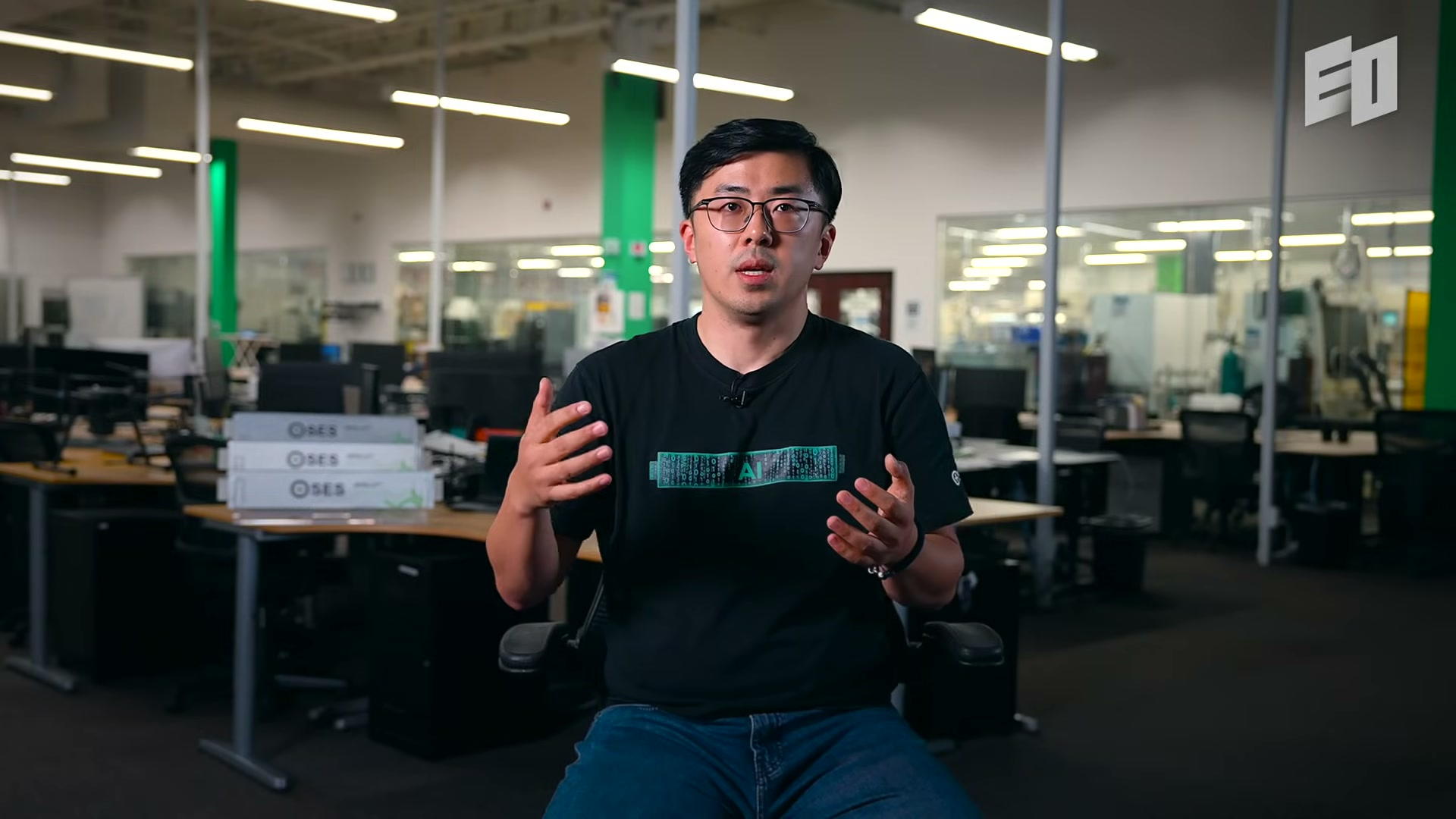
Qichao Hu: The three AI solutions that we're developing AI for science, AI for manufacturing, and AI for safety really start to form a new ecosystem that did not exist before. And this new ecosystem is now forming because you have more data from all the gigafactories that are becoming available. And also you have all these new models that are being developed large language models, new foundation models.
And all these new models that we are developing, when these two converge, the data from these gigafactories and these new models, you can form these really exciting ecosystems that never existed before. And then we are working with, in addition to the car companies that we worked with before, Hyundai, Honda and GM. We're now working with compute companies, for example, like Nvidia and a few others to really establish very capable compute centers.
And also to develop this new softwares, new models that are tailored to the type of computation that we're doing so that we can really efficiently and then quickly compute a large amount of data from material data to manufacturing data to vehicle data. I think we are taking this challenge and then turning this into a very exciting opportunity where we're forming a new AI ecosystem in the EV battery industry that never existed before.
And all these new models that we are developing, when these two converge, the data from these gigafactories and these new models, you can form these really exciting ecosystems that never existed before. And then we are working with, in addition to the car companies that we worked with before, Hyundai, Honda and GM. We're now working with compute companies, for example, like Nvidia and a few others to really establish very capable compute centers.
And also to develop this new softwares, new models that are tailored to the type of computation that we're doing so that we can really efficiently and then quickly compute a large amount of data from material data to manufacturing data to vehicle data. I think we are taking this challenge and then turning this into a very exciting opportunity where we're forming a new AI ecosystem in the EV battery industry that never existed before.
Beyond Cars: Flying Dreams and Arctic Computing
What applications are you most excited about beyond traditional EVs?
Qichao Hu: I am personally very interested in transportation related applications, transportation on land. That's why EV, transportation in the air, so flying cars. I really believe flying cars will be everywhere in 10 years worldwide. It's something I'm very passionate about and I truly believe in. When I was a child, I really liked the Greek mythologies of Hermes. He was the one that brought dreams.
And then one application particularly excited about for the use of lithium metal is high altitude pseudo satellites. So these are these drones that fly in the stratosphere, so 30,000 m above the ground, and then it's basically a flying cell tower. So you can imagine these high altitude pseudo satellites will fly in remote places and then provide Wi Fi, provide signals to kids that have no access to Wi Fi in terms of the spread of knowledge, the spread of information to people in remote places, I think it's a very exciting application.
And also on the material side, we are building bigger and bigger GPU clusters in the Arctic and this Arctic computing center can power more and more applications from batteries to for flying cars, but also I think it's going to expand beyond transportation. For example, there are many challenges in climate change. You can use this Arctic Computing Center to address ocean plastic waste or to come up with new antibiotics or to come up with new models. The Earth climate. SES AI will evolve from a battery company to power company for transportation and then also brain for to address climate change.
And then one application particularly excited about for the use of lithium metal is high altitude pseudo satellites. So these are these drones that fly in the stratosphere, so 30,000 m above the ground, and then it's basically a flying cell tower. So you can imagine these high altitude pseudo satellites will fly in remote places and then provide Wi Fi, provide signals to kids that have no access to Wi Fi in terms of the spread of knowledge, the spread of information to people in remote places, I think it's a very exciting application.
And also on the material side, we are building bigger and bigger GPU clusters in the Arctic and this Arctic computing center can power more and more applications from batteries to for flying cars, but also I think it's going to expand beyond transportation. For example, there are many challenges in climate change. You can use this Arctic Computing Center to address ocean plastic waste or to come up with new antibiotics or to come up with new models. The Earth climate. SES AI will evolve from a battery company to power company for transportation and then also brain for to address climate change.
The Robot Mindset
How do you handle the emotional toll of failure and setbacks as an entrepreneur?
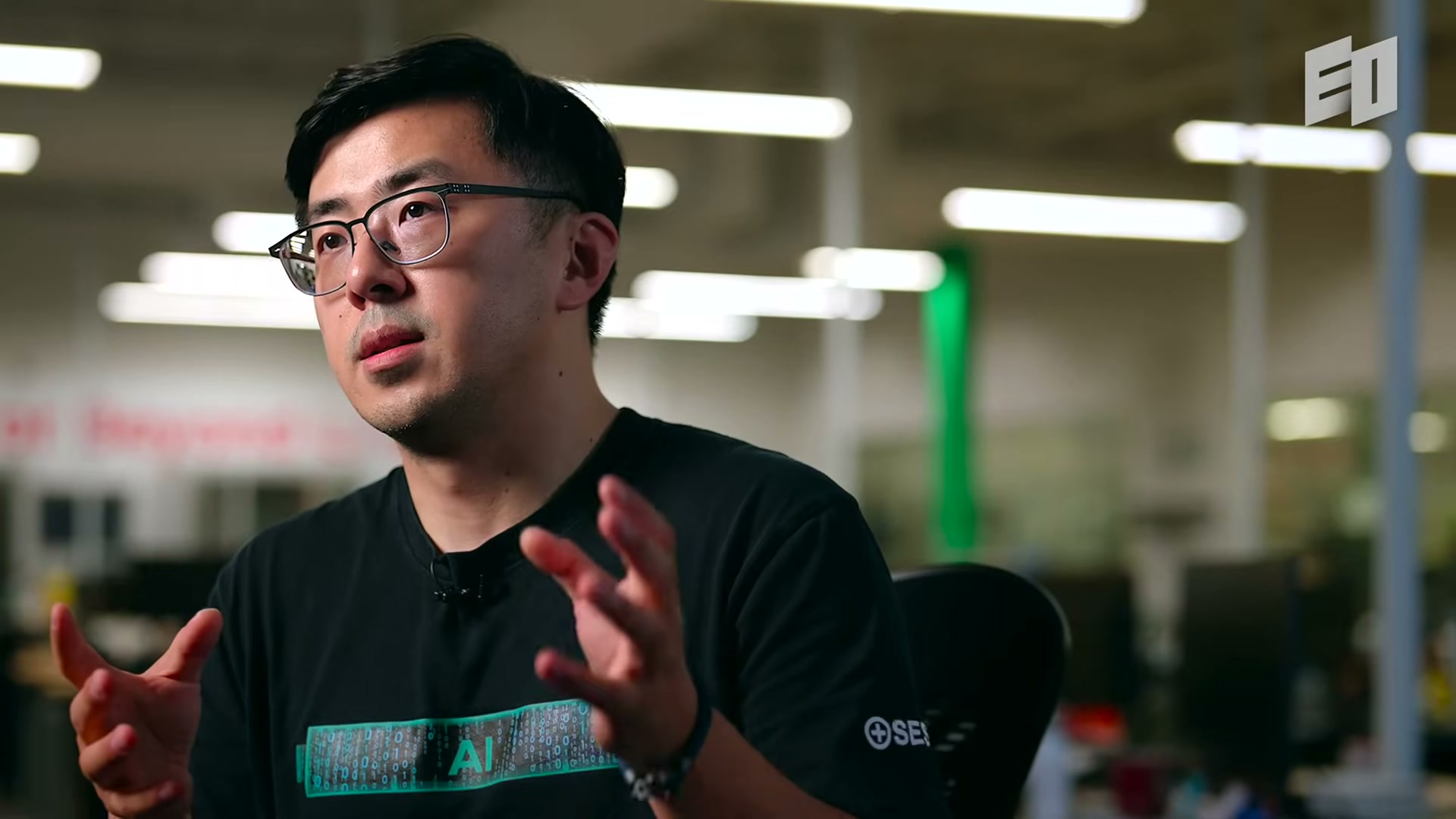
Qichao Hu: I think as a human, it's quite natural to assign an emotion to success and emotion to failure, but actually they're just different labels of different states, right? I don't really think too much about about these failures. Obviously, when these things happen, there is a cost, emotionally, financially and whatever, really in the grand scheme of things, it's just a state, temporary state. I'm not that bothered by those. I'm a robot.
Explore more