Aug 25, 2025
A Yale Student Raised $3.1M in 2 Weeks for an AI Social App
Interview with Nathaneo Johnson, Co-founder of Series
Founder Focused


0:00 / 0:00
💡
At a Glance
- Who: Nathaneo Johnson is a 21-year-old junior at Yale University studying computer science and economics, and the co-founder and CEO of Series.
- What: Series is an AI social network that uses AI friends to make warm introductions via iMessage based on a want or need the user has, and has sent around a quarter of a million messages so far.
- Traction: Series raised $3.1 million in 14 days, which Johnson says is the largest funding round of any startup currently at an Ivy League school.
In this interview, Nathaneo Johnson reveals how a podcast interviewing Yale founders turned into an AI social network built on agentic matchmaking, why he moved his interns into a house to fuel virality, what it was like growing up with a single mom in Irvine while chasing a double life as a varsity athlete and self-described "most crack in the room," and how Series raised $3.1 million in 14 days, the largest round by any current Ivy League startup.
Key Takeaways
Series Turned a Podcast Into a Warm-Intro Machine
Series began as a podcast he and co-founder Sean started during their freshman year at Yale, interviewing founders from companies like 23andMe, Genius, and Runway about how they used their own networks to succeed. That curiosity led Johnson, who has a CS background, to build an early chatbot that used email to make warm introductions, a prototype that went viral across the Yale and Princeton student communities before becoming Series.
Speed Is the Asset, Not the Battle
Johnson frames speed as Series's core strategy, arguing it is not about a certain battle but about the war. He says founders should move fast to capture share in their niche while still building real depth, whether through unique technology or a distinct approach to their market, so speed doesn't come at the expense of substance.
A House for Interns Made the Product Go Viral
Instead of paying remote interns to market Series organically online, Johnson had them move into a house together to create content, a choice he calls unconventional but grounded in real incentives. He says virality comes from controversial moves backed by a genuine underlying reason, not stunts for their own sake.
Growing Up Between Two Worlds Shaped How He Builds
Raised by a single mom in Irvine, California, Johnson built early inventions like a sensor-based walking stick called Smart Step in eighth grade while also playing varsity basketball, a duality he carried into becoming valedictorian and later a Yale founder. He says that balance taught him he could change the norm rather than choose between two paths.
Staying in School Became a Growth Strategy, Not a Compromise
Johnson pushes back on the idea that founders must drop out to build something big, pointing out that Yale has produced few famous entrepreneurs partly because of pressure to pick one path. He says staying enrolled let Series run a marketing initiative built around his own campus community, turning school into an advantage rather than a distraction.
Raising $3.1M in 14 Days Was About the Story, Not Just the Product
The pitch that closed Series's round, including a meeting with a former Andreessen Horowitz partner that turned into what he calls a million-dollar dinner, rested on telling investors a story about a shift already underway in consumer AI. He frames the raise, which he says is the largest at any current Ivy League school, as proof that being first is worth the fear of the unknown.
Below is the complete transcription of the interview. Minor edits have been made for clarity and readability.
Intro
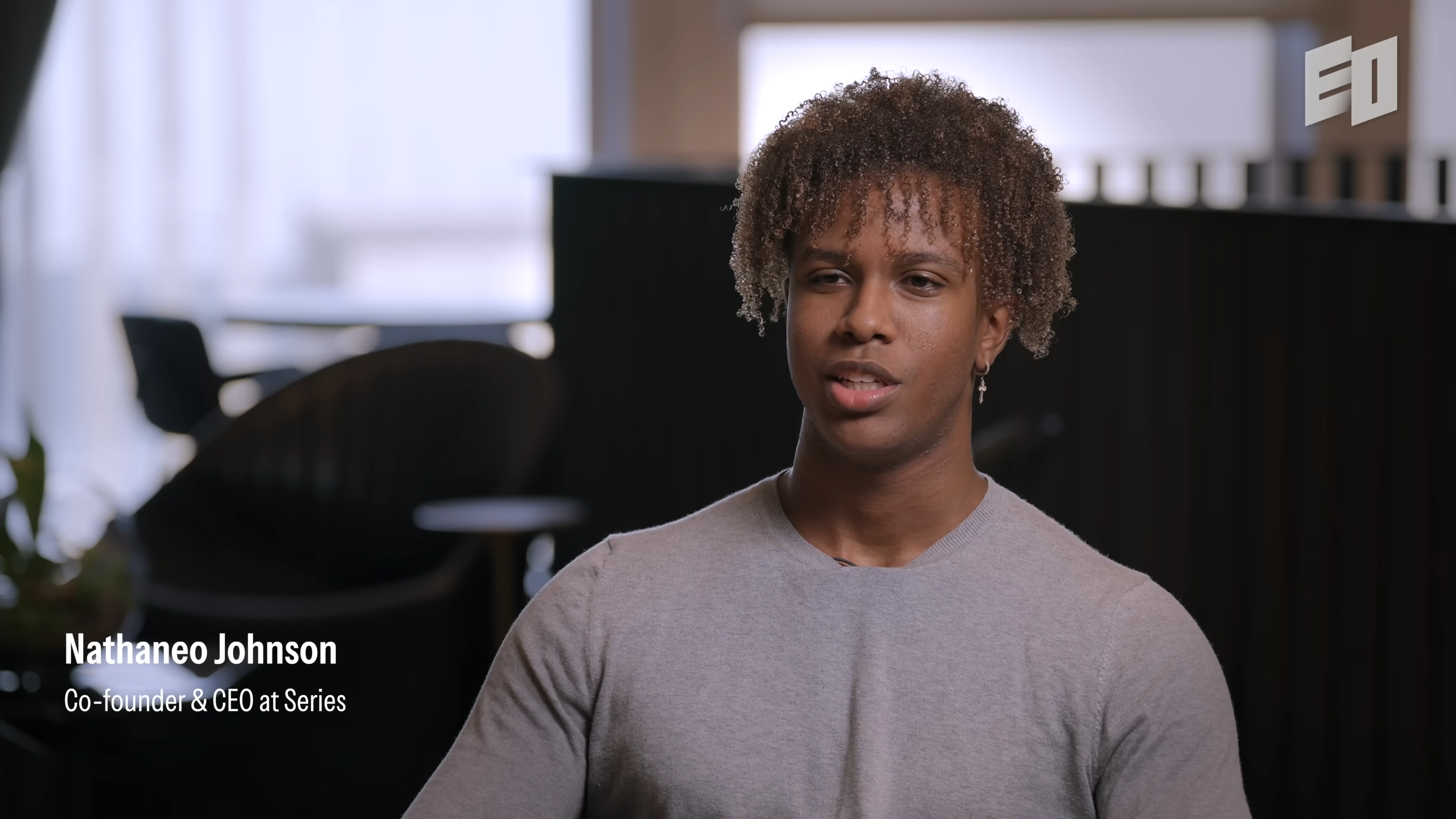
I'm Nathaneo Johnson. I'm the co-founder and CEO here at Series. I'm 21 years old. I'm currently a junior at Yale University, studying computer science and economics. I love playing basketball on the side. I'm also powerlifting, but most importantly, startups, which is why I'm here.

Series is the first AI social network. We are using AI friends to make warm introductions via iMessage to help you meet new people based on a want or need you have. For message count, we're at around a quarter of a million, which is really exciting to see. We raised $3.1 million in 14 days, which is now the largest round of any startup currently in the Ivy League.
Why We Build Social Media

Series was a really interesting story. It started when Sean, my co-founder, and I started a podcast our freshman year at Yale. This is interviewing founders and CEOs from 23andMe to Genius to Runway. We were curious how exactly they used their own warm network to build successful businesses. We know how hard it is to get access to the right people, especially for professional reasons, whether that is raising capital or getting a new job.

I'd imagine that anyone who goes to a great IB internship, there are definitely five people who were probably just as good, if not better, a candidate who didn't make it into that college internship, people who aren't able to have their dad's golf buddy to get them into the IB internship. I'd say connections, but more importantly, perceived value is something that usually requires a warm network to be able to get into. This is a problem we need to help solve, and it can be solved through using agentic matchmaking to make those connections more accessible.
So what happened is we ended up experimenting with AI. I come from a CS background and was able to construct an early-version chatbot that used emails to make warm intros. We blasted that to Yale's email list, then to Princeton a day later, and it had some variety and kind of blew up within that student community. People were using this for startup ideas, art gallery ideas, a specific range of mainly professional reasons, to realize that this should be the future of how we network.
I don't think we're competing against anyone, and the most common reason why is all of them have in common a number, your immediate follower connection count. We have no numbers on this platform because it's purely agent to agent. That's something I think Series will actually solve, and hopefully I can solve as well.
Do the Unconventional
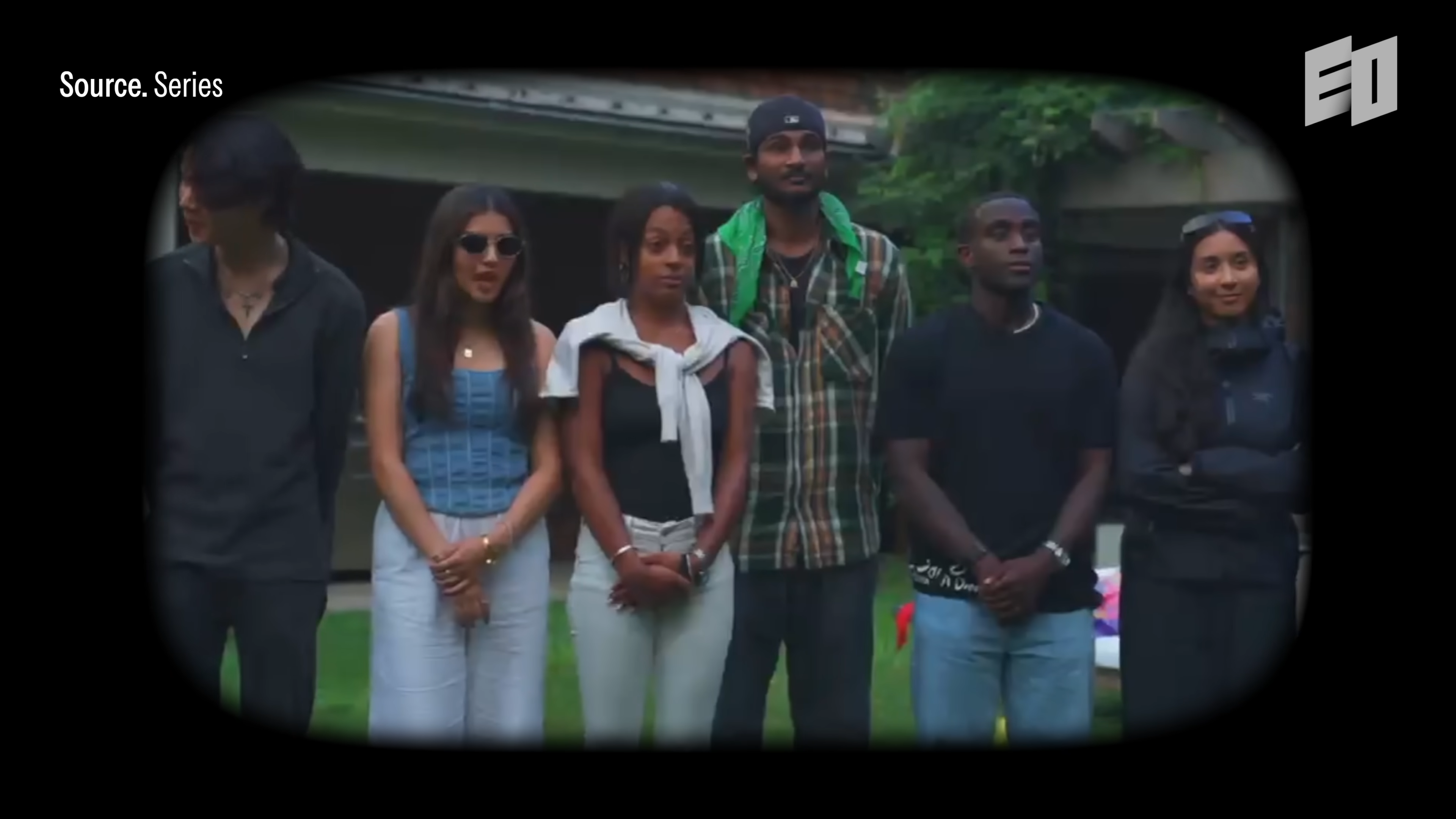
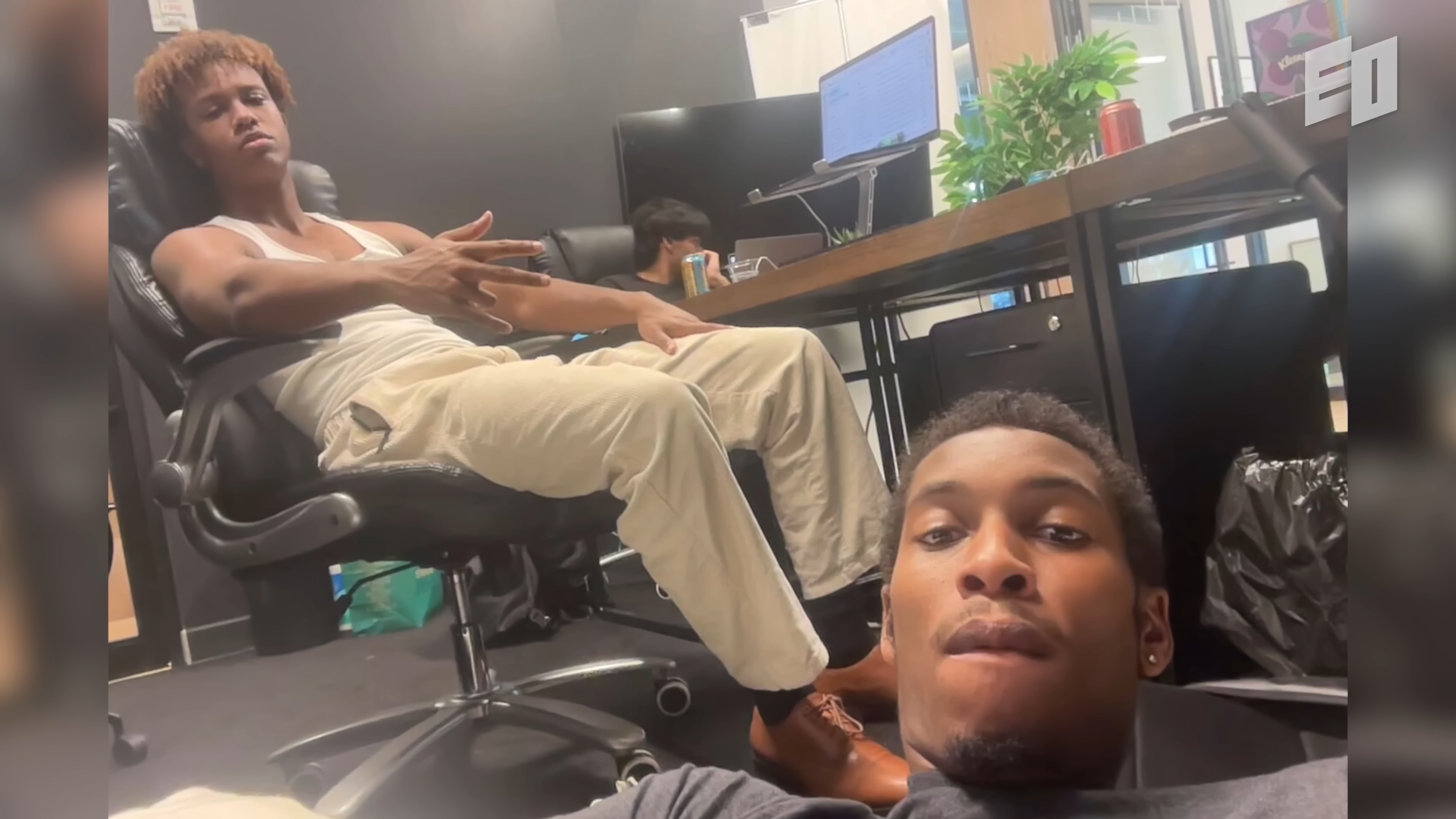
A cool thing about what we're doing with this Series raise, which a lot of people are talking about, is we're doing something a bit unconventional by creating this house. What we did is we figured out a way to incentivize people to, one, grow our product and use it, but two, tie it to something I think is a bit social.

Instead of focusing on an organic way of having interns be paid remotely, an organic way of being able to market your product with UGC content, which everyone does, why not have our interns come into a house instead of them just being online doing the same work they'd do previously? That's kind of how the idea occurred, and I think what makes a company go viral is doing something a bit controversial but having the right facts behind what they're doing.
If you do something controversial that was stupid, it's not going to go viral for the right reason, nor is it going to make you a viral company. You're going to just look stupid in public. If you build something, a product or system, and you have some underlying reason that people can pick up on, even if it's 5 or 10%, that's what creates the virality, because it's like, okay, why do they actually do this? Was this for a reason?
That creates this cool spiral of thought, and that's what leads people to share it, because there's uncertainty, and people like to see that. That's what gets them excited, even if it is controversial or crazy. I don't think it matters. Take what you have, amplify the depth of what you're doing and how it's unique, and then use that as a base for the controversial. Then you get eyes on you, and it all supports back to a reason that you intentionally have.
When Everyone Doubts I Break the Norm
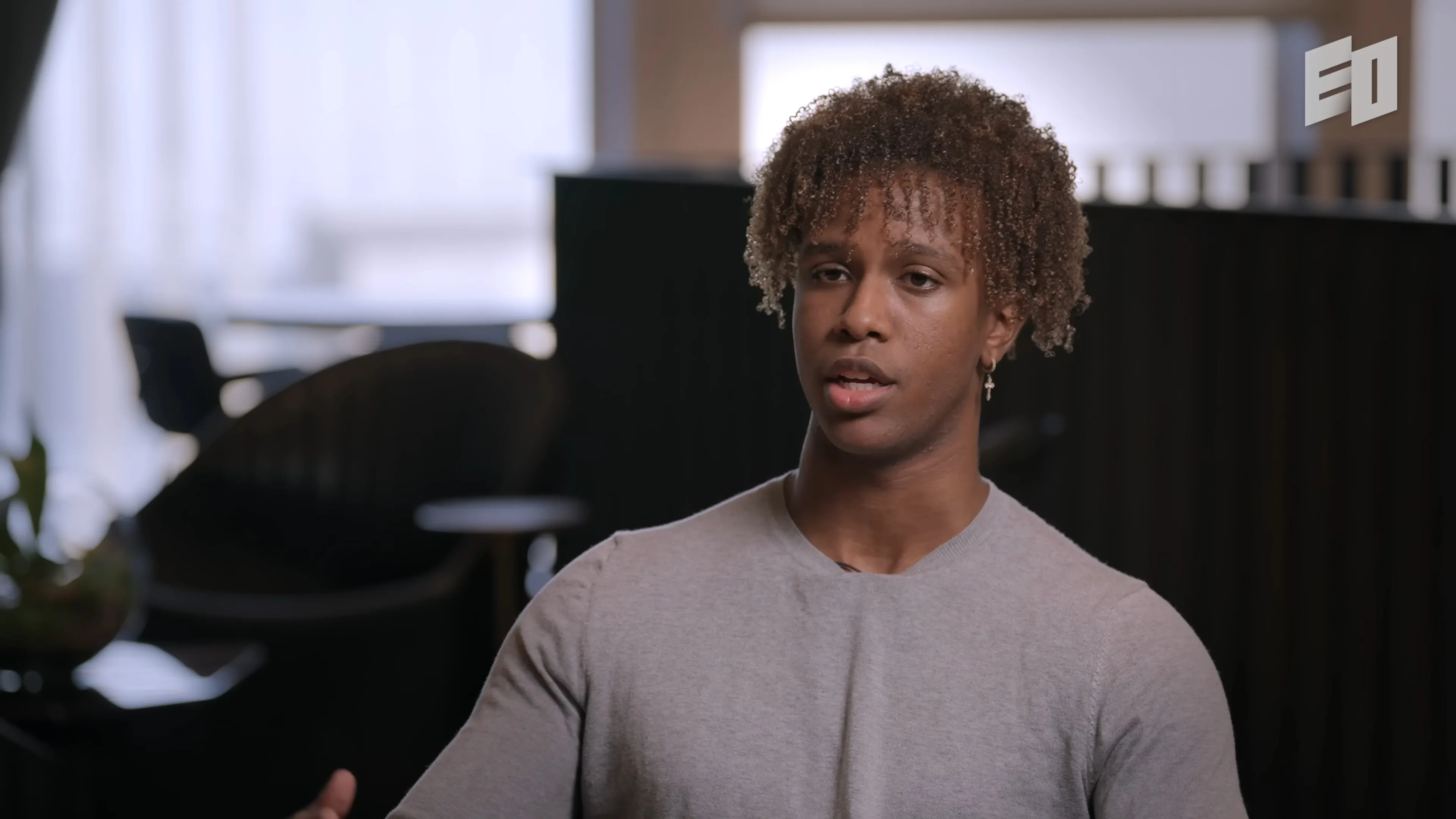
I grew up with a single mom in Irvine, California. I would say I grew up with an inclination towards doing things on the technological side. I built a walking stick called Smart Step in eighth grade. It used ultrasonic sensors and Arduino microprocessors to scan objects in front of it. But I was also playing varsity basketball, so I loved that duality.
I think that was my biggest thing growing up, being able to do things that maybe were expected of me, being able to hoop, being able to dunk, all those fun things, but also at the same time balancing that with being the most "crack" in the room. I think after becoming valedictorian at my high school, that was where I realized I think I can change the norm.
Although Yale University does have a few famous entrepreneurs, there wasn't much of that, and that was one of the bigger problems. I think that's because there's a big encouragement to wait until you finish school to start building a company, or there's this notion that you immediately have to drop out to do so. It's very rare to be able to pair both together.
Now that Series has been able to raise the largest round among current Ivy League students, we're trying to stand for the point that you can build a successful venture while staying in class, or at least while keeping things that are closer to you, because you can use them as an advantage instead of a disadvantage.
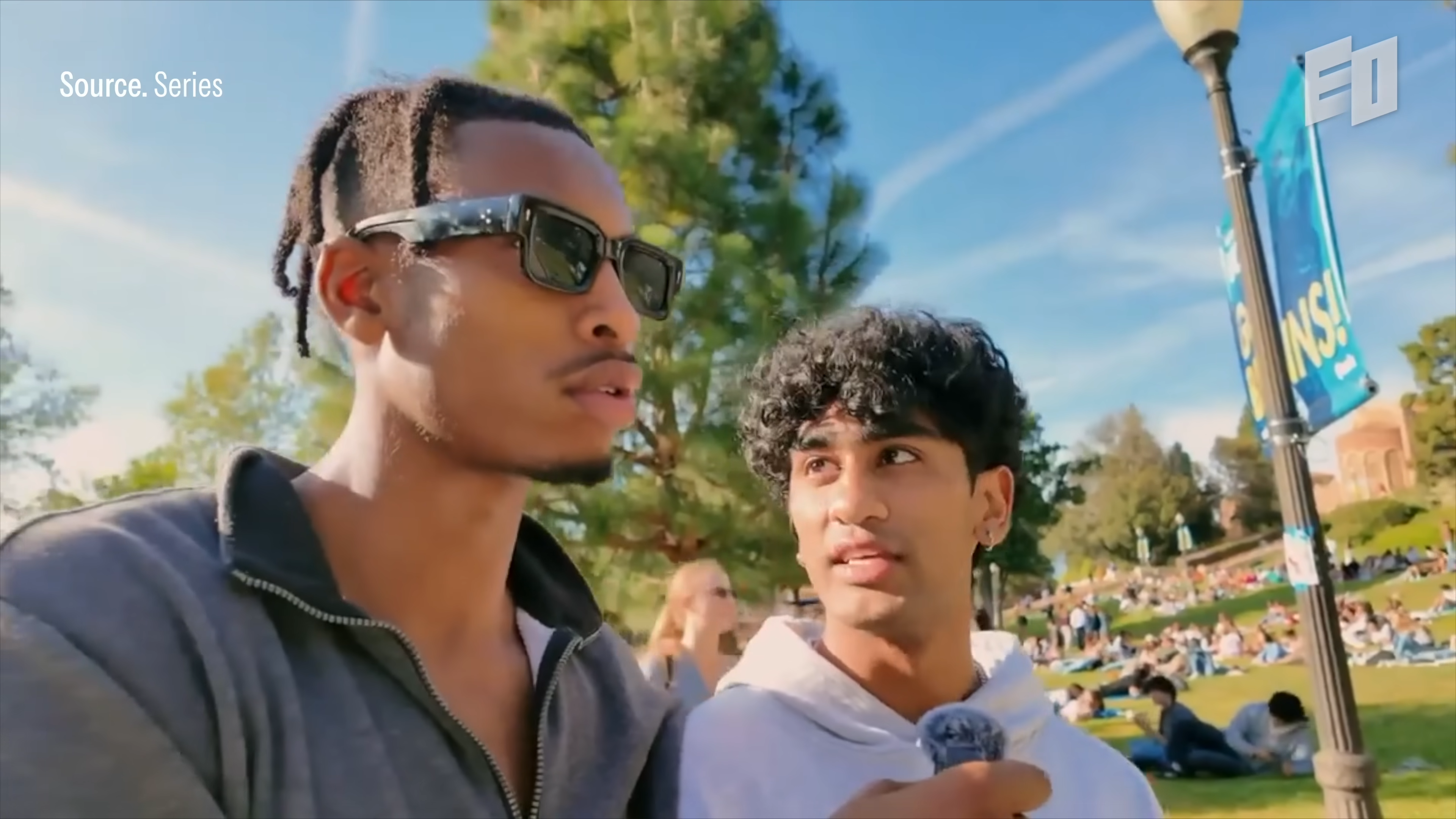
A lot of people see school as something that takes time away, which maybe it does for late homework assignments or tests, but the benefit is you're able to connect with your community, especially if that's your marketing too. We recently did a marketing initiative where I think being a student had a tremendous positive impact, because we know the value of staying in school and being able to communicate with these people while being in class with them.
How We Raised $3.1M in 14 Days
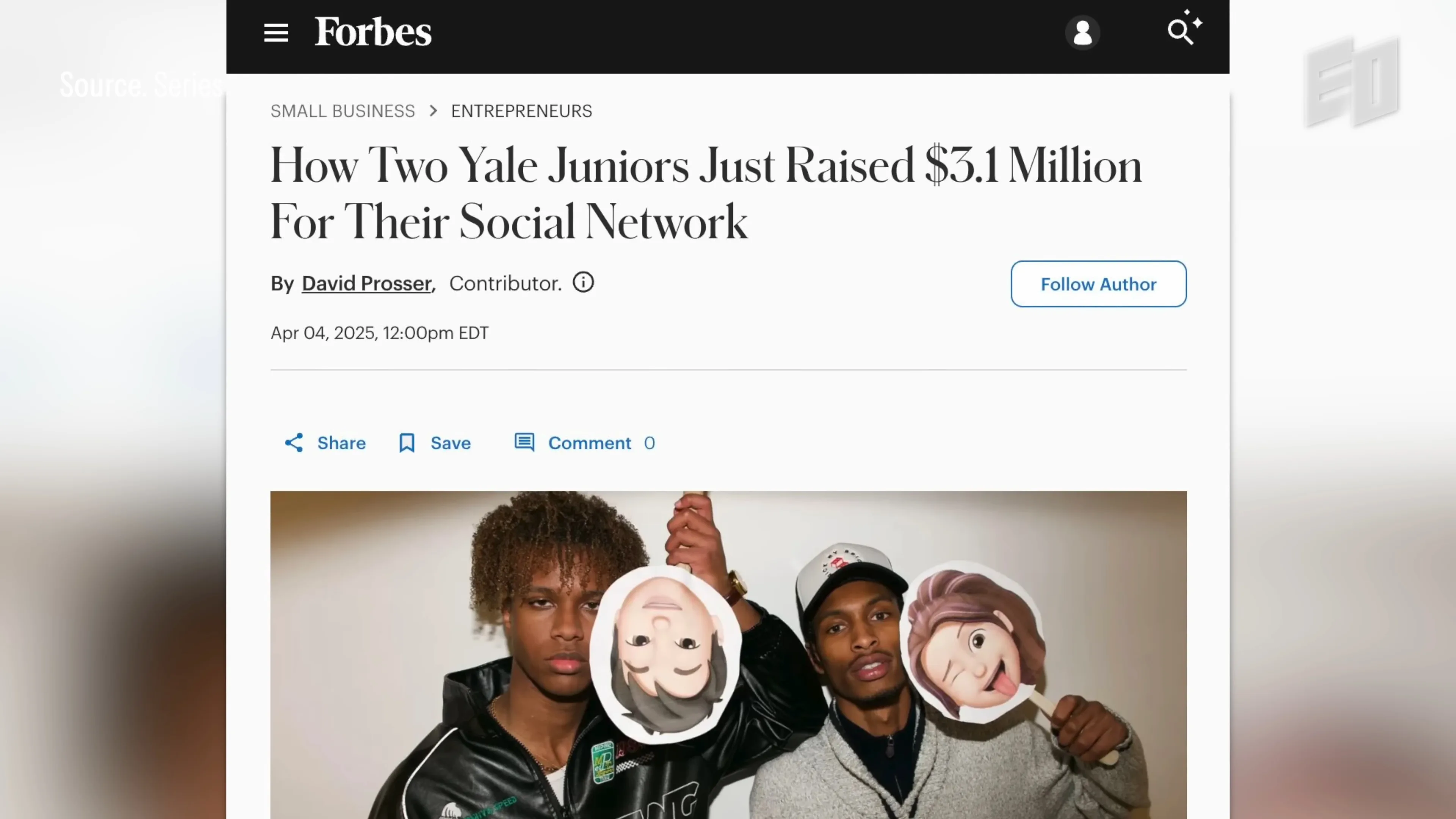
We'd had talks with VCs, of course, before the raise, about what we thought about this idea, what we thought about this MVP we made. But oftentimes people were very skeptical, actually pointing out that this wouldn't work, that this is an industry that won't be able to proliferate long term, because we weren't building something people had seen before. This wasn't anything on the B2B side, which was very hot around January, which is when we were thinking about seriously pitching.
We had a meeting with a former Andreessen Horowitz partner, decided to take the trip to SF just to pitch it for the second time, which ended up as a million-dollar dinner. One of the biggest, most important things is really just focusing on how you tell the story: here's what's happened in the market, here's why it's changing, here's what I'm going to be on top of that change, or even better, here's how I'm creating a new market on top of that.
That was the story we pitched, that we are creating a new market, and we'll be the first industry standard of that market. We knew there was a shift in consumer AI, a shift in what's called a technology window, where people are more enticed to invest, or more importantly, give AI a chance in the social space.
This has not been done before, two Black guys who go to an Ivy League raising this amount of capital. After that we've seen so many other companies raise money very fast, because if those guys can do it, I definitely can do it, which is another norm to break. Whenever you do something first, it's equally fun and exciting as it is fearful, because you don't know how the world's going to take it, but that shouldn't stop you from doing it.
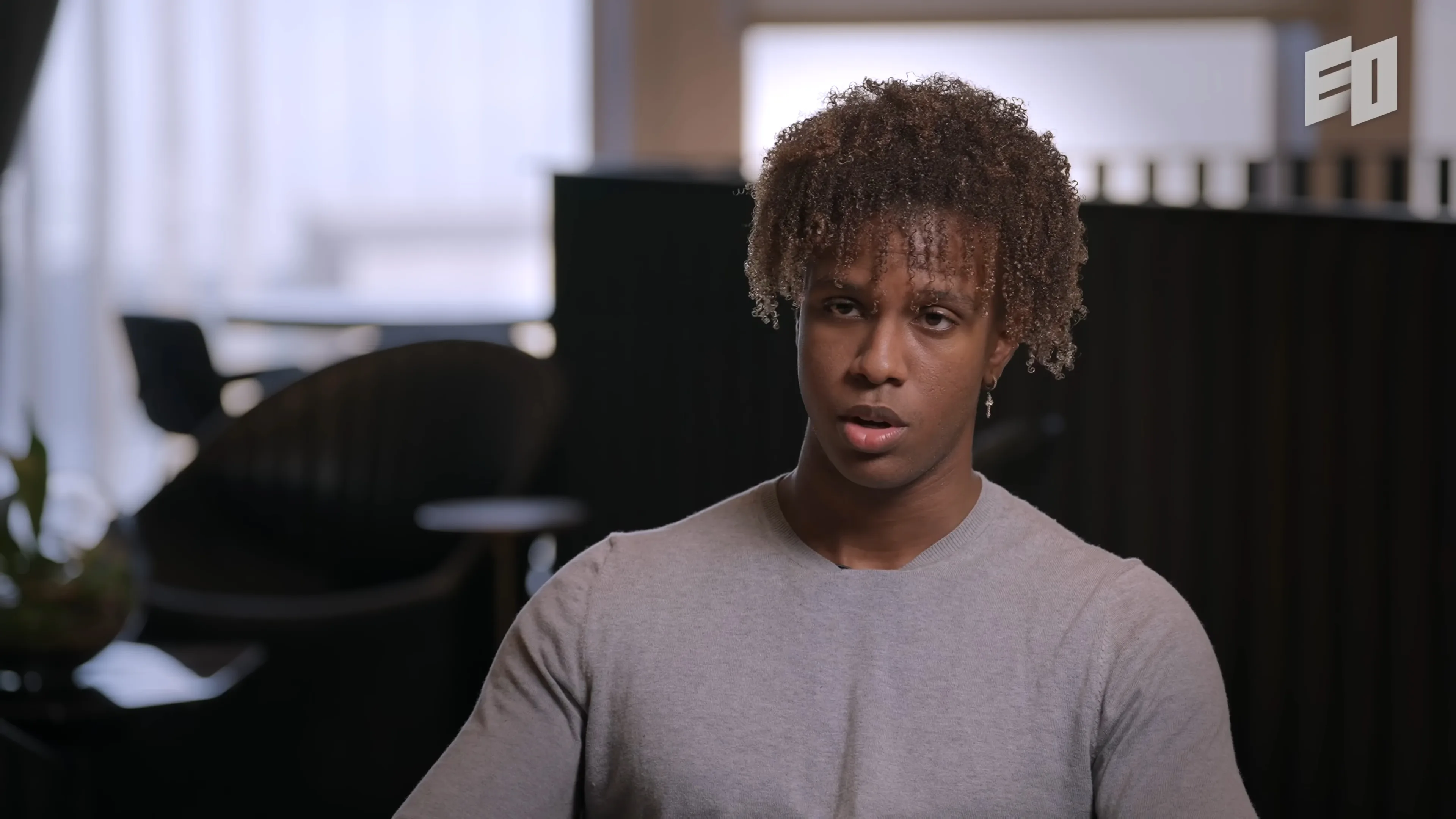
Speed has been our biggest asset. A lot of people are scared to move at fast speeds because things break. We're not scared of that. It's not about a certain battle, it's about the war. It's about you being able to have a capture or share around your own industry and your own niche at all times. The faster you do that, you have to do it at all costs.
But you also have to build something that has depth, and that can be depth through innovative, unique technology, or depth in how you're approaching your consumerism. Once you can amplify that depth and showcase it to the world through your marketing, that's what makes something stick, because that's what people remember as a new iteration of whatever industry they're in.

The perfect example is the horses to cars analogy. People always say they want a faster horse. Maybe some people have heard that quote before. It's because they're very used to a 10x of what they have instead of going to the next iteration of what's actually needed. I think that's something we at least pride ourselves in, that we're not thinking of a better LinkedIn or a better social platform.
We're thinking of what's the next iteration of what can actually be a useful product for people to build better relationships and connections. Putting yourself in a position where you look up to say I want to be like that one day, it's not a bad thing to do. That's like having some sort of idol or role model. But I like to have a variety, seeing these different trends from companies doing everything from SpaceX to Facebook to all these different social platforms.
How can I take all that knowledge and go in a new direction? Because that's how you really build innovation. I think all the stories of all the social platforms inspire me in some way, but to take all that together leads me to say I want the story to inspire myself in the next 10 years, versus saying I see one company that I want to straight shoot for and become in the next 10 years.