
When ChatGPT scored a C+ on a University of Minnesota Law School final exam, it sent shockwaves through the education world. But Stanford lecturer and venture investor Sergio Monsalve saw something else entirely: the biggest opportunity to reimagine human learning in generations.
Monsalve is a founding partner at Roble Ventures and lectures on entrepreneurship and education technology at Stanford University. As an early investor in Udemy—which he helped take public after 6.5 years on its board—he's witnessed firsthand how technology can transform education from a luxury into a necessity for lifelong adaptation.
In this interview, Monsalve reveals why he believes we're entering the golden age of education technology, his contrarian take on why education is actually one of the world's largest investment opportunities, and how capitalism with purpose can turn teachers into millionaires while making learning accessible to everyone.
Watch the full interview now on EO's YouTube channel! Below is the complete transcription of the interview. Minor edits have been made for clarity and readability.
Key Highlights:
"I think the future of education and education technology is incredibly bright if we're able to do one thing. Chat GPT came out. It has attracted more than a million users. Chat GPT impressed the University of Minnesota Law School. C+ average on its final exam. Is education going to be like if people don't need to write for their jobs?"
"We're no longer a luxurious place where we could actually take a job for the next 2 years inch our way up into the ladder, and retire, and that's it. You're gonna have multiple careers. There's gonna be multiple reductions of force, increases of force. This is why you need to focus on human capabilities faster and more iteratively than we did before."
"Some of the instructors in Udemy are making over a million dollars a year, so that's great, that's human enablement. To me that's what made me really enriching when you see the faces of people that you've actually helped."
"We're no longer a luxurious place where we could actually take a job for the next 2 years inch our way up into the ladder, and retire, and that's it. You're gonna have multiple careers. There's gonna be multiple reductions of force, increases of force. This is why you need to focus on human capabilities faster and more iteratively than we did before."
"Some of the instructors in Udemy are making over a million dollars a year, so that's great, that's human enablement. To me that's what made me really enriching when you see the faces of people that you've actually helped."
The ChatGPT Wake-Up Call
How do you see AI like ChatGPT transforming education, and what should educators focus on in this new reality?
Sergio Monsalve: ChatGPT came out. It has attracted more than a million users. ChatGPT impressed the University of Minnesota Law School with a C+ average on its final exam. The question is: what is education going to be like if people don't need to write for their jobs?
Today, New York City school district announced that it prohibits the use of ChatGPT to any student, which is impossible because they can use it anywhere. But at the end of the day, this is exactly what I'm talking about—how do we elevate education to focus on the things that humans are equipped to do?
You know what happened with the calculator and word processors: spelling and arithmetic became less of an issue and less of a thing you focus on. Of course you need to know how to do them, but at the end of the day you probably will not ask a prompt that is very basic what ChatGPT can actually answer. You probably will have to go deeper and use a lot more of your humanism to answer those things and get credit for your assignment.
So I could see education moving in a way where we elevate humans to be much more abstract, using more of their human skills—empathy, courage, things like that. The changes are inevitable. I just don't think you can fight it; you have to elevate the student.
Today, New York City school district announced that it prohibits the use of ChatGPT to any student, which is impossible because they can use it anywhere. But at the end of the day, this is exactly what I'm talking about—how do we elevate education to focus on the things that humans are equipped to do?
You know what happened with the calculator and word processors: spelling and arithmetic became less of an issue and less of a thing you focus on. Of course you need to know how to do them, but at the end of the day you probably will not ask a prompt that is very basic what ChatGPT can actually answer. You probably will have to go deeper and use a lot more of your humanism to answer those things and get credit for your assignment.
So I could see education moving in a way where we elevate humans to be much more abstract, using more of their human skills—empathy, courage, things like that. The changes are inevitable. I just don't think you can fight it; you have to elevate the student.
The End of Linear Careers
Why do you believe lifelong learning has become essential in today's economy?
Sergio Monsalve: We're no longer in a luxurious place where we could actually take a job for the next 20 years, inch our way up the ladder, and retire—and that's it. You're gonna have multiple careers. There's gonna be multiple reductions of force, increases of force. There's gonna be a lot of things that are happening a lot faster, and you have to be adaptable to those changes.
This is why you need to focus on human capabilities faster and more iteratively than we did before. This is why we cannot afford having people just go to school from 5 years old to 25 years old. They have to be going to school for life.
This is why I love education—if we can rearchitect some of the ways we teach, focus much more on that future, then I think we have a very bright future.
This is why you need to focus on human capabilities faster and more iteratively than we did before. This is why we cannot afford having people just go to school from 5 years old to 25 years old. They have to be going to school for life.
This is why I love education—if we can rearchitect some of the ways we teach, focus much more on that future, then I think we have a very bright future.
From Mexico City to Stanford
Can you share your personal journey and how it shaped your perspective on education?
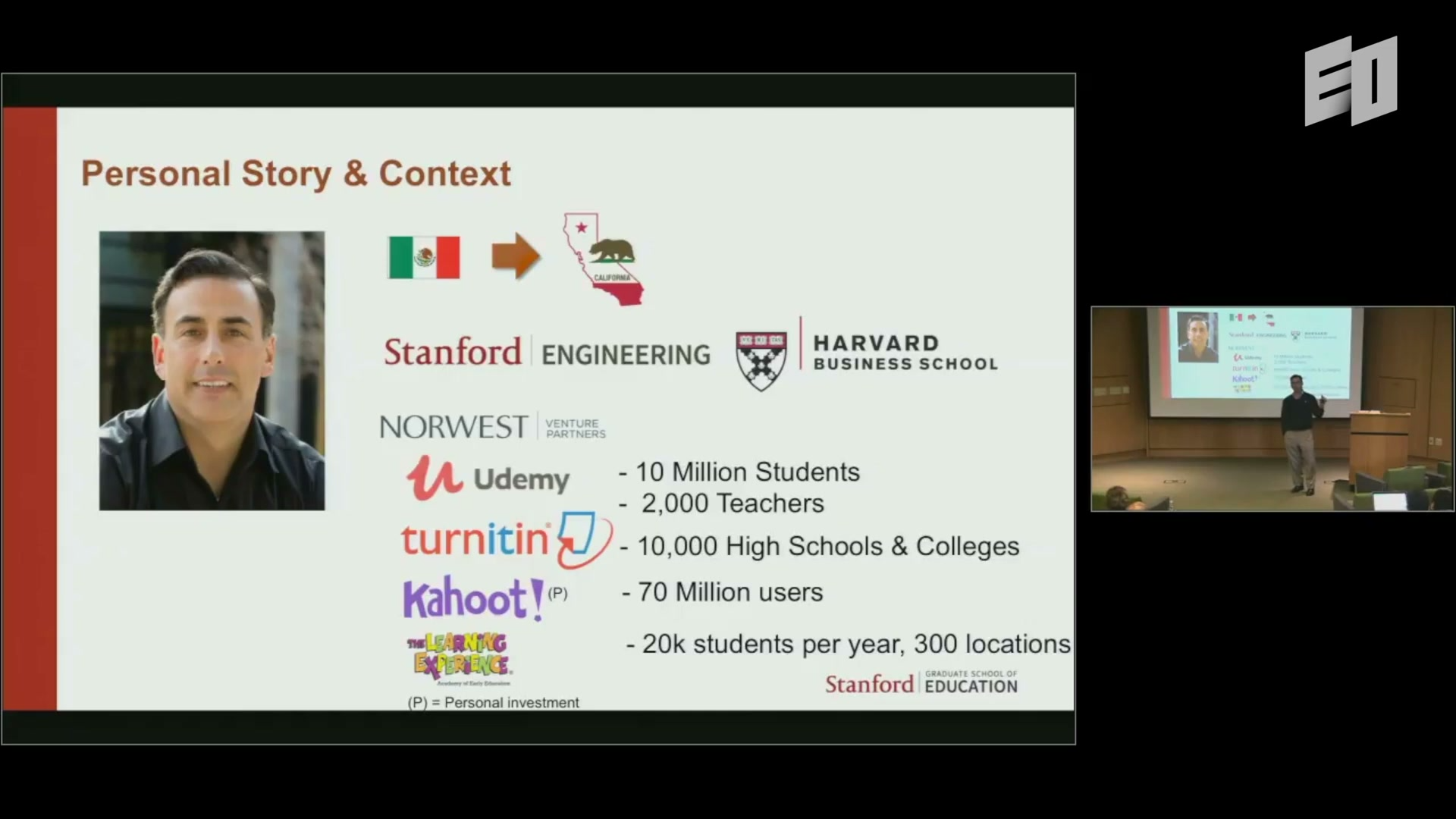
Sergio Monsalve: My personal story is I was born and raised in Mexico City and came when I was 13, not knowing any English at all. Education for me became not a nice-to-have but a must-have. That stuck with me, and so I ended up here at Stanford where I studied industrial engineering.
I've had to muster a lot of resilience later in my years at Stanford. I really got enamored with mergers and acquisitions and sort of the financing side of engineering and business, so I ended up working at Wall Street for 2 years at Morgan Stanley where I did a lot of M&A as an analyst, and later on I actually became a venture capital investor.
One of the things that I really focused on is just to do the things that I really wanted to do that I was really curious about.
I've had to muster a lot of resilience later in my years at Stanford. I really got enamored with mergers and acquisitions and sort of the financing side of engineering and business, so I ended up working at Wall Street for 2 years at Morgan Stanley where I did a lot of M&A as an analyst, and later on I actually became a venture capital investor.
One of the things that I really focused on is just to do the things that I really wanted to do that I was really curious about.

Capitalism with Purpose
What drove you to focus on purposeful investing, particularly in education?
Sergio Monsalve: One of my really close friends was from Finland, growing up in a time where we still had this thing called the Soviet Union. To me it was very interesting to have very deep discussions with him about the value of capitalism versus what other systems had, and he had obviously been a neighbor to the biggest non-capitalist society.
So I became very intrigued about what capitalism can do for people and also the threats of capitalism if it goes awry—meaning socioeconomic inequities. To me that was the beginning of why I'm doing Roble, frankly, because I understand that capitalism is not perfect and we need to approach capitalism with a purpose.
So I became very intrigued about what capitalism can do for people and also the threats of capitalism if it goes awry—meaning socioeconomic inequities. To me that was the beginning of why I'm doing Roble, frankly, because I understand that capitalism is not perfect and we need to approach capitalism with a purpose.
The Adult Learning Revolution
Why did you see opportunity in education when other investors were avoiding it?
Sergio Monsalve: I became pretty interested in education, and a lot of investors at the time had said education is like the worst place to invest because that's how everybody's lost their money. The way they were thinking about it, I would say, "OK, I agree," because K through 12 and higher ed had an incumbent that was unmovable, right, which is the government basically.
But when people don't realize—and I started really thinking about it—we learn formally from 4 or 5 years old in kindergarten all the way to 18 if you finish high school, 21 if you finish college. That's it. Then what do you do from 25 to 100? You're not formally learning, you're actually working most likely, not gonna be formally trained by your employer.
That was OK when industry innovation was moving very slowly, but in today's economy things are moving exponentially fast. In that world, you have to have human capabilities catching up much faster, and you have to upload information, knowledge and skills to humans much faster. So I thought we needed to have this new industry called adult learning.
But when people don't realize—and I started really thinking about it—we learn formally from 4 or 5 years old in kindergarten all the way to 18 if you finish high school, 21 if you finish college. That's it. Then what do you do from 25 to 100? You're not formally learning, you're actually working most likely, not gonna be formally trained by your employer.
That was OK when industry innovation was moving very slowly, but in today's economy things are moving exponentially fast. In that world, you have to have human capabilities catching up much faster, and you have to upload information, knowledge and skills to humans much faster. So I thought we needed to have this new industry called adult learning.
The Udemy Success Story
What attracted you to invest in Udemy, and how did that investment play out?
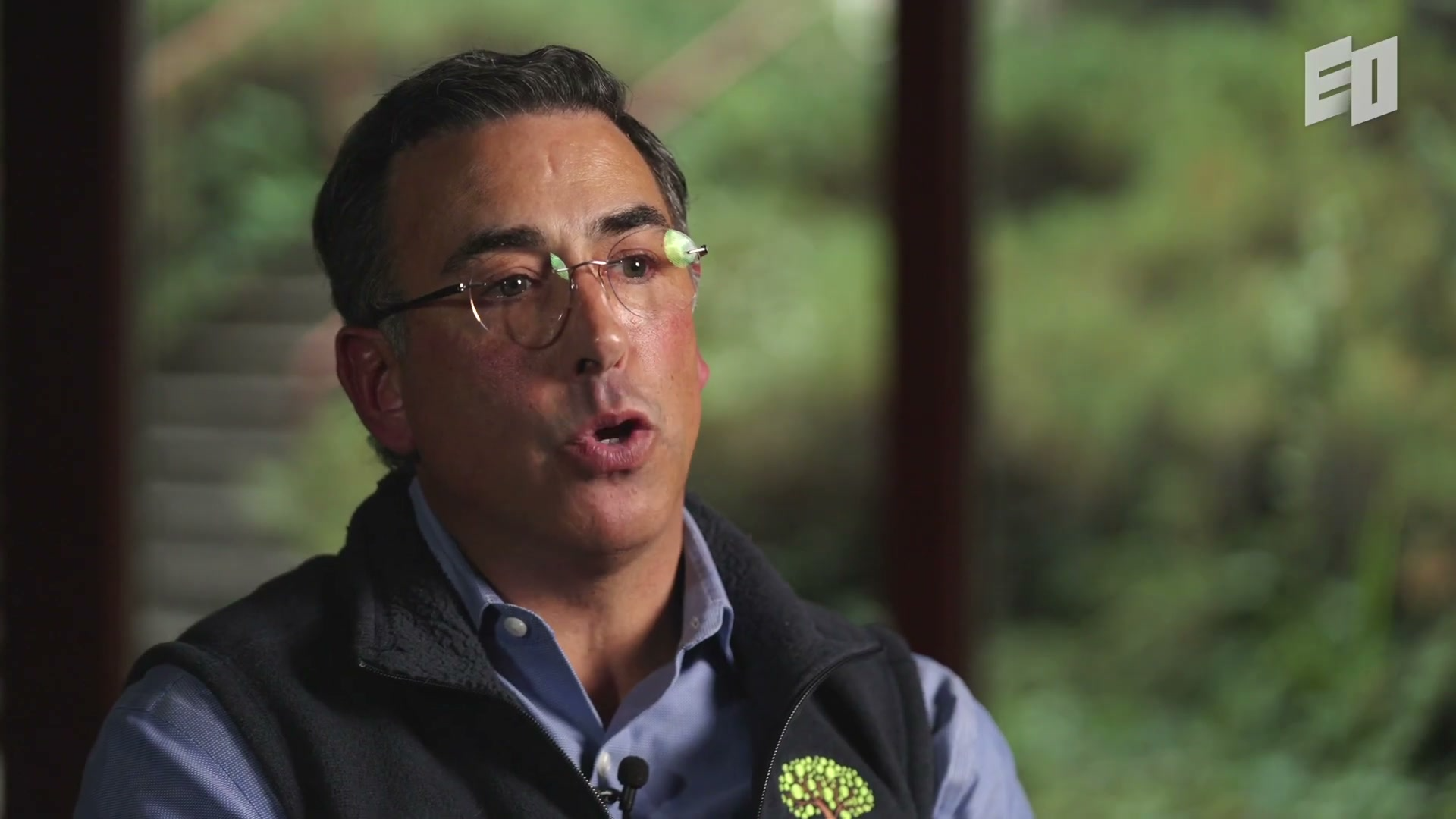
Sergio Monsalve: We started looking at different companies and the one that really caught my attention was Udemy. I really thought that they had a way to create very quality content at a very affordable price. The supply side of the marketplace was very thriving and very happy—they're making a good income for themselves, so you're enabling humans to make more money as teachers on Udemy than outside. On the flip side, you're actually making courses that are very affordable for anybody in the world.
To me that was a perfect model, and so I invested in it. It happens that after 6.5, 7 years of being on that board, we ended up taking it public and it was a very fruitful investment for us.
Some of the instructors on Udemy are making over a million dollars a year, so that's great—that's human enablement.
To me that was a perfect model, and so I invested in it. It happens that after 6.5, 7 years of being on that board, we ended up taking it public and it was a very fruitful investment for us.
Some of the instructors on Udemy are making over a million dollars a year, so that's great—that's human enablement.
Reimagining Teacher Value
How has your experience in education investing changed your view on teachers and their role in society?
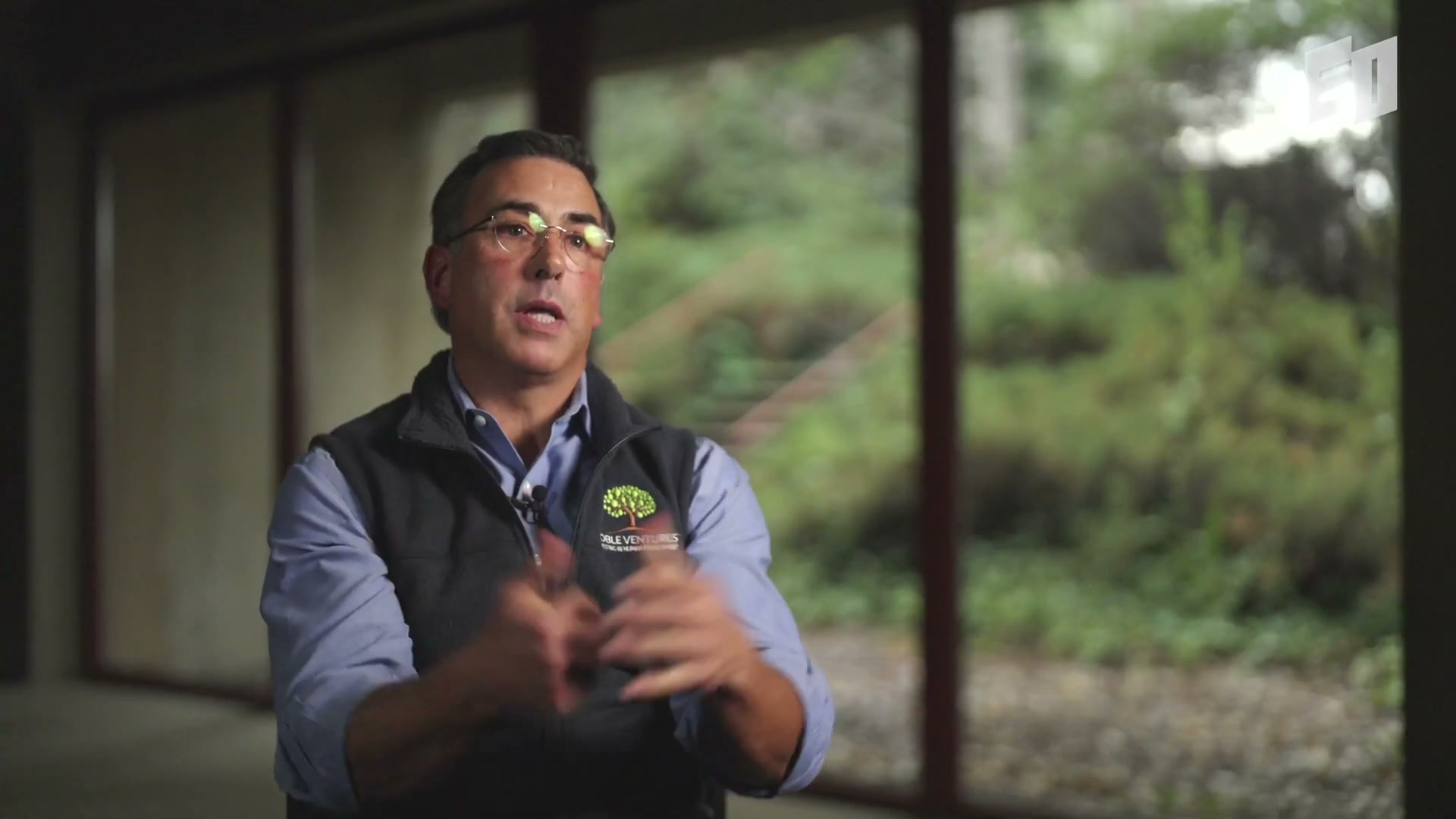
Sergio Monsalve: To me, capitalism without purpose is not necessarily the way I want to live my life. One of my biggest teachers was being on the board of Udemy and understanding that business allowed me to think about one profession that should be revered as heroes in society: teachers.
They don't get paid or viewed as heroes in this society because they're not viewed as being in the center of capitalism. It's odd—we're such a rich country, yet our most important contributors to society are not being valued that way. To me that's an aberration of the system that we've created.
There's a way to build it, and that is through technology. Udemy showed me that. To me that's what made me really feel enriched—when you see the faces of people that you've actually helped because of the funding that you've given and the founder and what the entrepreneur has been able to build and grow, and so you were a little part of it.
They don't get paid or viewed as heroes in this society because they're not viewed as being in the center of capitalism. It's odd—we're such a rich country, yet our most important contributors to society are not being valued that way. To me that's an aberration of the system that we've created.
There's a way to build it, and that is through technology. Udemy showed me that. To me that's what made me really feel enriched—when you see the faces of people that you've actually helped because of the funding that you've given and the founder and what the entrepreneur has been able to build and grow, and so you were a little part of it.
The Trillion-Dollar Opportunity
How big do you see the education market opportunity?
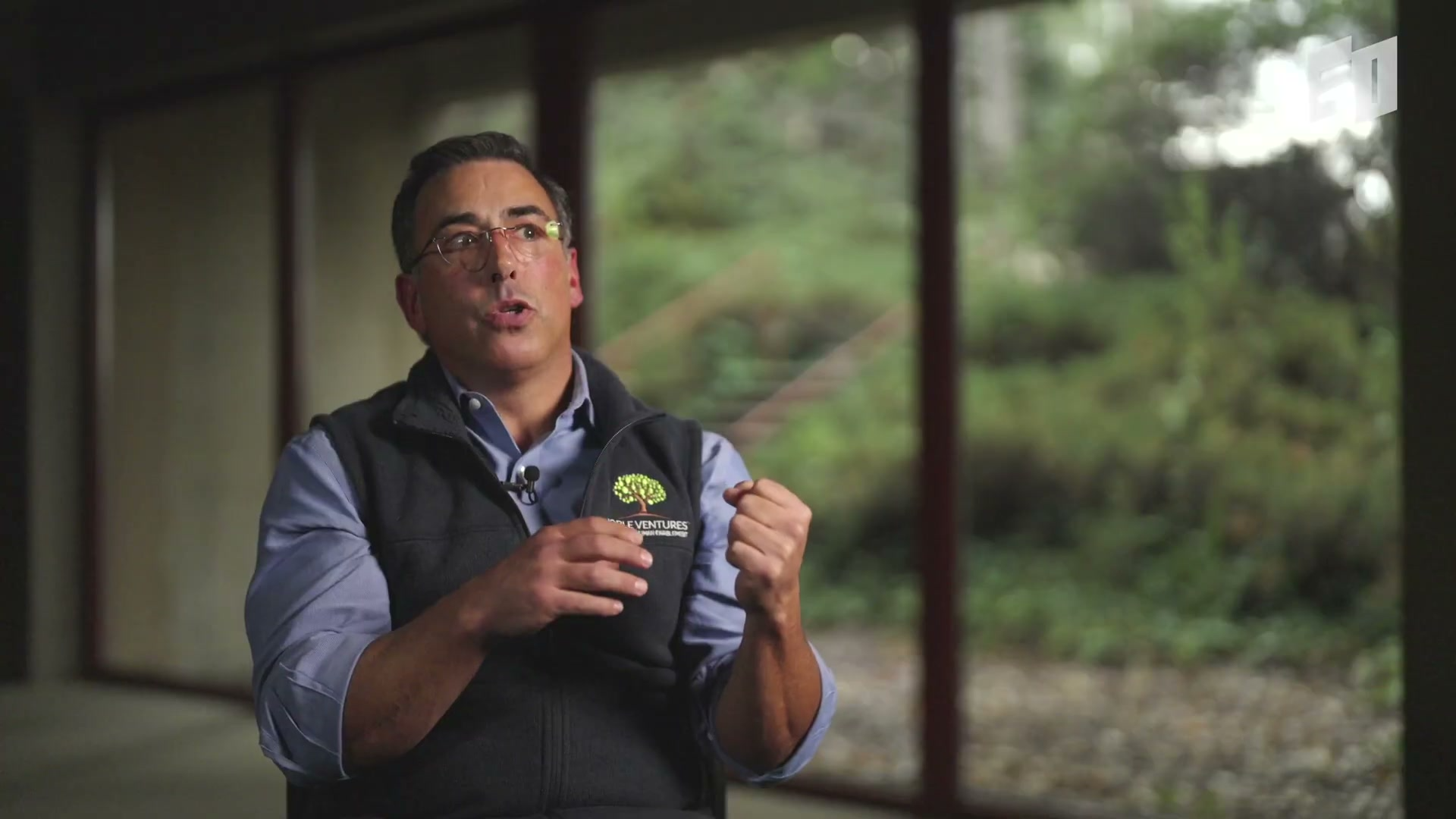
Sergio Monsalve: Think about how big K through 12 and higher ed is in terms of market size. You're talking about trillions, so there's probably a few industries that are bigger but not many—maybe financial services, maybe energy, governments, but that's it. Education just comes right behind. It's probably one of the top 5, if not the top 3 industries in the world, and that's only counting K through 12 through higher ed.
I think the future of education and education technology is incredibly bright if we're able to do one thing, which is to really teach how to be better individuals, more emotionally aware, more having soft skills that are gonna enable us to essentially collaborate with the prowess of computing rather than compete with it or try to topple it.
I think the future of education and education technology is incredibly bright if we're able to do one thing, which is to really teach how to be better individuals, more emotionally aware, more having soft skills that are gonna enable us to essentially collaborate with the prowess of computing rather than compete with it or try to topple it.

Building the Right Team
What's your investment philosophy at Roble Ventures, and how do you evaluate education companies?
Sergio Monsalve: At Roble we have a playbook on how to assess companies. In fact, one of the reasons I started this class at Stanford on entrepreneurship and education technology is because of what I saw in the world of investments and the mistakes being made both by the founding teams but also by the venture investors.
In education you need to bring the educators and the entrepreneurs and engineers together so that the learning science as well as the technology as well as the business all work together. It's a very inclusive way to build a company in education. It didn't work that way because a lot of people thought they knew education because they had been educated themselves.
So I started the class with the thesis around how to properly diligence these companies. Most important thing to net it out on what we look for—it goes back to people, and this is why we call it human enablement. The theme itself is also about how we enable our own entrepreneurs.
Team and market are probably the most important things. The reality is a lot of the companies pivot, so it's not about the product—it's about what it says about the team and about the market. The commonality in all the greatest companies, the ones that have succeeded the most, it comes back to a great set of people that work well together.
In education you need to bring the educators and the entrepreneurs and engineers together so that the learning science as well as the technology as well as the business all work together. It's a very inclusive way to build a company in education. It didn't work that way because a lot of people thought they knew education because they had been educated themselves.
So I started the class with the thesis around how to properly diligence these companies. Most important thing to net it out on what we look for—it goes back to people, and this is why we call it human enablement. The theme itself is also about how we enable our own entrepreneurs.
Team and market are probably the most important things. The reality is a lot of the companies pivot, so it's not about the product—it's about what it says about the team and about the market. The commonality in all the greatest companies, the ones that have succeeded the most, it comes back to a great set of people that work well together.
Explore more