
For eight long years, Saeju Jeong didn't make a single dollar from his company. While his peers climbed corporate ladders and built nest eggs, this Korean immigrant was burning through savings, asking family for loans, and questioning everything about his American dream.
Today, that same entrepreneur is the CEO of Noom, the behavioral health platform that raised $540 million and became America's largest consumer-led digital healthcare company. But the path from broke dreamer to healthcare revolutionary reveals a masterclass in persistence that most founders never talk about.
In this raw conversation, Jeong opens up about the self-doubt that nearly broke him, the immigrant entrepreneur's invisible barriers, and why building a company to last 100+ years requires a completely different mindset than chasing quick wins.
Watch the full interview now on EO's YouTube channel! Below is the complete transcription of the interview. Minor edits have been made for clarity and readability.
Key Highlights:
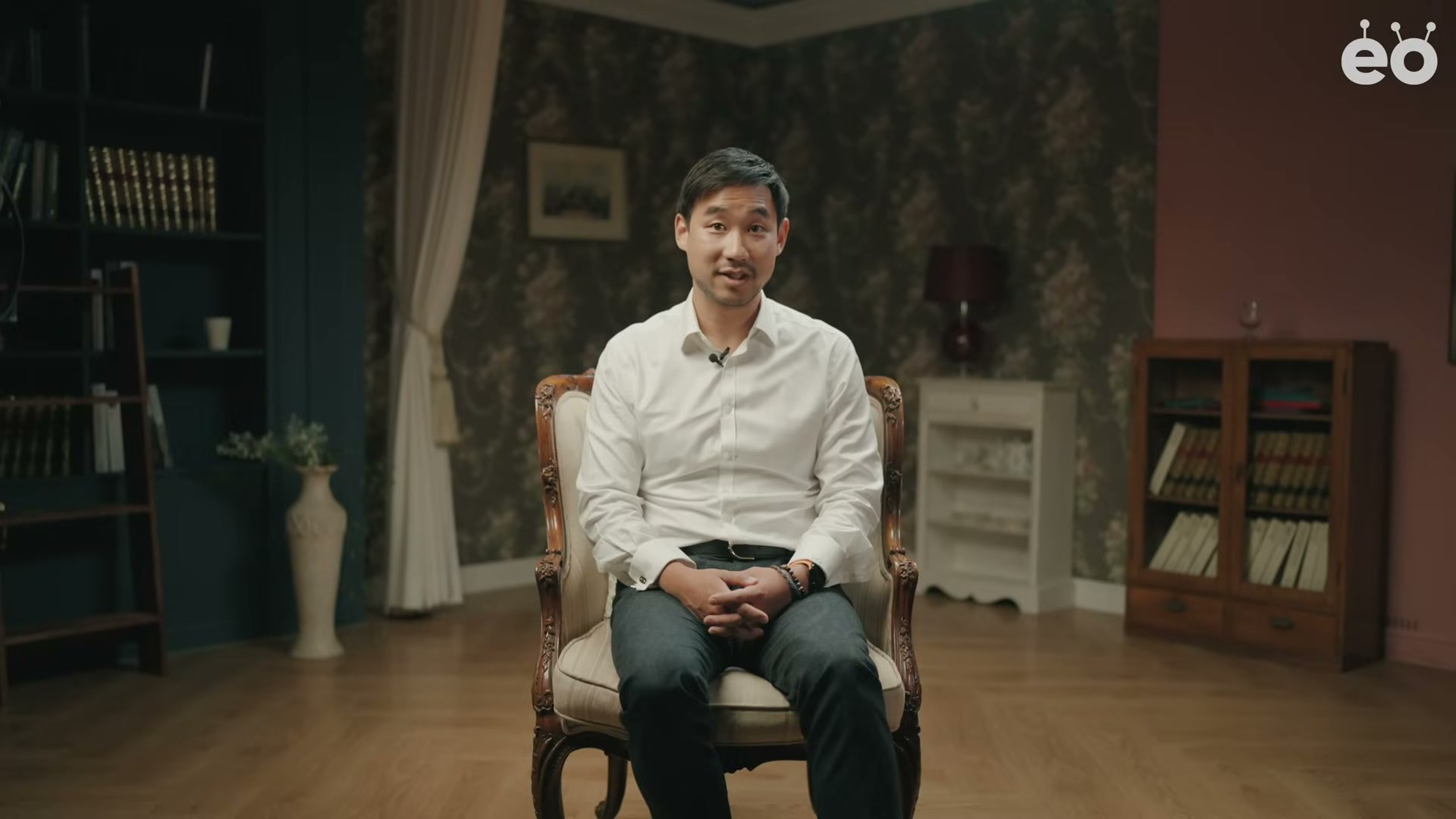
"As an immigrant entrepreneur, the one of the hardest thing was self-doubt, self-doubt. Am I the right person? Can I do this? It's a demon thought. That is very hard to overcome. I can only answer that question, right? I couldn't speak English. Everything was difficult."
"We were very poor for years and years. We could not figure product market fits and we did not generate any revenue, so we were in a very difficult position that we could raise any dollar."
"Most importantly, we love that the company mission driven and also companies constantly make sure that the mission driven people are on the boat."
"A lot of companies come and go, and we don't want to see that from Noom. Think of a lot of tech-driven startups. They are very good, 0 to 1. Many companies can do that. Now 1 to 100. That is on the next level journey."
"We were very poor for years and years. We could not figure product market fits and we did not generate any revenue, so we were in a very difficult position that we could raise any dollar."
"Most importantly, we love that the company mission driven and also companies constantly make sure that the mission driven people are on the boat."
"A lot of companies come and go, and we don't want to see that from Noom. Think of a lot of tech-driven startups. They are very good, 0 to 1. Many companies can do that. Now 1 to 100. That is on the next level journey."
From Medical Dreams to Heavy Metal Records
You started your entrepreneurial journey very early. Tell us about that path from wanting to be a doctor to founding your first company at 19.
Saeju Jeong: I was raised in a small fish town called Yosu in South Korea. My father was a medical doctor. I thought I would become a doctor as well, and instead, I became an entrepreneur as I found the company at age 19.
So in Korea, we all take an exam to enter the college in one day and based on the result we choose a path, which school or college we can enter, and I failed to enter medical college, unfortunately, but I entered engineering school. I studied electrical engineering, but electrical engineering was not my passion. So soon after I joined the school, I realized I'm not going to finish the school or drop out of college because it was not my choice. I didn't have a real passion there.
My first business was a heavy metal record label, actually distribution company first because I love heavy metal music quite a lot. Since elementary school, I only listened to heavy metal music, death metal, black metal like progressive metal. The music has to be consumed by CD, cassettes or LP. So it was importing goods and I wanted to provide service and that was my first business.
So in Korea, we all take an exam to enter the college in one day and based on the result we choose a path, which school or college we can enter, and I failed to enter medical college, unfortunately, but I entered engineering school. I studied electrical engineering, but electrical engineering was not my passion. So soon after I joined the school, I realized I'm not going to finish the school or drop out of college because it was not my choice. I didn't have a real passion there.
My first business was a heavy metal record label, actually distribution company first because I love heavy metal music quite a lot. Since elementary school, I only listened to heavy metal music, death metal, black metal like progressive metal. The music has to be consumed by CD, cassettes or LP. So it was importing goods and I wanted to provide service and that was my first business.
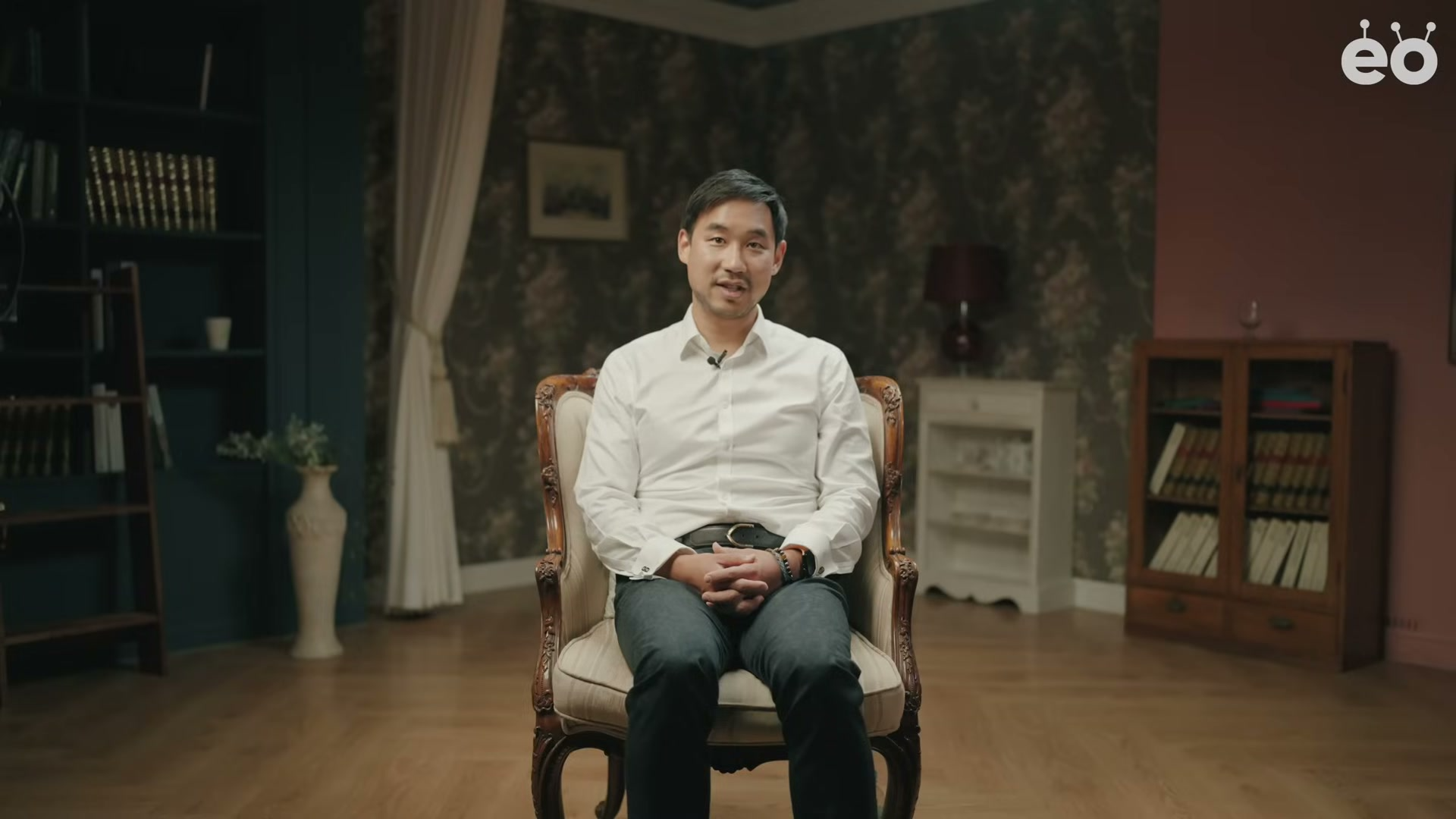
What did you learn from that first business venture with the heavy metal record label?
Saeju Jeong: What I learned is that I cannot build a business based on just my passion. Business, you know, it's my hobby. The first business did not answer my question that why I'm here in this planet at this time. I was looking for a more deeper philosophical answer that business could not answer.
Second, the market was small. South Korea total market for heavy metal listeners are quite small. Heavy metal music is always kind of small. That's what I learned. So I need to start a business where the problem and opportunities are bigger.
Second, the market was small. South Korea total market for heavy metal listeners are quite small. Heavy metal music is always kind of small. That's what I learned. So I need to start a business where the problem and opportunities are bigger.
The Leap to America: Starting Over with Nothing
What made you decide to come to the United States, and specifically New York City?
Saeju Jeong: I was trying to figure out a place where I can start again, and I figured the United States, the land of opportunity, the most richest country. I came to New York because it's internationally friendly and also I figured New York City is quite far from South Korea culturally.
If things are not working well, unlike LA or Seattle or San Francisco where there are a big Korean community, I thought it would be harder to compromise, settle with the Korean community. That's why I chose New York City.
If things are not working well, unlike LA or Seattle or San Francisco where there are a big Korean community, I thought it would be harder to compromise, settle with the Korean community. That's why I chose New York City.
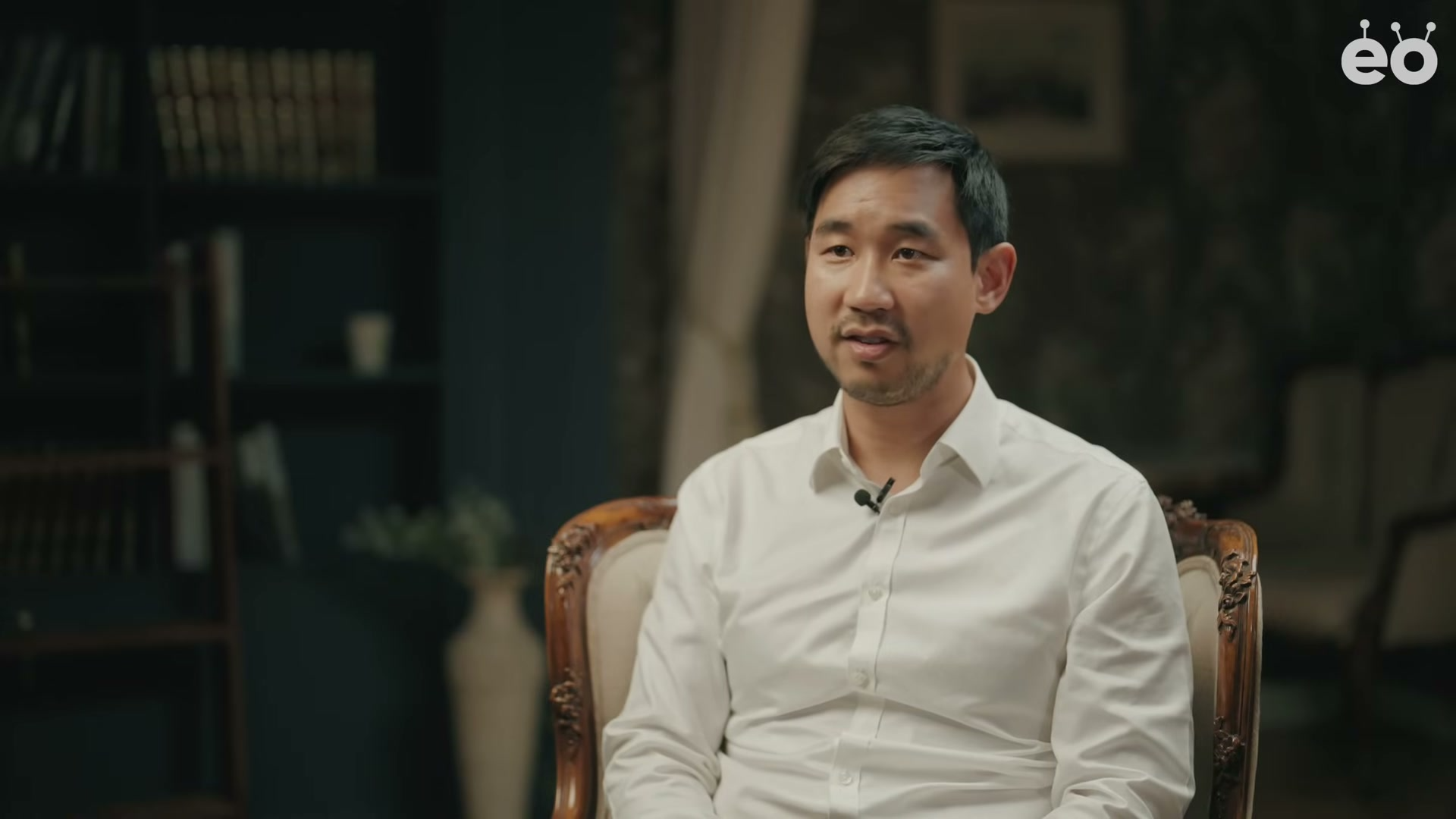
What was it like arriving in New York as a young immigrant with no connections?
Saeju Jeong: Everything was difficult for sure. Everything was difficult. I couldn't speak English and I did not know any single human there. I remember I stayed at home one week straight without talking to any human because nobody is calling me and I didn't have any friends.
So as an immigrant and I was nobody, that means I had to really be very extra nice to appeal myself and try to leave a good impression because otherwise they would not give me a chance. I rebuild my network and learned everything as an immigrant, fresh eyes, and they tried to help me out and that's the way I rebuild my network but also build my self-confidence.
So as an immigrant and I was nobody, that means I had to really be very extra nice to appeal myself and try to leave a good impression because otherwise they would not give me a chance. I rebuild my network and learned everything as an immigrant, fresh eyes, and they tried to help me out and that's the way I rebuild my network but also build my self-confidence.
Finding the Right Co-Founder
How did you meet your co-founder Artem Petakov, and what convinced him to leave Google to start Noom with you?
Saeju Jeong: My co-founder Artem Petakov, he came from Ukraine when he was 13, and he went to school at Princeton University for Computer Science and theater major. My cousin went to the same school, and my cousin had dinner with a group of alumni in Manhattan, and Artem was there.
He and I, we got clicked from the first day, and we met 2 days after we spoke until like 4 a.m. He was a tech lead at Google Maps and he did a fantastic job on the GeoSearch project. He didn't think about becoming an entrepreneur, but I think he's a wonderful entrepreneur himself. He always thinks about how to improve better as a product person.
I spent 2 years constantly pitching to him that you need to get out from Google, you can be a founder, and we can make a bigger impact in healthcare because think about healthcare, how bad it is. Unfortunately, in the United States, 6 or 7 out of 10 are sick. We thought that is the area less touched by Silicon Valley approach, which is a problem solving approach. Over those 2 years, he got convinced and he convinced his parents and he got out from Google.
He and I, we got clicked from the first day, and we met 2 days after we spoke until like 4 a.m. He was a tech lead at Google Maps and he did a fantastic job on the GeoSearch project. He didn't think about becoming an entrepreneur, but I think he's a wonderful entrepreneur himself. He always thinks about how to improve better as a product person.
I spent 2 years constantly pitching to him that you need to get out from Google, you can be a founder, and we can make a bigger impact in healthcare because think about healthcare, how bad it is. Unfortunately, in the United States, 6 or 7 out of 10 are sick. We thought that is the area less touched by Silicon Valley approach, which is a problem solving approach. Over those 2 years, he got convinced and he convinced his parents and he got out from Google.
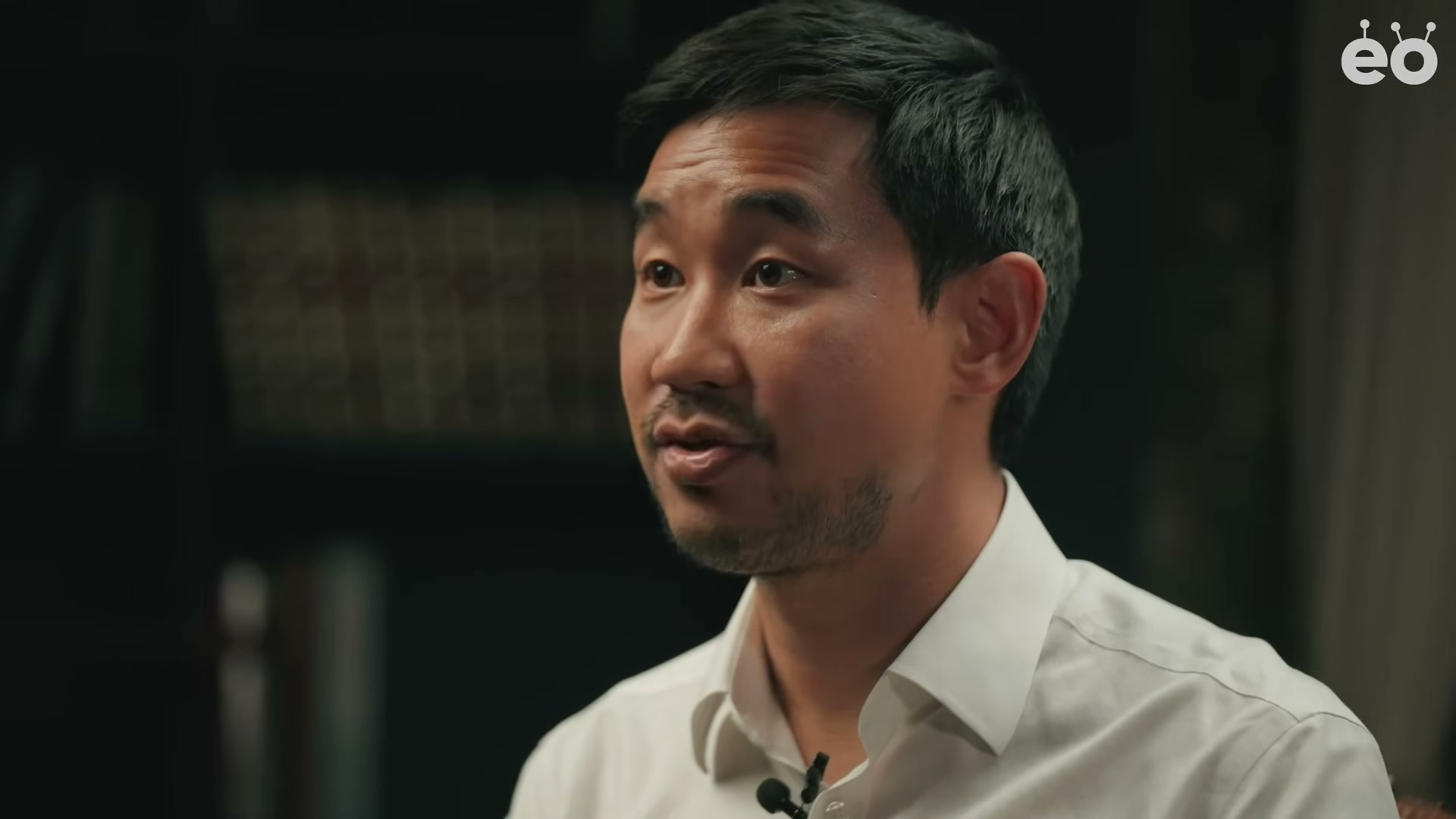
The Eight-Year Journey to Success
Tell us about those early years when you weren't making money and the struggles you faced building the company.
Saeju Jeong: In the beginning we raised capital from investors, from a lot of Googlers, Artem's friends, and my friends from Korea, my family invested in the company. We worked from our apartment in Harlem - it was not an office, it was our apartment, we stayed together and we lived together there.
We actually had a lot of fun time there because we were young and also we were mission driven people. So we founded the company and we built a lot of fitness driven products like a stationary bike, very similar to Peloton concept. That was our first prototype, but it took like two years to build. We pitched investors, but we could not raise capital. It was not a good product market fit in 2008, 2009.
We were very poor for years and years. We could not figure out product market fit and we did not generate any revenue, so we were in a very difficult position that we couldn't raise any dollar. So I put my own personal money by asking my sisters and friends in Korea.
We actually had a lot of fun time there because we were young and also we were mission driven people. So we founded the company and we built a lot of fitness driven products like a stationary bike, very similar to Peloton concept. That was our first prototype, but it took like two years to build. We pitched investors, but we could not raise capital. It was not a good product market fit in 2008, 2009.
We were very poor for years and years. We could not figure out product market fit and we did not generate any revenue, so we were in a very difficult position that we couldn't raise any dollar. So I put my own personal money by asking my sisters and friends in Korea.
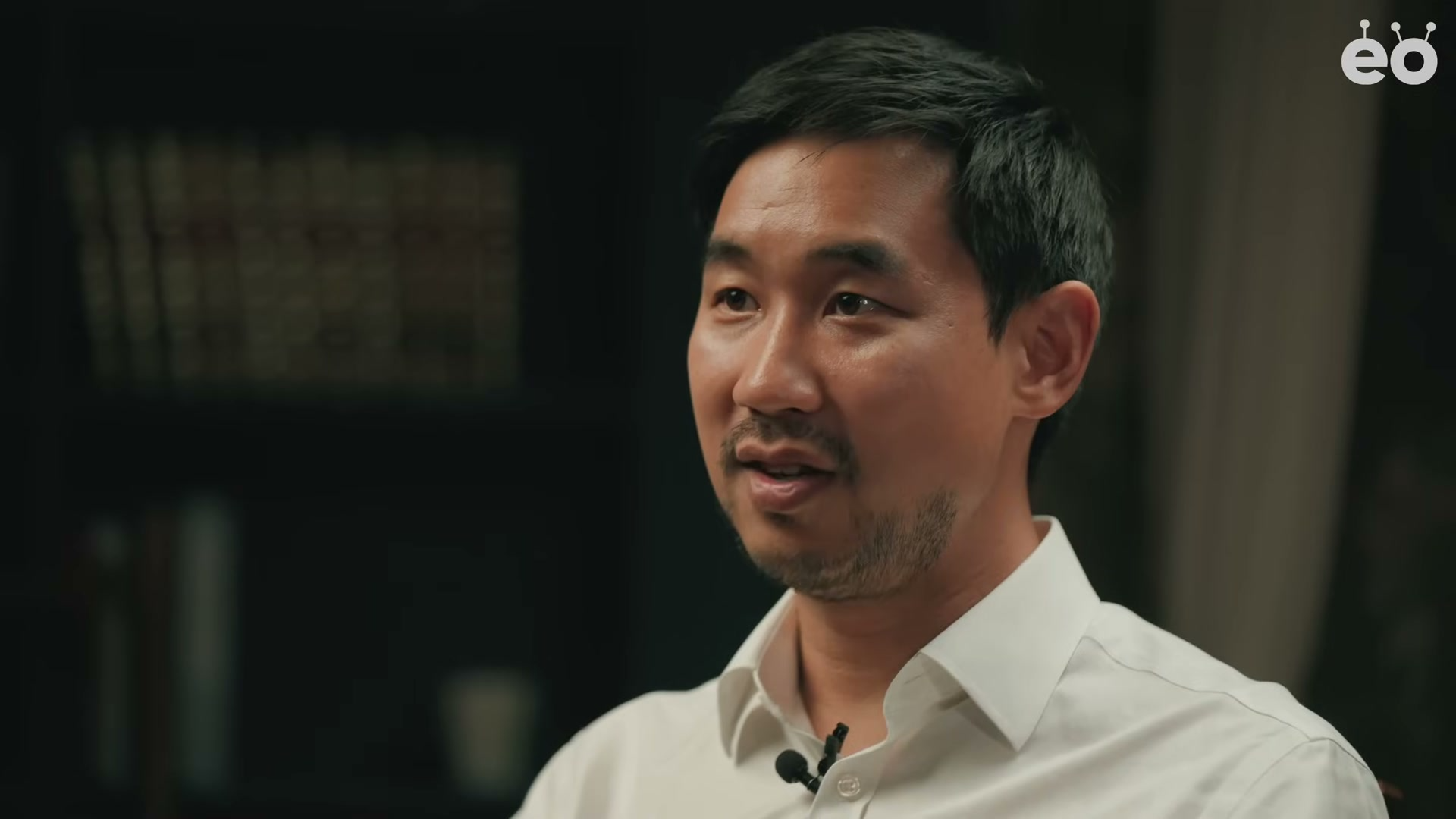
How did you pivot from hardware to the mobile app that became your breakthrough?
Saeju Jeong: We ended up building an application because we didn't have money to buy any hardware by that time. And that was a big challenge for us because that's the way we explored the app business.
We launched the first fitness driven product, CardioTrainer, which was using smartphones, GPS, accelerometer to measure the sports activities such as cycling and running, and that was a mega hit. We actually achieved quite good success. We became number one in the market right away, achieved 5 million users within 6 months, and we were able to raise an institutional fund. Kleiner Perkins came to us and that's how we raised our seed round.
But we figured that the service is not answering our promise, which is our company mission, that we were looking for a more holistic outcome and our users were looking for losing weight, not just becoming fit. And then we discovered we need to build a service for overall health, not only just fitness. So we had to sunset our product CardioTrainer. That was a very difficult decision, but we made the right decision.
We launched the first fitness driven product, CardioTrainer, which was using smartphones, GPS, accelerometer to measure the sports activities such as cycling and running, and that was a mega hit. We actually achieved quite good success. We became number one in the market right away, achieved 5 million users within 6 months, and we were able to raise an institutional fund. Kleiner Perkins came to us and that's how we raised our seed round.
But we figured that the service is not answering our promise, which is our company mission, that we were looking for a more holistic outcome and our users were looking for losing weight, not just becoming fit. And then we discovered we need to build a service for overall health, not only just fitness. So we had to sunset our product CardioTrainer. That was a very difficult decision, but we made the right decision.
Building Noom: The Behavior Change Revolution
How did Noom evolve into the behavior change platform it is today?
Saeju Jeong: The first version of Noom was we only provided AI service that guided our users on how to manage their weight. That was our very first product in 2014, but we quickly learned that with human coaches, providing a holistic approach will deliver better outcomes.
So we relaunched the service in May 2016, the current version of Noom that comes with a behavior change approach led by personal health coaches and provides a service that masters four pillars: diet, exercise, stress, and sleep management.
Noom became a household brand in the United States as a behavior change platform, and we have changed the way of healthcare. The industry has been overly optimized for sick care, but we are trying to change the view to a more preventative approach. We believe that we just built the foundation of a company that can long last more than a century.
So we relaunched the service in May 2016, the current version of Noom that comes with a behavior change approach led by personal health coaches and provides a service that masters four pillars: diet, exercise, stress, and sleep management.
Noom became a household brand in the United States as a behavior change platform, and we have changed the way of healthcare. The industry has been overly optimized for sick care, but we are trying to change the view to a more preventative approach. We believe that we just built the foundation of a company that can long last more than a century.
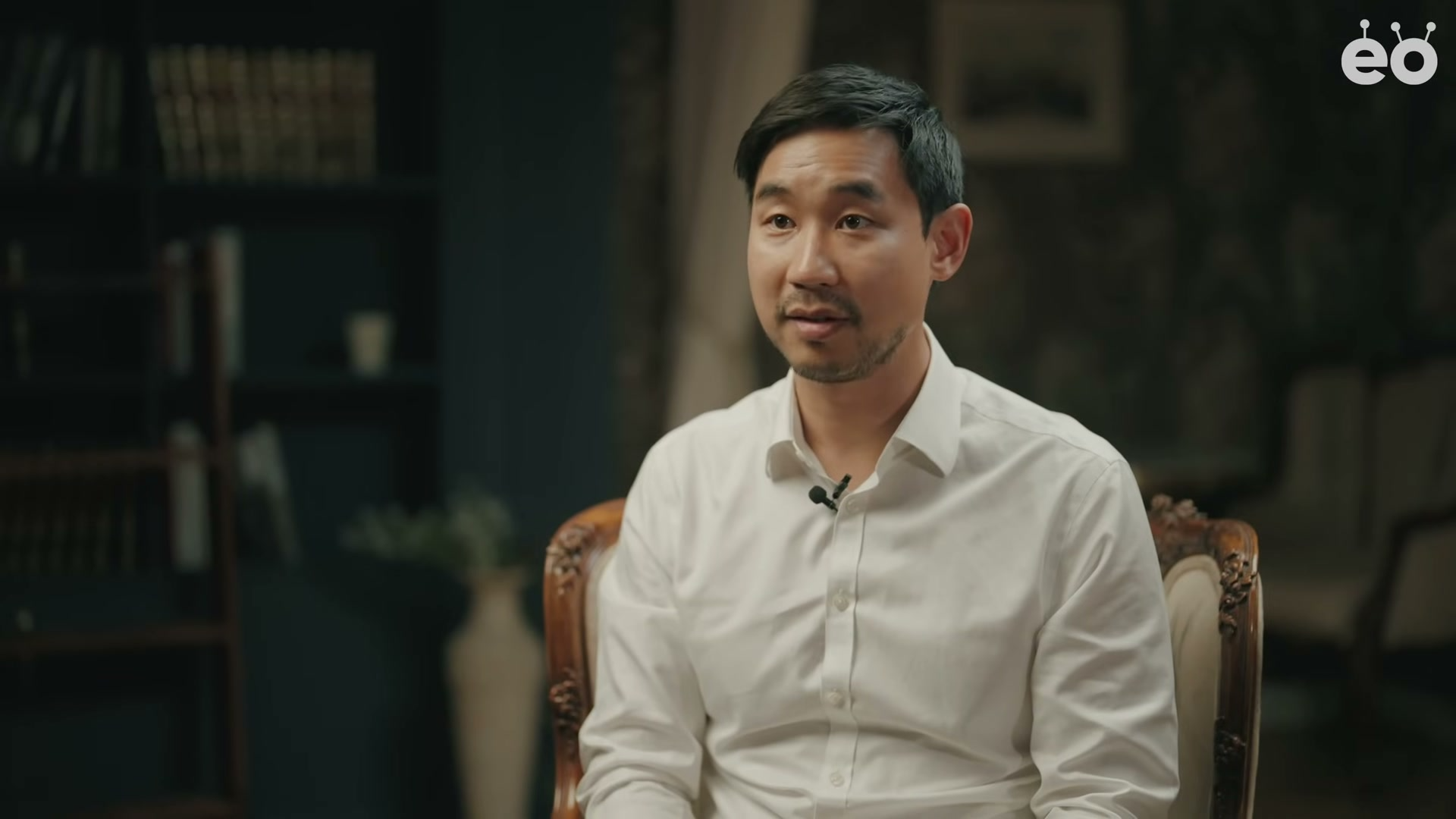
The Immigrant Entrepreneur's Mental Game
You mentioned self-doubt as one of the hardest challenges. How do you deal with that as an immigrant entrepreneur?
Saeju Jeong: As an immigrant entrepreneur, one of the hardest things was self-doubt. Am I the right person? Can I do this? It's the most difficult emotional barrier. It's a demon thought that is very hard to overcome. Can I do this? No one asked, but I asked myself and no one can actually give the right answer. I can only answer that question, right?
Mission-driven thinking and always reminding myself why I founded the company, the big why, why I founded the company - I was able to manage by actually working with the right people. I got a lot of support from my people, so they support me to stick with the company mission and I'm very thankful for that.
And also I built very healthy habits since then - wake up early to exercise and also keep thinking about the difficult parts, the difficult questions.
Mission-driven thinking and always reminding myself why I founded the company, the big why, why I founded the company - I was able to manage by actually working with the right people. I got a lot of support from my people, so they support me to stick with the company mission and I'm very thankful for that.
And also I built very healthy habits since then - wake up early to exercise and also keep thinking about the difficult parts, the difficult questions.
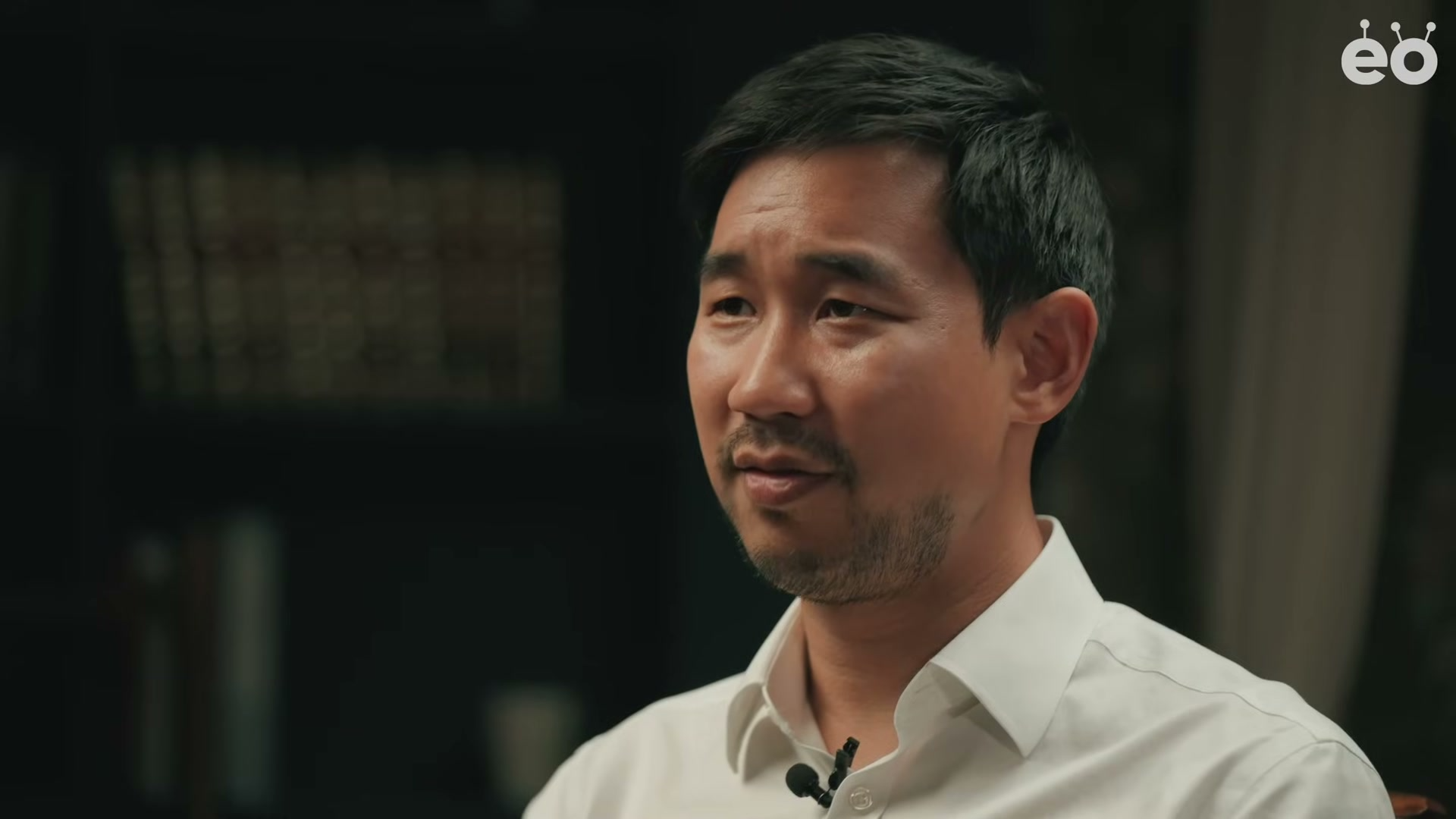
What advice would you give to other entrepreneurs struggling with self-doubt?
Saeju Jeong: I actually have seen a lot of early stage startup entrepreneurs. They are not thinking hard. They think hard about product for sure, but they don't think about entrepreneurship oneself. That means their emotional roller coaster, their self-doubt. I don't think they really think hard about it and be honest about it.
But I recommend: be honest to yourself and ask for help. Do not act like you're OK. Ask for help and also admit where you're not good at so you can actually provide room so others can help you. Don't act like you know everything, and it's OK to be vulnerable. Strong, fearless leader? Wrong, wrong. That's not the right approach because you are breakable, and that's OK because startup is hard. Everybody knows that. It's OK to ask for help.
But I recommend: be honest to yourself and ask for help. Do not act like you're OK. Ask for help and also admit where you're not good at so you can actually provide room so others can help you. Don't act like you know everything, and it's OK to be vulnerable. Strong, fearless leader? Wrong, wrong. That's not the right approach because you are breakable, and that's OK because startup is hard. Everybody knows that. It's OK to ask for help.
Building for the Long Game
You talk about building a company to last over 100 years. What does that vision mean to you?
Saeju Jeong: My co-founder Artem Petakov is a great teacher. He gave me a book as a friend before we founded the company, 'Good to Great,' written by Jim Collins. We both loved that book because the author Jim Collins figured all the references and examples from companies by researching companies that exist more than 100 years, over a century. Isn't that amazing? So that really inspired us - we want to build a long-lasting company over a century, not a quick success.
My version of good company versus great company is: Good company is the company that produces amazing service, but great company is a company that grows globally over years and years, hopefully more than a century. We hope Noom can last more than 100 years with a great brand name and reputation, and that is very difficult. That is a great company.
Think about how many brands you can think of that exist more than 100 years. Not many. A lot of companies come and go, and we don't want to see that from Noom. Think of a lot of tech-driven startups. They are very good, 0 to 1. Many companies can do that. Now 1 to 100. That is the next level journey. That's very difficult.
My version of good company versus great company is: Good company is the company that produces amazing service, but great company is a company that grows globally over years and years, hopefully more than a century. We hope Noom can last more than 100 years with a great brand name and reputation, and that is very difficult. That is a great company.
Think about how many brands you can think of that exist more than 100 years. Not many. A lot of companies come and go, and we don't want to see that from Noom. Think of a lot of tech-driven startups. They are very good, 0 to 1. Many companies can do that. Now 1 to 100. That is the next level journey. That's very difficult.
Explore more