Jun 19, 2025
Everyone's Chasing AI But This Matters The Most
Interview with Ron Gutman, Co-founder of Intrivo
Founder Focused


💡
At a Glance
- Who: Ron Gutman is the co-founder and co-CEO of Intrivo, the company behind the On/Go at-home COVID test.
- What: Intrivo builds accessible health testing and AI-powered wellness technology, and Gutman sees AI as the foundation for the next chapter of managing health, well-being, and happiness.
- Traction: Intrivo's On/Go test reached millions of Americans during the pandemic, turning what was once a terrible testing experience into an accessible one.
In this video, we dive deep into Ron Gutman's philosophy and vision for democratizing healthcare.
Key Takeaways:
The Most Important Metric Is a Thank-You Note, Not a Valuation
Ron Gutman calls the 25,000 notes he received from customers thanking him for saving their lives the most important accomplishment of his career, more meaningful than any funding round or exit. It set the bar he still measures every venture against, whether it actually changed someone's life.
Do What You Love First. Success and Money Follow.
Gutman's advice to founders is to choose work because it's what they love, not because it's fashionable or lucrative. When the work doesn't feel like work, success, money, and recognition follow on their own.
Why Traveling the World Made Him a Better Founder
Gutman credits early travel, living, eating, and volunteering the way locals do, with teaching him that people are fundamentally similar but solve problems differently. Understanding those nuances gave him a richer toolkit than internet research ever could for building global solutions.
How to Hire for the Ups and Downs of Entrepreneurship, Not Just the Resume
Gutman has learned that a great resume isn't enough. He looks for the stamina and resilience to survive entrepreneurship's inevitable rough patches, and he tells new hires honestly that the journey will have hard days rather than overselling the mission.
Missionaries, Not Mercenaries: The Real Test for Mission Fit
Anyone can recite that they want to help a billion people in a job interview. Gutman tests real mission fit by asking candidates how they've actually lived out that mission in the past, even in small ways, because doers reveal themselves through actions, not talking points.
Great Teams Aren't Just Skilled. They Have to Gel.
Skill and experience are just the foundation. Gutman says the people who actually make a company work are the ones who play well together as a team, not just individually excellent contributors.
Watch the full interview now on EO's YouTube channel! Below is the complete transcription of the interview. Minor edits have been made for clarity and readability.
Introducing Ron Gutman, Co-founder and CEO of Intrivo
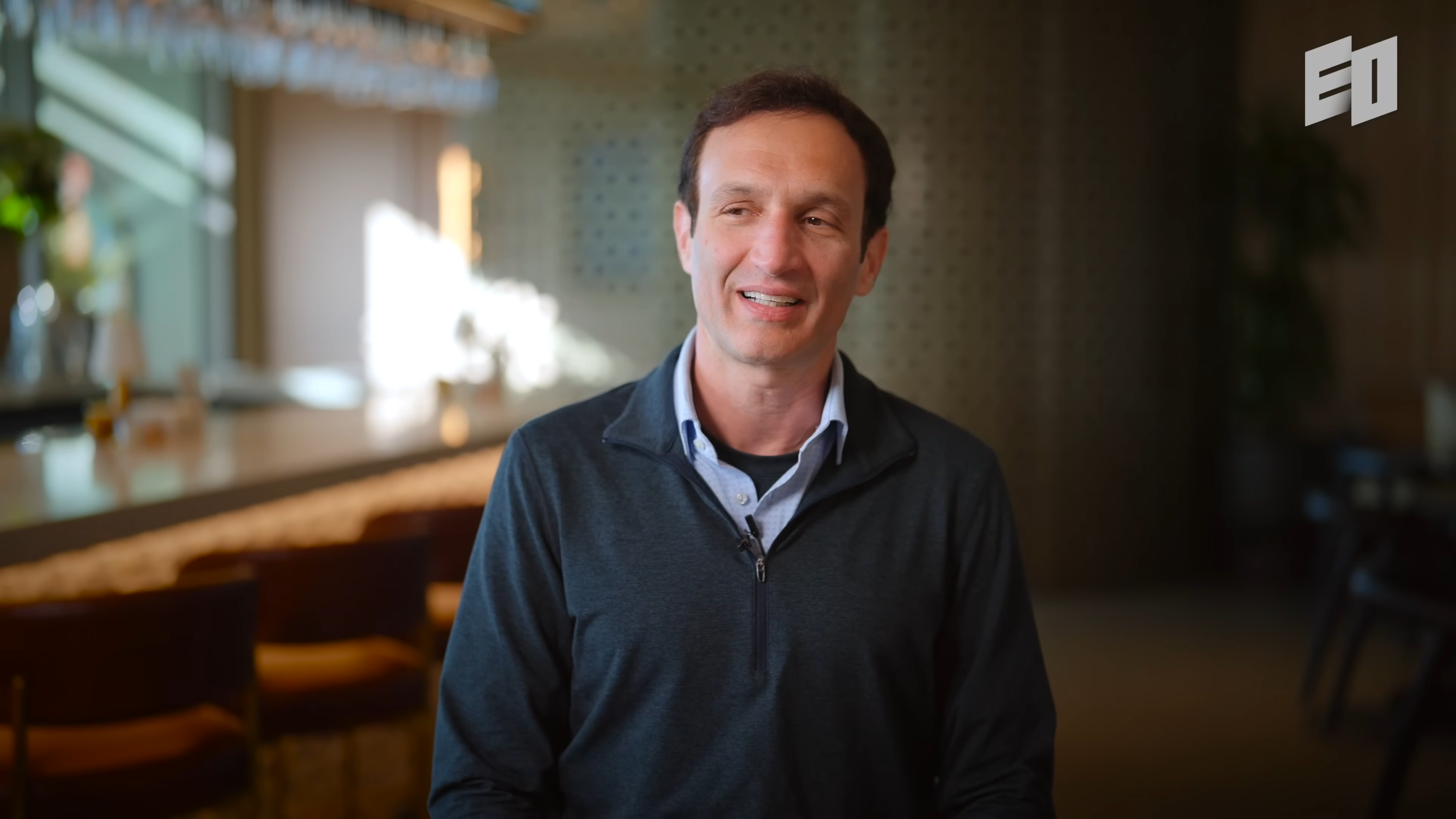
Nice to meet you. My name is Ron Gutman, co-founder and CEO of Intrivo. At the beginning of Intrivo, the vision was to bring health and care to you, wherever you are. When the pandemic started, we looked at how to apply that vision to help resolve it, and we began solving the challenge of bringing efficient testing to people.
Testing, if you remember, was initially a terrible user experience. We built a technology platform that let us manage the entire supply chain. I want to keep creating solutions like that, ones that change how we manage our health and well-being in ways that weren't possible before.
I think AI has a great opportunity to be the foundation for that. I'm looking forward to the next chapter: how humanity manages not only health and well-being but happiness, because I want more people to smile a lot more often.
The most profound experience I had in my career in healthcare, and the one I consider my most important accomplishment, was in my previous venture. It came from getting more than 25,000 notes from people saying thank you for saving my life. It was really amazing. It was profound.
I had dreams as a child of being a computer geek who built things with real impact. To really get tens of thousands of notes from people saying thank you for saving my life is something that's bringing me to tears right now just to talk about it. I'm getting goosebumps. I think it's really special. Always do what you love.
Start by doing what you love. A lot of people choose to do things for the wrong reasons. Because they're cool. Because they're going to make a lot of money. Because it's fashionable. Because somebody told them to. Because other people are doing it. There are a lot of reasons.
Just go into where your heart is. Do things that you love. Why? When you do things you love, it doesn't feel like work. You become more successful, and, most importantly, happier. It's not just about success. You want to be happy in your life. Follow your real passion. Everything else follows: the money, the fame, whatever you want.
How can we fix the world?
The whole idea of helping other people came from home.
My mom raised me with the notion of Tikkun Olam, an ancient part of Jewish philosophy. Tikkun Olam means, very simply, fixing the world. What does fixing the world mean? My mom used to explain that fixing the world is something I need to engage in just because the world needs fixing.
It doesn't need to give me anything. It doesn't need to have a reason for it. Things are not the way they should be, and I have the ability to make a positive influence, so I should do it. Think about it: if everybody thought this way and paid it forward without needing to get anything, our world would look like a much better place.
Every single day I do things that help other people improve their lives and their health and well-being. Some of the important lessons I've learned came first from traveling around the world. I love travel. I love meeting people all over the world. I made it a point to meet people where they are, to stay where they stay, eat where they eat and travel how they travel. I volunteered as much as I could.
When I did that, I learned a lot from them, and that helped shape me as an entrepreneur. Building global solutions means understanding the world, and understanding the world takes more than internet research. You need to meet the people and see them where they are.
All people are people, and all humans are very much similar, but they have nuances. If you understand these nuances and different approaches to solving problems, it creates a much richer toolkit when you tackle these challenges, one that lets you find different angles that may be more applicable to a particular challenge than the tools in your regular toolkit.
So travel was definitely one, and I'd recommend people do that, and especially meet a lot of people while doing it.
Silicon Valley community before TEDx
Being in the Valley in a time that was post the dot-com crash, when most people left and just a handful of people remained who were very passionate about building businesses.
Some of these people, who were very early in their career back then, are some of the most successful entrepreneurs of our time today. The people who really stayed here stayed because they were passionate about building things that actually make a difference and change the world. Long conversations with them, early in their career, about how they think about building companies and teams shaped this community. This all started very early, in the TED community, at the TED conference itself. That was before there was even TEDx, before there were a million conferences, before there was even a website.
I used to go to Monterey. A bunch of us from Silicon Valley would go to Monterey every year, and it was a small handful of people. It was all the people who started the most successful companies in the world right now. It was back then.
We would go hear some talks. Then at night we'd stay up until two, three, or four in the morning. We'd just hang out, chat, and talk through our challenges. I think that was amazingly important in shaping how all of us thought about doing things.
Just interacting with one another, working with some who were more accomplished and already had some success. For some of them it was their first time doing this, but it doesn't matter. The sharing was very important. We did that at TED. We did it in the early days of South by Southwest, when it was mostly a music festival with a tiny interactive section.
There were a couple hundred people, or whatever the number was back then. We used to go there every year and just hang out with each other and chat about it.
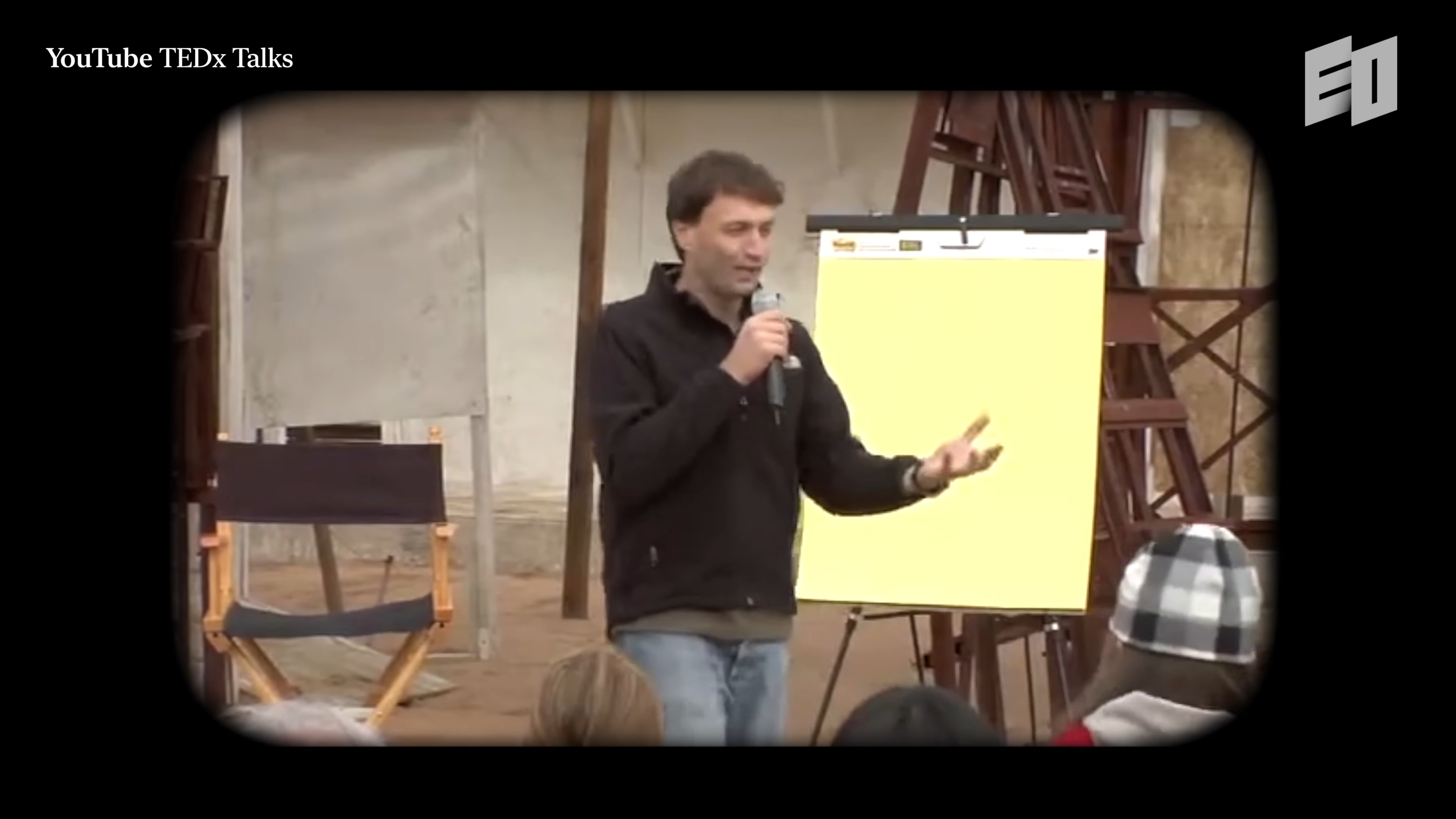
(From TedX Talks)
"It's really great to be here. Before I start talking about Silicon Valley, I really want to say something: this isn't a community, this is a movement. I want to give a huge hand to Lara and Salomi. From everyone, it's unbelievable, it's so powerful. We're talking about collaboration.
"It's really great to be here. Before I start talking about Silicon Valley, I really want to say something: this isn't a community, this is a movement. I want to give a huge hand to Lara and Salomi. From everyone, it's unbelievable, it's so powerful. We're talking about collaboration.
We're talking about how we can leverage the learning everyone here has achieved. We're putting together amazing events in universities, cities, and everywhere else, then exchanging that information and sharing it together. I've been talking with Lara about trying to create a platform that will make it very easy to disseminate this information on an ongoing basis.
You all put together programs, some software or something that helped you make a better event. Putting together TEDx Silicon Valley, I felt something: if we could tap into that, or share what we've created with everyone else, it would be amazingly powerful. This is something I'm very excited to help do going forward."
It's really important to get together in these smaller gatherings with people who are experiencing the same thing you're experiencing. Share authentically what you're going through in these long midnight conversations, but also absorb how they're solving things and get inspired by that.
That was really awesome.
People Are Everything
Entrepreneurship is all about the people. You're only going to be as successful as the people around you.
It's very important to choose people you think are the best at what they need to do, and that's very important as a foundation. Choose people who have the right skill and experience for the job. But also make sure they have the energy, the stamina, and the resilience required to solve entrepreneurial challenges. Sometimes I chose people who were great, smart, and capable, with great resumes. But they didn't have the kind of dynamic or character it takes to survive entrepreneurship's ups and downs.
Think about how to bring people in and communicate with them honestly. Don't oversell it: "Yes, everything is going to be great. We're going to build a huge company. We're going to change the world." That's great, get them inspired, but also be truthful with them. This journey is going to have ups and downs. There will be some tough days. You need to think about that, and here's what's coming up next.
Make sure they are the right people. It's also important that they gel with each other really well. Choose characters that get along and play well on a team. An individual contributor, someone who needs to do one very particular thing and doesn't require collaboration, is rare. But it sometimes matters too.
The majority of people work with each other, and teamwork does make the dream work. So you need to figure out how to choose people who are not only great and social, but who also get along with each other really well. That's a very important thing.
Eventually, look for people who really resonate with the mission. I learned in my life that it's important to have missionaries, not mercenaries. Some people are really good at what they do, but they're just there for the paycheck, and they do what they need to do and then they're done.
I think the best way to identify if somebody truly buys into a mission is to have a deep conversation with them that is situational. Don't just ask them to talk in generalities about the mission itself. Everybody can say, "Yes, I really want to help hundreds of millions or billions of people live a healthier life." That's a very easy sentence to practice at home before a job interview and recite back. The best way to tackle this is to ask how they've actually practiced that mission in their own life, in the past.
Give me examples of why they actually resonate with that mission, or how they resonate with it: things they did, not just things they're thinking about. Even small things count. Some people want to help a billion people, and it's daunting for them to even think about it this early in their career. So how do you know, this early in their career? People who really care about these things do things in their lives that show they're very interested in the mission. Look for the doers, not just the thinkers.
What challenges are you facing now?
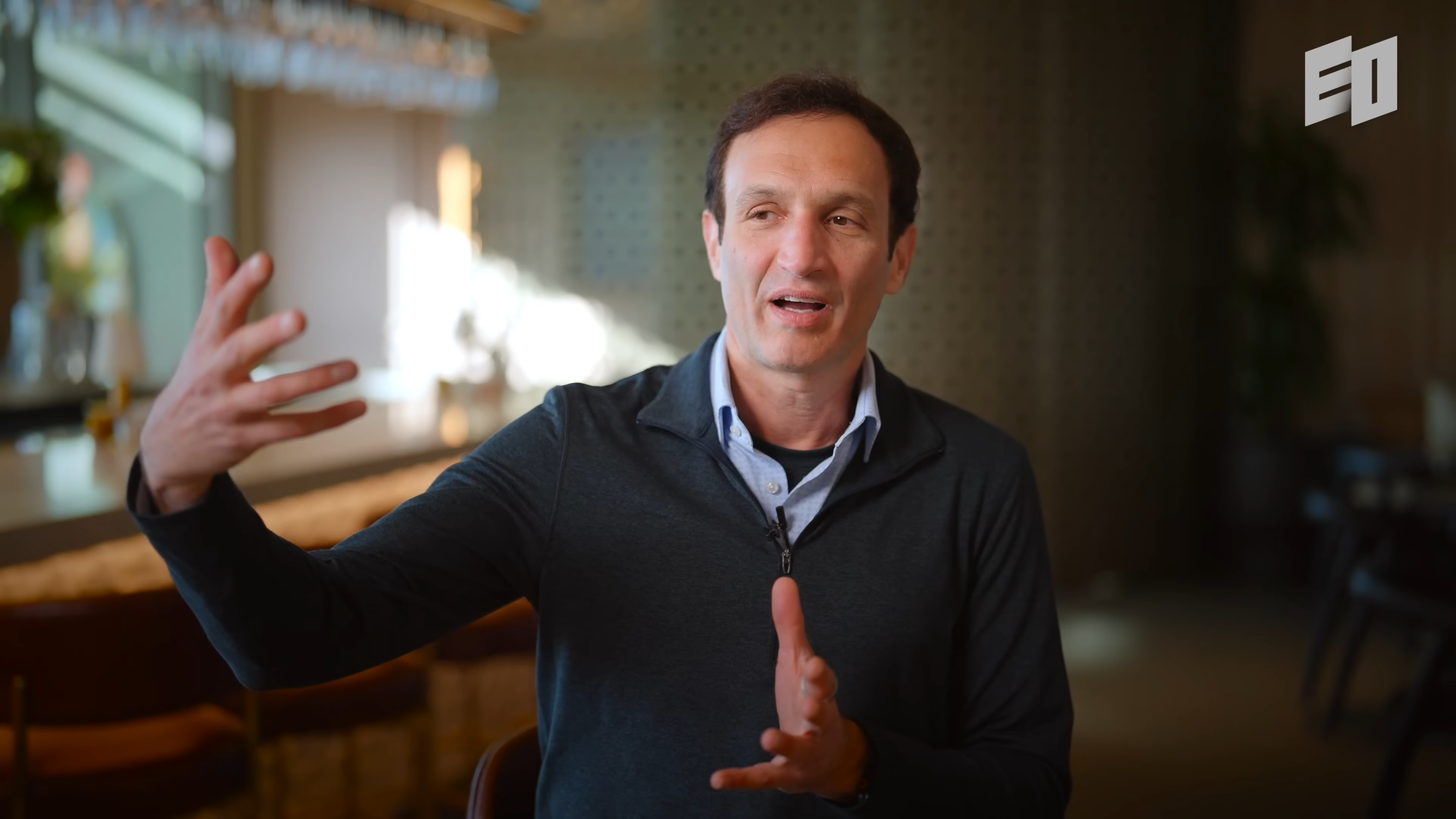
Everything that's worth doing is challenging, in my mind. I think there's a point in life where you just embrace challenge. I've learned to not get too worked up when things are challenging, and not get too excited when things are great. That's something I practice right now. I try to accept that there's beauty in what we define as good and fulfilling. But there's also beauty in things that are challenging, things that sometimes make people sad.
I know that sounds a little controversial, but life is a circular approach. Everything that happens to us, good and bad, stops feeling like something to judge once you stop trying only to make things good and avoid the bad. The bad, what we consider less favorable, will happen anyway. Don't strive to make it happen, but accept it. It's going to be there. It's fine. It's part of life, and we celebrate it. We celebrate the good. We celebrate the not so good. It makes us stronger.
The advice I give everybody is to try to get to that place at least once a day. Once you figure out where it is, start applying it here and there. That way you can go back to that clean slate. You'll make better decisions, feel better about yourself, and live a happier life.