Mar 31, 2026
You're Already Cooked. Ralphthon Is Where You Find Out How.
How AI is reinventing the hackathon
Behind The Scenes


"If you're a software engineer and you don't use AI, you're cooked. If you use AI, you're cooked because you don't know how to code."Tony NguyenRalphthone participant
Tony had been running six AI agents simultaneously when someone asked him about job security. He didn't hesitate.
"If you use both, you're also cooked because you have no time. So, regardless of how you go, you're going to cook anyway. So you've got to see which type of cook you want to be."Tony NguyenRalphthone participant
He is a Tesla intern. Studying in Florida, living in San Jose, driving up to San Francisco on weekends for events like this one. Ralphthon, an AI hackathon where the whole point is to stop coding and let AI agents do the building.
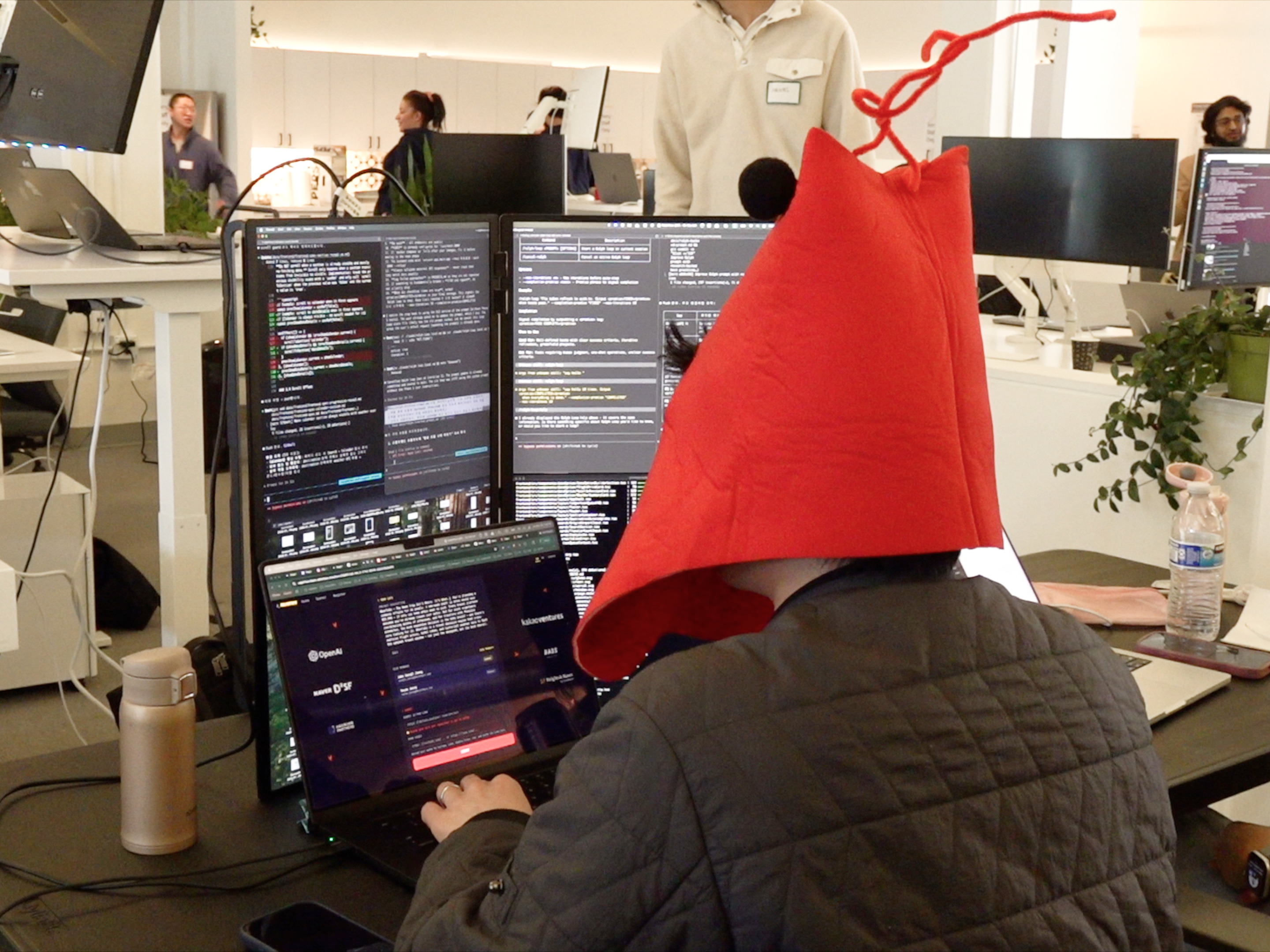
There is, however, one exception: touch a keyboard, and you have to wear a lobster headband.
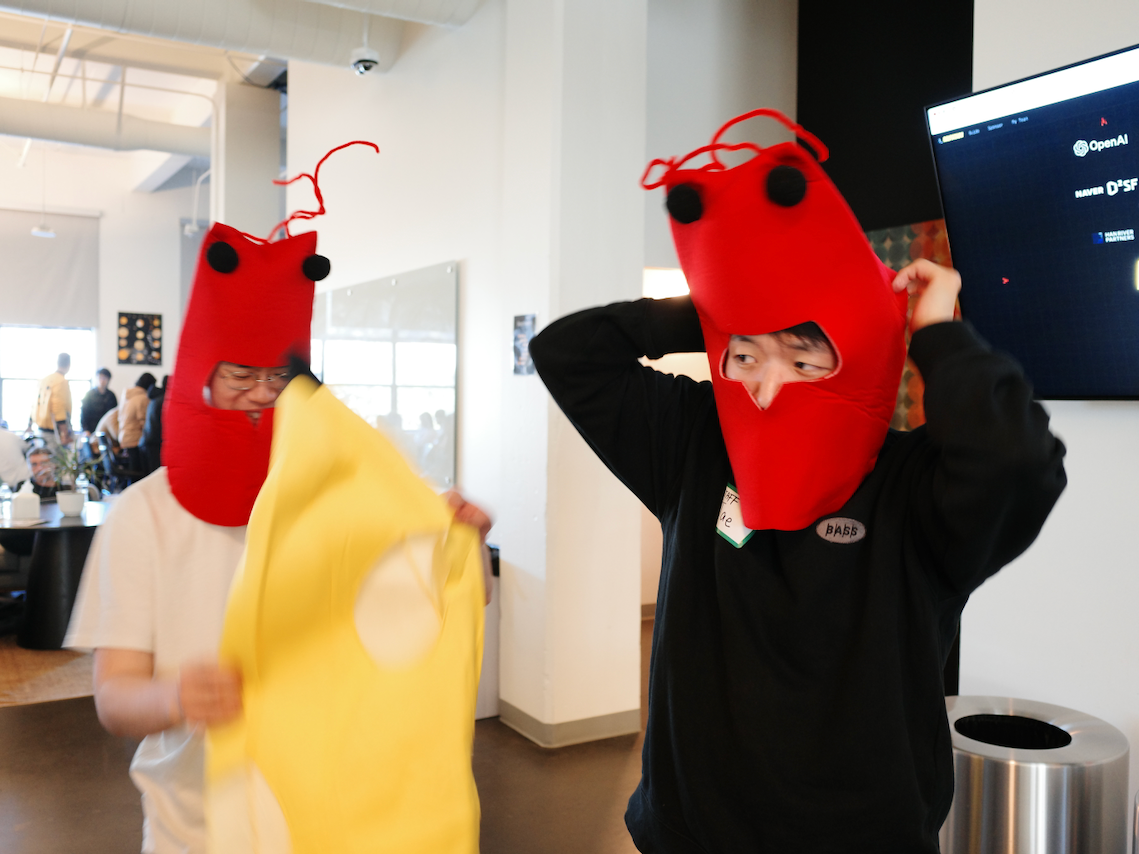
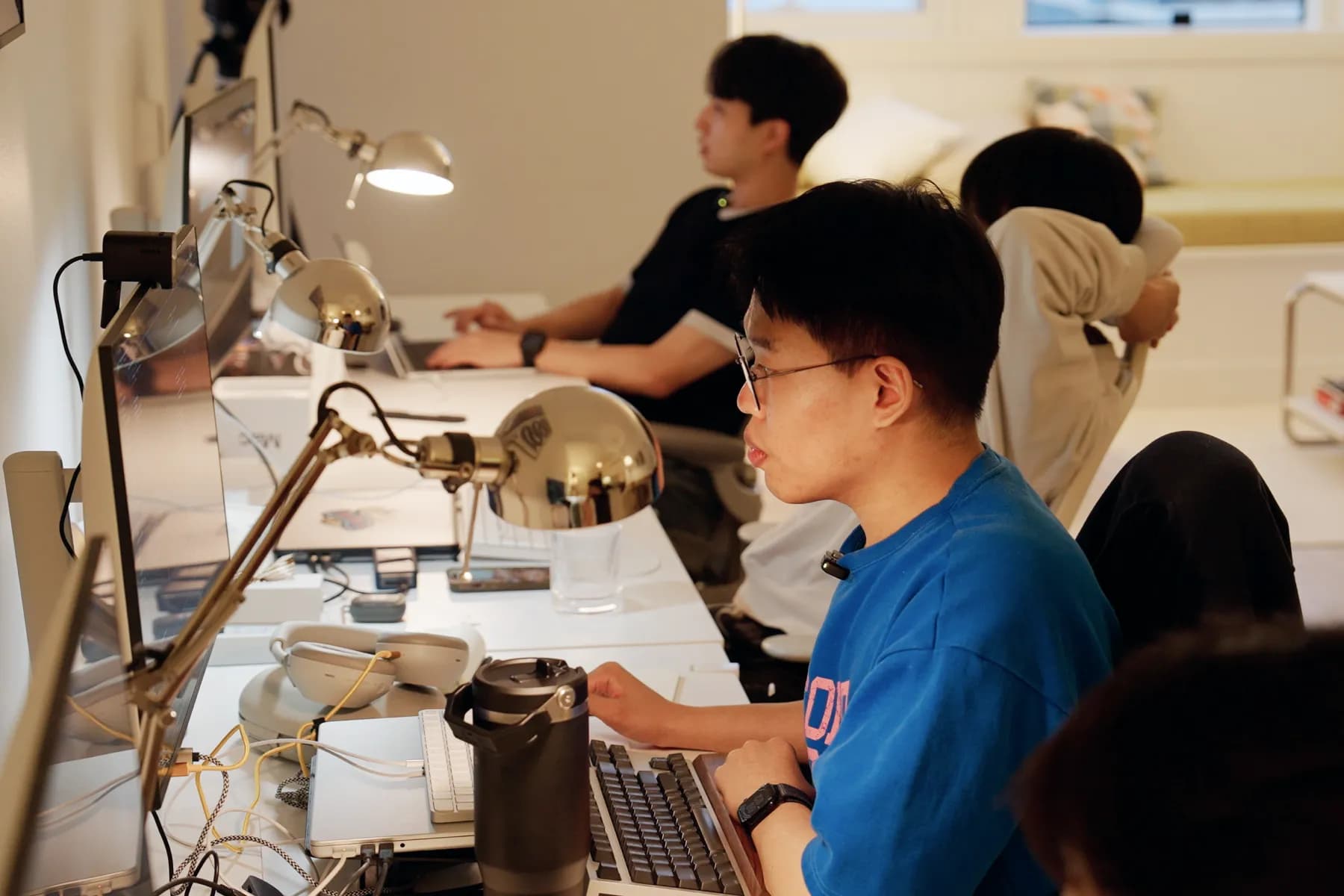
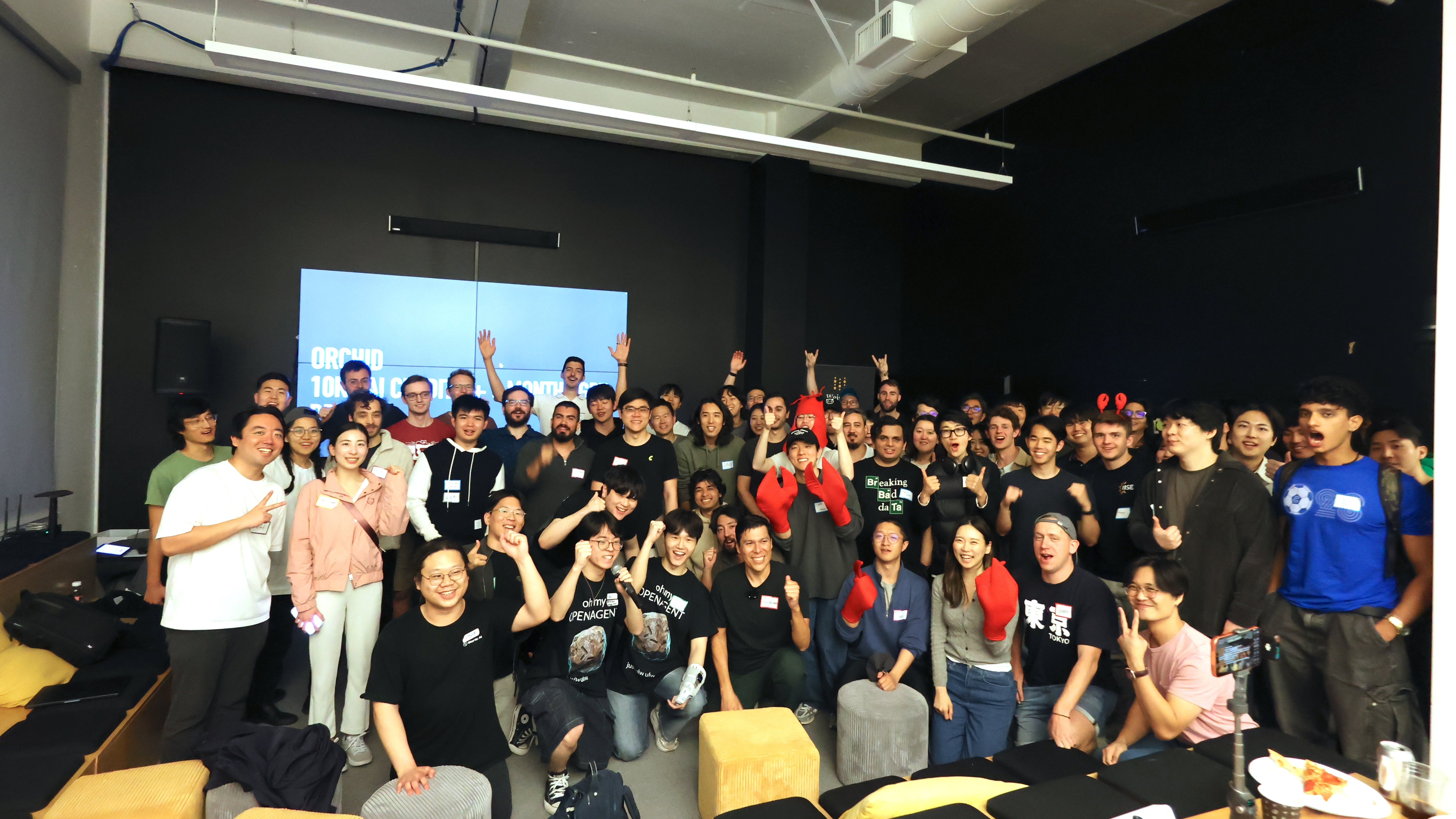
On March 28, over 150 people gathered at 400 Alabama Street. A startup CEO running ten Ralph projects at once, a married couple of engineers quietly keeping Plan B on the table, a Berkeley student researching AI agent safety, and a software engineer from Colombia who had never touched Ralph before in his life. The crowd was anything but uniform.
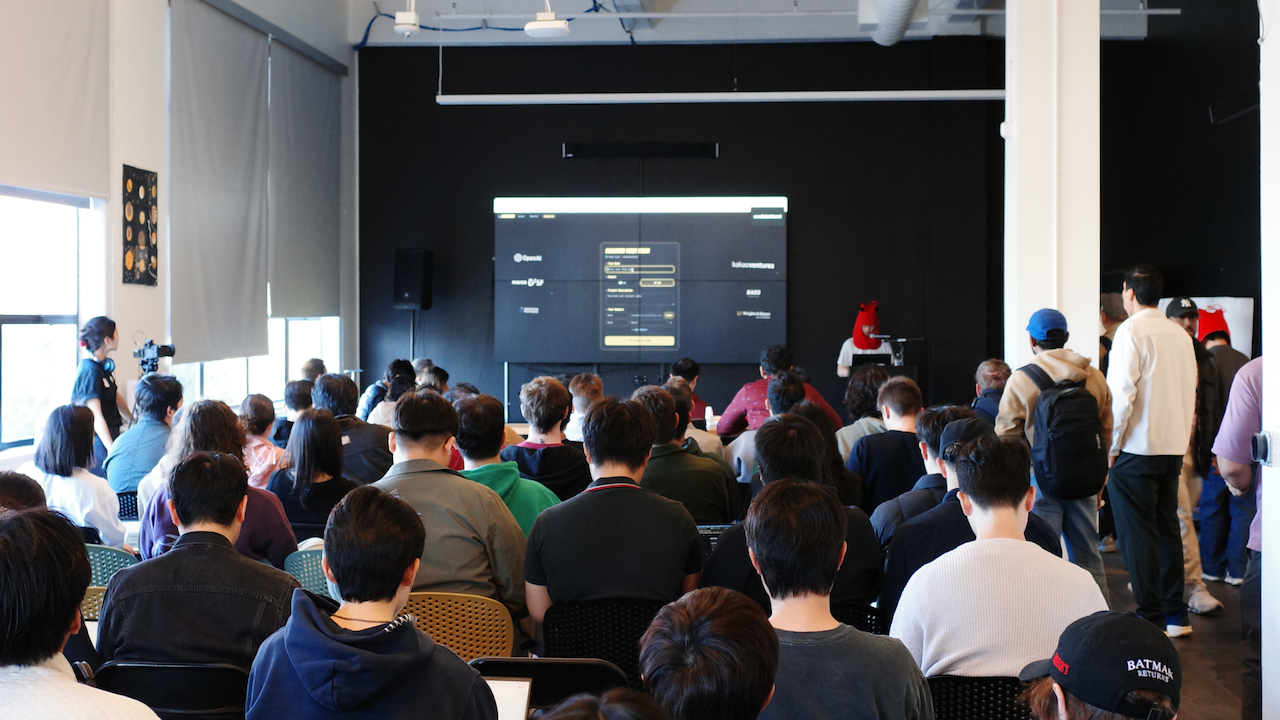
What united them was deep AI fluency, and equal parts anxiety and curiosity about what came next.
The Technique That Made the Hackathon Possible
So what, exactly, is "Ralph"?
Ralph is an agentic coding workflow where you write the spec, start the loop, and let AI build while you step away. The name itself was chosen partly as a celebration, partly as a warning.
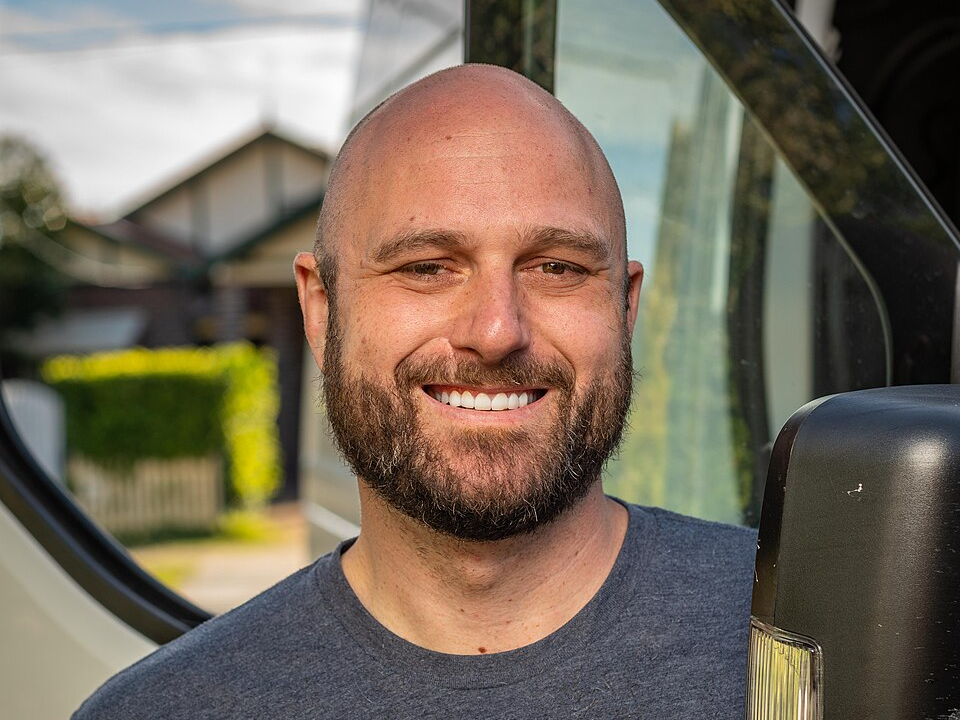
Geoffrey Huntley, the Australian developer who formalized the Ralph Loop and published it in July 2025, chose the name for two reasons. The first: Ralph Wiggum, the lovably oblivious character from The Simpsons who, despite everything, just keeps going.

The second is less charming. In Australian slang, "ralph" means to vomit. When Huntley first ran the technique in a loop and grasped its implications, that's exactly how he felt.
"I felt nauseous. I feel like vomiting because I realized what was to come: that software development is very commoditized."Geoffrey HuntleyCreator of the Ralph Loop
The technique itself is counterintuitive in the best way. Rather than seeking a perfect AI response in a single session, Ralph loops the same agent repeatedly, each iteration building on files, code, and git history left by the previous one.
The key insight: progress doesn't live inside a context window. It lives in the work itself. An engineer delivered a $50,000 contract using Ralph for $297 in API costs.
Ralph didn't emerge in a vacuum. By the time Huntley published his method, a broader cultural shift was already underway. In February 2025, Andrej Karpathy, former Tesla AI chief and OpenAI co-founder, gave the instinct a name: vibe coding. He wrote on X, "I just see stuff, say stuff, run stuff, and copy-paste stuff. And it mostly works."
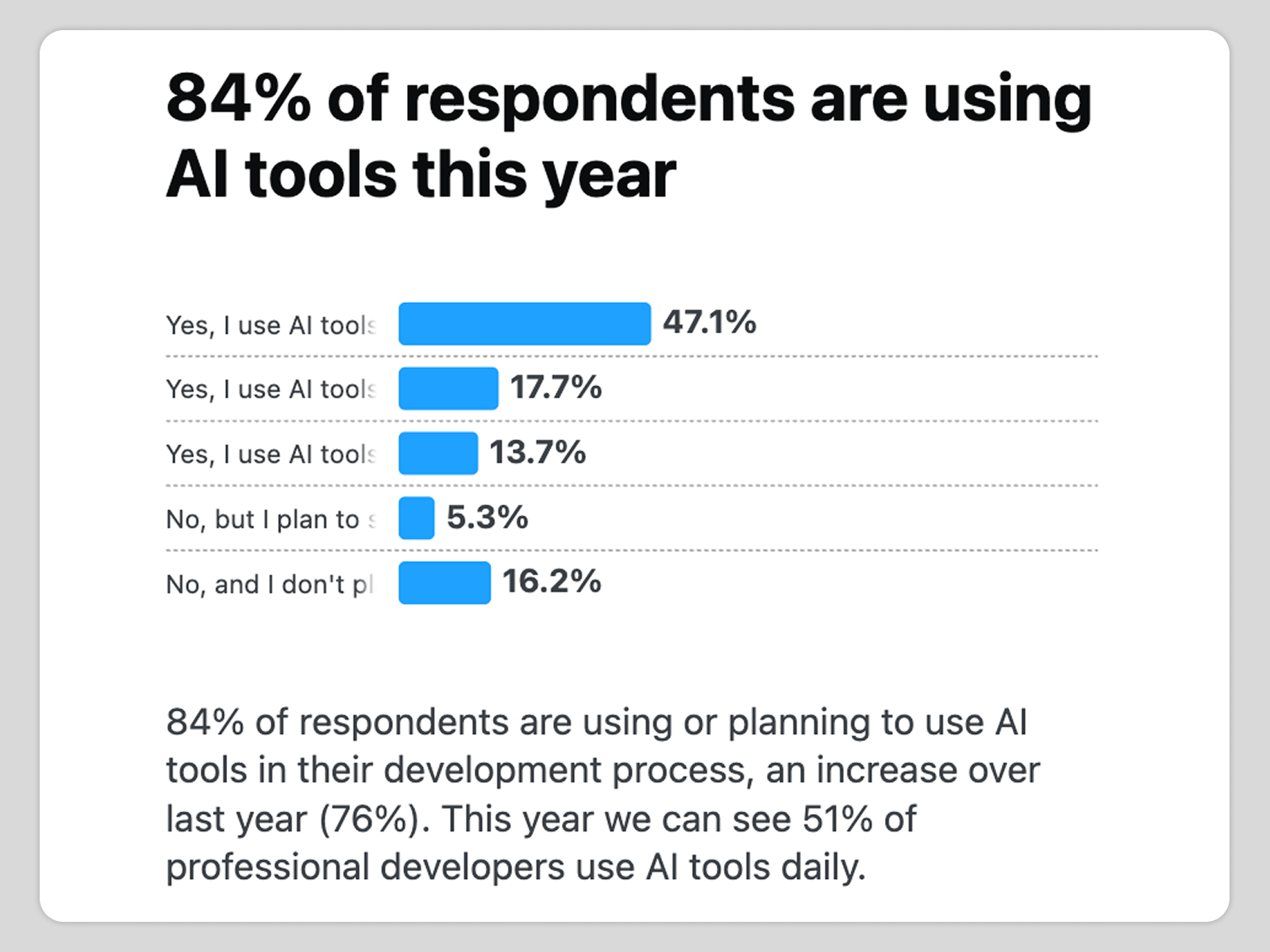
The term caught. By the end of 2025, 84% of developers were using or planning to
use AI coding tools, up from 76% the year before. More than half relied on them
daily. By early 2026, Karpathy himself had moved on from the word he coined, but the world had not.
use AI coding tools, up from 76% the year before. More than half relied on them
daily. By early 2026, Karpathy himself had moved on from the word he coined, but the world had not.
Ralph Loop is vibe coding with structure, the same instinct to trust AI, but engineered for results that have to actually work. And Ralphthon is what happens when that methodology becomes a competitive format.
The Event: Lobster Headbands, Seoul, and San Francisco
The rules are simple, if strange.
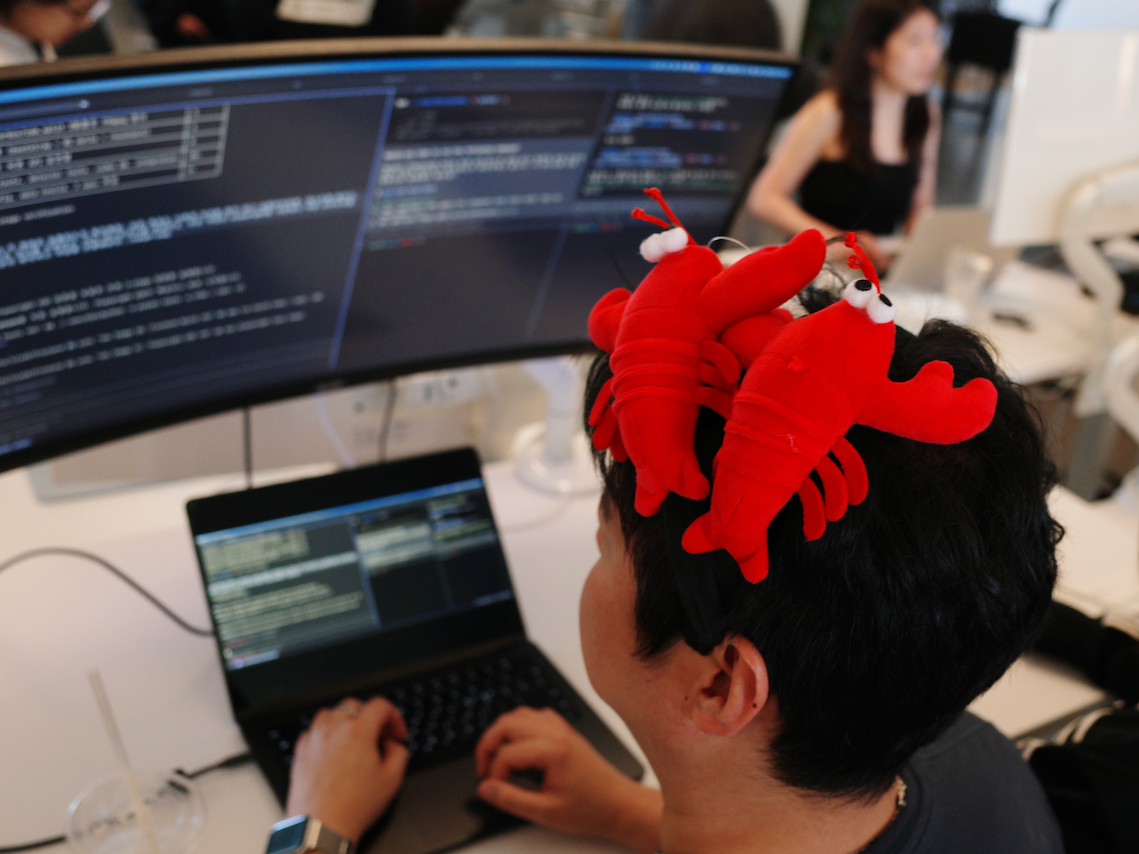
Participants spend the first few hours defining a product, writing a high-level specification, and setting up their AI agent. When the competition window opens, they step away. Anyone who wants to touch a keyboard must first put on a lobster headband.
The rule isn't just a gimmick; it's the point. The competition isn't about who can write the best code. It's about who can direct AI to write it.
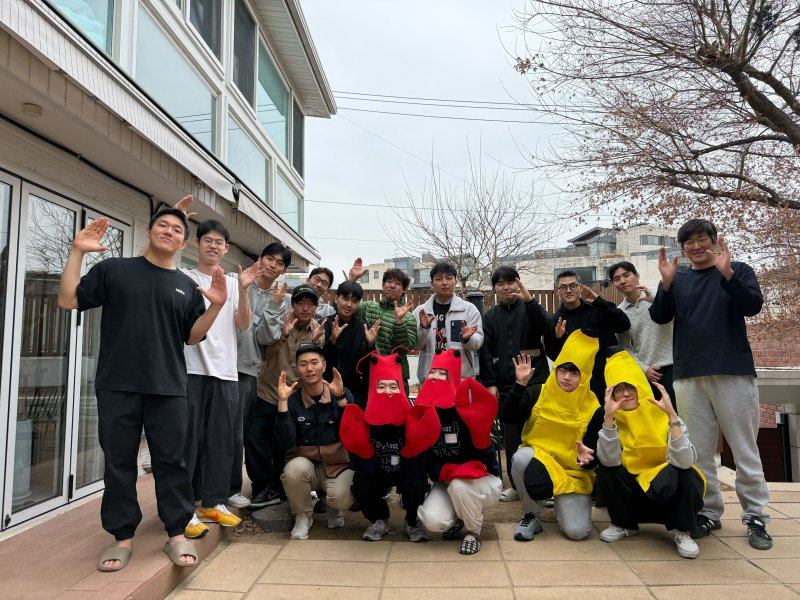
Ralphthon was organized by Team Attention, a Korean developer community led by Goobong Jeong, who has been building AI companies for over a decade. The first iteration ran in Seoul a month earlier, and the format there was more extreme. Participants checked in at 4 p.m., set up their Ralph sessions by 8 p.m., and went to sleep. In the morning, they saw what the AI had built while they weren't watching.
The Seoul winner was a married couple who built an AI that connects to a home IP camera, analyzes whether a room needs cleaning, and issues a recommendation. They set their session running at 8 p.m. and went to sleep. They never
put on a lobster headband, meaning they never touched a keyboard.
put on a lobster headband, meaning they never touched a keyboard.
By morning, the system had been building itself for over ten hours: hardware camera integration, a two-agent coordination layer, all decision logic written from scratch. 100,000-plus lines. Working code. Zero human keystrokes.
"What got me wasn't just the volume. It was that the code actually ran."Goobong JeongOrganizer of Ralphthon
The Seoul experiment had proved something. For Goobong, that was enough. One month later, he brought the format to San Francisco.
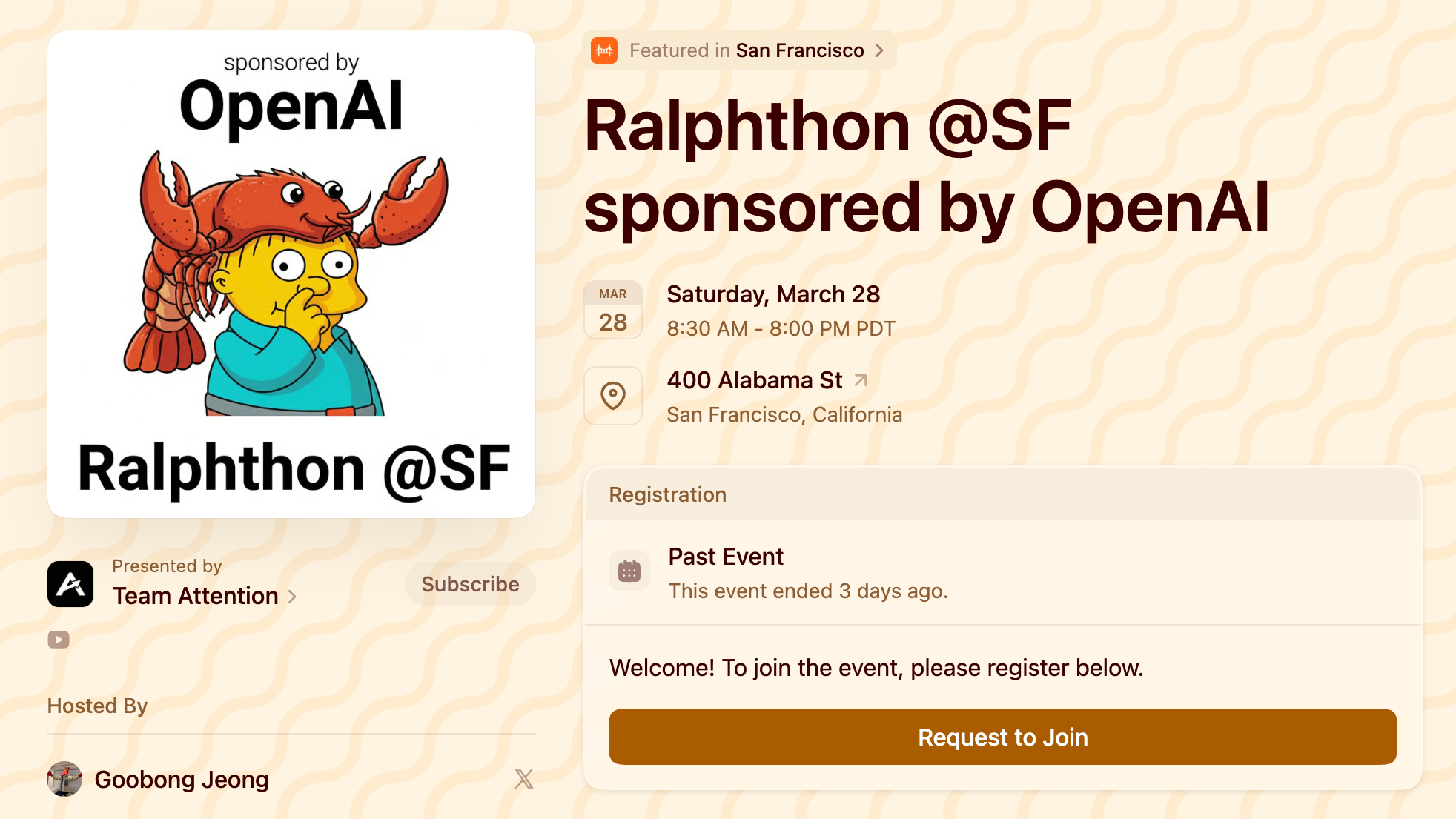
The SF version was larger and louder: OpenAI joined as lead sponsor, alongside Naver D2SF, Kakao Ventures, and Hanriver Partners.
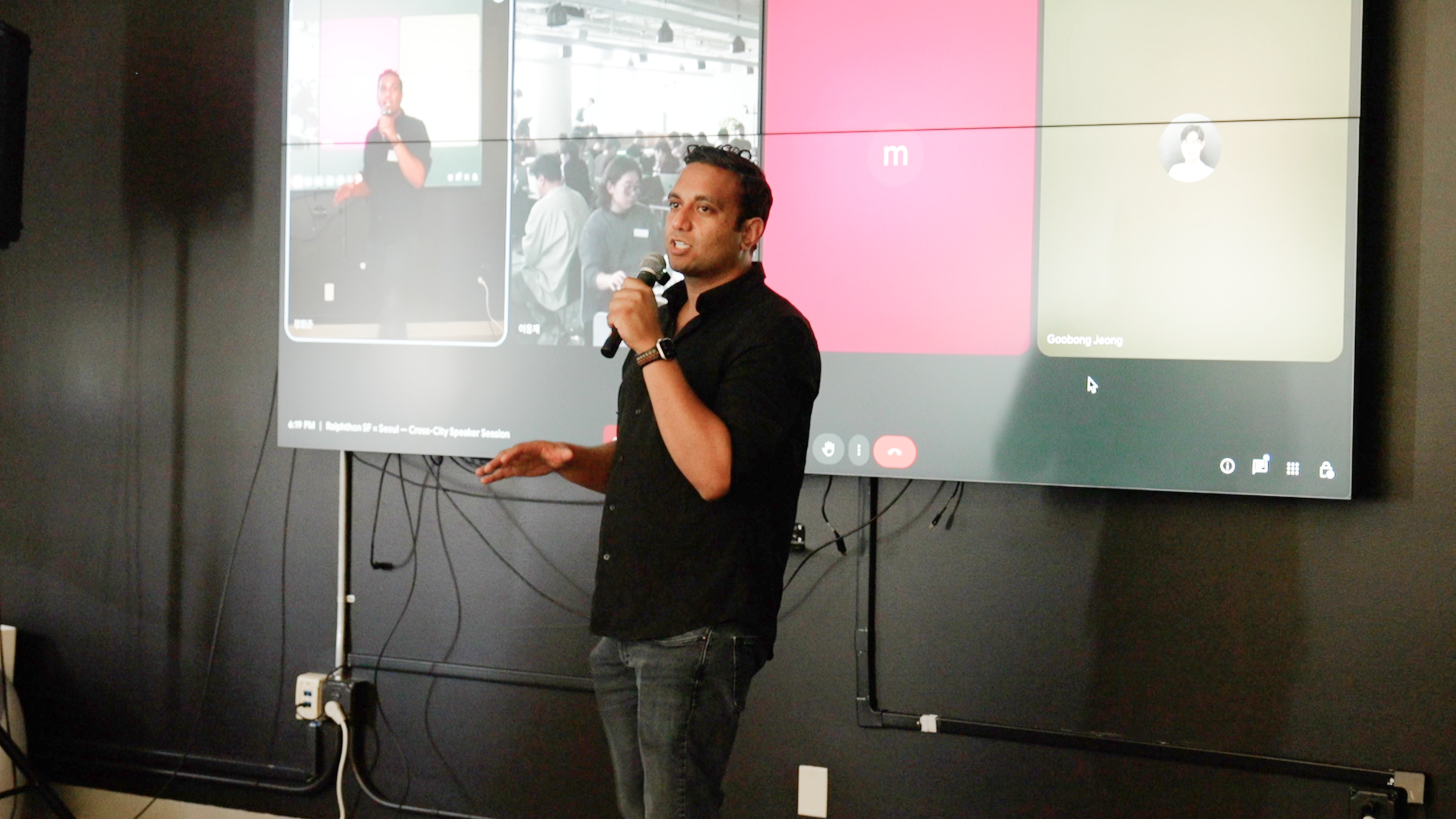
Romain Huet, OpenAI's Head of Developer Experience, appeared on the speaker lineup, as did Mo Tiwari, a Stanford CS PhD who spent a year and a half at OpenAI before moving to Google DeepMind.
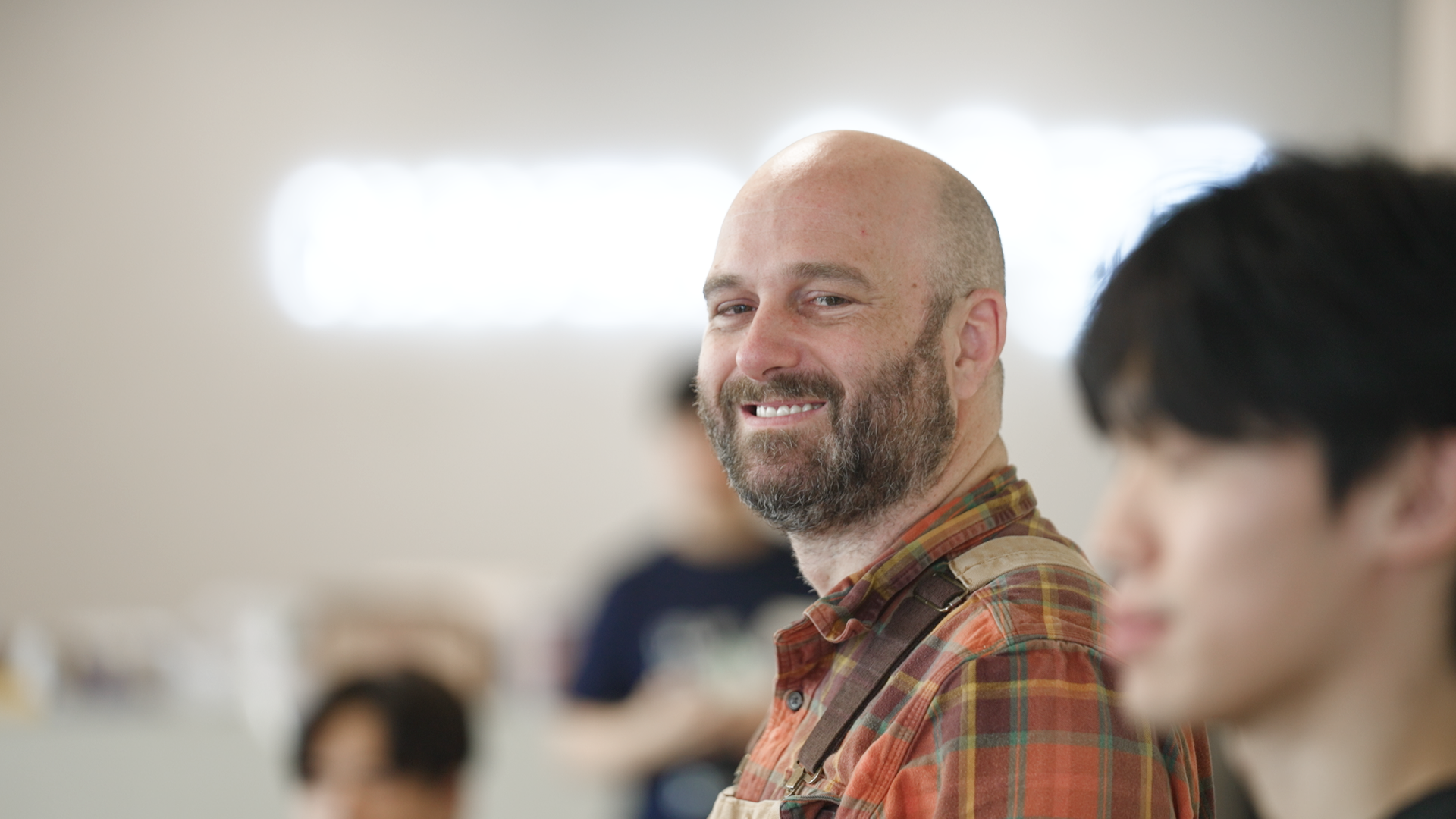
Huntley himself opted to attend the simultaneous Seoul session. "I had two choices: go to San Fran or Korea," he said. "I'm coming to Korea."
The overnight format didn't survive the logistics of San Francisco. Teams had roughly three hours of autonomous agent time instead. The crowd was different, too.
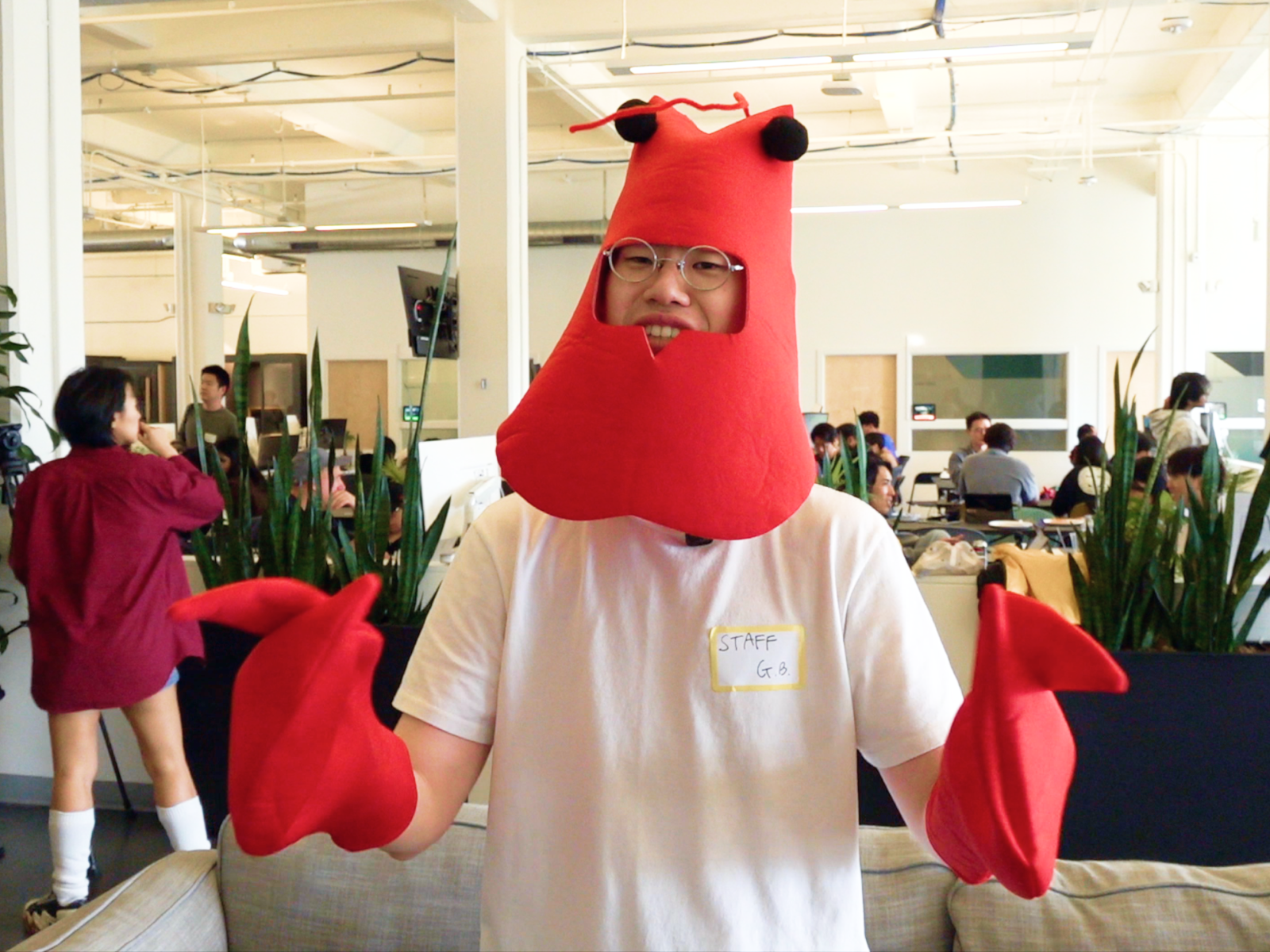
Goobong observed: "In Seoul, you get a very specific type of builder, very technical, very AI-native. Here, more personas mix together. Founders, engineers, people just beginning to explore. Different energy."
What Won, and What the Judges Were Actually Watching
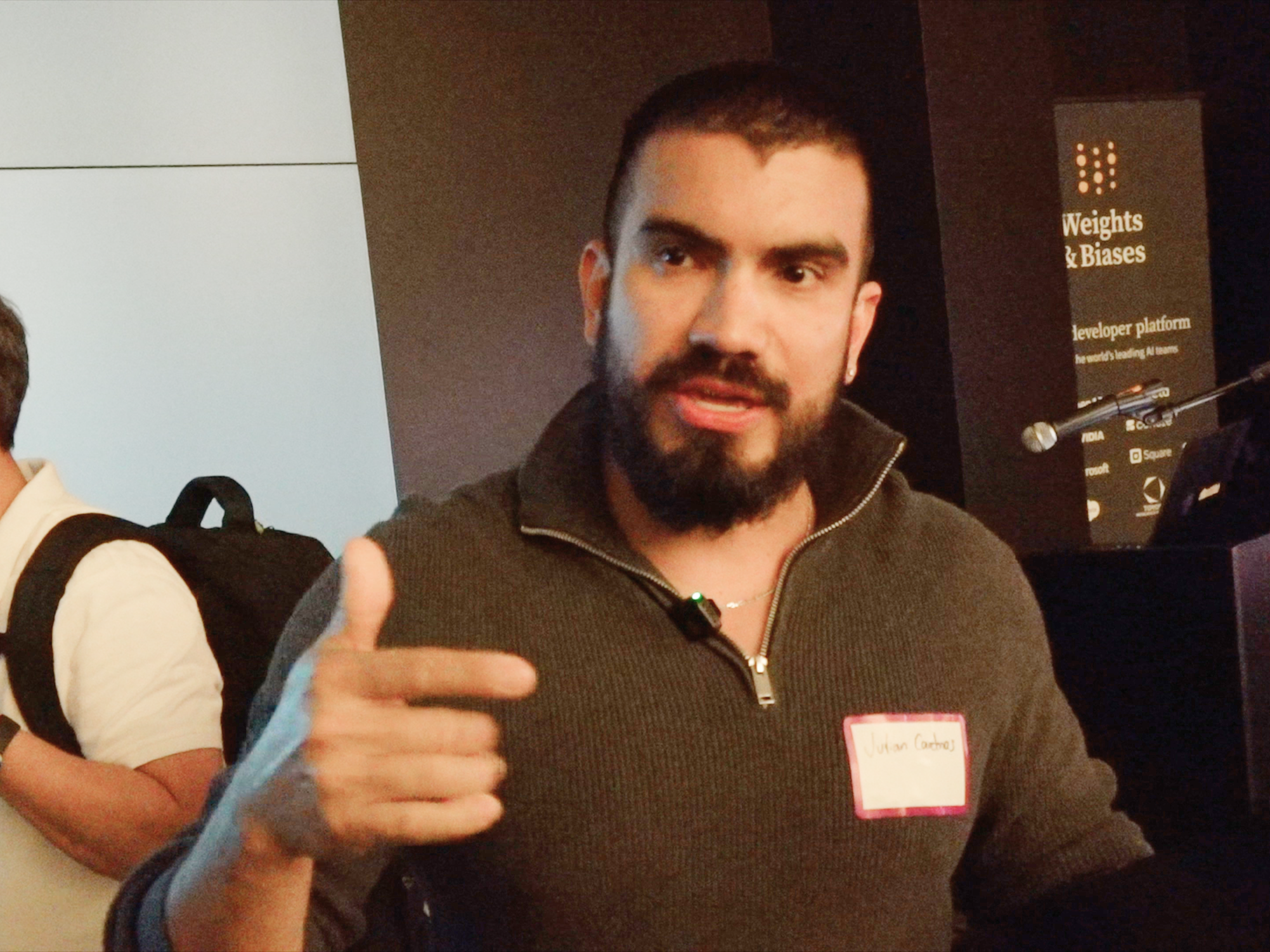
Julian Cardenas Mazo, Andres Serrano, and Juan Esteban Arango Ossa had never used Ralph before. The three engineers arrived that morning without a single hour of hands-on experience with the tool at the center of the competition.
They built their own agent loop four weeks earlier and let it run for 20 hours on a work project; they understood the concept. But Ralph itself was new territory. They started with the GitHub version, ran into problems, and switched to the Claude plugin. Things started clicking.
Three hours later, they had Orchid.
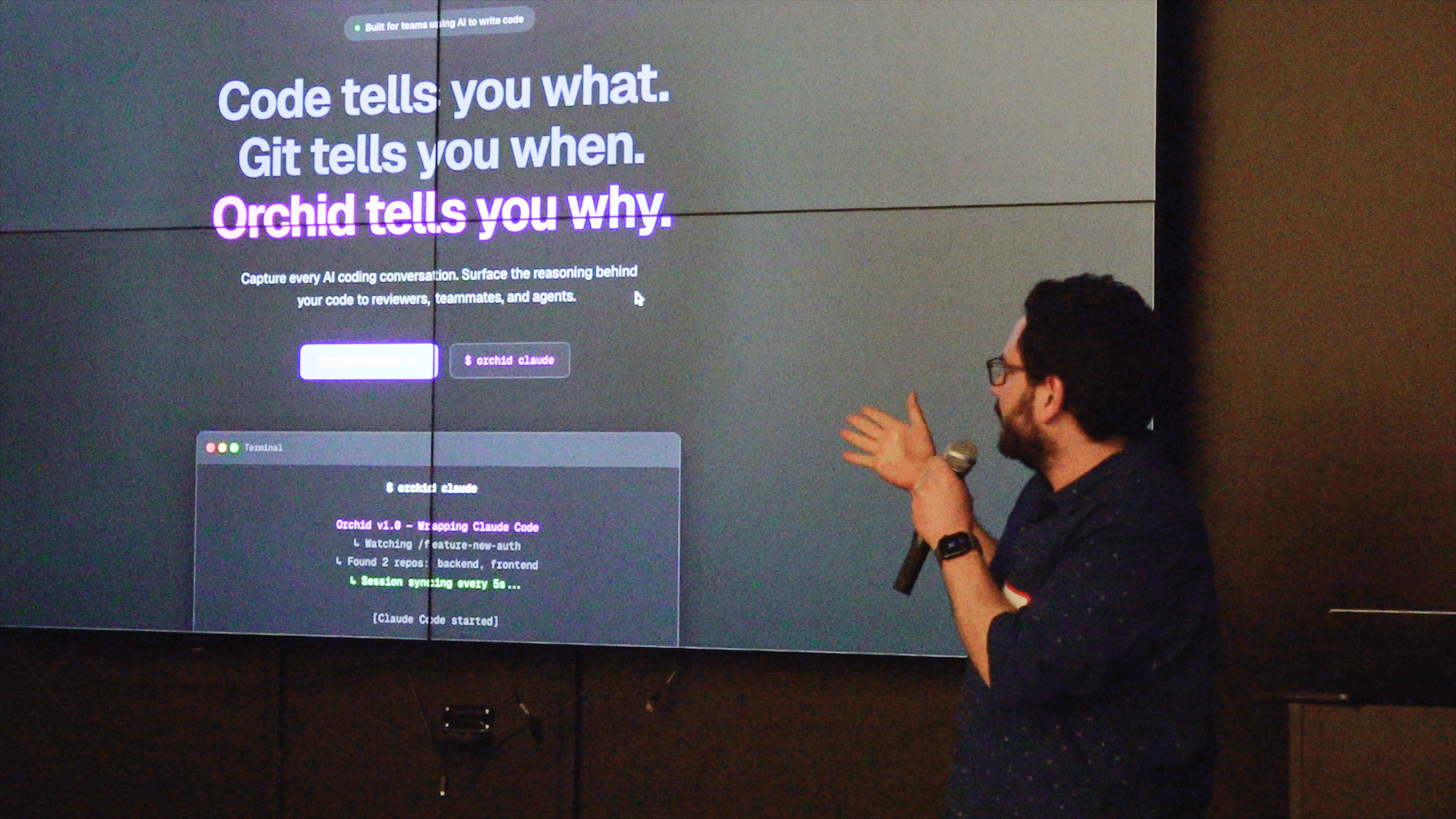
The problem Orchid solves couldn't have existed two years ago. When AI agents write code, the reasoning behind that code, the why-this-database, why-this-architecture conversation between a developer and their AI, stays trapped on a local machine. A code reviewer examining the resulting pull request sees the output. Not the thinking.
Orchid syncs every AI coding conversation to the cloud and connects each thread to its corresponding pull request. Ask "why did we choose this approach?" and Orchid retrieves the answer from the conversation history, whether the decision was deliberate or the AI just picked something without the developer noticing.
"Think of lawyers reviewing a contract. If each lawyer worked with an AI on different clauses, Orchid shows exactly why each clause changed, so you don't spend the next meeting relitigating decisions that were already made."Julian Cardenas MazoFirst place, Ralphthon SF
His team won $10,000 in API credits. "I can just leave it running through the night," Julian said, "and wake up the next day with a built product."
Mo Tiwari provided the frame. "Many of you created very impressive demos in just a day that would previously take entire production teams of software engineers," he said at the event. His explanation for why coding AI has advanced faster than any other domain:
"Software engineers are expensive, and what they produce is verifiable at scale. You can programmatically generate test cases and use them as training feedback. No human evaluator required."Mo Tiwariex-OpenAI, Stanford CS PhD
The judges were watching for something different from output volume, though.
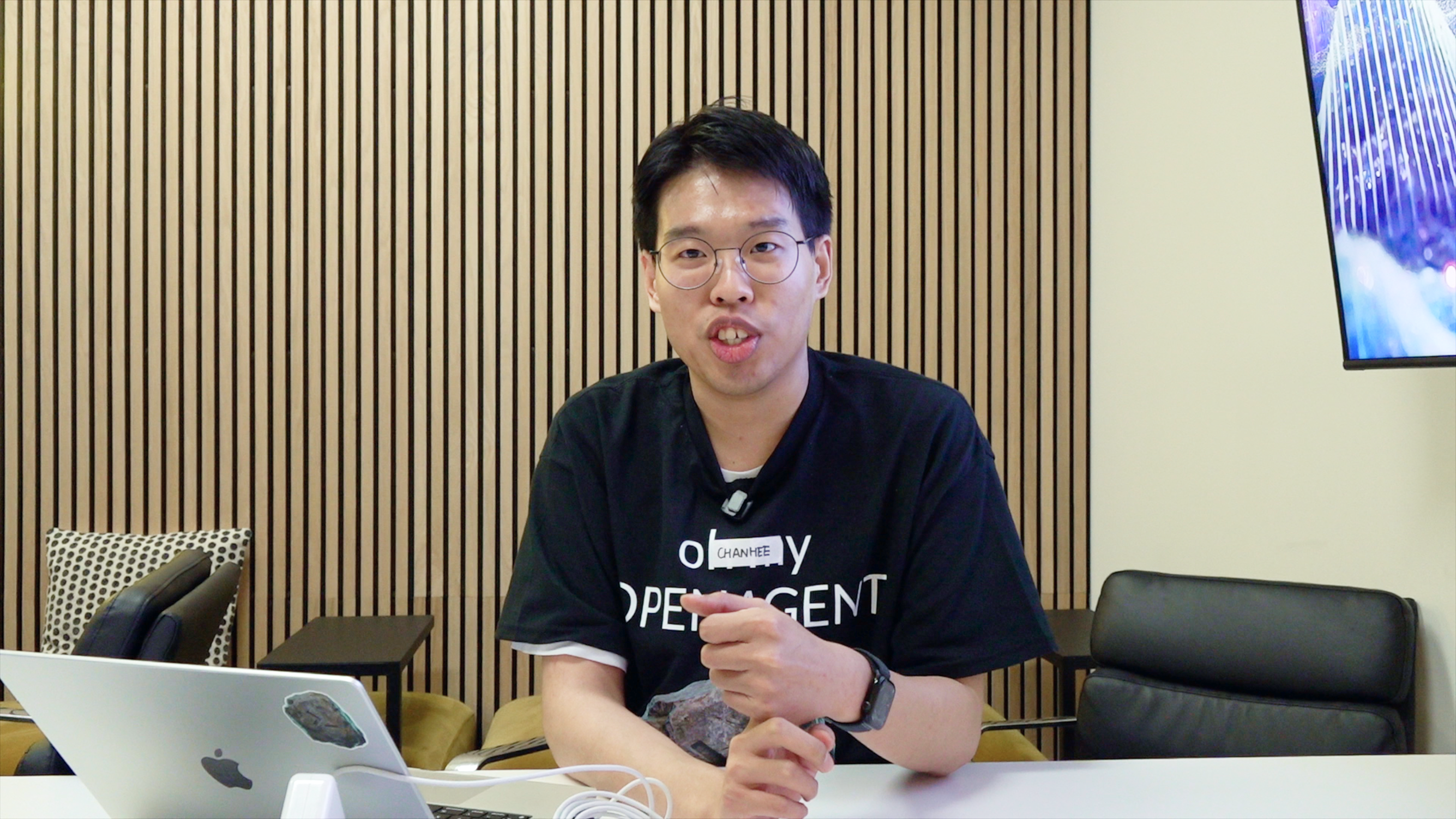
Chanhee Lee, who founded the YC-backed AI browser company Aside, asked to see each team's initial prompt before anything else.
"The first prompt tells you almost everything. What task they're assigning, how much detail they included, and what they thought mattered. You can see whether someone actually understood the problem they were trying to solve."Chanhee LeeCo-founder of Aside
Then came the second question: did they review the agent's output as it was running, or just keep clicking yes? The strongest teams built a second layer of control: an evaluator, a separate AI agent tasked with reviewing and grading the main agent's work in real time. Those without one showed it in the results.
"As AI gets more capable," Chanhee observed, "human involvement is actually becoming the bottleneck. The goal is to give AI maximum freedom, with a clear definition of what success looks like."
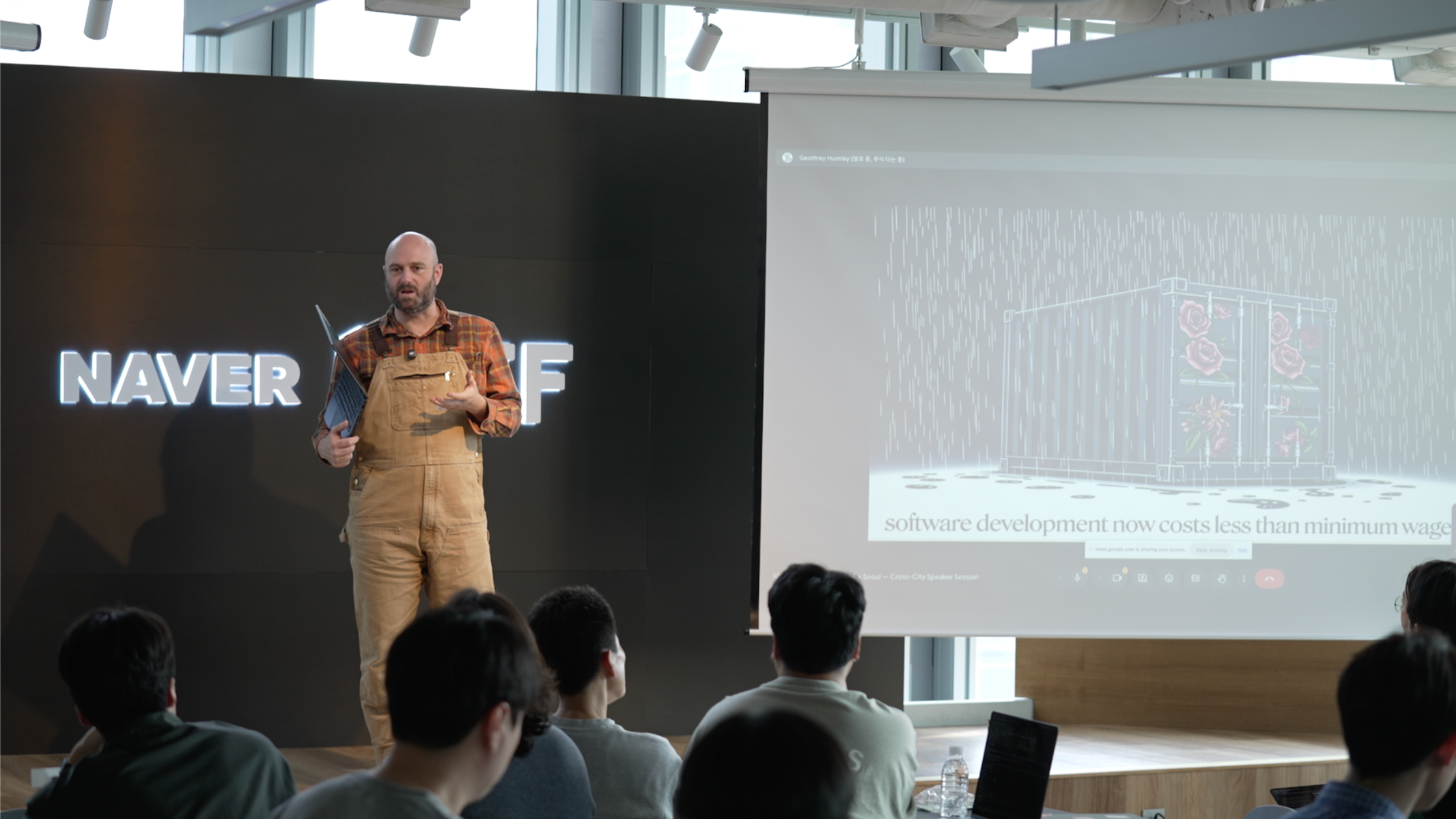
Huntley, judging the parallel Seoul session, offered his own taxonomy:
"A turkey can be under-baked, over-baked, just-baked well enough, or over-baked with latent tendencies. We're going to see all sorts of burnt turkeys today."Geoffrey HuntleyCreator of the Ralph Loop
What he was watching for was craft, not just running the loop, but keeping it on the rails. He said, "A car mechanic who just swaps engines isn't a good mechanic. A good engineer should be able to rebuild a carburetor and know all the little components needed to build one yourself."
The Answer, For Now
And yet, the anxiety in the room was not hidden.

The couple, with careers at Instagram and the fintech company, said, unprompted and matter-of-factly, that they both had Plan B careers waiting. "Domain ownership is collapsing," one of them said. "You used to have to ask the domain expert. Now you just ask Claude." Junior developers, they noted, were already thinking about second careers.
Huntley has a harder version of the same observation.
"Software development is dead, because if everyone is a software developer, there's no differentiation, no way to make money from it. Engineering: big difference. That's where you put the effort in keeping loops on the rails."Geoffrey HuntleyCreator of the Ralph Loop
The vast majority of companies, in his view, still haven't grasped this. Which raised a question: what, if anything, stays constant?
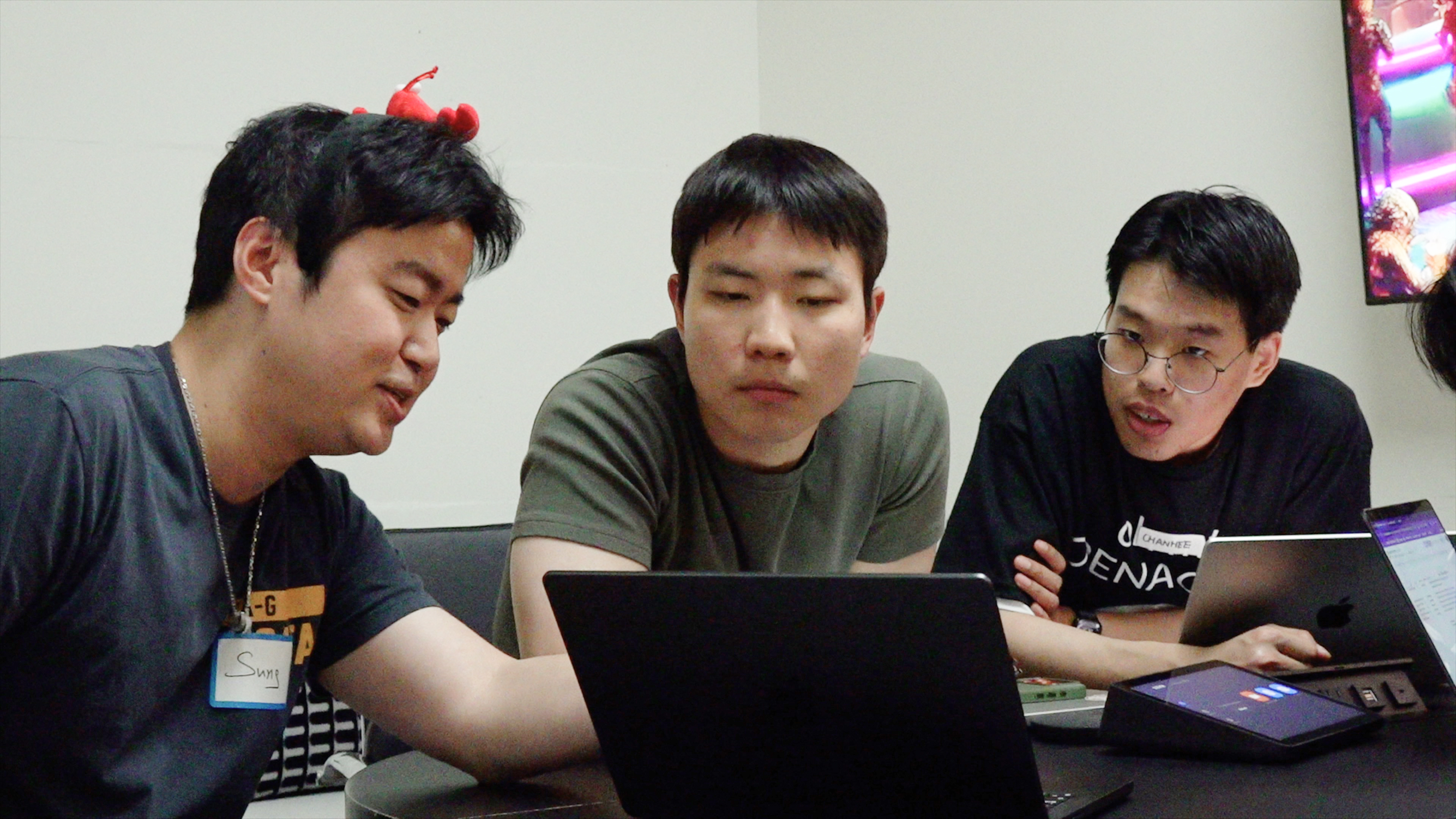
Chanhee Lee had one answer: code reading ability.
"AI still writes bad code, a lot of it. The human role is to catch it before it propagates, and to define what good code looks like in the first place."Chanhee LeeCo-founder of Aside
That, he said, requires reading code. A lot of it. The instinct to skip that step, to trust the output because the output exists, is exactly the failure mode the strongest teams at Ralphthon avoided.
For Goobong Jung, the answer was already visible in what the room was doing.
"AI runs through the night. People meet each other, make connections, and find opportunities. That's what hackathons will be."Goobong JungOrganizer of Ralphthon
Which is, in a way, the answer to Tony's question.
Everyone in that room had already picked their kind of cooked.
💡
Learn more about "Ralphthon"