
For 12 years in Korean schools, Paul Kim was beaten by teachers for being a "bad performer." While his classmates sat in rows absorbing lectures, he was dismantling refrigerators and cameras in his father's makeshift workshop, driven by an insatiable curiosity that the education system couldn't contain.
Today, that same "bottom student" serves as Associate Dean and Chief Technology Officer at Stanford University's Graduate School of Education—one of the world's most prestigious educational institutions. His journey from academic failure to educational leadership wasn't just personal transformation; it was preparation for a mission to revolutionize how we think about learning itself.
In this interview, Kim reveals how his early struggles shaped his revolutionary approach to education technology, why he believes questioning is more important than answering, and his bold vision for making world-class education accessible to every learner on the planet.
Watch the full interview now on EO's YouTube channel! Below is the complete transcription of the interview. Minor edits have been made for clarity and readability.
Key Highlights:
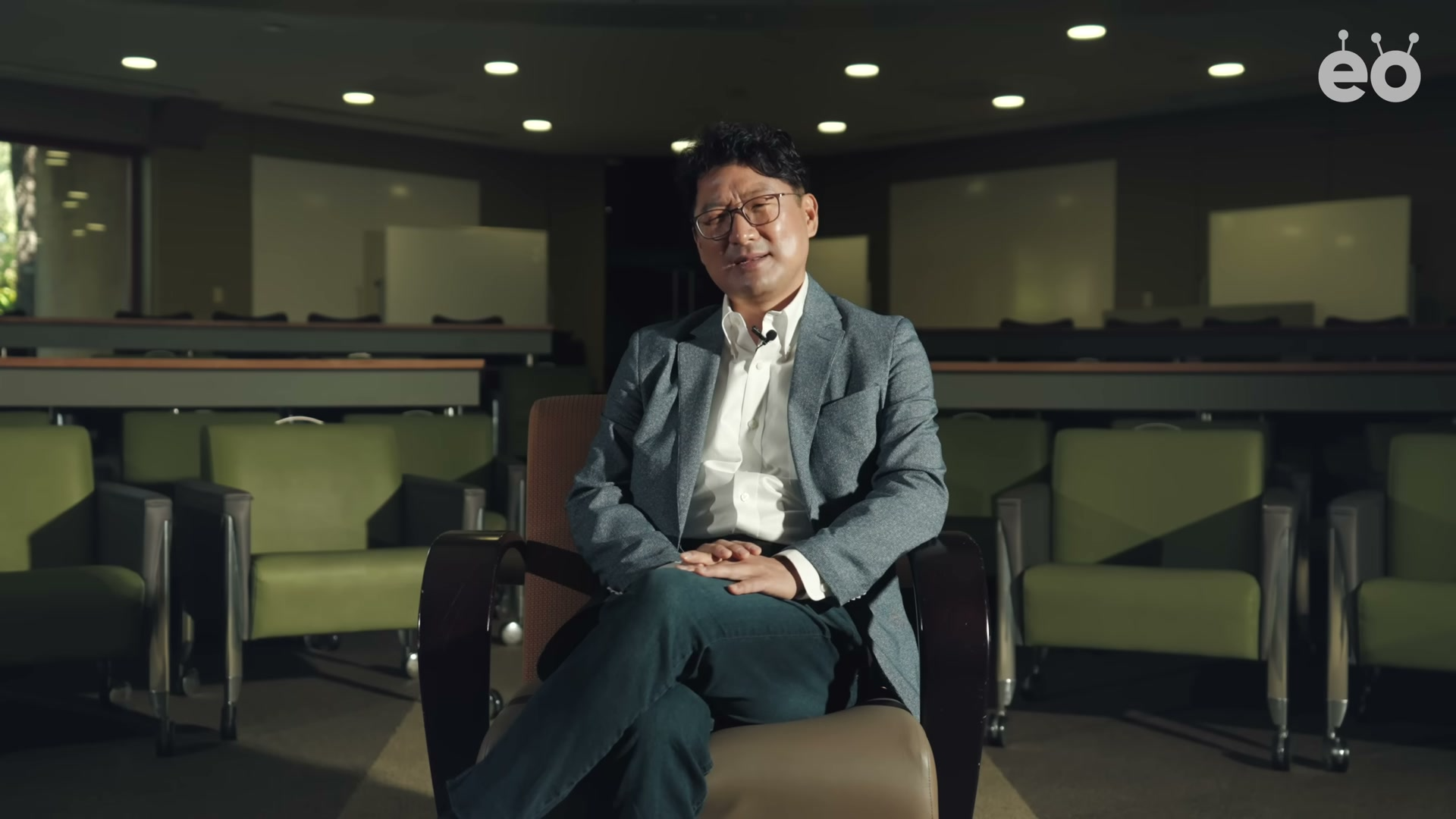
"For my school years in Korea for 12 years from elementary school all the way to high school, I always got beat up by the teacher because I was a bad performer."
"I think I taught myself how to investigate, how to analyze things. I had a lot of fun doing that instead of sitting in classroom in rows listening to the teacher's lectures for hours and hours."
"The professor said, 'what language do you speak?' I said, Korean and he said, 'Well then write it in Korean.' So I produced 5 page essay full of adjectives, rich expression... He said, wow, you are quite expressive. You have a lot of ideas."
"If you wanna be a true educator you've got to understand the students individually."
"Questions lead to more important questions and questions lead to more innovative questions. So questions do help you learn, change, and innovate."
"Education is to give a chance, is to change people's lives and share peace and prosperity for all."
"I think I taught myself how to investigate, how to analyze things. I had a lot of fun doing that instead of sitting in classroom in rows listening to the teacher's lectures for hours and hours."
"The professor said, 'what language do you speak?' I said, Korean and he said, 'Well then write it in Korean.' So I produced 5 page essay full of adjectives, rich expression... He said, wow, you are quite expressive. You have a lot of ideas."
"If you wanna be a true educator you've got to understand the students individually."
"Questions lead to more important questions and questions lead to more innovative questions. So questions do help you learn, change, and innovate."
"Education is to give a chance, is to change people's lives and share peace and prosperity for all."
From Beaten Student to Stanford Dean
Tell us about your early educational experience in Korea and what led you to seek a different path.
Paul Kim: For my school years in Korea for 12 years from elementary school all the way to high school, I always got beat up by the teacher because I was a bad performer. I always did not agree with how we were supposed to be learning in schools.
My father was an engineer and so he had a lot of different tools. I used a lot of his tools to design things and make things. It's almost like maker space in many cases when I was going to school. I broke things apart, wanted to see what's inside of a refrigerator or cameras and things like that. I think I taught myself how to investigate, how to analyze things. I had a lot of fun doing that instead of sitting in classroom in rows listening to the teacher's lectures for hours and hours.
My father was an engineer and so he had a lot of different tools. I used a lot of his tools to design things and make things. It's almost like maker space in many cases when I was going to school. I broke things apart, wanted to see what's inside of a refrigerator or cameras and things like that. I think I taught myself how to investigate, how to analyze things. I had a lot of fun doing that instead of sitting in classroom in rows listening to the teacher's lectures for hours and hours.
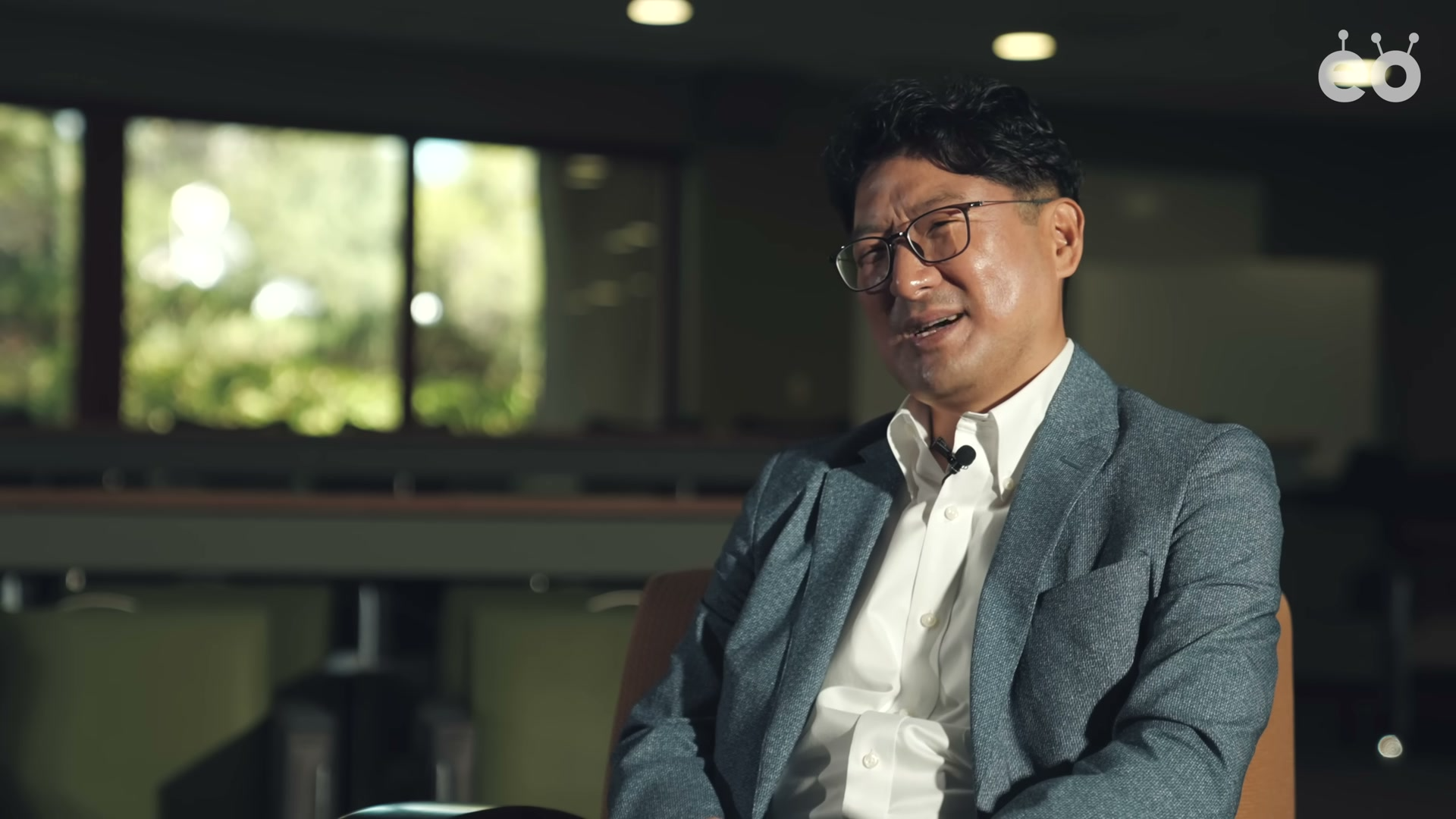
What made you decide to come to the United States for your education?
Paul Kim: After graduating high school, I thought that there's gotta be something different—maybe the US might have a little different environment. I wanted to give it a try and I asked my father if I could go abroad and study in the US. So I eventually came to the US and then enrolled in an ESL program to learn English because my English was obviously horrible.
The Music Essay That Changed Everything
What was your first breakthrough moment in American education?
Paul Kim: The most memorable moment for me was the very first college level course—music appreciation. I loved music all along, so music appreciation, it's gotta be something that I can do really well. So I remember submitting my very first essay on one page. I just couldn't say much about it and I put a couple of sentences and the professor looked at me and said, 'What is this? You're supposed to express your appreciation of the music.'
I told my professor English is really challenging for me. I have some ideas about it, but it's really hard to express myself. And the professor said, 'What language do you speak?' I said, Korean and he said, 'Well then write it in Korean.'
So I produced a 5-page essay full of adjectives, rich expression, and I explained with a Korean-English dictionary to the professor word by word. He said, 'Wow, you are quite expressive. You have a lot of ideas. This course is not an English course—you deserve an A.'
So that was my very first A in a US college, very first class, and I was so excited. I thought maybe I wanna keep getting an A and I started to take math classes and other classes and I received straight A's in all of the courses. From that whole experience, I learned that if you wanna be a true educator, you've got to understand the students individually.
I told my professor English is really challenging for me. I have some ideas about it, but it's really hard to express myself. And the professor said, 'What language do you speak?' I said, Korean and he said, 'Well then write it in Korean.'
So I produced a 5-page essay full of adjectives, rich expression, and I explained with a Korean-English dictionary to the professor word by word. He said, 'Wow, you are quite expressive. You have a lot of ideas. This course is not an English course—you deserve an A.'
So that was my very first A in a US college, very first class, and I was so excited. I thought maybe I wanna keep getting an A and I started to take math classes and other classes and I received straight A's in all of the courses. From that whole experience, I learned that if you wanna be a true educator, you've got to understand the students individually.
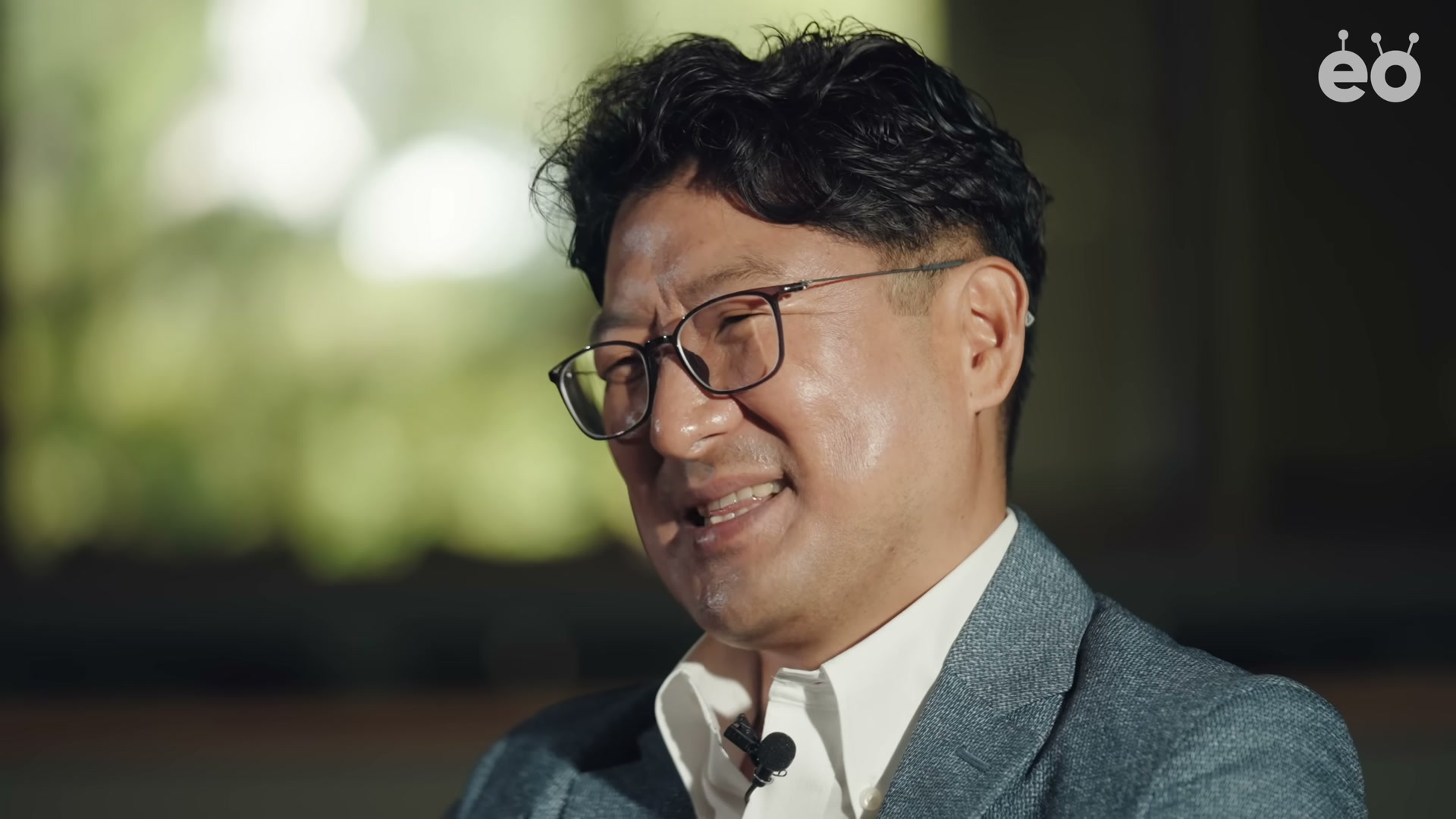
The Sports Car Magazine Strategy
How did your own struggles as a student influence your approach to teaching others?
Paul Kim: I started with a computer science background. My bachelor's degree was in computer science. When I finished my computer science degree, I had a brief time of opportunity to teach a few students and basically I was a coach to students who were struggling in schools because the students were really poor performing students. That sort of reminded me of my earlier school years—I was not a high performer. I was sort of a bottom performing student as well, so I was able to relate myself.
The students didn't want to learn English and they were terrible at English. And I had to somehow get them motivated to learn English. I sat down with a student and asked, 'What are you interested in?' And that little male student showed interest in automobiles like sports cars.
I got myself a few automobile magazines and then next time when I met the boy I shared those magazines. 'Take a look at these magazines, aren't they beautiful? There are a lot of interesting cars, performance charts and all kinds of things that were interesting.' The student looked at it and said, 'Wow this is exciting' and he tried to read the magazine. Basically although he didn't fully understand, but he started to show 'I really wanna understand what this magazine is showing me.' That helped the student to learn English.
The students didn't want to learn English and they were terrible at English. And I had to somehow get them motivated to learn English. I sat down with a student and asked, 'What are you interested in?' And that little male student showed interest in automobiles like sports cars.
I got myself a few automobile magazines and then next time when I met the boy I shared those magazines. 'Take a look at these magazines, aren't they beautiful? There are a lot of interesting cars, performance charts and all kinds of things that were interesting.' The student looked at it and said, 'Wow this is exciting' and he tried to read the magazine. Basically although he didn't fully understand, but he started to show 'I really wanna understand what this magazine is showing me.' That helped the student to learn English.
What did this experience teach you about the power of education?
Paul Kim: Later down the road I kind of fell in love with teaching and coaching and I realized that I could actually change their lives. And that is the importance of education—education can change people's lives, education can give people opportunities, new chances.
I started to seek ways to leverage my technical competencies in the field of education and I found master's and doctoral degrees in education technology and I thought that's exactly what I wanna do. I wanna utilize my skill sets and knowledge in technology. That's why I got myself a PhD in education technology and I've been staying in this field of education technology since then.
I started to seek ways to leverage my technical competencies in the field of education and I found master's and doctoral degrees in education technology and I thought that's exactly what I wanna do. I wanna utilize my skill sets and knowledge in technology. That's why I got myself a PhD in education technology and I've been staying in this field of education technology since then.
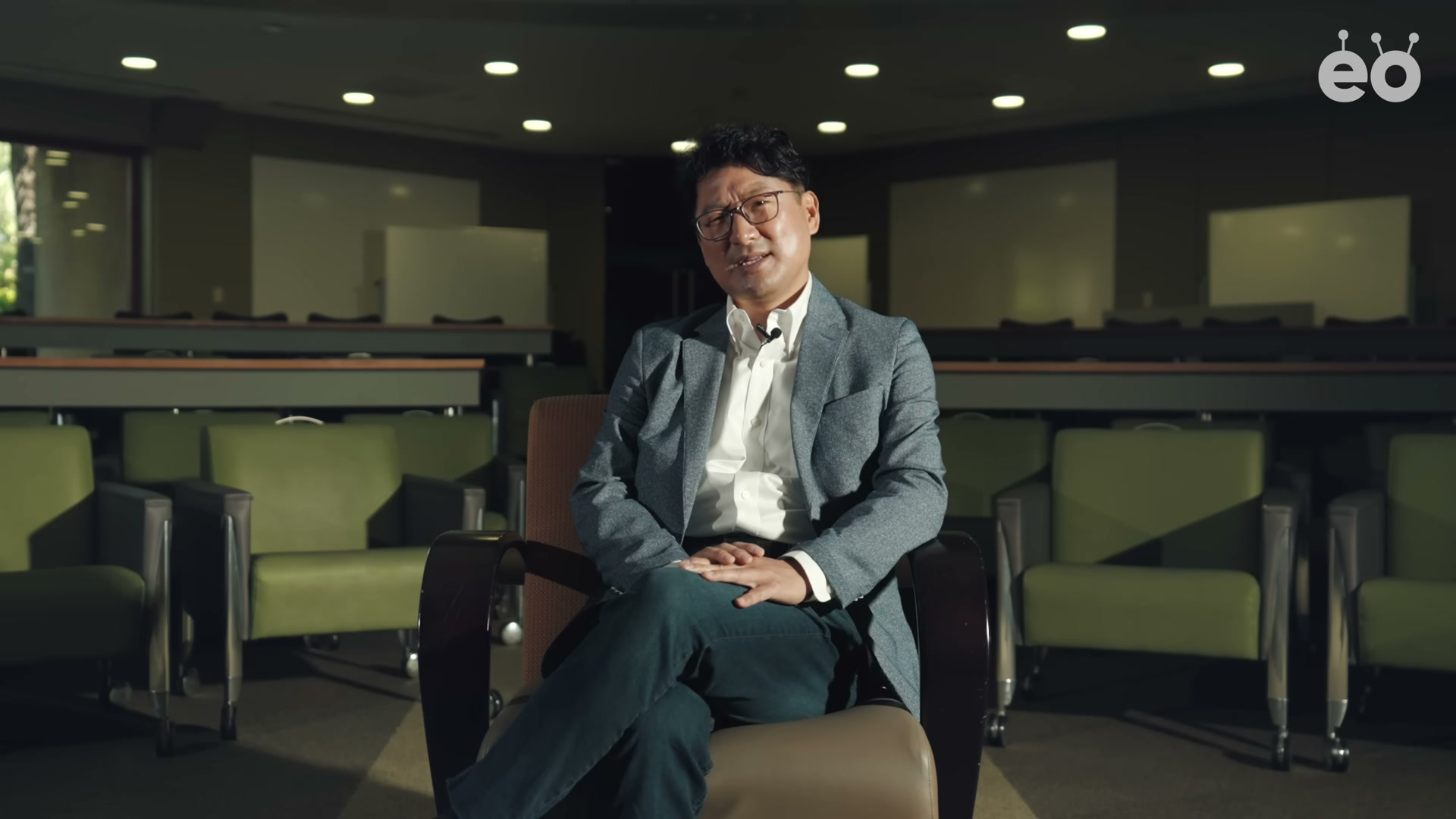
SMILE: Teaching Students to Ask Better Questions
Tell us about SMILE and your approach to developing inquiry skills in students.
Paul Kim: Types of solutions that I have developed, major ones are like SMILE—it stands for Mobile Inquiry Based Learning Environment, which helps students to develop the inquiry skills.
When I was going to school, I didn't ask a question. If I asked a wrong question or stupid questions, you're not only embarrassing yourself, but teachers would not be happy with your questions. It was not in our culture to ask questions.
If you think back 1950, when people were developing rockets to go to the space, who would imagine that you could go to the moon? Basically their question was, 'Can we go to the moon? What does it take to go to the moon? How do we get there? And what do you need to develop?' First, a bold question led to other important questions as well. So questions lead to more important questions and questions lead to more innovative questions. So questions do help you learn, change, and innovate.
When I was going to school, I didn't ask a question. If I asked a wrong question or stupid questions, you're not only embarrassing yourself, but teachers would not be happy with your questions. It was not in our culture to ask questions.
If you think back 1950, when people were developing rockets to go to the space, who would imagine that you could go to the moon? Basically their question was, 'Can we go to the moon? What does it take to go to the moon? How do we get there? And what do you need to develop?' First, a bold question led to other important questions as well. So questions lead to more important questions and questions lead to more innovative questions. So questions do help you learn, change, and innovate.
How does your AI system evaluate the quality of student questions?
Paul Kim: When a new question arrives, this AI model will look at which question in the database is most relevant to this particular question in terms of the context and the word choices, and then it says, 'Hey, your question is 99.98% correlated with level three question. Therefore, your question is level three.'
The simple recall questions get level one, hypothetical innovative questions get level 5. So things that are taking us to the unknown, I think those are really good questions.
The simple recall questions get level one, hypothetical innovative questions get level 5. So things that are taking us to the unknown, I think those are really good questions.
The Ethiopian Student Who Asked About Women's Rights
Can you share a memorable example of how SMILE transformed student thinking in practice?
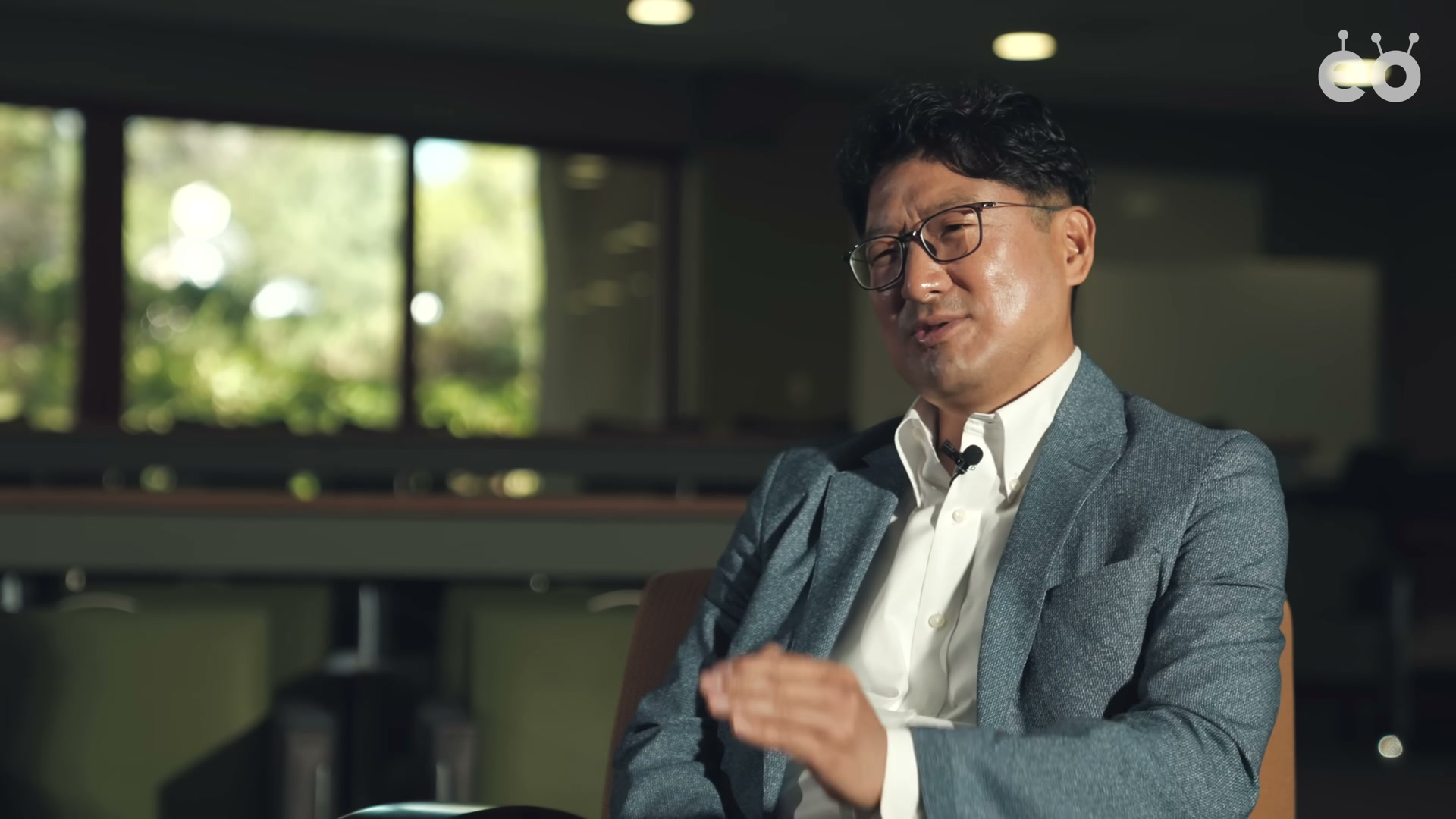
Paul Kim: As I have implemented SMILE in many different countries, one of the memorable moments was in Ethiopia. Obviously the early days of the activity, students came up with very simple recall questions because that's what they're used to, but we helped them differentiate what is a good question versus not so good question.
After about 6 months of workshops, one female student in 5th grade classroom came up with a question such as 'Do we have constitutional law that protects women's rights?' And that was a quite a good question. It was not about 'yes we do' or 'not.' It's about getting the students to think 'what is women's rights?'
I was quite proud of those students because they finally kind of got that idea of what is the importance of questioning in a society. But when students grow up with such important critical questions, imagine what will happen if they become a leader of the country.
After about 6 months of workshops, one female student in 5th grade classroom came up with a question such as 'Do we have constitutional law that protects women's rights?' And that was a quite a good question. It was not about 'yes we do' or 'not.' It's about getting the students to think 'what is women's rights?'
I was quite proud of those students because they finally kind of got that idea of what is the importance of questioning in a society. But when students grow up with such important critical questions, imagine what will happen if they become a leader of the country.
How do you help students move from simple questions to more complex ones?
Paul Kim: You can open up an environment for your students to come up with any questions to begin with. You can just have them ask all kinds of questions, but once you start to build up the context and get them to be interested in a certain problem, then the real questions start to come out.
Why Schools Haven't Changed While Everything Else Has
What aspects of education have changed and what has stayed stubbornly the same?
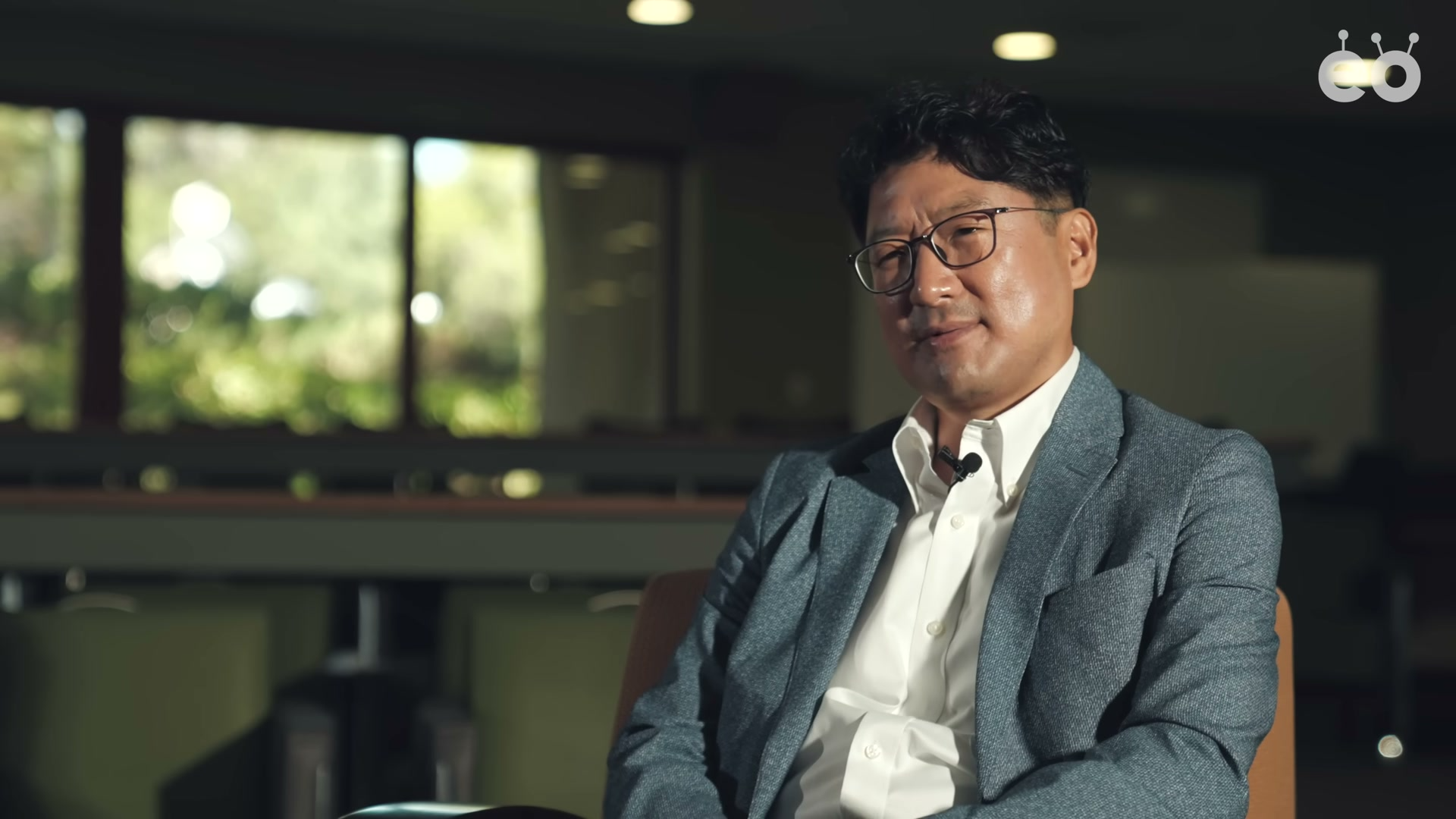
Paul Kim: So I think that when we look at the education ecosystem in terms of the resources, environments and tools, a lot of things have changed. When you have even just a tiny smartphone, you have the whole world in your hand—you have all kinds of tools on the phone that you could use.
The things that have not changed are like the learning model and the teaching models, especially in public schools around the world. The public schools understand education is that they need to educate students in the most safest model and most efficient way. Because of that, that eliminates a lot of important ingredients or elements in the learning process.
One, you don't get to understand individual students because you're dealing with many students at the same time, and teachers are busy doing a lot of administrative work. It is hard to keep track of that at the individual level. Two, teachers are not given a lot of authority to change things. Because of that, education is hard to innovate.
The things that have not changed are like the learning model and the teaching models, especially in public schools around the world. The public schools understand education is that they need to educate students in the most safest model and most efficient way. Because of that, that eliminates a lot of important ingredients or elements in the learning process.
One, you don't get to understand individual students because you're dealing with many students at the same time, and teachers are busy doing a lot of administrative work. It is hard to keep track of that at the individual level. Two, teachers are not given a lot of authority to change things. Because of that, education is hard to innovate.
The Skills We Should Be Teaching Instead
What competencies should future schools focus on instead of traditional subjects?
Paul Kim: In the old days, people had to learn to shoot arrows. People had to learn how to use knives. They used to learn a lot of things to be able to survive. We don't teach these old ancient skills in schools anymore. What we should be teaching in the future school is very important.
The new competencies that are required to be successful: first of all, self-regulation—regulating yourself, monitoring self at the metacognitive level. You have to be able to see yourself and understand yourself better. That involves assessing yourself, your weaknesses and strengths, and be able to manage your own learning progress with self-regulative skills.
The skill sets that are really needed in the future school is how to best utilize the tools around you and the network that you're in. Those are the kinds of things that you have to be able to do really well, because technology will change always. If you don't know what they are and how to utilize them, I think your generation as well as your next generation will have a hard time.
The new competencies that are required to be successful: first of all, self-regulation—regulating yourself, monitoring self at the metacognitive level. You have to be able to see yourself and understand yourself better. That involves assessing yourself, your weaknesses and strengths, and be able to manage your own learning progress with self-regulative skills.
The skill sets that are really needed in the future school is how to best utilize the tools around you and the network that you're in. Those are the kinds of things that you have to be able to do really well, because technology will change always. If you don't know what they are and how to utilize them, I think your generation as well as your next generation will have a hard time.
How should schools prepare students for this technological reality?
Paul Kim: I think what's important that needs to be discussed in school curriculum is how do we get our students to prepare to use those tools and be more adaptive. I think that we're not doing that in current education systems and I think that needs to change.
Education as the Foundation for Peace
What drives you as an educator and what's your ultimate vision for education?
Paul Kim: I have a series of many students who are so inspirational to me and I learned a lot from them. I always get inspired from my own students.
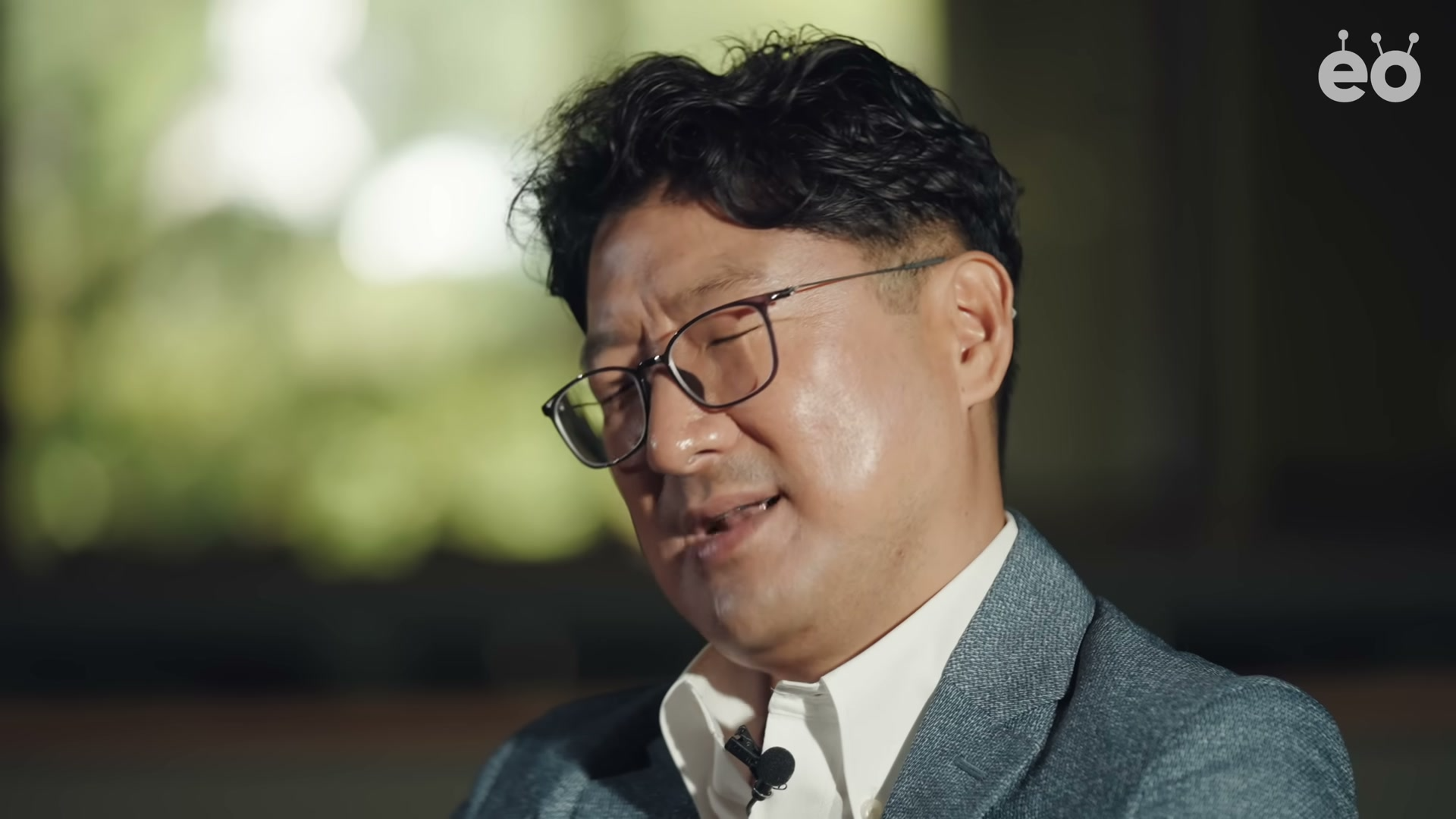
Education is to give a chance, is to change people's lives and share peace and prosperity for all. I would love to see the future of education being available to all learners and the best of the best quality education is available to all learners who want them regardless of your background. Everyone deserves the best education—that sort of education is what we're all striving to come up with.
It may take some time, it may take a lot of efforts, but I think it's worthwhile journey as an educator to get to that point. With the technology making things efficient and making things more accessible, I think that we are closer than ever to come up with high quality education program for all.
Education is the foundation for peace and prosperity for all.
Education is to give a chance, is to change people's lives and share peace and prosperity for all. I would love to see the future of education being available to all learners and the best of the best quality education is available to all learners who want them regardless of your background. Everyone deserves the best education—that sort of education is what we're all striving to come up with.
It may take some time, it may take a lot of efforts, but I think it's worthwhile journey as an educator to get to that point. With the technology making things efficient and making things more accessible, I think that we are closer than ever to come up with high quality education program for all.
Education is the foundation for peace and prosperity for all.
Explore more