Aug 15, 2025
What 30 years in Silicon Valley taught me
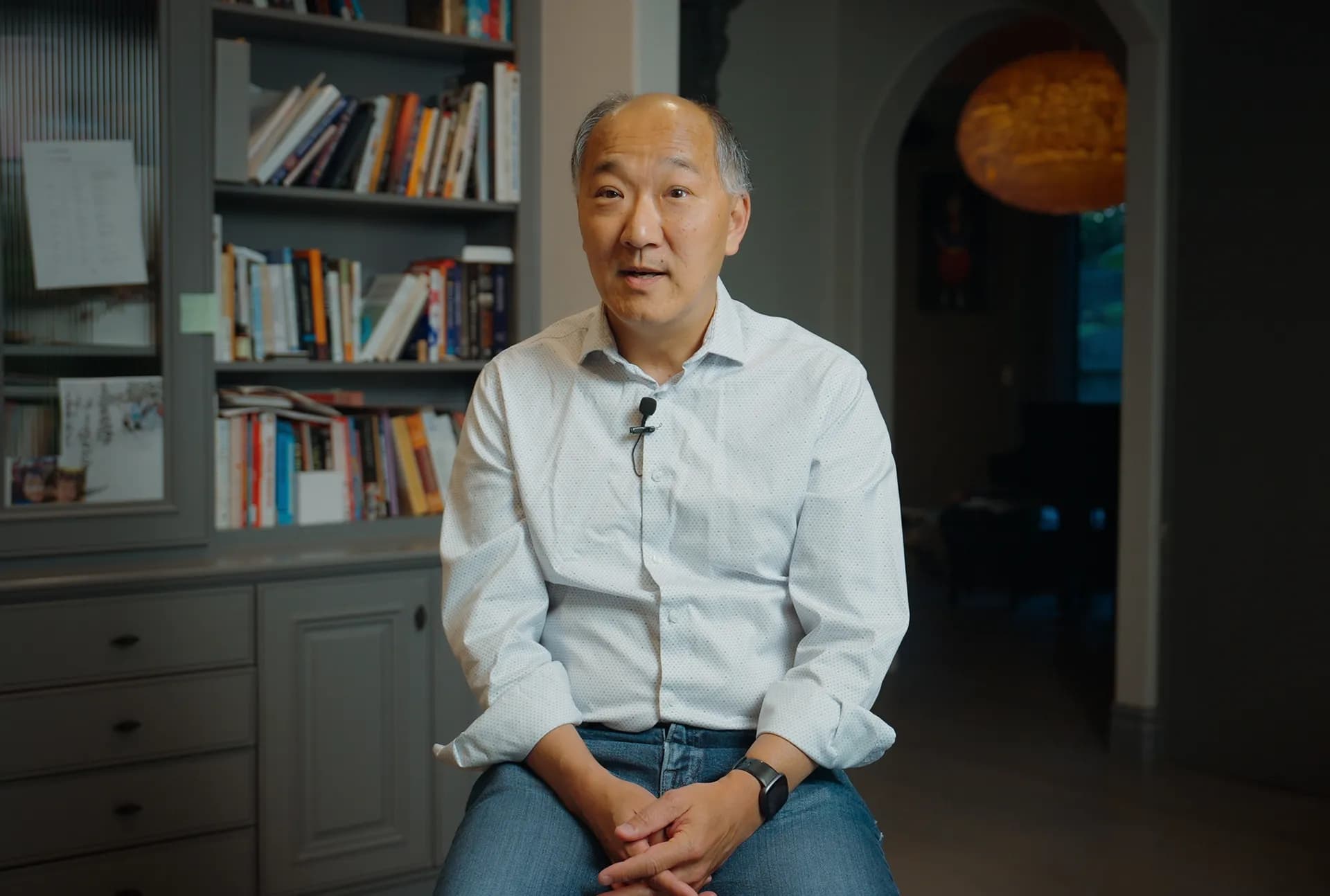
Interview with Nirav Tolia, Co-founder of Nextdoor
Founder Focused


💡
At a Glance
- Who: Nirav Tolia is the co-founder, CEO, and Chairperson of Nextdoor. He was one of Yahoo's first 100 employees before starting his own companies, then returned to lead Nextdoor a second time after five and a half years away.
- What: Nextdoor is the neighborhood social network Tolia and his co-founders built to help neighbors connect, now integrating local news alongside neighbor conversation. It operates in more than 11 countries.
- Traction: Nextdoor is a public company generating hundreds of millions of dollars in revenue. It reaches more than 90% of U.S. neighborhoods and has 15 years of conversation history across 350,000 neighborhoods worldwide.
In this conversation, from the son of Indian immigrants to one of Yahoo's first 100 employees to building a public company, Nirav Tolia shares his improbable entrepreneurial journey.
Key Takeaways:
Founders Should Pick Their Co-Founders Before They Pick Their Idea
Tolia's advice to founders starts with who, not what: choose the people you want to build with before locking in the business idea. Facing hard moments alone makes the lows lower, but a real team turns those same lows into something survivable and the highs into something worth sharing.
Why Community Only Compounds When You Build It Bottoms Up
Nextdoor grew by getting individual neighborhoods to organize themselves block by block, using flyers and postcards instead of a viral loop. Real community trust cannot be manufactured top down, and it only compounds when you earn it slowly, one neighborhood at a time.
The One Yahoo Lesson Tolia Never Let Go: Follow the User, Not the Metrics
Of everything he learned watching Yahoo grow from under 100 employees to over 10,000, the principle that stuck was simple: put user value first and the rest follows. It is the same standard he says he still holds Nextdoor to today.
High Standards and Empathy Are Not a Trade-Off for Leaders
Tolia's model of leadership demands performance without excusing coldness, since you can be hard on outcomes and still be supportive of the people delivering them. He points to his own stress manifesting as harshness toward colleagues as the mistake he had to correct.
How Tolia Is Using Zero Basing to Rebuild Nextdoor for the AI Era
Instead of asking how AI can improve an existing business, Tolia applies zero basing: imagining the company as if it were being built from scratch today, then working backward to figure out where AI belongs in that design. He argues that mindset shift, not incremental adoption, is what makes a company genuinely AI native.
Knowing You've Stopped Growing With Your Company Is Its Own Leadership Skill
Tolia stepped down as Nextdoor's CEO not because of a crisis, but because he recognized his own skills had stopped evolving at the same pace the company needed. Five and a half years later, he came back after concluding that entrepreneurship was where he could make more impact than investing ever would.
Watch the full interview now on EO's YouTube channel! Below is the complete transcription of the interview. Minor edits have been made for clarity and readability.
Introducing Nirav Tolia, CEO and Co-Founder of Nextdoor
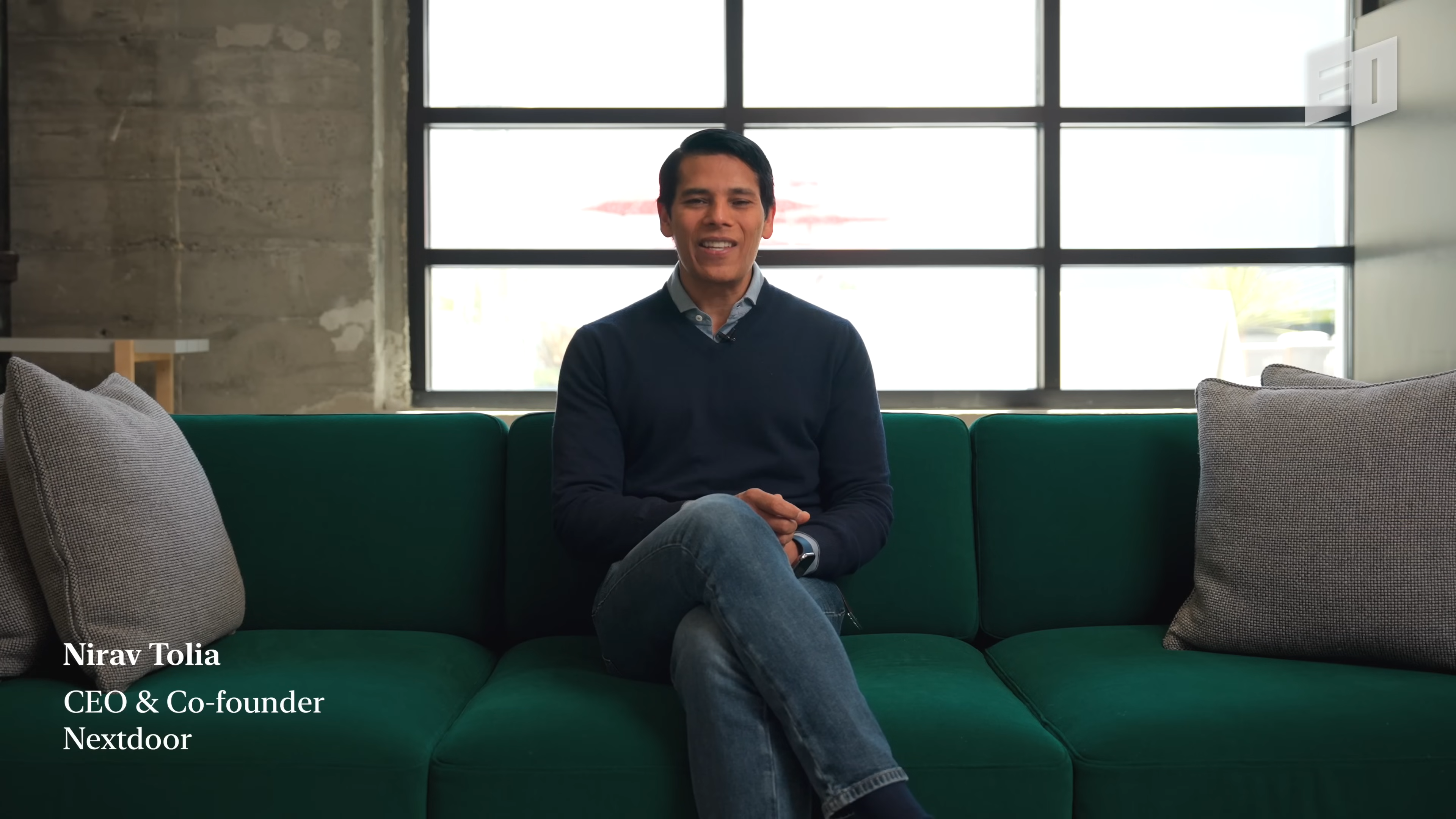
I am Nirav Tolia, the CEO and co-founder of Nextdoor, and someone who has been fortunate to work in technology for the last 30 years in Silicon Valley. I am the son of two incredible Indian immigrants who came to America and truly lived the American dream. The things that I did naturally were more entrepreneurial. I had a car wash. I had a number of other neighborhood businesses that made me feel like I could create something out of nothing.
Nextdoor is now 15 years old, but ultimately I wasn't growing with the company. The things that I was doing as a CEO were too similar to what we needed in the early days and not tuned or specific enough to what we needed to get to the next level. So the decision was made, and it was a very hard decision, that we needed new leadership. I left, and for five and a half years I was still linked to Nextdoor and I still loved the company, but I was on the sidelines, not on the field.
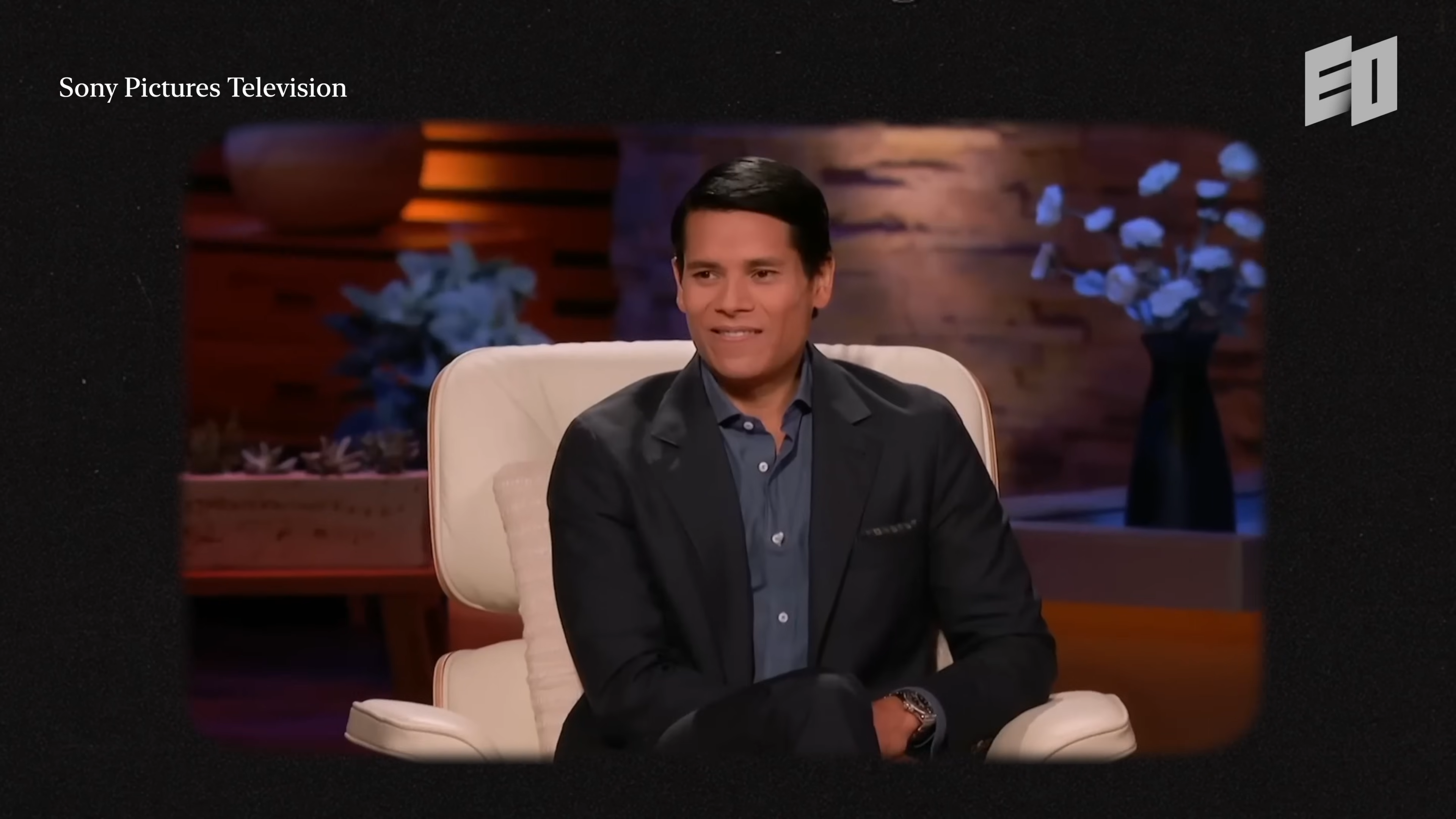
When I left Nextdoor the first time, I spent five and a half years primarily being an investor. One of the really fun things I was able to do as an investor is to go on this popular show, Shark Tank. I went on as a shark. But when I went on, I realized something really interesting. I loved being a shark and I admired my fellow sharks. They were all very successful business people. But my true admiration was for the entrepreneurs, because when they walked in to pitch us on live television, the pressure they were feeling, the anxiety, the nervousness, I know what that feels like because I felt it. And so my empathy for those people and what they were doing, it was very different than just being an investor. And ultimately, I came back to Nextdoor because I loved investing, but I am an entrepreneur.
Even today, the thing that I care most about is having a positive impact on the world. It's not easy to work long hours. There are lots of sacrifices. I want to feel like I had a positive impact on the world. And my way of doing that is by building technology companies.
What is Nextdoor?
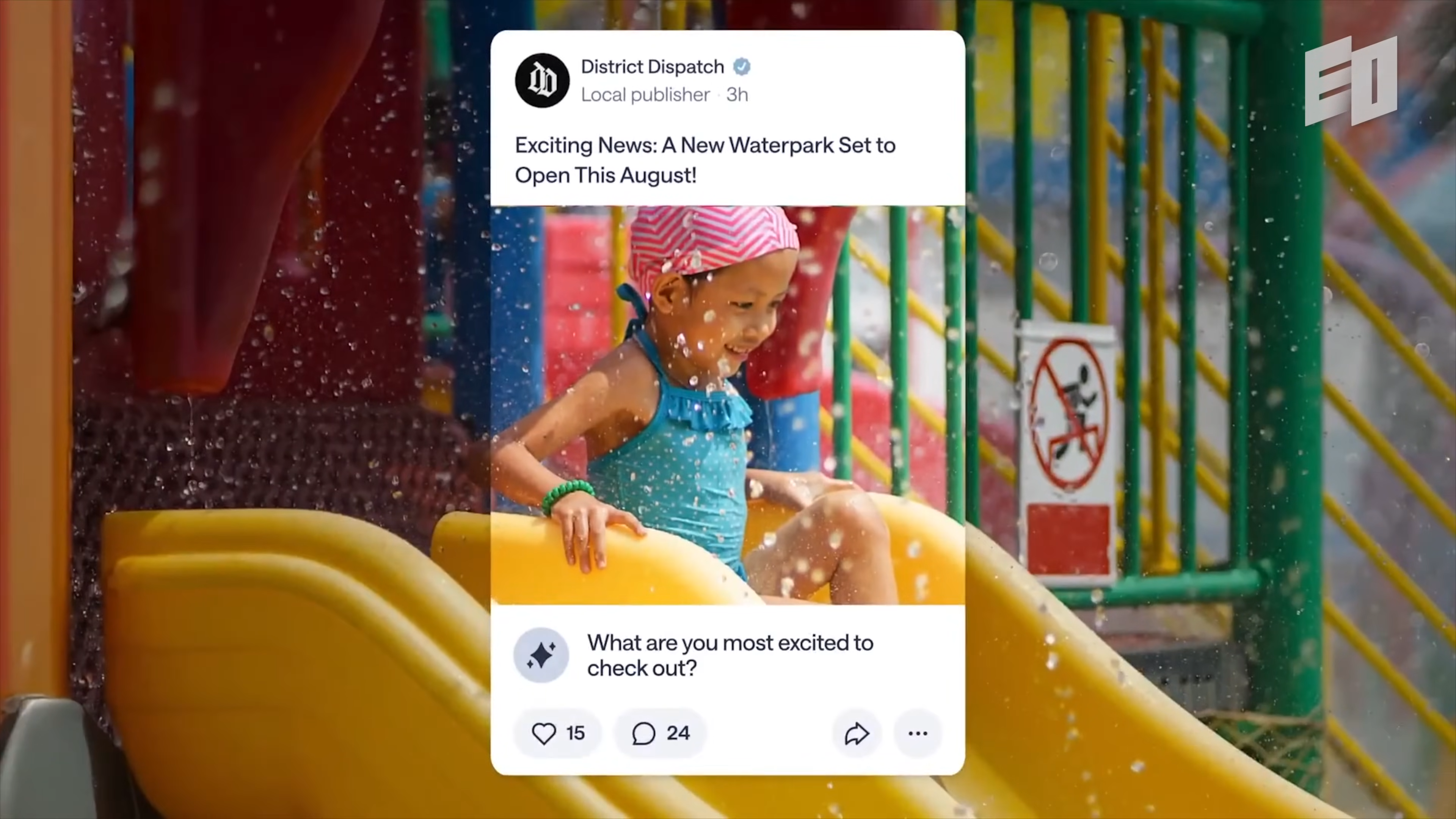
Nextdoor is the essential neighborhood application. It's a social media service that helps you get closer with the people around you, that makes your house feel like a home, and makes you come together with your neighbors to build a stronger, safer, and happier local community. One of the big changes with this version of Nextdoor, the new Nextdoor that we have recently released, is that we've integrated local news into the service.
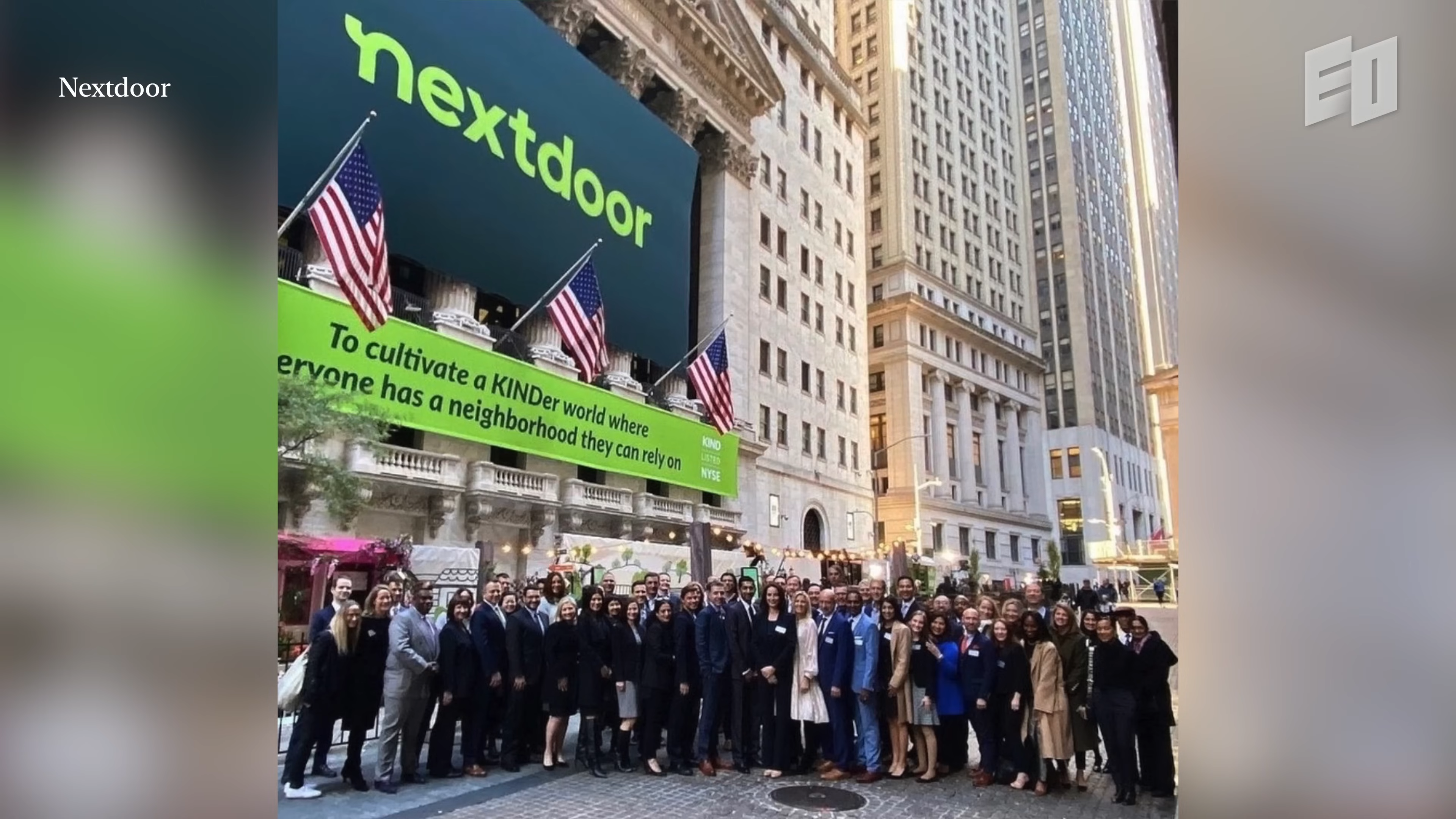
The way that neighbors learned about things that were going on in their neighborhoods, even predating the internet, was through local newspapers. We're live in over 11 countries around the world. As a public company, we are also generating hundreds of millions of dollars in revenue. But I think the important thing is every single day we know that neighbors use Nextdoor to make their local communities stronger. That was our dream when we started the company, and we know it's happening today, which is so fulfilling for us.
In a Rising Tide, All Boats Rise
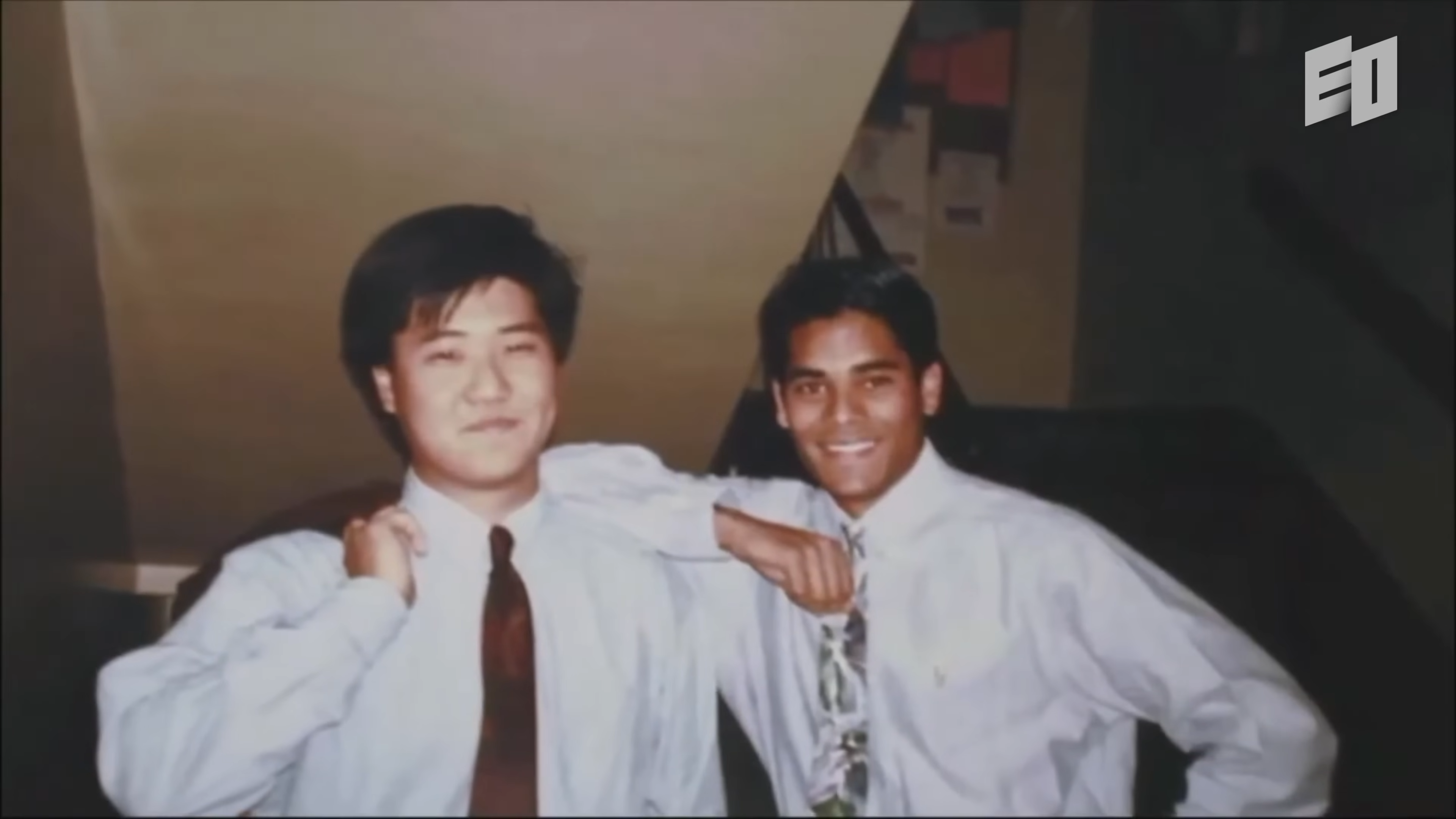
I was very lucky to be an undergrad at Stanford, and through that process I heard of a young company that had just been started by two other Stanford students. The company was called Yahoo. The year was 1995, 1996, and the internet was just beginning to boom. Because of my relationships at Stanford, I was able to go and work at Yahoo as my first job, as one of the first 100 employees. And it was the lucky break of a lifetime. Being an early employee at Yahoo was like winning a ticket in a lottery. Yahoo in the mid-90s was the hottest internet company. It was the product that not only was a shining beacon of innovation in this new field, this new dot-com era, it was a product that was beloved by users. I would wear my Yahoo t-shirt and walk down University Avenue in Palo Alto, California, and so many people would come up to me and tell me how much they loved using Yahoo.
The first thing I would say about Yahoo is it was a very humble place. Even amidst its success, it was a very flat organization. I remember the first week at Yahoo, I joined, one of the most junior people, one of the youngest people, a real nobody at the company. And the car that I was driving, the battery died and it couldn't start. Guess who gave me a jump from his car? One of the founders of Yahoo, who's gone on to become a billionaire and an internet celebrity. But that tells you about the humility of the place. And it wasn't just in helping a new employee with a dead car battery. It was in everything around building the company. No task was too big. No task was too small. It was not a hierarchical place. It was a place where the quality of ideas and the value of hard work is what led to success.
Yahoo was a place during those days where almost every day that I came to work, the metrics were better, because as great as Yahoo was as a company, it was caught in a revolution that was even bigger than any single company. That was the dotcom revolution. And so we hear the expression: in a rising tide, all boats rise. Well, Yahoo was one of the biggest and best boats, but it was the beneficiary of that tide. And so over a three-year period at Yahoo, I saw the company grow from less than 100 employees to over 10,000. When I look back at the lessons I learned at Yahoo, particularly about building consumer technology products, there's one that stands above all the others, and that is user value first. Google, which came after Yahoo, has a saying, one of its core principles: follow the user first and all else will take care of itself. That is the way Yahoo operated, and that is what I want Nextdoor to be like.
You may ask why did I leave? Why did I only spend three years at Yahoo? Well, the truth is even though I loved being there, something was missing. And that thing that was missing is my direct influence on the impact the company was having. So after three amazing years at Yahoo, I left to start my own company.
I remember my goodbye party at Yahoo. I was lucky enough to have Jerry Yang, one of the founders there. He came over to me towards the end of the party and he said, "You know, I wish you so much luck. I'm excited for you, but I'm curious. Why are you leaving Yahoo? No one is leaving this company right now." I said, "Jerry, when I think about this amazing thing you've built, I want to do the same thing." He kind of looked at me with a puzzled look, and I said, "You understand that, right, Jerry?" He said, "Yes, I do understand it, but do you have any idea how hard it is to build a company?" And the truth is, I didn't. And one of the amazing things about entrepreneurs is they don't know how difficult it's going to be when they start a company. If they did, they might not begin in the first place. But I went off, I started my own company, lots of highs and lows, ultimately a pretty good outcome. I went on to start multiple other companies. I became an investor, but all of it was because I wanted to be an entrepreneur because I felt that was the best way to have impact.
Do the Right Thing, Even If It's Slow
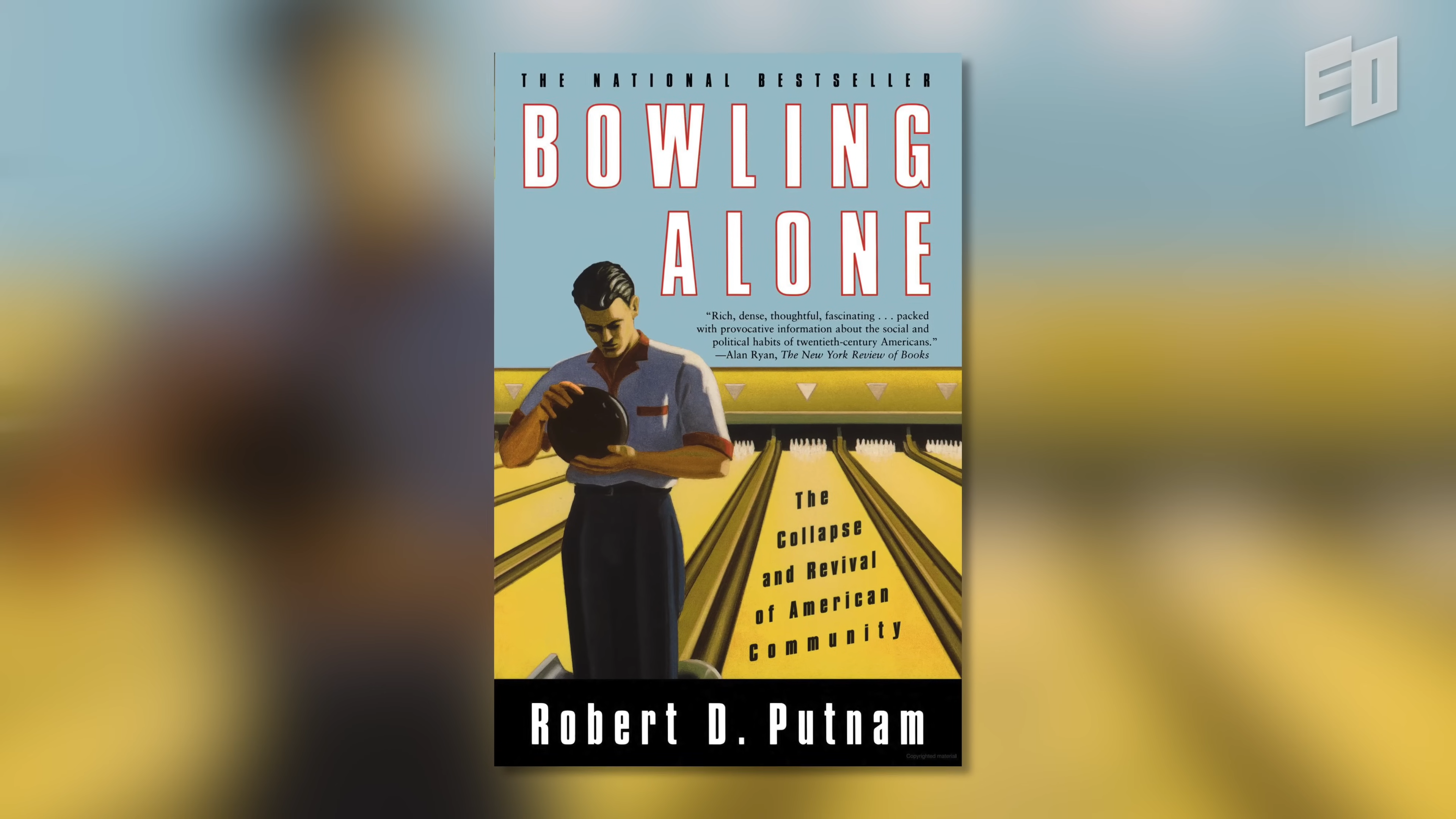
Almost 30% of Americans could not name a single neighbor by name. So those bonds in the local community, they had been eroding. We found a book called Bowling Alone by Robert Putnam, the chair of the sociology department at Harvard. And the book was about the sport bowling and its evolution in America and how the popularity of the sport has not changed, but people no longer bowl in bowling leagues. They bowl alone. And it was a symbol of the decline and erosion of community.
So we started to look around in our industry, in our lives, in the world in general. And here's what we noticed. We noticed the emergence of social media services. This was the summer of 2010. Facebook was starting to really ascend. LinkedIn was starting to ascend. Twitter, now called X, was starting to ascend. And so, there was a social platform connecting you to your friends, connecting you to your business colleagues, connecting you to people that you found interesting. There wasn't a social platform though that was connecting you to the physical world in which you lived, your neighborhood.
And so as we moved from what was happening in the industry to what was happening in our own lives, we were getting a little older. We were getting more rooted in our neighborhoods. We were less likely to move away. We were more likely to invest in the place that we'd chosen to live. But technology wasn't helping us make those investments. The same way Facebook was making it seamless for us to communicate with friends that we hadn't seen in years, there was no technology service that was making it easy to speak to the person next door. Now we don't rely on that village of the neighborhood where it does take a village. We don't have it anymore. All of those things compelled us, really inspired us to think: can we create a social media service that's focused on what we believe is one of the most important parts of our lives, and that is our local community.
And so as we moved from what was happening in the industry to what was happening in our own lives, we were getting a little older. We were getting more rooted in our neighborhoods. We were less likely to move away. We were more likely to invest in the place that we'd chosen to live. But technology wasn't helping us make those investments. The same way Facebook was making it seamless for us to communicate with friends that we hadn't seen in years, there was no technology service that was making it easy to speak to the person next door. Now we don't rely on that village of the neighborhood where it does take a village. We don't have it anymore. All of those things compelled us, really inspired us to think: can we create a social media service that's focused on what we believe is one of the most important parts of our lives, and that is our local community.
The idea was the neighborhood is one of the most important communities of them all. And ironically, while technology may have caused us to retreat away from our neighborhoods and onto our screens, can we use those same screens to bring us back to our neighborhoods? That was the original vision.
To hear from actual neighbors what they wanted in a technology tool to make their neighborhood stronger, safer, and happier. And so before we wrote a line of code, before we designed a single interface, before we thought about the business model, we simply drew a mockup on a piece of paper and we showed it to neighbors and we let them respond. And very quickly, we found out that there were no existing technology tools that were bringing people together locally. We could use technology to speak to people on the other side of the world in real time, but there was no technology tool that would introduce us to the person right across the street. And so instantly we knew there was an opportunity.
But the problem is when we started the company, the need for Nextdoor existed because people didn't know their neighbors. So if you don't know your neighbors, how do you invite them to a service? And this was a paradoxical challenge for us from the very beginning. The value we were looking to create was squarely in the way of us being able to build that value in the first place. And so we had to invest in really understanding the manual ways to get the first few people in the neighborhood and make sure they were the right few people. Then we had to invest in offline mechanisms, flyers, postcards. People used to laugh at us and say, "Let me get this straight. You're using real paper, like dead tree paper, to advertise your service." And we would say, "Well, our service is about the real world, and we aren't advertising using flyers and postcards. Our neighbors are using those mechanisms to tell their neighbors who they don't know about this new service."
It ended up working. We're in over 90% of neighborhoods in the country, but it was very slow, although it was steady. And one of the learnings for us is that great community building happens bottoms up. It can't happen top down. And sometimes that means it's slow but steady versus fast and instant. We live in an industry where companies seem to grow with the snap of fingers. Where successes are called overnight successes. But long-term value and community, which is a uniquely human value, well, that's something like trust that takes a lot of time to build. You can lose it instantly, but to gain it takes repeated effort. And so all of our challenges, they've all been in the variety of choosing in many cases the hard thing to do because it's the thing that's going to drive the most long-term value when in almost every case the conventional wisdom is go and do the things that you can do quickly and easily and efficiently. But for us, it's about choosing the things that build community. And in almost all cases, those are the things that take forever.
Focus on Who Not What
Being a founder, being a CEO, being an executive, it's a lonely journey. It's not easy to talk about the struggle. It's not easy to confide in people. You want to be the person who's confident, who's optimistic, who's secure that what we're doing is the right thing. But in reality, it's very, very, very challenging. And there are many moments when you're unsure of yourself. How do you get around those moments? For me, I would tell entrepreneurs and founders, the solution has been to first focus on who and then what. And that means first thinking about your teammates versus the business opportunity.
So many founders start by saying what is the business opportunity here? What is the vision that we're trying to build? What is the company we want to create? I always started by saying who do I want to work with? Who is going to be my set of co-founders? Because I know that when I'm alone, the lows are even lower. And frankly, the highs are not as high. But when I'm with a group of people, my community, when I think about we, not me, those lows, they can be overcome. And those highs, they are sublime because I'm sharing them with someone else. And so, the number one piece of advice that I give founders, that I would give anyone trying to do something hard, first focus on who.
So many founders start by saying what is the business opportunity here? What is the vision that we're trying to build? What is the company we want to create? I always started by saying who do I want to work with? Who is going to be my set of co-founders? Because I know that when I'm alone, the lows are even lower. And frankly, the highs are not as high. But when I'm with a group of people, my community, when I think about we, not me, those lows, they can be overcome. And those highs, they are sublime because I'm sharing them with someone else. And so, the number one piece of advice that I give founders, that I would give anyone trying to do something hard, first focus on who.
And when I thought deeply about the thing that I felt had gone really well, but sometimes not so well and needed to go better, it was all around motivating my teammates. How am I interacting with my fellow employees? And ultimately what I realized is leadership is about lifting people up. It's about celebrating their accomplishments. It's about helping them when they feel stuck. Yes, we need to have incredibly high standards. Yes, we need to always be shooting for the stars. Yes, performance is absolutely the single most important thing in driving success. You have to perform.
We're a public company. But as leaders, we can do that by championing people, not beating them down. And when I thought about my decades as a CEO, there were many moments where my frustration, my stress, and the demands that I put on myself ultimately manifested as me being hard on people. I think it's okay to be hard, but you have to be supportive. It's okay to be demanding, but you need to be empathetic. And ultimately, every single one of my colleagues, I know they can get jobs at many other companies, and it's a privilege they've chosen to work with me at Nextdoor. And so my job as a CEO, and I believe the key job of leaders, is to lift people up and make them feel like they can do their best work. If that happens, the company can be and will be successful.
We're a public company. But as leaders, we can do that by championing people, not beating them down. And when I thought about my decades as a CEO, there were many moments where my frustration, my stress, and the demands that I put on myself ultimately manifested as me being hard on people. I think it's okay to be hard, but you have to be supportive. It's okay to be demanding, but you need to be empathetic. And ultimately, every single one of my colleagues, I know they can get jobs at many other companies, and it's a privilege they've chosen to work with me at Nextdoor. And so my job as a CEO, and I believe the key job of leaders, is to lift people up and make them feel like they can do their best work. If that happens, the company can be and will be successful.
How a 15-Year-Old Company Survives the AI Era
Companies, like everything else in the world, they need to evolve. They need to evolve within their four walls and they need to actually harmonize what they're doing with the outside world. The way to evolve your company as a leader is to first evolve yourself. And so what I found in trying to become AI first, AI fluent, AI native, all of these things that we know are critical in today's world. I have to use AI myself. I can't rely on the old ways of doing things.
The question is if you could recreate your company from scratch, how would you use AI from day one? And that is the mindset. It's a business theory called zero basing. It's not taking something and slowly evolving it. It's taking something and pretending that it's going to be brand new and using the benefits of the new technology to build it from its foundation using the new technology. It's not good enough to simply say, "How can I use AI to make my business stronger?" The question is, if I were starting my business today, how would AI play a role in making it possible? That's actually the mindset shift that will get people to truly be AI native. And so ultimately we need to use artificial intelligence to train systems, LLMs, on what a neighborhood thinks is appropriate and what they believe that level of bias should or shouldn't be.
If we try to approach it from a top-down basis and say these are Nextdoor's rules, well we can come up with simple things. Be civil, be neighborly, be kind, be helpful. But bias is not in those kinds of situations. Bias is more things like, is it appropriate to have a conversation about local politics? Is it appropriate to advertise one small business? In some neighborhoods, it is. In others, commercialism is looked down on. The power of artificial intelligence is that for all 350,000 of our neighborhoods, we have 15 years of conversations. We can now take AI, run all of those conversations on a neighborhood by neighborhood basis through an LLM to define a set of biases and rules of the road, if you will, cultural norms that are not top down, but that are bottoms up. A set of cultural norms for every single one of those individual neighborhoods.
The backdrop for me, and I hope the backdrop for many companies and individuals, will always be how do we use this technology tool to make the human race better? Not to put the human race out of existence, which is the real fear. I don't think it's going to happen. It hasn't happened in the past. But the reason it hasn't, and the reason it won't, is because people will continue to internalize that it's all about the human. It's all about what makes us people. And that's not something even artificial general intelligence will be able to approximate. As long as we remember that, this will be the most powerful tool so far in the history of technology, but still a tool.