
What if the biggest barrier to crypto adoption wasn't technology, but simply asking people to change their behavior? While the industry obsessed over decentralization dogma and seed phrases, two former Apple and Uber engineers saw a different path forward.
Sean Li and Arthur Jen, co-founders of Magic Labs, have onboarded over 50 million crypto wallets by doing something controversial: making blockchain feel invisible. Their embedded wallet solution lets users log in with email instead of managing private keys, powering everything from Polymarket to enterprise clients like Mattel and Macy's.
In this deep dive, Sean and Arthur reveal how they survived the 2018 crypto winter with just one month of runway, why they ignored industry criticism to build "custodial" solutions, and their bold vision for AI agents managing your money while you sleep through their new Newton Protocol.
Watch the full interview now on EO's YouTube channel! Below is the complete transcription of the interview. Minor edits have been made for clarity and readability.
Key Highlights:
"A big lesson that I learned at Apple while I was there was the obsession with detail. There was like a great sense of ownership and craftsmanship. Everyone deeply cared about making it right."
"Great storytelling is really about that wow factor. If you're talking about from a product standpoint, you want to identify what the wow factor is and show that to your users as quickly as possible."
"The best UI is an abstraction of the UI that doesn't need to prompt you for logins, that doesn't need to prompt you for approvals. It should just happen automatically."
"Our ultimate goal for magic is making technology feel invisible."
"One thing that I would say has expanded is we're now not just thinking about humans, we're also thinking about AI agents. You're able to trust that AI agent is making the right decisions and right actions even while you're asleep."
"Great storytelling is really about that wow factor. If you're talking about from a product standpoint, you want to identify what the wow factor is and show that to your users as quickly as possible."
"The best UI is an abstraction of the UI that doesn't need to prompt you for logins, that doesn't need to prompt you for approvals. It should just happen automatically."
"Our ultimate goal for magic is making technology feel invisible."
"One thing that I would say has expanded is we're now not just thinking about humans, we're also thinking about AI agents. You're able to trust that AI agent is making the right decisions and right actions even while you're asleep."
From Jazz Dreams to Docker Desktop
Sean, can you tell us about your background and how you got into technology?
Sean: Hi everyone. My name is Sean. I'm the co-founder and CEO of Magic Labs. We are on a mission to make crypto more accessible to everyday people. We were known for inventing the first embedded wallet. To date, we have onboarded over 50 million wallets and 200,000 developers across various breakout crypto applications like Polymarket, Helium, Immutable, Wallet Connect to enterprises like Unilever. We've also gotten investment from PayPal Ventures and have been able to raise over $80 million in funding throughout this whole period.
Magic is also the developers behind the Newton Protocol, which is the world's first policy protocol to help secure and onboard hundreds and trillions of new assets on chain across AI, institutional crypto, and beyond. Our vision is to upgrade the trust infrastructure in the world and help billions of users move on chain.
I was fortunate enough to have a computer very early on. Over the years, I was just really interested in the computer, played a lot of games, and eventually was very interested in StarCraft. But at the same time, I was very interested in music. I thought that was what I was going to do. I really love playing jazz music. I played the saxophone.
So I talked to my dad and as an Asian parent, he found a very clever way to convince me. He was like, 'Hey, Sean, if you do software engineering, you only need to work one job and play music on the side.' So I'm like, oh, that sounds great. I like computer, jazz is kind of like creating music art. Why don't I learn building and creating for real in school? So we applied to the Waterloo software engineering program and luckily I got in.
Magic is also the developers behind the Newton Protocol, which is the world's first policy protocol to help secure and onboard hundreds and trillions of new assets on chain across AI, institutional crypto, and beyond. Our vision is to upgrade the trust infrastructure in the world and help billions of users move on chain.
I was fortunate enough to have a computer very early on. Over the years, I was just really interested in the computer, played a lot of games, and eventually was very interested in StarCraft. But at the same time, I was very interested in music. I thought that was what I was going to do. I really love playing jazz music. I played the saxophone.
So I talked to my dad and as an Asian parent, he found a very clever way to convince me. He was like, 'Hey, Sean, if you do software engineering, you only need to work one job and play music on the side.' So I'm like, oh, that sounds great. I like computer, jazz is kind of like creating music art. Why don't I learn building and creating for real in school? So we applied to the Waterloo software engineering program and luckily I got in.
How did your experience at Waterloo shape your entrepreneurial journey?
Sean: That's how I went on the journey to truly learn to build things, but at the same time, Waterloo has a very strong startup culture. It was a super great environment where you can learn from each other, you can learn from your seniors, so I was very involved in that culture with the previous co-founders.
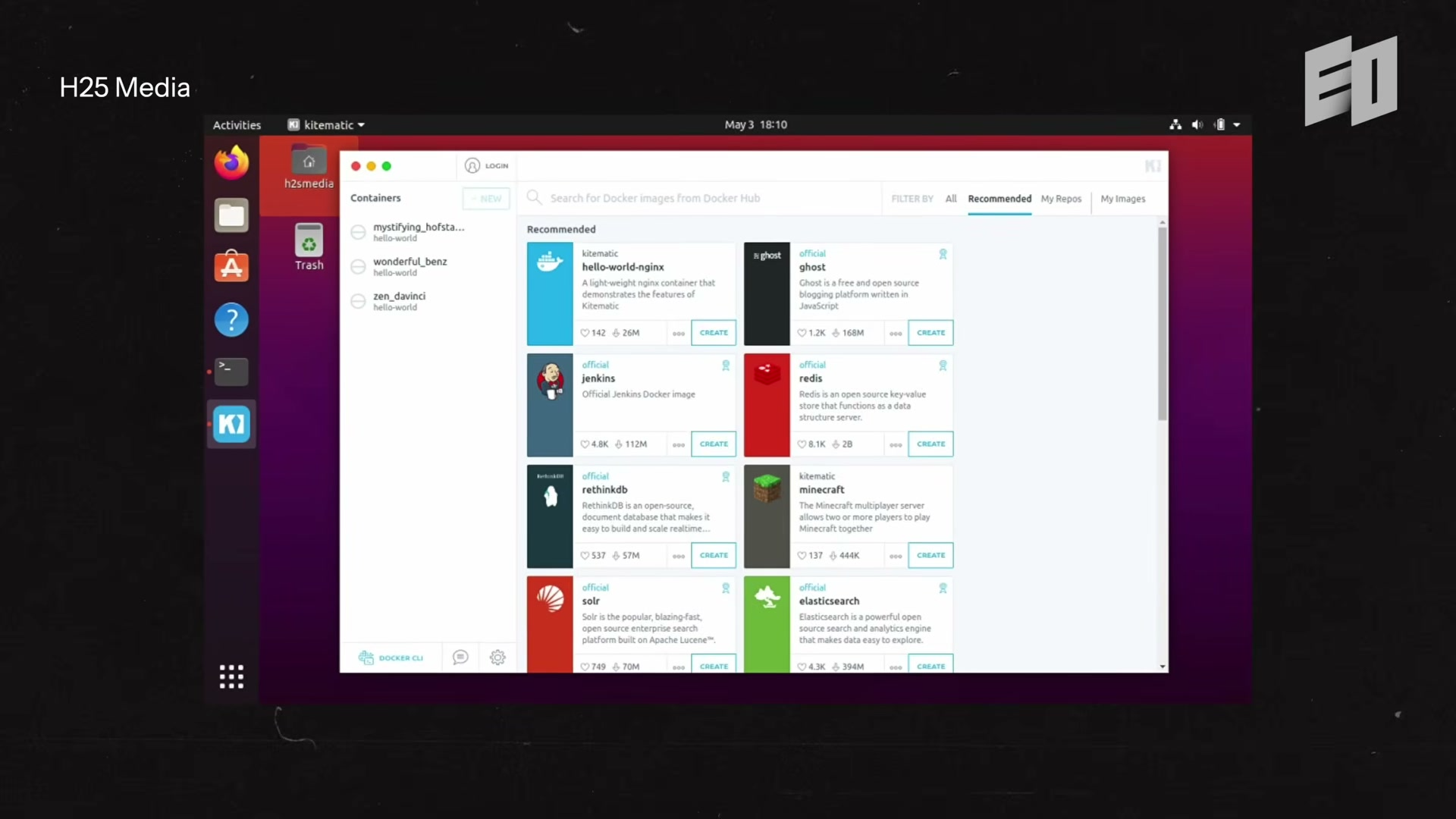
The project was called Kitematic. We went through a lot actually, like we went through so many ups and downs from working on Kitematic. When we launched the Dropbox for your code kind of product, we got like 20,000 developers in one month and it was growing really, really fast. We had to raise money. We applied to Y Combinator and we actually got a recommendation there, but after we pitched, we were rejected from Y Combinator. So we actually had to ramp down the service to keep it running.
Pretty challenging time, we're just like 10 new grads at our most desperate moments, you know, we got an opportunity from Lightspeed Ventures to come to Silicon Valley for a summer and they kind of sponsored the whole summer. So we came and they got all these great mentors to teach us not only how to build, but to sell as well.
Essentially from that process, we were able to iterate on Kitematic. We were able to get the requirements from actual DevOps people at the companies who actually just wanted to run Docker for their team locally on the computer. And at the time, Docker wasn't very smooth, like you couldn't really run it locally on Mac or Windows that easily, so we saw an opportunity. We brought the server software down to a local desktop environment so that you don't have to pay the server cost and then we open sourced it to get maximum distribution. So we launched Kitematic. It essentially took off and we were able to get interest from investors who gave us term sheets and also companies like Docker who reached out who wanted to acquire us as well.
The project was called Kitematic. We went through a lot actually, like we went through so many ups and downs from working on Kitematic. When we launched the Dropbox for your code kind of product, we got like 20,000 developers in one month and it was growing really, really fast. We had to raise money. We applied to Y Combinator and we actually got a recommendation there, but after we pitched, we were rejected from Y Combinator. So we actually had to ramp down the service to keep it running.
Pretty challenging time, we're just like 10 new grads at our most desperate moments, you know, we got an opportunity from Lightspeed Ventures to come to Silicon Valley for a summer and they kind of sponsored the whole summer. So we came and they got all these great mentors to teach us not only how to build, but to sell as well.
Essentially from that process, we were able to iterate on Kitematic. We were able to get the requirements from actual DevOps people at the companies who actually just wanted to run Docker for their team locally on the computer. And at the time, Docker wasn't very smooth, like you couldn't really run it locally on Mac or Windows that easily, so we saw an opportunity. We brought the server software down to a local desktop environment so that you don't have to pay the server cost and then we open sourced it to get maximum distribution. So we launched Kitematic. It essentially took off and we were able to get interest from investors who gave us term sheets and also companies like Docker who reached out who wanted to acquire us as well.
The Art of Non-Linear Progress
What was the most important lesson you learned from building Kitematic?
Sean: I would say the most important part of the journey was where you end up is never originally expected. Progress is not a very linear process. It's actually a lot like art, you know. The more you're super focused on one very specific outcome, you're kind of blocking yourself out of all different kinds of possibilities, but you also can't get swayed too much. You want to commit to some kind of mission, right? Like, for example, for us, it was like we really want to make it easy to build software. There's something like that, but with that mission, how you get there is very flexible.
It's never like 100% clear, right? And you're also at the same time dealing with a rapidly evolving environment at the same time as your own customer need and your own company's limitations, right? They say these things like artists work with constraints, right? So you're like, there's all these constraints and changes, and I think diamonds come from the friction, right, that you are dealing with in this process. Just over the course of many years building 0 to 1 again and again, it's really getting the groove of this.
So when I hit like a friction point, I'm actually excited because it kind of becomes an opportunity for you to find the truth that others wouldn't be able to see. So definitely like a big part of the lesson that I've learned over the years.
It's never like 100% clear, right? And you're also at the same time dealing with a rapidly evolving environment at the same time as your own customer need and your own company's limitations, right? They say these things like artists work with constraints, right? So you're like, there's all these constraints and changes, and I think diamonds come from the friction, right, that you are dealing with in this process. Just over the course of many years building 0 to 1 again and again, it's really getting the groove of this.
So when I hit like a friction point, I'm actually excited because it kind of becomes an opportunity for you to find the truth that others wouldn't be able to see. So definitely like a big part of the lesson that I've learned over the years.
The Ethereum Awakening
How did you first discover crypto and blockchain technology?
Sean: We were able to work very closely with the founder of Docker, learning about decentralized technology at the time by working with him. We were talking about IPFS when I didn't even know about Ethereum. I was like, what the hell is Ethereum? And I was googling under the table.
After that, just something about it really stuck with me. I went to some Berkeley meetups where I met a lot of the OG web 3 folks, and they were talking about all these use cases that blockchain can enable. Honestly, it kind of felt like a renaissance where people are in these coffee shops, bars just talking about really cool ideas and these were really big ideas. Right, it's like moving finance on chain, like how it's going to change governance, how it's gonna change music, art, like everything.
I wanted, super interesting from an infrastructure perspective, but also from a use case perspective, it kind of showed me that blockchain is more than just cryptocurrencies, like you can buy and trade and transact, but also these use cases, right? So that's when I saw the vision. Yeah, I got goosebumps everywhere. I remember calling my mom, she's like, yo, I'm gonna do this. I don't know what I'm going to do, but I have to be in this space.
After that, just something about it really stuck with me. I went to some Berkeley meetups where I met a lot of the OG web 3 folks, and they were talking about all these use cases that blockchain can enable. Honestly, it kind of felt like a renaissance where people are in these coffee shops, bars just talking about really cool ideas and these were really big ideas. Right, it's like moving finance on chain, like how it's going to change governance, how it's gonna change music, art, like everything.
I wanted, super interesting from an infrastructure perspective, but also from a use case perspective, it kind of showed me that blockchain is more than just cryptocurrencies, like you can buy and trade and transact, but also these use cases, right? So that's when I saw the vision. Yeah, I got goosebumps everywhere. I remember calling my mom, she's like, yo, I'm gonna do this. I don't know what I'm going to do, but I have to be in this space.
Arthur, what was your path into crypto?
Arthur: So Sean and I go way back. We actually both graduated in the same program called software engineering from Waterloo. Sean graduated two years ahead of me. We first both went off in our own direction. He sold his startup Kitematic to Docker, and his product is now known as Docker Desktop. And for me, I joined Uber early in 2015 when the team was still very small, and I got to ride through the hyper growth phase.
So both of us dabbled into Ethereum around 2016 or 2017. For me, I heard about Ethereum when I was just about graduating university, and I heard this guy named Vitalik, and I heard this word Ethereum, and he's creating this new blockchain called Ethereum, and at the time I only knew about Bitcoin, so it really got me interested in looking more into technology.
What I liked about that was for me Bitcoin was more about just the value transfer and at the time it was really fast. Now it's more considered as digital gold. But with Ethereum it was adding logic into the blockchain. So imagine there's no middleman and you can pretty much peer to peer, not just transfer value but actually add logic to it. Any form of contract, whether that agree on a contract on real estate, when you sell assets tied to, let's say prediction market, that's all can be facilitated through Ethereum. I got interested into that.
And then for Sean, I remember he told me that he was trying a couple projects on Ethereum and he noticed that it was really hard to onboard new users and for me when I tried out Ethereum, I saw the potential technology, but also I noticed the broken user experience as well.
So both of us dabbled into Ethereum around 2016 or 2017. For me, I heard about Ethereum when I was just about graduating university, and I heard this guy named Vitalik, and I heard this word Ethereum, and he's creating this new blockchain called Ethereum, and at the time I only knew about Bitcoin, so it really got me interested in looking more into technology.
What I liked about that was for me Bitcoin was more about just the value transfer and at the time it was really fast. Now it's more considered as digital gold. But with Ethereum it was adding logic into the blockchain. So imagine there's no middleman and you can pretty much peer to peer, not just transfer value but actually add logic to it. Any form of contract, whether that agree on a contract on real estate, when you sell assets tied to, let's say prediction market, that's all can be facilitated through Ethereum. I got interested into that.
And then for Sean, I remember he told me that he was trying a couple projects on Ethereum and he noticed that it was really hard to onboard new users and for me when I tried out Ethereum, I saw the potential technology, but also I noticed the broken user experience as well.
The Arcade Bar Epiphany
How did you two decide to team up and start Magic Labs?
Arthur: Funnily enough, we actually got to know that we both had seen the same pain point. We actually reconnected in person. So that was in 2018. We met at an arcade bar in San Francisco called Coinop, and it started at casual drinks and then became more like a 5 hour deep conversation.
We kept circling back to one question: why hasn't anyone tackled in simplifying onboarding in blockchain? Why hasn't anyone tried building a very easy login with email? And that's the moment when it clicked. That was a solution to the fundamental problem of blockchain with the broken user experience. So we built the conviction there and we decided to team up and start Magic Labs.
We kept circling back to one question: why hasn't anyone tackled in simplifying onboarding in blockchain? Why hasn't anyone tried building a very easy login with email? And that's the moment when it clicked. That was a solution to the fundamental problem of blockchain with the broken user experience. So we built the conviction there and we decided to team up and start Magic Labs.
Apple's Perfection Paradox
Arthur, what did you learn from your time at Apple that influenced Magic's approach?
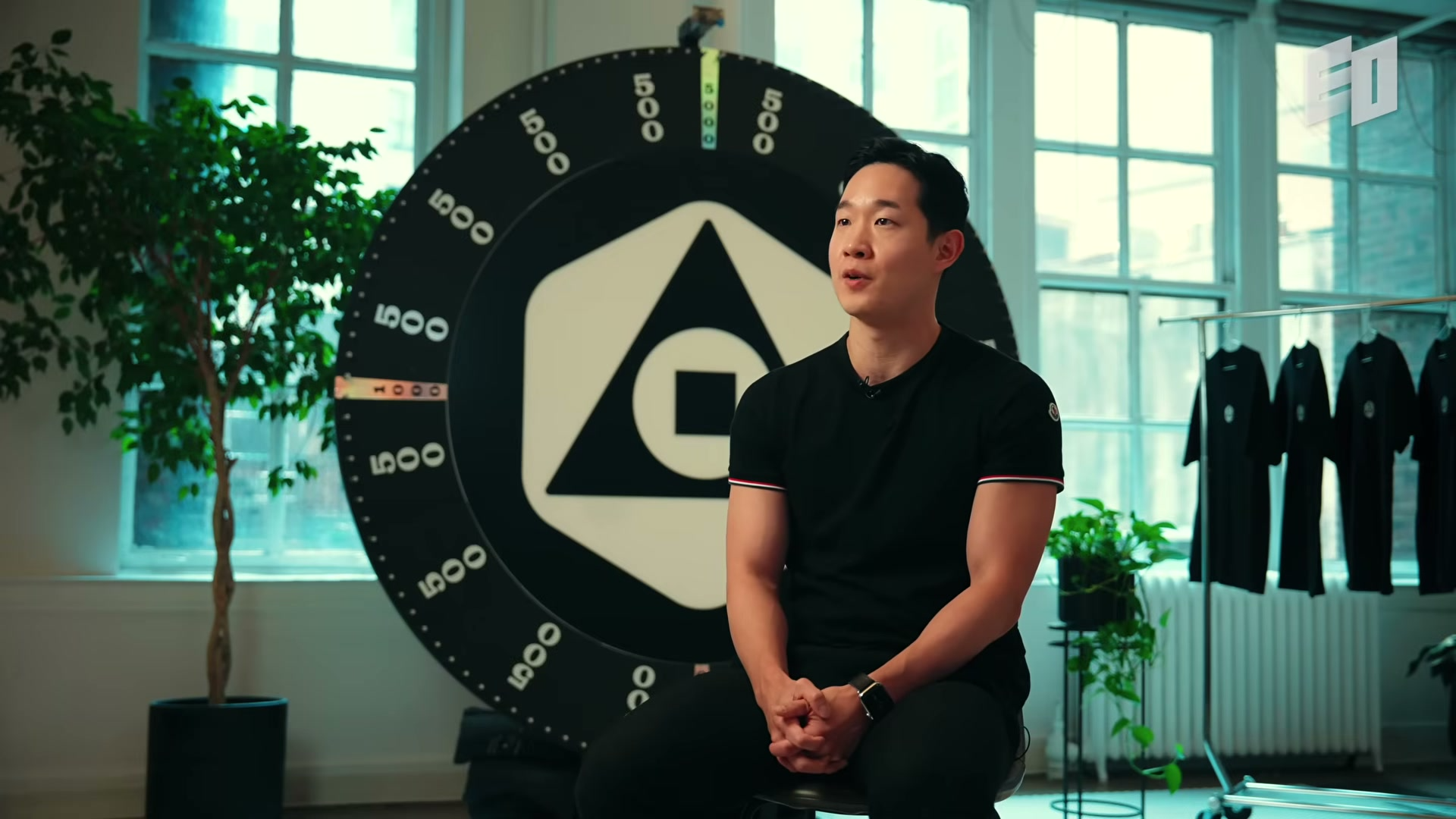
Arthur: At Apple, I worked on a couple of things. One was integrating Apple Maps into Siri. The other one was directly working on the tokenization pipeline. A big lesson that I learned at Apple while I was there was the obsession with detail and especially it being spread through the leaders like Steve Jobs, Tim Cook, and Johnny Ive.
Couple of things that I noticed was that there was like a great sense of ownership and craftsmanship. Everyone deeply cared about making it right. Also when it came to design, building and shipping, there's so much thought put into it. At Apple, every task or every idea that we had, we approached it with perfectionistic mindset.
When I started Magic with Sean and all the times we're building along the way, one thing that I realized was perfection takes time. There's no way you can get it right as a small company going from 0 to 1 to come out with a product that's perfect. I don't think anyone in the world can do that.
When it came to 0 to 1, we focused on shipping fast, getting the product out so that we can get user feedback. And we focused on really leaning into their feedback, but also trusting our intuition of what the next stage of the product can be. So after multiple and multiple iterations, that's when I started to kind of slip in certain parts that we can perfect. And also with a lot of user feedback, you see these patterns where it helps you build confidence on investing in certain features to make it very perfect.
So my overall lesson is it's something that should always stay with you, but it's very important to find the right time and find the right opportunity to practice that perfection.
Couple of things that I noticed was that there was like a great sense of ownership and craftsmanship. Everyone deeply cared about making it right. Also when it came to design, building and shipping, there's so much thought put into it. At Apple, every task or every idea that we had, we approached it with perfectionistic mindset.
When I started Magic with Sean and all the times we're building along the way, one thing that I realized was perfection takes time. There's no way you can get it right as a small company going from 0 to 1 to come out with a product that's perfect. I don't think anyone in the world can do that.
When it came to 0 to 1, we focused on shipping fast, getting the product out so that we can get user feedback. And we focused on really leaning into their feedback, but also trusting our intuition of what the next stage of the product can be. So after multiple and multiple iterations, that's when I started to kind of slip in certain parts that we can perfect. And also with a lot of user feedback, you see these patterns where it helps you build confidence on investing in certain features to make it very perfect.
So my overall lesson is it's something that should always stay with you, but it's very important to find the right time and find the right opportunity to practice that perfection.
Breaking the IKEA Furniture Problem
What was the user experience like in crypto before Magic came along?
Arthur: Before magic came into the scene, the only people that could use blockchain was crypto enthusiasts or technologists. At the time, I would say using a blockchain kind of felt like trying to assemble IKEA furniture without any instructions given to you. You had all these unfamiliar parts, and at every step along the way you have to figure out on the fly. It was so confusing that most people had given up even before finishing the setup.
And for example, in crypto, you have to first download a browser extension and then you have to write down the seed phrase and also figure out how to store that safely. Also, you had to read and sign these unreadable blockchain messages without really knowing what you're agreeing to. On top of that, there are gas fees and there are more and more blockchain jargon. It was definitely overwhelming.
And where Magic came in, we came up with a very simplified onboarding solution, log in with email, phone number, and social login. What we did was we took blockchain that was powerful but yet it was inaccessible, and we made it feel familiar, seamless and secure.
And for example, in crypto, you have to first download a browser extension and then you have to write down the seed phrase and also figure out how to store that safely. Also, you had to read and sign these unreadable blockchain messages without really knowing what you're agreeing to. On top of that, there are gas fees and there are more and more blockchain jargon. It was definitely overwhelming.
And where Magic came in, we came up with a very simplified onboarding solution, log in with email, phone number, and social login. What we did was we took blockchain that was powerful but yet it was inaccessible, and we made it feel familiar, seamless and secure.
Why wasn't anyone else working on this problem at the time?
Sean: The biggest reason to why people didn't do that at the time, because the de facto standard was using browser extensions and there were a lot of dogmatic sort of sentiment in the web 3 space, where as an end user, you have to manage your private key 100% by writing it down and burying it like a pirate treasure, right? That was kind of where the space was at. From a sentiment perspective, we saw the opportunity is that there's a lot of frustration from users, from developers, from having to deal with this dogma, but the vocal minority was really pushing the full decentralization narrative.
What we were working on was extremely controversial at the time and we actually got a lot of heat on Twitter at the time for even doing this or even thinking about doing this, so I think that naturally deterred people from working on this. Also at the time, because people were deterred from doing this, they assumed that there is no other way to build a non-custodial key management solution because they haven't really looked into the solution in the first place. They say, oh, it's very difficult. People are not going to want this anyway. People want decentralization, whereas for me it's like, hey, can we do more on the technical part so we can actually get the best of both worlds. We can both offer web 2 style login, but also web 3 style non-custodialness.
We went down the rabbit hole to solve this specific problem because we also noticed in our sales calls, a lot of the developers were asking, hey, how is it non-custodial, if it's too centralized, it's too risky, we don't want that. So we actually had to solve this problem and this showed up in investor conversations as well. All of that pressure actually forced us to solve the problem.
Because we were already on the path to solve this, we were able to kind of invent the first non-custodial key management patent called delegated key management, and we ended up filing a patent for it. So actually that technology was a key factor to how we were able to complete our seed round, because at the time there were these huge crypto exchange hacks that really scared the investors around investing in any kind of centralized key management solution, but we were able to kind of bring this new innovative tech which made a huge difference and that's how we were able to grow very quickly early on because it strikes the best balance in both worlds.
What we were working on was extremely controversial at the time and we actually got a lot of heat on Twitter at the time for even doing this or even thinking about doing this, so I think that naturally deterred people from working on this. Also at the time, because people were deterred from doing this, they assumed that there is no other way to build a non-custodial key management solution because they haven't really looked into the solution in the first place. They say, oh, it's very difficult. People are not going to want this anyway. People want decentralization, whereas for me it's like, hey, can we do more on the technical part so we can actually get the best of both worlds. We can both offer web 2 style login, but also web 3 style non-custodialness.
We went down the rabbit hole to solve this specific problem because we also noticed in our sales calls, a lot of the developers were asking, hey, how is it non-custodial, if it's too centralized, it's too risky, we don't want that. So we actually had to solve this problem and this showed up in investor conversations as well. All of that pressure actually forced us to solve the problem.
Because we were already on the path to solve this, we were able to kind of invent the first non-custodial key management patent called delegated key management, and we ended up filing a patent for it. So actually that technology was a key factor to how we were able to complete our seed round, because at the time there were these huge crypto exchange hacks that really scared the investors around investing in any kind of centralized key management solution, but we were able to kind of bring this new innovative tech which made a huge difference and that's how we were able to grow very quickly early on because it strikes the best balance in both worlds.

Surviving the Crypto Winter
How did the 2018 crypto crash affect your plans to start Magic?
Arthur: Yeah, in 2018, the crypto market had completely taken a downturn. I remember crypto was being called a scam from media headlines, VCs had pulled back and the ICO bubble had burst. Definitely the people that are left over in the space were the true believers of crypto and the true builders of crypto, and we were definitely one of them.
For us, even though the market had completely taken a downturn, we saw an opportunity to solve a real fundamental problem, and that was the broken user experience. Sean and myself, we weren't discouraged at all. That's something that we truly believed in that needed to be solved. And at the same time, for me at Apple, I learned that user experience is actually everything, and someone in the space had to jump in and really start from backwards, as in start from the user experience and back towards blockchain technology, and we felt like we're the right people to be able to tackle that. We jumped on it, founded Magic Labs, pursued our vision of making blockchain accessible.
For us, even though the market had completely taken a downturn, we saw an opportunity to solve a real fundamental problem, and that was the broken user experience. Sean and myself, we weren't discouraged at all. That's something that we truly believed in that needed to be solved. And at the same time, for me at Apple, I learned that user experience is actually everything, and someone in the space had to jump in and really start from backwards, as in start from the user experience and back towards blockchain technology, and we felt like we're the right people to be able to tackle that. We jumped on it, founded Magic Labs, pursued our vision of making blockchain accessible.
Were there moments when you doubted the decision to start Magic during the bear market?
Arthur: There are multiple times that I doubted and Sean doubted as well if we're taking the right path. There was one time when we had only one month of runway, and we did doubt if we're taking the right path because if we were, then we probably wouldn't have ended up with only one month of runway. We're pretty much close to running out of money and closing down our startups, so that's the time I doubted.
At the time, there are actually not many people left in the space, so no one told us to quit. As I said, people had written crypto off. A lot of VCs pulled out. There are not many builders left in the space. It was more about just growing with the community of builders that were leftover and we're all true believers of crypto.
For myself and Sean, we just felt this great responsibility of needing to deliver the solutions so that at least even if it's an experiment, it can be tried out on the blockchain and show to other developers, but also show the world that there is this seamless onboarding solution that can be tried out. And luckily it worked out. But even if that hadn't worked out, I don't think Sean and myself would have quit because we just loved working on everything related to crypto and we fundamentally believed in the technology.
To keep me not distracted from that thought, I continued to talk to our customers and partners and I knew that they really enjoyed using our product and they enjoyed being our customer. So that really helped me not be too distracted by the runway problem.
At the same time, we felt like it was very important to be transparent with our team. At that time we had a team size of probably 8 to 10. They're all working very hard, super motivated. And really loved working together with them and we let them know that there could be a chance that we may not be able to process payroll for the next month or two, but it's our focus to ensure that we extend our runway.
At the time, there are actually not many people left in the space, so no one told us to quit. As I said, people had written crypto off. A lot of VCs pulled out. There are not many builders left in the space. It was more about just growing with the community of builders that were leftover and we're all true believers of crypto.
For myself and Sean, we just felt this great responsibility of needing to deliver the solutions so that at least even if it's an experiment, it can be tried out on the blockchain and show to other developers, but also show the world that there is this seamless onboarding solution that can be tried out. And luckily it worked out. But even if that hadn't worked out, I don't think Sean and myself would have quit because we just loved working on everything related to crypto and we fundamentally believed in the technology.
To keep me not distracted from that thought, I continued to talk to our customers and partners and I knew that they really enjoyed using our product and they enjoyed being our customer. So that really helped me not be too distracted by the runway problem.
At the same time, we felt like it was very important to be transparent with our team. At that time we had a team size of probably 8 to 10. They're all working very hard, super motivated. And really loved working together with them and we let them know that there could be a chance that we may not be able to process payroll for the next month or two, but it's our focus to ensure that we extend our runway.
Sean, how did you personally handle that pressure of almost running out of money?
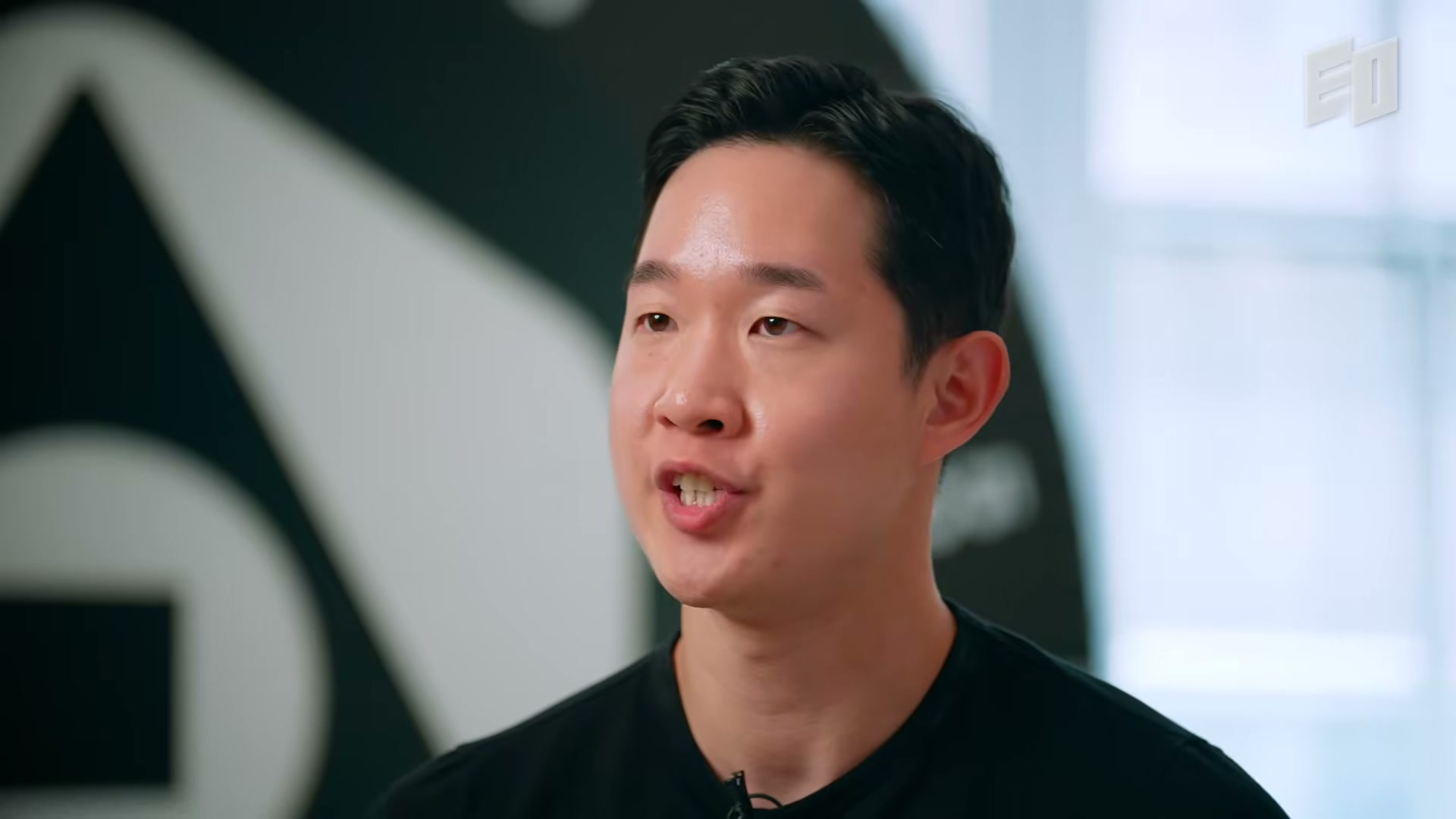
Sean: I think for me, I believe in it so much. If Ethereum died, then my company dies too. So I just build as hard as I could, keeps going and keeps raising money. Fortunately, we were able to close with close to a month of runway left. I had to make sure to take a loan, so the money hit the bank without running out, but at the same time I was still hiring. I was still trying to find a new office space. Back then we were in person in SF.
I think for me it's like just keep pushing until the last minute, right, kind of thing and because I did hear the Docker story too. It's like they were very close to running out and then the founder created Docker as an open source alternative and then launched at PyCon and was a huge success. So it really just turned the company around, so I kind of believe in those very special moments and yeah, for me, I kept going, those I believe in a space, but also just from what I've seen, heard that I should just keep going.
I think for me it's like just keep pushing until the last minute, right, kind of thing and because I did hear the Docker story too. It's like they were very close to running out and then the founder created Docker as an open source alternative and then launched at PyCon and was a huge success. So it really just turned the company around, so I kind of believe in those very special moments and yeah, for me, I kept going, those I believe in a space, but also just from what I've seen, heard that I should just keep going.
From Survival to Scale
How did you eventually turn things around and start growing the business?
Sean: At the time because the space was really small, there wasn't a lot of competitors who had as much adoption as we did. A lot of our barrier was talking to VCs who are not really bought into the web 3 vision. Most investors at the time, it just couldn't work no matter how many developers or apps that we onboarded, you wouldn't convince them, but there are fortunately still a lot of investors who kind of share that vision and excitement for the space who really saw the value in us.
When you resonate from a fundamental level in terms of vision and belief and they like the team, they like the technology, and you're also kind of a leader in the category, then naturally an investment will work out. It was a really tough time for me where I had to really learn to fundraise. Yeah, that seed round later was so much different from the pre-seed round earlier on just in terms of difficulty, especially in a bear market, right? And actually we had so many competitors at the time after we started. And after the bear market, there's only a couple left. Yeah, I think that was the reason.
When you resonate from a fundamental level in terms of vision and belief and they like the team, they like the technology, and you're also kind of a leader in the category, then naturally an investment will work out. It was a really tough time for me where I had to really learn to fundraise. Yeah, that seed round later was so much different from the pre-seed round earlier on just in terms of difficulty, especially in a bear market, right? And actually we had so many competitors at the time after we started. And after the bear market, there's only a couple left. Yeah, I think that was the reason.
What was key to eventually landing enterprise clients and bigger funding rounds?
Sean: I didn't know that we were going to be working with enterprises at first, but I think it was really important to be very secure and follow compliance procedures. So we were actually the first embedded wallet who ever achieved the SOC2 type 2 compliance very early on, even though we weren't really working with enterprises at the time and that standard actually paved the way to us starting to talk to enterprises because when we mentioned that we have it as a startup, they're impressed, right, that we're able to achieve that and hold that standard.
Even till today, we are the most compliant embedded wallet solution with both SOC2 Type 2 and ISO, right, standard, which is a payment compliance standard. So I would say that's the baseline, right, that's kind of a hard requirement to be able to work with enterprises, but also over the years we were able to develop a lot of use cases, really well-known success stories like Polymarket, Helium, Immutable, able to get Macy's, Mattel, and eventually led up to Unilever, but also getting reinvestment from PayPal Ventures.
At the time with the PayPal Ventures round, we were able to raise over $80 million in funding throughout this whole period and at the time we were working with over 30 million wallets and now we're over 50 million, over 100,000 developers, now over 200,000. Yeah, that was a great moment for us to capture the market opportunity at the time. Yeah, and definitely that gave us a lot of resource, right for us to capture the market there, yeah.
Even till today, we are the most compliant embedded wallet solution with both SOC2 Type 2 and ISO, right, standard, which is a payment compliance standard. So I would say that's the baseline, right, that's kind of a hard requirement to be able to work with enterprises, but also over the years we were able to develop a lot of use cases, really well-known success stories like Polymarket, Helium, Immutable, able to get Macy's, Mattel, and eventually led up to Unilever, but also getting reinvestment from PayPal Ventures.
At the time with the PayPal Ventures round, we were able to raise over $80 million in funding throughout this whole period and at the time we were working with over 30 million wallets and now we're over 50 million, over 100,000 developers, now over 200,000. Yeah, that was a great moment for us to capture the market opportunity at the time. Yeah, and definitely that gave us a lot of resource, right for us to capture the market there, yeah.
The Investor's Perspective
What convinced you to invest in Magic Labs during that challenging period?
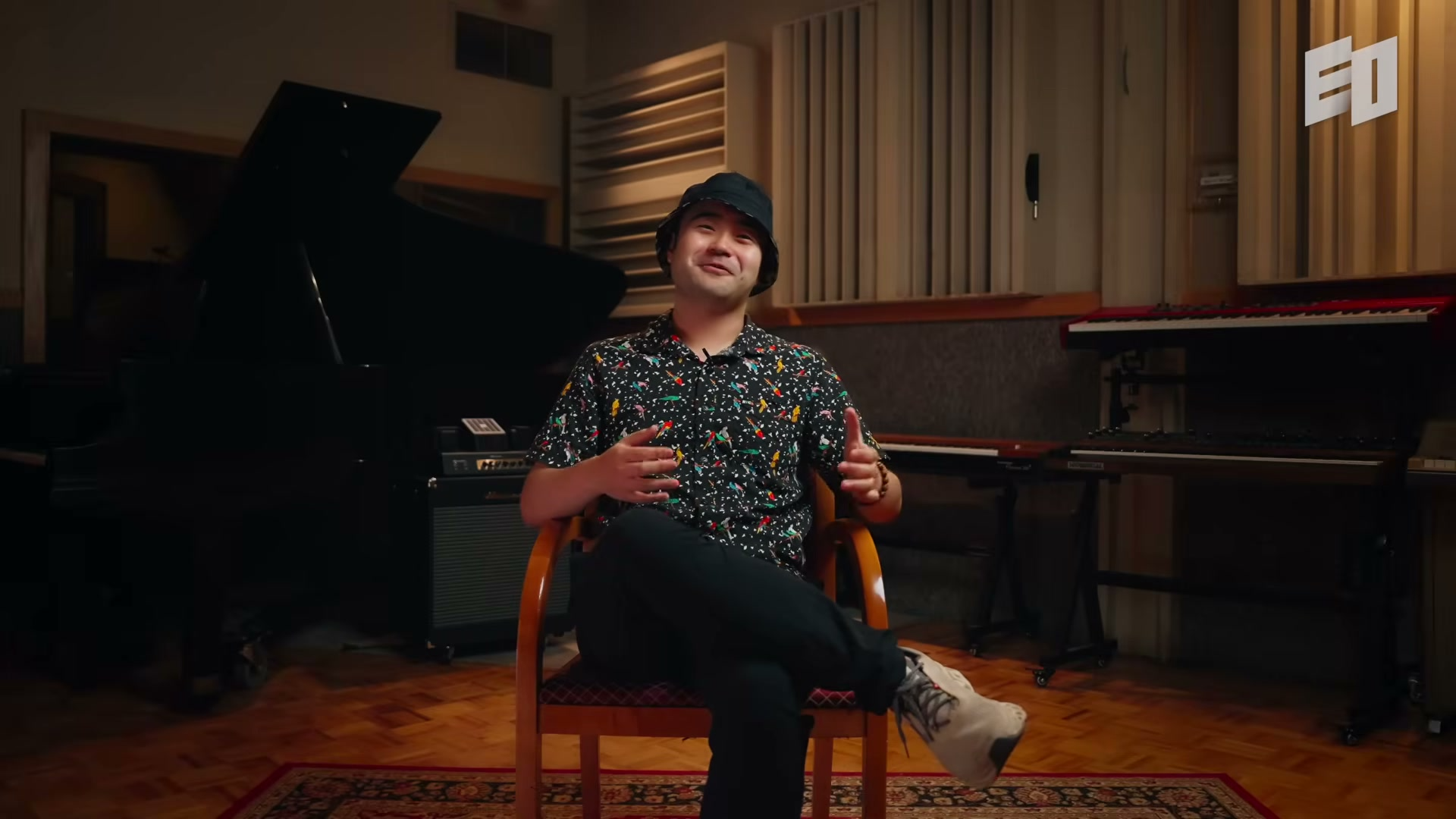
Investor: I spent probably the most amount of time with Sean, having known him for a long time during our days at Docker, you know, sat down together and he kind of walked me through the broader vision of what he was building. It immediately struck a chord with me in that consumers began to embrace everything that is web 3, real solutions, real financial services, tools that can make all of our financial lives much easier.
His vision really captured what I think was the ultimate identity problem and I think Magic's vision at the time was to allow people to complete that journey or that migration without having to ask the users to change their behaviors or adopt new behaviors. They do not have to go to Metamask, sign up for an account, memorize the 20 key phrases, promptly forget them two minutes later. All you have to do is use your original login and what they do is they spin up a crypto wallet for you on the back end that allows you to connect naturally, sort of natively to all the web 3 services.
We talk about what's the easiest adoption or way of adoption. It's when you don't have to do anything differently and that's why I think early on they were able to grow the number of users or number of identities they managed to the millions sort of scale that they were able to achieve at the time and that I think spoke volumes about how important that user experience design is for that mass adoption of web 3.
His vision really captured what I think was the ultimate identity problem and I think Magic's vision at the time was to allow people to complete that journey or that migration without having to ask the users to change their behaviors or adopt new behaviors. They do not have to go to Metamask, sign up for an account, memorize the 20 key phrases, promptly forget them two minutes later. All you have to do is use your original login and what they do is they spin up a crypto wallet for you on the back end that allows you to connect naturally, sort of natively to all the web 3 services.
We talk about what's the easiest adoption or way of adoption. It's when you don't have to do anything differently and that's why I think early on they were able to grow the number of users or number of identities they managed to the millions sort of scale that they were able to achieve at the time and that I think spoke volumes about how important that user experience design is for that mass adoption of web 3.
What factors do you look for when making investment decisions?
Investor: Having conviction is important and the conviction comes from a few places, right? One, do you believe that the market is large enough, they're attacking a big enough problem and of course having the numbers that Magic had early on definitely gave us confidence that this is tapping into a large enough problem, enough people need access to this.
And two, like you alluded to earlier, is there a technical differentiation or a product differentiation from the competitors and I think the growth that it demonstrated, the early customer buy-ins that they were able to get showed us that there is a good amount of technical differentiation. Like I mentioned having your own private key management and getting to some of the more specific features which I won't bore you with is important, right? The nitty gritty sometimes do win deals with customers just like your UX design really matters, right? The little things, one extra step in terms of authentication will probably result in incremental but in a significant amount of drop off in conversion rates. So, I think paying attention to all of those little details whether it is the feature design, UX design, all really matter a whole lot.
Ultimately, it also comes down to the founder or the founders themselves. One, do you really believe they are serious about building what they are building? Like I mentioned earlier, you know, when the market turns, tourists tend to leave, right? And the true believers, the true builders, will stay because they are committed to doing this. That sort of grit, that sort of personal conviction that they demonstrated, was also a critical part in terms of getting me conviction ultimately.
That's probably the three biggest things, right? You look at it overall size of the opportunity, whether they have the right to play or the right to win, but ultimately are the right people, right? You can bet on the right horse, but is it the right jockey. So I think those three things kind of really converged on magic that made me invest in them.
And two, like you alluded to earlier, is there a technical differentiation or a product differentiation from the competitors and I think the growth that it demonstrated, the early customer buy-ins that they were able to get showed us that there is a good amount of technical differentiation. Like I mentioned having your own private key management and getting to some of the more specific features which I won't bore you with is important, right? The nitty gritty sometimes do win deals with customers just like your UX design really matters, right? The little things, one extra step in terms of authentication will probably result in incremental but in a significant amount of drop off in conversion rates. So, I think paying attention to all of those little details whether it is the feature design, UX design, all really matter a whole lot.
Ultimately, it also comes down to the founder or the founders themselves. One, do you really believe they are serious about building what they are building? Like I mentioned earlier, you know, when the market turns, tourists tend to leave, right? And the true believers, the true builders, will stay because they are committed to doing this. That sort of grit, that sort of personal conviction that they demonstrated, was also a critical part in terms of getting me conviction ultimately.
That's probably the three biggest things, right? You look at it overall size of the opportunity, whether they have the right to play or the right to win, but ultimately are the right people, right? You can bet on the right horse, but is it the right jockey. So I think those three things kind of really converged on magic that made me invest in them.
The Philosophy of Invisible Technology
How do you balance technical complexity with user experience?
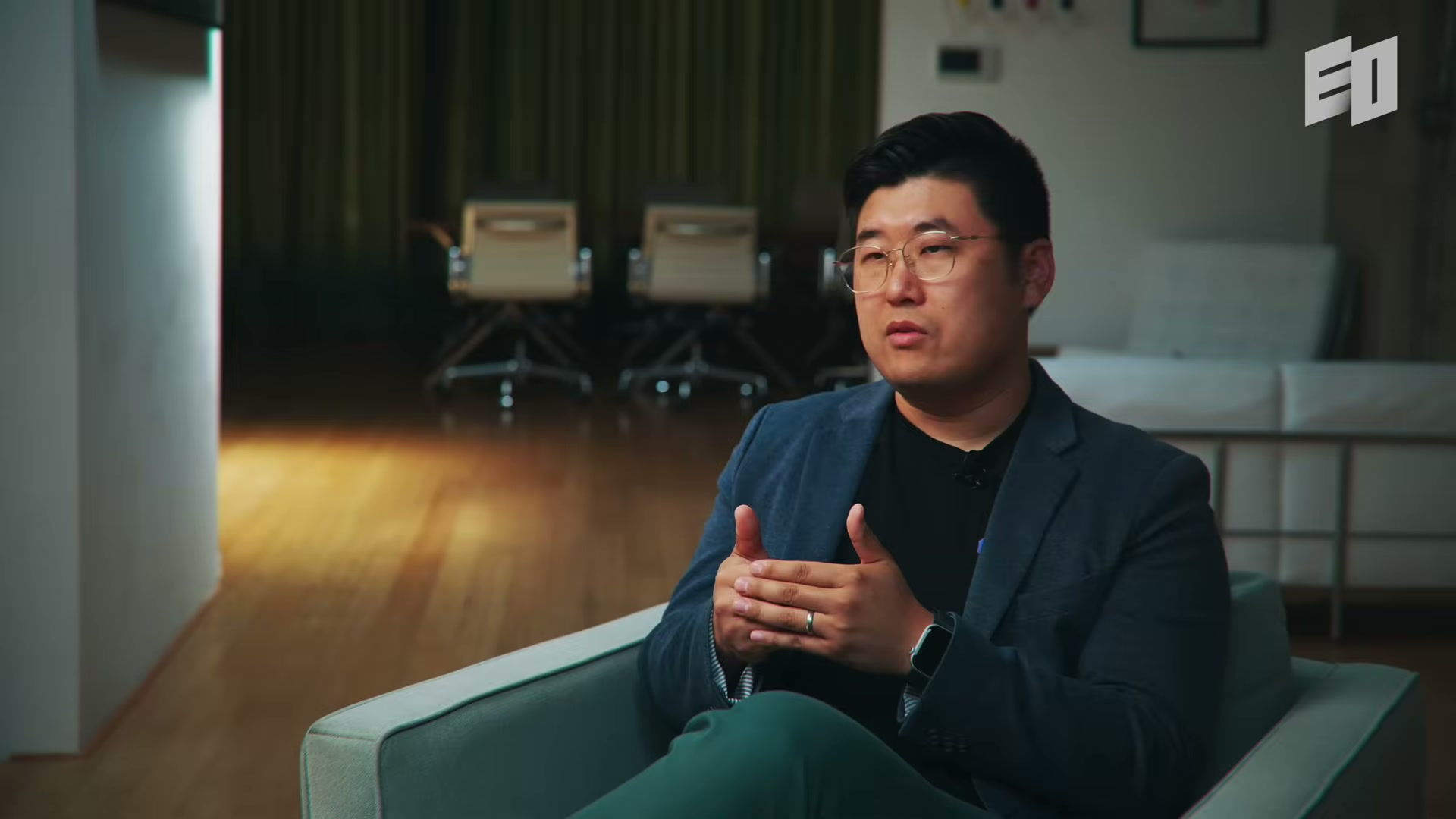
Arthur: The most important principle when it comes to making decisions between tech and UX is finding the right balance between user experience and technology. I think it really comes down to customer obsession. And this is one thing I learned at Apple, right? Every design, every step of building and shipping, there was just so much attention to detail that was put into it, but more importantly, people just really cared about the user experience and their customers. It's more like when they're feeling the pain, you're feeling more pain yourself, you know, how do you react to that? You go about solving, right?
When you build a product, it's not just to solve a problem. It's like, of course, it's got to solve a problem, but it's almost like storytelling. It's a message that is kind of like the soul of the product. When I think about storytelling and how a founder can get great at storytelling, kind of why I really gravitate to naming the company Magic too. It's like a magic show, right? It's kind of like a performance, like if you just showed everybody exactly how the magic works, then it won't be magical.
Great storytelling is really about that wow factor. If you're talking about from a product standpoint, you want to identify what the wow factor is and show that to your users as quickly as possible and make that a goal.
When you build a product, it's not just to solve a problem. It's like, of course, it's got to solve a problem, but it's almost like storytelling. It's a message that is kind of like the soul of the product. When I think about storytelling and how a founder can get great at storytelling, kind of why I really gravitate to naming the company Magic too. It's like a magic show, right? It's kind of like a performance, like if you just showed everybody exactly how the magic works, then it won't be magical.
Great storytelling is really about that wow factor. If you're talking about from a product standpoint, you want to identify what the wow factor is and show that to your users as quickly as possible and make that a goal.
What's your vision for the future of technology interfaces?
Sean: Back to kind of the philosophy, right, around technology being invisible. I do envision a future where people can truly focus on what they really want to do. They're not just dealing with the manual things, they would just be fully integrated in my day to day life in a way that's really seamless. Maybe there's going to be new hardware that you can kind of talk to, right? Payments, identity, authentication, those things should be ambient, that should happen in the background without us having to intervene. Fully autonomous agents should be able to do things without us having to constantly look over the shoulder.
So yes, the best UI is an abstraction of the UI that doesn't need to prompt you for logins, that doesn't need to prompt you for approvals. It should just happen automatically.
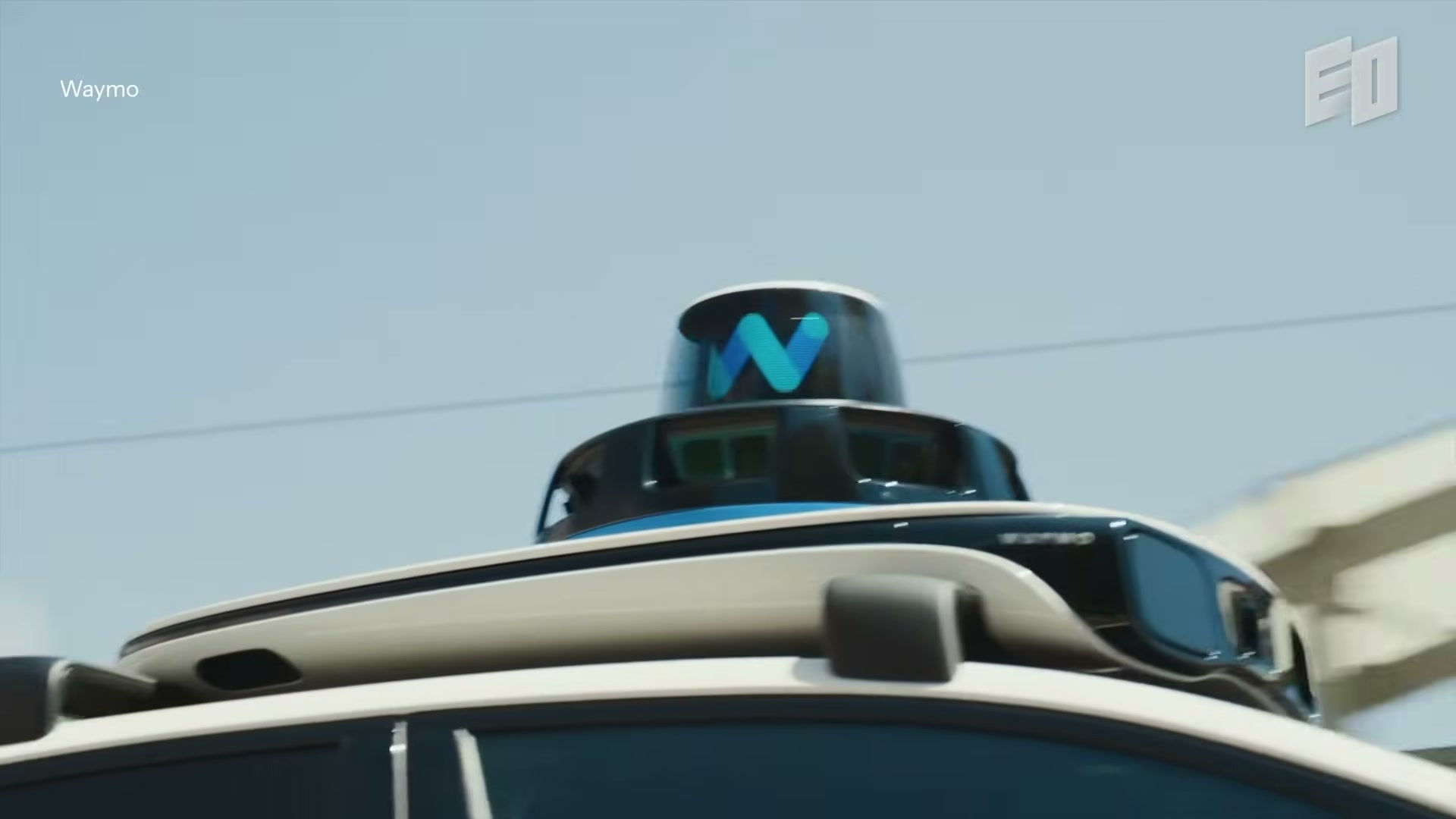
In some ways, you see, we're in San Francisco, right, where we see Waymos running around, we see Tesla robotaxis being tested. I remember my first Waymo trip a while back, you know, the initial 2 minutes, I was a little nervous. Here I am sitting in this car with an empty driver's seat taking me through the busy streets of San Francisco, which is pretty challenging for me as a driver. Now there's this thing that's taking me around, but quickly I began to really just look out the window, looking at the street and got back on my phone. I completely forgot I was being driven around by AI.
And that's sort of the becoming ambient or abstraction moment that happened for me when it comes to self-driving. The best technology found, Jay will put it, the best UI is no UI is an abstraction. It's because you've designed the experience, you've designed the tech to be so good, so secure, so seamless, the users forgot that it exists. So I think yes, absolutely, that philosophy will continue to guide development not just within Web 3 but also within AI going forward.
So yes, the best UI is an abstraction of the UI that doesn't need to prompt you for logins, that doesn't need to prompt you for approvals. It should just happen automatically.
In some ways, you see, we're in San Francisco, right, where we see Waymos running around, we see Tesla robotaxis being tested. I remember my first Waymo trip a while back, you know, the initial 2 minutes, I was a little nervous. Here I am sitting in this car with an empty driver's seat taking me through the busy streets of San Francisco, which is pretty challenging for me as a driver. Now there's this thing that's taking me around, but quickly I began to really just look out the window, looking at the street and got back on my phone. I completely forgot I was being driven around by AI.
And that's sort of the becoming ambient or abstraction moment that happened for me when it comes to self-driving. The best technology found, Jay will put it, the best UI is no UI is an abstraction. It's because you've designed the experience, you've designed the tech to be so good, so secure, so seamless, the users forgot that it exists. So I think yes, absolutely, that philosophy will continue to guide development not just within Web 3 but also within AI going forward.
Newton Protocol and the AI Agent Future
What's next for Magic with the Newton Protocol and AI agents?
Arthur: We're now living through a great convergence. AI agents are becoming better. Our ultimate goal for magic is making technology feel invisible. Sean and my vision still hasn't changed to this day, and we continue to believe in our vision being realized. One thing that I would say has expanded is we're now not just thinking about humans, we're also thinking about AI agents.
In 5 years from now, what we see is there'll be your AI agents or multiple AI agents pretty much managing your money, managing your contracts, booking travels and doing all the daily activities that you do today, being fully automated through AI agents, but Newton will ensure that they operate within the guardrails that you have set. You're able to trust that AI agent is making the right decisions and right actions even while you're asleep.
Like Magic already solved onboarding with crypto, and with AI we see crypto being the main rails for the agentic AI, and that's where Newton comes in. So Newton is a trust protocol that acts as a policy engine defining and enforcing programmable rules such that users and AI agents can safely and autonomously interact with blockchains.
So think of Newton as a system on your phone, so you get to control apps that can access your location and use your camera and send notifications, etc. So with Newton, you're able to set these permissions, just trust that AI will be able to safely interact with blockchains on behalf of you.
In 5 years from now, what we see is there'll be your AI agents or multiple AI agents pretty much managing your money, managing your contracts, booking travels and doing all the daily activities that you do today, being fully automated through AI agents, but Newton will ensure that they operate within the guardrails that you have set. You're able to trust that AI agent is making the right decisions and right actions even while you're asleep.
Like Magic already solved onboarding with crypto, and with AI we see crypto being the main rails for the agentic AI, and that's where Newton comes in. So Newton is a trust protocol that acts as a policy engine defining and enforcing programmable rules such that users and AI agents can safely and autonomously interact with blockchains.
So think of Newton as a system on your phone, so you get to control apps that can access your location and use your camera and send notifications, etc. So with Newton, you're able to set these permissions, just trust that AI will be able to safely interact with blockchains on behalf of you.
Hard-Won Wisdom
Looking back, what's your biggest learning from this entrepreneurial journey?
Sean: I would say my biggest learning was that progress is not linear. I always like to make this battlefield analogy. You're fighting a campaign, right? And you don't really know too much about the landscape. There's a lot of fog of war, you know, in Starcraft, you don't really see the map until you kind of explore it. All you see is this hill, right, that you can get on top of.
So maybe you get on top of the hill, you can see more, you can remove some fog of war and see more. It's like, oh, maybe this is not the right hill. I need to go there. And then you go there and then it's a little bit higher and you can see more visibility into this landscape. But if you don't take any actions to explore this fog of war, then maybe you get crushed, right? You don't really know what's going on. So inaction is actually not an option.
So you have to constantly keep going, keep exploring, keep learning, keep iterating, keep pivoting. Sometimes it feels like 180, sometimes it just feels, it's a very chaotic and unpredictable process where you end up is never where you start. And most of the greatest companies have gone through a lot of these very drastic pivots, right?
So, I think that would be the biggest advice, kind of think of it from that perspective, commit to your mission, right, commit to what you believe in, your principles, but extremely flexible on your strategy and approach. I think that should be the right balance, yeah.
So maybe you get on top of the hill, you can see more, you can remove some fog of war and see more. It's like, oh, maybe this is not the right hill. I need to go there. And then you go there and then it's a little bit higher and you can see more visibility into this landscape. But if you don't take any actions to explore this fog of war, then maybe you get crushed, right? You don't really know what's going on. So inaction is actually not an option.
So you have to constantly keep going, keep exploring, keep learning, keep iterating, keep pivoting. Sometimes it feels like 180, sometimes it just feels, it's a very chaotic and unpredictable process where you end up is never where you start. And most of the greatest companies have gone through a lot of these very drastic pivots, right?
So, I think that would be the biggest advice, kind of think of it from that perspective, commit to your mission, right, commit to what you believe in, your principles, but extremely flexible on your strategy and approach. I think that should be the right balance, yeah.
What would you tell your younger self before starting this journey?
Arthur: If I could go back, I would tell myself to really stress test how deeply I care about the problem that I'm solving and how badly I want to own my own destiny because the truth is when it comes to startups, there will be a lot of pain. When I had joined, I was just excited about building cool stuff and I did not know that I was going to go through so much pain, but what really kept me here and I know that I'll stick it through until the end is how much I care about the vision and the problem that we're looking to solve.
The other part that I would tell myself is you got to be really obsessed with the problem and you gotta be obsessed with building what matters. If you're not obsessed, then it'll be really hard to make it through. It's like a roller coaster where there will be highs when you feel amazing, but there will be a lot more lows where it'll feel brutal.
So if you have other goals you're trying to make money doing a startup, I would advise not to do that. It really has to be something that you're so passionate about that you would wake up every day thinking about it. It's not just the job like it has to become your life, so it is a big commitment. It's not for me to scare people, but it's also for me to just let people know that it's gonna be a long journey, but I can guarantee that it's worth it.
The other part that I would tell myself is you got to be really obsessed with the problem and you gotta be obsessed with building what matters. If you're not obsessed, then it'll be really hard to make it through. It's like a roller coaster where there will be highs when you feel amazing, but there will be a lot more lows where it'll feel brutal.
So if you have other goals you're trying to make money doing a startup, I would advise not to do that. It really has to be something that you're so passionate about that you would wake up every day thinking about it. It's not just the job like it has to become your life, so it is a big commitment. It's not for me to scare people, but it's also for me to just let people know that it's gonna be a long journey, but I can guarantee that it's worth it.
How has your personal motivation evolved throughout this journey?
Sean: Yeah, the truth is a person's personal motivation should evolve, right, over the course of years. Yes, my excitement about the future of web 3, steady drumbeat, right, that pushes me forward, but just in terms of sometimes, you know, when things get difficult, there's all these personal motivations that come into play, right?
When I first started, I tried to remind myself why I got in. I wanted to develop these skill sets, make more impact. I want to grow to be a leader. I want to learn how to work with other people better. So, in the beginning, that motivates me.
And then later on, we're pioneers for Embedded Wallet. I want to take it as a new challenge to see if I can create a second album, right, with Newton protocol. So, I took that as a personal challenge as well, and we were able to deliver on that too. And to me, that's very fulfilling, right? Personally.
And I think, you know, as we continue to grow and evolve, we're gonna find other motivations as well. But yeah, those are just a few examples and there's just so much more along the way, yeah.
When I first started, I tried to remind myself why I got in. I wanted to develop these skill sets, make more impact. I want to grow to be a leader. I want to learn how to work with other people better. So, in the beginning, that motivates me.
And then later on, we're pioneers for Embedded Wallet. I want to take it as a new challenge to see if I can create a second album, right, with Newton protocol. So, I took that as a personal challenge as well, and we were able to deliver on that too. And to me, that's very fulfilling, right? Personally.
And I think, you know, as we continue to grow and evolve, we're gonna find other motivations as well. But yeah, those are just a few examples and there's just so much more along the way, yeah.
Explore more