
Finding product-market fit is "more of a financing game than building a good product game." This harsh reality hit Jungsuk Jay Lee when TikTok crushed his promising music social media startup by simply outspending them, poaching creators with cold, hard cash.
Lee, now CEO of Zeppeto USA (part of Korea's tech giant Naver), learned this lesson the hard way. His company Buzz Music was gaining traction as a music-centered social platform when TikTok acquired Musical.ly and started "pouring out money" to creators who had been loyal to his platform.
In this candid interview, Lee shares the brutal realities of startup life: how ego-shattering failure taught him that relationships matter more than metrics, why he sold his shares in a company that later went public at 12x valuation, and the unexpected lesson that vulnerability with your team is a founder's greatest strength.
Watch the full interview now on EO's YouTube channel! Below is the complete transcription of the interview. Minor edits have been made for clarity and readability.
Key Highlights:
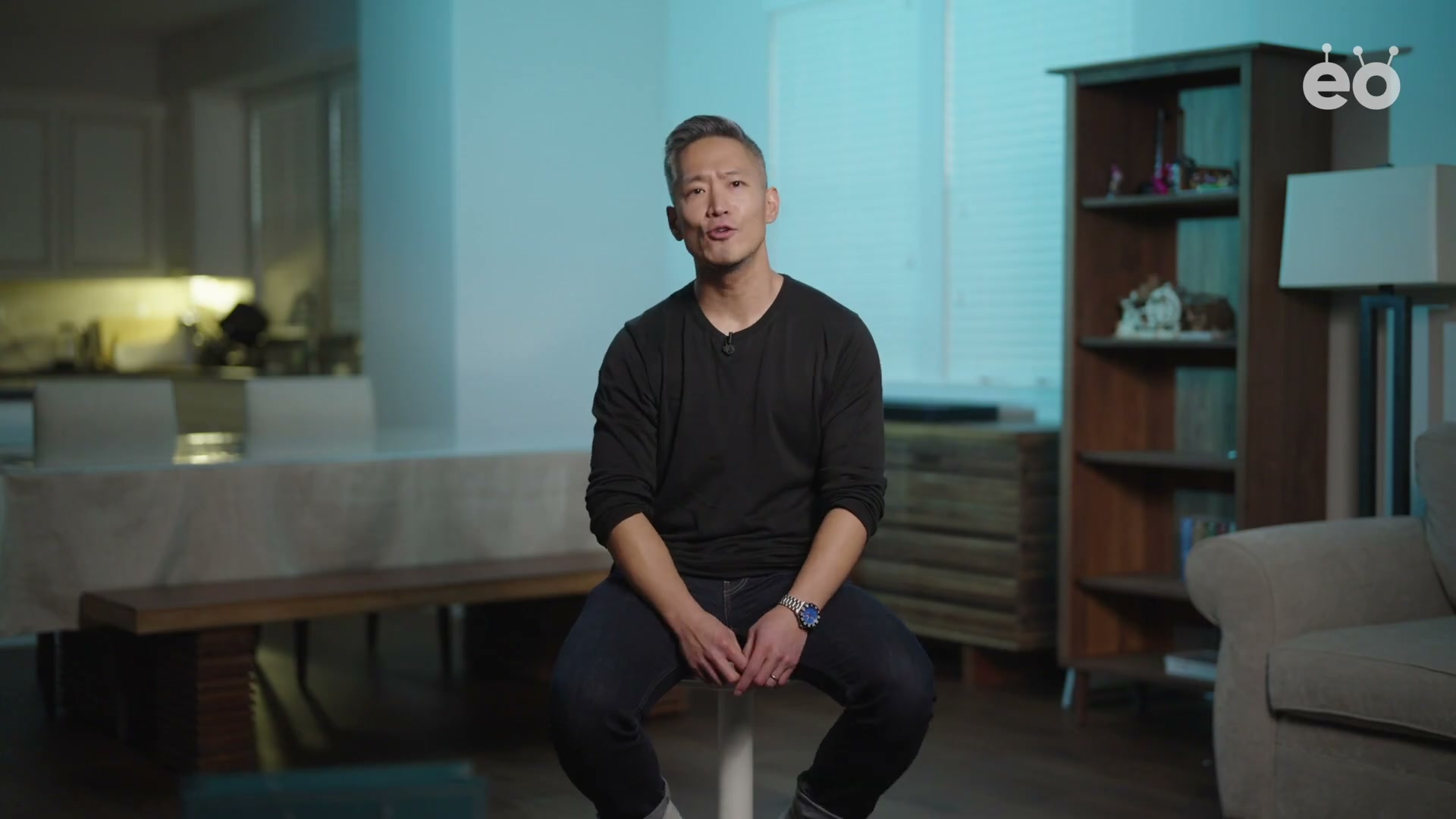
"Finding a good product market fit, it's more of a financing game than building a good product game, and then we didn't have the luxury."
"We spent 4 years together, made many founders' mistakes. I thought I was good at reading what people want."
"It's hard to tell anyone around me that, uh, that was my mistake."
"We spent 4 years together, made many founders' mistakes. I thought I was good at reading what people want."
"It's hard to tell anyone around me that, uh, that was my mistake."
From Rock Star Dreams to Tech Reality
Tell us about your background and how you ended up in tech.
Jungsuk Jay Lee: My name is Chang Sook Jae Lee. I'm currently heading the Zeppeto US team, CEO of Neighbors USA. Neighbors a tech giant in Korea. You can think of it as South Korea's Google. We are operating proto metaverse that people can express themselves, connect, create, and play.
I grew up in Seoul. I was like a cool kid, extrovert, liked to hang out with people. I was walking down the street after school and there was a guitar sound coming out from this building, so I walked down with friends, knocked and opened the door, and there was this guy with ponytail smoking cigarettes and playing the guitar. Oh, you're so cool, can you teach me how to play guitar? Me and my friends, we called him just a master. We made a band and started playing.
I told my mom I wanna quit high school. I'm gonna be a rock star. I can make you happy. She was like, oh son, OK, let's talk about it. Going to college, think of it as an insurance. It doesn't hurt to have an insurance. You have all the freedom you want as soon as you get into college, your life is yours. Deal. Let's do it.
As soon as I got into college, I signed with the label, a music label. I spent most of my twenties in the music industry pursuing my passion for music as a recording artist slash music producer. Long story short, that company went bankrupt. I had to sign with another label. Another bad thing happened, then another label, another bad thing happened. I think I'm beating myself up thinking that like what's wrong with me? What are the things that I can do for now?
I grew up in Seoul. I was like a cool kid, extrovert, liked to hang out with people. I was walking down the street after school and there was a guitar sound coming out from this building, so I walked down with friends, knocked and opened the door, and there was this guy with ponytail smoking cigarettes and playing the guitar. Oh, you're so cool, can you teach me how to play guitar? Me and my friends, we called him just a master. We made a band and started playing.
I told my mom I wanna quit high school. I'm gonna be a rock star. I can make you happy. She was like, oh son, OK, let's talk about it. Going to college, think of it as an insurance. It doesn't hurt to have an insurance. You have all the freedom you want as soon as you get into college, your life is yours. Deal. Let's do it.
As soon as I got into college, I signed with the label, a music label. I spent most of my twenties in the music industry pursuing my passion for music as a recording artist slash music producer. Long story short, that company went bankrupt. I had to sign with another label. Another bad thing happened, then another label, another bad thing happened. I think I'm beating myself up thinking that like what's wrong with me? What are the things that I can do for now?
The Surfer Dude Connection That Changed Everything
How did you transition from music to the tech industry?
Jungsuk Jay Lee: I had a friend, we went to the same school. She invited me to her place and I met two surfer dudes there. That was the day that I did recording for my songs. I was like, hey, check this out. What do you think? And they were like, Oh, cool stuff. So they remembered that I was a music guy.
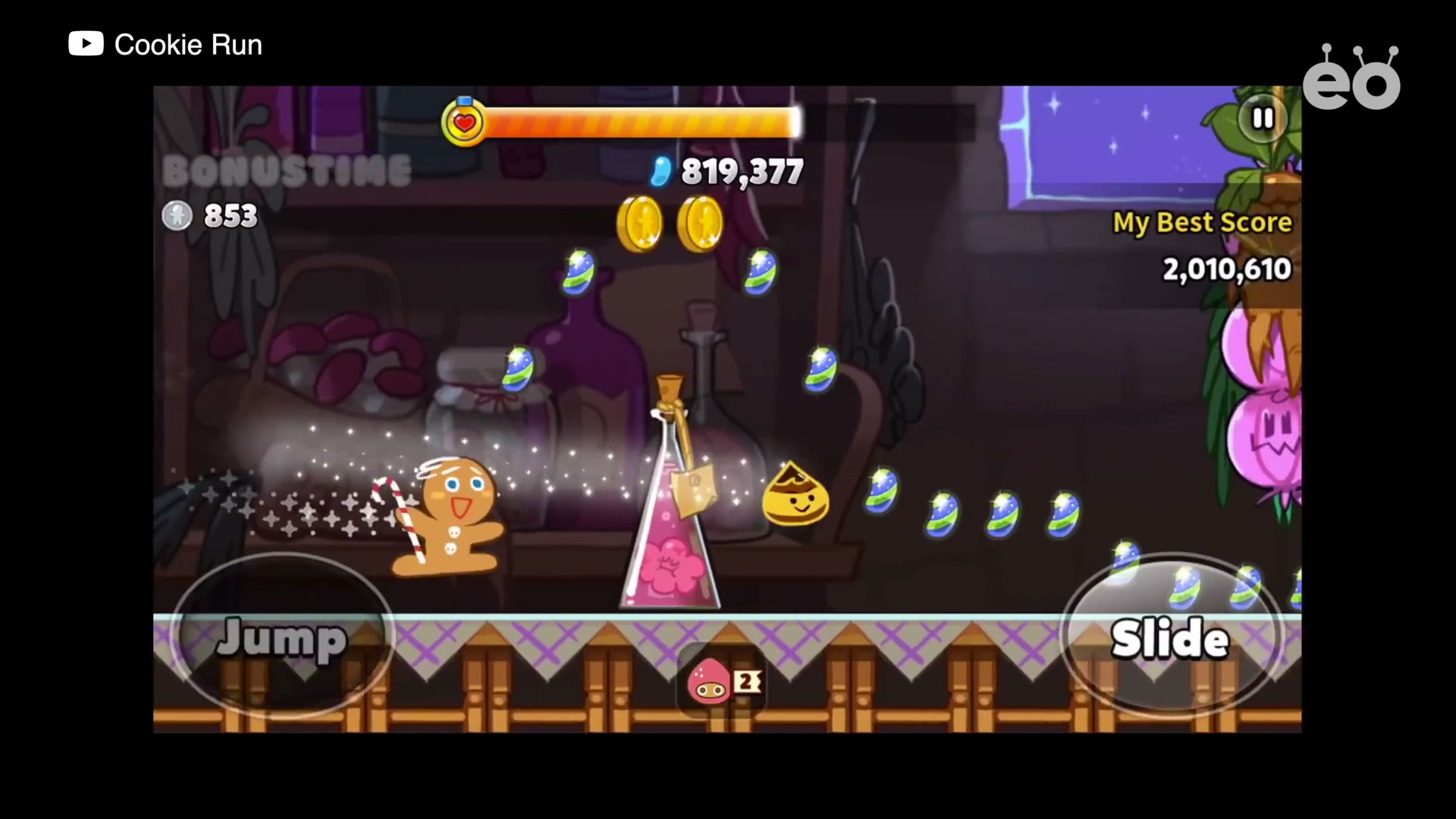
A few weeks later, a couple months later and one of the surfer dudes reached out to me, hey, why don't you come over to my office? Yeah, there were a group of people. It was Daff Sisters that later known as a developer of Cookie Run. They introduced themselves that they're from this internet industry, game industry.
Suddenly the CEO was asking, hey, are you interested in working with us? I was like, you're a bunch of techies. I'm a music guy. What do you expect from me? I don't remember exact wording, but it was something like, this is new. We all have to just learn we don't know what would bring success. I was like, OK, sounds good. And how much are you paying me?
He was basically saying you're gonna only get $1000 a month, but there's a 1% stock. It could be a piece of paper or you can maybe be able to buy a house with it. Here's an unrealized value that the worth of the company is up to us. Do you wanna be on this boat? And I said yes.
I remember my college friends, they were asking me, Hey, you wasted seven years? Like what are you doing? Are you doing this venture thing, I have never heard of the company, you know, getting yourself prepared for some song, and I was like, you do your thing, this is what I'm passionate about.
A few weeks later, a couple months later and one of the surfer dudes reached out to me, hey, why don't you come over to my office? Yeah, there were a group of people. It was Daff Sisters that later known as a developer of Cookie Run. They introduced themselves that they're from this internet industry, game industry.
Suddenly the CEO was asking, hey, are you interested in working with us? I was like, you're a bunch of techies. I'm a music guy. What do you expect from me? I don't remember exact wording, but it was something like, this is new. We all have to just learn we don't know what would bring success. I was like, OK, sounds good. And how much are you paying me?
He was basically saying you're gonna only get $1000 a month, but there's a 1% stock. It could be a piece of paper or you can maybe be able to buy a house with it. Here's an unrealized value that the worth of the company is up to us. Do you wanna be on this boat? And I said yes.
I remember my college friends, they were asking me, Hey, you wasted seven years? Like what are you doing? Are you doing this venture thing, I have never heard of the company, you know, getting yourself prepared for some song, and I was like, you do your thing, this is what I'm passionate about.
Building Buzz Music: The TikTok Collision
Tell us about founding Buzz Music and what happened when TikTok entered the market.
Jungsuk Jay Lee: In 2016, I've co-founded Buzz Music with my best friend, so we wanted to build something that requires very minimal input but sense this person's contacts and provide the most contextually aware recommendation of music based on the timing in the early morning versus at night before going to bed and then we looked at more younger audience so maybe they're open to new ideas, new apps because they are more kind of digital native grew up with iPhones and then what they were basically saying is music to them is more of a social medium it matters more what kind of music I listen to and share with their friends.
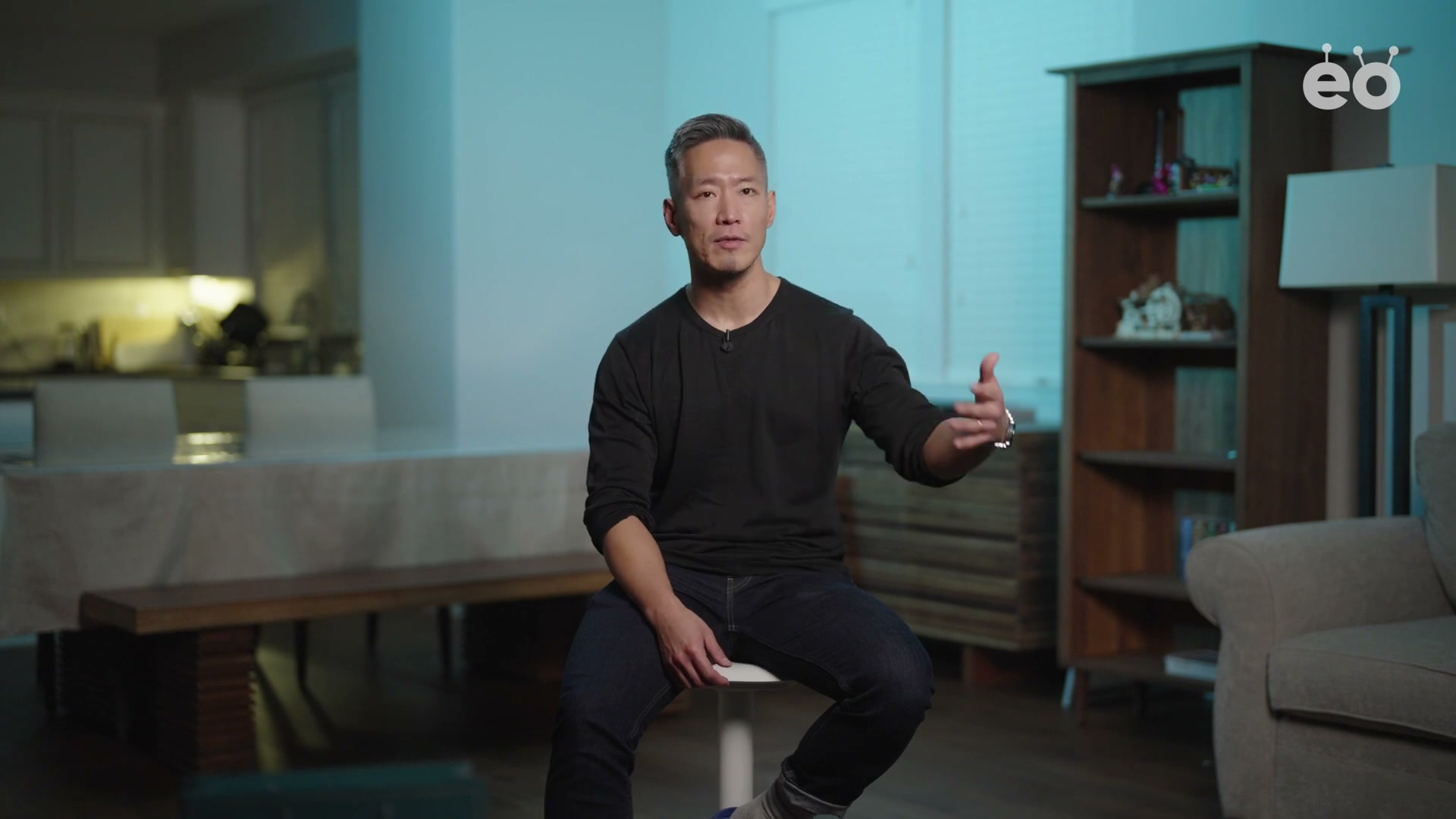
When the company was founded, it was 2016. There was no TikTok in the US. There was only Musical.ly and when we decided to make a pivot, we found an opportunity Musical.ly full of 12 year old kids doing this lip sync and dance. But what if all the high school kids, college kids sharing their music? This is my workout jam. So we saw an opportunity as a sort of a music center social media when there was no TikTok again.
We were able to recruit a lot of content creators who want to build a playlist and express their lives through the videos and add music to it and share that playlist or share a single song and then they were asking more kind of fun ways to express themselves like visual effects. It became more of a less of a playlist but more of a single song and kind of music video of the moment and they started sharing that piece so the growth matrix took off after we made a pivot.
When the company was founded, it was 2016. There was no TikTok in the US. There was only Musical.ly and when we decided to make a pivot, we found an opportunity Musical.ly full of 12 year old kids doing this lip sync and dance. But what if all the high school kids, college kids sharing their music? This is my workout jam. So we saw an opportunity as a sort of a music center social media when there was no TikTok again.
We were able to recruit a lot of content creators who want to build a playlist and express their lives through the videos and add music to it and share that playlist or share a single song and then they were asking more kind of fun ways to express themselves like visual effects. It became more of a less of a playlist but more of a single song and kind of music video of the moment and they started sharing that piece so the growth matrix took off after we made a pivot.
What happened when TikTok acquired Musical.ly?
Jungsuk Jay Lee: The problem is this content creators stopped posting a lot and we had to question like what's happening now. Life is funny. TikTok acquired Musical.ly and started pouring out money and these content creators were telling us, hey, we're getting paid by TikTok. Sorry your product is pretty cool, but my time is limited.
We realized that finding a good product market fit is the only the beginning and we need to find ways to either scale the company like really, really big. It's more of a financing game than building a good product game because TikTok was pouring out money it's just investment and that we didn't have the luxury to pay creators. No, we couldn't really imagine.
I told my team I'm not sure what my vision is now. We made a pivot and did another try but also started having conversations with potential buyers.
We realized that finding a good product market fit is the only the beginning and we need to find ways to either scale the company like really, really big. It's more of a financing game than building a good product game because TikTok was pouring out money it's just investment and that we didn't have the luxury to pay creators. No, we couldn't really imagine.
I told my team I'm not sure what my vision is now. We made a pivot and did another try but also started having conversations with potential buyers.
The Ego-Shattering Process of Failure
How did you handle the personal impact of the company's struggles?
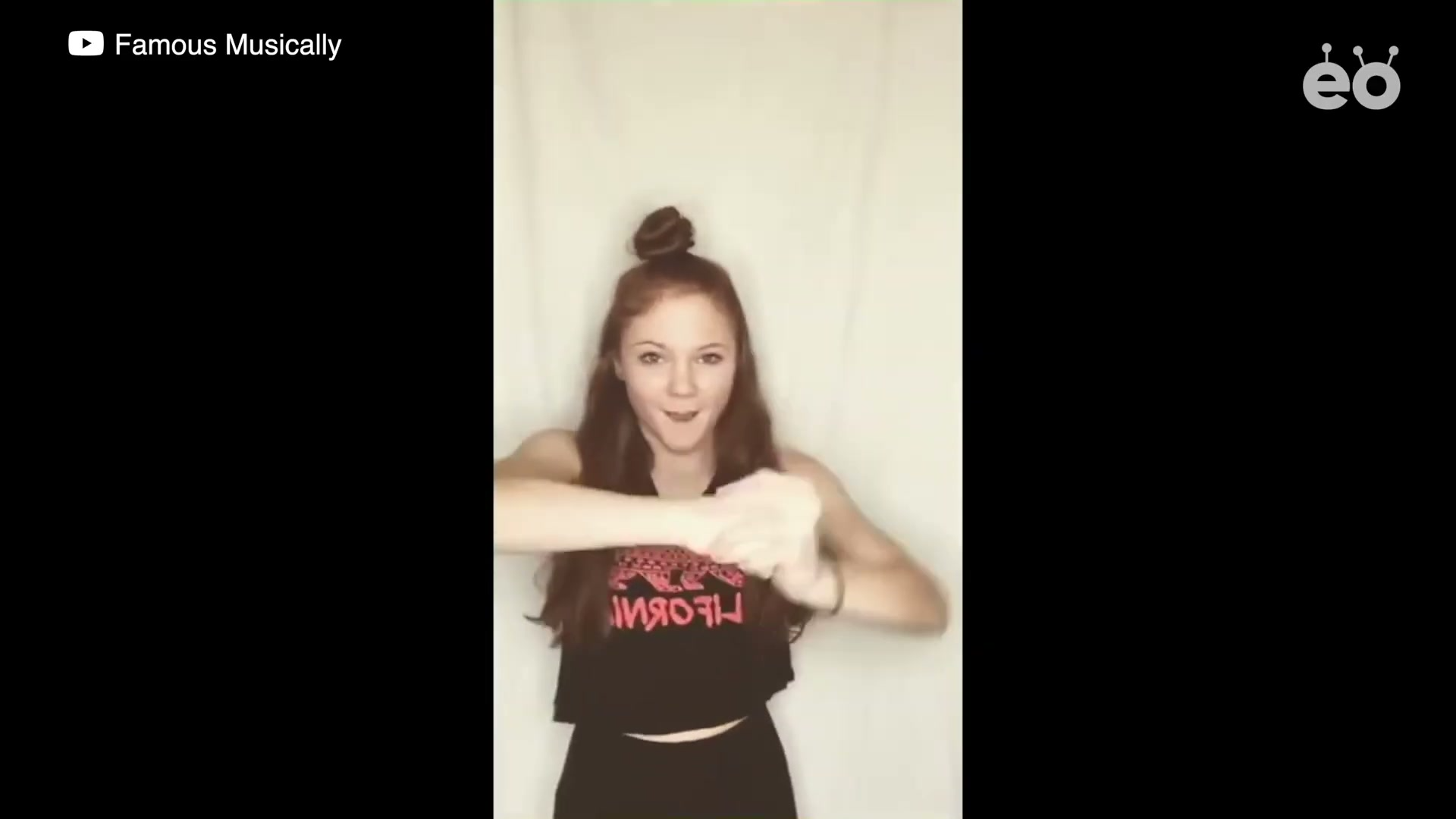
Jungsuk Jay Lee: It's about this process of ego shattering, identity shaking process. I thought I was good at building things. I thought I was good at reading what people want. Who am I if they don't like my work? I had to find peace.
This ups and downs as much as your achievement could feel important, but maybe it's more important than being more real human, learning to share your vulnerability and asking for help, and it's definitely not an easy process. It's hard to say sorry it's hard to tell anyone around me that that was my mistake because I had this huge burden that oh you're the leader, you're the founder, you gotta set the direction yeah of course leaders should set the direction, but leaders also should be able to invite the team members into the creation process and walk them through this is where we are we have to decide.
When I shared with them openly, yeah, they were more encouraging than being disappointed they were more like I've been waiting for this moment that you opened up.
This ups and downs as much as your achievement could feel important, but maybe it's more important than being more real human, learning to share your vulnerability and asking for help, and it's definitely not an easy process. It's hard to say sorry it's hard to tell anyone around me that that was my mistake because I had this huge burden that oh you're the leader, you're the founder, you gotta set the direction yeah of course leaders should set the direction, but leaders also should be able to invite the team members into the creation process and walk them through this is where we are we have to decide.
When I shared with them openly, yeah, they were more encouraging than being disappointed they were more like I've been waiting for this moment that you opened up.
The $500 Million Mistake: Selling Too Early
Tell us about your experience with Devsisters and the decision to sell your shares.
Jungsuk Jay Lee: A lot of founding members left Devsisters. Evangel Capital reached out to us who have the shares and they were basically offering, hey, why don't you sell your shares to us? I was like, OK, how much is the valuation and it was pretty sizable. I could buy a nice condo in Kangnam with that money. It's not bad. I'm not even 30. It's a pretty good deal. So I decided to sell my stocks.
A couple of months later, the company went public at 12x valuation. So it went public at a $500 million valuation.
Humility. A lot of the founding members who produced Oven Break, which later became Cookie Run, creative people left. My reasoning was, yeah, how much you can milk out this one title if you don't have people who can create new game. This company is destined to fail. My arrogant judgment that Devsisters lost its engine, creative engine, that was my judgment, but I was wrong. Yeah, humility.
A couple of months later, the company went public at 12x valuation. So it went public at a $500 million valuation.
Humility. A lot of the founding members who produced Oven Break, which later became Cookie Run, creative people left. My reasoning was, yeah, how much you can milk out this one title if you don't have people who can create new game. This company is destined to fail. My arrogant judgment that Devsisters lost its engine, creative engine, that was my judgment, but I was wrong. Yeah, humility.
Relationships Over Metrics: The Real Success
What are the most important lessons you've learned throughout your career?
Jungsuk Jay Lee: What I learned through my career journey, there were actually many things that I didn't feel like I have much control over. There's a lot of relationships, a lot of random things, external factors that we have to learn how to read the waves and ride them.
Whether you build a product or content or a team or do the pitch, I think people react to stories. If you can't move people's heart all this great metrics may not even matter. That's what I learned it's all about. Finding connections, being able to understand their needs, that's a product market fit, or finding an investor.
I think empathy, being able to connect with people, understanding them is really the key, and I don't want to miss out opportunities to better with people at the cost of better productivity or efficiency, we share lives together. It's not you individually make achievement and prove your worth. It's a thing that we do as people together. I learned to value the relationships.
The one thing I'm super proud of is not ended up getting acquired by another company or being able to return this investment money to the investors and all, but I'm more proud that I still love my team members. We still stay in touch yeah we really appreciate each other that's what I'm proud of.
Whether you build a product or content or a team or do the pitch, I think people react to stories. If you can't move people's heart all this great metrics may not even matter. That's what I learned it's all about. Finding connections, being able to understand their needs, that's a product market fit, or finding an investor.
I think empathy, being able to connect with people, understanding them is really the key, and I don't want to miss out opportunities to better with people at the cost of better productivity or efficiency, we share lives together. It's not you individually make achievement and prove your worth. It's a thing that we do as people together. I learned to value the relationships.
The one thing I'm super proud of is not ended up getting acquired by another company or being able to return this investment money to the investors and all, but I'm more proud that I still love my team members. We still stay in touch yeah we really appreciate each other that's what I'm proud of.
Explore more