
Feb 22, 2023
The Not-so-pretty Story of Growing a CompanyㅣIYUNO CEO David Lee
Interview with David Lee, CEO of IYUNO
Founder Focused

💡
At a Glance
- Who: David Lee, CEO of IYUNO is featured in this interview. The discussion presents the experience and perspective they bring to the conversation, giving readers a clear starting point for understanding the speaker's background, responsibilities, and relevance to founders and operators.
- What: The interview examines The Not-so-pretty Story of Growing a Company. It focuses on global expansion, localization operations, systems, openness, and, with attention to practical choices about customers, products, teams, growth, and impact. Readers will see how the subjects connect experience to decisions and how those decisions shaped the work.
- Traction: This Traction-focused journey follows how David Lee, CEO of IYUNO connected a problem with product, customer, and growth decisions. It shows the evidence behind progress, setbacks, and operating choices that helped turn an early idea into a durable business. The examples remain concrete.
In this interview, David Lee, CEO of IYUNO discuss The Not-so-pretty Story of Growing a Company. The conversation moves from background to specific decisions about global expansion, localization operations, systems, openness, and. Readers will learn how the subjects approached problems, tested assumptions, built relationships, and responded when reality challenged the plan. The transcript also surfaces practical lessons about focus, learning, and execution, giving founders and operators concrete questions to carry into their own work.
Key Takeaways
A Tiny Software Fix Cut Subtitle Costs
David Lee began with a small subtitling operation and replaced a slow VHS process with software that captured files and time codes digitally. The modest automation reduced roughly 30% of the time and cost, showing how a narrow operational improvement can create an early foothold.
Go Global By Living The Difference Yourself
When Korean cable broadcasting remained intensely competitive, David relocated to Singapore rather than sending someone else. He learned that physical presence creates openness to different business practices, helping a leader communicate globally and build culture around local differences instead of imposing one model everywhere.
Use Vendors First Then Build Local Capacity
IYUNO used a vendor to launch Malaysian localization, then opened its own office within about three months and used the resulting capability to win more work. David describes this sequence as a repeatable playbook for turning initial client demand into regional operating capacity.
Cloud Workflows Turn Scale Into Cost Discipline
As IYUNO expanded across offices, spreadsheets could no longer coordinate work or show where resources were available. A cloud platform let offices share workloads and made utilization visible, matching the economics of a business where profitability depends on efficiency and cost optimization.
Acquisitions Can Expand Language Capacity Quickly
After becoming strong in Asia, IYUNO used acquisitions to enter Europe and other regions where organic expansion would be difficult. The strategy combined established local studios, IYUNO's technology platform, and new language capabilities so the company could offer clients services it did not yet provide.
Shared Vision Requires Repetition And Employee Alignment
David says a company's vision must connect with employees' personal interests and careers, especially across cultures. Because announcements are easily missed, the CEO's daily role is repeating the story to employees, investors, and clients until the direction becomes understandable and engaging.
Watch the full interview now on EO's YouTube channel! Below is the complete transcription of the interview. Minor edits have been made for clarity and readability.
Introducing David Lee, CEO of IYUNO
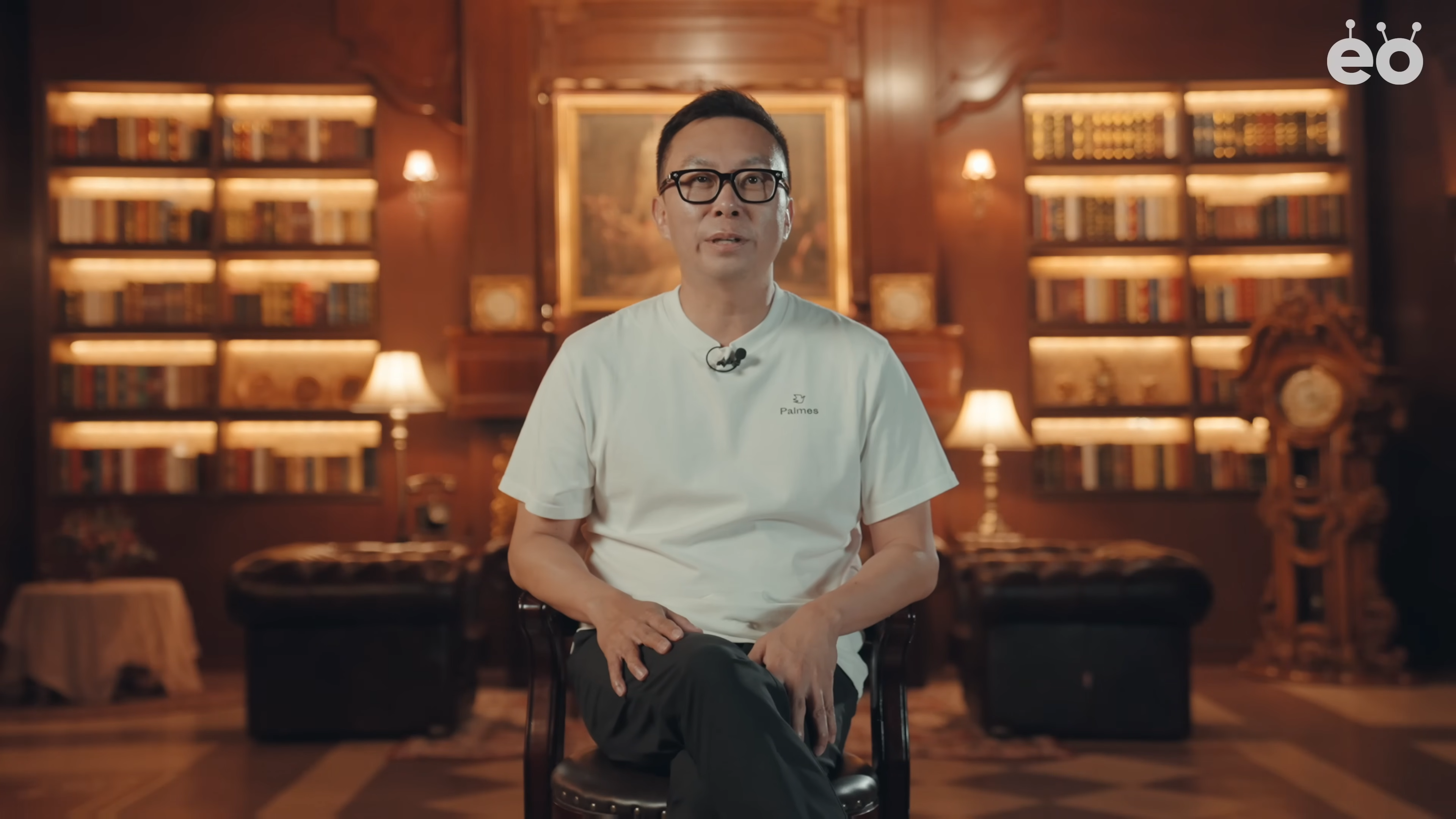
My name is David Lee, and I am the CEO and founder of IYUNO. We are by far the largest media localization company in the world, and that came with the boom of video streaming services going global. What we do is not just translation. Through localization, we need to make the viewers laugh, cry, or even scream. It is really the re-creation of the emotions and the context.
We work with Netflix, Amazon, Disney, Viacom, Sony Pictures, and HBO, and on an annual basis we produce around 600,000 running time hours of localization services per year.
A Video Subtitler's Small Business
I would probably want to go back to my elementary school days. When I was in first grade, my dad was really supportive and he bought me a computer, so I was one of the early adopters, if you will. When I was in college, my passion was to major in mechanical engineering, go to graduate school, and hopefully work at NASA. But in the interim period I somehow started an interim career, and that became my permanent career.
I somehow got myself doing some part time work for a translation company that was very small. It is funny, because that owner wasn't paying very well. So with my colleagues who were working at that small company, we decided to just do our own thing and go out on our own. I had about six months before I would fly out for graduate school, and it was a very modest start.
Three founders paid up about $2,000 each by cash advance, and we got a very small office, because it was only going to be a six to eight month career. The first business we got was subtitling for DVD.
I guess because of my engineering background and my computer geek background, I started developing small pieces of software that would automate some of the processes in that work. The way I used to subtitle, because I was a subtitler myself, was to put a VHS tape in the machine and play it and rewind it, because you can't really hear it all at once. Obviously that was a very inefficient process.
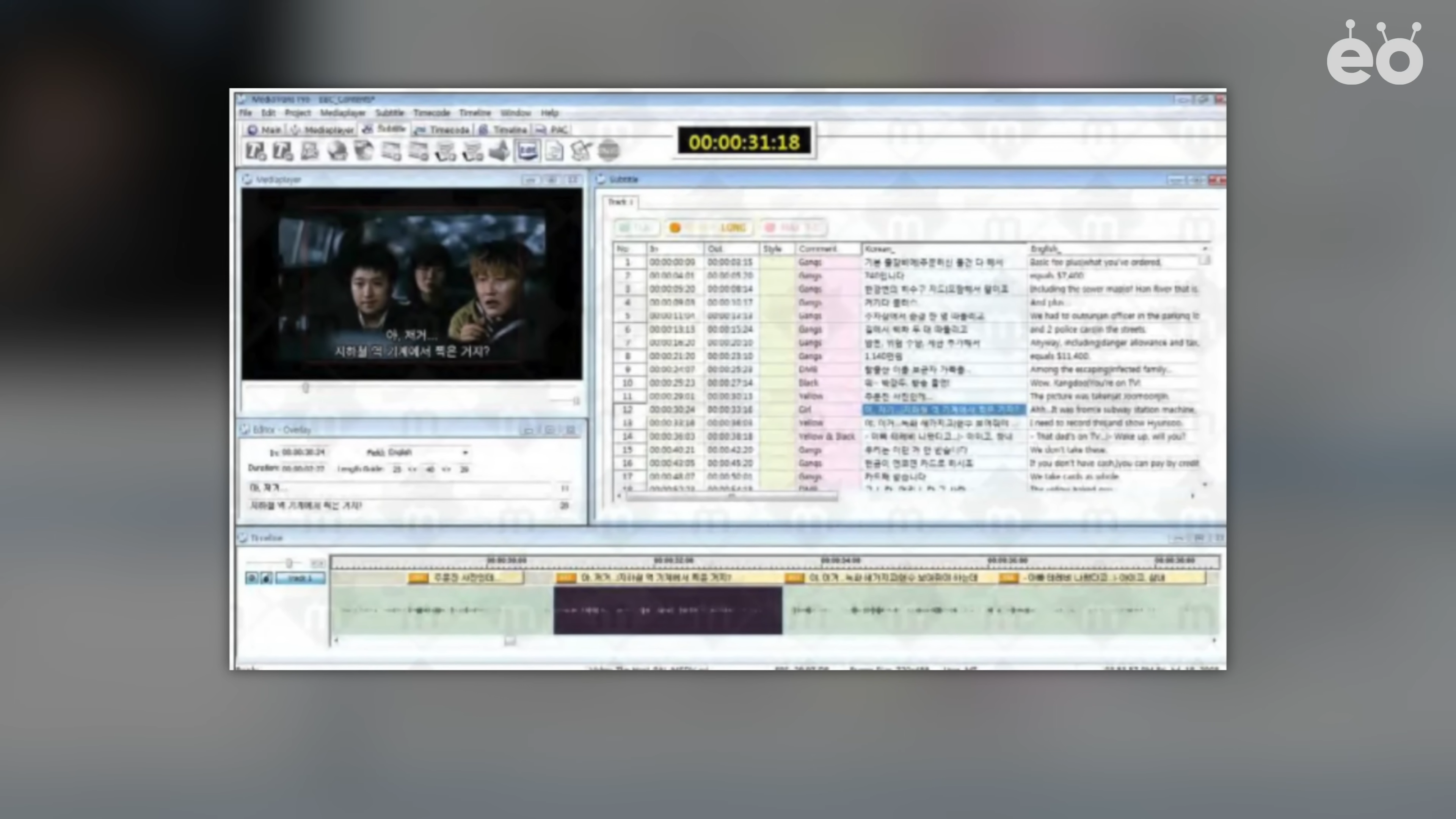
We were moving from a linear broadcast environment to a nonlinear one, which is computer files. It was obvious to me to develop software so that we could record that VHS tape into a file, load it up into the software, and then press a key that would punch in the time codes. Then you just type your subtitle and send that file off, and the client who received those files could feed them straight in and the subtitles would automatically be in the place where they should be.
That was a very small problem that we solved, but we reduced about 30% of the time and cost that was put in, and we were very successful in a way. But after eight months, we realized we were losing a lot of money.
Of course, you may ask me why I lost so much money when we were successful. But they weren't paying very well. I guess things are different in Korea now, but back then there were a lot of clients that were like that. And then I lost all my employees, because they went out and built another company.
We decided that we were not going to do DVD subtitling anymore. I thought broadcasters were bigger, so we moved over to cable broadcasters, and luckily they paid a little bit better than the DVD companies. That was about eight years since I started.
Go Global and Build Openness
Even with the cable broadcasters we weren't very profitable, and the price competition was still pretty intense. I guess it was a little bit cruel. We had an exclusive contract with this client, and I didn't go to his wedding. I mean, not his wedding, his mother in law's funeral. We somehow started losing business. The business was going down and they were giving it to another competitor. I was chasing him and he wasn't answering my calls.
Then one day he popped up and he said he was very disappointed that I didn't show up to his mother in law's funeral. That was the reason we got cut off, and they were 50% of our revenues. I don't think this should be broadcast, just because I don't want to offend Korean viewers. I'm sure it is a lot different now, but it was a much more demanding and highly competitive market, because Korean people are very passionate.
What we then decided was that we would go international, because we couldn't really see ourselves as a single language provider. Our only international client then was Discovery Asia, and they were based out of Singapore. It was pretty obvious for me to head to Singapore as the next step. I think what I did right was to relocate there myself rather than sending someone there. For you to live that difference is very important for you to start building that openness.
Even the people who you might think are open, if they are not exposed to international business practices, tend to think very locally. Leverage that difference to build a core or unique company culture, rather than building a company culture and forcing it onto the different parts of the world where they have different practices. That usually results in resistance and failure.
You also need that openness to be able to communicate globally, and that is not just with your employees. In any business of any size, the leader has to be a salesperson. You either sell to the investors, or you sell to the clients, or you sell to the employees, and building that embrace of what is different was the key factor that enabled us to access that client. So I think that physical presence is very important for any business.
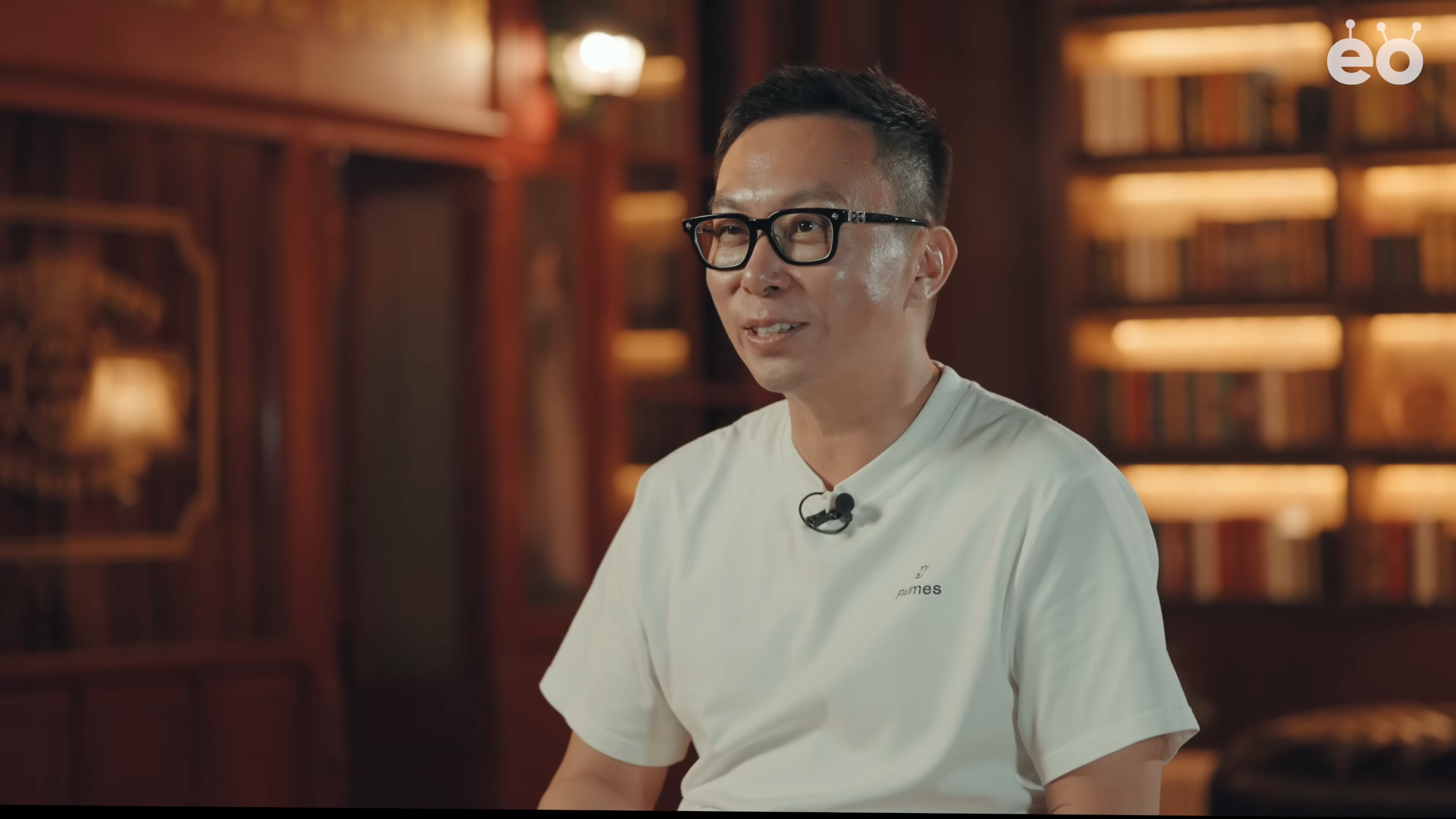
About ten months after I moved to Singapore, Sony was launching a channel that was going to air only Korean content. The problem they had was that they had to somehow transfer these very, very heavy video files, which are very high resolution, over to Singapore. I offered them that if they used us, we would have our Korean office take their files, use the regular internet to transfer those files to Singapore, and then deliver them in the form of portable hard drives. So for about two years I was delivering portable hard drives to Sony, which was five or 10 minutes from my home. But that got us the deal.
They first launched in Malaysia. Initially we used a vendor, a Malaysian company, to do the localization, and then within about three months we decided to launch our own office. That somehow became our playbook to win the business. We use a vendor first, and then with that profit we build our own operations. And then I would go to another client and say that now we have a Malaysia office and we are providing Malaysian services.
I think that playbook somehow took us to being Asia's strongest player within about four to five years, and we became known to the other parts of the world as a strong Asian player as well. I think the second wave was when Netflix was going global. When Reed Hastings announced that they would launch in 100 something countries, we got into those opportunities and we successfully delivered. So we became a very strong service provider and partner, and that really brought us to the next level.
Get the Best Price and Optimize Your Costs
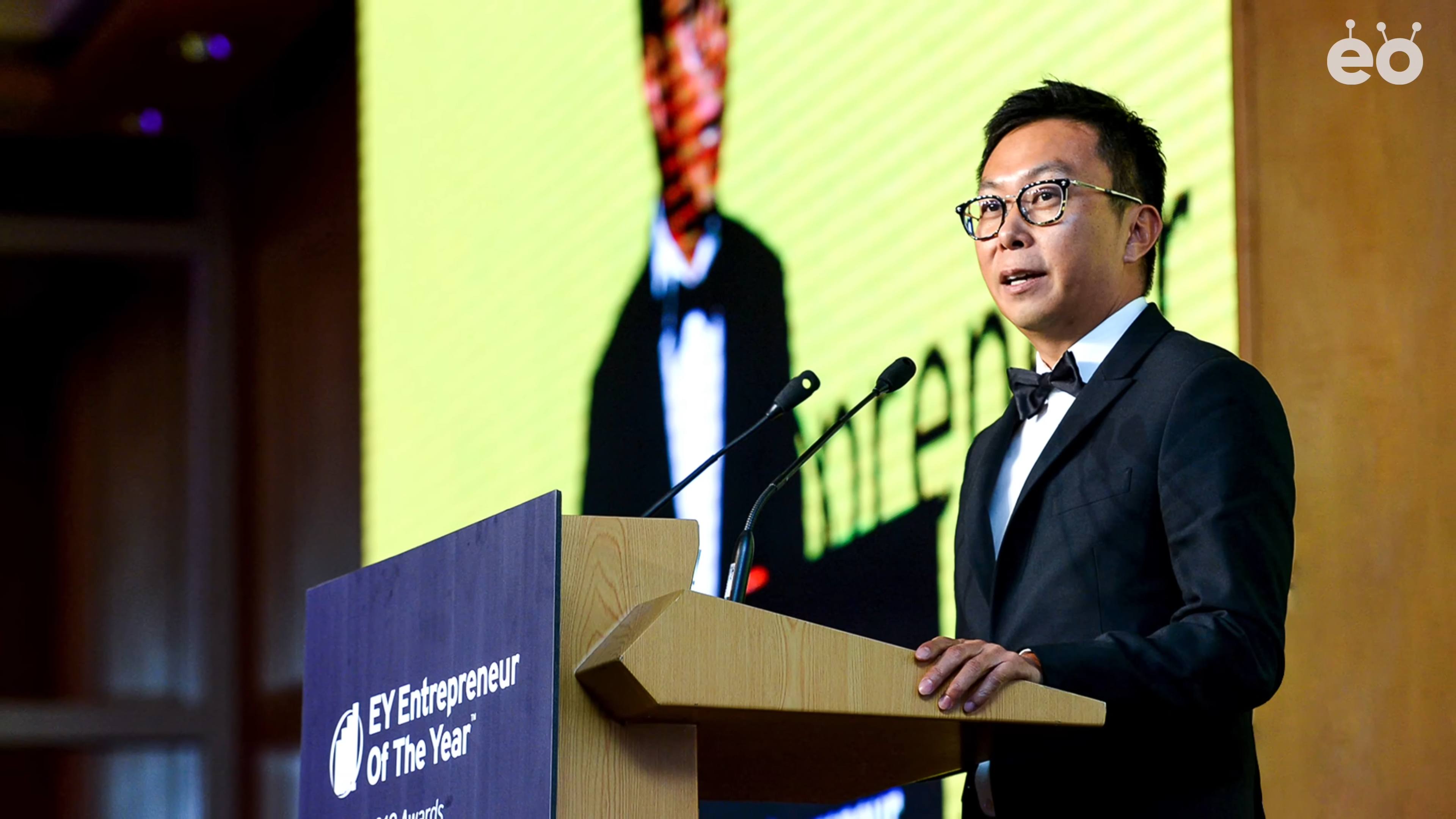
By the time we were scaling up as an Asian regional localization company, we decided we couldn't do this with spreadsheets anymore. So we started developing our supply chain management software, which is really a cloud based platform that would visualize our different offices and where the workflows are.
There were competitors who were not cloud based, but it was very obvious for us to build a cloud platform, because we were internationally operational and maximizing the utilization of our resources was very important for us. If the office in Singapore was low on volume, being able to support other offices was the right optimization. For that to happen, it had to be one workplace where every office could plug in, get access, and share those workloads. The first piece of subtitling software that I developed was offline software.
The problem I faced when we were really small was that these translators are normally part timers, and we have due dates to our clients. So we give the work to a subtitler and all of a sudden he shuts down his phone. He would never answer. This translator had the script, and that was the only script.
I drove to her home at around 10 p.m. and pressed the doorbell, and then she came out and gave me back my script. Obviously that is very irresponsible. They could just say that they don't want to do it and send it back, and then we get into chaos.
So for us to be able to visualize what he is doing was very important, and that was the main reason I wanted to build cloud software. In cloud software it is like Google Docs. If you are typing something into Google Docs, I can see it.
Every business is different nowadays. There are growth themed businesses, but our business is pretty straightforward. You can't do quantum J curves in our business. You get a certain amount of revenue, and normally you can expect that, and then it is all about cost optimization, because that is the only way you can make profit.
So you can either use technology to make yourself efficient, or make sure your resources are all utilized. The nature of the business is to get the best price and to optimize your cost.
When we became the strongest player in Asia, we had to go to Europe or the US. In the US we had a small office back then. Europe is obviously a very different world, and we didn't think it was easy to go organically into those regions. So the right path was to go there through acquisitions. We were confident that if we bought a studio we could plug them into our platform, because we had technologies that could do things very efficiently, and they would provide some client access.
We were thinking of those synergies. I was a very close friend of JP, who now heads SoftBank Ventures, and he was impressed with the accomplishments that we had made. So that was our first funding, which was in 2018.
Continue to Build Capacity
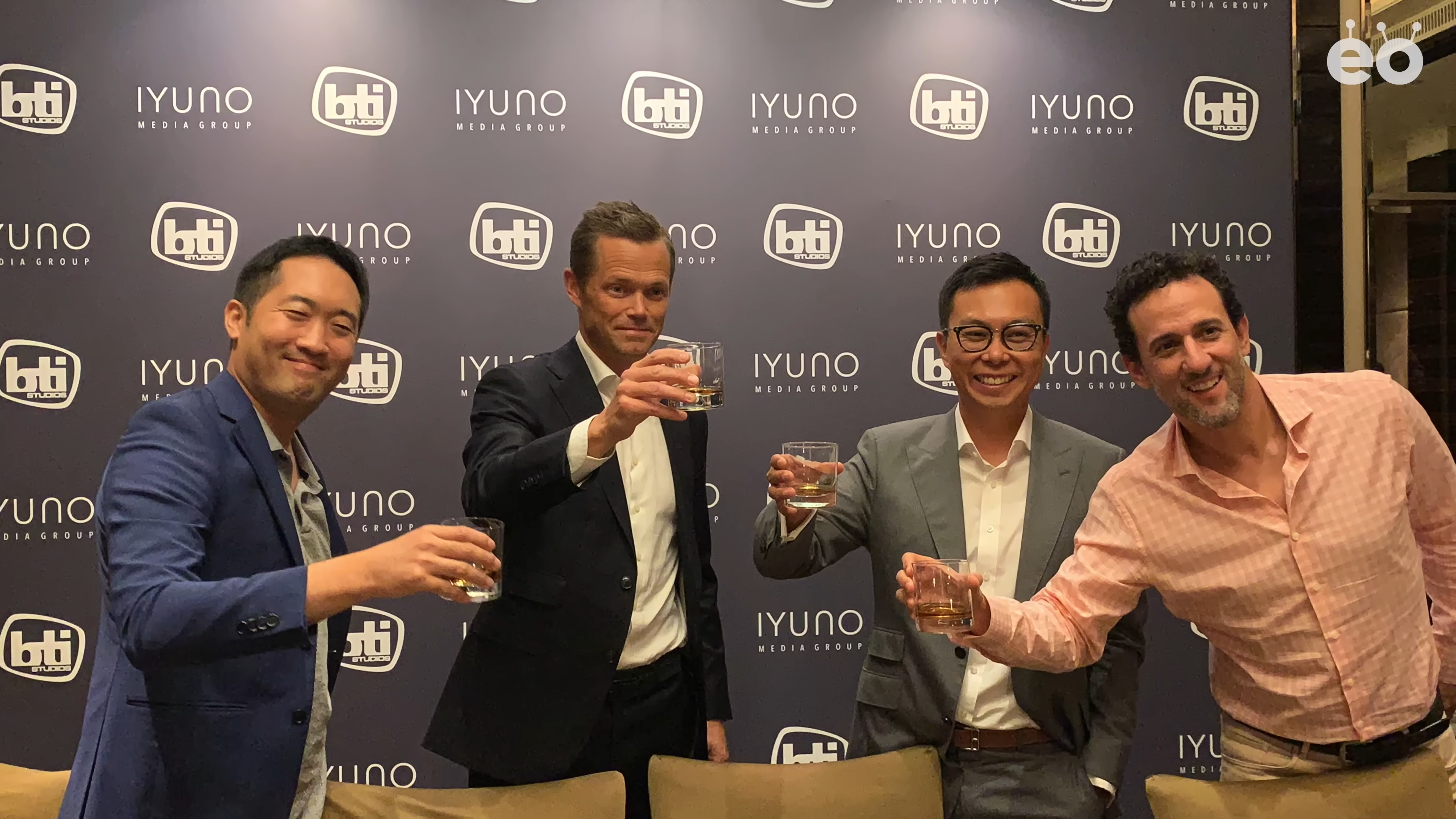
We started in 2002, so it was about 16 years of organic growth, followed by a mega-merger with a European player called BTI. BTI was a much bigger company, about three times bigger than us in terms of revenue. Eventually it became a sort of a 1 to 1 swap merger, and we became one of the two global players.
The other player was SDI, and there was us, and then came COVID. I was always meeting up with the owners of SDI back then, and during COVID they wanted to sell the company. By then we had brought in SoftBank Vision Fund. They trusted the story, they believed in the story of consolidation, and they came in and effectively funded the acquisition of SDI.
So we merged and we became the biggest player. Like I said, now we are a much bigger platform, because we have access to the biggest clients around the world. We have a very strong technology base and economy of scale, so we are cost efficient in providing centralized backend functions like finance and technology. So our playbook is to acquire these studios and continue to build capacity, and if we are not providing a certain language for a client, it is very obvious for us to acquire a studio that is well established in that region and propose that service to a client and grow ourselves.
Get More Confidence in What You Do
The right way is not very difficult to define, because if you can build a flying car, it should be the right way. If you think video streaming over the internet is better than delivering video tapes through packages, then think about the ultimate term of things. There may obviously be technological or realistic constraints, but those paths are pretty obvious in whichever industry you are in.
For us, the vision is to be able to connect people through accessibility to other languages and to deliver the original content creator's intent effectively. I guess those things are pretty obvious. But once you are in that journey and you go through these small successes or big successes, I think naturally you get more confidence in what you do, and the more confidence and the smaller successes enable you to build that resilience. So through challenges you maybe become more optimistic, and in a way those experiences enable you to be less burdened by those responsibilities.
I think any entrepreneur is either overly confident or a little too incompetent, but I think the right balance is always important. It is important to be humble. But if you have been in an industry for a lot of years and you understand the dynamics very well, and you know where this industry should head and you know you are capable of delivering that, then obviously we are in a really good position now to become that strategic partner for our clients, and I think that is going to deliver a lot of growth for the company.
On the other hand, there are a lot of other media that require localization, which may be the YouTubers, the e-learning companies, and the games. So for us to be able to be that front runner, we are in the process of developing something more platformized, where you can plug in your contents and it will run through the engines and the resources in an automated manner. It won't be a highly tailored creative service like the one for the major, major broadcasters.
Ten years down the road, maybe we will continue to become the world's largest media localization player. But at the same time we will have a significant amount of business in the content distribution world. We will also have a significant, well established platform where anyone, literally anyone, and you guys as well, can plug in your content and it will come out with localized versions.
I think entrepreneurship is a master art. You have got to be a master in everything.
A Vision Aligned With the Interests of Employees

You have got to be your own Superman. It doesn't mean that you are going to solve all the problems. Like I said, bringing in the best people, the ones who are smarter than you and better than you, is important. Am I happy? I am very happy. I am very happy. After all those years, given where we are and where we are headed, it is still going to be a very exciting journey.
I know we have a lot of problems every day, and any company should have a lot of problems, but we are getting better over those years. I tend not to be urgent about things as long as we are getting better. Slow and steady wins the race has been my game. And this company is already pretty big, so as long as we do our things right day to day, that is part of the journey. It is meaningful, because it comes after those challenges. And if I was in my twenties, I don't know.
I mean, like I said, it wasn't my whole passion to start the business. I was sort of brought into this fate. No matter how small or how big the business is, it is very difficult for 100% of everyone to be aligned to your thoughts or your directions or your vision. Everybody has different thoughts, and I don't think that is bad, because those other opinions tend to balance out and correct the direction in case the tactics or the strategies are wrong.
But I guess delivering something for people to be excited about on the journey is a very important thing for morale, and morale is everything. I think culture is everything. Obviously that vision has to be shareable and understandable by the employees. You can't just say some off thing that nobody is going to get, where people ask what you are talking about.
So the vision has to be detailed and in line with the interests of the employees, and their personal career and personal interest are very important. And of course, your vision and your growth obviously have to be in line with that. How you get there is more strategic, so that vision has to come with the details of your strategy, and getting there I think is important. Now, once you form that story, one of the core roles as a CEO is to repeat your story again and again and again, whether that is to investors or employees or clients. That is my daily job.
What surprises you, especially when you are multicultural, is that your vision doesn't really deliver as per your expectation. So people may not join the town hall. People are just not engaged. The only way out of it is just pure repetition. So internal communication is very important for our company, and we have had numerous experiences where we announced something but it was never delivered. Honestly, the best solution that we have come up with was to repeat it, again and again and again.
Explore more