
Jul 31, 2023
This 12-minute Video Might Just Change Your LIFE l Paul Bragiel EP.2
Interview with Paul Bragiel, Founder of Golden Gate Ventures
Founder Focused


💡
At a Glance
- Who: Paul Bragiel is the Chairman and Founder of Bragiel Brothers and Golden Gate Ventures. An entrepreneur turned global venture capitalist, he served as an early advisory board member and seed investor in Uber when it had fewer than ten employees.
- What: Bragiel Brothers and Golden Gate Ventures manage global early-stage seed funds across emerging and developed tech markets. Operating as a digital nomad for ten years across 40 countries, Bragiel bridges Silicon Valley capital and mentorship with regional startup ecosystems.
- Lesson: How diversifying early-stage investments across global portfolios generates top-tier returns while building emerging tech ecosystems. Bragiel manages seven global funds across Silicon Valley, Southeast Asia, Africa, Europe, and Latin America without a single fund losing money, backing foundational platforms like Sendy and Moringa School.
Paul Bragiel transitioned from running tech startups to becoming a global venture investor, backing Uber when the company had fewer than ten employees. Realizing that emerging markets lacked early capital and experienced mentors, Bragiel spent a decade as a digital nomad building seed funds across Africa, Southeast Asia, Europe, and Latin America. Today, he manages seven regional VC funds that connect Silicon Valley networks with high-growth international founders. His career demonstrates how global portfolio diversification manages venture risk, why backing authentic human founders matters most, and how early capital can transform regional startup ecosystems.
Key Takeaways
Global Funds Bridge Founders To Missing Resources
Paul Bragiel built funds across continents after governments asked him to connect local entrepreneurs with Silicon Valley. His experience showed that founders often know what is happening globally but lack access to capital, mentors, and people who have already built companies.
Local Problems Require Technology And Constraints
Paul’s African investments apply modern technology to older, local problems such as shipping, logistics, and technical education. The work is difficult because power and connectivity may fail, but those constraints force founders to find solutions suited to the realities of the place they serve.
Evaluate Founders By Their History And Motivation
Paul looks at what founders built earlier, how they think through a plan, whether they persevere, and what motivates them. He is not searching for one perfect answer. He is collecting evidence about whether someone is curious, committed, and prepared for the fight.
Diversify Venture Risk Across A Broad Portfolio
Paul treats venture capital as a portfolio game, investing in 30 or 40 companies rather than relying on a handful of bets. Individual companies remain highly risky, but diversification gives a small number of winners the chance to offset many failures.
Curiosity And Humility Improve Investment Judgment
Paul describes venture capital as being paid to learn from people creating new industries. Staying curious, humble, kind, and hardworking helps an investor listen, absorb information, and make better decisions without placing personal status above founders or their experiences.
Start Building Before Overthinking The Idea
Paul’s cross-country bike ride began with an inspiring idea, a quick call to his brother, and a bicycle purchased two weeks later. He believes execution makes an idea special, because taking the first step prevents overthinking from talking you out of ownership and action.
Watch the full interview now on EO's YouTube channel! Below is the complete transcription of the interview. Minor edits have been made for clarity and readability.
Introducing Paul Bragiel, founder of Golden Gate Ventures
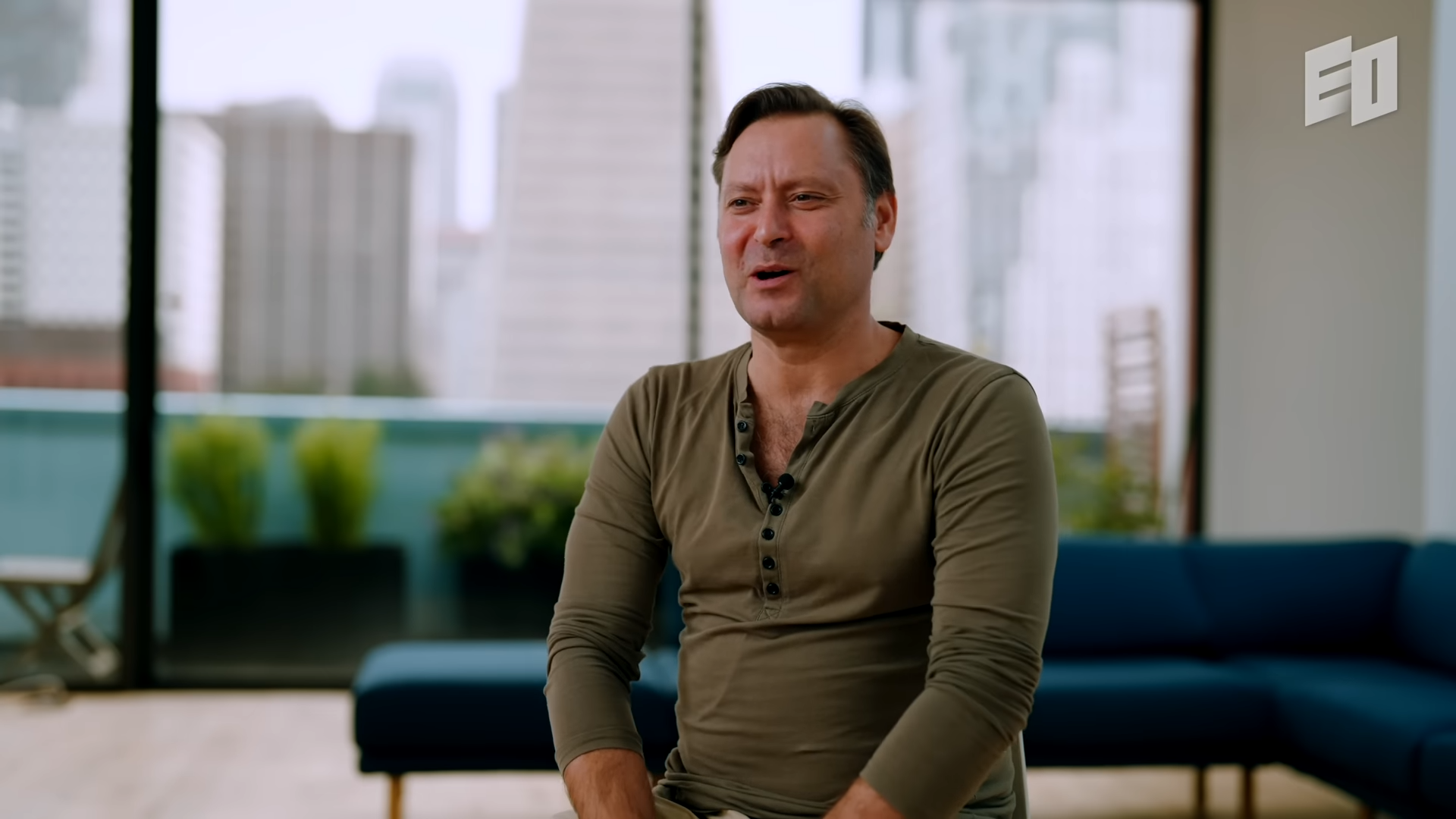
Hey, everybody. My name is Paul Bragiel.
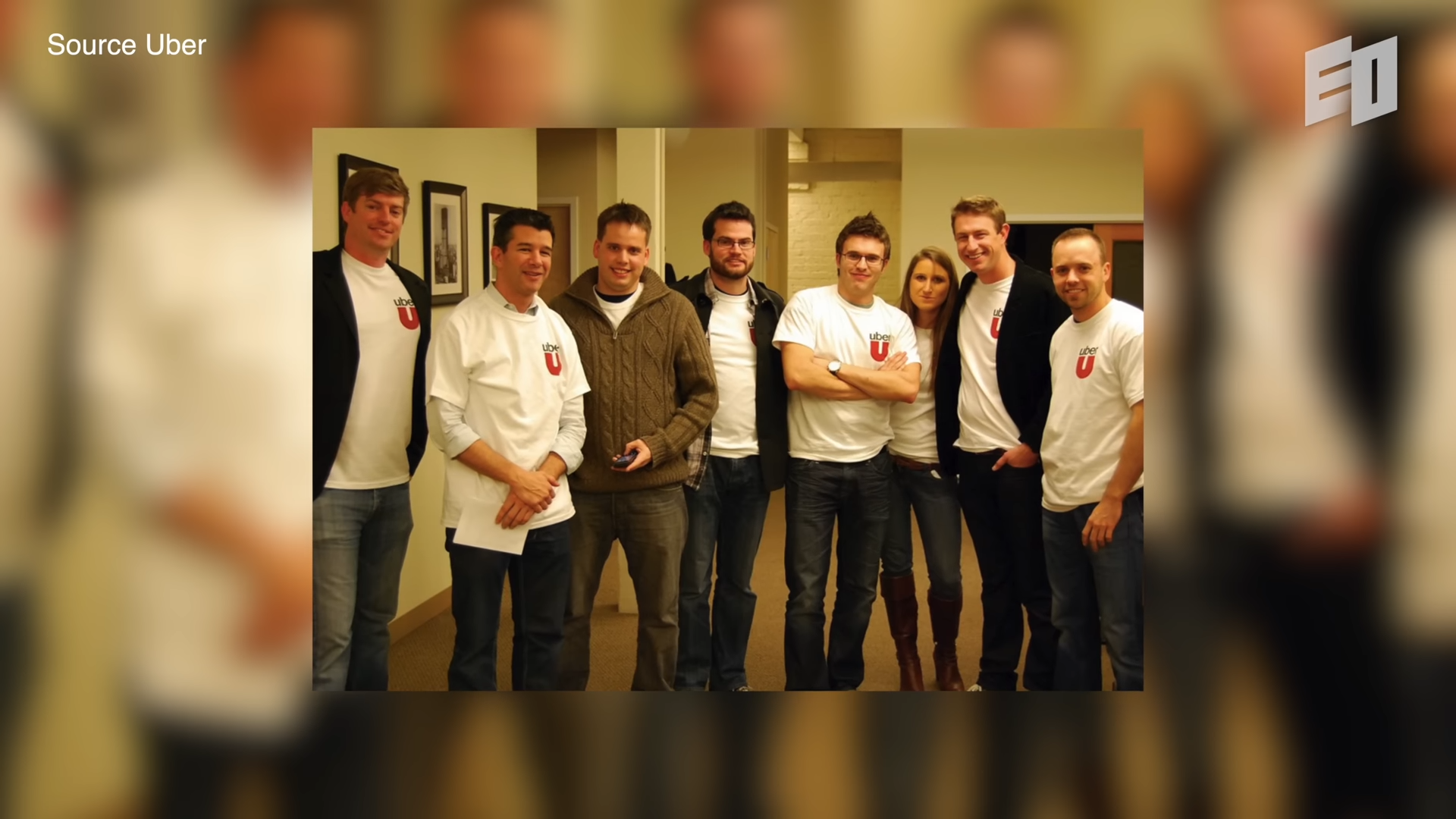
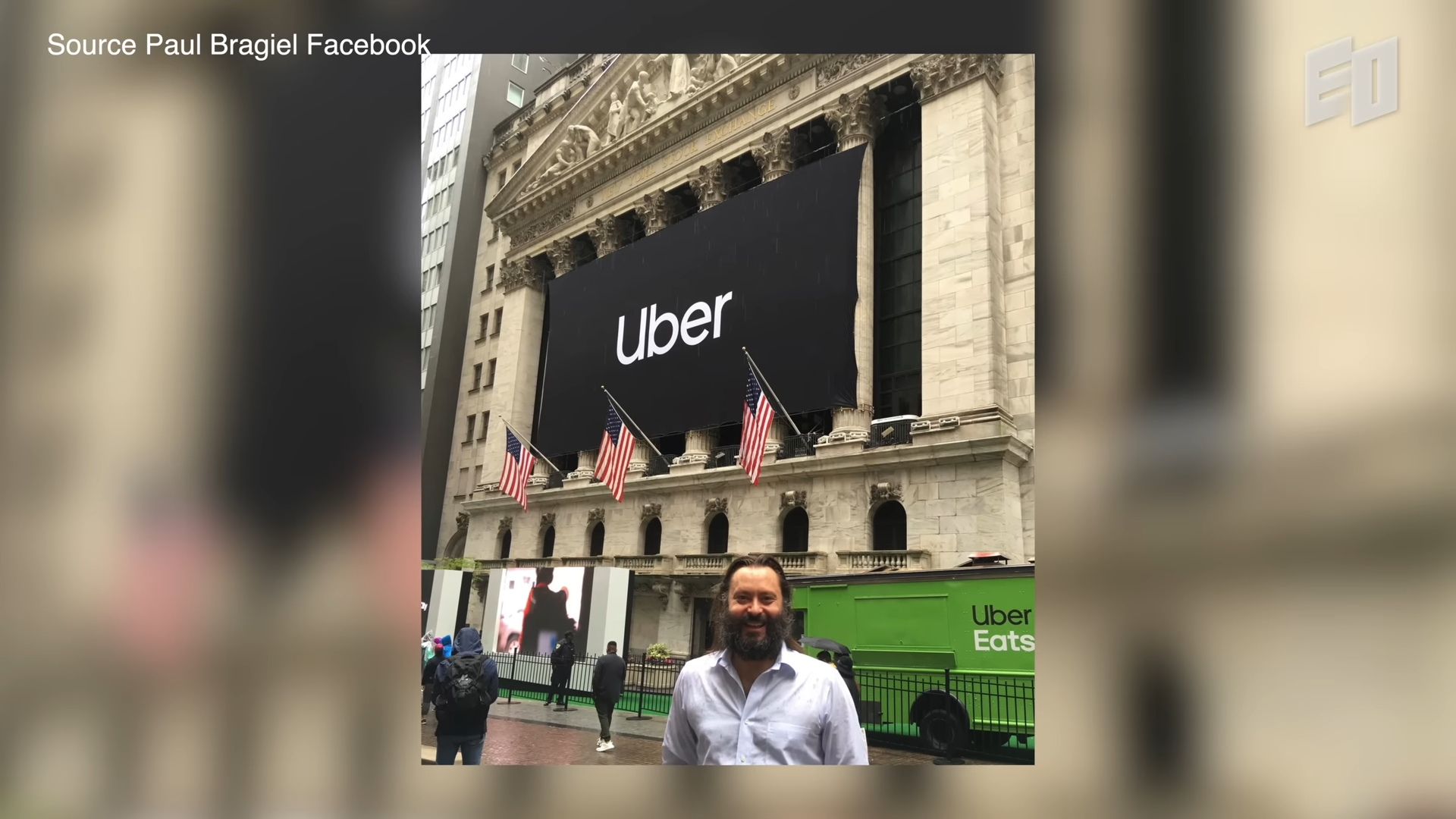
What I'm really well known for, probably here in Silicon Valley, is that I was an early investor and advisory board member to Uber. I joined the company when there were fewer than ten people working there. The valuation was puny, so it was an amazing exit, and seeing that company rise was one of the highlights of my career. I made good money.
Being an entrepreneur, I probably could have retired off that money, but I've made a lot more as an investor. So honestly, I'd say I was a decent entrepreneur. I'd say pretty good, but I know better entrepreneurs than me for sure. As a VC, I'm probably better, and I feel my skill set is better as a VC than it was when I was an entrepreneur, and I thought I was a pretty good entrepreneur. I would have never expected that when I was younger. And my portfolio looks very, very diverse.
Why He Set Up Investment Companies Around the World
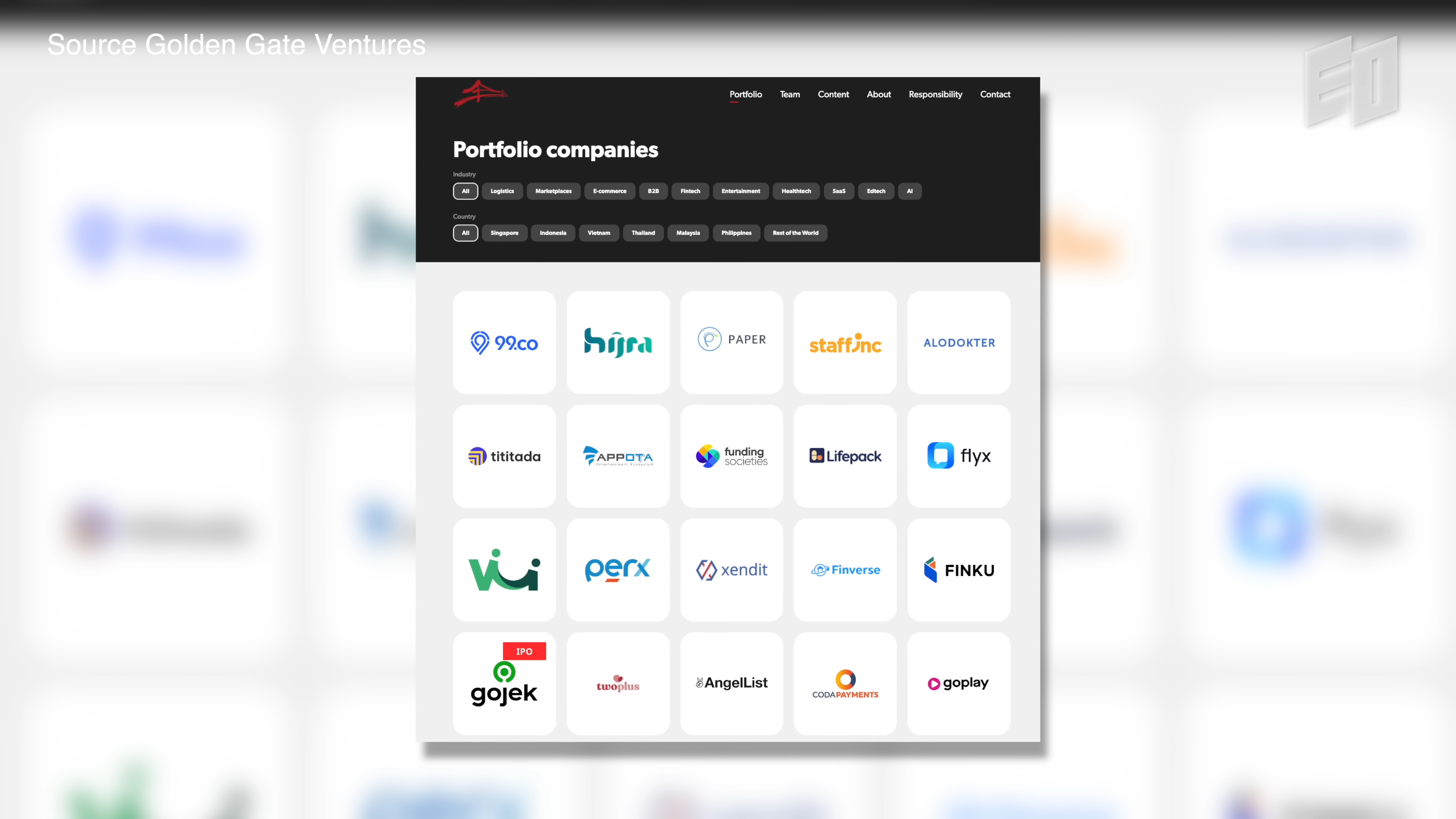
We have offices on every single continent, and we have invested in over 40 different countries around the world. In each region we tend to invest in slightly different things. If we are investing in Africa, we are doing mostly education, tech or energy. Here in Silicon Valley it is a lot more cutting edge, really far out there stuff.
In Asia it is more related to whatever is popular and hot in that region. So the portfolio is super diverse. The common theme is amazing founders and a good founding team. When we like that, we put more money in. I currently have seven funds that I'm the chairman and founder of, and it spans the whole globe.
We have one based here in the United States, we have one in Asia, we have two in Africa, two in Europe, and then one in Latin America. People always ask me why I have funds all around the world, and there are two reasons. One, I like to travel, so let us be honest, this is building to my lifestyle. It is a small piece of it, but it was something I enjoyed.
Why He Doesn't Need a House or a Car
I knew I'd be gone for a year. I was living in San Francisco, so I sold my home, and I said, okay, full focus, because I wanted to focus. There is a famous saying, burn the bridges. Now that I have all these offices around the world, I'm very rarely in one place for more than a month or two, so it makes almost no sense to have a house.
Last month was the 10th year anniversary of me being nomadic, so I've been doing this for ten years now. The second reason was not planned. Again, I don't plan that far ahead, but it was opportunistic. When we launched our first fund here in San Francisco, a lot of governments started coming to us.
The Singapore government came to us, the Brazil government came to us, and the Estonian government came to us, and they said, hey, Paul, we would like to tap into your Silicon Valley network. My eyes opened up and I'm like, wow, the whole world wants a piece of what is happening innovation wise and staff wise here in San Francisco. Maybe I should be the person who helps bridge those countries.
So I took it upon myself to go out there and start funds. As I started traveling to these places and getting to meet the entrepreneurs, I learned two things. One, all the entrepreneurs all around the world, from random parts of Africa to Asia to wherever, read similar blogs and have similar information. People know what is going on.
But what they are really missing is access to money. In a lot of the places we went to, we were either the first or one of the first few VC funds in that whole region. And second, they are missing access to mentors and people who have built companies before. When we went to Southeast Asia and started our fund in Singapore in 2011, we were one of the first three or four VC funds in the whole region, not only Singapore but in all of Southeast Asia.
All the entrepreneurs we were meeting were the first generation of technology entrepreneurs in that country. Here in Silicon Valley I was maybe the fourth or fifth generation. There were the guys who made the transistors and the guys who made the chips, and then it was operating systems and the web stuff, and then we were there. So I had people before me I could look up to. In Southeast Asia or Africa or Latin America there was nobody, because they were the first generation.
We wanted to plug that gap. So I saw an opportunity. There were smart people there, but they needed money and they needed connections. I could do this, and I did it. And so we just started building funds to help support these entrepreneurs around the world, and I get a lot of satisfaction from that.
We were one of the first funds on almost every continent around the world. It is really a fun legacy to be part of. We started the oldest or second oldest VC fund in Africa.
Why He Created a Super Big Money Fund in Africa
With that comes a lot of experience and a lot of failures. What is interesting about Africa is the problems you are trying to solve. We are not trying to build the newest VR headset or artificial intelligence. You are trying to go out there and solve problems that maybe got solved in Europe and Asia and America 50 years ago.
For instance, one company we got involved in is a brand new shipping and logistics company. Imagine what it would be like to start a brand new UPS or FedEx. What would you do if you had all the technology available to you today, but you could do it in a brand new place, and also with all the constraints of the continent?
So we invested in a company called Sendy, and it is one of the biggest logistics companies on the continent. It is the biggest one in East Africa. You look at problems from new technology, but old and weird local problems. It is super cool.
We are also involved with a company called Moringa School. It is the largest technology and computer science education school in all of East Africa. How do you go out there and teach young African kids how to program and get them jobs and things like that? It is super exciting, but they are different problems. Sometimes the power is not working, or sometimes it is the connectivity, and you have to go out there and find ways and solutions to get around it. So you are solving problems in a very different way.
We have had some really nice companies and they are growing. The turnaround for exits is a longer time scale, but it is super duper rewarding. We are really proud of our work there in the continent of Africa.
How to Find Good Entrepreneurs in a Short Period of Time
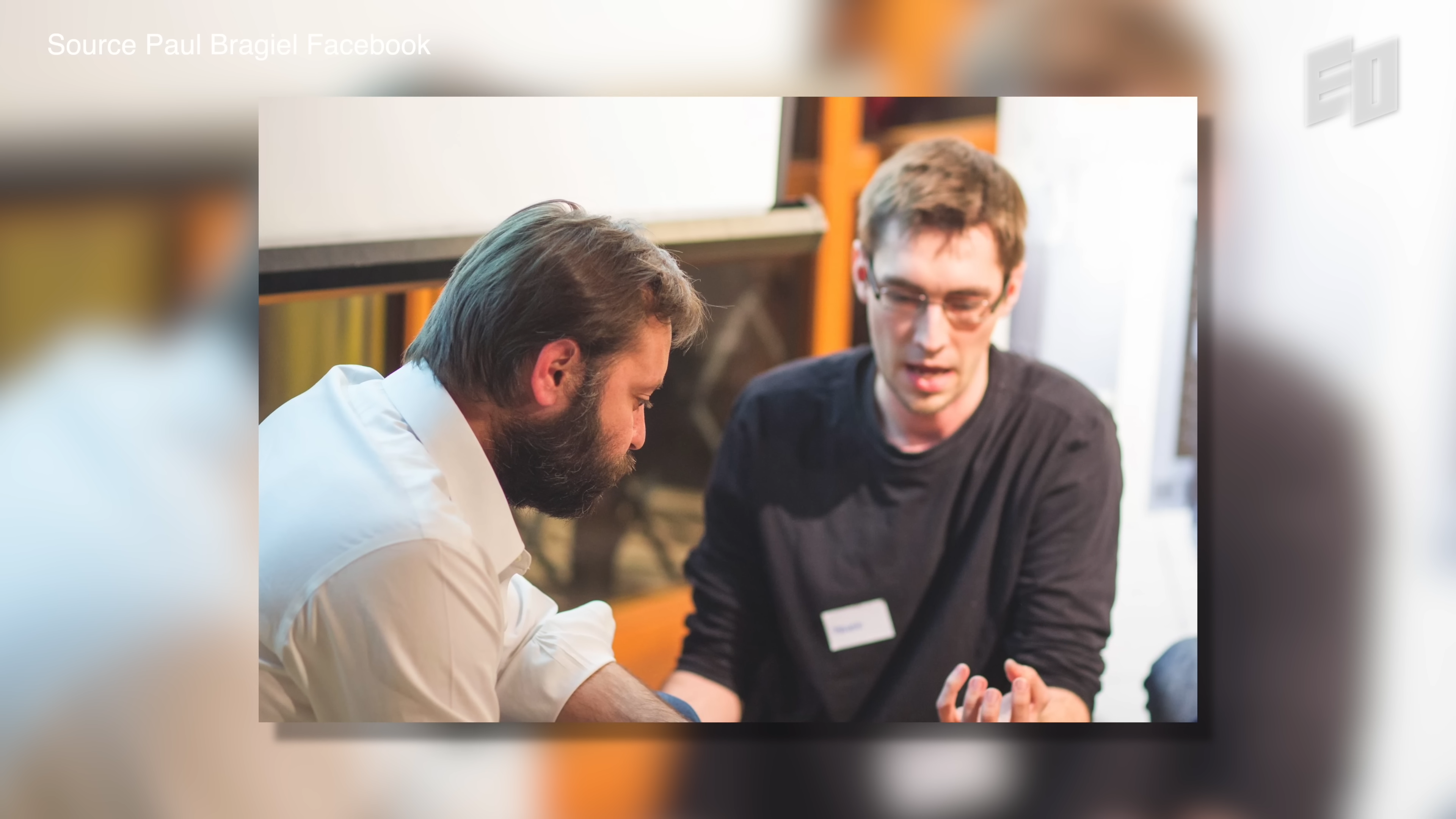
When we are looking for a company to invest into, we are trying to get to know the founders. Sometimes a founder cold emails you or just comes to you, but that is really hard, because you have to build a relationship quickly before you make the deal. So ideally we start by looking at their background.
We ask a lot about what they did before, when they were younger. What were you like when you were at university? Were you building stuff? Were you joining a lot of clubs? We are trying to get an idea of what the person was up to until today.
Once we have that, we ask what they are going to do if we give them money today, and what they are going to do after that. And so we are just testing the person to see how they think, to see how they process things. Have they shown the qualities of an entrepreneur before? Have they persevered? Have they not given up easily? We are just looking for little hints. There is no one answer where if he says that or she says that, we are in. It is more like you get an idea of what the person is made of.
Are they doing this only for the money? Are they doing this because it is exciting? Are they doing it because they are curious? So you have to find out what their inner motivation is.
What Is Good Risk-Taking in Venture Capital?
Risk is actually part of the venture capital business. People invest with us to take risks, so people trust me as a good risk taker, and I've had a history of taking good risks. But the point is also that venture capital is a portfolio game. I don't invest in one company per fund. We invest in 30 or 40 companies.
So we are diversifying the risk across multiple companies. Each company individually is super duper risky, but as a portfolio it is not as risky as it looks. And consistently we have never had a fund that lost money, knock on wood. The key thing is to diversify your risk by investing in many companies. If I invested in one, three or five, there is a very high chance I would lose all my money.
But when you invest in tons of them, one company pays off for the whole fund, a couple pay off and give you extra returns, and then many fail. That is just the reality. And so we kind of have it built into our mindset to take a lot of risk.
Within the first couple of years, we were pretty well known for what we were doing, but that was more on hype than on actual results, because venture capital is a long term game. You don't know how well you are doing. You might be well known, but you might not have made any money. So in the first couple of years we made some cool big deals, but the money was not there yet.
But now, many years later, we have had really good returns and we have built many funds. So I'd say we were probably really well known early on, and being really well respected happened in the last five or so years. People know our track record. People know that we run multiple funds and that we have raised funds all around the world. That kind of took time.
I guess the key thing is to focus on humans, so always be curious about people. I'd say be curious in general. What is cool about VC is that you are paid to learn new stuff, and you are paid to invest alongside people who are going to create new industries or disrupt industries. So stay curious and stay humble. What I mean by humble is that you do not put yourself above people.
Just be nice to people, and listen to people. I think everything else kind of comes afterwards. As long as you are very curious and you are nice to people, and I'd say also hardworking, if you have two of those three skill sets, if not all three, you will do pretty well. But you have to listen, you have to understand, you have to absorb information and process it and make decisions based upon that.
The Key Motivator That Fuels His Actions
People always ask me why I do these things. I like to set goals. I love stories and I love adventure. When I was younger I read a lot of books about people going to the end of the world, about explorers. I love people who explore stuff and I love people who do new things.
I've always fashioned myself as a kind of explorer. I'm saying it in more of a modern day way, exploring my body and exploring my limits. I like to go out there and do things like that. And so whenever I come up with an idea and it clicks, I start doing it.
Why He Decided to Cross the US by Bike
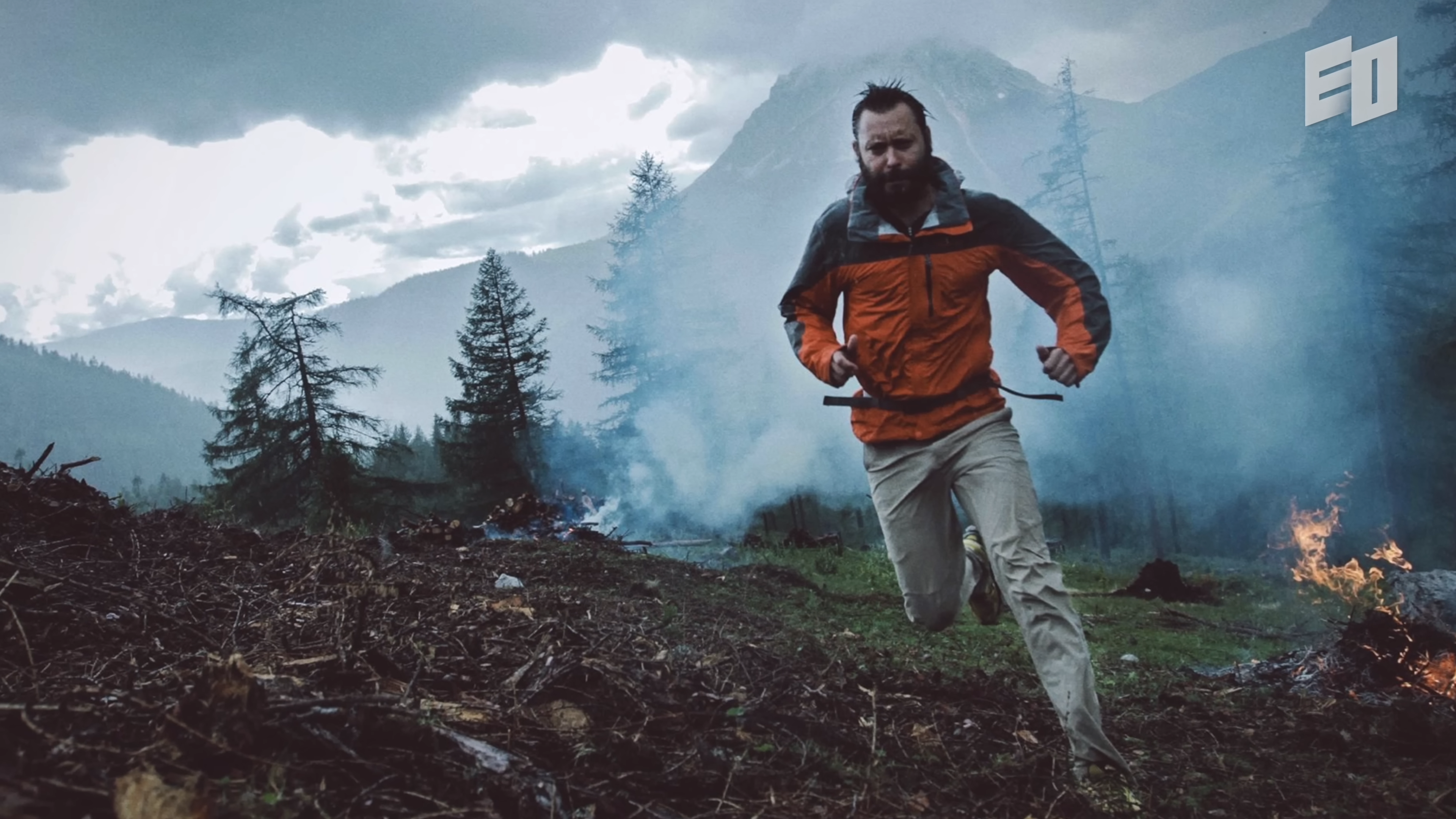
The whole point for me is that I am living life chasing after the next beautiful story. When I biked across America, for instance, I had not ridden a bike for maybe 15 years. I was out there drinking with some of my friends, and one guy said he had heard about this guy who biked across America, and I'm like, that is a really cool idea.
I came home after a few drinks and I called up my brother Dan. I'm like, dude, we are going to bike across America, what do you think? He said, right. But then we talked the next morning and we made a plan, and two weeks later I bought a bicycle. I didn't own a bike, and we started biking.
The idea inspired me. The idea seemed crazy, but also still somewhat attainable, so I just did it. I also don't overthink it, because if I had sat down there and made all the plans and all the maps, I would have never done it. I'd have convinced myself that this is stupid. But when I just say yes and I move forward, that is when great things happen.
So I have to get inspired, and then once I commit to something, I just do it. If you overthink things, you will usually talk yourself out of it. But once you take that first step, then the second and third steps are much easier. It is just starting. So it is really simple, but it is the hardest thing to do.
A lot of times everyone has an idea, and that doesn't make it special. What makes it special is execution, the way you are building the company. Nobody wants your idea. You have to start building it yourself, because no one is going to build the idea for you. You have to take ownership of your own ideas and own them and build them.
How to Get an Investment From Paul Bragiel
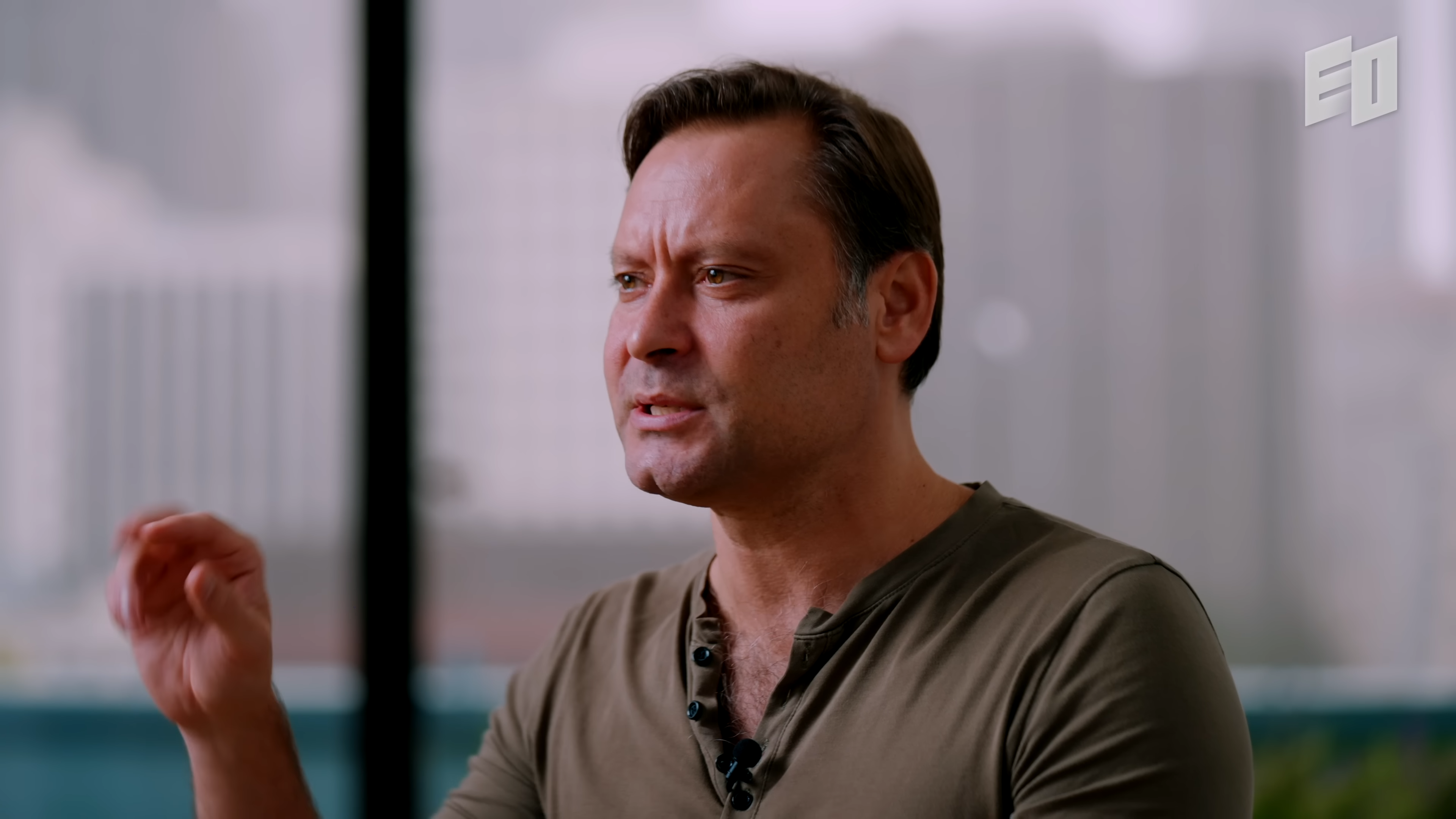
The best way to get to me quickly and to get the best attention is to talk to a portfolio company of mine and get an introduction. That is the best way. Being that we have been around for a while, we have a lot of companies and also a lot of friends, so people make sure that they look out for us.
So I have certain friends who know not to send me crap. If they send me crap, then I stop responding to their emails. It is like a give and take relationship. So people know the reputation and people get to know what our style is, and so people know what to send us. Usually, being that we have some of the most famous funds around the world, people know what kind of quality we are expecting.
Then number two is finding a way to contact one of my team members, who can then get to me. And the third, I do accept cold emails. My email is paul@goldengate.vc. I've got many other emails, but that is the one I check very often, and I do read the emails. It doesn't mean I respond. I usually do not, but sometimes somebody catches my eye.
So the first two options are better. Get an introduction through one of my portfolio companies, or come through my team members. If not, then cold email or cold LinkedIn or whatever.
Explore more