Dec 07, 2025
War and Nature, When Two Extreme Young Meet
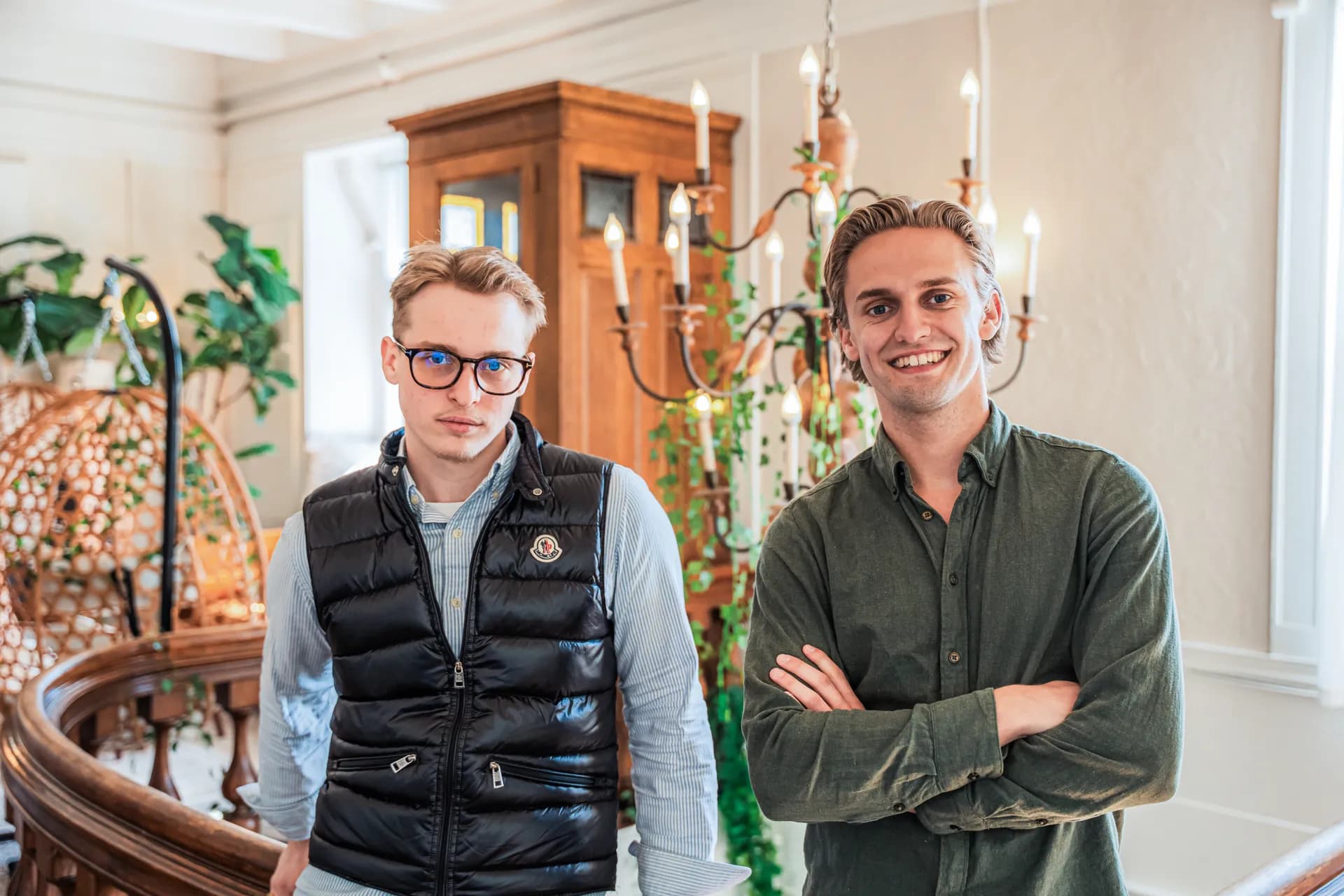
Interview with Nadav&Pablo, Founders of Geome
Inside Hacker Houses

The essence of startup culture has always lived in small, imperfect, grassroots spaces. Like hacker houses, hackathons, and early product meetups... where nothing is polished, and everything remains at risk.
EO believes that this early, messy phase is where startup culture is most alive. So instead of chasing main stages, we go inside the places where people are just beginning to build. This series documents founders at that moment, inside hacker houses, inside uncertainty, inside the act of starting.
The Pitch That Fell Short of the Whole Story
A hacker house, where young, ambitious engineers from all over the world pack themselves into small rooms, collide, and shape each other’s ideas, sits at the center of San Francisco’s early-stage startup ecosystem.
I first encountered it at a Demo Day—the Demo Day of The Residency, a hacker house backed by Sam Altman. The room was small and dark, but the energy was loud. Founders pitched with big voices and sparkling eyes. They were young, deeply passionate, and carried careers that already felt oversized for their age.
One pitch, in particular, stuck with me.
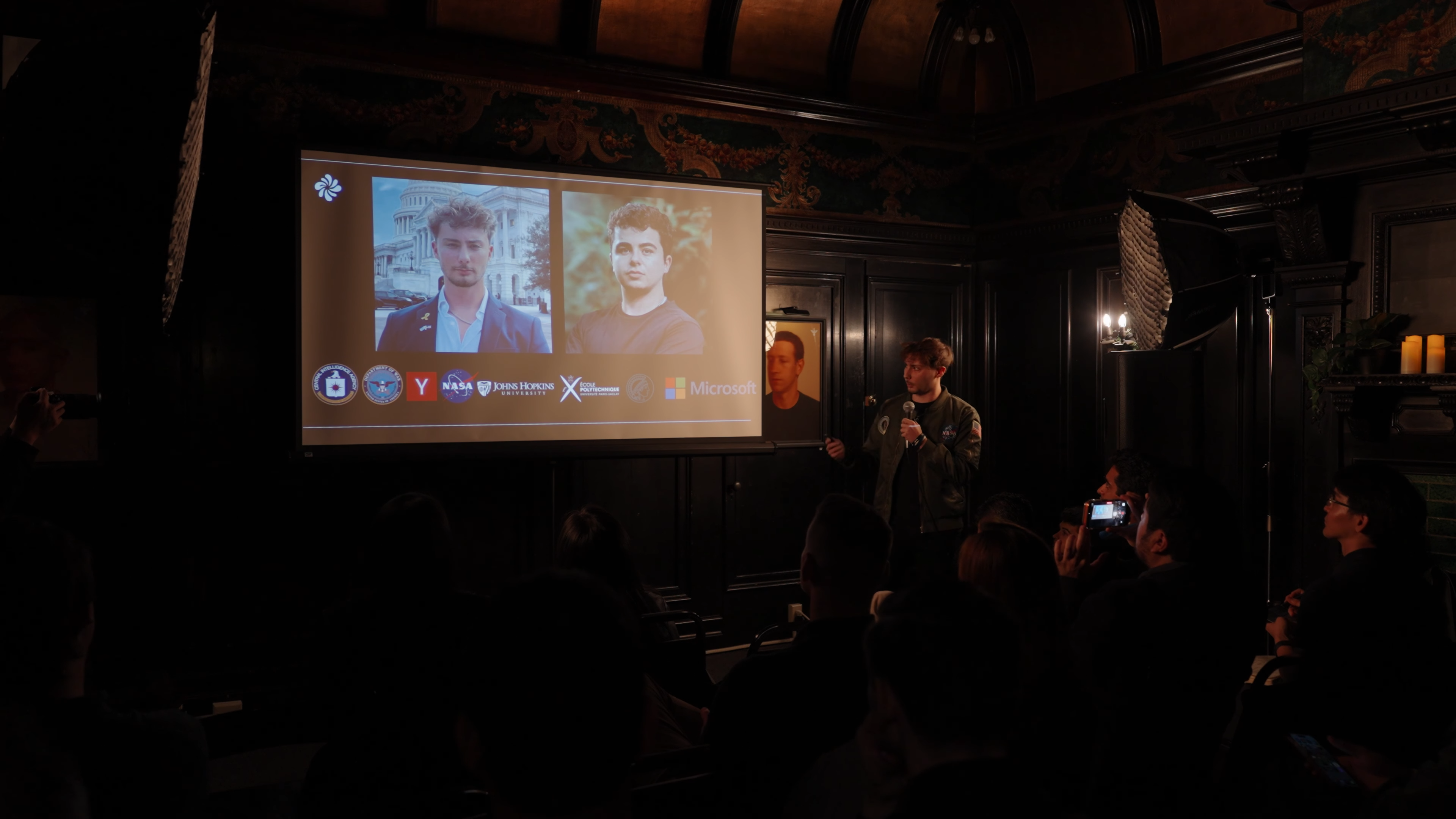
"I became an AI researcher at NASA, then worked at the Pentagon and the Department of Defense. After that, I joined the CIA. I started two health-tech startups, sold one, and became the CEO of a Y Combinator-backed company."
"My co-founder, Pablo, directed a National Geographic documentary, bootstrapped two companies to six-figure ARR, and sold a B2B SaaS product used by some of the largest companies in the world."Nadav ShanunCEO of Geome
In retrospect, it wasn’t great storytelling. It was a surface-level summary that failed to capture what was truly compelling about them. But weirdly enough, it was impossible to ignore.
NASA and National Geographic, within the same founding team?
When I later asked Nadav and Pablo to meet for a coffee chat and had a long conversation with them, I realized the Demo Day version of their pitch had barely scratched the surface. Their story wasn’t just impressive. It was far stranger and far more extreme than I had imagined.
One grew up around war, learning to think in terms of defense. The other grew up close to jungles, shaped by nature. Their stories couldn’t have been more different. How those two paths eventually converged, and why they met at the literal peak of Yosemite before becoming a team, was what truly caught my attention.
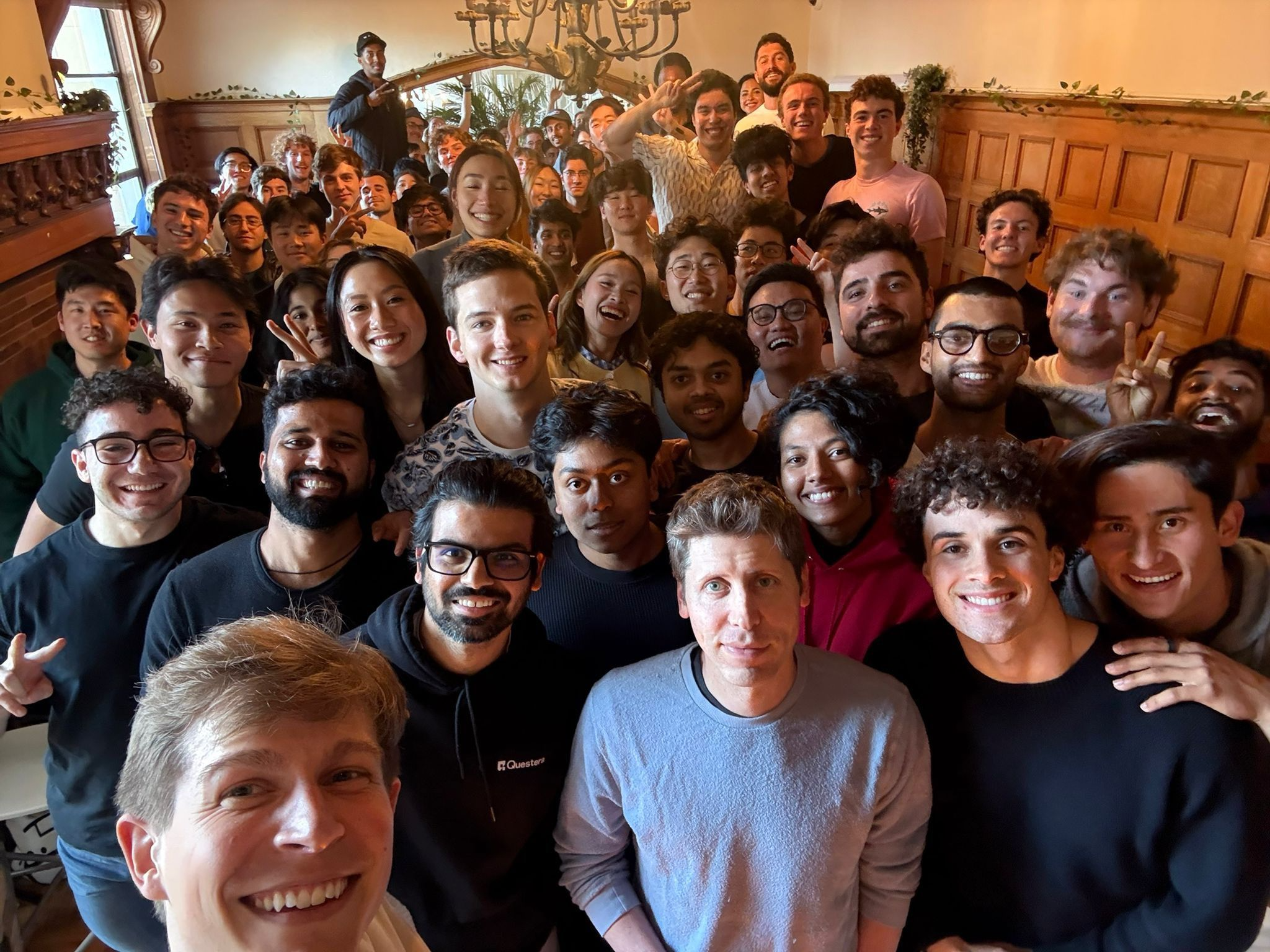
These days, this is what a hacker house in San Francisco looks like: young people like Nadav and Pablo, consumed by their work in small rooms, trying to build something far bigger than themselves.
This piece follows two young founders, just 20 and 22 years old and shaped by radically different lives, as they arrived in San Francisco and began working toward a vision scaled not to a startup but to the planet.
Two Childhoods, Two Solutions
Let's start with Pablo's story. What did you want to become as a child?
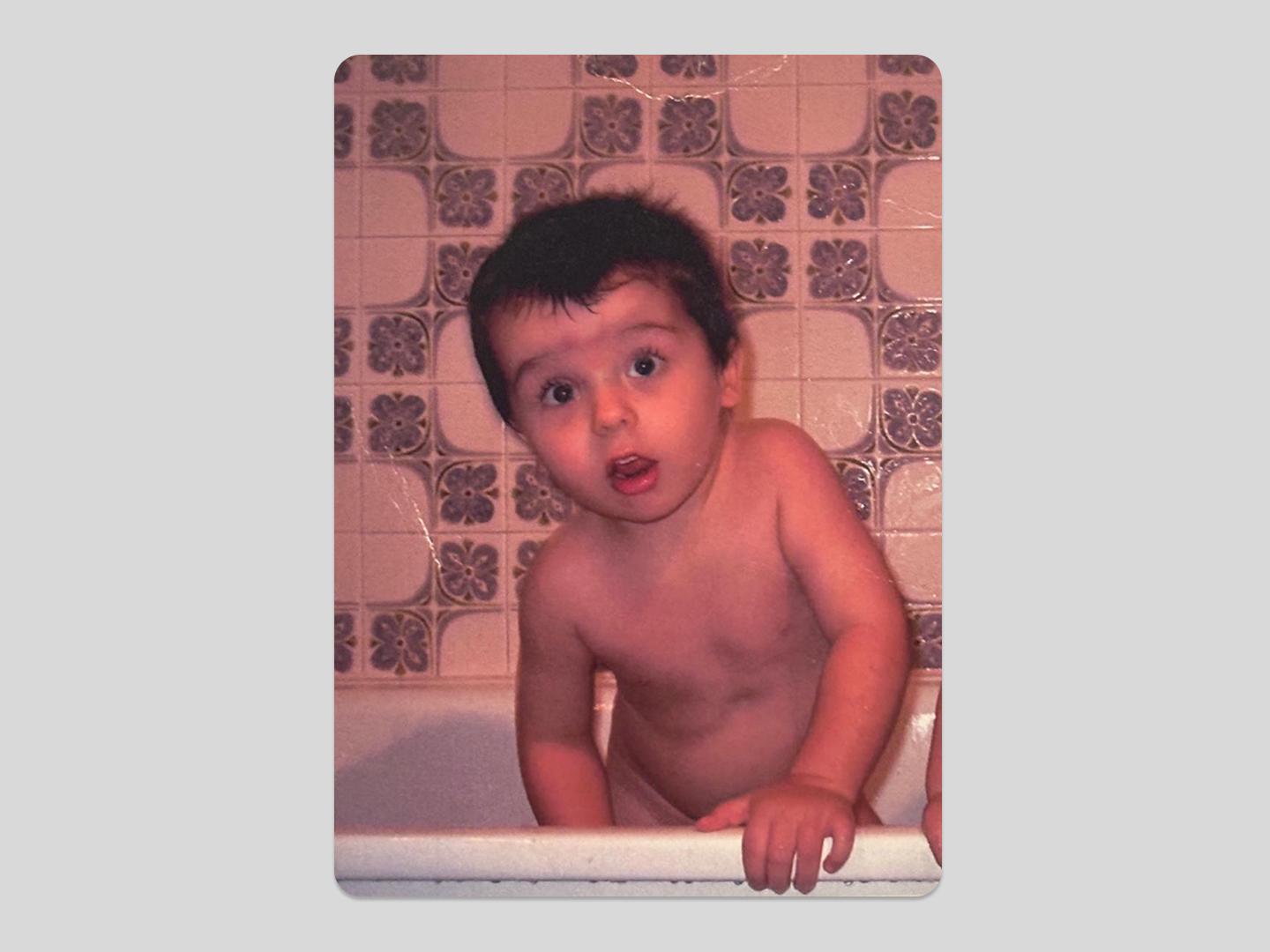
Pablo: I was born on a small island called Vanuatu, because my parents worked as humanitarians. We moved every few years and lived across Africa, in countries like Cameroon, Togo, and Congo. That experience shaped the way I see the world. Growing up that way infused me with a deep sense of coexistence, the idea that humans and nature live side by side.
I heard you already had an exit with a B2B SaaS company. When did you start it?
Pablo: After graduating from college, I witnessed a striking moment on a beach in Senegal: migrants leaving on small fishing boats, hoping to reach Spain. As I reflected on how I could help them, I chose to take on the problem of food. How do we feed billions of people in Africa?
I drew inspiration from franchises like McDonald’s, which have built highly optimized systems for serving food at scale. To understand how they worked, I built a B2B sales and campaign-prediction SaaS for them. But after about a year and a half, I realized this wasn’t the company I wanted to work on for the next 20 years. I sold it back to McDonald’s and started asking myself, “What do I really want to work on?
What was the answer?
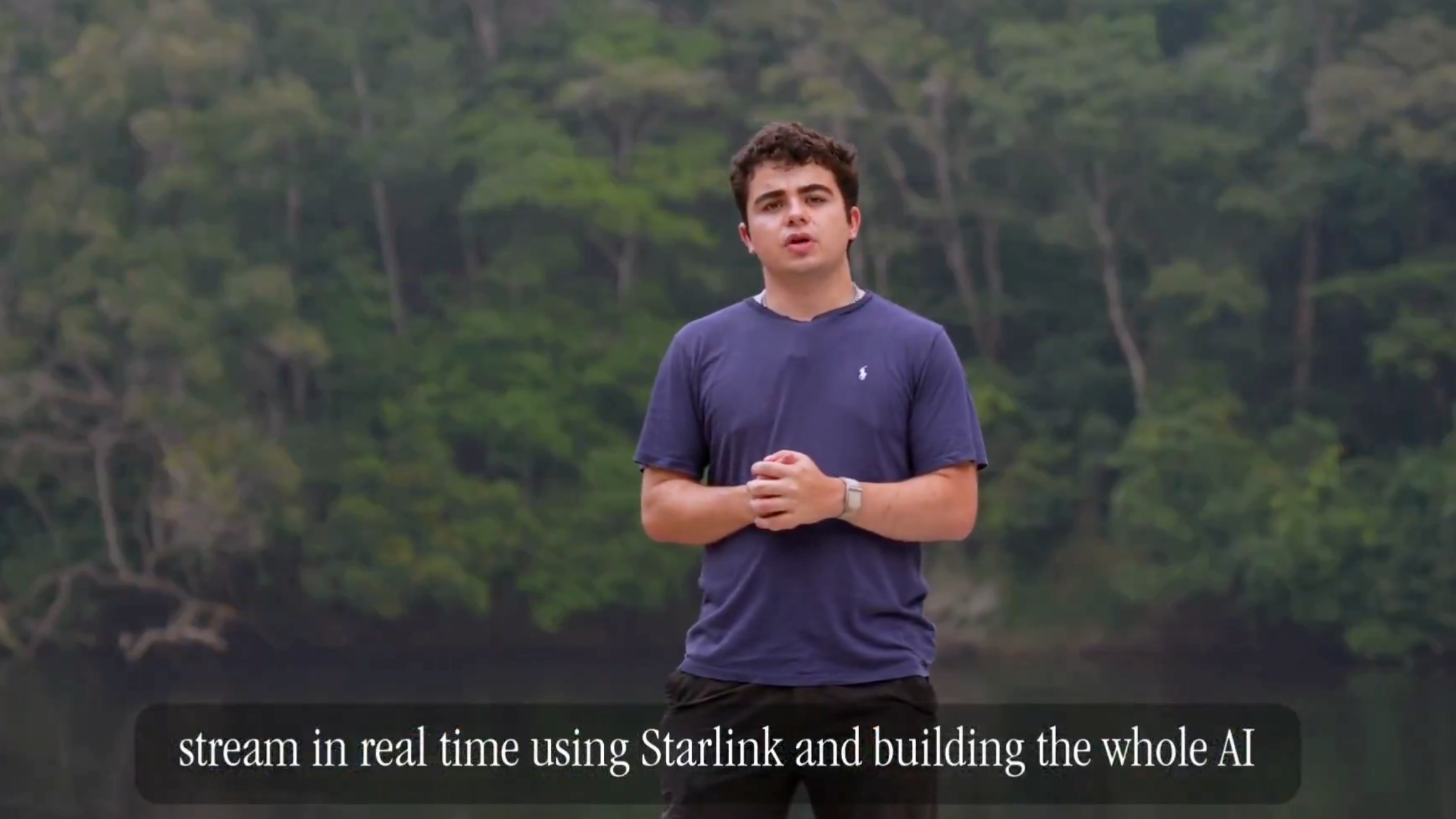
Pablo: At that time, I happened to use Starlink, a satellite internet service. Even deep in the mountains at an altitude of 6,000 meters, I could watch Netflix all day. I was genuinely excited and thought to myself, “This might be able to save nature. I need to work on this.”
I worked on a live streaming platform that shows animals in nature to people. People from all around the world always travel to Africa to see animals. I thought that if I wanted to save nature, I could do so through animals. But I found out that the internet connection was not the only problem. The real problem was detection. I need to run 200 to 500 cameras in nature and have an AI tell which animal is present at this time.
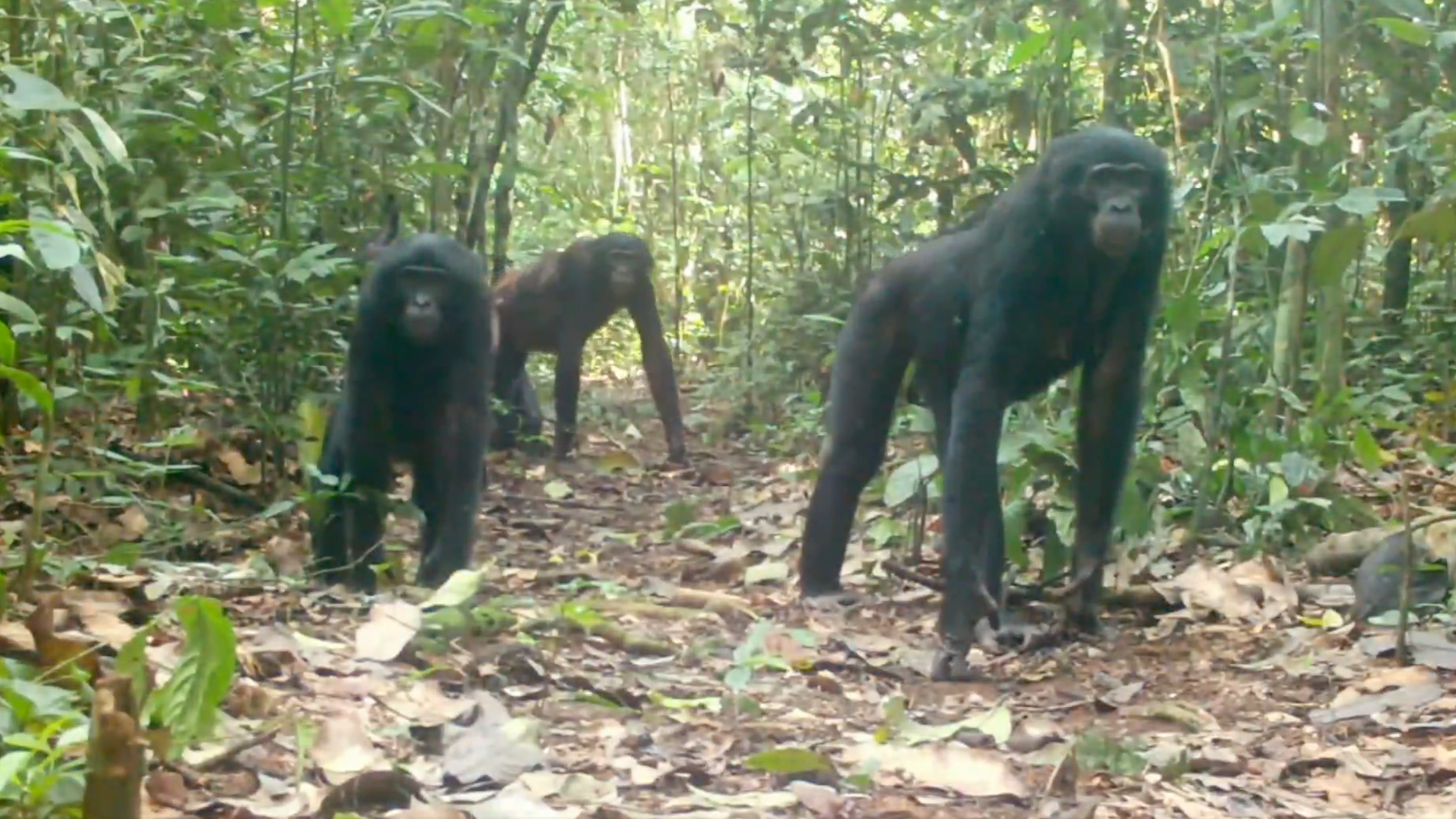
I did a lot of research with Microsoft on this AI-driven documentary, which focused on self-improving behavioral analysis. What I mean by that is an AI system that can automatically analyze behavior, in this case, what the bonobos are doing. I dropped out of one of the top engineering schools in France to pursue this full-time and came to San Francisco.
But why did you come to SF at that time?
In San Francisco, people say the most insane things with completely straight faces. Many people say similar things, but they treat them as distant futures. They don’t actually believe it. However, the engineers I met in SF said it straight-faced, as if they really meant it.
So when I was accepted into a hacker house called The Residency, I decided to put my master’s degree on hold and move to the city. There I met my co-founder, Nadav. He was also the kind of person who could say the craziest things without a single ounce of joking on his face.
Before we get into your first meeting, I'd love to hear Nadav's story too. Nadav, what brought you here?
Why did you have to move to the U.S.?
Nadav: There was a lot of bureaucracy in Israel, and given my ambition to really change the world, I felt I couldn’t do that there. The U.S. offered more opportunities.
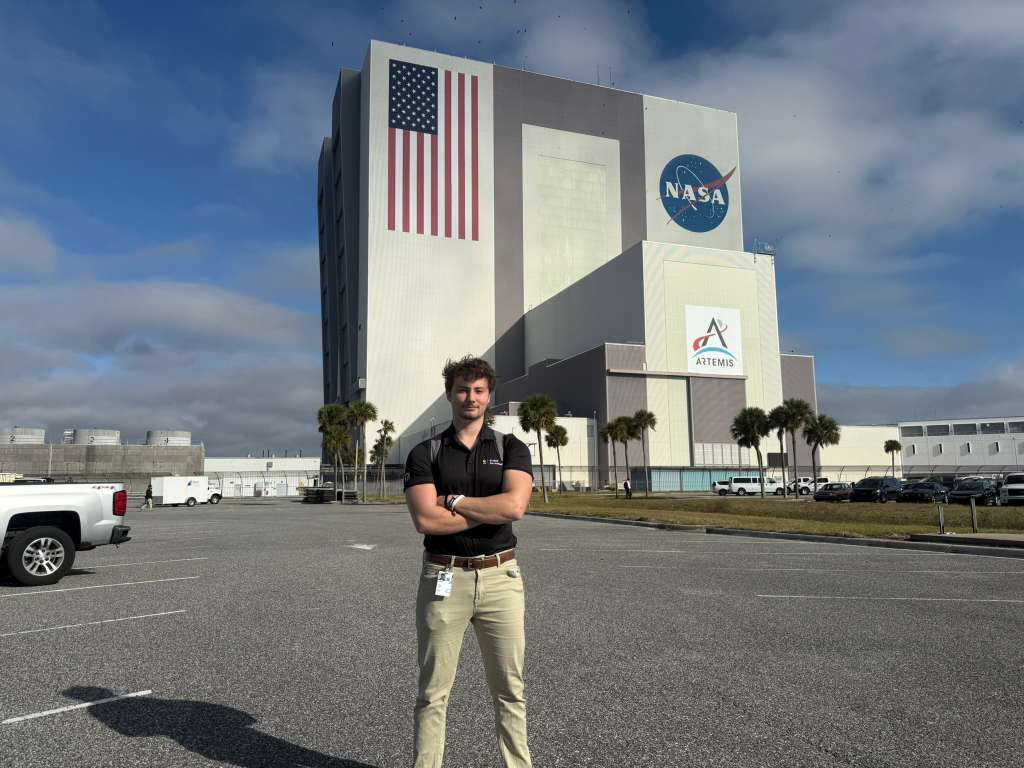
I began studying at Johns Hopkins, but eventually dropped out and became an AI researcher at NASA. There, I worked on astronaut suits and contributed to the Artemis II program. I also built NASA’s first foundational AI model for the Kennedy Space Center, the largest space center in the United States.
After that, I moved to work with the Pentagon and the Department of Defense, focusing on nuclear and thermonuclear systems, mainly the hardware and electronic components. But the pace there was slow, at least compared to how fast I wanted to move.
I ended up in the CIA. I worked on satellites there on research into solar flare analysis from the sun and different ionized winds in the atmosphere to understand communication between satellites and Earth. But even that was too slow.
So, what did you do?
Nadav: After all, my general goal was to protect humans through defense engineering. But I had a big paradigm shift at that time. My thought may be true in Israel, but not in the United States. So I started health tech startups instead.
I sold one of them to the Saudi Arabian Government. But I came to know that health care is a very complicated and regulated industry to solve problems with AI. It might be one of the last industries to adopt AI. When I joined The Residency, I was already broken up with my last health tech startup’s co-founder.
Around that time, I realized that what the world needs most is to break data stagnation and accelerate the emergence of AGI. So I started building a product called ArkAngel, and that’s when I met Pablo.
Yosemite, Where Two Extreme Aligned
How was your first meeting?
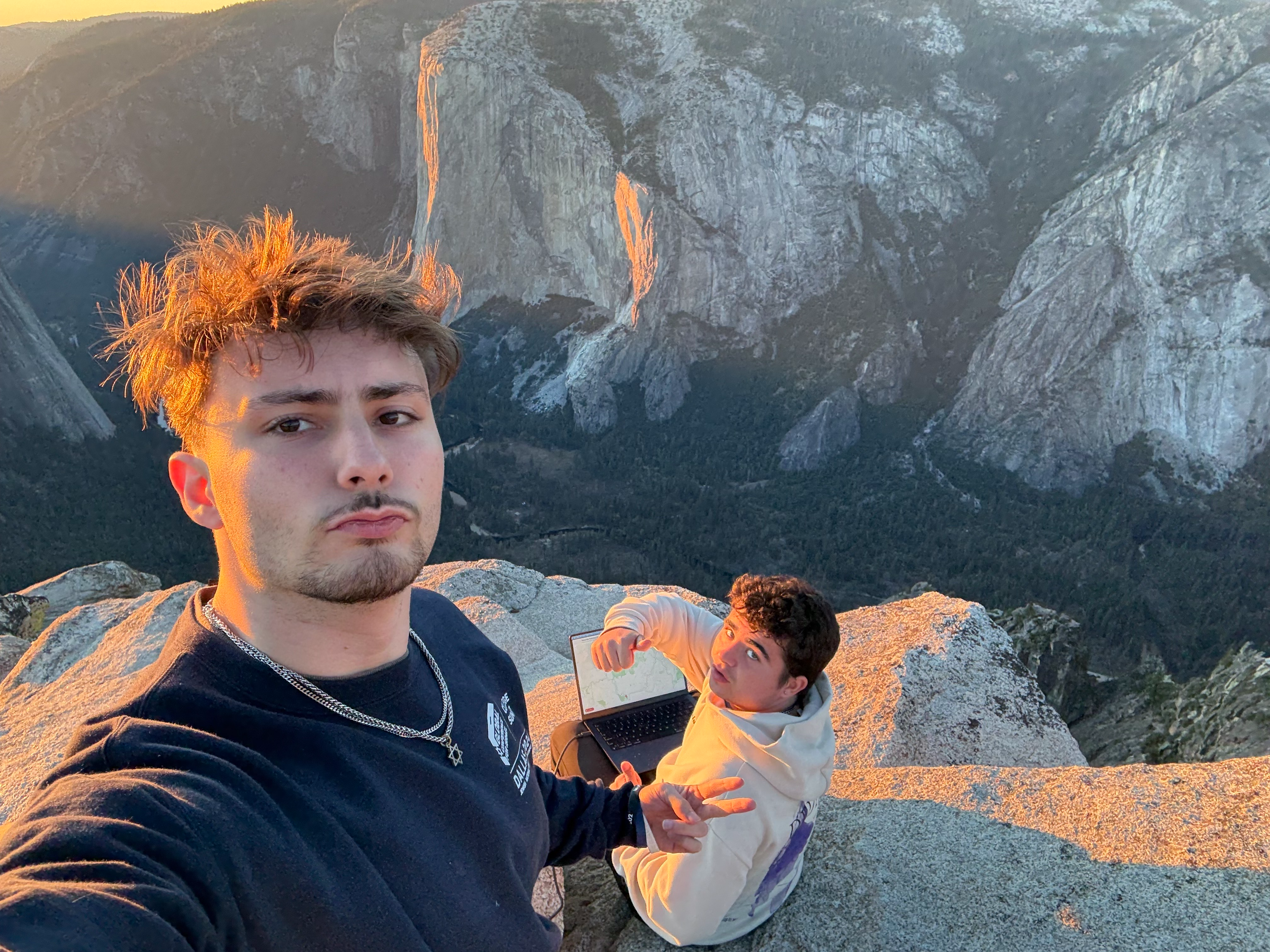
Nadav: It was a retreat with The Residency and a couple of Y Combinator startups. They came with us, and we met at the highest peak of Yosemite.
Pablo: Actually, other people wanted to go on a hike, but we wanted to rest. So we just stopped and waited for the rest of the group to come back. I showed Nadav what I made, and he said, “Hey, this is actually very similar to what I’m making.”
It sounds like that was a defining moment for both of you.
Pablo: At the end of the day, our long-term vision was to capture all the data in the world and find a way to visual input, be able to analyze everything in real time, like right as it happens, to be able to handle millions of cameras at once. Our vision and initial products were surprisingly similar, so it makes sense to work together.
Nadav: Before we decided to become co-founders, we spent five hours talking and went through 50 co-founder questions. Before that, I tried to start companies with 8 different people, but none met my standards. With Pablo, however, we shared the same long-term vision. It was not only about what we wanted our lives to be, but also about how we wanted to shape this planet.
Your paths were very different, but they led to the same conclusion at the peak of Yosemite.
Pablo: It was pretty striking for me, too. I think, what’s so special about Nadav and I is we come from such different backgrounds for the past 20 years, but we know where we both want to be in for next 30 years.
Nadav: Our pasts are not aligned, but our future vision is the same. The only way to realize our vision on this planet is to collect high-quality data from Earth and have it processed by AGI. In doing so, we aim to introduce a new social structure that enables AI to understand everything happening in the world.
It might sound a bit far-fetched, but we believe even the United Nations may not have the capacity to handle this for at least the next 50 years. Instead, there may need to be a higher-level system that can communicate with humans, and that could become another role for AGI.
We think we can be the ones who bring that forth. We also believe that one of the only ways to get there is for two people from such different backgrounds as us to find a balance between what we want the world to look like.
I heard that a post you shared on X(Twitter) during the Yosemite retreat went viral and even led to a meeting with xAI.
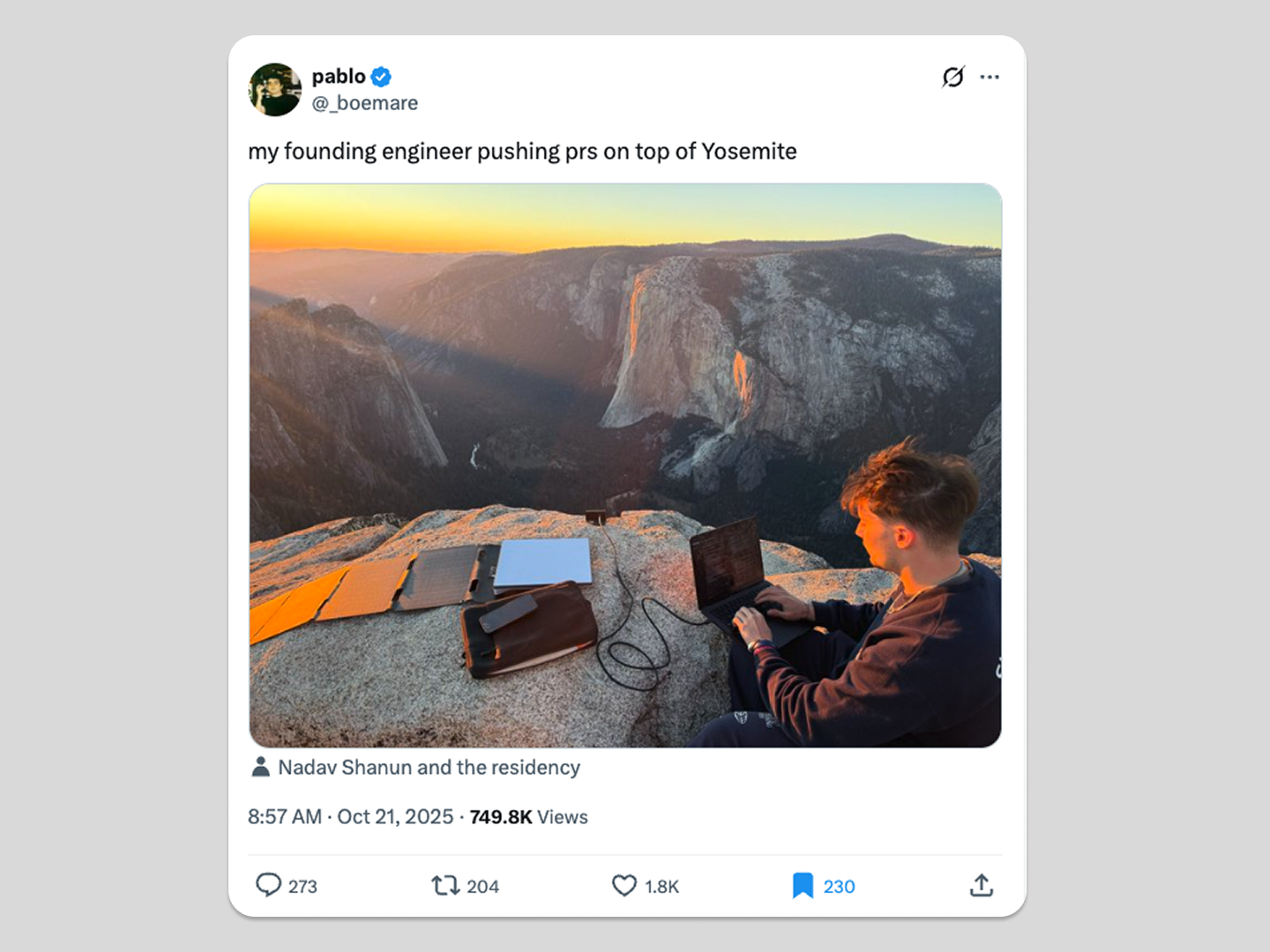
Pablo: At the time, I was building a Starlink–solar-powered computer that would allow remote researchers to access computing from anywhere. Nadav posted a photo of himself using that computer in Yosemite, and it ended up getting over a million views. A lot of people called it “performative.”
Nadav: After seeing the post, xAI reached out and asked to meet. We ended up meeting multiple times, and the experience gave us confidence that what we’re building is genuinely practical and meaningful. They helped us better understand the best way to capture data from people’s computer screens, and they also shared a lot about what they’re working on. It could potentially lead to future collaboration.
From Vision to Subtraction
When you realized that you two were building very similar products, how did you merge them?
Pablo: (laughs) That’s a great question. Actually, I didn't want to give up what I was working on. Most of the work I did in the jungle was setting up cameras to create a 3D reconstruction of it.
But Nadav said, “Pablo, I think you're wrong. I think the best way to start is from screens only. Don't worry about the security cameras. Let's focus only on screens.” After having a good conversation and keeping pushing it, eventually, we came to a reasonable discussion. The output was, Nadav is right, and I was wrong. The best way to start is from screens.
But the name originated from my former company, “Geome.” Geome stands for “Geological Dome.” This name was very good at understanding our goal, taking Earth as an overarching entity that encompasses everything. So Nadav won the product, and I won the name.
How did you come to understand Nadav's perspective?
Pablo: Actually, I was very angry because I worked on that for six months. But it's just not the priority.
One of the biggest lessons Nadav and I learned in SF was the idea of "subtraction." It is a concept about the importance of removing as many variables as possible and focusing on what truly matters. Especially if you are an early-stage founder, the only way to compete with big companies is to focus on something extremely narrow and do it really well.
When I kept simplifying the problem, it all came down to the screen. It’s the simplest environment, and it’s where most meaningful human data already lives.
Could you explain what you mean by "starting with screens" in more detail?
Nadav: Our vision is to capture every data point in the world and use that to build AGI. Let's break these fundamentals. What's the best way to get to that? Where is there the highest quality data on the planet?
After we analyze everything and have vision models covering everything, we're going to implement a software called computer use, which basically means AI can interact with an operating system built for humans. It can type on your keyboard, move your mouse, see everything on your screen, and it would basically be like a digital human clone of the person using the computer.
Geome: Teaching AI How Humans Work
Could you explain how your product works?
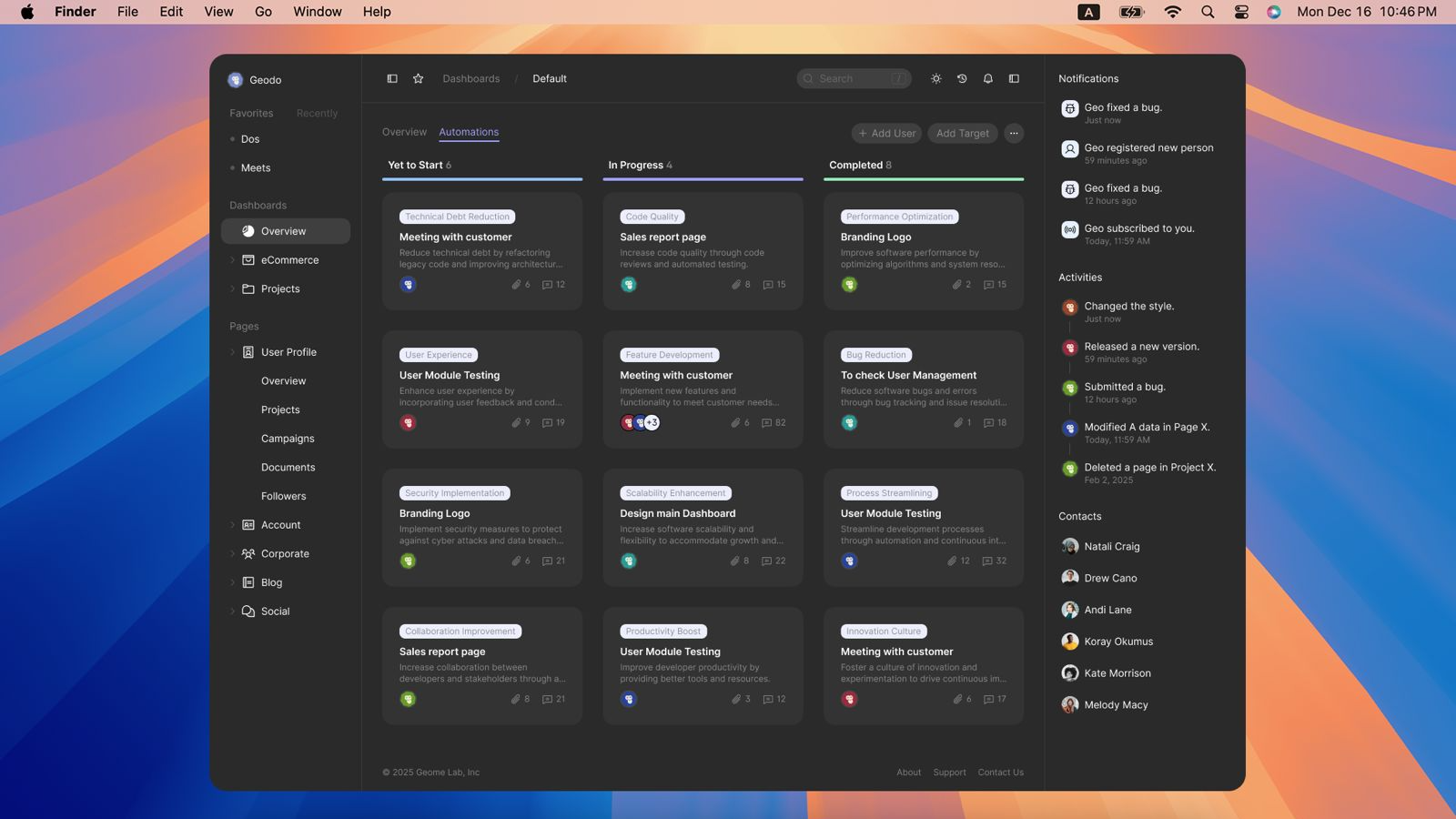
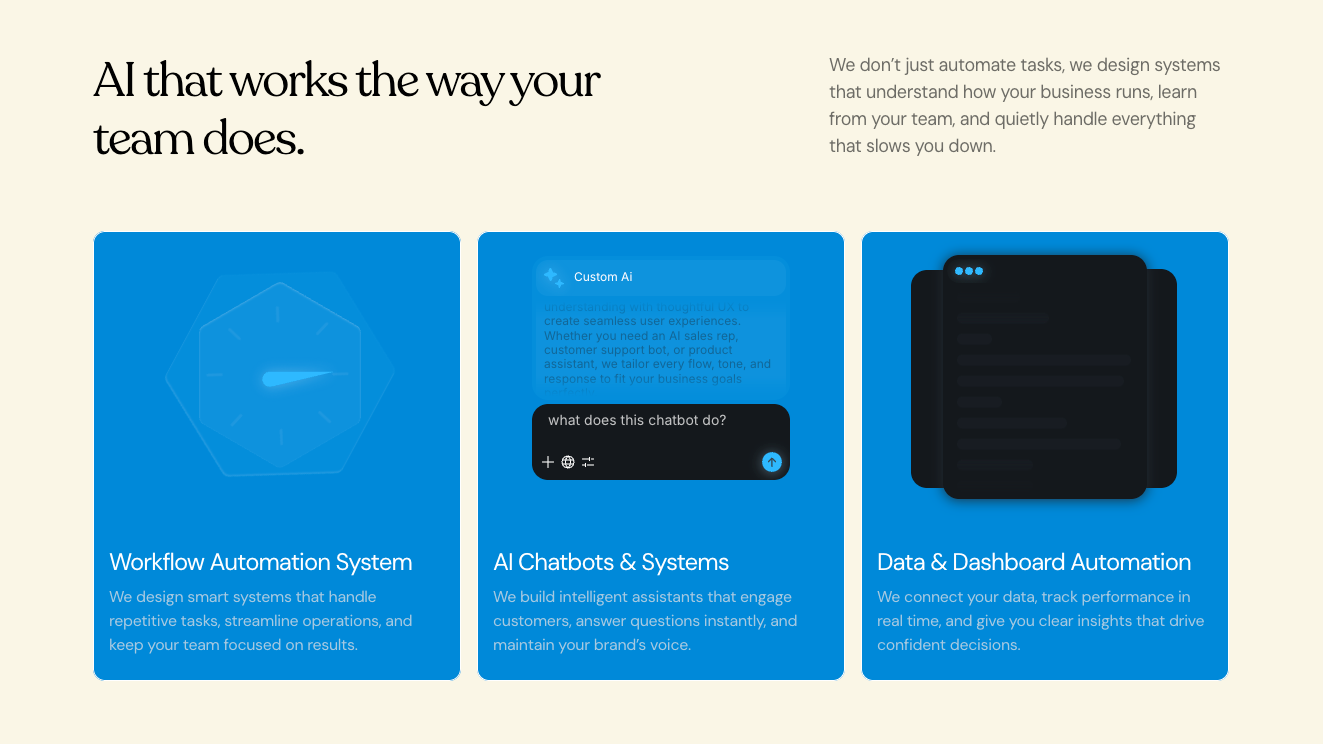
Nadav: Basically, every person on a team inside a company would have the software running on their computer. It's called Geodo(product name), and it can see your screen, hear audio, and read text, and it does a lot of cool stuff with data. There are a couple of general things that give you answers back.
You can attach documents to it as context for your conversation, and it has all the transcripts. You can also attach every single API that the employees use, like Slack, email, Google Drive, and so on. This way, it has all the information it needs about the employee — from their screen, to what they talk about in meetings, to their email and their drive.
It uses not only documents, but also has screenshots. AI basically analyzes everything and creates a digital clone of the employee, which means, basically, if you're chatting with this digital clone employee, it's just like you're chatting with the employees themselves.
Isn't there a possibility of malfunction?
On your website, you emphasized that it doesn't use any private information. How is that possible?
Pablo: We do that similarly to audio applications like Granola. They don’t need to keep the audio because they already have the transcription.
Nadav: So users keep the analyzed version of the information.
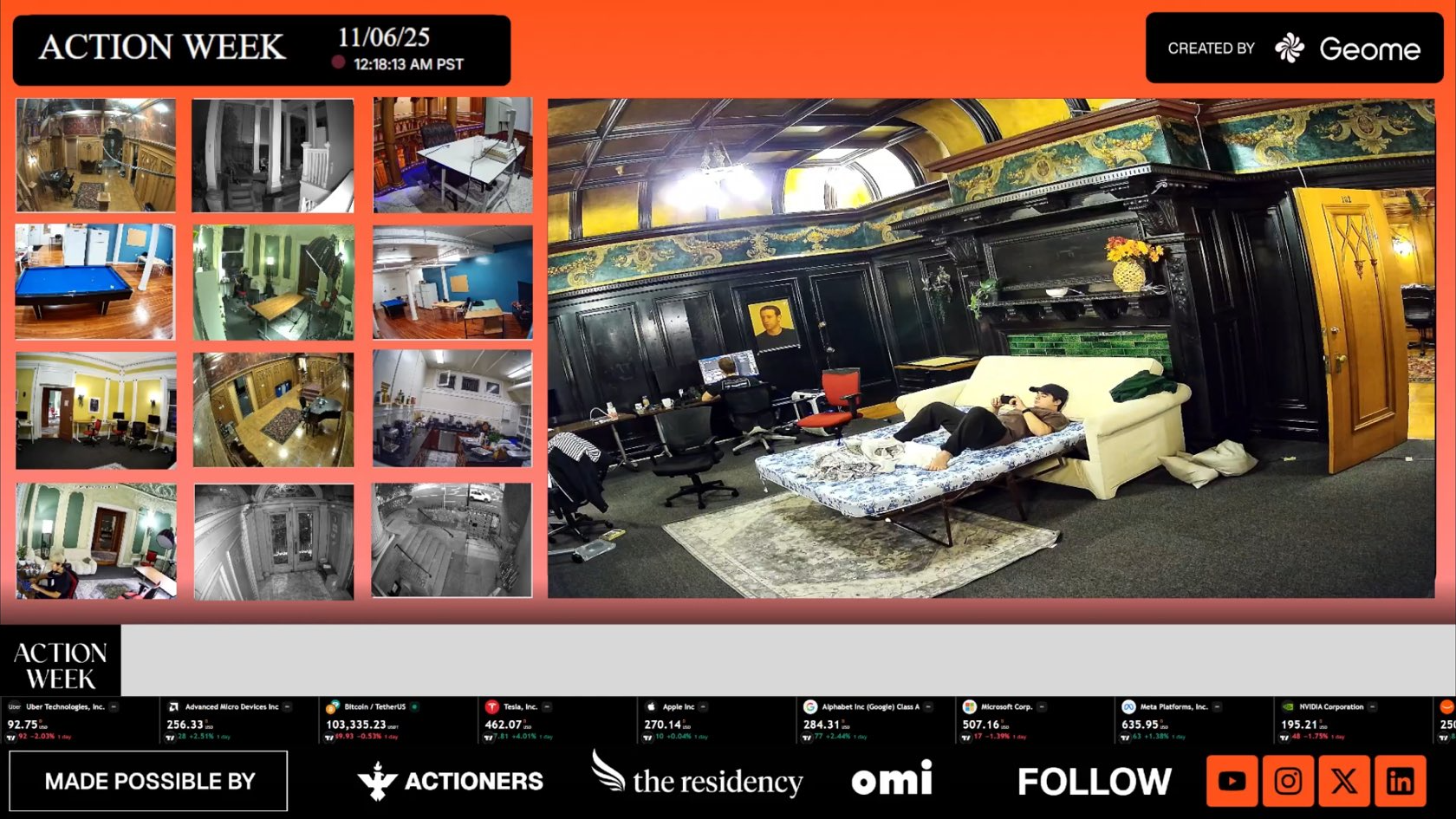
Pablo: We actually used this technology to run a 24-hour live show from The Residency, so I’ll use that as an example. If I were to describe this space right now, it would be something like: “Three people are sitting and talking to each other. One of them is Nadav. One of them is Pablo. Hyeri is there, and she’s wearing a red shirt.” That’s the idea. We describe every scene in as much detail as possible, but it’s all text, not video.
So let’s say we take a screenshot of the screen, we have the text analysis, and we have multiple screenshots of you performing an action, like sending an email. And then, if you want to see what your co-worker did, or how they sent that email, we can re-simulate what they did based on the text and how they were working.
How do you guys find the criteria for that information? Can you give me some examples?
Nadav: Let’s say I was working on this earlier today: I opened YouTube in a browser, typed “look at funny cat videos,” and clicked it. The analysis of what AI gave me was 700 steps from only doing that. It ends up being that many steps because we’re trying to give the system the most detailed understanding possible.
But what happens if I move YouTube to a different spot on my computer? What if I even delete it from my computer right after I asked that?
To handle these cases, the system has a fail-safe mode. Two AI models analyze each step and communicate with each other. They use another context from a different workflow that the employee had done to figure out a way to download YouTube again, open it, sign in, and then do the step that we were supposed to do.
Pablo: When a new customer comes onboard, our system does nothing for the first two weeks; it just watches. One of the most important things to watch during that time is what command is likely to come next. At each step, the system predicts what the user will do and compares that prediction to what actually happens.
At first, it’s going to get it really wrong. It’s going to say, “Oh, I think this guy’s going to press the right arrow next,” and humans do whatever. But over time, those two vectors are going to start getting closer.
You compare this to how ChatGPT works. Can you explain that analogy?
Pablo: Actually, what led us to xAI is this. They’re implementing a very similar thing. The approach can be generalized to almost anything. At its core, it’s about predicting what happens next and comparing it to what actually happens.
It’s very similar to how ChatGPT works. The revolution of ChatGPT was not about when I put 500 words in, figuring out what the next 500 words should be. The real magic of ChatGPT is this: when I put 500 words in, what’s the most likely 500 words to come next? We do the same thing, but with human actions.
Nadav: So we can basically take that and completely replicate their brain.
From Hacker House to Reality
I know it's still early days, but could you share some of your progress so far?
Nadav: We're starting with our initial customers. Already had 50 demo users using the software. At the beginning, we were selling to software companies in San Francisco that had over 10 employees.
And we’re still exploring whether there might be other types of ICPs. We talked with hundreds of potential customers in two months. Many of them reached out after watching the live show we did at The Residency. A lot of them outreached on LinkedIn, email, X. We ran a 300-person hackathon. And India, we also sponsored a Lovable hackathon in LA. So we had a lot of inbound from a lot of different places.
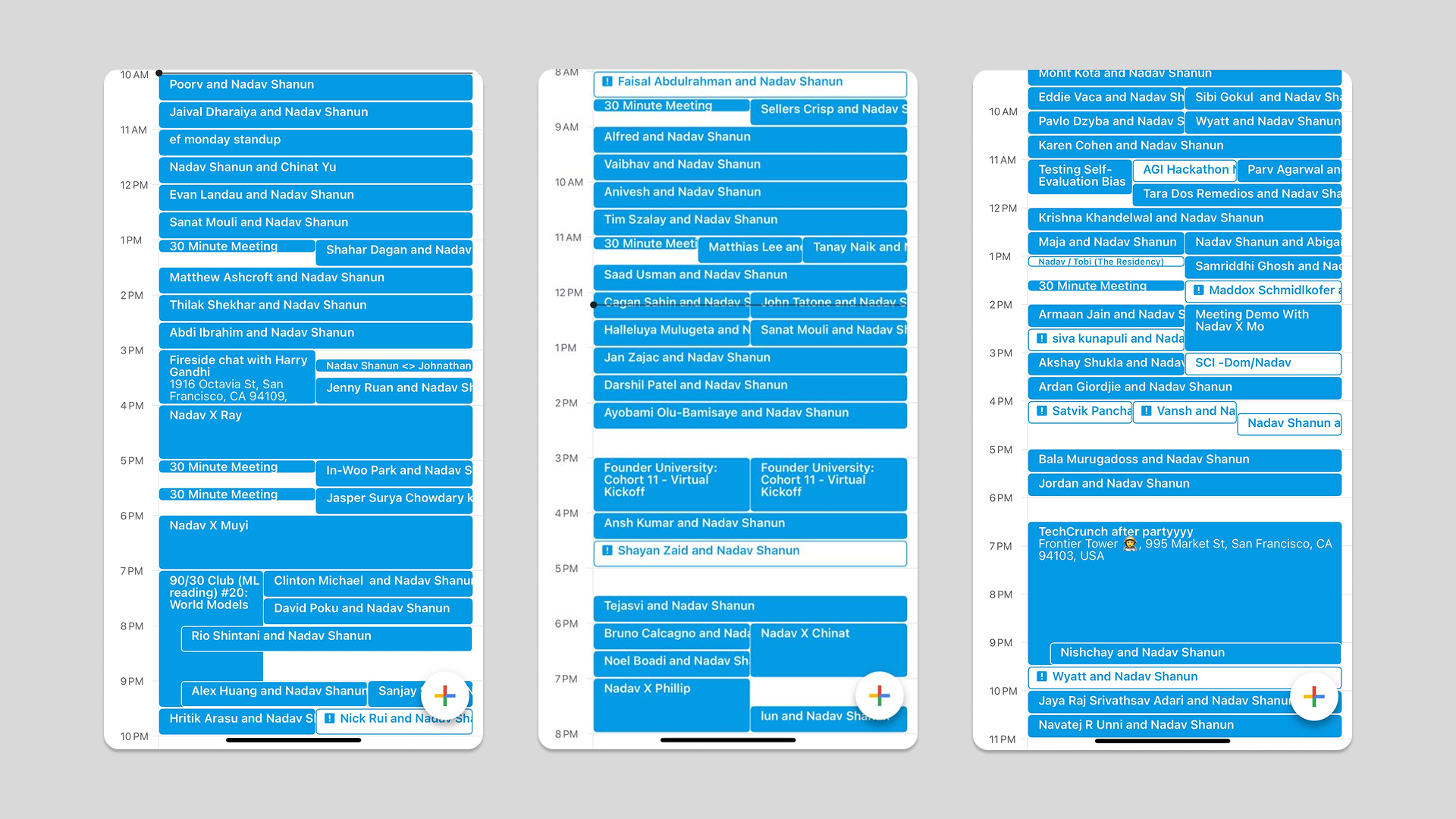
Pablo: Something I respect a lot about Nadav is this. I had a great difficulty with “building in isolation” before. Many founders have great ideas, but if they don’t speak with real customers quickly, they find that 9 out of 10 ideas are very bad. I tried to talk to customers, but I made 1 or 2 calls a week. And when I met Nadav, he had a call every 30 minutes.
Now, I think the number one rule is constant conversation. Many of the directions we thought about for Geome have turned out to be wrong. The only way we found out was by talking to potential customers.
I imagine there must have been a lot of trial and error along the way.
Pablo: When we started, we sent 1,000 non-personalized emails to everyone, a day. And we hit the Gmail limit. They banned us from the email. We also hit the LinkedIn limits. And we realized the technique doesn't work as well as we thought.
One of our friends in The Residency taught us a marketing trick. For example, his email subject has nothing to do with the email. Most people think the subject should be specific, but the vaguer and more random the subject is, the more successful it actually is.
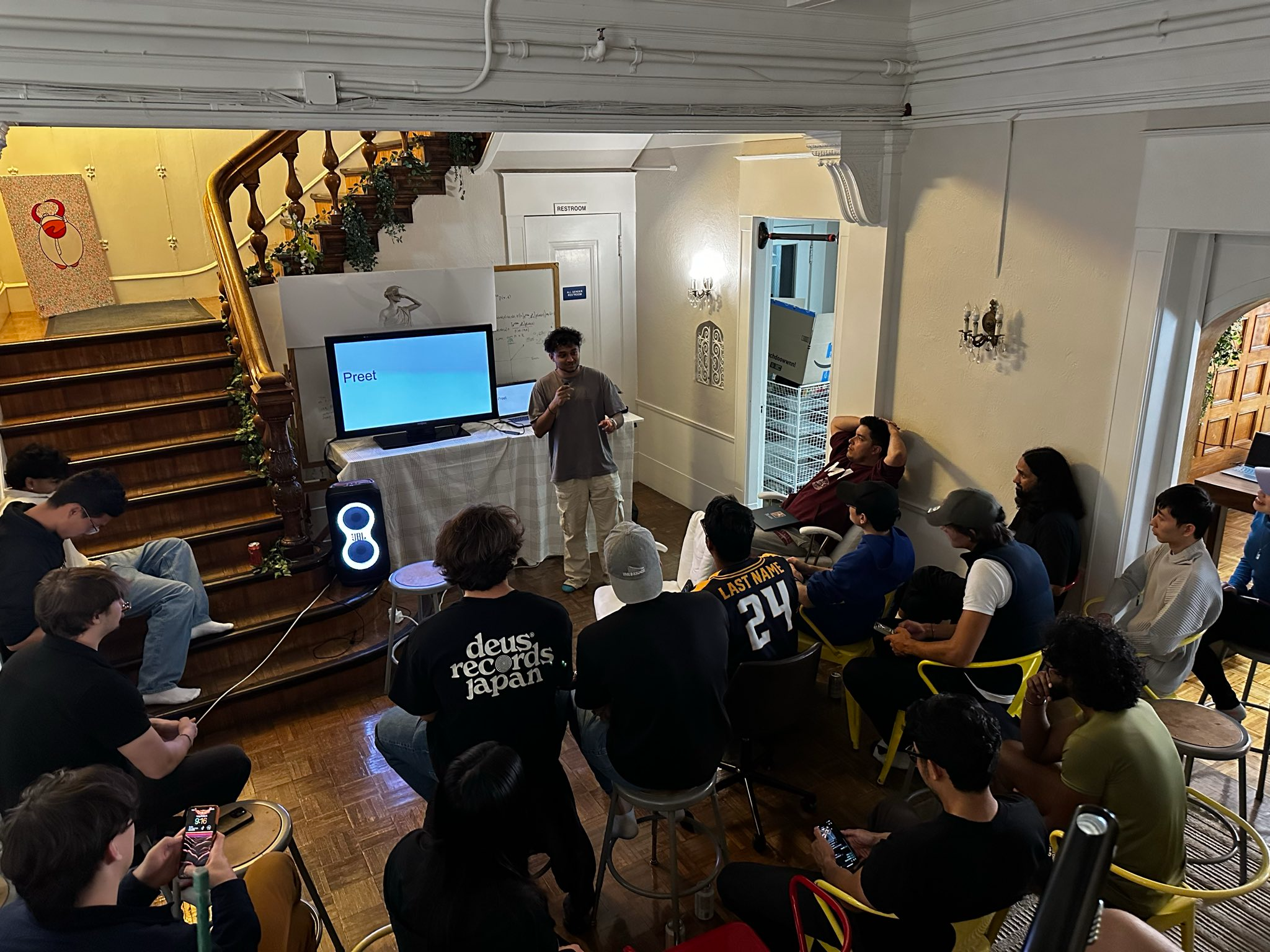
Nadav: Even this morning, I was showering and a guy showering next to me randomly said to me, “Nadav, I thought about you. I think a better outreach method for your company would be to research the companies that are kind of doing track and see what companies they’re targeting.” Living in a hacker house, we get incredibly valuable advice from the people around us.
You started out as exceptional engineers, and now you're spending a lot of time on sales. What's that been like for you?
Pablo: Something that I've said that is very true is that you end up selling all the time. You're selling all the time when I'm talking to you, I'm selling when I'm talking to my friends. I'm selling when I'm talking to my potential investors, I'm selling when I'm talking to potential customers, I'm selling, you're constantly selling your product either yourself or to your potential customers.
What's really exciting is that university or education doesn't optimize you for communication, really, for us as engineers, it's all about raw IQ and the ability to optimize that, but that's not life. And so learning those skills and seeing it apply across the board, not only to our company, but also on a personal level, is really exciting.
In 2026, what would you call a win for the company?
Nadav: We plan to reach $50K in ARR by the end of January. After that, we plan to raise our next round and hopefully be in the six figures. I want it to be around an over 60 million valuation. And then we want to get to a point where we are making, probably by February and March, close to a million ARR.
Pablo: The only thing that will be a success in our terms, in a year from now, is if we are 10 million ARR.
Nadav: I also want to get to at least 100,000 employees using our software Another year.
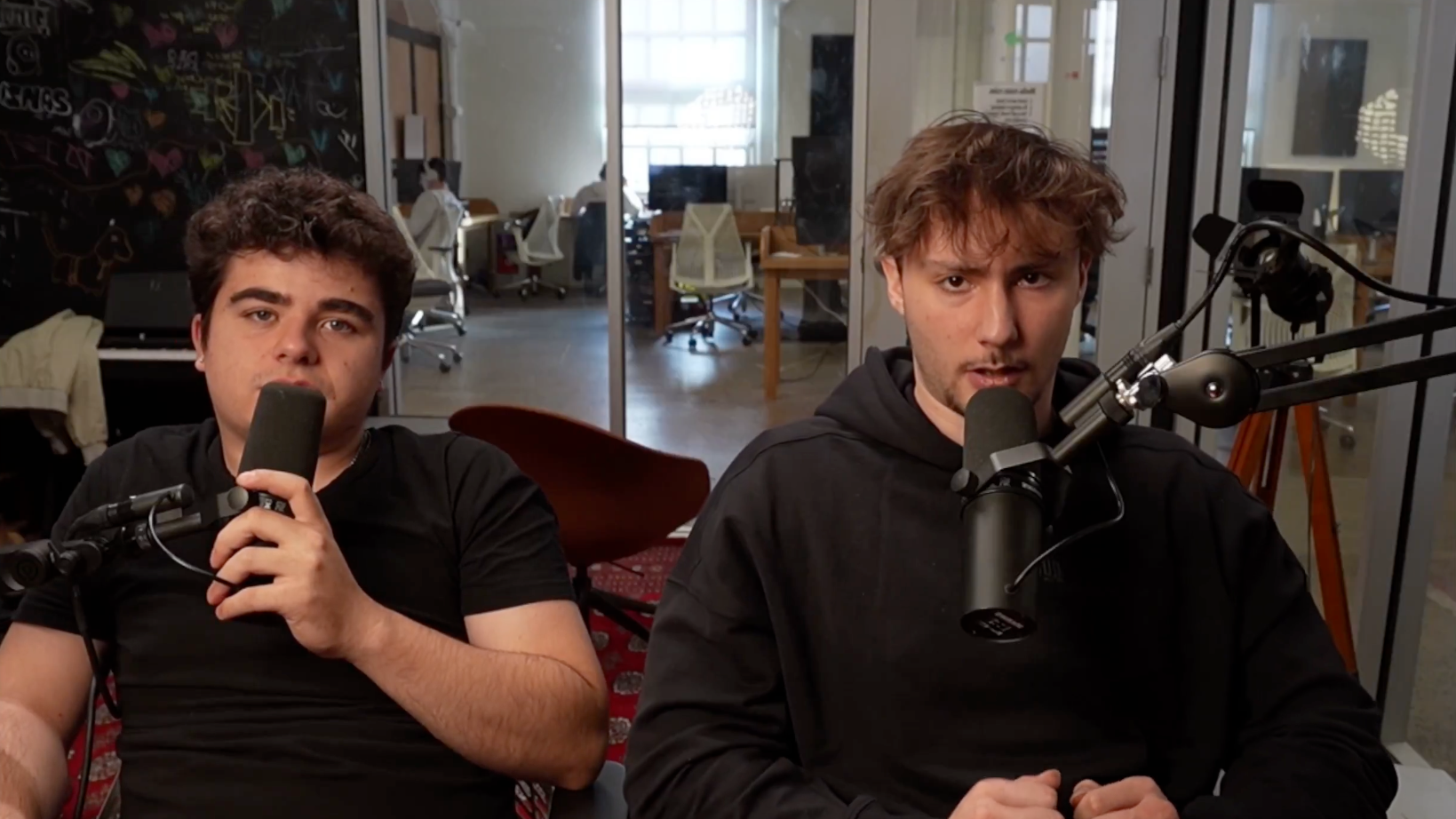
You're an amazing team, so I believe you'll make it. But have you ever felt that you're almost too different from each other to work together?
Pablo: Yeah, we definitely are. From nature to a war zone, CIA to McDonald’s. I have biases from the culture I come from, and yet he has biases from the culture he comes from.
But that’s why we work best when together. I think what’s so beautiful at the end of the day is that we don’t come from the same perspective.
Anybody who takes the jump to San Francisco realizes the fear of being in the local maxima, which is this fear of being surrounded by people who are just like you, because if you get stuck in that, you never grow out of that.
But San Francisco gives you the ability to step out of that. And Nadav gives me the ability to have that daily, someone who doesn’t necessarily think like me, and pushes me to grow. I guess I have that same impact on him.
Nadav: 100% agree. To build something that’s actually good for the world, there has to be balance. Our belief is that balance often comes from people who start at very different extremes and meet in the middle, rather than from people who all lean in the same direction.
At the same time, we’re very much alike at our core. I read a lot of biographies, and what stands out is that successful people come from very different lives. But they tend to share two things in common: raw ambition and a pure love for figuring things out. Pablo and I are the same in that sense.
We come from very different places, but we’re driven by that same underlying energy—which is why, I think, we work so well together.