
Apr 16, 2025
From 40 Rejections to 45 Unicorns: Senkut's Jet Fuel Philosophy
An interview with Aydin Senkut, Founder of Felicis
Founder Focused
"People try to put me in a box. And that was not the box I wanted." This is how Aydin Senkut describes nearly every pivotal moment in his life—from being told he'd never leave Turkey, to being dismissed as unfit for tech, to facing skepticism about his venture capital ambitions.
Today, that same man who collected 40+ rejections while fundraising for his first fund sits as the founder and managing partner of Felicis, the early-stage venture firm that has backed over 45 unicorns including Shopify, Canva, and Notion. As Google's first product manager, Senkut helped launch Gmail and witnessed the birth of AdWords—experiences that shaped his legendary "10x principle."
In this interview, Senkut reveals why he treats every rejection as "jet fuel," how the 10x principle determines every investment decision, and his contrarian approach to measuring what others can't see. From the Google playbook that shaped his worldview to the storytelling skills that took 107 deck iterations to perfect, this is a masterclass in turning setbacks into rocket fuel.
Watch the full interview now on EO's YouTube channel! Below is the complete transcription of the interview. Minor edits have been made for clarity and readability.
Key Highlights:

"There were maybe 6 or 7 things in my life where I was in a very difficult situation and I was having a very tough time, and what I did then led me to being here today."
"People try to put me in a box. And that was not the box I wanted, right? Like they're like, 'Oh, you're going to stay in Turkey. You're never going to get out of it.' Then I come to the US and like, 'oh, you're only in this university and not the best university.' Then I go there and they're like, 'You're not an engineer and you won't work at a tech company.'"
"All that setback, all that difficulty, I see it as jet fuel. So put that jet fuel back in the jet and get into the rocket and try to get to where you're trying to go."
"At Google, we essentially had a very healthy disrespect of status quo and what we did is oftentimes we tried to find the world's smartest people, gave them challenges whether they had any experience or knowledge in this area or not, and just told them to do it."
"If you want to be really great at something, whatever you do has to be 10 times better, 10 times cheaper, or 10 times faster, maybe ideally all 3 than the competition than the existing solutions."
"People try to put me in a box. And that was not the box I wanted, right? Like they're like, 'Oh, you're going to stay in Turkey. You're never going to get out of it.' Then I come to the US and like, 'oh, you're only in this university and not the best university.' Then I go there and they're like, 'You're not an engineer and you won't work at a tech company.'"
"All that setback, all that difficulty, I see it as jet fuel. So put that jet fuel back in the jet and get into the rocket and try to get to where you're trying to go."
"At Google, we essentially had a very healthy disrespect of status quo and what we did is oftentimes we tried to find the world's smartest people, gave them challenges whether they had any experience or knowledge in this area or not, and just told them to do it."
"If you want to be really great at something, whatever you do has to be 10 times better, 10 times cheaper, or 10 times faster, maybe ideally all 3 than the competition than the existing solutions."
From Rejection to Rocket Fuel
You've talked about using setbacks as 'jet fuel.' Can you walk us through your philosophy on turning rejection into motivation?
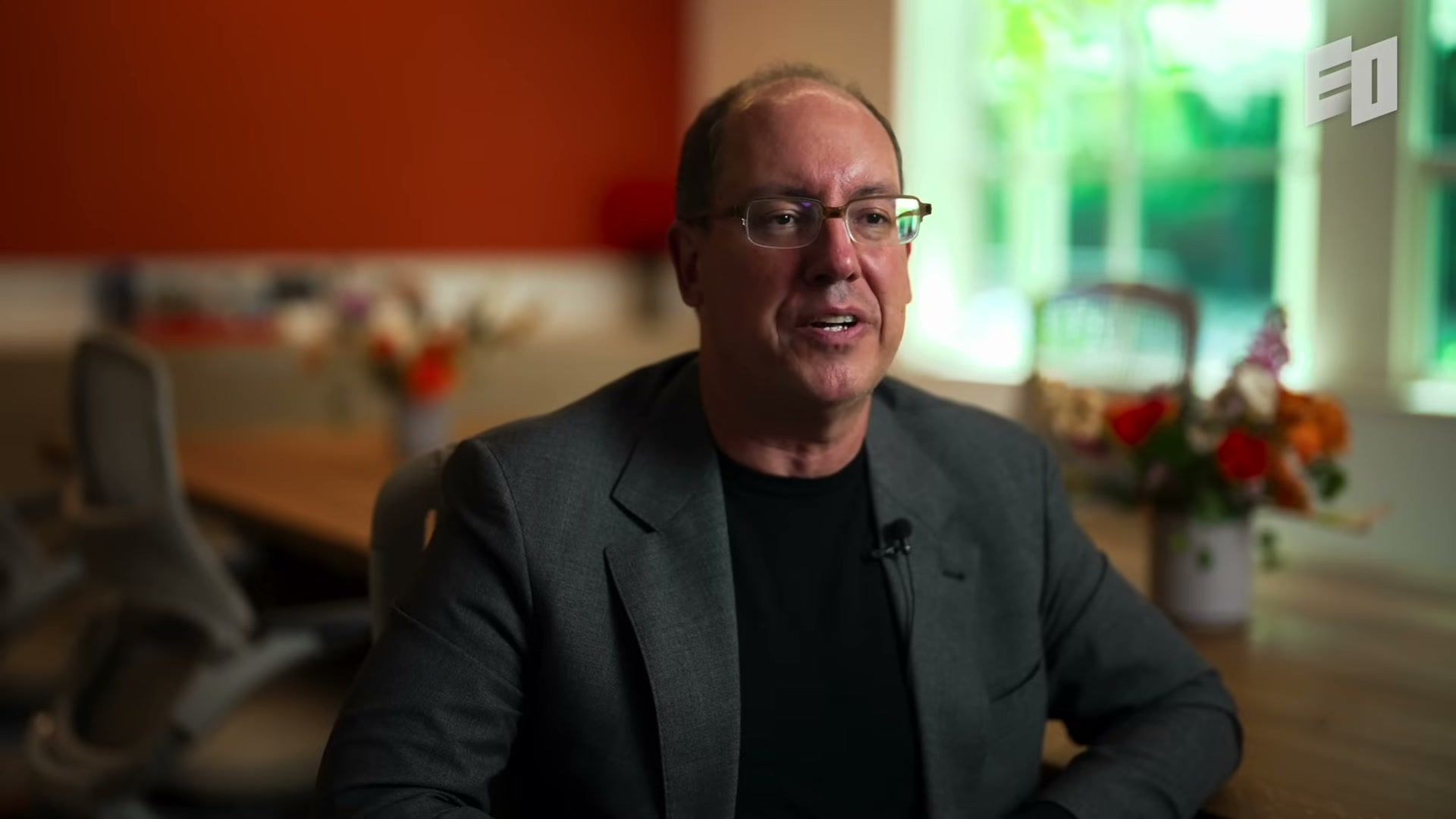
Aydin Senkut: Hi, thank you for having me. My name is Aiden Sanut. I'm the founder and managing partner of Felicis, early stage venture firm with a global mandate. We are also very proud that so far from the companies that we've invested early, more than 45 of them have already crossed and exceeded a billion dollars in valuation, 100 exits. Especially proud that in a little less than 14 years our portfolio, we already have 17.
Some notable portfolio companies include companies that have gone public and achieved a very high valuation like Shopify and then some of the largest private companies including Canva in Australia, Notion in the US, I believe Notion was also already on the EO channel, and then some other really exciting companies, some especially focused on AI like Runway, and then also some other interesting companies like Vevar Labs which is in defense and AI.
Some notable portfolio companies include companies that have gone public and achieved a very high valuation like Shopify and then some of the largest private companies including Canva in Australia, Notion in the US, I believe Notion was also already on the EO channel, and then some other really exciting companies, some especially focused on AI like Runway, and then also some other interesting companies like Vevar Labs which is in defense and AI.
The Google Playbook That Changed Everything
You were Google's first product manager and helped launch Gmail. What were the key lessons from those early Google days that shaped your investment philosophy?
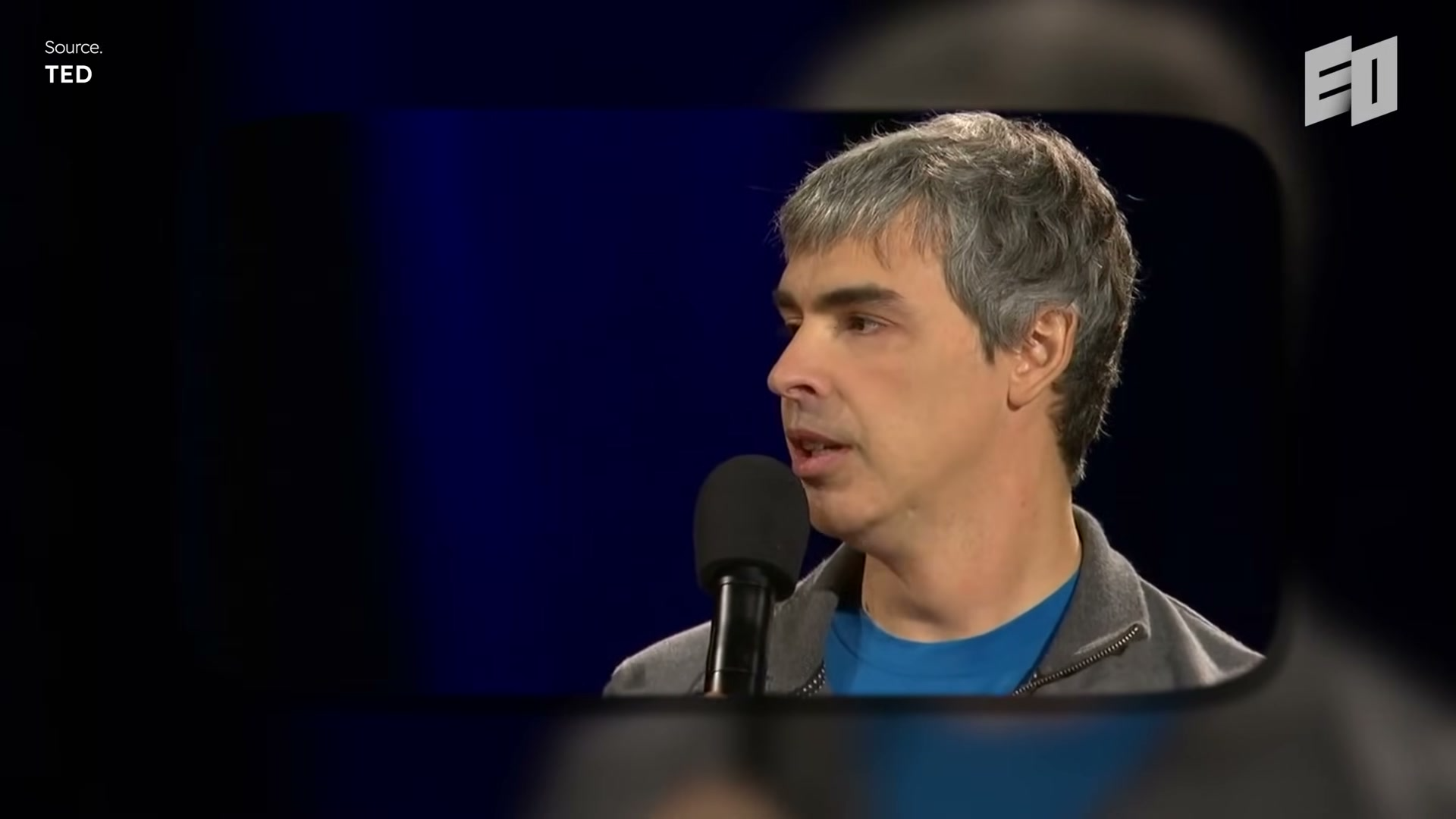
Aydin Senkut: So before I started Felicia's Ventures, I was Google's first product manager. When I started at Google, one of the most interesting and brilliant things we did is to launch Gmail. I think Gmail was extremely important to us and it really helped Google scale. Google was just beginning to monetize. Believe it or not, we did not have ads yet, and Larry and Sergei were vehemently against ads because they did not think yet how we could incorporate ads in a very quality way into our search results.
That came while I was at Google and a huge breakthrough where we decided that the way to make ads as relevant was to basically measure and rank them by click-through rate because then we could have confidence that as users indicate which ads are most helpful to them, the ads could be as interesting and useful as the search results.
I would say there are 3 main lessons. One is, and this is something that I especially learned from Larry, but he was very adamant and he always really cared about focusing on a very few things. I used to joke that his favorite word was no. I think 90% of the time he just said no and then very few times he said yes, but when he said yes, you knew that that was something that mattered and everybody rallied around and tried to make that possible, whatever it was he was asking.
The other thing that Larry did that I think was very interesting is he always asked for very uncomfortable, very difficult goals. I think that the other message from that was you cannot build a truly great company if you are only striving for a 10% or 20% improvement.
That came while I was at Google and a huge breakthrough where we decided that the way to make ads as relevant was to basically measure and rank them by click-through rate because then we could have confidence that as users indicate which ads are most helpful to them, the ads could be as interesting and useful as the search results.
I would say there are 3 main lessons. One is, and this is something that I especially learned from Larry, but he was very adamant and he always really cared about focusing on a very few things. I used to joke that his favorite word was no. I think 90% of the time he just said no and then very few times he said yes, but when he said yes, you knew that that was something that mattered and everybody rallied around and tried to make that possible, whatever it was he was asking.
The other thing that Larry did that I think was very interesting is he always asked for very uncomfortable, very difficult goals. I think that the other message from that was you cannot build a truly great company if you are only striving for a 10% or 20% improvement.
Can you give us a specific example of how this philosophy played out at Google?
Aydin Senkut: We did something interesting at Google where we essentially had a very healthy disrespect of status quo and what we did is oftentimes we tried to find the world's smartest people, gave them challenges whether they had any experience or knowledge in this area or not, and just told them to do it.
So a good example of that, I used to bike with the lead engineer in the ad surfing team, and interestingly that engineer was not specialized in ad surfing at all. One day Sergei went to him and said, 'Oh, we decided that we are to build an ad server. Chad. His name was Chad. You're very smart. Pick 5 more engineers. You have about 6 months, and in 6 months I want to make sure that we have a functioning ad server.' And they did it, and I joke they did it because they had no idea what they were getting into.
And so they just made it happen. And if this was in any other large company, they would have asked for hundreds of engineers and probably said it would take them a couple of years to build something like that.
So a good example of that, I used to bike with the lead engineer in the ad surfing team, and interestingly that engineer was not specialized in ad surfing at all. One day Sergei went to him and said, 'Oh, we decided that we are to build an ad server. Chad. His name was Chad. You're very smart. Pick 5 more engineers. You have about 6 months, and in 6 months I want to make sure that we have a functioning ad server.' And they did it, and I joke they did it because they had no idea what they were getting into.
And so they just made it happen. And if this was in any other large company, they would have asked for hundreds of engineers and probably said it would take them a couple of years to build something like that.
The 10X Principle That Drives Every Decision
You've mentioned the '10x principle' several times. How does this framework guide your investment decisions at Felicis?
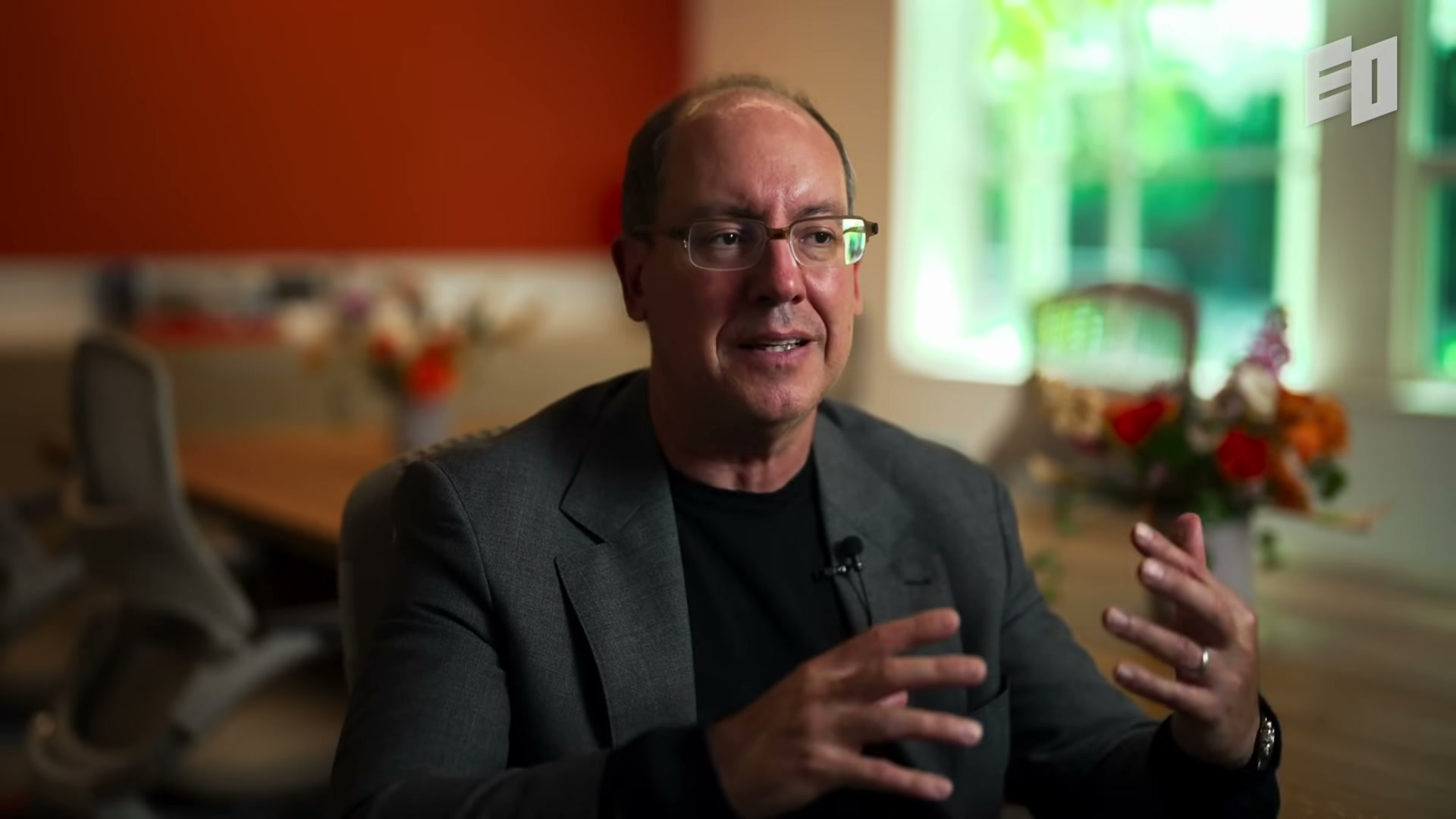
Aydin Senkut: So one of the rules or principles that stuck with me from my days at Google is the 10x principle, meaning that if you want to be really great at something, like if you have a startup, even at an investment firm, whatever it is that you're doing, if you're working at a company, starting a company, scaling a company, it is very important that whatever you do has to be 10 times better, 10 times cheaper, or 10 times faster, maybe ideally all 3 than the competition than the existing solutions.
Give me a sense of the philosophy of your own mind. You don't simply want to go in some small measurable arena of progress.
Aydin Senkut: Yeah, I think, you know, many of the things we just talked about are like that where they really non, you know, I almost use the economic concept of additionality, which means you're doing something that wouldn't happen unless you're actually doing it. And I think the more you can do things like that, the bigger impact you have and you know, that's about doing things that are, you know, people might not think are possible.
And I've been amazed, the more I learn about technology. The more I realize I don't know, and that's because it's technological horizon. The thing that you can see to do next, the more you learn about technology, the more you learn what's possible. You learn that the balloons are possible because there's some material that will work for them.
So the 10x principle can also apply to the markets that you decide to go after. I think one of the things that we really care when we are making investment decisions, the number one thing is that we try to find markets that are poised for great growth. The markets can be either very large or can potentially become very large, especially if there is great growth, if there is a critical product.
And I've been amazed, the more I learn about technology. The more I realize I don't know, and that's because it's technological horizon. The thing that you can see to do next, the more you learn about technology, the more you learn what's possible. You learn that the balloons are possible because there's some material that will work for them.
So the 10x principle can also apply to the markets that you decide to go after. I think one of the things that we really care when we are making investment decisions, the number one thing is that we try to find markets that are poised for great growth. The markets can be either very large or can potentially become very large, especially if there is great growth, if there is a critical product.
The Market-First Philosophy
You mentioned that markets always win. How do you evaluate market potential versus founder quality?
Aydin Senkut: One of the things that we like to think most of our most successful companies have a very broad customer base. For instance, if you look at Shopify powering commerce. Commerce basically applies to almost every business in the world. Adan with payments, any business, if they want to create revenues, they have to have payments. Or some of our other companies like Recursion or Cancer, at the end of the day there are certain illnesses and diseases in the world that unfortunately at some point might affect either ourselves or our family members or our friends.
So we love companies that are doing something not just important but something that is potentially applicable to almost anywhere. In the world we can see this as the extension of the 10x principle because the larger the market, the higher the potential for a company to be successful. But one of the other things that we really pay great attention to is that the companies are doing something that is so revolutionary, so incredible that the impact coincides with the 10x principle. It's that 10x is better, 10x faster, 10x cheaper.
We tell our team over and over again, look for that, either that the company can do it or the company has an idea and the potential to do it. We really start with the market, and one of the reasons for that is I call it almost like a Newtonian law in startups is that when anything else goes against markets, the markets win. So you have to be in the right market and you also roughly have to get the timing right.
So we love companies that are doing something not just important but something that is potentially applicable to almost anywhere. In the world we can see this as the extension of the 10x principle because the larger the market, the higher the potential for a company to be successful. But one of the other things that we really pay great attention to is that the companies are doing something that is so revolutionary, so incredible that the impact coincides with the 10x principle. It's that 10x is better, 10x faster, 10x cheaper.
We tell our team over and over again, look for that, either that the company can do it or the company has an idea and the potential to do it. We really start with the market, and one of the reasons for that is I call it almost like a Newtonian law in startups is that when anything else goes against markets, the markets win. So you have to be in the right market and you also roughly have to get the timing right.
Once you've identified the right market, how do you evaluate the founding team?
Aydin Senkut: So I think one of the ways that we try to make our decisions better and use mental, conserve mental power, we are very selective in the markets that we go after and once we choose that, I feel it's one of the most important parts of the decision. Then the secret is, can you identify the founder that can really scale.
I obviously I am not going to lie to you, founders are extremely important, and the next most important thing in our decision process is essentially understanding founders, understanding people, and this is an important point because not only do we have, and this is the reason why the team's diversity is really important, but one of the things that I don't think people appreciated in my background is the fact that I spent a lot of time in sales, spent a lot of time trying to understand people, and everybody thinks venture capitalist finance is all about the numbers.
Everybody is good at numbers and venture capital. What is more difficult and more rare is being able to understand people and being able to relate to people. So I feel like that was my superpower that really helped me be a great investor, and we actually went even beyond that.
I obviously I am not going to lie to you, founders are extremely important, and the next most important thing in our decision process is essentially understanding founders, understanding people, and this is an important point because not only do we have, and this is the reason why the team's diversity is really important, but one of the things that I don't think people appreciated in my background is the fact that I spent a lot of time in sales, spent a lot of time trying to understand people, and everybody thinks venture capitalist finance is all about the numbers.
Everybody is good at numbers and venture capital. What is more difficult and more rare is being able to understand people and being able to relate to people. So I feel like that was my superpower that really helped me be a great investor, and we actually went even beyond that.
The Shopify Masterclass
Let's dive into one of your most successful investments. What made Shopify special from the early days?
Aydin Senkut: I mean, I can pick some examples. Look, I think one of the most impressive ones is Shopify. Shopify was another incredible concept. You know, Toby, who's the founder of Shopify with his two co-founders, actually he wanted to do a snowboard store and realized that there were no great tools available to do that. And then he basically decided that actually a better idea was to start a software company.
He was clearly very good at that, but he had some really unique insights. One, Shopify underpriced the product to make it available. Shopify I think always undercharged for the product because they thought, hey, if people are getting value and those businesses are scaling, they can grow with those businesses.
I think Toby also made some really great decisions. I will mention a couple, for instance, from very early on, even though Shopify was very easy to use, people were still finding Shopify and using it through agencies and other channels. So they went to the channel and agencies said, 'Look, we're not going to give you a one-time fee. If somebody is using Shopify through you and they continue using it through you, you're going to get lifetime commission.' So underpricing the product, fantastic product, treating the channel really well and being very creative of giving them lifetime commissions.
He was clearly very good at that, but he had some really unique insights. One, Shopify underpriced the product to make it available. Shopify I think always undercharged for the product because they thought, hey, if people are getting value and those businesses are scaling, they can grow with those businesses.
I think Toby also made some really great decisions. I will mention a couple, for instance, from very early on, even though Shopify was very easy to use, people were still finding Shopify and using it through agencies and other channels. So they went to the channel and agencies said, 'Look, we're not going to give you a one-time fee. If somebody is using Shopify through you and they continue using it through you, you're going to get lifetime commission.' So underpricing the product, fantastic product, treating the channel really well and being very creative of giving them lifetime commissions.
What other strategic decisions did Toby make that contributed to Shopify's success?
Aydin Senkut: I think the other aspect of it, similar to what I experienced at Google, Toby realized what were the most important product aspects. So for instance, when Shopify launched payments, it was at a perfect time and it really contributed to the company's stratospheric growth. So again, the idea that, hey, listen, if you want to scale a business, there's going to be a few really important decisions, and it's important to get it right.
The last nuance. This, by the way, happened both at Google and Shopify, but both Google and Shopify had very good internal data, real-time data on how the business ran. And for instance, like early on Google, when we were even like 50 people, we had internal dashboards that I could see anything from which servers are up to how many queries are being served around the world and how our customers are doing. Every aspect of the business is available. The information on it was available in real time. I think Shopify built something like that internally as well.
I always like to use the example of a. It's one of my favorite sports, and one of the things that's special about it is it's a sport where everything is measured in 1 1000 of a second, and the success is often determined by very, very tiny, minute differences, and they can do that because they measure every aspect of everything that's happening. One of the biggest things that I learned for startups is that yes, you might want to be successful, but the only way to do that is if you know what to measure and you're measuring it in a very comprehensive way, because that then allows you to realize that performance.
The last nuance. This, by the way, happened both at Google and Shopify, but both Google and Shopify had very good internal data, real-time data on how the business ran. And for instance, like early on Google, when we were even like 50 people, we had internal dashboards that I could see anything from which servers are up to how many queries are being served around the world and how our customers are doing. Every aspect of the business is available. The information on it was available in real time. I think Shopify built something like that internally as well.
I always like to use the example of a. It's one of my favorite sports, and one of the things that's special about it is it's a sport where everything is measured in 1 1000 of a second, and the success is often determined by very, very tiny, minute differences, and they can do that because they measure every aspect of everything that's happening. One of the biggest things that I learned for startups is that yes, you might want to be successful, but the only way to do that is if you know what to measure and you're measuring it in a very comprehensive way, because that then allows you to realize that performance.
The Founder Playbook for Success
Based on your experience backing 45+ unicorns, what are the key factors that separate successful founders from the rest?
Aydin Senkut: I think there are many factors. We will talk about personal elements of founders, but I will reiterate, I think being in the right market is very important. So if you choose the wrong market, it's very difficult to be successful, if not impossible. So no matter what happens, I think finding the right market and ideally getting the timing mostly right is very important.
After that, I think there are certain elements. Number one, whoever is the founder, you need to be very focused. I think early on, because you have very few people, the tendency is, well, the only way I can feel successful and great as a CEO is if I'm doing 50 things, but the reality is there are very few things that truly are going to make a difference in the company, and doing 50 things or 20 things, it means that you're not going to do each one of them extremely well.
But success in the beginning means you have to be focused, you have very limited resources, understand one or two things that matter, and absolutely do the best job in those things. The only way you can do that is if you're able to focus on them and do a great job.
After that, I think there are certain elements. Number one, whoever is the founder, you need to be very focused. I think early on, because you have very few people, the tendency is, well, the only way I can feel successful and great as a CEO is if I'm doing 50 things, but the reality is there are very few things that truly are going to make a difference in the company, and doing 50 things or 20 things, it means that you're not going to do each one of them extremely well.
But success in the beginning means you have to be focused, you have very limited resources, understand one or two things that matter, and absolutely do the best job in those things. The only way you can do that is if you're able to focus on them and do a great job.
What about persistence? How important is the ability to keep going despite setbacks?
Aydin Senkut: One important thing is just consistency and staying at it. I'll give you an example. One of the tough things as a startup, speed is your biggest friend. You can do many things with a small team, but because the team is really small in the beginning, probably the progress will not be super big. There will be like small things, but what we forget is small things can compound to something very big.
And then the other thing that I will say, I think everybody thinks that great companies succeed in a straight line. And they never succeed in a straight line. So I think one of the hardest things to do as a founder is essentially like take setback, take disappointment, take no, take skeptics, and then keep going. You have to be at it.
And to me what I always like to say is people that underestimate me or my team, any type of rejection, any type of setback or disappointment, I call it jet fuel. It makes you angry, it makes you upset. Creates this feeling it's like, no, we deserve better. Honestly, how you feel doesn't matter, but what does matter is to take that mental energy and then say, 'OK, you know what, I'm going to take that and make things better. I'm going to try one more time. I'm going to try a different way,' and that's what it takes, and sometimes it might be 10 times, 20 times, 30 times until you get to the first time where it's a yes or it works or you're a first customer, but it's very important that you stay at it and you don't give up.
And then the other thing that I will say, I think everybody thinks that great companies succeed in a straight line. And they never succeed in a straight line. So I think one of the hardest things to do as a founder is essentially like take setback, take disappointment, take no, take skeptics, and then keep going. You have to be at it.
And to me what I always like to say is people that underestimate me or my team, any type of rejection, any type of setback or disappointment, I call it jet fuel. It makes you angry, it makes you upset. Creates this feeling it's like, no, we deserve better. Honestly, how you feel doesn't matter, but what does matter is to take that mental energy and then say, 'OK, you know what, I'm going to take that and make things better. I'm going to try one more time. I'm going to try a different way,' and that's what it takes, and sometimes it might be 10 times, 20 times, 30 times until you get to the first time where it's a yes or it works or you're a first customer, but it's very important that you stay at it and you don't give up.
The Art of Measurement and Storytelling
You emphasize the importance of measurement. How do successful founders approach metrics?
Aydin Senkut: I think the second thing we kind of touched on it, but how important it is to find a way to measure success. Let's say that we have a vision. We want to be very successful. Well, like for instance, if you want to be a great successful investment firm, you need to have density of success from 100 investments you make. How many of them are exited? How many of them become successful companies. These are very black and white numbers.
If we say we have a global strategy, one of the things that I'm very proud. Out of any stage that we worked at, any sector we looked at, any country we invested in, pretty much every single area of our strategy we have a success. We have an IP or an exit, and so that basically makes it very black and white. And when you can measure things that specifically, it really does help optimize and make the business successful. That's, I think, super important as well.
If we say we have a global strategy, one of the things that I'm very proud. Out of any stage that we worked at, any sector we looked at, any country we invested in, pretty much every single area of our strategy we have a success. We have an IP or an exit, and so that basically makes it very black and white. And when you can measure things that specifically, it really does help optimize and make the business successful. That's, I think, super important as well.
What about the softer skills? How important are storytelling and charisma for founders?
Aydin Senkut: I think the last aspect of it is combination storytelling, combination charm. Let me explain. I think one of the most important jobs of a founder, especially a CEO, is you have to be able to get customers. You have to be able to hire people, you have to be able to keep scaling the company even when times are hard. A lot of times that means that you have to be a great storyteller because let's be honest, if you are buying something today, you're not buying something just because of the product and some future, but there is something about that brand that appeals to you.
It's the same thing when we are joining companies that Yes, maybe at the end it's a job, but the company's culture and the company's vibe really matters. How charismatic the leader is matters, and so that's very important, and I think something that I found in founders, and it is unfortunately not negotiable, like you either have to have yourself or like maybe a co-founder who is very good at storytelling, who is very charismatic, so that it allows you to hire amazing people, and part of it is also the mission.
The more ambitious the mission of the company, obviously the more people will get excited about it, and that comes again back to the 10x principle is that a lot of times ideas are ideas, but some ideas are more powerful and more scary than others. So the bigger the idea and the bigger the impact, I think even though it might be difficult, it's going to inspire people and it's going to motivate them to do something that's really hard because at the end of the day we want our lives to have purpose, and the best way to do that is if you're pursuing a very challenging problem.
It's the same thing when we are joining companies that Yes, maybe at the end it's a job, but the company's culture and the company's vibe really matters. How charismatic the leader is matters, and so that's very important, and I think something that I found in founders, and it is unfortunately not negotiable, like you either have to have yourself or like maybe a co-founder who is very good at storytelling, who is very charismatic, so that it allows you to hire amazing people, and part of it is also the mission.
The more ambitious the mission of the company, obviously the more people will get excited about it, and that comes again back to the 10x principle is that a lot of times ideas are ideas, but some ideas are more powerful and more scary than others. So the bigger the idea and the bigger the impact, I think even though it might be difficult, it's going to inspire people and it's going to motivate them to do something that's really hard because at the end of the day we want our lives to have purpose, and the best way to do that is if you're pursuing a very challenging problem.
Learning to Tell the Story: 107 Iterations
You mentioned getting 40+ rejections when starting Felicis. How did you develop your storytelling skills?
Aydin Senkut: I think I was a horrible storyteller, and how do I know that? When I first tried to start Felicis, I had, I think, at least 40 no's. It was very disappointing because I thought I was telling a great story and I was very proud of my idea and I was very excited about what we're going to build and honestly, the main strategy has always been the same, but what I realized is that what I was trying to talk about and what people were hearing were not always the same.
What I also started appreciating is that it wasn't just important what I was telling, but I needed to understand what people cared about on the other side. And so for me, a lot of it came down to just practice. I think I shared with my team, but when we got our first check, I think the version of our deck was like 107, which means that we had 107 revisions to the deck. The message was the same. The strategy. It was the same, but we iterated 107 times to tell the story 107 ways until the first person said yes.
What I also started appreciating is that it wasn't just important what I was telling, but I needed to understand what people cared about on the other side. And so for me, a lot of it came down to just practice. I think I shared with my team, but when we got our first check, I think the version of our deck was like 107, which means that we had 107 revisions to the deck. The message was the same. The strategy. It was the same, but we iterated 107 times to tell the story 107 ways until the first person said yes.
What's your advice for founders who struggle with storytelling?
Aydin Senkut: I think the second thing is you have to be a great student of people. I think a lot of times we get so excited about the ideas as founders. All we can think about is what we love and what we are going to do and why we think this is going to be successful. We don't think as much about the other people, and so part of being a great storyteller is know your audience and in order to know your audience, you need to really understand them.
Who are they? Where do they come from? What do they like? Where did they go to school? How were they brought up? And I think that matters because it feels like the last 10% of the details are maybe the 90% of the value, but most people do the first 90%, but then they don't want to put the effort into the last 10%, and the last small details can make a very big difference.
Who are they? Where do they come from? What do they like? Where did they go to school? How were they brought up? And I think that matters because it feels like the last 10% of the details are maybe the 90% of the value, but most people do the first 90%, but then they don't want to put the effort into the last 10%, and the last small details can make a very big difference.
Building a Legacy Beyond Returns
Looking at your portfolio's global impact, what are you most proud of beyond the financial returns?
Aydin Senkut: One of the things that I'm really proud of, investment is a tough business because what we do is essentially like we're writing checks, but the thing that we're doing is not something you can touch. Like you can't touch this table and say, look, we are carpenters and we make great tables. The thing that really means the world to us is twofold.
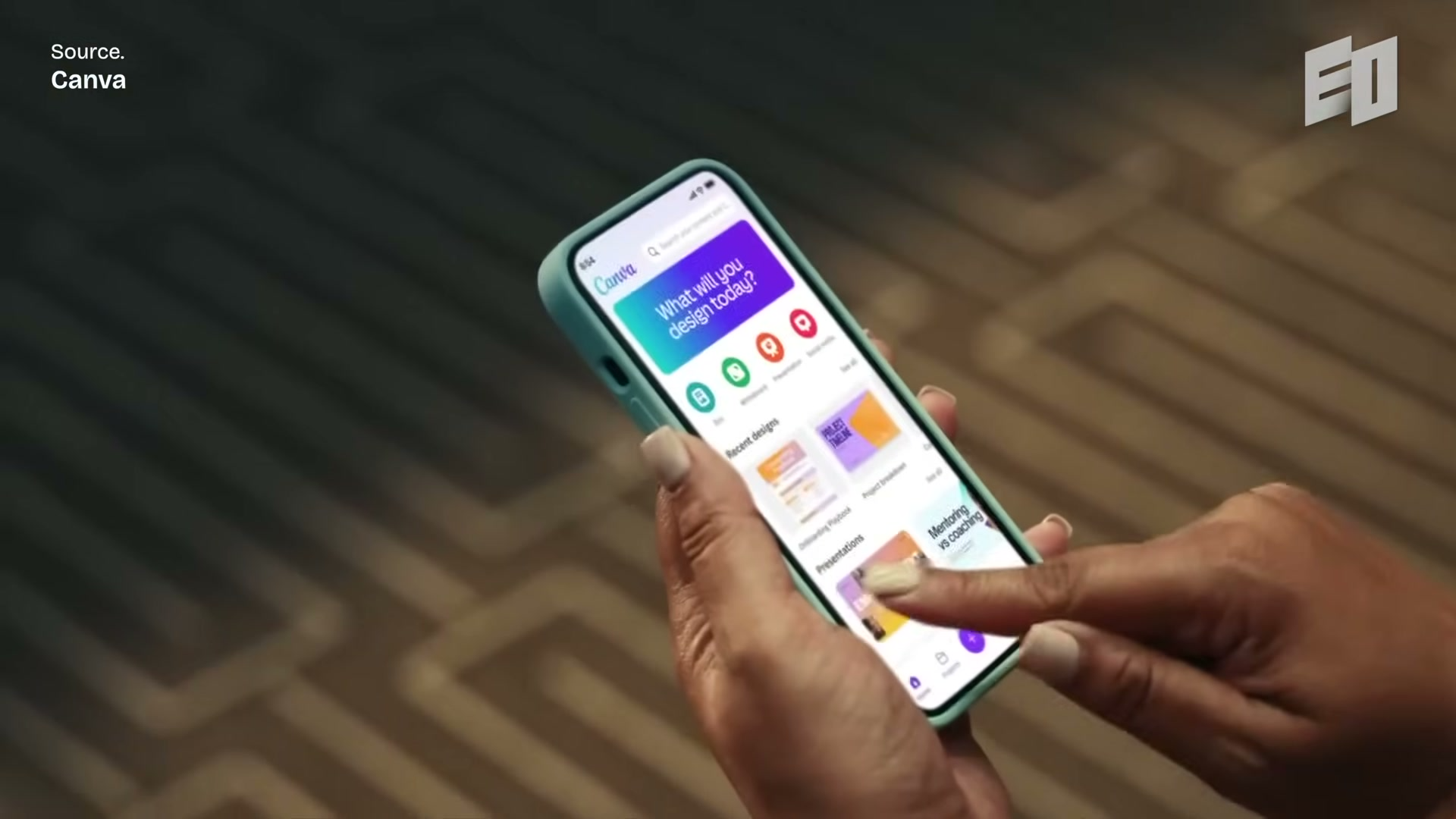
One, we feel that as our portfolio globally becomes larger, it's becoming more and more clear to us that every minute. Every hour of the day somebody in the world is interfacing, interacting with the Felicis portfolio company and hopefully in a good way, whether it's one of our biotech companies like curing a rare disease or cancer, diagnosing a disease, it's one of our other companies like Shopify helping somebody become an entrepreneur or helping process payments, or one of our creativity companies like Canva, maybe it's a kid at school and they to create something and the first tool they use is Canva, and that's a very fantastic feeling that the way that the world is today, the way it's going to be in the future, and as the future gets created, it's Felicis's companies that are taking the lead to create that future, and that's an incredible feeling.
And then I think the same is true about our limited partners, so the people that invest in our funds, basically they're all endowments. They are health systems. They are organizations that have kind of a charitable cause or mission, and some of our other foundations or families that we work with are working on freedom of speech or they have great charitable causes like saving the oceans and all of that. So what we feel great is that we are not just about financial returns, but the impact of that is going to be making the world a better place, partly true with our companies, but also partly through our limited partners and our investors.
One, we feel that as our portfolio globally becomes larger, it's becoming more and more clear to us that every minute. Every hour of the day somebody in the world is interfacing, interacting with the Felicis portfolio company and hopefully in a good way, whether it's one of our biotech companies like curing a rare disease or cancer, diagnosing a disease, it's one of our other companies like Shopify helping somebody become an entrepreneur or helping process payments, or one of our creativity companies like Canva, maybe it's a kid at school and they to create something and the first tool they use is Canva, and that's a very fantastic feeling that the way that the world is today, the way it's going to be in the future, and as the future gets created, it's Felicis's companies that are taking the lead to create that future, and that's an incredible feeling.
And then I think the same is true about our limited partners, so the people that invest in our funds, basically they're all endowments. They are health systems. They are organizations that have kind of a charitable cause or mission, and some of our other foundations or families that we work with are working on freedom of speech or they have great charitable causes like saving the oceans and all of that. So what we feel great is that we are not just about financial returns, but the impact of that is going to be making the world a better place, partly true with our companies, but also partly through our limited partners and our investors.
What's your vision for how technology should evolve to better serve humanity?
Aydin Senkut: I really would like to see technology play a bigger role in peace, whatever that may be. Look, I think I also want technology to make us happier because one of the things that I'm seeing that stresses me out, I have two kids, teenagers, and I see how much technology is pervasive in their life, but I am also seeing maybe compared to my generation, this generation has a lot more in terms of technology and wealth. But they are more stressed and they have more mental issues than I've ever seen.
I think it's very important that we have to take ownership and responsibility. The world is not just about the impact that technology can have and the wealth that it can create, but if it's making us more depressed and less happy, I feel like we lost the point. We missed the point.
So to me, my dream and my hope would be that not only does technology keep it advancing, which it will, will create more value, which it will, but it also has a positive impact on humanity. I'm not just saying like cleaning up the oceans or whatever, but we as people, hopefully like my kids' generation can say oh we are a little bit happier and we are a little bit less stressed than my generation, and that would be a great dream if technology can achieve that. I feel like we're going to be in a much better place.
I think it's very important that we have to take ownership and responsibility. The world is not just about the impact that technology can have and the wealth that it can create, but if it's making us more depressed and less happy, I feel like we lost the point. We missed the point.
So to me, my dream and my hope would be that not only does technology keep it advancing, which it will, will create more value, which it will, but it also has a positive impact on humanity. I'm not just saying like cleaning up the oceans or whatever, but we as people, hopefully like my kids' generation can say oh we are a little bit happier and we are a little bit less stressed than my generation, and that would be a great dream if technology can achieve that. I feel like we're going to be in a much better place.
Explore more