
"You can't be successful in the education field. You are not fluent in English. You are not well educated in the US point of view." These weren't words of discouragement from competitors—they came directly from potential investors, spoken to CEO Shin Lee's face during fundraising meetings.
Lee is the co-founder of Enuma, a Silicon Valley education startup that has defied every prediction made against her. Her learning apps now serve over 10 million children worldwide, the company has raised $23 million in venture funding, and their KitKit School won Elon Musk's $15 million Global Learning XPRIZE—the largest educational technology competition in history.
But Lee's journey to Silicon Valley success wasn't driven by market opportunity or venture capital ambitions. It began in a hospital room with her newborn son, fighting for his life, and a doctor's unexpected question that would change everything. In this interview, Lee reveals how personal tragedy became the foundation for a mission to revolutionize learning for the world's most vulnerable children—and why the biggest barriers often come from the very people meant to support you.
Watch the full interview now on EO's YouTube channel! Below is the complete transcription of the interview. Minor edits have been made for clarity and readability.
Key Highlights:
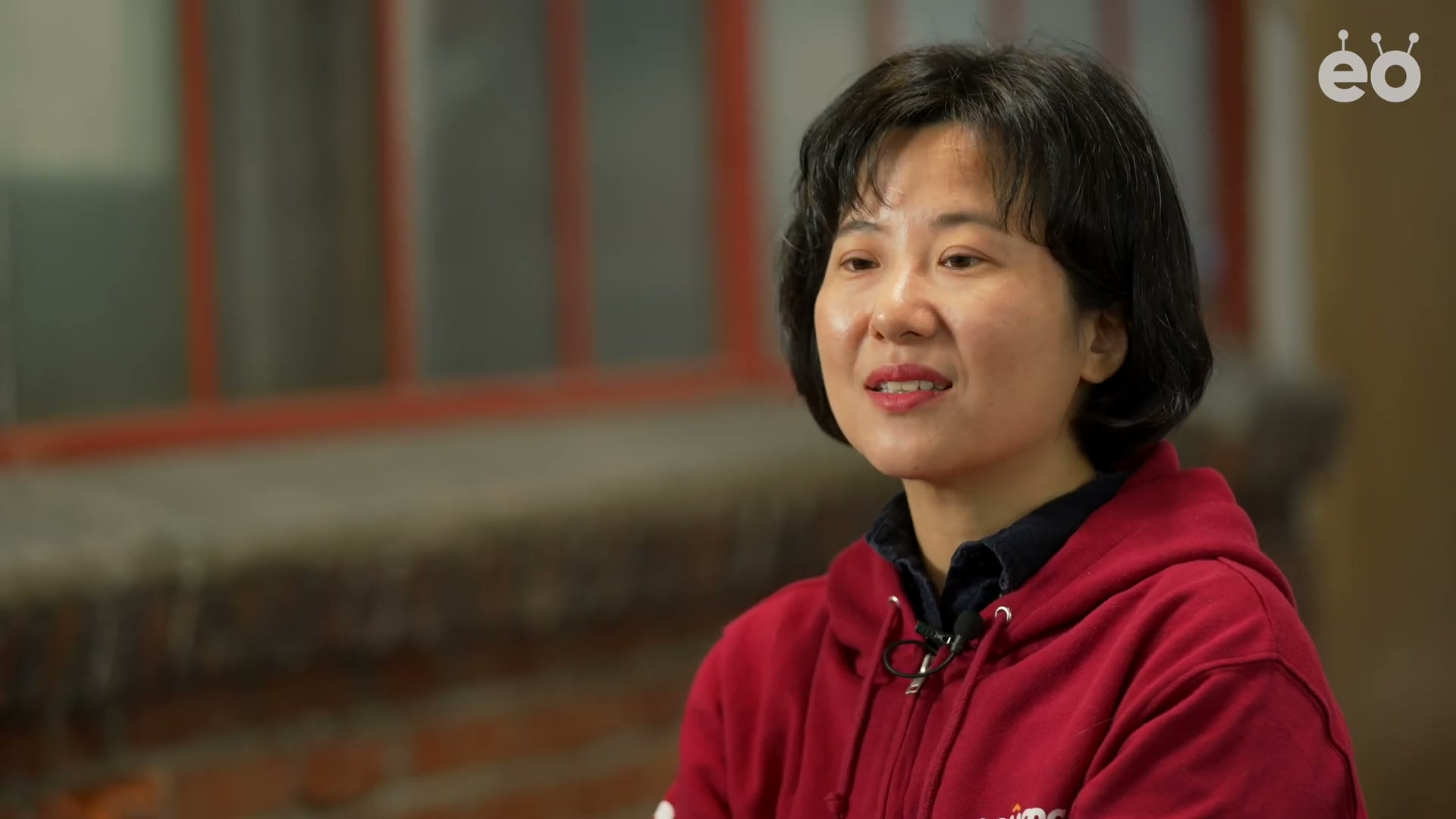
"When my son was born, he needed to stay in the hospital for 2 months. He had a hard time for many basic things like breathing or eating. And then we realized that he may need to learn so many things in life with other people's effort and support."
"One day, a doctor came in and asked me, what did you do before? I still remember. Ashamed of saying, oh, I was, I was a game designer because game developers seems the least helpful job to help our children, and she said, oh fantastic, these children need that type of profession."
"We got 1 million finalists over and became a co-winner and received $5 million from Elon Musk. I was pregnant. I gave birth to my 2nd 12 weeks after the X Prize deadline."
"When I first built a company and tried to raise from angel investors, some people just say it in front of my face. Hey, are you ready to replace your CEO into White male, they dearly said so. You can't be successful in the education field. You are not fluent in English. You are not well educated in the US point of view."
"One day, a doctor came in and asked me, what did you do before? I still remember. Ashamed of saying, oh, I was, I was a game designer because game developers seems the least helpful job to help our children, and she said, oh fantastic, these children need that type of profession."
"We got 1 million finalists over and became a co-winner and received $5 million from Elon Musk. I was pregnant. I gave birth to my 2nd 12 weeks after the X Prize deadline."
"When I first built a company and tried to raise from angel investors, some people just say it in front of my face. Hey, are you ready to replace your CEO into White male, they dearly said so. You can't be successful in the education field. You are not fluent in English. You are not well educated in the US point of view."
When the Doctor Changed Everything
Can you tell us about the moment that sparked Enuma's creation?
Shin Lee: We started this company with a personal motivation. Konho and I met on the first day of our college. He was one of the best programmers in his peer in Korea, and I was a student of School of Art. And then we both came to the game industry, sometimes worked in the same company. Before coming to the United States, he was a technical director of NCSoft and I was a corporation strategist and I was a game designer before.
When my son was born, he needed to stay in the hospital for 2 months. He had a hard time for many basic things like breathing or eating. And then we realized that he may need to learn so many things in life with other people's effort and support.
One day, a doctor came in and asked me, what did you do before? I still remember. Ashamed of saying, oh, I was, I was a game designer because game developers seems the least helpful job to help our children, and she said, oh fantastic, these children need that type of profession. That was really, really important moment. I never thought that our history of making games could be helpful for those children who were born with disabilities.
So on that night, I googled software for special education, and the quality of software we saw couldn't meet the bar in the front line of the game industry. It was so natural to make that decision together, like, hey, let's make something that is more pleasant to do all those math deals when they were young.
When my son was born, he needed to stay in the hospital for 2 months. He had a hard time for many basic things like breathing or eating. And then we realized that he may need to learn so many things in life with other people's effort and support.
One day, a doctor came in and asked me, what did you do before? I still remember. Ashamed of saying, oh, I was, I was a game designer because game developers seems the least helpful job to help our children, and she said, oh fantastic, these children need that type of profession. That was really, really important moment. I never thought that our history of making games could be helpful for those children who were born with disabilities.
So on that night, I googled software for special education, and the quality of software we saw couldn't meet the bar in the front line of the game industry. It was so natural to make that decision together, like, hey, let's make something that is more pleasant to do all those math deals when they were young.
How did your son's experience shape your understanding of learning?
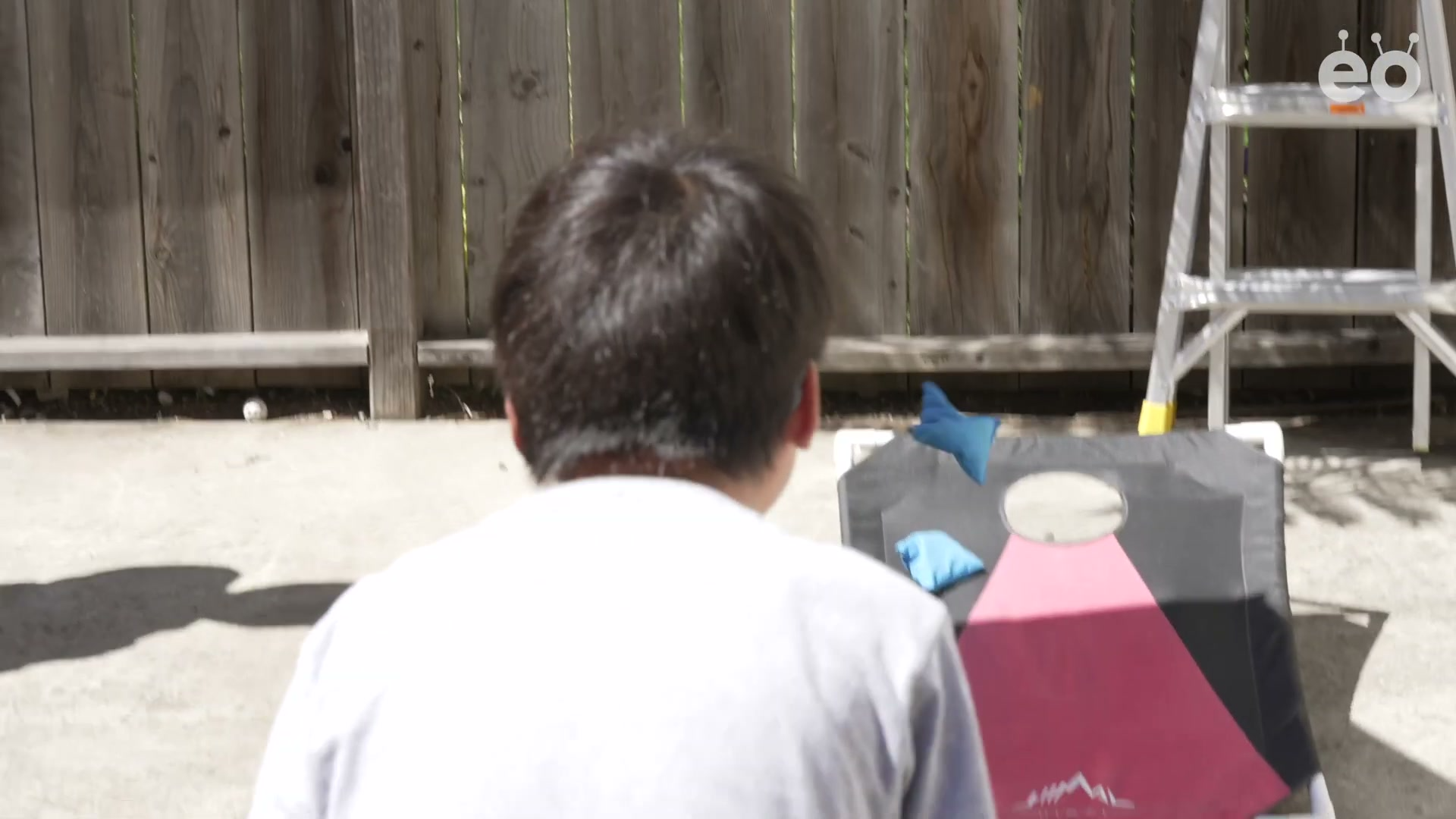
Shin Lee: He's receiving amazing special education in these beautiful schools, and he actually developed his own way and enjoys his life. He learns everything at his own speed, but if you try to compare his achievements with other children, he is far slow. So even though he tried his best, it's really hard to listen to the full story from him. He was a really great inspiration for my husband and I. It was really a pleasure to see and support how he learned in his own speed.
I thought that all children may struggle in learning because of their personal difficulties, because they have some issue in their hearing, because they may have some issues in their brain. When I met other children without any difficulties or differences, but struggling in learning because of their environment, lack of family support, I was deeply surprised.
I met a group of children who had an activity of sorting ABC's and number card. My son actually could do so many things compared to other children who come to school without any academic preparation. That was an eye opening moment for us. The learning is designed for Aboriginal learners. It means that 50% of children have a chance to be successful and 50% of the children have a chance to fail. Since then, we expanded our target into struggling learners, including all children who are left behind, whatever reason they have.
I thought that all children may struggle in learning because of their personal difficulties, because they have some issue in their hearing, because they may have some issues in their brain. When I met other children without any difficulties or differences, but struggling in learning because of their environment, lack of family support, I was deeply surprised.
I met a group of children who had an activity of sorting ABC's and number card. My son actually could do so many things compared to other children who come to school without any academic preparation. That was an eye opening moment for us. The learning is designed for Aboriginal learners. It means that 50% of children have a chance to be successful and 50% of the children have a chance to fail. Since then, we expanded our target into struggling learners, including all children who are left behind, whatever reason they have.
The Unintended Consequence of Success
Tell us about your first major product, Todo Math, and what happened when it launched.
Shin Lee: We released our first flagship successful product in 2014 called Todo Math. Todo Math is designed for kindergarten to 2nd graders who are struggling in following teachers speed in math. So we wanted to provide individualized support on children's basic counting and adding and subtracting activities. Children loved it. My child enjoyed it. We tested it in Costco for a whole entire year. It was so fun. Also with the help of that popularity in East Asia, we could secure A from Softbank Ventures Asia and another is Tel Education Group in China.
But when we released its Asian version, it became popular for a totally different reason. I heard some crazy things from China, from one VC who was super excited that our application can make an 18 month old to prepare the kindergarten entrance exam.
In the early days, I was really upset because I designed this app to close the large gap in education, but when it released to the market, the most smart and wealthy parents find its value, use our app to make it early access, get advantage in the school system of their children. That is happening. We start to lose our motivation. We really didn't like the consequences, but that was the reality.
But when we released its Asian version, it became popular for a totally different reason. I heard some crazy things from China, from one VC who was super excited that our application can make an 18 month old to prepare the kindergarten entrance exam.
In the early days, I was really upset because I designed this app to close the large gap in education, but when it released to the market, the most smart and wealthy parents find its value, use our app to make it early access, get advantage in the school system of their children. That is happening. We start to lose our motivation. We really didn't like the consequences, but that was the reality.
Betting Everything on Elon Musk's Challenge
How did you discover the Global Learning XPRIZE, and what made you decide to compete?
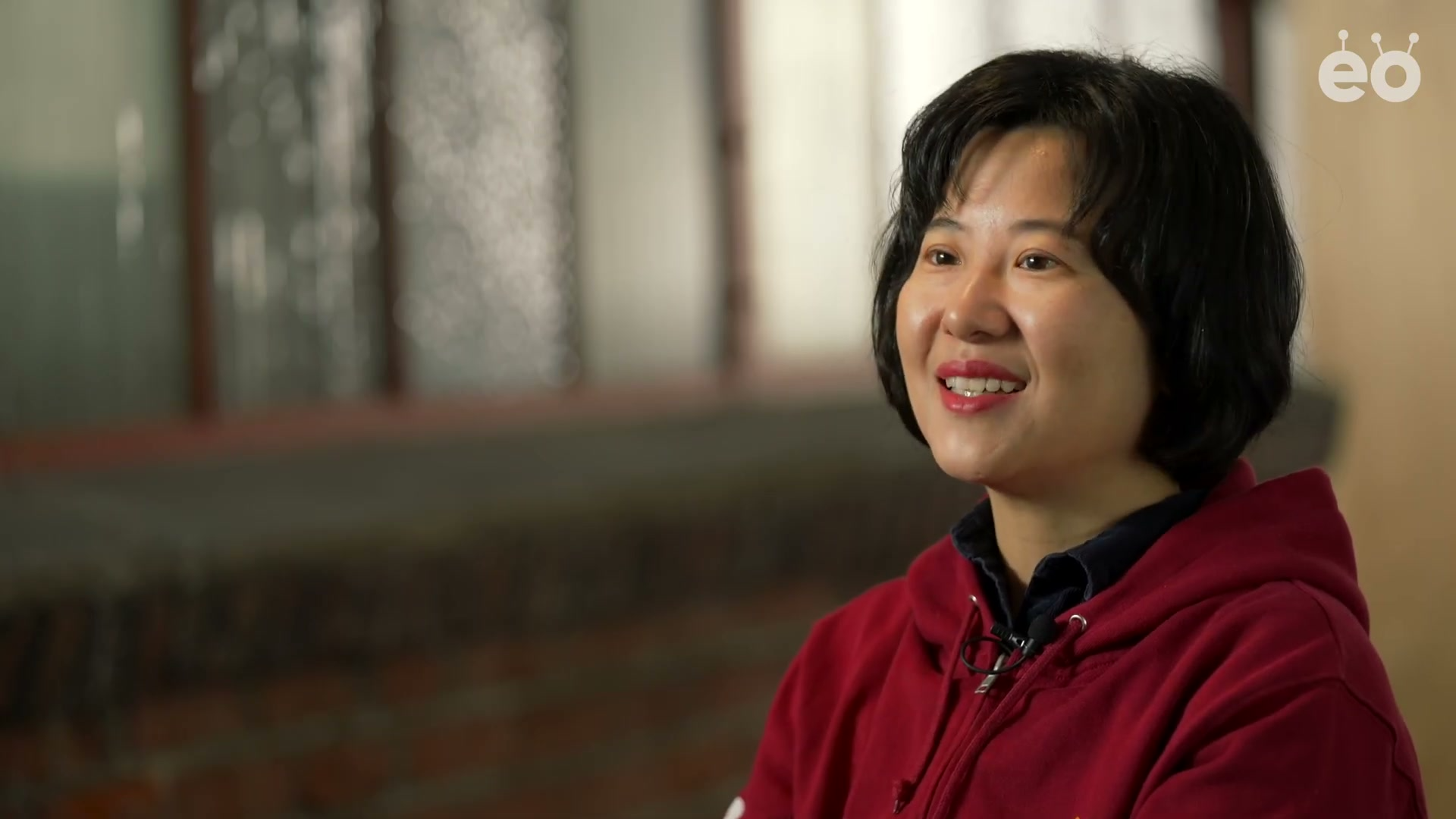
Shin Lee: We really tried to go to the public education market because school is the only way to give those applications and those benefits to children who actually need that, and we couldn't see any fast track to get into the school system in a larger scale. And then we heard about global Learning XPRIZE competition.
Global Learning X Prize competition. They wanted to know can tablet-based education help for children who couldn't access the school system. They think that if one application proves it is possible, it can solve the large problem of children's education around the world. Elon Musk $15 million of prizes and there are other donations to run this the largest pilot test that the UN ever had in developing countries' education at the time, the number we heard 254 million children.
Some of XPRIZE's rule. All of the competitors' software should release as open source, they will give that final award only after all those teams spend millions of dollars to compete with each other, and we actually see it as an opportunity to reach to the most needed people and prove our concept to school systems around the world.
Global Learning X Prize competition. They wanted to know can tablet-based education help for children who couldn't access the school system. They think that if one application proves it is possible, it can solve the large problem of children's education around the world. Elon Musk $15 million of prizes and there are other donations to run this the largest pilot test that the UN ever had in developing countries' education at the time, the number we heard 254 million children.
Some of XPRIZE's rule. All of the competitors' software should release as open source, they will give that final award only after all those teams spend millions of dollars to compete with each other, and we actually see it as an opportunity to reach to the most needed people and prove our concept to school systems around the world.
What challenges did you face during the pilot testing in Tanzania?
Shin Lee: In Tanzania, we realized that 5 year olds are watching video a lot more than playing games, and it was a very different pattern from other countries because young children really like to touch when they see a touch screen. But when we tried the first version of Kiki school, there was no log of touching the games.
Our team tried 3 months to tune the tutorial level. We think that it's because children feel the game is too difficult, but we didn't have any idea how we can make this small interaction even easier. So it was a really big question for the team.
One day a Tanzanian teacher who worked in the Berkeley office came here to have lunch with us. So I just shared we don't know why this 5 year old thinks this tutorial is that difficult and doesn't like to touch. They only watch the video.
Tanzanian. It's so obvious in Tanzania, young children being taught don't break anything at home. Most of the goods are so precious, so those children are strictly being taught not touching anything. When they see a valuable thing like a tablet, they are really afraid to touch. Children who already enter schools, who are already exposed to the world, they know what they can touch and what they can't touch. But for young children's minds, breaking will make very bad consequences deeply rooted in children's minds.
That's why they just watch the video, and we solved that issue by adding one video of tutor saying you can touch it with this finger slightly in this way. Those videos actually resolve all those issues immediately.
Our team tried 3 months to tune the tutorial level. We think that it's because children feel the game is too difficult, but we didn't have any idea how we can make this small interaction even easier. So it was a really big question for the team.
One day a Tanzanian teacher who worked in the Berkeley office came here to have lunch with us. So I just shared we don't know why this 5 year old thinks this tutorial is that difficult and doesn't like to touch. They only watch the video.
Tanzanian. It's so obvious in Tanzania, young children being taught don't break anything at home. Most of the goods are so precious, so those children are strictly being taught not touching anything. When they see a valuable thing like a tablet, they are really afraid to touch. Children who already enter schools, who are already exposed to the world, they know what they can touch and what they can't touch. But for young children's minds, breaking will make very bad consequences deeply rooted in children's minds.
That's why they just watch the video, and we solved that issue by adding one video of tutor saying you can touch it with this finger slightly in this way. Those videos actually resolve all those issues immediately.
The $15 Million Moment
What was it like winning the XPRIZE competition?
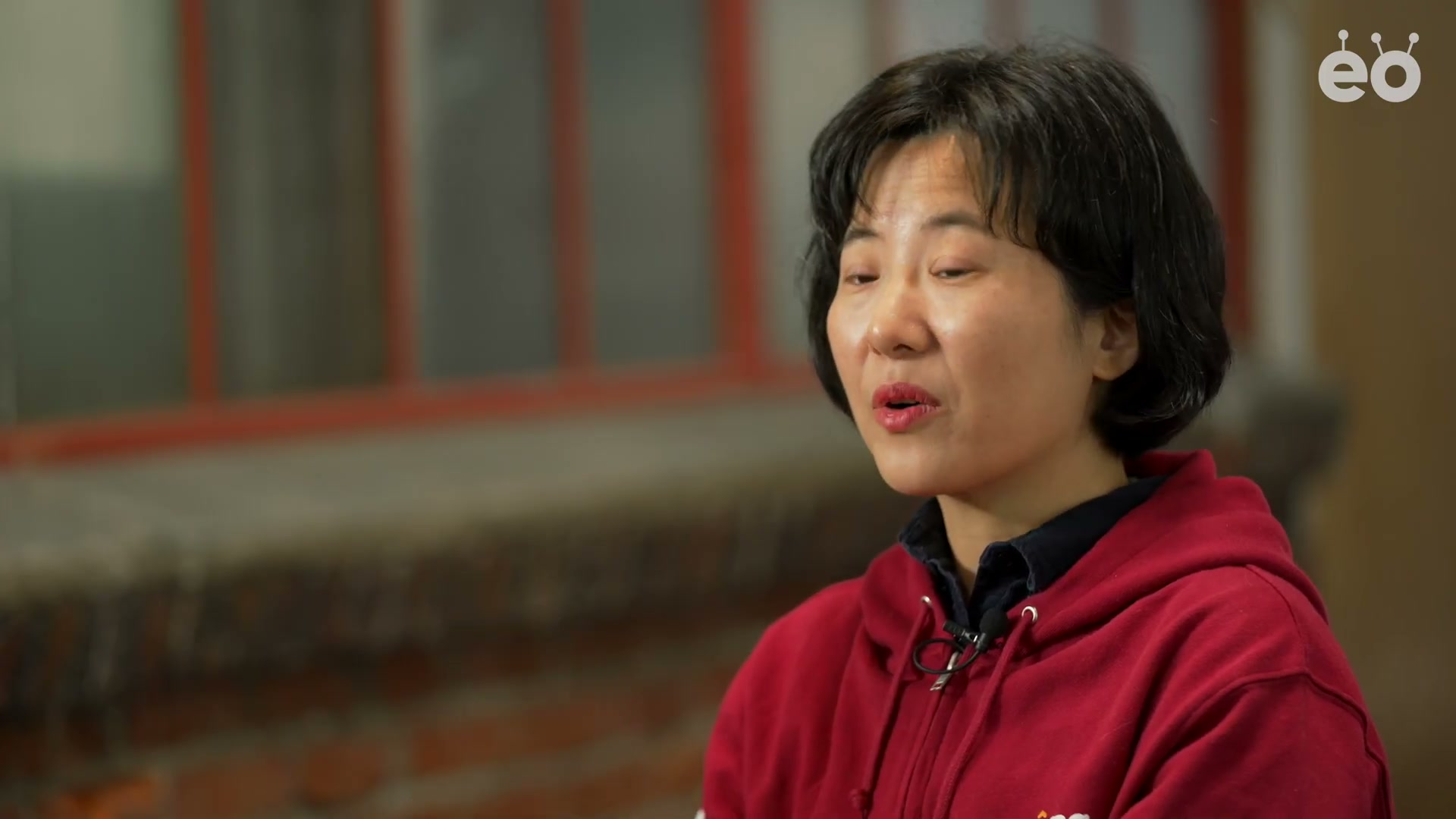
Shin Lee: The judging results are that we have a tie. And there are 2 winners. Great, congratulations. Double congratulations. Yeah. The first winner, my friend, Team Kit Kat. We got 1 million finalists over and became a co-winner and received $5 million from Elon Musk. I was pregnant. I gave birth to my 2nd 12 weeks after the X Prize deadline. It was really tough and it built up faith to the investors to support us with C.
Continuously push us to enhance our software, adapting the new technology. Even though parents are still skeptical about digital education, it still seems that governments are not interested in adopting this type of method. And then pandemic broke. Everybody is interested in digital based learning and government already learned the benefit of digital-based remote learning that is tested in the most wealthy countries. Parents are widely open to test digital-based new methods, and they can see the value.
All those changes happened in the last two years. So from that moment, our B2C revenue increased 10 times up to today.
Continuously push us to enhance our software, adapting the new technology. Even though parents are still skeptical about digital education, it still seems that governments are not interested in adopting this type of method. And then pandemic broke. Everybody is interested in digital based learning and government already learned the benefit of digital-based remote learning that is tested in the most wealthy countries. Parents are widely open to test digital-based new methods, and they can see the value.
All those changes happened in the last two years. So from that moment, our B2C revenue increased 10 times up to today.
Fighting the Silicon Valley Boys' Club
What challenges have you faced as a female founder, particularly from investors?
Shin Lee: When I first built a company and tried to raise from angel investors, some people just say it in front of my face. Hey, are you ready to replace your CEO into White male, they dearly said so. You can't be successful in the education field. You are not fluent in English. You are not well educated in the US point of view, and you are not one of customers in the United schools. That was really, really painful because I didn't know about that market.
So sometimes I feel humiliated to say my story in front of very, very skeptical inventor word female founders had a harder time to fundraise and also some people believe that female founders have other difficulties like pregnancy, growing a child, and all those social pressures surrounding them. I advise them to be brave. I know it is difficult, but we have other challenges that is even more difficult than that. Never undermine or never giving up before trying.
So sometimes I feel humiliated to say my story in front of very, very skeptical inventor word female founders had a harder time to fundraise and also some people believe that female founders have other difficulties like pregnancy, growing a child, and all those social pressures surrounding them. I advise them to be brave. I know it is difficult, but we have other challenges that is even more difficult than that. Never undermine or never giving up before trying.
Building for the Right Reasons
How do you balance being a mission-driven company with venture capital expectations?
Shin Lee: Making the best software in the B2C market is the most important part of our daily work because it is targeting our own children. We are not nonprofit. We are a venture-backed Silicon Valley startup, but we call it as a mission-driven company because my husband and I and our team members had other options. If we just want to build a children's software, there must be easier way by hired by big education companies, but there is a reason why exists and why we wanted to be successful, be mindful of sustainability.
One of my investors said that you are not the fastest growing, but you can become the most successful company at the end. And as far as you are going toward that path. Speed on the way is not important, but there is the right speed to deal with this tough market, and there is a path that is a bit unique because we are solving unique problems.
Many of our methods are not written in the textbook, but we also see so many magical moments that support us. Be closer to our ultimate solution. I'm just feeling fortunate that we didn't fake ourselves to just answer how to make ourselves the most promising company to investors. We are working with the market, not with the investors. I'm feeling confident that we are on the right track, even though there is so much peer pressure.
One of my investors said that you are not the fastest growing, but you can become the most successful company at the end. And as far as you are going toward that path. Speed on the way is not important, but there is the right speed to deal with this tough market, and there is a path that is a bit unique because we are solving unique problems.
Many of our methods are not written in the textbook, but we also see so many magical moments that support us. Be closer to our ultimate solution. I'm just feeling fortunate that we didn't fake ourselves to just answer how to make ourselves the most promising company to investors. We are working with the market, not with the investors. I'm feeling confident that we are on the right track, even though there is so much peer pressure.
Explore more