
Mar 15, 2024
From 300% Gains to $5B Assets: How 15 People Cracked Singapore's Pension Fund
Founder Focused
What do you do when you're tasked with managing the 7th largest pension fund in the world — with $400 billion in assets — but you're just a startup with less than 15 people?
That's exactly the impossible dream that Endowus co-founders Greg Van Kipnis, Sam Rhee, and CTO Zhu decided to chase. Endowus isn't just another wealth management platform — it's the company that cracked Singapore's Central Provident Fund (CPF), transforming how 5.5 million people invest their retirement savings.
In this candid interview, you'll discover how they bootstrapped for 4 years, built institutional-grade technology with 5 engineers in 9 months, and scaled from zero to $5 billion in assets — all while targeting a $1 trillion vision.
Watch the full interview now on EO's YouTube channel! Below is the complete transcription of the interview. Minor edits have been made for clarity and readability.
Key Highlights:
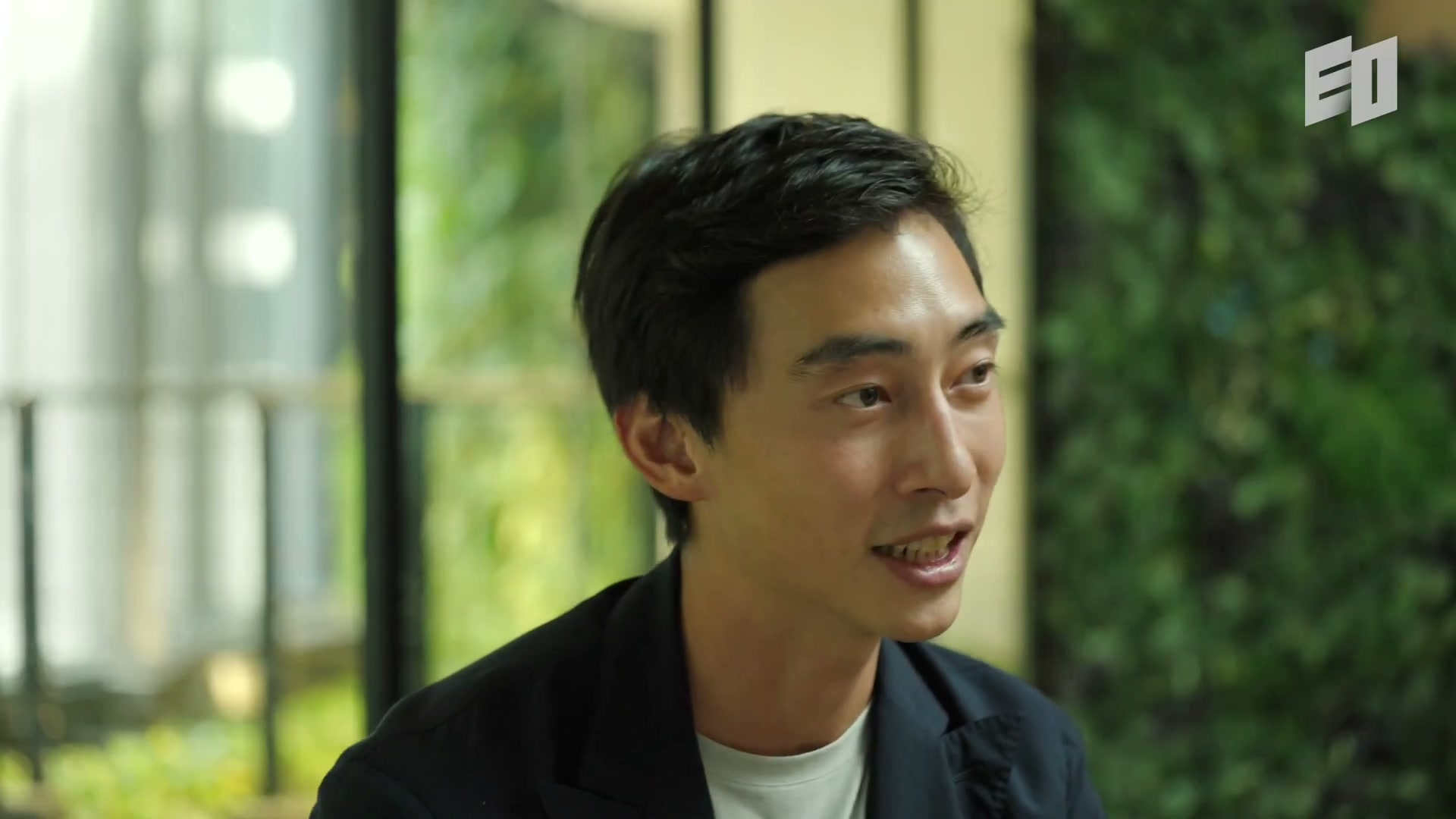
"We have over $5 billion in assets across over 400 different strategies from 70 global managers in everything from cash management solutions to private equity and hedge funds."
"I made a lot of money, let's say like up 300%. And then I lost 90%. So I think a lot of us have gone through this experience."
"Singapore's government Pension fund scheme, CPF, it has about $400 billion USD, and that's like 8th or 9th biggest pension fund in the entire world."
"I spent all of my life savings I had back then to buy the shares of Endowus. I had less than $7000 left in my bank account and I was completely OK with it."
"We had to build an institutional grade wealth management platform, less than 5 engineers within 9 months. Definitely the biggest challenge I've ever faced in my life."
"I made a lot of money, let's say like up 300%. And then I lost 90%. So I think a lot of us have gone through this experience."
"Singapore's government Pension fund scheme, CPF, it has about $400 billion USD, and that's like 8th or 9th biggest pension fund in the entire world."
"I spent all of my life savings I had back then to buy the shares of Endowus. I had less than $7000 left in my bank account and I was completely OK with it."
"We had to build an institutional grade wealth management platform, less than 5 engineers within 9 months. Definitely the biggest challenge I've ever faced in my life."
From 300% Gains to 90% Loss: The Awakening
Greg, tell us about your background and what led you to start Endowus.
Greg: Hi, my name is Greg. I'm the co-founder and CEO of Endowus. Endowus is a wealth management platform that helps people invest better to live better. We launched about 3 years ago. We've really transformed the way people in Singapore invest. Today we have over $5 billion in assets across over 400 different strategies from 70 global managers in everything from cash management solutions to private equity and hedge funds.
I come from a family of founders. A lot of people's stories, refugees out of China really had to do anything to make a better life for themselves. I was raised mostly in Hong Kong where I saw my grandparents, my parents all pursue entrepreneurial activities. So working for someone was not something that I thought was normal.
I think I'm someone who really wants to maximize efficiency. My main objective for anything is how do I maximize utility out of this activity. A key to unlocking a lot of life activities comes with money unfortunately. I mean we live in a very capitalist society, so it's how do I then now maximize money so that I can do all these things in the real world, not how do I make as much money as possible.
So like many people, I just started getting very interested in the stock market. I thought our generation knows what companies are gonna be big, and I started trading stocks in college. I made a lot of money, let's say like up 300%. And then I lost 90%. So I think a lot of us have gone through this experience. What I realized in that is this is definitely not a good use of time, effort, or money, so there has to be a better way, and that's when I really got into the academics and the science behind investing versus gambling and speculation.
I come from a family of founders. A lot of people's stories, refugees out of China really had to do anything to make a better life for themselves. I was raised mostly in Hong Kong where I saw my grandparents, my parents all pursue entrepreneurial activities. So working for someone was not something that I thought was normal.
I think I'm someone who really wants to maximize efficiency. My main objective for anything is how do I maximize utility out of this activity. A key to unlocking a lot of life activities comes with money unfortunately. I mean we live in a very capitalist society, so it's how do I then now maximize money so that I can do all these things in the real world, not how do I make as much money as possible.
So like many people, I just started getting very interested in the stock market. I thought our generation knows what companies are gonna be big, and I started trading stocks in college. I made a lot of money, let's say like up 300%. And then I lost 90%. So I think a lot of us have gone through this experience. What I realized in that is this is definitely not a good use of time, effort, or money, so there has to be a better way, and that's when I really got into the academics and the science behind investing versus gambling and speculation.
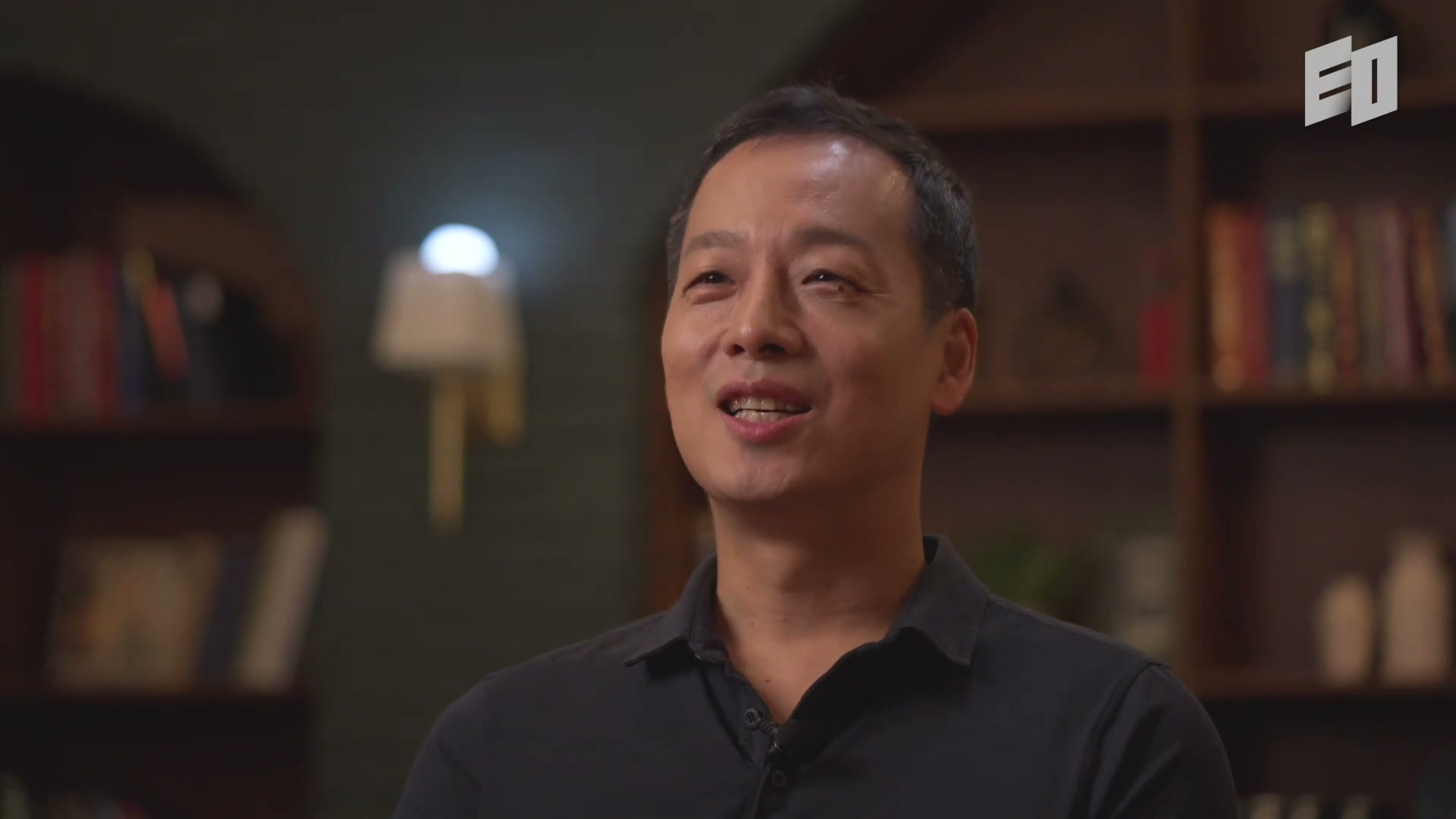
What happened after that realization? How did your career evolve?
Greg: My first job was in investment banking where I got to interact with a lot of institutional investors and understand how they run money, and I left investment banking because I thought it was too high level to work at a younger company at the time it was called Grab Taxi when Grab was cash only across Southeast Asia and it was at Grab where I saw how technology could scale an experience, scale a service to a lot of people, and that's really the technology revolution we're having.
I was always looking for a really great deep partner who really believed in what we were doing. Sam actually was introduced from a friend and Sam was just coming back from some time. Obviously he spent a long career in institutional financial services.
I was always looking for a really great deep partner who really believed in what we were doing. Sam actually was introduced from a friend and Sam was just coming back from some time. Obviously he spent a long career in institutional financial services.
The Morgan Stanley Sacrifice That Changed Everything
Sam, tell us about your background at Morgan Stanley and what brought you to Endowus.
Sam: Hi, I'm Sam Rhee. I'm co-founder and chairman at Endowus and before that, I was at Morgan Stanley Investment Management in Asia, where I was CEO and Chief Investment Officer. A lot of good memories at Morgan Stanley. I think Morgan Stanley obviously has a very unique culture. It's a very client-centric culture and it's not about maximizing profits and as a result, it really takes care of its employees. You know, I grew up in that industry, it shaped me a lot.
I guess one of the most shaping moments was when my partner and co-head of the Asian market at the time, we were both up for promotion. My boss flew in from overseas and told us that we can only get one promotion. So one of us had to give it up. I volunteered to give that up so that we can work together better and we can actually lead the team together. The worst thing in a family is when the mother and father fights and when we really did build a great team together because we were able to respect each other more and really build the right culture for the office.
And more sadly at the end, I was both the CEO and the CIO, Chief Investment Officer, and that's very rare and that requires a lot of work. So for over almost 4 years, 4+ years, I actually very burnt out. So I left the company and officially retired at the age of 42.
I guess one of the most shaping moments was when my partner and co-head of the Asian market at the time, we were both up for promotion. My boss flew in from overseas and told us that we can only get one promotion. So one of us had to give it up. I volunteered to give that up so that we can work together better and we can actually lead the team together. The worst thing in a family is when the mother and father fights and when we really did build a great team together because we were able to respect each other more and really build the right culture for the office.
And more sadly at the end, I was both the CEO and the CIO, Chief Investment Officer, and that's very rare and that requires a lot of work. So for over almost 4 years, 4+ years, I actually very burnt out. So I left the company and officially retired at the age of 42.
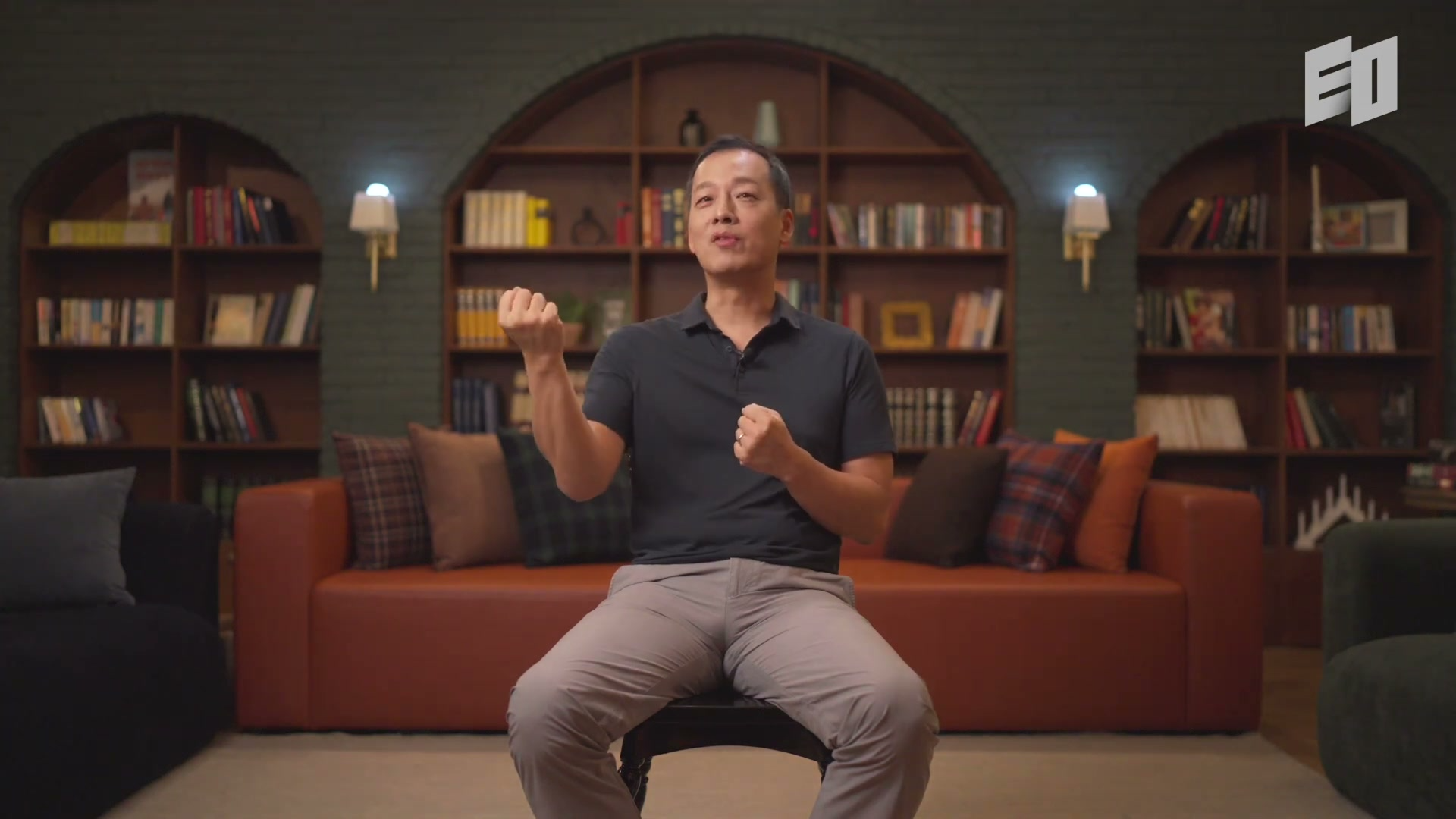
What happened after you retired? How did you end up co-founding Endowus?
Sam: Then I spent some time focusing on what I wanted to do in the next chapter of my life. So I set up an entity that would invest in FinTech companies. That was when I met this guy called Yun Ning who actually brought Greg and myself together, and we kind of started Endowus together, although Yun Ning never really joined us full time and I was passionate about retirement adequacy, the global pension crisis.
That was really an important factor in bringing us together because we both shared a common kind of vision and mission about solving something much more meaningful like retirement. So retirement adequacy is obviously a global problem, like the global pension system is heavily underfunded because a greater number of population is aging very rapidly, especially in developed markets. So if you imagine that you have a lot more people retired in old age and you have very few people producing in the economy working, then obviously you're not going to be able to fund their lives. So the pension system that was built for the older generation doesn't have enough money, it's gonna run out of money.
That was really an important factor in bringing us together because we both shared a common kind of vision and mission about solving something much more meaningful like retirement. So retirement adequacy is obviously a global problem, like the global pension system is heavily underfunded because a greater number of population is aging very rapidly, especially in developed markets. So if you imagine that you have a lot more people retired in old age and you have very few people producing in the economy working, then obviously you're not going to be able to fund their lives. So the pension system that was built for the older generation doesn't have enough money, it's gonna run out of money.
Cracking the $400 Billion CPF Code
How did you decide to tackle Singapore's CPF system specifically?
Sam: So what we're trying to do is solve this big problem that is only gonna get bigger and in order to do that in Singapore, we had to tackle the CPF problem which is the Central Provident Fund. Why do people actually hate the CPF? It takes away 20% of your income. Example, you receive $3000 then you have to deduct 20% to contribute to your CPF. So, to those young people locking up your money in CPF it's not the best idea, right? You can't really take out the money to go and tide over your business or maybe pay your medical bills just because you are in an emergency.
In Singapore, you have a regulator, the MAS is a very friendly regulator and very business friendly and also it was becoming the wealth hub of Asia. So it was a good hub for wealth talent. It was a good hub for FinTech talent, and that's why we brought on Zhu, our CTO who already had experience building a robo advisor and he was perfectly suited for our team.
In Singapore, you have a regulator, the MAS is a very friendly regulator and very business friendly and also it was becoming the wealth hub of Asia. So it was a good hub for wealth talent. It was a good hub for FinTech talent, and that's why we brought on Zhu, our CTO who already had experience building a robo advisor and he was perfectly suited for our team.
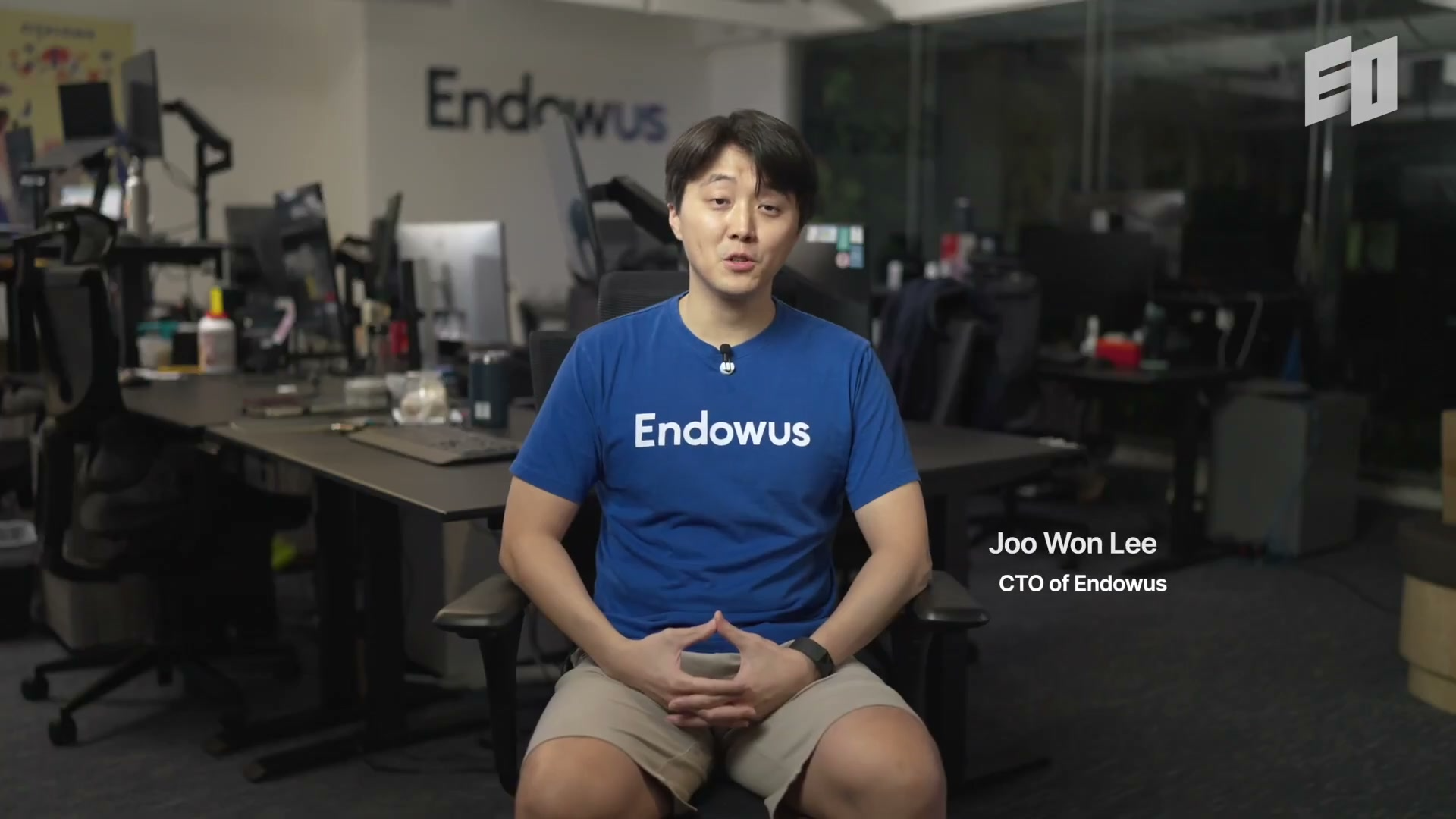
Zhu, tell us about joining this seemingly impossible mission of penetrating the CPF market.
Zhu: My name is Zhu. I'm Chief Technology Officer at Endowus. This is my 14th year working as a financial technologist in the industry. Leaving Goldman Sachs was probably one of the toughest decisions I've ever made in my career. My parents were very proud of their son working for Goldman Sachs. Then I couldn't really resist this hunger and a little bit of frustration that I was carrying with. That's why I decided to join a startup.
One of the common friends of me and Greg, he actually introduced me to Greg and Sam, and during the meeting, they really tried to convince me very hard on the dream of winning government pension fund. I was actually not convinced at all because if you think about it, Singapore, while the population is only 5.5 million, Singapore's government Pension fund scheme, CPF, it has about $400 billion USD, and that's like 8th or 9th biggest pension fund in the entire world, and I couldn't really believe that the startup can actually penetrate into that market, but then I had a few more meetings with Greg and Sam.
Even if the chance of making that happen is 30%, just being part of this insane and crazy plan is actually going to be pretty fun doing it. If I can make that happen, the reward is going to be huge.
One of the common friends of me and Greg, he actually introduced me to Greg and Sam, and during the meeting, they really tried to convince me very hard on the dream of winning government pension fund. I was actually not convinced at all because if you think about it, Singapore, while the population is only 5.5 million, Singapore's government Pension fund scheme, CPF, it has about $400 billion USD, and that's like 8th or 9th biggest pension fund in the entire world, and I couldn't really believe that the startup can actually penetrate into that market, but then I had a few more meetings with Greg and Sam.
Even if the chance of making that happen is 30%, just being part of this insane and crazy plan is actually going to be pretty fun doing it. If I can make that happen, the reward is going to be huge.
Betting Everything on an Impossible Dream
Sam, what was it like building this early team and convincing people to join this mission?
Sam: Zhu, first of all, is a good looking guy. I only work with good looking guys, Zhu and Greg. I mean he obviously was supremely experienced, so that was really critically important for me. It's always difficult to attract talent when you don't have massive amounts of VC money. So bringing on people really is about convincing them of this dream, convincing them of this mission and vision.
I think when you're trying to build a good mission, it needs to not be just about money, because if it's just about money, you'll end up trying to find ways of screwing over whoever is paying for your service, and that will be very short term. You need to actually deliver something better for them that makes their life better. You want to have a mission that propagates long after you're dead, and those are the companies that will really last.
I think when you're trying to build a good mission, it needs to not be just about money, because if it's just about money, you'll end up trying to find ways of screwing over whoever is paying for your service, and that will be very short term. You need to actually deliver something better for them that makes their life better. You want to have a mission that propagates long after you're dead, and those are the companies that will really last.
Zhu, how deep was your commitment to this vision?
Zhu: When we were less than 15 people, trust between each team members of the company was just really like a family. I spent all of my life savings I had back then to buy the shares of Endowus. I had less than $7000 left in my bank account and I was completely OK with it. That's how much we trusted the mission and that's how much we all trusted the potential of the company.
The 9-Month Death March
What were the biggest technical and regulatory challenges you faced in building this platform?
Greg: Obviously, lack of resources, we bootstrapped for 4 years. We didn't get any external investor because we wanted to have the product market fit and the product-market fit was very unique. Unique in the sense that CPF required us to build a purpose-built tech stack. We had no guarantee that the government would even approve it, and it took us 2 years to build a purpose-built tech stack for the CPF investment scheme in an automated way.
We are not just a startup, we are a regulated financial institution because we had a license, and for us to keep that license, we had to go live. I think it was like 9 months, so we had to build an institutional grade wealth management platform, less than 5 engineers within 9 months. Definitely the biggest challenge I've ever faced in my life.
We are not just a startup, we are a regulated financial institution because we had a license, and for us to keep that license, we had to go live. I think it was like 9 months, so we had to build an institutional grade wealth management platform, less than 5 engineers within 9 months. Definitely the biggest challenge I've ever faced in my life.
Zhu, what was the personal toll of this intense building period?
Zhu: My health got a little worse during those periods of time. I would not deny that. I gained a lot of weight and I developed very strange sleeping behavior which actually got me into a lot of health troubles in the late part of my twenties.
And then the second wave of challenges came from the fact that we had to unlock the CPF. We had to integrate with CPF, which is a Singapore government pension fund. So we have to integrate our cloud native platform with CPF systems that have been there for multiple decades. And we finally got approval at the end of 2019.
And then the second wave of challenges came from the fact that we had to unlock the CPF. We had to integrate with CPF, which is a Singapore government pension fund. So we have to integrate our cloud native platform with CPF systems that have been there for multiple decades. And we finally got approval at the end of 2019.
From Zero to $5 Billion: The Explosive Growth
What happened after you got CPF approval? How did the business evolve?
Greg: We scaled from zero to half a billion after we launched the CPF investment scheme, became full retail, then we became more mass market, so we lowered the minimum further to $1000 because we had college kids who didn't have a lot of savings, wanting to use our platform. And then what we did was intentionally moved to the high net worth space as well.
As we did that, we really broadened the platform. So we're not just a robo advisor, we're actually a platform business like Amazon. And as a result, those individual building blocks allows us to build personalized, curated and built for purpose portfolios. So that flexibility exists because we built a platform business that is scalable but also hyper-personalizable. So that's what was the next step in our evolution.
The way we see it, FinTech requires not just a technology-led solution. We think that especially for the wealth management business, we actually need deep fin and that's why the investment office is very unique at Endowus because the investment Office is a team of really high quality professionals from Cambridge, Mercer, Morningstar, but it does unique work in the sense that it filters all the investment products and solutions around the world, all the mutual funds, all the ETFs and we look at what is the best in class product. It really is like an Amazon Netflix curation model that is unique to our platform.
As we did that, we really broadened the platform. So we're not just a robo advisor, we're actually a platform business like Amazon. And as a result, those individual building blocks allows us to build personalized, curated and built for purpose portfolios. So that flexibility exists because we built a platform business that is scalable but also hyper-personalizable. So that's what was the next step in our evolution.
The way we see it, FinTech requires not just a technology-led solution. We think that especially for the wealth management business, we actually need deep fin and that's why the investment office is very unique at Endowus because the investment Office is a team of really high quality professionals from Cambridge, Mercer, Morningstar, but it does unique work in the sense that it filters all the investment products and solutions around the world, all the mutual funds, all the ETFs and we look at what is the best in class product. It really is like an Amazon Netflix curation model that is unique to our platform.
Zhu, there's a debate about AI versus human expertise in finance. What's your perspective?
Zhu: As a CTO, you might want to have more control over the way things are done in the company and hey, you know, technology can do the same job. Why don't we use AI to filter and due diligence fund houses and let AI to select the funds for us? We don't need human beings. That could very well be the case too, and there are startup companies, FinTech companies out there.
As a technologist who spent 14 years in the financial industry just doing technology, I don't believe that AI is there to be able to beat our so experienced human advisors in being able to select and curate the funds that's best for our customers.
As a technologist who spent 14 years in the financial industry just doing technology, I don't believe that AI is there to be able to beat our so experienced human advisors in being able to select and curate the funds that's best for our customers.
The Philosophy: Why Before How
Greg, what's your investment philosophy and how do you guide people to invest better?
Greg: You know, when you're investing, a lot of people think that an investment objective is, hey, I want to generate 25% return, but unfortunately, having a target return is not an investment objective. The way most people invest is the wrong way to invest because you take too much risk, you wanna maximize returns without any objective other than I want higher returns.
So let's focus on what actually works and what history has taught us is that why is more important than how, right? Why are you investing this money? Is it just to gamble and play around and if you lose the money you're OK? Then that's fine, go ahead. But if you're investing for the future, you have a real need in the future for retirement or a house or a family, you know, college, then you need to succeed in this investing because it matters a lot.
And so that's why we say that first of all, you always start with yourself. You don't start with the market, you don't start with what instruments, stocks or funds, and then that clarifies how you should invest. Then you know, hey, I can take this much risk. I'm still 20 years old, I have my whole career ahead of me. I'm going to invest in 100% equities, lose it all, and I'm still gonna be OK, versus I'm 60 years old, I have a life savings, I can't lose this, I need to invest in a conservative, less risky way.
Those things drive your asset allocation and asset allocation determines your long-term returns. And then you look at the underlying instruments to try to figure out what is the most efficient way to gain access to that asset.
So let's focus on what actually works and what history has taught us is that why is more important than how, right? Why are you investing this money? Is it just to gamble and play around and if you lose the money you're OK? Then that's fine, go ahead. But if you're investing for the future, you have a real need in the future for retirement or a house or a family, you know, college, then you need to succeed in this investing because it matters a lot.
And so that's why we say that first of all, you always start with yourself. You don't start with the market, you don't start with what instruments, stocks or funds, and then that clarifies how you should invest. Then you know, hey, I can take this much risk. I'm still 20 years old, I have my whole career ahead of me. I'm going to invest in 100% equities, lose it all, and I'm still gonna be OK, versus I'm 60 years old, I have a life savings, I can't lose this, I need to invest in a conservative, less risky way.
Those things drive your asset allocation and asset allocation determines your long-term returns. And then you look at the underlying instruments to try to figure out what is the most efficient way to gain access to that asset.
What about timing the market? When should people sell their investments?
Greg: But if you need to sell, the selling has to be driven by a need, right, not by a view. So the need is I need to buy a house or I need to buy a car, I need to go on holiday even. Whatever the reason is a need and the need is what drives the selling. How much money you take out and when you take it out.
It should never be because I want to time the market and I have a view about the market. Because we know as a human being, we cannot predict the future. But when it comes to financial markets, there are so many people who say, I can predict the future. There's a lot of charlatans who say the market is gonna go up, the market is gonna go down, when we know that has no credibility in predicting the future. And when you have a view, then you're trying to predict the future, which human beings have no expertise in.
So don't take a view on the market, you just need to focus on the need you have and that's what drives the timing for the selling. Like when you reach retirement is when you need to start selling or reallocate your assets. But before that, you should not time the market, you should not be selling, you should be saving and investing continuously throughout your life.
It should never be because I want to time the market and I have a view about the market. Because we know as a human being, we cannot predict the future. But when it comes to financial markets, there are so many people who say, I can predict the future. There's a lot of charlatans who say the market is gonna go up, the market is gonna go down, when we know that has no credibility in predicting the future. And when you have a view, then you're trying to predict the future, which human beings have no expertise in.
So don't take a view on the market, you just need to focus on the need you have and that's what drives the timing for the selling. Like when you reach retirement is when you need to start selling or reallocate your assets. But before that, you should not time the market, you should not be selling, you should be saving and investing continuously throughout your life.
Building for the Next Quarter Century
What are the biggest lessons you've learned as founders, and what's your long-term vision?
Sam: I think some of the biggest learnings is a continuation of the things that I learned throughout my career, whether it was at Morgan Stanley or at Endowus. As an individual, it's really important to surround yourself with good people. There's so many things to learn from other people. So I think finding the right people and the right fit within an organization where people bring different things to the table, that's been really important to the success of a small team or a large organization and learning constantly from those people.
And I think it's really important to be able to take pain if you're at a startup. Some of that can come through in loneliness, sometimes your physical ailment. It's really important that you stay disciplined. This is a long game, this is a marathon. We're not trying to build a business that we want to build and scale and sell out in 2 years. We're trying to build for the next quarter of a century and build the biggest independent digital wealth platform.
I mean, I think it's really rewarding to provide a platform where people can do their best work and be compensated for doing it. Even if they leave Endowus eventually, we want them to grow, we want them to do their best work. We want them to look back on their time here and really feel like they were empowered to do great work.
Endowus has scaled from 0 to $5 billion in client assets in 3 years. This is a fingernail of the market. We've barely even scraped the surface. The wealth markets in Asia is in the trillions of dollars. So in my view, we're building a $1 trillion business. I don't know how long it will take, but we will be here continuing on this mission every single day.
And I think it's really important to be able to take pain if you're at a startup. Some of that can come through in loneliness, sometimes your physical ailment. It's really important that you stay disciplined. This is a long game, this is a marathon. We're not trying to build a business that we want to build and scale and sell out in 2 years. We're trying to build for the next quarter of a century and build the biggest independent digital wealth platform.
I mean, I think it's really rewarding to provide a platform where people can do their best work and be compensated for doing it. Even if they leave Endowus eventually, we want them to grow, we want them to do their best work. We want them to look back on their time here and really feel like they were empowered to do great work.
Endowus has scaled from 0 to $5 billion in client assets in 3 years. This is a fingernail of the market. We've barely even scraped the surface. The wealth markets in Asia is in the trillions of dollars. So in my view, we're building a $1 trillion business. I don't know how long it will take, but we will be here continuing on this mission every single day.
Explore more