
Oct 02, 2025
How a Cockroach Startup Became a $2.2B Market Leader
Interview with Minna Song, Co-founder of EliseAI
Founder Focused

💡
At a Glance
- Who: Minna Song is the co-founder and CEO of EliseAI, which she started after meeting her co-founder Tony in college, then took a front desk job at a New York City real estate firm to learn the housing industry firsthand before building the product.
- What: EliseAI builds AI software for the housing and healthcare industries, which together make up over 40% of US GDP, and its platform is used by over 10% of US apartments today and, according to Song, by over two thirds of the largest property management companies.
- Traction: EliseAI raised a $250 million Series E round led by Andreessen Horowitz, with participation from Bessemer Venture Partners and previous investors Sapphire Ventures and Navitas Capital, and has passed $100 million in annual recurring revenue after doubling revenue year-over-year for four straight years.
In this interview, Minna Song traces EliseAI's path from two cold-calling co-founders with no shortcuts to a $2.2 billion company. She explains why she took a front desk job to learn the housing industry from the inside, what really happened in a brutal three-hour meeting with 12 executives, and why she reversed a disastrous specialist-hiring spree in 2021. Her verdict: if you're not working seven days a week, someone else building your category already is.
Key Takeaways
Bootstrapped hustle beats big budgets
Song built EliseAI without deep pockets, doing sales and customer support herself in the early days. She says constraint is a feature, not a bug: when you have no money to fall back on, your problems stay obvious instead of getting buried under spending.
Product-market fit comes from immersion, not analysis
Before writing a line of code, Song took a front desk job at a New York City real estate firm, greeting visitors and answering phones to learn the housing industry from the inside. She argues you can't rely on metrics alone in industries like housing and healthcare, where so much happens in person.
Your first customers will dictate your roadmap, and that's the deal
EliseAI's earliest enterprise clients handed a two-person startup control over their entire real estate portfolios. Song says you have to build almost everything early adopters ask for, because you'll end up servicing those decisions forever.
Generalists, not specialists, win in the early days
Around EliseAI's 2021 Series B, Song hired a wave of specialists to fix a chaotic, context-switching team, and it backfired: people built well but in five different directions. She went back to valuing generalists who could move across sales, support, and product.
Relentless hours are non-negotiable, up to a point
Song describes working seven days a week, roughly 90 hours, as sustainable, while 100 hours starts eating into sleep and health. Her advice to founders: if you're not working seven days a week, a competitor whose founders are will out-build you.
The best opportunities hide in "unsexy" industries
Song believes most of the next unicorns will come from industries that are overlooked precisely because they seem unglamorous. She says housing was always sexy to her because it's a fundamental human need, and the same logic applies to healthcare.
Below is the complete transcription of the interview. Minor edits have been made for clarity and readability.
Introducing Minna, the Co-Founder of EliseAI
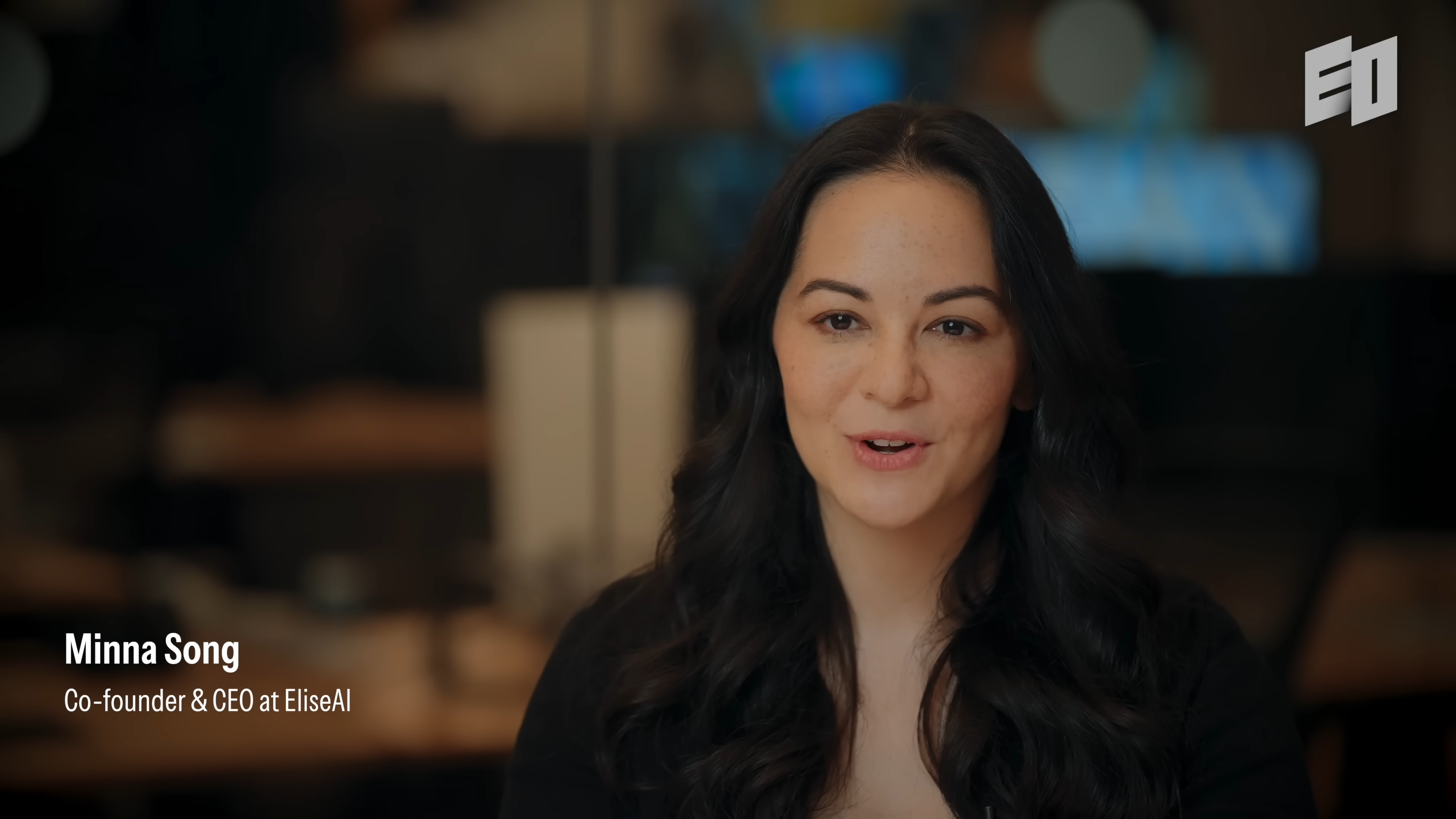
My name is Minna Song and I'm the co-founder and the CEO of EliseAI. EliseAI is a tech company that uses AI to drive real-world impact, and we are starting with two of the most critical industries that make up over 40% of the US GDP, the housing industry and the healthcare industry.
EliseAI is used by over 10% of the US apartments today, and over 2/3 of the largest property management companies use our software. We raised a $250 million Series E round, which was led by Andreessen Horowitz and participated in by Bessemer Venture Partners as well as previous investors Sapphire Ventures and Navitas Capital. Our company has been doubling consistently year-over-year for the last 4 years, and we passed 100 million annual recurring revenue early this year.
Why 90% of Founders Fail to Find PMF (And How Not to Be One of Them)
I met my co-founder in college. I went to MIT, and he studied abroad at the University of Cambridge in the UK. We both come from software engineering backgrounds and felt that we should apply technology to doing something good in the world. I think it's pretty obvious: tech is the fastest way to bring massive scale impact in the world, so it was pretty clear that we were going to start a technology company someday.
When we started Elise, we actually wanted to start understanding the industry that we were operating in, and really knew nothing about the housing industry except that we wanted to do something really really big in it. So when I got started, I started working at a real estate firm here in New York City, and that gave me a great opportunity to meet a lot of people. I took a front desk job where I greeted everyone who came through the door and picked up all the phone calls, and that understanding of the industry helped us decide what we wanted to build.
I actually don't think it's extreme at all. I think it's actually quite insane when people don't try to spend time really understanding a problem before they try to solve it, and then they waste years and years building technology that never finds product market fit. So I think this was maybe one of the most obvious and rational decisions we've ever made, which is just learn. Learn about the people you're building for, learn about the problems, especially because we didn't come from a background in housing at all.
It's really important, especially in industries like housing and healthcare where so much happens in person. It doesn't all happen in the digital world, so you can't just look at metrics, you can't look at users and how they interact with your online products. You have to be there to understand how they're interacting with the real world.
The problem was pretty obvious. I would say it wasn't something we had an aha moment about. It was just something people were constantly complaining about, and we just kept tackling those one by one. Their frustrations: they couldn't reach a building, no one was answering their phone calls, no one was answering their emails, and that's the exact problem we tried to solve. It wasn't really a question about what the problem was. It was really a question of whether the technology was the right technology to solve the problem, and whether it was the right time.
In 2017, a lot of people didn't know what AI was. A lot of people didn't believe that AI could answer their emails. A lot of people didn't believe that AI would do things better than humans in any capacity. A lot of people thought this market was small because companies that had been built in the industry before never grew to be that large.
But I can see that other people over the years have not seen real estate as a sexy industry. I think housing was always sexy to us because it's a fundamental human need. It's an incredibly important part of society and our lives, so why wouldn't that be sexy?
Brutal Lessons From Our First 10 Customers
The first 10 customers were really brutal. We were cold calling, we were knocking on doors all across New York City. We got lucky with a few customers who signed on, and then we started selling to national property management companies.
It was pretty crazy that we ended up signing the first and second largest apartment owners at the time onto our platform for their entire portfolio, and we were just two people at the time. It was just me and Tony, my co-founder. So we had these large customers buying into a product that two people had built that was meant to run their entire real estate portfolio.
How did we convince these large customers to work with us? I remember I went to a meeting. It was me and 12 executives, essentially their whole C-level team, sitting in a room with just me. I was in my young 20s. It was 3 hours of them asking me a ton of questions: can your product do this, can your product do X, can your product do Y.
Honestly, I think I said for 3 hours straight, "No, it doesn't do that." I walked out of that meeting, called my co-founder, and said, "This was the worst meeting of our lives. Just forget it. That deal is dead." Then the next day, they called me back. The COO called me and said, "We're going to do this together. We're going to help you build the product."
They knew we were early. We were not hiding the fact that we were a tiny startup, but they believed in us because they believed they had a big problem and that they could work with honest founders to actually solve it. I think when you're working with your first few customers, you have to build a lot of things they ask for. A lot of people are really afraid of building too much or over-fitting for certain customers, but the reality is that fear will paralyze you.
You really just need to build what they ask for, and then as you get customer two, three, four, it gives you a lot more data points. Maybe you've built something that's not sustainable in the long run, but quite honestly, I believe your first customers, you will have to service forever. That's a really common attribute of early adopters: they want a lot of control. That's why they picked to work with an early-stage startup in the first place, and usually they want to dictate what your road map looks like.
I'd say don't be afraid. I think you will make mistakes, but that's a normal process, I think, in building a massive company.
Only Cockroach Founders Survive
In our first round of funding, we had literally over 100 rejections. A lot of the rejections were the same: "We're not interested in this market. We only look at horizontal SaaS, or we only look at enterprise SaaS." Things in the housing industry were not really interesting to them.
When we didn't have a lot of funding, we really just relied on ourselves and our ability to build features that our customers were asking for. We were cash-constrained, so we didn't have a huge engineering team to build lots of features in parallel, but that prioritization helped us build the things that were absolutely the most critical, that had the highest amount of value, not ancillary features or features that were just providing kind of optics for customers to think they were feature-full products.
I think money doesn't actually solve a lot of problems. When people raise a lot of funding early on, they think that they're successful, and they throw a lot of money at problems and think those problems are solved. But really what happens is those problems keep growing, and they're still there. When you don't have a lot of money, that's not something you can fall back on: your problems are very obvious, and you know if you've solved them or not.
Eventually, as we started building a track record of showing real growth in the company, investors started to see what was possible. Yeah, it was really exhausting, of course, but it doesn't really matter. You have problems, you have customers that need things. You have to take one step in front of the other just to solve problems over time. Being a cockroach: you can't let anything kill you, ever.
The Secret to Hypergrowth
What's our secret sauce? A lot of our growth has come from building a lot of products. No matter what customer we're pitching to in the housing industry, we have a product that solves the problem they're thinking about today, whether that's something about their leasing process or their maintenance process. We have a solution for them, and that's really just come from having really high product velocity as a company.
Another big reason is that we just hired really well. I've spent most of my time focused on getting the best and most talented people I can possibly get. I personally interviewed the first 400 hires we made.
It's been incredibly important to have really strong people, because when you're moving so fast and you have so many different products, a lot of people have to make decisions themselves. You need really smart and really hard-working people who are going to move the company forward, because if you're moving quickly, the CEO cannot make all the decisions for you. The CTO cannot make all of the tech decisions for you.
You need everyone to have really strong business acumen. One of the most painful hiring mistakes I made was probably around 2021, when we were raising our first big round of funding, our Series B, and I hired a ton of people who were really good at specialist roles. The challenge I was trying to solve was that everything was so chaotic: every early-stage employee was working on five different things, and the constant complaint was, "I can't get anything done well because I keep switching context all the time," which is a very common early-stage company problem.
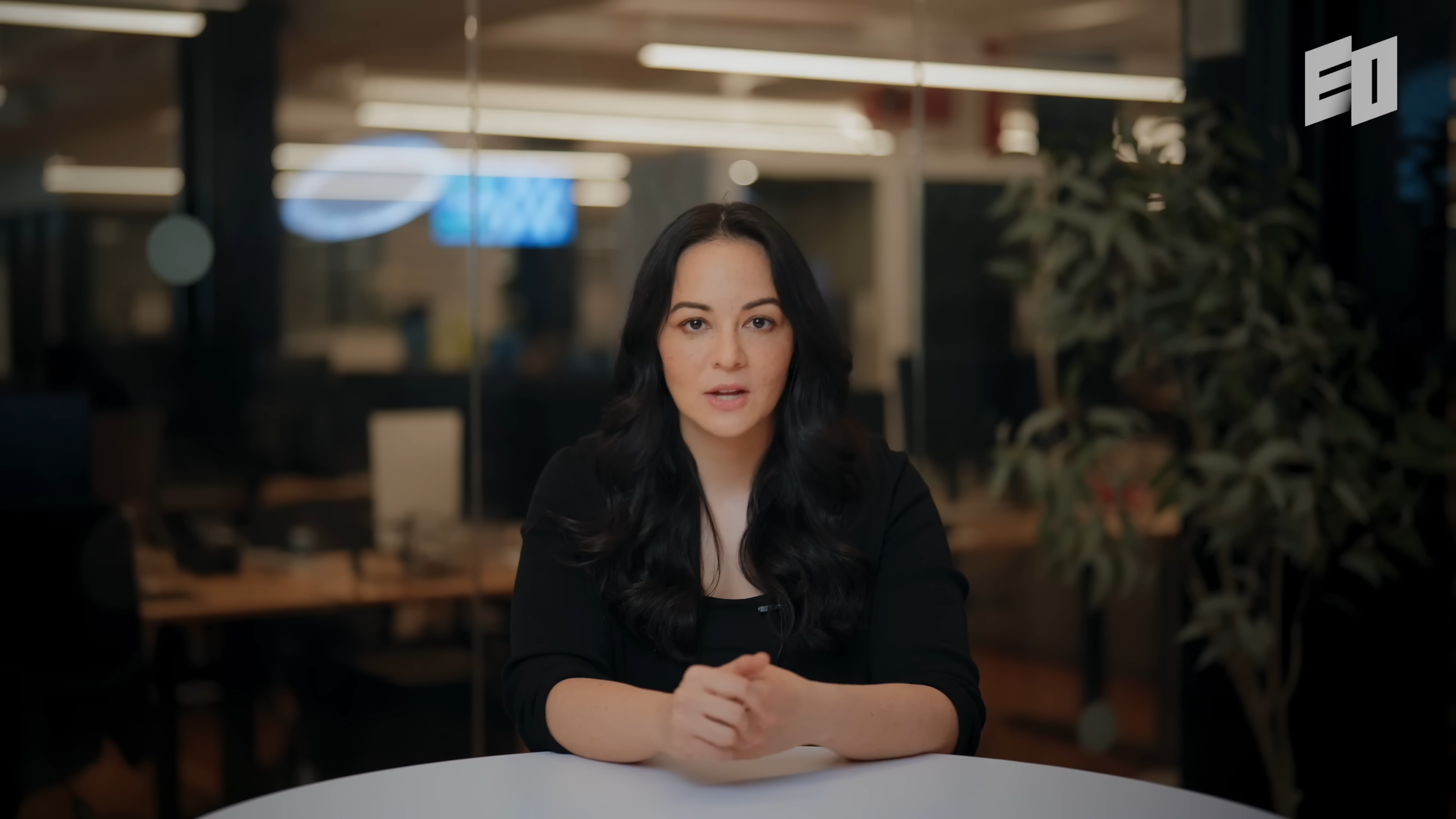
So I decided to solve that by hiring people who were really good specialists. If somebody was doing five things, now they could pick the one they really wanted to do, and then you'd hire four other people who were specialists. The problem is everyone started losing the context, so they'd be building really well but in five different directions, and the company was not moving forward.
We were not building products that our customers cared about. We were not selling products that our customers cared about, and it was just way too early to make those types of hiring decisions. So I went back to really valuing generalist hires, and I found that we could move a lot quicker if a lot of people were able to context switch, were able to have success across many different domains, whether that was sales or customer success.
They could think technically at the same time as speaking with customers, and those ended up being some of our most valuable hires for a very long time.
Forget Shortcut, Just 24/7 Grind
When we launched our product with our first national customer, we needed to keep the service running 24/7, and this was the most important deal of our lives. It had to go perfectly. So Tony and I were monitoring the system 24/7 because we knew this was our shot. He stayed up until 4:00 a.m. and I woke up at 4:00 a.m. and watched it.
At the same time, we were building new features with this customer, trying to sell new customers, and trying to support our existing customers and other portfolios we had signed on. That was probably the most physically draining time.
I still work 7 days a week, 90 hours. 100 hours is not really sustainable: that's when you're actually starting to eat into sleep and deteriorate over time, but 90 hours is sustainable. It just means you wake up, you go to work, you go home, you go to sleep, you get proper sleep, and then you do it again tomorrow. You do that every single day, and that is how problems get solved.
My suggestion for founders is always: if they're not working 7 days a week, they're not growing their company as fast as they should. Their company is going to be beaten by another company whose founders are working 7 days a week. That's just extra time and effort that will accelerate the growth of your company.
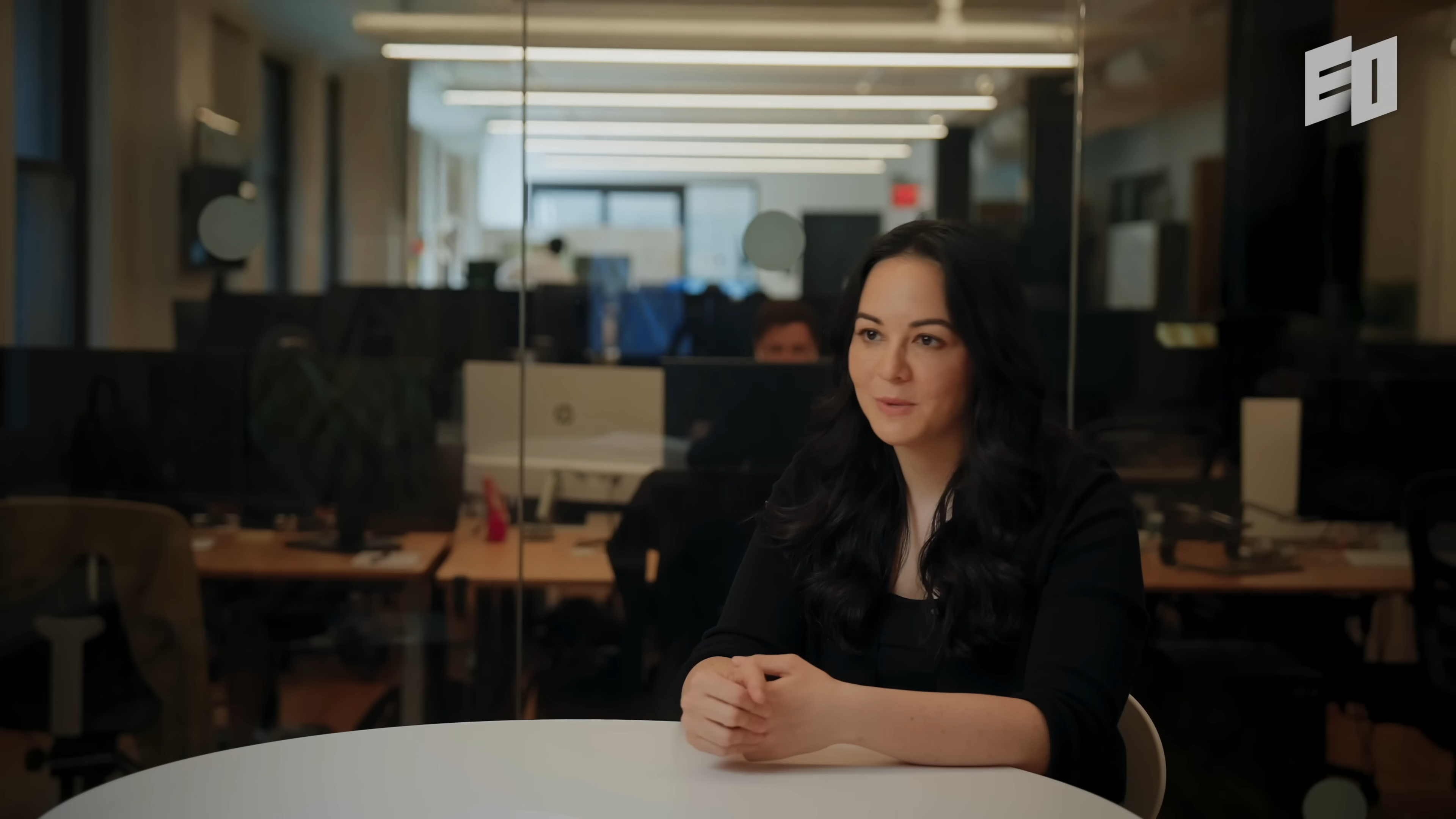
If you want to be the best company in the world, I think you have to work the hardest in the world. It's like anything else: if you want to be the best athlete, you want to be the best musician, you're practicing nonstop. A tech startup is exactly the same thing.
The culture here is filled with a lot of people who just really like solving hard problems, and you're surrounded by so many people who have this type of culture. There's this kind of intense gravity: when you bring in new people, they feel that energy and they really want to meet that bar.
I actually think that most of the next unicorns will be products built in unsexy industries. A lot of the most important problems left to solve in the world are problems that are typically deemed unsexy. If they seem sexy, that means people are already very excited about them and already trying to solve them.
So long term, everything we try to do in housing and healthcare is to make these industries much more financially stable and much more attractive, so we can have more housing providers and more healthcare providers, and that serves all of us. We want capital to be put in the most fundamental and important parts of society that serve us as humans.
Explore more