
From internet cafe slacker to building a coffee empire worth $270 million – Edward Tritanata's transformation sounds too dramatic to be real. Yet here he stands, running Kopi Kenangan with 900 stores across two countries, selling 5.5 million cups monthly.
What triggered this complete life overhaul? A single phone call from his mother about potential family bankruptcy. That moment didn't just change his study habits – it rewired his entire approach to ambition, risk, and what's possible when you're willing to challenge giants like Starbucks on their own turf.
In this interview, Edward reveals the counterintuitive strategies that allowed a 6-year-old Indonesian coffee chain to grow 3x during COVID while competitors struggled to survive. From his grab-and-go model that shifts rental costs to coffee quality to taking a 1 rupiah salary to keep employees loyal during the pandemic – this is a masterclass in building resilient businesses in emerging markets.
Watch the full interview now on EO's YouTube channel! Below is the complete transcription of the interview. Minor edits have been made for clarity and readability.
Key Highlights:
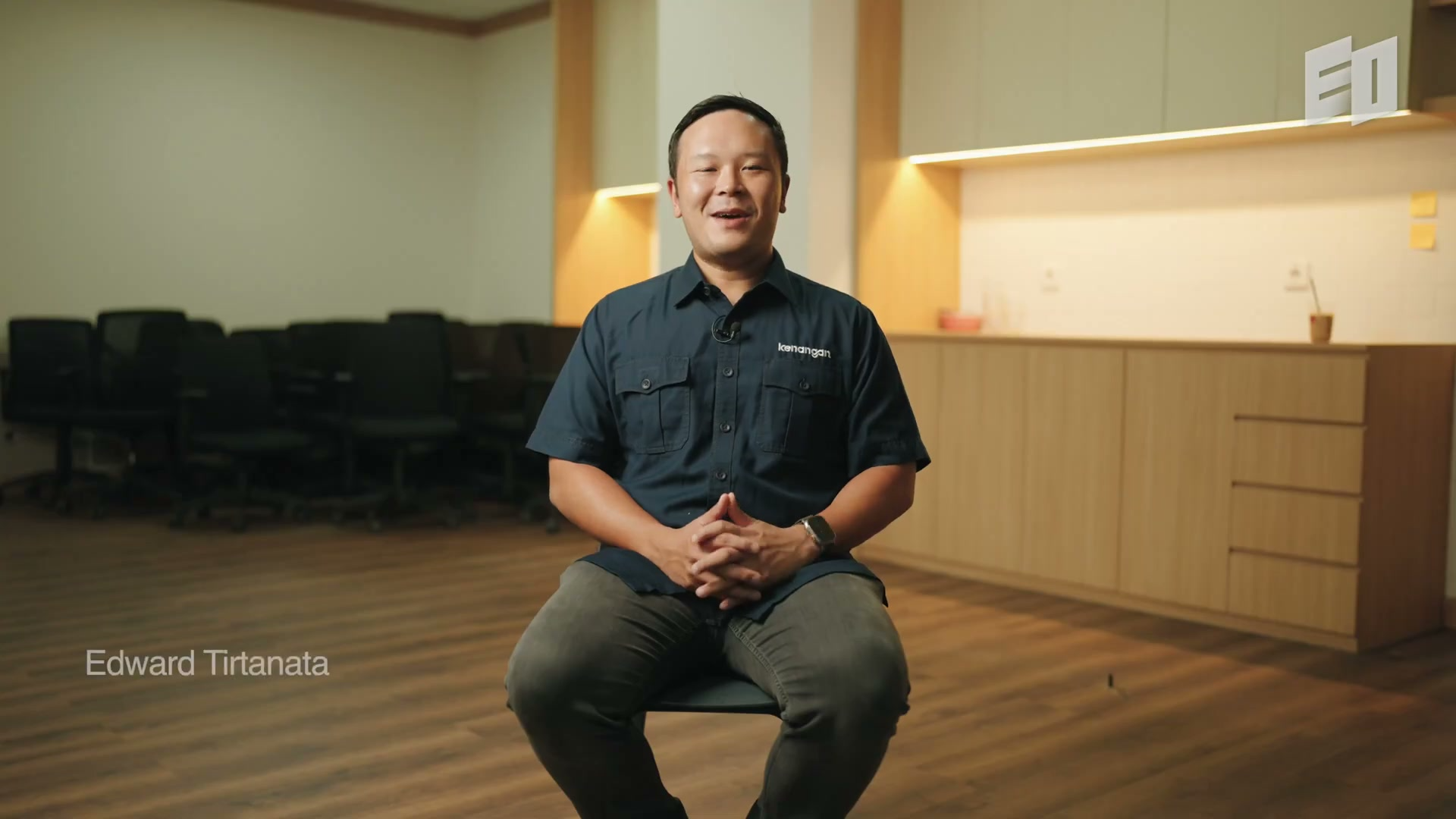
"I was kind of failing in school. You'll see me often at internet cafe playing games. It was really an ordinary life of a slacker."
"Somehow miraculously, I got accepted at Northeastern University and even graduated magma cum laude because I had one phone call that changed my whole life. My mum called me to tell me that actually our family is going through a potential bankruptcy."
"I told everyone that I want to be bigger than Starbucks. Everyone thought, are you dreaming? Are you high? Right now, we are bigger than Starbucks."
"In 2020, it was the pandemic. Everyone telling me that it's the end of Kopicangan. Throughout COVID, we actually grew by 3x in terms of store count."
"Nobody can tell you what you can or cannot do. At the end of the day, it comes down to you, your will, your conviction, your hard work, whether you can make something happen or not."
"Somehow miraculously, I got accepted at Northeastern University and even graduated magma cum laude because I had one phone call that changed my whole life. My mum called me to tell me that actually our family is going through a potential bankruptcy."
"I told everyone that I want to be bigger than Starbucks. Everyone thought, are you dreaming? Are you high? Right now, we are bigger than Starbucks."
"In 2020, it was the pandemic. Everyone telling me that it's the end of Kopicangan. Throughout COVID, we actually grew by 3x in terms of store count."
"Nobody can tell you what you can or cannot do. At the end of the day, it comes down to you, your will, your conviction, your hard work, whether you can make something happen or not."
The Phone Call That Changed Everything
Can you tell us about yourself and Kopi Kenangan?
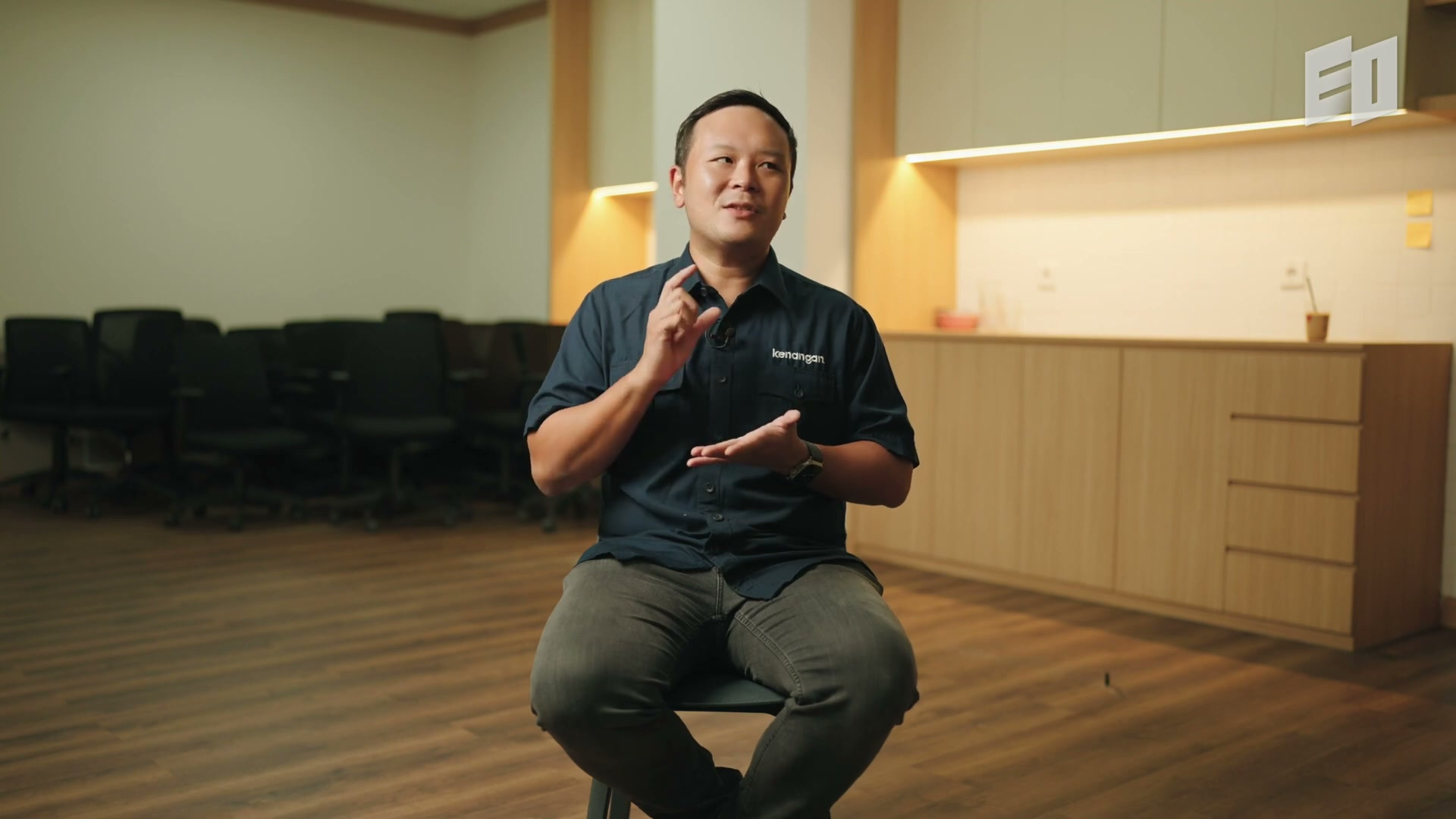
Edward: Hi, my name is Edward Tritanata. I'm the CEO and co-founder of Kopi Kenangan. Kopi Kenangan itself right now commands around 900 stores in two different countries, even though we are only 6 years old. In total, we have raised around $270 million ranging from Jay-Z, Serena Williams, Sequoia Capital, and several other reputable investors. Right now, we are selling approximately around 5.5 million cups per month. Hopefully in the next 2 to 3 years, we will be able to sell even more, not just to Indonesians, but then to Malaysians and beyond.
Cracking the Starbucks Code in Indonesia
What made you realize there was an opportunity in the Indonesian coffee market?
Edward: I learned that there is such a thing called Starbucks tall latte index. It's actually the price of Starbucks latte compared to your daily income. US is around 2%, whereas in Indonesia, it's actually more towards like 30%. There's no way everyone in Indonesia is drinking a cup of latte where it consumes close to 30% of your daily wage.
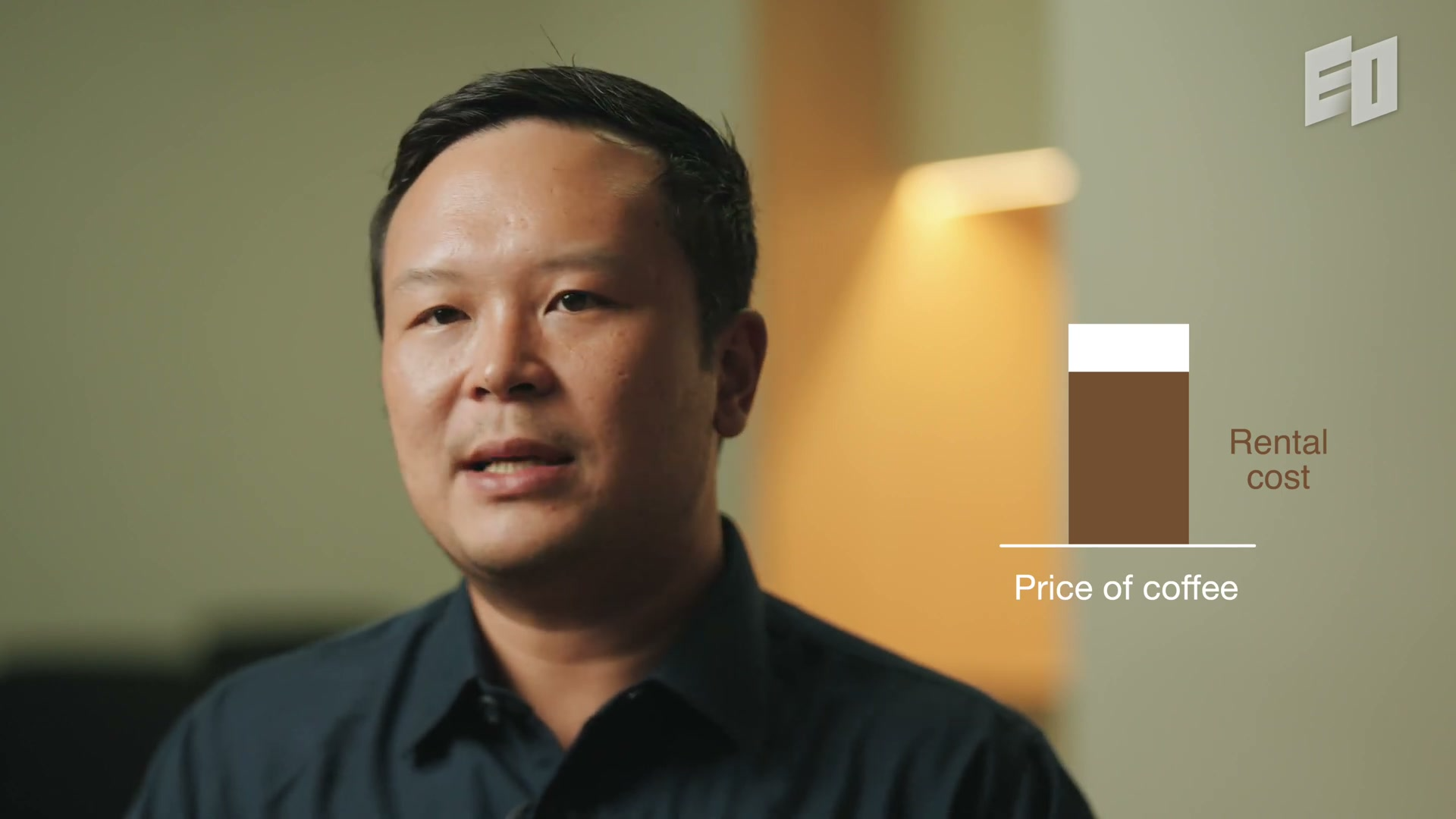
Most cafes back then always thought of making a cafe to be large with very comfortable sofa with very fast Wi-Fi. A lot of people like myself don't need that comfortable sofa. I just want a good cup of coffee with an affordable price. Of course that means a higher COGS, but I realized if I make the space really small, what is there to think about? My hypothesis is that if I shift the rental cost to COGS I can sell much high quality coffee at a much more affordable price. And that remains to be our business model, to be grab and go, to be small. It doesn't need seatings, but we can attract a lot of crowd.
Most cafes back then always thought of making a cafe to be large with very comfortable sofa with very fast Wi-Fi. A lot of people like myself don't need that comfortable sofa. I just want a good cup of coffee with an affordable price. Of course that means a higher COGS, but I realized if I make the space really small, what is there to think about? My hypothesis is that if I shift the rental cost to COGS I can sell much high quality coffee at a much more affordable price. And that remains to be our business model, to be grab and go, to be small. It doesn't need seatings, but we can attract a lot of crowd.
How did you approach differentiation and branding?
Edward: We are trying to take customers from online as well. Because back in 2017, online delivery just started. I realized that whether your store is 200 square meters or 20 square meters, it doesn't really matter.
In a business that has a big market, you always have a lot of competitors. I realized that we need to be differentiated. We need to look different than our competitor. A lot of people make their cafe to be a Western name, but then I realized that, OK, why don't I use Indonesian name so that I sound different. And that's why I named it Kopi Kenangan, my memory coffee. That branding actually makes people remember. I do believe that with the recipe that we have made, with the pricing point that we have decided, we have a chance.
In a business that has a big market, you always have a lot of competitors. I realized that we need to be differentiated. We need to look different than our competitor. A lot of people make their cafe to be a Western name, but then I realized that, OK, why don't I use Indonesian name so that I sound different. And that's why I named it Kopi Kenangan, my memory coffee. That branding actually makes people remember. I do believe that with the recipe that we have made, with the pricing point that we have decided, we have a chance.
The Intentional Competition Strategy
How did you approach expansion and your growth strategy?
Edward: First store is 2017, 2018, we try to expand because the thing about coffee is that your catchment area is usually typically within 2 to 5 kilometer radius of your store. Obviously Indonesia is very big. If you want to get people in other city, other district, other subdistrict, obviously you need to open a store there.
And when we expand, actually our logic was quite simple. We want to test for scalability, meaning that if I open nearby, the revenue still be good or will it be cannibalizing each other. That's why I intentionally opened this next store, I think within 0.5 kilometer away from the first store.
Interestingly, I intentionally pick a location where it already has a bunch of coffee chains nearby. For example, in our first store, there is a Starbucks, Coffee Bean and Tea Leaf, and a bunch of streetside vendors. On our second location, there's also Starbucks and Family Mart, we opened near them and we were thriving, even in the midst of like competitors.
Well, using that logic, we keep on finding where are all these coffee chains and we opened near them. We did well near them, why not open more near them? That's when we were really able to attract fundings because we were able to identify opportunity to grab market share from existing larger coffee chain.
And when we expand, actually our logic was quite simple. We want to test for scalability, meaning that if I open nearby, the revenue still be good or will it be cannibalizing each other. That's why I intentionally opened this next store, I think within 0.5 kilometer away from the first store.
Interestingly, I intentionally pick a location where it already has a bunch of coffee chains nearby. For example, in our first store, there is a Starbucks, Coffee Bean and Tea Leaf, and a bunch of streetside vendors. On our second location, there's also Starbucks and Family Mart, we opened near them and we were thriving, even in the midst of like competitors.
Well, using that logic, we keep on finding where are all these coffee chains and we opened near them. We did well near them, why not open more near them? That's when we were really able to attract fundings because we were able to identify opportunity to grab market share from existing larger coffee chain.
How did you scale so rapidly with funding?
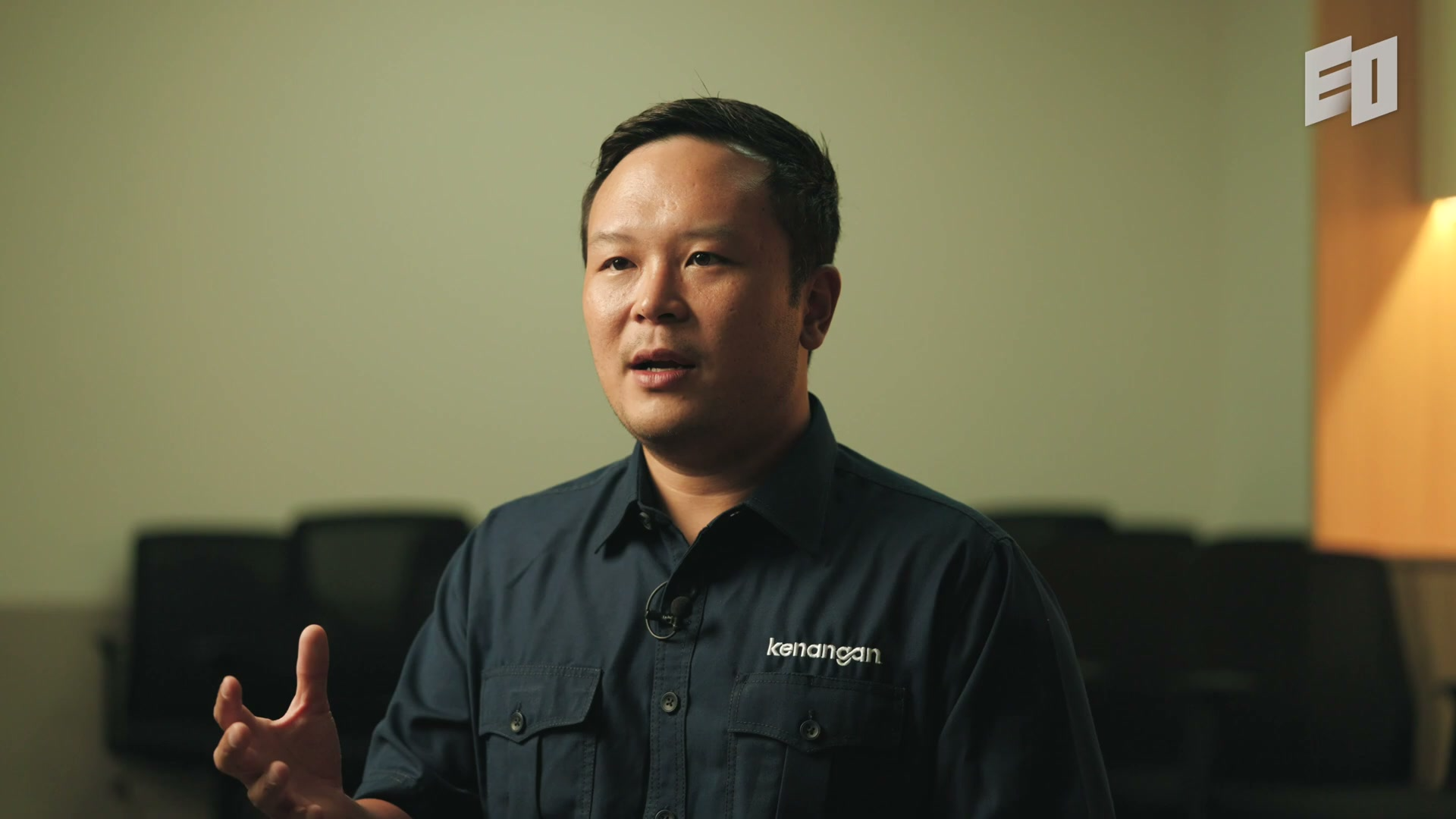
Edward: If you are trying to get an investor to invest in your business, it's really as simple as, how do you envision your company in the next 5 years? Famous investor from Sequoia Capital once told me that a good company raises money when money is the only constraint to growth, and everyone, including ourselves and our investors believed that it was the case for Kopi Kenangan when we first got our large investment.
And that's how we were able to go quite rapidly. First year, we only have 1 store. Second year, we have 56 stores. Third year, we have 226 stores. You can go really fast actually if you have that product to market fit.
And that's how we were able to go quite rapidly. First year, we only have 1 store. Second year, we have 56 stores. Third year, we have 226 stores. You can go really fast actually if you have that product to market fit.
The Pandemic Test: Leading with Empathy
How did you handle the COVID-19 pandemic and its impact on your business?
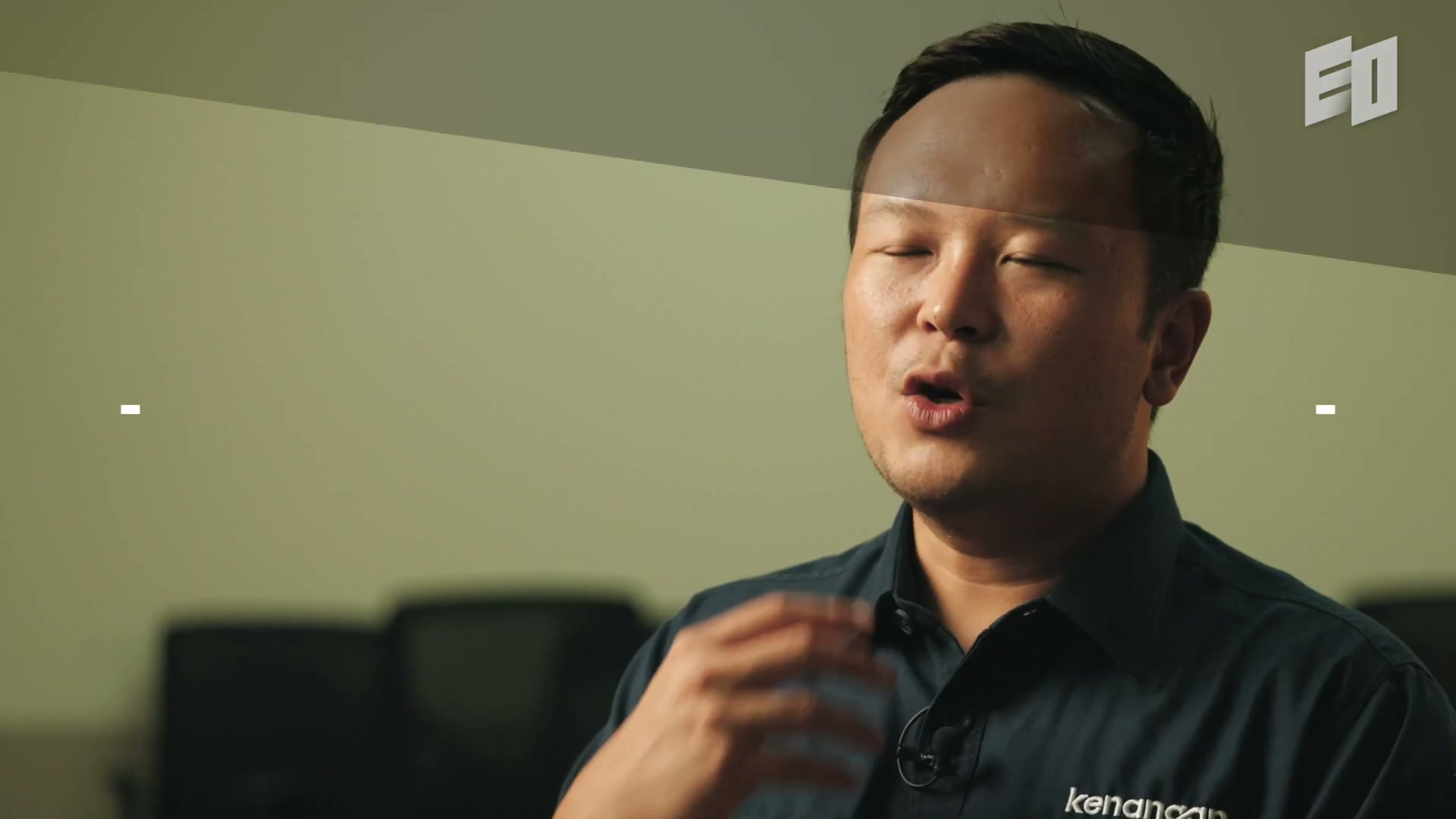
Edward: I think the biggest challenge that the organization has ever faced is obviously in April 2020, when our border was shut down, our revenue literally dropped by close to 50%. All of our stores are usually in mall or offices and then suddenly, nobody goes to mall and offices. What do we do? No revenue means I cannot pay my employees' salary.
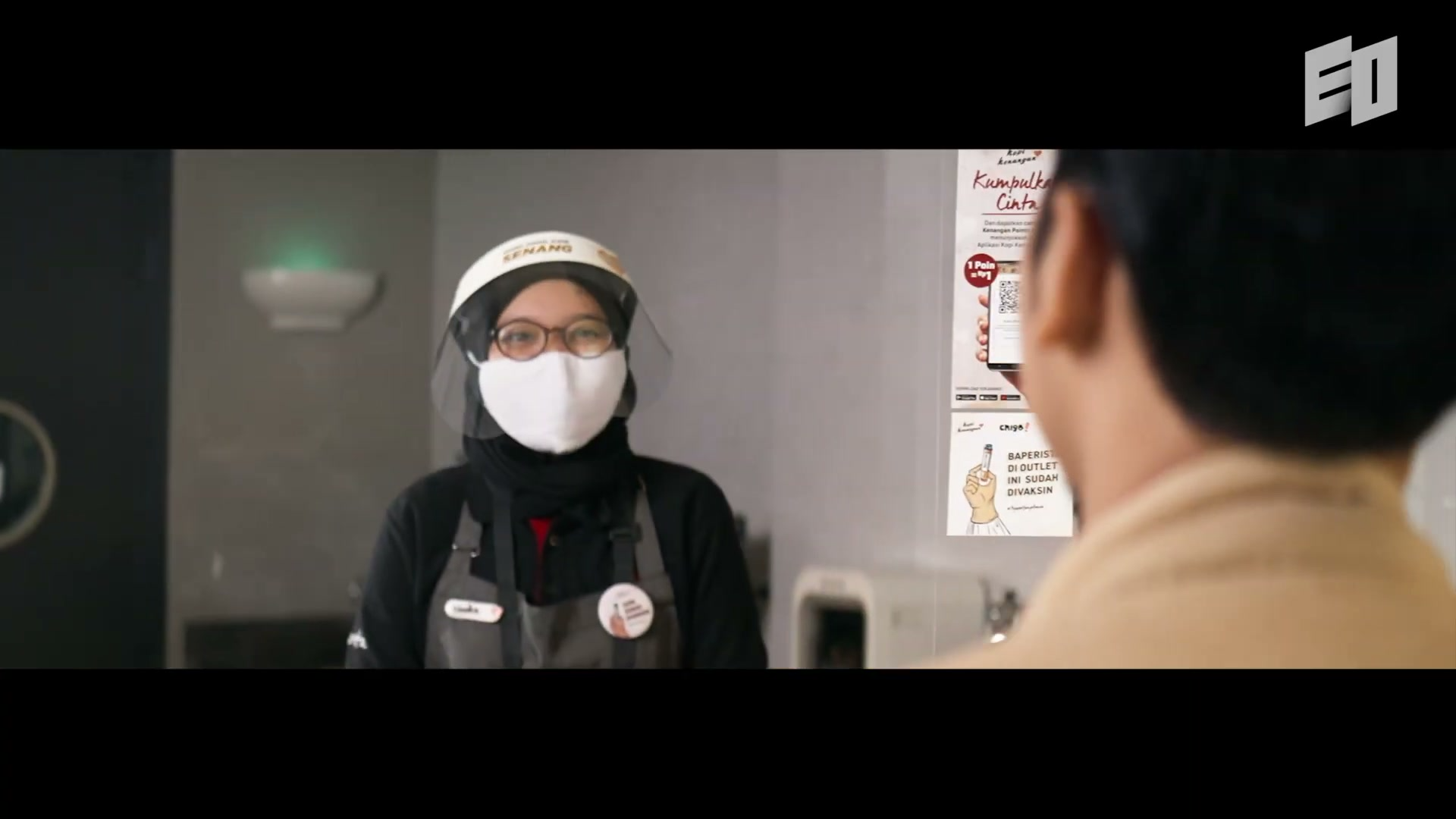
But then I overcome the challenge with empathy, actually. How did I use empathy? I told all my employees that I will pay your salary. I won't miss your bonus, even if it means I myself not getting any salary. I actually took a 1 rupiah salary along with my other co-founders because we want to show our employee that you have security. If they don't feel like they can feed their family, then obviously they won't be able to work well. They will just be worrying about their family every day.
But back then, having spent a lot of time with the employees at the store, I realized that they work hard for the company. It's just basic human element to actually show sympathy, to repay kindness with kindness. That's exactly what I am trying to give to our employees, helping them get on with their life, helping them work hard for us.
But then I overcome the challenge with empathy, actually. How did I use empathy? I told all my employees that I will pay your salary. I won't miss your bonus, even if it means I myself not getting any salary. I actually took a 1 rupiah salary along with my other co-founders because we want to show our employee that you have security. If they don't feel like they can feed their family, then obviously they won't be able to work well. They will just be worrying about their family every day.
But back then, having spent a lot of time with the employees at the store, I realized that they work hard for the company. It's just basic human element to actually show sympathy, to repay kindness with kindness. That's exactly what I am trying to give to our employees, helping them get on with their life, helping them work hard for us.
What was the result of this approach during the pandemic?
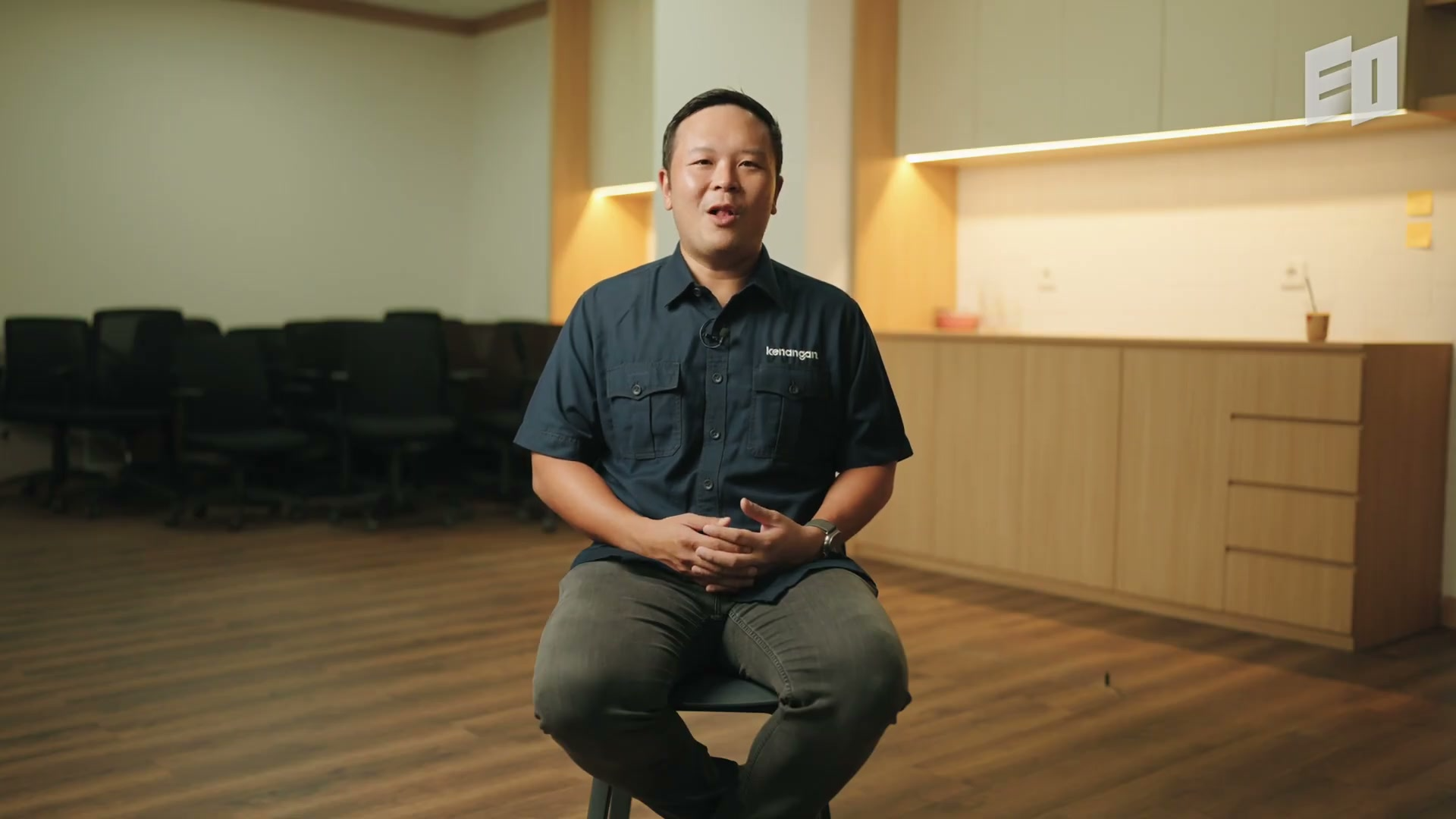
Edward: I'm really glad that I did that. I thought it was logical as well because we need to build an employer branding as well to make sure that people know that we are a company that is run by empathy, not by sadistic culture of like all about cost cutting.
Together, we were able to overcome the pandemic and of course it's not just using empathy, but then we leveraged a lot of online sales as well, because that's when we really built our app and our app literally grew from zero to I think today around 3 million users because during the pandemic, we just doubled down on technology, whether it be on a third party or our own technology.
Together, we were able to overcome the pandemic and of course it's not just using empathy, but then we leveraged a lot of online sales as well, because that's when we really built our app and our app literally grew from zero to I think today around 3 million users because during the pandemic, we just doubled down on technology, whether it be on a third party or our own technology.
The Science Behind Success: Taste, Price, Location
What do you think are the key factors for success in the F&B business?
Edward: I think the most important thing to F&B business is taste, price and location. It is proven from the multiple FGDs that we have done as well with Nielsen and Kantar. A lot of demand actually fall off after it reaches a certain price point. That's why you need to make sure that the price is right. That's why when I first started Kopi Kenangan, I asked literally everyone I can find, just compile data, how much would you pay for this coffee? Using data, we were actually able to charge a cup of coffee that is affordable to many.
In terms of the taste, we realized that Malaysian and Indonesian have different preferences. That's why we actually reduced the sugar inside our drinks in Malaysia by 30%. Last but not least, it's location. If your location is like too far, nobody's gonna go to your location, maybe once, right, just to try. Are they gonna come back? No, I think people are just busy with their life. They don't wanna go too far to get something that they deem as daily necessity.
In terms of the taste, we realized that Malaysian and Indonesian have different preferences. That's why we actually reduced the sugar inside our drinks in Malaysia by 30%. Last but not least, it's location. If your location is like too far, nobody's gonna go to your location, maybe once, right, just to try. Are they gonna come back? No, I think people are just busy with their life. They don't wanna go too far to get something that they deem as daily necessity.
Day One Mentality: Never Stop Improving
What's your philosophy on entrepreneurship and continuous improvement?
Edward: During my entrepreneurial journey, I realized that the most important thing to succeed in life is to actually have a goal and then do micro things one step at a time. No great entrepreneur ever makes it from doing one big thing. It's always a combination of small things here and there. Whether it be trying to improve the recipe every day, trying to source for better ingredients but cheaper, or whether it be to have empathy to your customer. It's all the small improvements that we try to do every day.
That's why in Kopi Kenangan, we live by a mantra called day one mentality, where everyday is day one for us. Never be complacent, never be satisfied with yourself. Always try to make micro improvements every day. As an entrepreneur, especially at my age, I am not satisfied to where I am today. I think the journey is only the beginning. I do believe that in the next 5 to 10 years, we will become a global brand, not just in Southeast Asia, but beyond.
That's why in Kopi Kenangan, we live by a mantra called day one mentality, where everyday is day one for us. Never be complacent, never be satisfied with yourself. Always try to make micro improvements every day. As an entrepreneur, especially at my age, I am not satisfied to where I am today. I think the journey is only the beginning. I do believe that in the next 5 to 10 years, we will become a global brand, not just in Southeast Asia, but beyond.
Explore more