
Feb 14, 2025
The VC Who Said No Twice—Then Invested Anyway
An interview with PushPress, Founder of Dan Uyemura
Founder Focused
When Dan Uyemura finally hit $10,000 in monthly recurring revenue, he called the VC who had told him to "come back at that milestone." The response? "Great, now come back at $100,000 MRR." When he hit $100,000? "We pass." The same investor who had strung him along for years eventually invested—but only after hearing through a mutual friend that PushPress was raising money.
This is the story of how a laid-off MySpace engineer turned gym owner built PushPress into a $15 million ARR vertical SaaS platform serving the fitness industry. What started as frustration with clunky gym management software became a decade-long journey of rejection, bootstrapping, and ultimately proving that sometimes the best opportunities are the ones nobody else can see.
In this candid conversation, Dan Uyemura shares the raw truth about building a business when everyone thinks you're crazy, why he deliberately overstaffs customer support despite investor pressure, and his contrarian thesis that gyms should sell community first and fitness second. This is a masterclass in vertical SaaS strategy, founder resilience, and the power of truly understanding your customer.
Watch the full interview now on EO's YouTube channel! Below is the complete transcription of the interview. Minor edits have been made for clarity and readability.
Key Highlights:
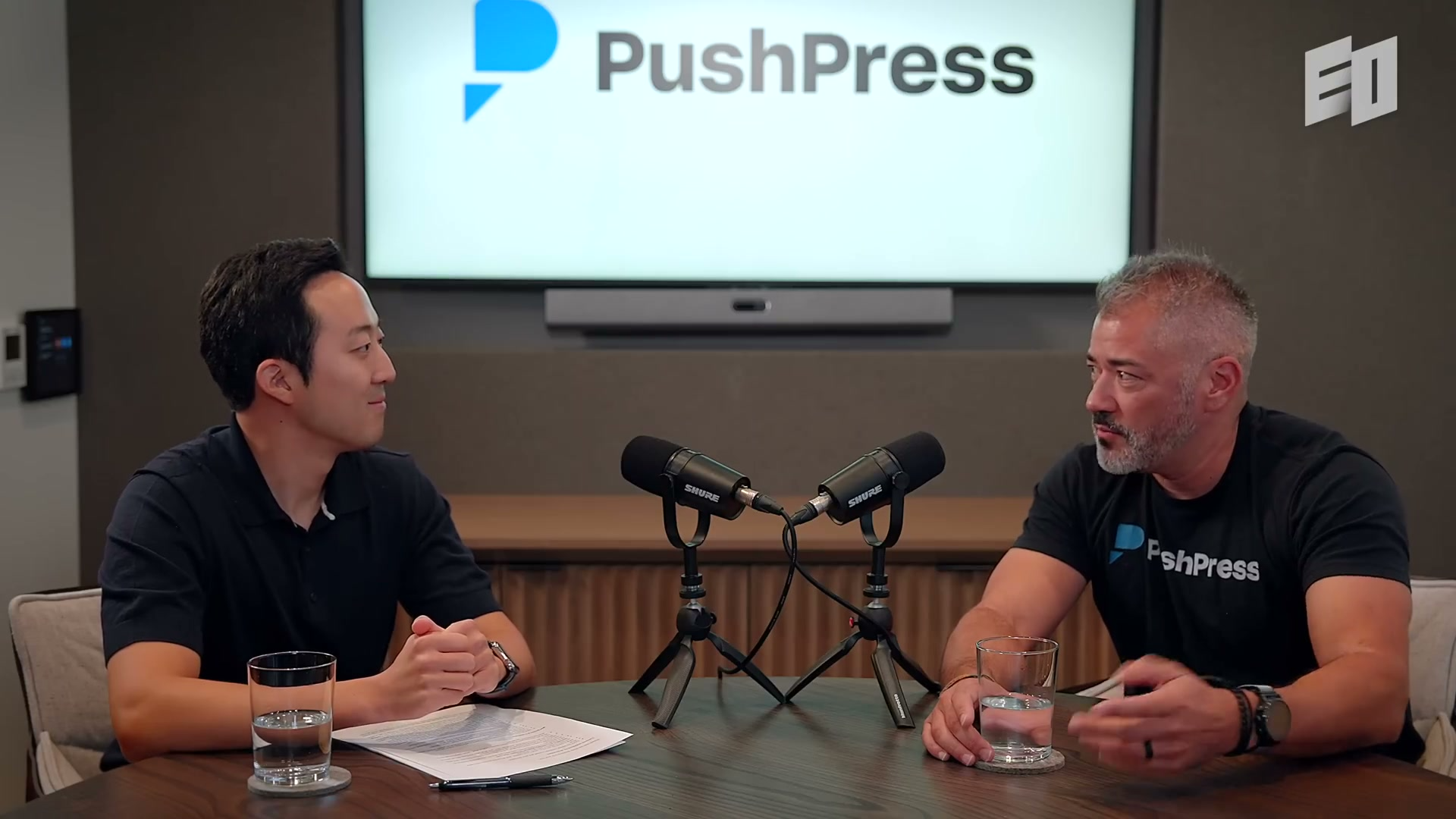
"For first-time founders, like you just don't know. We didn't have to pitch, so it was like we're stammering, fumbling over slides, like we didn't know how to actually present the opportunity and package it."
"I legit thought venture capital people were gamblers. Like I thought that there was, here's 5 million, go see what you can do, you know, I just thought they were just gamblers."
"If you're building something that everyone recognizes the value in, there's really no value in it because everyone's probably doing it."
"In 1 hour, they're trying to understand what you spent 5 years doing, right? And you think about it every day for 5 years, and they're trying to get in 1 hour, and there's just no way they can, right?"
"But let it be a chip on your shoulder because that'll, that'll fire you up more."
"I legit thought venture capital people were gamblers. Like I thought that there was, here's 5 million, go see what you can do, you know, I just thought they were just gamblers."
"If you're building something that everyone recognizes the value in, there's really no value in it because everyone's probably doing it."
"In 1 hour, they're trying to understand what you spent 5 years doing, right? And you think about it every day for 5 years, and they're trying to get in 1 hour, and there's just no way they can, right?"
"But let it be a chip on your shoulder because that'll, that'll fire you up more."
From MySpace Engineer to Gym Owner
Dan, tell us about yourself and PushPress. When did you start the company?
Dan: My name's Dan Uyemura. I am the CEO and a co-founder of PushPress. We're a gym management software platform, and really it's like our job to help a gym owner focus on the one thing that they really care about, which is their clients and helping their clients get fitness and strip away all the other complexities of business through our software platform.
We had the idea in about 2011, started writing code around 2011. It took us about two years to get enough code written to have the first client, which was my gym, onboarded in 2013. So about 11 years ago.
If you have to predate the gym ownership, I was an engineer. I spent about 10 years writing code and building stuff. So, you know, builders always look at things from the lens of like, how was this built? I opened the gym, I looked at the software that was available, and I could tell pretty clearly like this was built a long time ago and or I don't know, it just wasn't up to like modern standards.
We had the idea in about 2011, started writing code around 2011. It took us about two years to get enough code written to have the first client, which was my gym, onboarded in 2013. So about 11 years ago.
If you have to predate the gym ownership, I was an engineer. I spent about 10 years writing code and building stuff. So, you know, builders always look at things from the lens of like, how was this built? I opened the gym, I looked at the software that was available, and I could tell pretty clearly like this was built a long time ago and or I don't know, it just wasn't up to like modern standards.
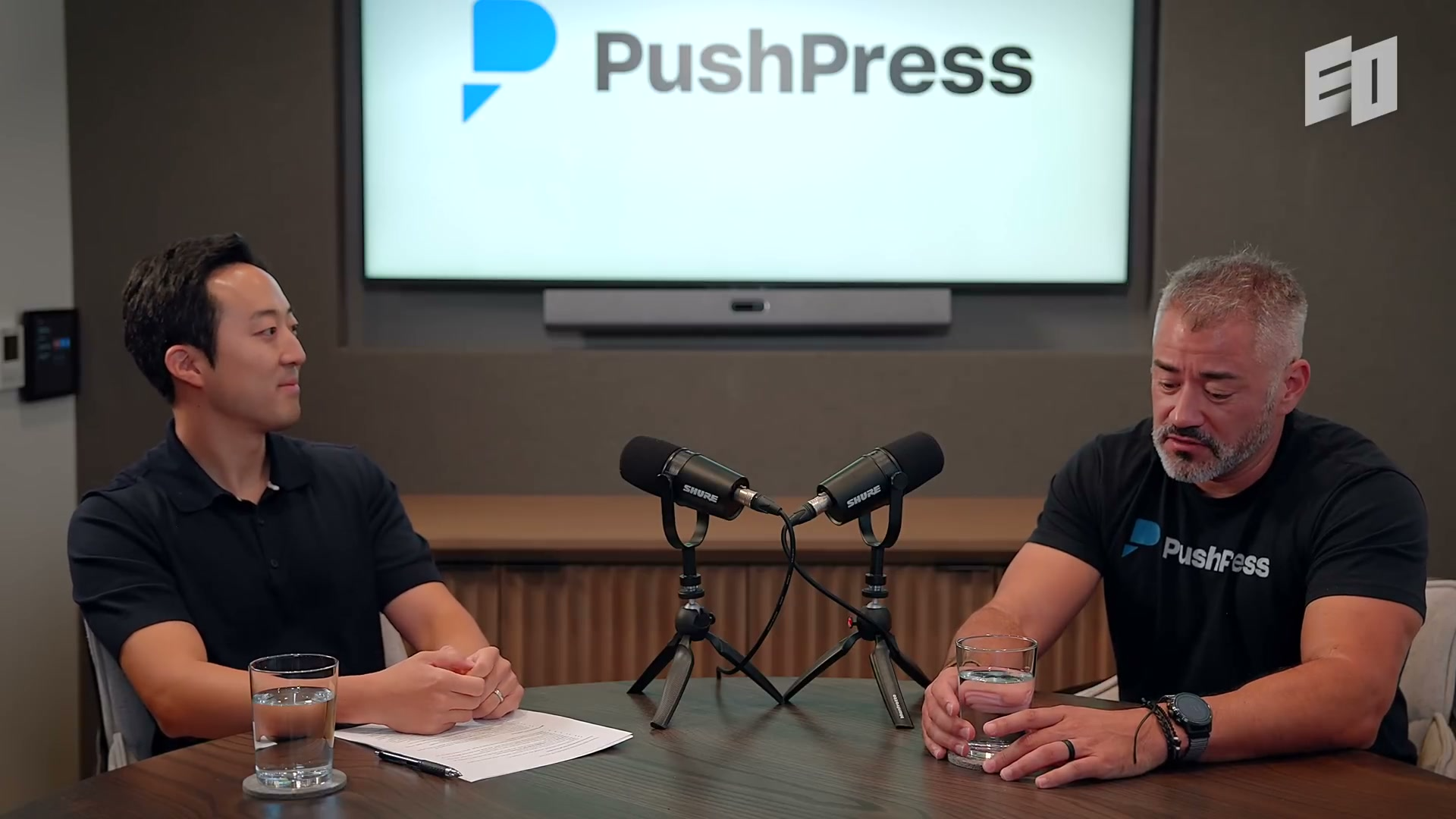
What led you to open a gym in 2010? That seems like quite a career pivot from coding.
Dan: I had been coding for about a decade, maybe a little bit more. I didn't realize it at the time, but when you're an engineer, well, now it's like there's high leverage with coders, right? And obviously my bosses knew this. So it was like they would put dinners in front of me, Italian dinner, they'd put Coca-Cola and coffee in front of me, and I'd just be coding all day. And in that 10 year span, I probably put on like 30 pounds.
I was getting a separation from a marriage at the time, and you know, that's when you actually look at yourself in the mirror and go, Oh, I'm single. I'm gonna have to go on a date, and I'm a slob. So, I started, and I guess I didn't really know about this about myself at the time, but entrepreneurs are generally obsessive compulsive, I believe. And so I basically went for the fastest thing that can get me the most results, which put me pretty much in a direct path right into CrossFit, and I fell in love with it, became like a rabid CrossFit fanatic, helped people open gyms, got my coach's certification.
And then I got laid off at MySpace and just said, I'm gonna take this money and go open a gym, give it a shot, and I was tired of coding.
I was getting a separation from a marriage at the time, and you know, that's when you actually look at yourself in the mirror and go, Oh, I'm single. I'm gonna have to go on a date, and I'm a slob. So, I started, and I guess I didn't really know about this about myself at the time, but entrepreneurs are generally obsessive compulsive, I believe. And so I basically went for the fastest thing that can get me the most results, which put me pretty much in a direct path right into CrossFit, and I fell in love with it, became like a rabid CrossFit fanatic, helped people open gyms, got my coach's certification.
And then I got laid off at MySpace and just said, I'm gonna take this money and go open a gym, give it a shot, and I was tired of coding.
What was different about your approach to running a gym compared to the typical CrossFit culture at the time?
Dan: During this time, if you know much about CrossFit culture, back then it was like Pukey the clown and dudes with their shirt off and just like crazy masculine, toxic masculinity type stuff, which, you know, is the brand. But we actually opened our gym thinking like, we want to tailor to 40 year olds who are brand aesthetic appeal, you know, like who appealed to a brand aesthetic. We picked colors that were non-shocking. And so our whole brand was more around inclusivity and for everybody when we opened it.
I was older at the time. I was probably 30, 33 or something, which was, you know, back then CrossFit was like a 20 year old thing. So we're trying to get it to be more inclusive.
I was older at the time. I was probably 30, 33 or something, which was, you know, back then CrossFit was like a 20 year old thing. So we're trying to get it to be more inclusive.
The Software Problem That Started Everything
You mentioned looking for software immediately. What was the practical issue with existing gym management tools?
Dan: The biggest issue was every gym runs a little bit differently. And that's because in fitness, you have CrossFit, you have MMA. You have karate, you have kids' fitness, sports training, just so many different things. And when I pulled up the existing software, the form field was like 1 mile long, like every page was like 1 mile long of options and things that I had to like, every form you're like, what does this mean? What does it do? What happens if I change this? What are the ramifications? That thought process just blew me away, like, I can't manage this.
So practically speaking, it was like when one software tries to do too much for everybody, it ends up doing nothing for anyone. And this was granted, they built this before like the iPhone came out, and I think the paradigm of the iPhone changed everyone's mind because the iPhone can do anything for everyone, but they compartmentalized everything into apps and it allows you to customize the phone to your own experience what you want. And that's what I now expected because this is post iPhone, like I'm like, why do I have to have all this stuff? I just want what I want, right?
So practically speaking, it was like when one software tries to do too much for everybody, it ends up doing nothing for anyone. And this was granted, they built this before like the iPhone came out, and I think the paradigm of the iPhone changed everyone's mind because the iPhone can do anything for everyone, but they compartmentalized everything into apps and it allows you to customize the phone to your own experience what you want. And that's what I now expected because this is post iPhone, like I'm like, why do I have to have all this stuff? I just want what I want, right?
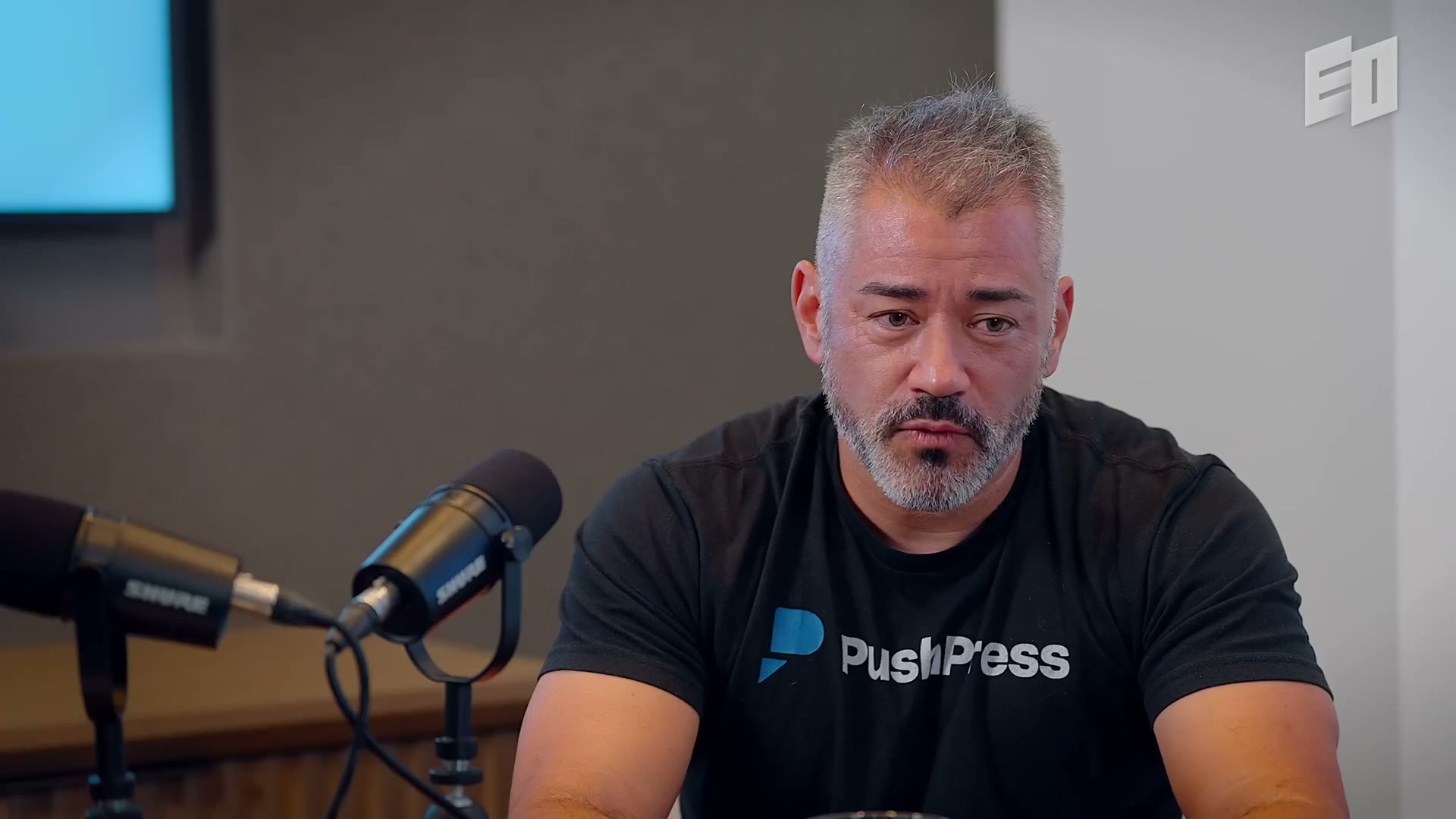
Years of Rejection and the $10K Milestone
You mentioned getting laughed out of VC rooms for years. Tell us about that journey and the milestone that Will from Mucker gave you.
Dan: We're pitching all these VCs early because I'm like, this is going to crush, we get payments money. Like, there was so much to this. I'm like, there's no way this is going to fail. All the players suck like we understand it, blah, blah, blah. And we got laughed out of every venture room for years.
And one of them, this guy Will from Mucker, he told me he's like, hey, this is a great idea. Why don't you come back when you're at 10,000 MRR? Because then we'll know you have escape velocity. I remember these terms exactly. And so right when we hit 10,000, I called him. He's like, Yeah, come down, show me what's going on. And we're excited because I'm like, dude, he's gonna invest because we did what he said. And he's like, this is all cool. Why don't you come back when you get to 100,000 MRR because then I'll know that you escaped like literally told me the same thing again.
And so we called him back at 100,000 and he's like, we pass, like we're not interested. The irony is he's actually an investor now because he heard that we were raising through another party. One of our connected friends was investing, and he's friends with him on the side. And he called me and he's like, OK, it's time. Let's do this. And I'm like, Oh, now it's time.
And one of them, this guy Will from Mucker, he told me he's like, hey, this is a great idea. Why don't you come back when you're at 10,000 MRR? Because then we'll know you have escape velocity. I remember these terms exactly. And so right when we hit 10,000, I called him. He's like, Yeah, come down, show me what's going on. And we're excited because I'm like, dude, he's gonna invest because we did what he said. And he's like, this is all cool. Why don't you come back when you get to 100,000 MRR because then I'll know that you escaped like literally told me the same thing again.
And so we called him back at 100,000 and he's like, we pass, like we're not interested. The irony is he's actually an investor now because he heard that we were raising through another party. One of our connected friends was investing, and he's friends with him on the side. And he called me and he's like, OK, it's time. Let's do this. And I'm like, Oh, now it's time.
Looking back at all those rejections, what do you think was missing in those early pitches?
Dan: For first-time founders, like you just don't know. I remember like, so with some of the early ones we pitched, so one of the first thing is we're playing rotating CEO. So like, for the first pitches, I think Chris was the CEO. And then Brian was CEO for a while. And then towards the end, like at the 2020 stage, it was me. But I remember them coming out, we would come out and they'd be like, we don't see any passion. And I was like, what? Like, dude, we are so passionate. Like I couldn't believe it. But really what it was was we didn't know how to pitch. So it was like we're stammering, fumbling over slides, like we didn't know how to actually present the opportunity and package it.
The second one is like, we just didn't understand what VCs were looking for. Like, I legit thought venture capital people were gamblers. Like I thought that there was, here's 5 million, go see what you can do, you know, I just thought they were just gamblers, and then it took us many, many pitches for us to realize like, oh, they actually want to see like there's a business here and there's, you have to understand your TAM and what does the growth potential look like, all these things.
The second one is like, we just didn't understand what VCs were looking for. Like, I legit thought venture capital people were gamblers. Like I thought that there was, here's 5 million, go see what you can do, you know, I just thought they were just gamblers, and then it took us many, many pitches for us to realize like, oh, they actually want to see like there's a business here and there's, you have to understand your TAM and what does the growth potential look like, all these things.
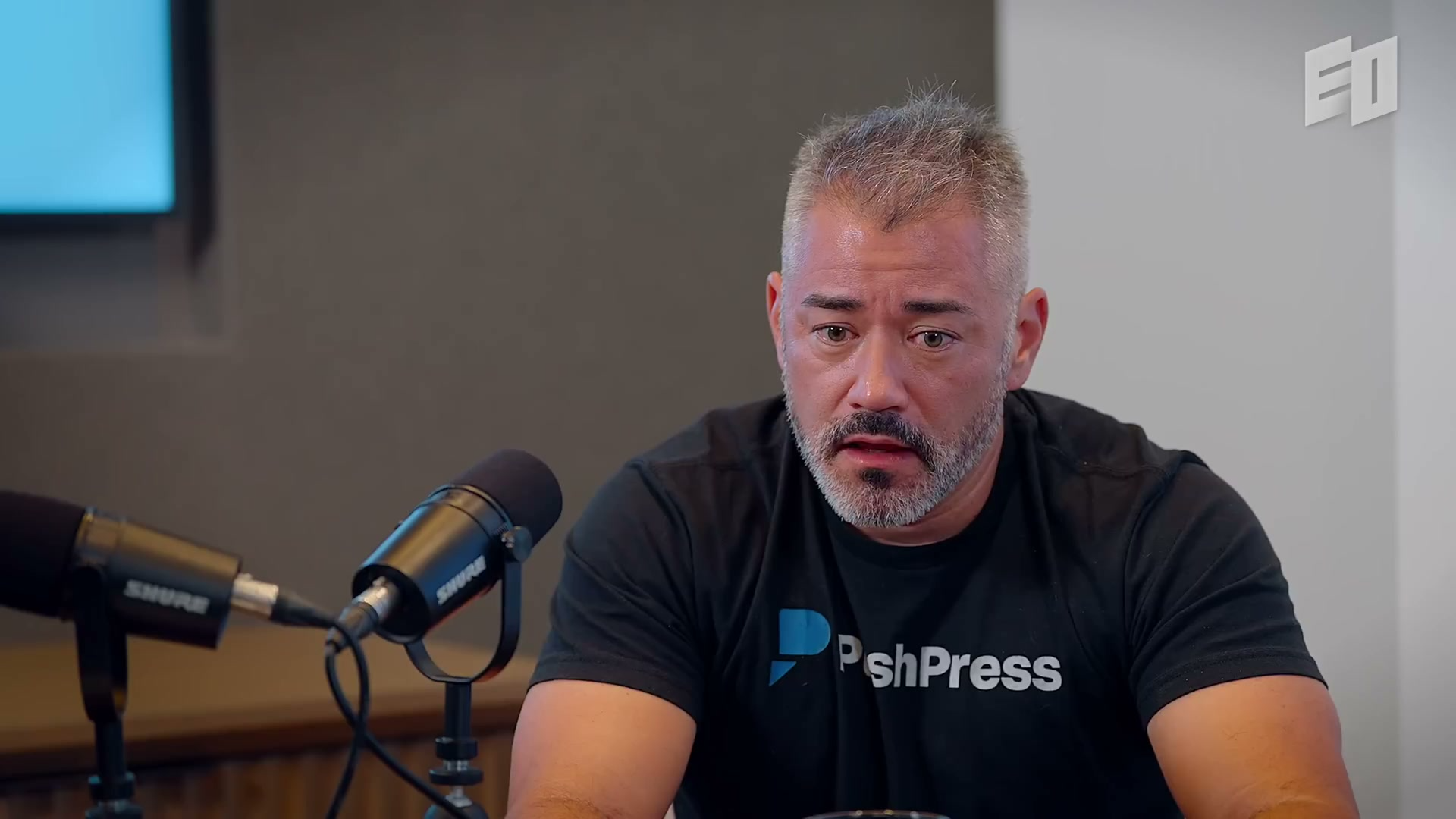
The Chip on the Shoulder
How did you process all that rejection? It sounds like it became fuel for you.
Dan: I felt very disconnected from the fact that like something that I could see so clearly was not obvious to other people. So that made me feel disconnected for one, it put chips, a huge chip on my shoulder, massive. We joke about it all the time that like, and I wish I did this, but we call it the list of all the people who didn't believe in us. Like I wish I actually kept the list because, OK, so let me tell you a story. Actually, this is a good one.
So at one point throughout this journey, I had to keep taking jobs because I just didn't make enough money. So I was like, I was running a gym, had to go take a full-time job and doing push press, like 3 things at once. And one of the jobs I took, I actually had to drive past the house of an investor who turned us down. Like he, we went to his house. We sat there and pitched him. I thought it went really well. And then he went back to the fund that he was representing, and he's like, oh, they suck. Like, don't invest in them. And so every day for like a year, I had to drive past his house and I flipped off his house every day. I was so pissed off at like he became the personification of like everyone who said no to us.
I mean, the bottom line is this, it's like if you're building something that everyone recognizes the value in, there's really no value in it because everyone's probably doing it. If you really believe that there's something valuable, and nobody else can see it, and the gamble is like, are you wrong? Are you crazy? Right? And that's what we had to reflect on. But if you're not wrong, there actually is a lot of value there because if, because no one else is doing it, right? And that is what value is.
So at one point throughout this journey, I had to keep taking jobs because I just didn't make enough money. So I was like, I was running a gym, had to go take a full-time job and doing push press, like 3 things at once. And one of the jobs I took, I actually had to drive past the house of an investor who turned us down. Like he, we went to his house. We sat there and pitched him. I thought it went really well. And then he went back to the fund that he was representing, and he's like, oh, they suck. Like, don't invest in them. And so every day for like a year, I had to drive past his house and I flipped off his house every day. I was so pissed off at like he became the personification of like everyone who said no to us.
I mean, the bottom line is this, it's like if you're building something that everyone recognizes the value in, there's really no value in it because everyone's probably doing it. If you really believe that there's something valuable, and nobody else can see it, and the gamble is like, are you wrong? Are you crazy? Right? And that's what we had to reflect on. But if you're not wrong, there actually is a lot of value there because if, because no one else is doing it, right? And that is what value is.
That's a powerful way to think about it. How do you reconcile that with the self-doubt that must come up?
Dan: So it was very challenging, especially as a young founder. You're like, am I crazy? Like, is there really no way we can beat Mindbody here? Is this like, it's so clear to me, but no one else can see it, and you want to believe that these people are smarter than you, and they probably are, right? But they just don't understand your business or the opportunity.
And the thing I didn't realize at the time is like, in 1 hour, they're trying to understand what you spent 5 years doing, right? And you think about it every day for 5 years, and they're trying to get in 1 hour, and there's just no way they can, right? Part of that's on me or the founder, because if you can't relay all that information in 1 hour, that's on you. But at the same time, as a first time founder, it's like it takes a lot of reps to get to the point where you can explain it, and you're going to get told no for every single rep that you're building that ability, right? And that's OK. It really is OK. But let it be a chip on your shoulder because that'll fire you up more.
And the thing I didn't realize at the time is like, in 1 hour, they're trying to understand what you spent 5 years doing, right? And you think about it every day for 5 years, and they're trying to get in 1 hour, and there's just no way they can, right? Part of that's on me or the founder, because if you can't relay all that information in 1 hour, that's on you. But at the same time, as a first time founder, it's like it takes a lot of reps to get to the point where you can explain it, and you're going to get told no for every single rep that you're building that ability, right? And that's OK. It really is OK. But let it be a chip on your shoulder because that'll fire you up more.
Bootstrapping with Posters and Timers
How did you fund the company during those early years before you could raise venture capital?
Dan: It was technically bootstrapped. We've always been scrappy, and there's like two pretty impactful moments I'll highlight. The first one, we printed a poster. We actually partnered with a weightlifting coach who's here in San Francisco, and we brought her down, we did a photo shoot. It was very inexpensive. And we printed this poster of like weightlifting technique, and it was just like Chris, co-founder Chris. He had this brilliant like design eye and like visual representation eye. So he basically got a high speed camera and took like the movements of a clean and jerk and a snatch and broke it down into like frame by frame, what your feet should look like from a top-down position, put it on a poster, it looked awesome.
And we sold it to the community, but it was like $10 shipping. And the shipping only cost us $3. So like we made $7 a thing, we sold like 1000 of them because everyone wanted it in their gym, but we also, it was a double dip because we're like, this will get our brand into the gyms as well. So it was a Push Press poster. So it was like got them aware of our brand, but we made like 7000, which at that time was like massive money.
And we sold it to the community, but it was like $10 shipping. And the shipping only cost us $3. So like we made $7 a thing, we sold like 1000 of them because everyone wanted it in their gym, but we also, it was a double dip because we're like, this will get our brand into the gyms as well. So it was a Push Press poster. So it was like got them aware of our brand, but we made like 7000, which at that time was like massive money.
What was the second way you funded the company?
Dan: The second thing we did is we built a timer, which still works to this day. What happened here was like Chris designed so many things for us to build and we couldn't keep up. We couldn't code as fast as he designed. And so he had nothing to do. We went to some conference where it was like a bunch of developers were there and we met some guy from like Vietnam who does mobile development. And Chris is like, I have this idea for a timer. Can you build it? He worked up a bunch of mocks and the guy built it and Chris had like 3 months of nothing to do. So he just managed it.
It was a workout timer. And you know, it was specific to CrossFit so you can easily build like countdown, count up timers. But the hook was like I was building all these connections in the space. So I went to all the like celebrities in the CrossFit world. I'm like, hey, we're building a timer. Can you add your voice to it? And so we built like this language pack. It goes like 3-2-1, go, and then the person can say something motivational like, hey, you're almost, you're halfway there. Keep going. And then we had like 20 different voices on it.
One of my early members at my second gym came in and he was an ad network ad specialist, and he's like, Dude, show me the numbers on this timer. And we're doing like a million workouts a month. We just put it out there and we didn't do anything. It just started getting used. Getting a million workouts a month and he's like, yo, if I put ads on this, like we can make some money. And so he did and for the first like six months we were getting like $30,000 a month on it.
It was a workout timer. And you know, it was specific to CrossFit so you can easily build like countdown, count up timers. But the hook was like I was building all these connections in the space. So I went to all the like celebrities in the CrossFit world. I'm like, hey, we're building a timer. Can you add your voice to it? And so we built like this language pack. It goes like 3-2-1, go, and then the person can say something motivational like, hey, you're almost, you're halfway there. Keep going. And then we had like 20 different voices on it.
One of my early members at my second gym came in and he was an ad network ad specialist, and he's like, Dude, show me the numbers on this timer. And we're doing like a million workouts a month. We just put it out there and we didn't do anything. It just started getting used. Getting a million workouts a month and he's like, yo, if I put ads on this, like we can make some money. And so he did and for the first like six months we were getting like $30,000 a month on it.
The Breaking Point and COVID Breakthrough
You mentioned there was a point in 2017 where you almost gave up. What happened there?
Dan: There was a time in 2017 where I remember turning around to Chris in the gym and I was like, hey, I think I'm gonna hang it up. I'm gonna give up on Push Press and I'm gonna just focus on the gym, because I see how the gym can actually pay me to make a living here. And I'm tired of working three jobs, basically.
Him and Brian, I think kind of talked me out of it at that point, like, dude. Give us some time. Like we've got clients, we've got customers. I don't really remember exactly how they talked me out of it, but I remember being pretty much like, I think I have to give up on this. But I didn't want to, and I think ultimately that was it. So like, those moments will come when you found a company where it's just like you have to just kind of see it through. There's something about durability and like until you really are dead, you're not dead. And you can find a way to get through it, but you just have to know it's gonna suck.
We had probably like a couple hundred clients at that time. So you had real customers, real usage, but it just didn't feel right. This is probably after we were making, after Will said no to the 10,000, come back at 100,000, you know, it's like you have these like demoralizing moments where like, dude, we got to get 100 from here, and like I don't even see how we're gonna get there.
Him and Brian, I think kind of talked me out of it at that point, like, dude. Give us some time. Like we've got clients, we've got customers. I don't really remember exactly how they talked me out of it, but I remember being pretty much like, I think I have to give up on this. But I didn't want to, and I think ultimately that was it. So like, those moments will come when you found a company where it's just like you have to just kind of see it through. There's something about durability and like until you really are dead, you're not dead. And you can find a way to get through it, but you just have to know it's gonna suck.
We had probably like a couple hundred clients at that time. So you had real customers, real usage, but it just didn't feel right. This is probably after we were making, after Will said no to the 10,000, come back at 100,000, you know, it's like you have these like demoralizing moments where like, dude, we got to get 100 from here, and like I don't even see how we're gonna get there.
Then COVID hit, and ironically you accelerated growth while gyms were shutting down. How did that happen?
Dan: When it happened, immediately I was like, oh, it was like existential. Oh, my God, right? I think it was two things. One, I was part of a mentorship group at the time, and I was on a call. His name's Dan Martel. I was on a call with him and he said something that I will never forget to this day. He's like, never waste a good crisis. And I was like, what do you mean? And he's like, like, these are the moments when the winners win. And then I thought about it and I really reflected on it. I'm like, yeah, dude, like you don't win races on straightaways, you win races on turns. And so that mindset shift like changed a lot for me.
We had just released free, our free version without knowing that was gonna happen. So that was incidental luck, right, in terms of timing. But I think what really accelerated us was we're like, OK, and I just decided at that point, like, we're putting the foot on the gas with COVID. And we just did everything we can to like circle the wagons, protect our gyms, protect the industry. Like, it didn't even matter if you're a client of ours or not. And we just got really vocal, right? This is right around the time I started a podcast, right around the time we were like learning how to express ourselves to the market.
We gave money away to people like we got a PPP loan and we turned around and just gave a lot of that away to our gyms to help support them. We just turned it into a grant. We got a ton of publicity, but we gave money away. And my argument to my founders was like, well, we can either spend money on Google paid clicks or we can just give the money to the gyms. Let's give the money to the gyms.
We had just released free, our free version without knowing that was gonna happen. So that was incidental luck, right, in terms of timing. But I think what really accelerated us was we're like, OK, and I just decided at that point, like, we're putting the foot on the gas with COVID. And we just did everything we can to like circle the wagons, protect our gyms, protect the industry. Like, it didn't even matter if you're a client of ours or not. And we just got really vocal, right? This is right around the time I started a podcast, right around the time we were like learning how to express ourselves to the market.
We gave money away to people like we got a PPP loan and we turned around and just gave a lot of that away to our gyms to help support them. We just turned it into a grant. We got a ton of publicity, but we gave money away. And my argument to my founders was like, well, we can either spend money on Google paid clicks or we can just give the money to the gyms. Let's give the money to the gyms.
The Vertical SaaS Vision
Let's talk about your business model. What do you charge customers and what's your view on the TAM limitations that people often cite for vertical SaaS?
Dan: I just saw the CEO of ServiceTitan talk about this yesterday. If you can open up the P&L of any small business and look at where they spend their money and understand like, which of these can be productized in software, you actually have the right to take all of that off an owner's plate and turn that into business because as long as you're providing more value than you're charging, and you're doing so in a way that creates more goodwill and more trust as you sell more products. You're actually doing them a service by bringing it all into one house, and especially in the SMB space. These owners want, I heard this term recently I love these owners want one throat to choke. Like they want one relationship that they can trust and buy into and have full confidence that, you know, they can hand all of that business off and then just focus on what they want to focus on.
If you, when you think of TAM in the simplest sense of like, oh, there's only 100,000 gyms in the world, and you can only make $150 per gym because that's your software cost, that's wrong because it's like, what about insurance and what about payroll and what about health insurance and benefits and banking and servicing and lending and, you know, payments like there's a million pieces of this stack that you can provide value to that are just like overlooked by this TAM conversation.
If you, when you think of TAM in the simplest sense of like, oh, there's only 100,000 gyms in the world, and you can only make $150 per gym because that's your software cost, that's wrong because it's like, what about insurance and what about payroll and what about health insurance and benefits and banking and servicing and lending and, you know, payments like there's a million pieces of this stack that you can provide value to that are just like overlooked by this TAM conversation.
Which parts of that stack are you addressing now and what areas do you want to expand into?
Dan: I want to get into all of it, Tay, all of it. And it's purely from the lens of like it will help gyms so much if they can control it all from one central dashboard, right? And the relationships, like we bring network effects to the equation here. Like I can pre-negotiate better rates for water than they can get from their local distributor because we will be negotiating on behalf of everyone in the network, right?
Right now, we've built our whole system around payments, which is a whole other fun story, because when I was pitching people back in 2014 on PushPress, they didn't even know what payments like they didn't even count payments, it didn't matter. But payments are so critical to this entire stack. We do some of their front-end lead generation, website development, local SEO, marketing, and CRM tooling.
It's funny, we built a branded app which allows every gym to have a branded app in the App Store, and we thought nobody would use it, but what we've come to find is like almost every gym buys it because they actually want to stand out against Orange Theory. Like this single gym has no way for them to have their own app otherwise, and it's really cool for them to be able to say like, oh yeah, we sit next to Orange Theory in the App Store.
Right now, we've built our whole system around payments, which is a whole other fun story, because when I was pitching people back in 2014 on PushPress, they didn't even know what payments like they didn't even count payments, it didn't matter. But payments are so critical to this entire stack. We do some of their front-end lead generation, website development, local SEO, marketing, and CRM tooling.
It's funny, we built a branded app which allows every gym to have a branded app in the App Store, and we thought nobody would use it, but what we've come to find is like almost every gym buys it because they actually want to stand out against Orange Theory. Like this single gym has no way for them to have their own app otherwise, and it's really cool for them to be able to say like, oh yeah, we sit next to Orange Theory in the App Store.
Customer Support as Go-to-Market Strategy
You've mentioned customer support being central to your strategy, even when it affects your gross margins. How do you think about that trade-off?
Dan: You have to deal with board members sometimes who push you on things that you know are nonsense. There's like these ranges that you have to operate your business in. So like you guys want gross margin in general to be like 75 to 85%, right? And for those of you who don't know, gross margin is basically like your revenue minus the amount of money you spend on servers and things that make the product happen and then customer support because they're keeping the lights on.
I've built my company intentionally around the fact that customer support is a go to market strategy, so I don't think it should be part of gross margin. That's the argument I will forever make. Our customer support team and the way our people interact with our customers kicks ass so much that it turns our customers into raving fans that become a referral. It's a churn reducer and a referral creation, and I'm sure you saw it when you were investigating us. It's like what gym management software should I use and it should be a whole bunch of people saying Push Press absolutely hands down use Push Press.
An interesting way for founders to think about this is like, there are industry standards for most businesses to run their thing, but that doesn't mean you have to do that. And I think it took me a couple of years working with you to understand that I don't have to do everything you say. I respect everything you say, but every business is built different, right?
I've built my company intentionally around the fact that customer support is a go to market strategy, so I don't think it should be part of gross margin. That's the argument I will forever make. Our customer support team and the way our people interact with our customers kicks ass so much that it turns our customers into raving fans that become a referral. It's a churn reducer and a referral creation, and I'm sure you saw it when you were investigating us. It's like what gym management software should I use and it should be a whole bunch of people saying Push Press absolutely hands down use Push Press.
An interesting way for founders to think about this is like, there are industry standards for most businesses to run their thing, but that doesn't mean you have to do that. And I think it took me a couple of years working with you to understand that I don't have to do everything you say. I respect everything you say, but every business is built different, right?
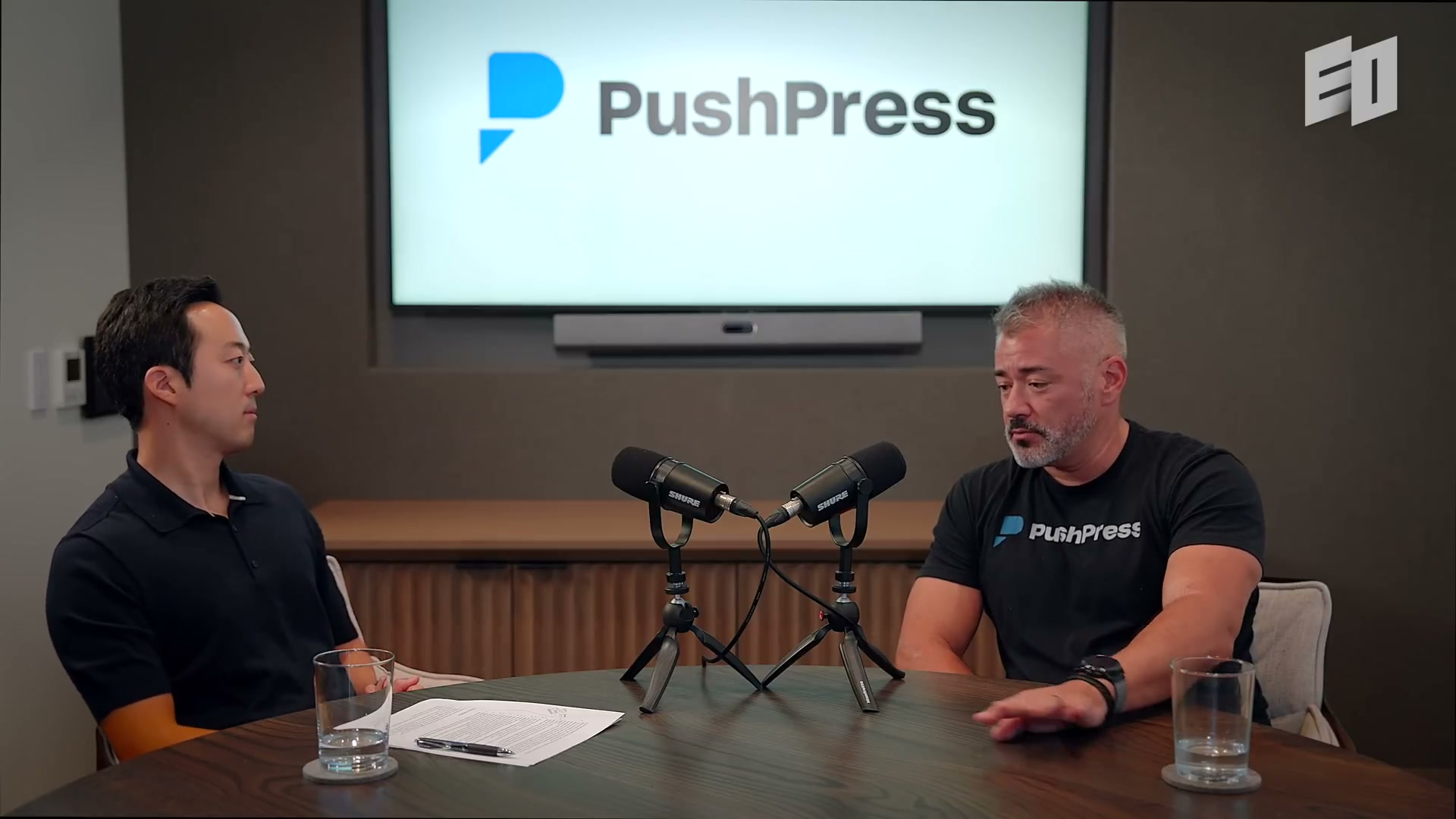
Building Personal Brand and Content Strategy
You've become quite active on social media and content creation. What drove that decision?
Dan: The first one, which is a recurring theme of what I'm gonna always keep saying is like, my competitors are not gym owners, the CEO who even knows what the CEO looks like. Has no voice, has no passion, is not there for gym owners. I am, so why wouldn't I put that out there, right?
But 2, we live in a day and age where people expect to learn about things that they want to interact with through various mechanisms, and one of those is media. The younger generation, maybe not our gen, my generation. But definitely the younger generation, like they go on social media to learn about products they want to buy and do that's how they do research. Like we might use Yelp, they use Instagram. I also believe people buy from people, especially in the SMB space. So putting a face to the actual thing you're buying is important.
It's costly to build a brand. But it's much easier to say like, I'm Dan, I'm the founder of Push Press, and this is what I believe. And this is why I'm here for you. And then the brand will inherit that goodwill that I can build, and I'm just saying what I believe. So it's not hard. And lastly, straight out of the ball, we live in a world where like, you get free leverage. Like social media has created free leverage, and in business leverage is everything.
But 2, we live in a day and age where people expect to learn about things that they want to interact with through various mechanisms, and one of those is media. The younger generation, maybe not our gen, my generation. But definitely the younger generation, like they go on social media to learn about products they want to buy and do that's how they do research. Like we might use Yelp, they use Instagram. I also believe people buy from people, especially in the SMB space. So putting a face to the actual thing you're buying is important.
It's costly to build a brand. But it's much easier to say like, I'm Dan, I'm the founder of Push Press, and this is what I believe. And this is why I'm here for you. And then the brand will inherit that goodwill that I can build, and I'm just saying what I believe. So it's not hard. And lastly, straight out of the ball, we live in a world where like, you get free leverage. Like social media has created free leverage, and in business leverage is everything.
Were you comfortable filming content in the beginning?
Dan: Absolutely not. Absolutely not. It's like as a founder, you've got to do stuff that you have to do. And you felt like this was something you had to do, and even to the point where this is founder mode stuff, but even to the point where like I bugged our marketing team to like, hey, get someone to work with me on this, and they were just too busy doing other stuff, so I just found my own guy and just did it myself. I felt like you have to do it and it's become increasingly more important as the years go by.
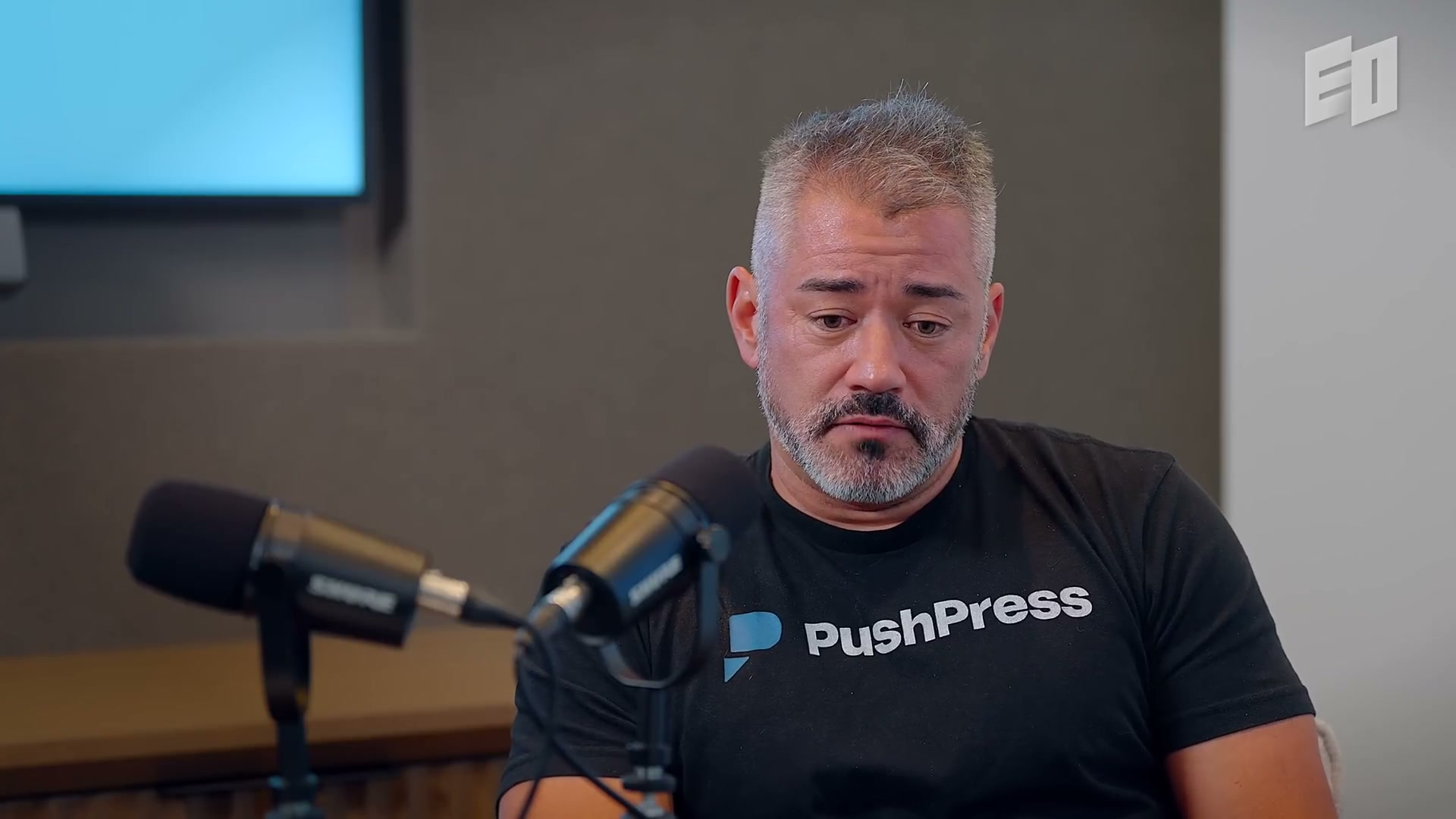
Leadership Evolution and Future Vision
How would you characterize yourself as a leader and how has that evolved?
Dan: I used to be very insecure. Like, why would I be the leader? Why is my voice more important than anyone's? Every decision would turn into a committee, like, hey, what do you guys think? What do you think? I am now much more becoming, there are certain decisions that I will just make, and I don't feel bad about that anymore. I don't feel insecure about that. Just because I see how much bureaucracy and chaos it creates when I start asking for everyone's opinion and we start tallying votes and then we have debates and discussions that go nowhere, it just doesn't help.
So, I think I'm evolving as a leader. I think no matter what, I'm always gonna be empathetic, I'm gonna care what people think. I'm gonna listen to people's opinions, but I'm becoming much more able to just say, cool, I heard all your opinions. This is what we're doing.
So, I think I'm evolving as a leader. I think no matter what, I'm always gonna be empathetic, I'm gonna care what people think. I'm gonna listen to people's opinions, but I'm becoming much more able to just say, cool, I heard all your opinions. This is what we're doing.
What's your vision for the fitness industry in 10-20 years and how does technology play into that?
Dan: The problem with fitness is everyone looks for easy buttons, and fitness is not the easy button. And so right now what you get is you get 10% or 5% of the people in the world who are OK pushing the hard button because that's what they're into doing it, but we're missing the mark on the 90 to 95% of people who just want Ozempic, you know, or who want the easy button.
I'm actually starting to generate this thesis that gyms should sell community, and we should solve loneliness first, and the fitness is the byproduct. People show up at the gyms that we support because they're showing up for their friends as much as they're showing up for themselves. And it's almost like church where the church for the body. You have this, every day I go, I pay my penance or whatever, I do my thing, and at the end of the result is like, I got fitter. But really it's like you're solving loneliness in the moment and the easy buttons of loneliness.
The community is something actually very impactful in these gyms. So if we can figure out this easy button, and you can flip it and get 90% of people in the gyms, like we could have literally like 20 times more gyms in the world just overnight. So to me it's like there's a big growth opportunity if we actually attack the problem that's stopping people from coming to the gym.
I'm actually starting to generate this thesis that gyms should sell community, and we should solve loneliness first, and the fitness is the byproduct. People show up at the gyms that we support because they're showing up for their friends as much as they're showing up for themselves. And it's almost like church where the church for the body. You have this, every day I go, I pay my penance or whatever, I do my thing, and at the end of the result is like, I got fitter. But really it's like you're solving loneliness in the moment and the easy buttons of loneliness.
The community is something actually very impactful in these gyms. So if we can figure out this easy button, and you can flip it and get 90% of people in the gyms, like we could have literally like 20 times more gyms in the world just overnight. So to me it's like there's a big growth opportunity if we actually attack the problem that's stopping people from coming to the gym.
Explore more