May 19, 2025
Kicked Out at 19, Roy Lee Built a $5M AI "Cheat" Empire
An interview with Roy Lee, Founder of Cluely
Founder Focused


In this interview, Roy reveals the calculated risks behind his viral controversy, why he believes “all press is good press,” and how getting kicked out of Columbia became the turning point that shaped his vision for a future where AI doesn’t just answer our questions, but thinks alongside us in real time.
Watch the full interview now on EO's YouTube channel! Below is the complete transcription of the interview. Minor edits have been made for clarity and readability.
Key Highlights:
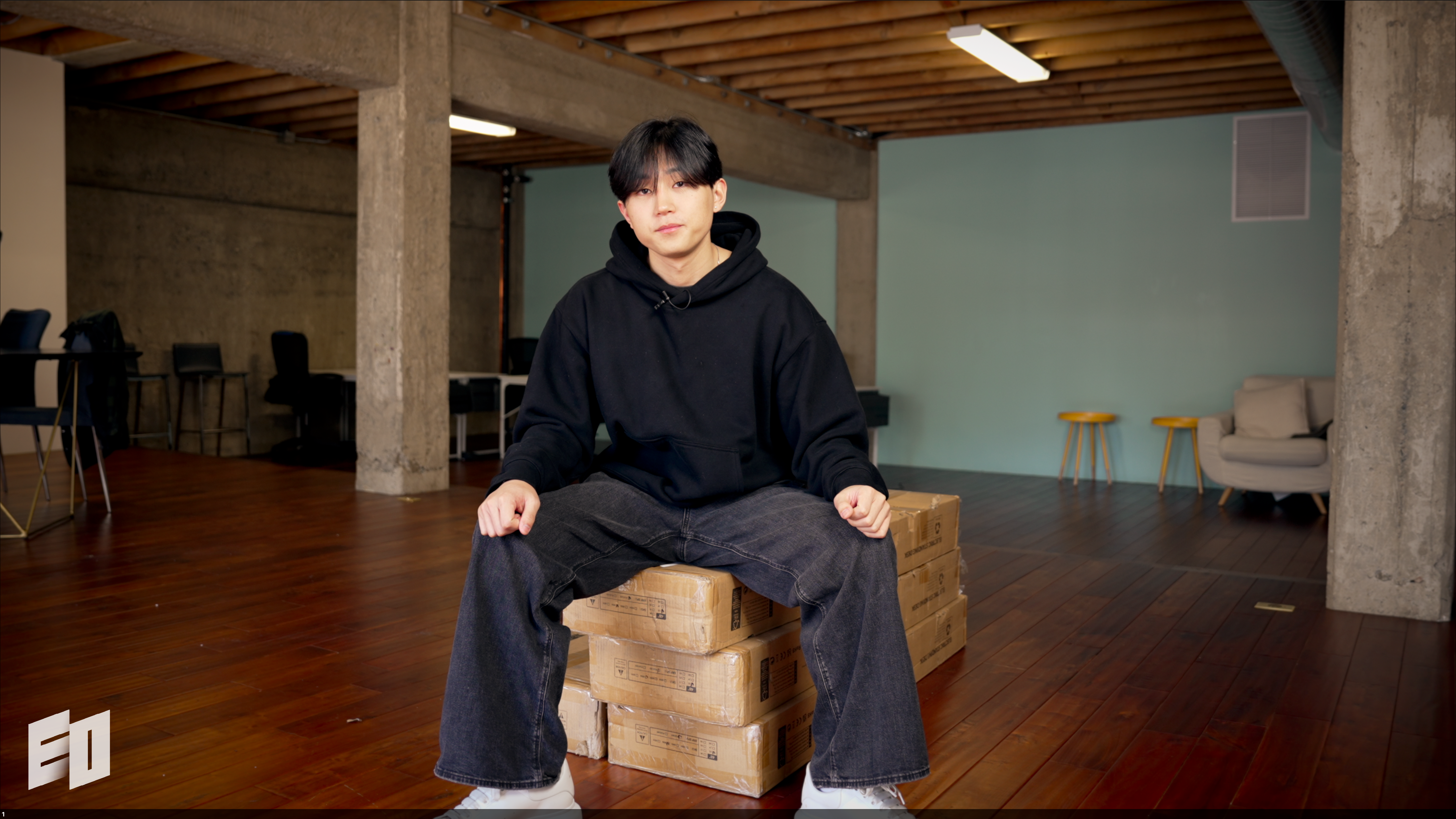
"Hello, my name's Roy. I founded this company called Cluely, and I just got kicked out of Colombia for building this tool called Interview Coder. It's like a cheating tool for software engineering technical interviews."
"Right now we just launched about a month ago. We're closing in on $5 million in annually recurring revenue, and we also just closed a $5.3 million seed round led by Abstract Ventures and Sousa Ventures."
"I publicly recorded myself using it on the Amazon interview. I got the job and I posted this everywhere saying look how easy it is to hack these interviews."
"The whole point of Cluely is to get everybody used to the fact that we're all using AI for everything. Once everybody uses AI in every instance possible, there's gonna be a lot of jobs that get replaced, and there's going to be a lot of people who are able to do so much more than they previously were."
"If every scientist decided one day, like today, 'I'm gonna start using AI as much as possible,' they'll be 100 times more productive. When scientists are 100 times more productive, we cure cancer 10 years earlier. We cure Alzheimer's 10 years earlier."
"Right now we just launched about a month ago. We're closing in on $5 million in annually recurring revenue, and we also just closed a $5.3 million seed round led by Abstract Ventures and Sousa Ventures."
"I publicly recorded myself using it on the Amazon interview. I got the job and I posted this everywhere saying look how easy it is to hack these interviews."
"The whole point of Cluely is to get everybody used to the fact that we're all using AI for everything. Once everybody uses AI in every instance possible, there's gonna be a lot of jobs that get replaced, and there's going to be a lot of people who are able to do so much more than they previously were."
"If every scientist decided one day, like today, 'I'm gonna start using AI as much as possible,' they'll be 100 times more productive. When scientists are 100 times more productive, we cure cancer 10 years earlier. We cure Alzheimer's 10 years earlier."
Chapter 1: Why I Built a Cheating Tool
Can you tell us a bit about your background and how you got into tech?
Roy: I was a pretty wild kid. I got in a lot of trouble. I was pretty smart. I think I was pretty good at math. I did a bit of math competition when I was younger. I was on the debate team. I played some cello. I love girls, you know. Every year I had a new girlfriend.
My mom made me do a lot of studying, but I hated studying. I was always trying to go out and have fun, play with my friends. I've always been very competitive when I was a kid. I have an older brother who's 2 years older than me, and I always wanted to be smarter than him. I always wanted to do better and get better grades at school than him. I'm always trying to win. I'm trying to be number one at everything, you know, like top of the class.
My mom made me do a lot of studying, but I hated studying. I was always trying to go out and have fun, play with my friends. I've always been very competitive when I was a kid. I have an older brother who's 2 years older than me, and I always wanted to be smarter than him. I always wanted to do better and get better grades at school than him. I'm always trying to win. I'm trying to be number one at everything, you know, like top of the class.
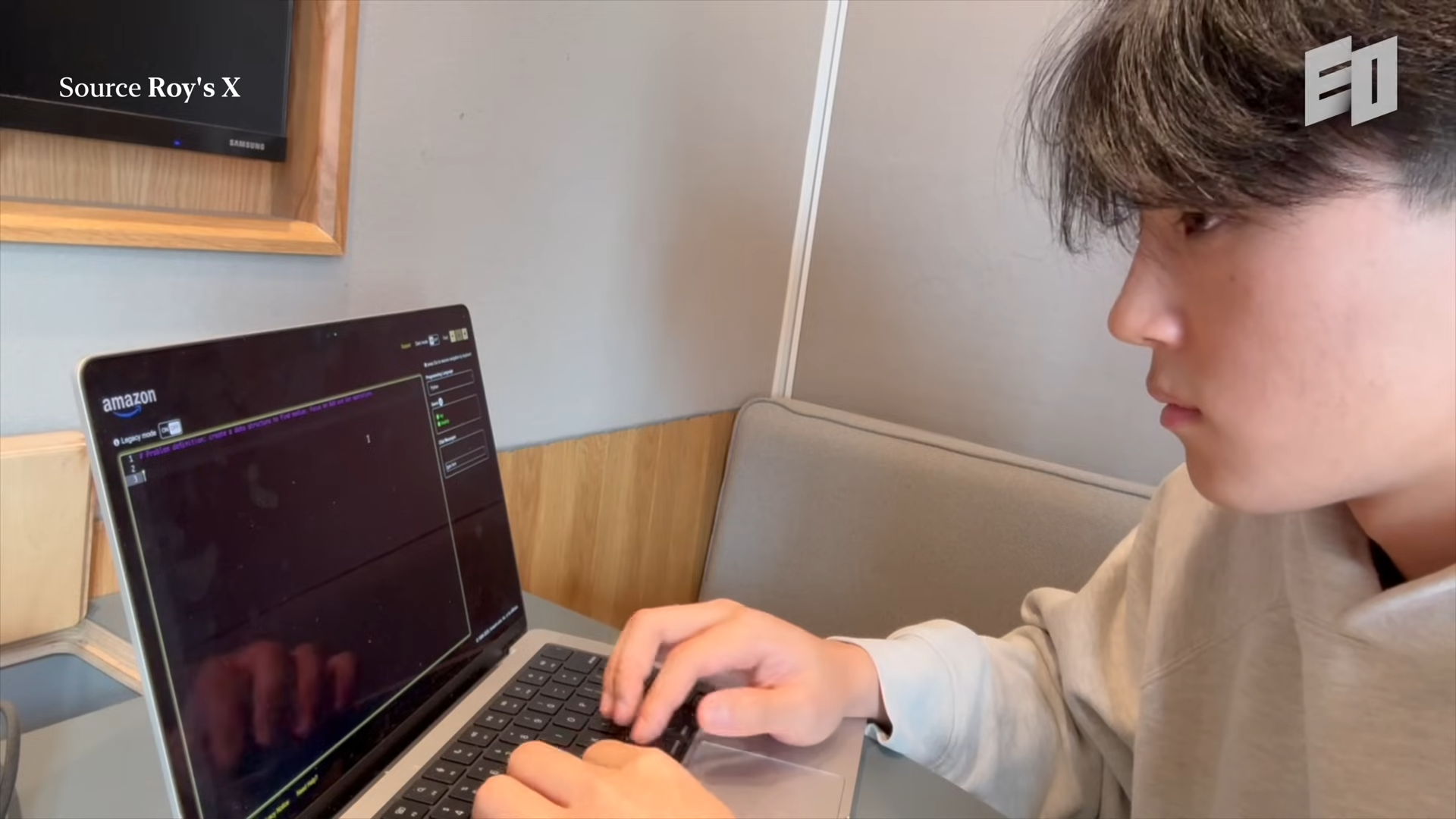
How did that competitive nature lead you to LeetCode and the world of technical interviews?
Roy: In the world of software engineering, if you want to get a job at a big tech company, you have to answer these sort of riddle-esque questions that are called LeetCode questions, and pretty much every developer you know at a big company has gone through the gauntlet of memorizing 600, 300 riddles and just sort of memorizing the solutions and regurgitating them in interviews.
I'm very competitive, so the second I knew that there was a global ranking on LeetCode, I knew I had to be one of the best. So I spent hundreds of hours studying, grinding the riddles, even though I don't care about LeetCode. I didn't enjoy it. I didn't really have a good time, but I was just competitive, so I thought if there's a ranking, then I gotta be on the top of the ranking.
But it just ended up with me wasting a bunch of hours. LeetCode just has nothing to do with what you do on the job. It's like the modern day equivalent of asking how many balloons fit in the Empire State Building.
I'm very competitive, so the second I knew that there was a global ranking on LeetCode, I knew I had to be one of the best. So I spent hundreds of hours studying, grinding the riddles, even though I don't care about LeetCode. I didn't enjoy it. I didn't really have a good time, but I was just competitive, so I thought if there's a ranking, then I gotta be on the top of the ranking.
But it just ended up with me wasting a bunch of hours. LeetCode just has nothing to do with what you do on the job. It's like the modern day equivalent of asking how many balloons fit in the Empire State Building.
Building the Tool That Got Him Kicked Out
What made you decide to build Interview Coder, and how did you execute that plan?
Roy: It's supposed to test your critical thinking, but the questions are online to the extent that rather than practicing critical thinking, you just practice memorizing the riddles. You're gonna sit through and memorize all the 1,000 questions because it means you get a $200K a year job. This is not good for anybody. You don't learn anything from practicing these riddles, and you just end up wasting time when you should be programming.
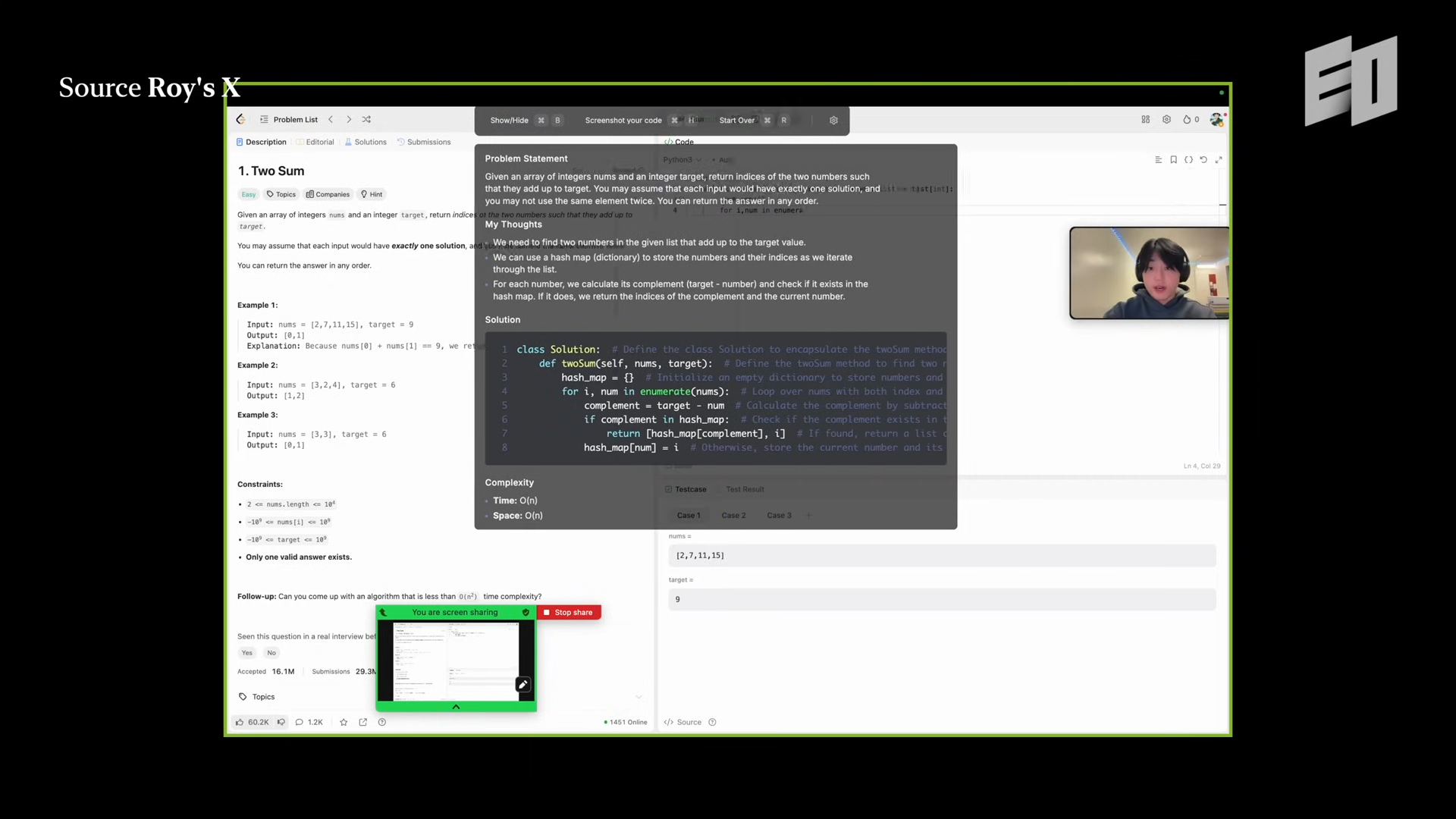
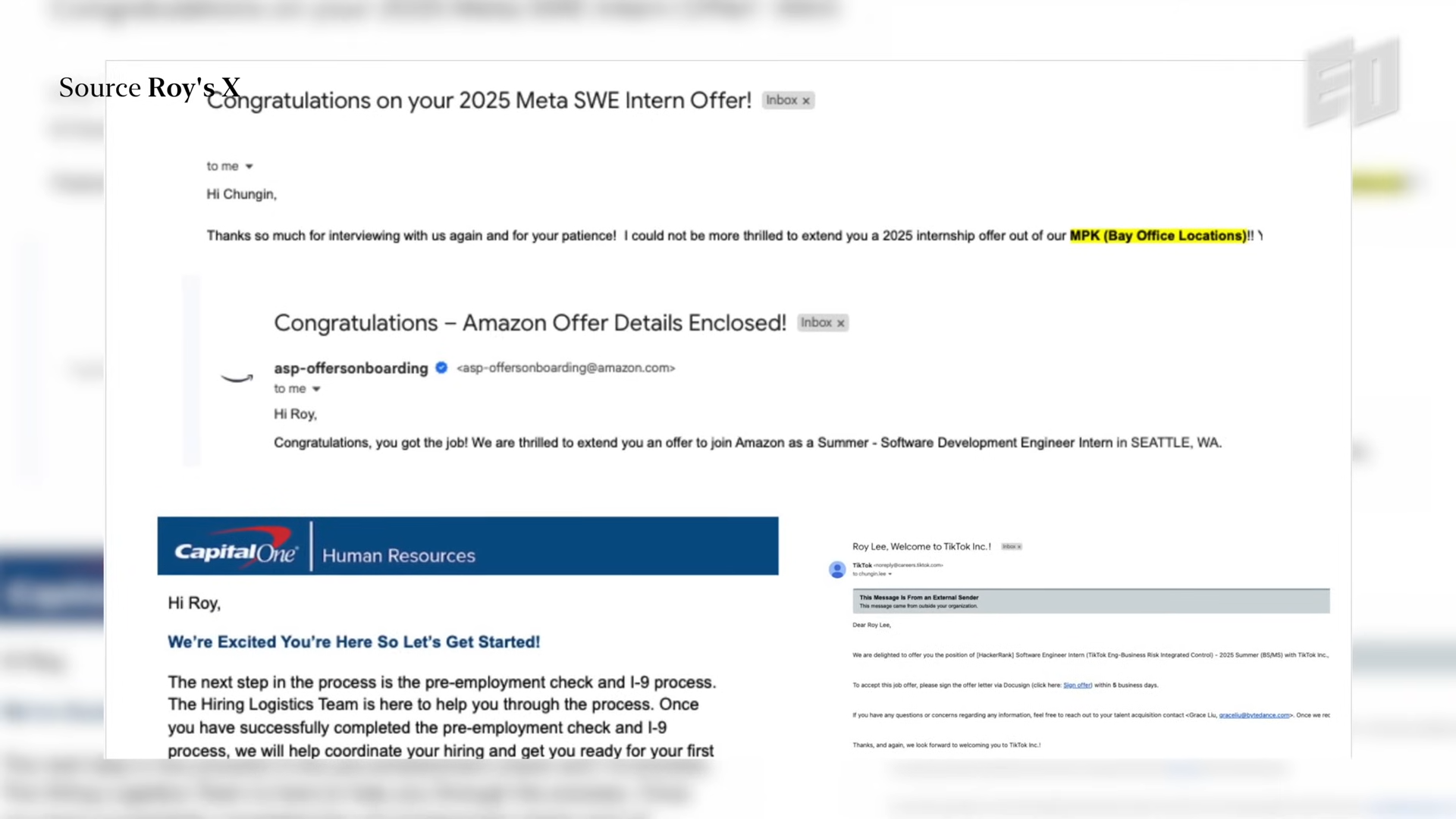
I thought this is pretty stupid. This has been going on for around 20 years right now. The technology was there to sort of develop this tool that would invisibly let you use AI to cheat on these interviews. So I built the tool. I publicly recorded myself using it on the Amazon interview. I got the job and I posted this everywhere saying look how easy it is to hack these interviews.
Eventually this got me in some trouble, but the impetus of everything was when I decided that it's just a stupid industry practice and I wanted to change it.
I thought this is pretty stupid. This has been going on for around 20 years right now. The technology was there to sort of develop this tool that would invisibly let you use AI to cheat on these interviews. So I built the tool. I publicly recorded myself using it on the Amazon interview. I got the job and I posted this everywhere saying look how easy it is to hack these interviews.
Eventually this got me in some trouble, but the impetus of everything was when I decided that it's just a stupid industry practice and I wanted to change it.
The viral moment didn't happen immediately. What was that waiting period like?
Roy: A lot of people think it was explosive from the start, but it took about a month before it really started to take off. For a month I posted everything. Amazon was getting mad at me and Columbia was getting mad at me, and everyone was just upset and it didn't really go viral for about a month.
During that time I was really stressed. I just gave up my entire career and my entire education for the hope of a company, but it didn't even go viral. I did all this for like 15,000 views, and I was really worried. Everybody in my life, including even my co-founders, were telling me like, "Hey, we should probably stop, we should probably shut this down."
But I don't know, there's just a voice in my head that said this has potential, I have to keep going. And I did keep going and then at one point it did go viral, like super viral, and everybody in tech saw it. At that point I was safe. Virality protected me from further punishment from Columbia. It made the path to entrepreneurship a lot easier and clearer.
During that time I was really stressed. I just gave up my entire career and my entire education for the hope of a company, but it didn't even go viral. I did all this for like 15,000 views, and I was really worried. Everybody in my life, including even my co-founders, were telling me like, "Hey, we should probably stop, we should probably shut this down."
But I don't know, there's just a voice in my head that said this has potential, I have to keep going. And I did keep going and then at one point it did go viral, like super viral, and everybody in tech saw it. At that point I was safe. Virality protected me from further punishment from Columbia. It made the path to entrepreneurship a lot easier and clearer.
Mastering the Dark Art of Viral Controversy
You seem to have cracked the code on going viral on Twitter. What's your strategy?
Roy: For the last 3 months I've made probably like maybe 1,000 tweets, and since then, I've figured out how to make tweets that will go viral, how to make tweets that will be more controversial and get more engagement.
I think for X especially, I think people on Twitter are a very unique type of people. They love controversy. They love drama. They love attention, and they love to either dog on people or watch people get dogged on. I think every single time you tweet something, if you don't think half the people in the world would feel very negative about this, then it's probably not gonna be viral as a tweet.
All of your tweets that you're planning on making go viral, they need to have a very strong controversial twist that makes people pause and be like, "What the fuck?" And this is not the case for Instagram, TikTok, or LinkedIn, but it is the case for Twitter.
I think for X especially, I think people on Twitter are a very unique type of people. They love controversy. They love drama. They love attention, and they love to either dog on people or watch people get dogged on. I think every single time you tweet something, if you don't think half the people in the world would feel very negative about this, then it's probably not gonna be viral as a tweet.
All of your tweets that you're planning on making go viral, they need to have a very strong controversial twist that makes people pause and be like, "What the fuck?" And this is not the case for Instagram, TikTok, or LinkedIn, but it is the case for Twitter.
How do you handle the inevitable backlash that comes with being controversial?
Roy: I'm generally very good at receiving hate and criticism. I'm a very polarizing personality and I do a lot of crazy stuff. Throughout my life I've always had people giving me hate. None of the negative comments really stood out, but I was very surprised to see how positively Interview Coder was received on Twitter when I first launched it.
I think people are often so worried that they're gonna say something bad online and it's just gonna get back to them and their reputation is over. But I think in reality, all press is good press. I say a ton of super controversial stuff and in every video there's like a bunch of comments saying, "Oh, this guy's evil," but this stuff really doesn't matter.
If anything, I've learned that even if I say extremely crazy shit online, it will just make people more interested in me and the company and it'll just drive more downloads and conversions and get more eyeballs onto Cluely. I've learned that I need to become crazier online so that people will keep funneling attention towards the core products.
I think people are often so worried that they're gonna say something bad online and it's just gonna get back to them and their reputation is over. But I think in reality, all press is good press. I say a ton of super controversial stuff and in every video there's like a bunch of comments saying, "Oh, this guy's evil," but this stuff really doesn't matter.
If anything, I've learned that even if I say extremely crazy shit online, it will just make people more interested in me and the company and it'll just drive more downloads and conversions and get more eyeballs onto Cluely. I've learned that I need to become crazier online so that people will keep funneling attention towards the core products.
From Cheating Tool to "Cheat on Everything"
How did Interview Coder evolve into Cluely?
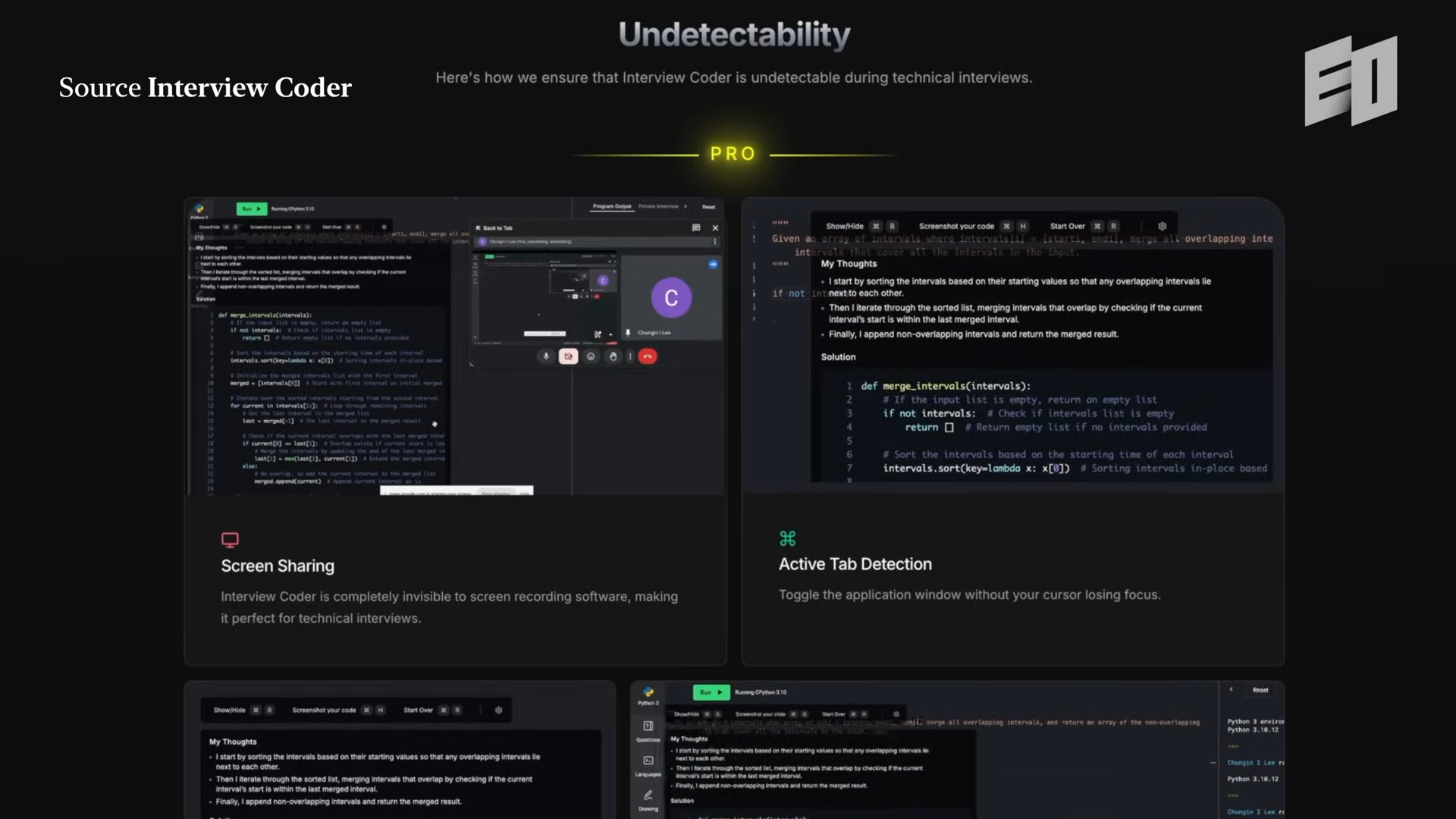
Roy: Interview Coder is a tool designed to let you cheat on technical interviews, but what we realized as we built Interview Coder is that the idea of an AI that sees your screen and hears your audio and shows itself as this translucent screen overlay—this has never really been attempted before. This is a completely novel user experience and it's very shortsighted to think that this is only good for cheating.
Ultimately what we're building is for a future where models are multi-modal and the models are not there yet and they're probably not gonna be there yet for another 3 years. Nobody's really thought of what happens when chatbots are no longer relevant, what happens when you don't want to prompt GPT anymore and AI just knows what you want. Then how will you interact with AI?
Interview Coder was the first proof of concept of a user experience that could work in this world. Cluely is the new way you will use AI in 5 years, hopefully if we do things right, then in 2 years.
Ultimately what we're building is for a future where models are multi-modal and the models are not there yet and they're probably not gonna be there yet for another 3 years. Nobody's really thought of what happens when chatbots are no longer relevant, what happens when you don't want to prompt GPT anymore and AI just knows what you want. Then how will you interact with AI?
Interview Coder was the first proof of concept of a user experience that could work in this world. Cluely is the new way you will use AI in 5 years, hopefully if we do things right, then in 2 years.
What does "cheat on everything" actually mean?
Roy: The phrase "cheat on everything" is intentionally ambiguous. Like what is cheat on it? I know what cheat on test means, but I don't know what cheat on everything means. It's left to be sort of confusing and make you sit on it and reflect for a moment.
When you see someone using AI for everything, it makes you think this is unfair. They're not supposed to be doing that. They're cheating. In reality, if you can use this for everything, like what is cheating on a meeting look like? It's not really a thing, it's just our gut human reaction to think this is so different, this is such a big advantage that it's unfair.
What we hope to do is give everyone this advantage. When every single person is using AI to cheat on meetings, you're not cheating anymore—this is just how humans will operate and think in the future.
When you see someone using AI for everything, it makes you think this is unfair. They're not supposed to be doing that. They're cheating. In reality, if you can use this for everything, like what is cheating on a meeting look like? It's not really a thing, it's just our gut human reaction to think this is so different, this is such a big advantage that it's unfair.
What we hope to do is give everyone this advantage. When every single person is using AI to cheat on meetings, you're not cheating anymore—this is just how humans will operate and think in the future.
The Philosophy Behind the Chaos
You have some strong opinions about AI usage. What's your philosophy?
Roy: I think when you can use AI, you should use AI. If it helps you, then you should use it. If using a calculator will help you, then you should use it. If using spell check will help you, then you should use it. Eventually the spell check will teach you how to spell the right words because you'll get used to it so much, or you just won't need to know how to spell anymore. You'll just need to know what the word is.
If you can use AI to help, then you should, and if it can already do the job, then you'll never need to do the job in the future, assuming AI is everywhere, which it will be.
If you can use AI to help, then you should, and if it can already do the job, then you'll never need to do the job in the future, assuming AI is everywhere, which it will be.
How do you think this will change society on a larger scale?
Roy: The whole point of Cluely is to get everybody used to the fact that we're all using AI for everything. Once everybody uses AI in every instance possible, there's gonna be a lot of jobs that get replaced, and there's going to be a lot of people who are able to do so much more than they previously were.
If every scientist decided one day, "Today, I'm gonna start using AI as much as possible," they'll be 100 times more productive. When scientists are 100 times more productive, we cure cancer 10 years earlier. We cure Alzheimer's 10 years earlier. Everyone lives to 400 years old, and we're on the next flight to Mars in like 2 years.
The rate of societal progression will just expand and exponentiate significantly once everyone gets along to the fact that we're all using AI now, and that's what Cluely hopes to achieve—to get everybody used to the fact that we're all using AI now.
If every scientist decided one day, "Today, I'm gonna start using AI as much as possible," they'll be 100 times more productive. When scientists are 100 times more productive, we cure cancer 10 years earlier. We cure Alzheimer's 10 years earlier. Everyone lives to 400 years old, and we're on the next flight to Mars in like 2 years.
The rate of societal progression will just expand and exponentiate significantly once everyone gets along to the fact that we're all using AI now, and that's what Cluely hopes to achieve—to get everybody used to the fact that we're all using AI now.
Chapter 2: Building the Impossible User Experience
What were the biggest technical challenges in building this translucent overlay technology?
Roy: I think the user experience. I spent a lot of time making the user experience very seamless. It's less of a technical challenge, I think, and more of a taste challenge. The concept of a translucent screen overlay, something that really has never been attempted before, and it's something that I tried, and I think I only got to it after dozens of iterations of different tools that would be a more seamless use of AI in your life.
I think that was probably the biggest technical challenge just figuring out what exactly is the best user experience for someone using this tool.
I think that was probably the biggest technical challenge just figuring out what exactly is the best user experience for someone using this tool.
What about the technical infrastructure? How do you optimize for speed and accuracy?
Roy: Latency, response speed and accuracy are the two biggest things. This is what every model, every OpenAI is working to improve latency and accuracy.
There's ways that we can get to a much faster response. For example, if we host models on our own servers, this eliminates a lot of the latency that comes from the load balancing and request handling that is just inherent in OpenAI servers. That's probably what we will end up doing.
There's ways that we can cache the input and sort of parameterize the input so that you get the same information but just condensed in a smaller way, and the smaller the input size, the faster the time to first token. Also, generally accuracy can be improved by specific system prompts. We're developing custom evals in-house, based on a lot of the analytics and usage that we're seeing.
There's ways that we can get to a much faster response. For example, if we host models on our own servers, this eliminates a lot of the latency that comes from the load balancing and request handling that is just inherent in OpenAI servers. That's probably what we will end up doing.
There's ways that we can cache the input and sort of parameterize the input so that you get the same information but just condensed in a smaller way, and the smaller the input size, the faster the time to first token. Also, generally accuracy can be improved by specific system prompts. We're developing custom evals in-house, based on a lot of the analytics and usage that we're seeing.
Vision: When AI Thinks With You
You talk about a future where AI fundamentally changes how humans think. Can you elaborate on that vision?
Roy: The entire way we're going to think will be changed. Every single one of my thoughts is formulated by the information I have at this moment. But what happens when that information I have isn't just what's in my brain, but it's everything that humanity has ever collected and put online ever? What happens when AI literally helps me think in real time?
The entire way that humans will interact with each other, with the world, all of our thoughts will be changed. What happens when I know about every single post you've made online ever and I use that to distill down into a condensed blurb of everything about you ever? What does our interaction look like then?
It's really hard to say, but I think this is a turning point for humanity, and it will fundamentally change the way that we think and the way that we behave as humans.
The entire way that humans will interact with each other, with the world, all of our thoughts will be changed. What happens when I know about every single post you've made online ever and I use that to distill down into a condensed blurb of everything about you ever? What does our interaction look like then?
It's really hard to say, but I think this is a turning point for humanity, and it will fundamentally change the way that we think and the way that we behave as humans.
Chapter 3: Act Now or Fall Behind
What advice would you give to other young entrepreneurs?
Roy: I would say take bigger risks. This is the only advice I have for anyone really. You are smart enough, you're capable enough, you're hardworking enough, just take bigger risks. If you take bigger risks and force yourself into positions where you have to make it, you'll find that you're a lot more hardworking than you thought you were, and you'll also find that life gets a lot more interesting.
Very often the downside of risk is much smaller than you think and the upside of risk is much bigger than you think.
If you're not building a company in AI right now, then you're probably not doing the right thing. AI just enables you to build such cool stuff, and it's such a new technology that even if you're 19 and you've been playing with it for 2 months, you are one of the pioneers of the field.
Very often the downside of risk is much smaller than you think and the upside of risk is much bigger than you think.
If you're not building a company in AI right now, then you're probably not doing the right thing. AI just enables you to build such cool stuff, and it's such a new technology that even if you're 19 and you've been playing with it for 2 months, you are one of the pioneers of the field.
How do you view your own journey and the challenges you've faced?
Roy: I feel like my life is very easy. My life has been very easy. I've got loving parents. My mom made me study, even when I didn't want to. As a result I did well in school and I hung out with smart kids and they helped me do better in life. I have two amazing parents and I come from a great family. I don't really feel like my life has been all that challenging.
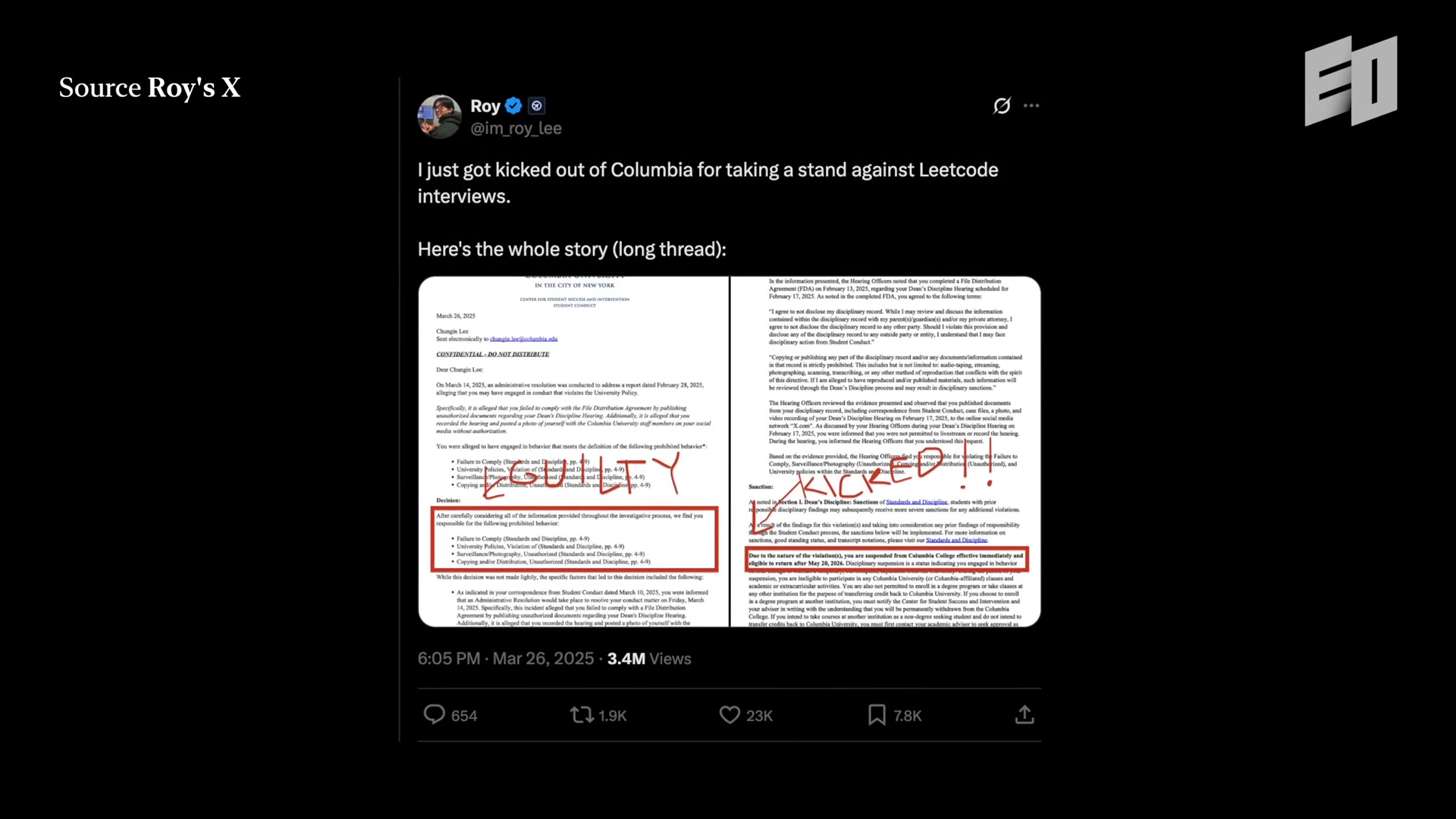
Getting kicked out of Columbia, it's not that challenging when you're building companies and I was gonna drop out anyway. Getting rescinded from Harvard, this is also not that challenging when you have a loving family at home. There's kids out there who are starving in Uganda and my life is not that hard really.
In reality, we're in the most interesting time in history. If you live in America and you're not in poverty and your parents aren't crackheads, you have the opportunity to make billions of dollars and make generational wealth and do the most interesting thing ever. Anybody can do anything and you should just try and take risks and be bold because you're very privileged right now to be living in this world.
Getting kicked out of Columbia, it's not that challenging when you're building companies and I was gonna drop out anyway. Getting rescinded from Harvard, this is also not that challenging when you have a loving family at home. There's kids out there who are starving in Uganda and my life is not that hard really.
In reality, we're in the most interesting time in history. If you live in America and you're not in poverty and your parents aren't crackheads, you have the opportunity to make billions of dollars and make generational wealth and do the most interesting thing ever. Anybody can do anything and you should just try and take risks and be bold because you're very privileged right now to be living in this world.
Success, Legacy, and the Confidence Gap
How do you define success?
Roy: Success is having a wife, having 12 kids, and having people remember me. I think Steve Jobs and Elon Musk are very cool in that everyone has a strong opinion about them, whether it's good or bad. Everyone has something to say about Elon Musk, and I think that's really cool.
We're all gonna die eventually and nobody's gonna remember us in 1,000 years. I might as well be remembered as strongly as possible for the time that I'm here.
We're all gonna die eventually and nobody's gonna remember us in 1,000 years. I might as well be remembered as strongly as possible for the time that I'm here.
What do you think separates successful entrepreneurs from everyone else?
Roy: I think the biggest thing is confidence. Truly, you hear all the time that the people that build big companies are not geniuses, they're not smarter than you. They just take more risks than you and they're harder workers than you. And I think this is generally true.
5 months ago I was just some random student at some random school and I didn't really have anything going for me and now I just raised $5 million and I'm in this giant office and I'm building a company that I hope will change the world one day. Very little has changed about me except the fact that I took a risk.
Even if I do end up becoming like the next trillionaire, as big as Mark Zuckerberg, there will be nothing about me that changed. It'll just be a series of well calculated risks that I took that will lead me there. I think the gap between Mark Zuckerberg and your average human, it's really not that big. And if you just have the confidence to take bigger risks, then very often you will win.
5 months ago I was just some random student at some random school and I didn't really have anything going for me and now I just raised $5 million and I'm in this giant office and I'm building a company that I hope will change the world one day. Very little has changed about me except the fact that I took a risk.
Even if I do end up becoming like the next trillionaire, as big as Mark Zuckerberg, there will be nothing about me that changed. It'll just be a series of well calculated risks that I took that will lead me there. I think the gap between Mark Zuckerberg and your average human, it's really not that big. And if you just have the confidence to take bigger risks, then very often you will win.