
Feb 11, 2025
How Killing 99 Products Made Seoul Robotics Unstoppable
An interview with Hanbin Lee, Founder of Captain of SEOUL ROBOTICS
Founder Focused
Out of 100 projects, only one survived. When Seoul Robotics was drowning in opportunities, founder Hanbin Lee made what seemed like a brutal call: kill 99 products to focus on just one.
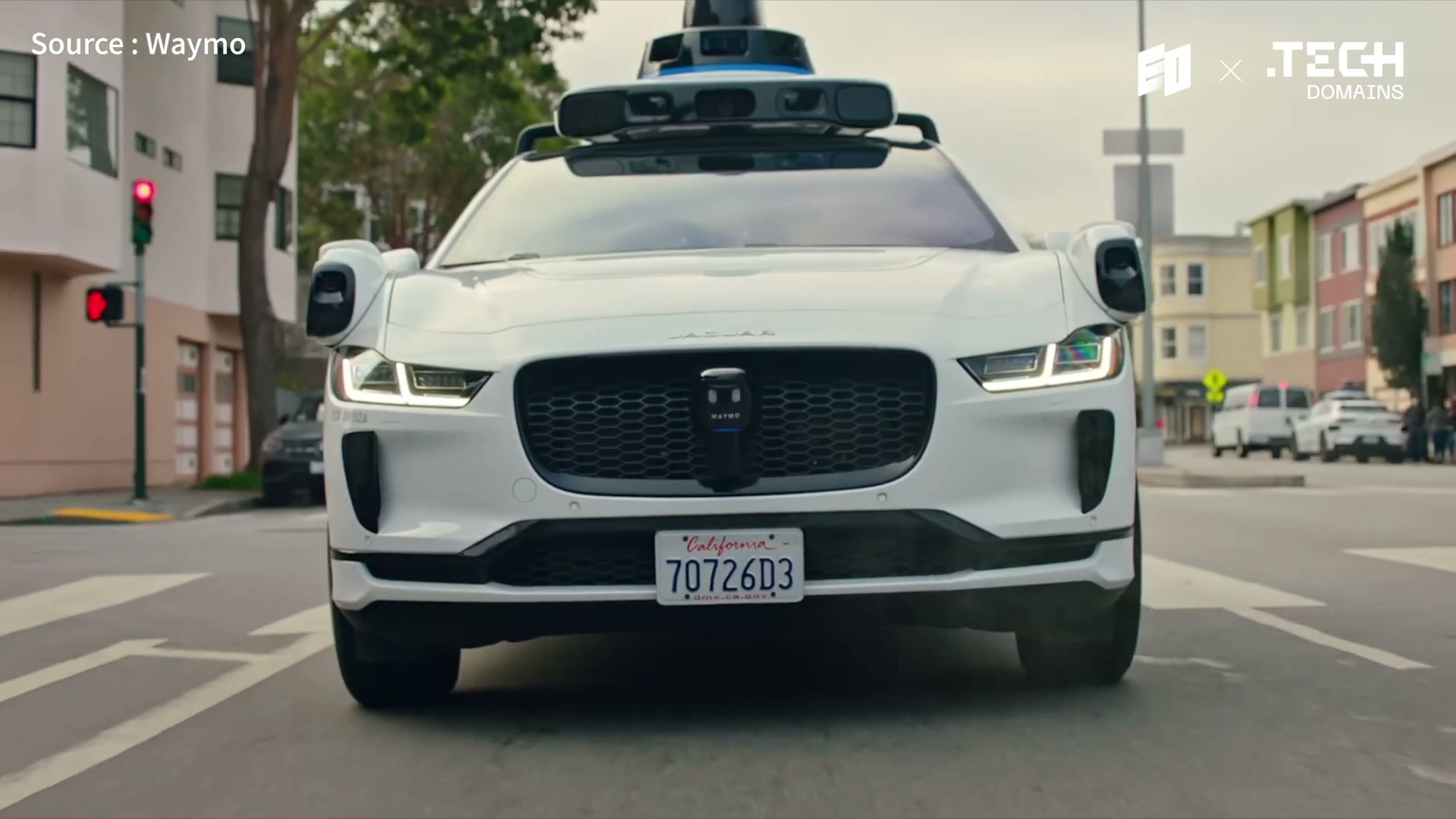
While Tesla and Waymo chase the consumer robotaxi dream, Seoul Robotics is quietly becoming the "Tesla of B2B autonomous driving" - solving critical driver shortages in factories and logistics centers across Asia. Their infrastructure-based approach is so different from conventional self-driving that it's redefining what autonomous vehicles can accomplish.
In this interview, Captain Hanbin Lee reveals why focusing on unsexy B2B problems led to partnerships with BMW, how infrastructure-mounted sensors solve weather issues that stump traditional self-driving cars, and why the next wave of robotics won't look anything like the humanoid robots everyone's talking about.
Watch the full interview now on EO's YouTube channel! Below is the complete transcription of the interview. Minor edits have been made for clarity and readability.
Key Highlights:
"There was a lot of fight within the company. Out of 100 projects, which one do we keep it alive? We should actually keep solve it instead of dropping the rest of the 99 problems. But I said, no, we have to be the master of one single product and one single problem. We don't have resources to dilute our focus."
"Those 99 problems, 99 products didn't matter. If you have a one single killer item, that's going to carry all the way through."
"B2B autonomous driving is like AWS. We are a specific domain autonomous driving systems so that the societies can operate. We're the backbone, we're the backend autonomous driving system for the society."
"Those 99 problems, 99 products didn't matter. If you have a one single killer item, that's going to carry all the way through."
"B2B autonomous driving is like AWS. We are a specific domain autonomous driving systems so that the societies can operate. We're the backbone, we're the backend autonomous driving system for the society."
From Study Group Captain to Company Captain
Tell us about yourself and Seoul Robotics. What exactly do you do in the autonomous driving space?
Hanbin Lee: Hello, my name is Han Bin Lee. I'm the captain of Seoul Robotics. Seoul Robotics is a B2B autonomous driving company. So when you think about autonomous driving, there's companies like Tesla and Waymo. Well they provide robotaxi services or an autonomous driving service that you can use on the public road. B2B autonomous driving is not like that. We provide autonomous driving services where there's a lot of driver shortage.
We are currently focusing on two major areas. First is finished vehicle logistics. When the car is manufactured, somebody has to drive these cars to the ship or train or truck. This requires 200 people per factory location for the carmakers. Currently, simply, there's not enough drivers out there who's providing this type of labor forces. So we are providing an autonomous driving system to move these cars autonomously so that the car can be transported safely to your doorstep.
The second use case we're focusing on is logistics centers. When you order a product, that product has to go through large logistics centers. Within these logistics centers, there is a lot of manual driving that needs to be done. Somebody needs to move the car, to be charged, to be cleaned, to move to the 3rd floor or 2nd floor.
We have 13 different nationalities, and now we've been focusing on the B2B autonomous driving for the last 3-4 years.
We are currently focusing on two major areas. First is finished vehicle logistics. When the car is manufactured, somebody has to drive these cars to the ship or train or truck. This requires 200 people per factory location for the carmakers. Currently, simply, there's not enough drivers out there who's providing this type of labor forces. So we are providing an autonomous driving system to move these cars autonomously so that the car can be transported safely to your doorstep.
The second use case we're focusing on is logistics centers. When you order a product, that product has to go through large logistics centers. Within these logistics centers, there is a lot of manual driving that needs to be done. Somebody needs to move the car, to be charged, to be cleaned, to move to the 3rd floor or 2nd floor.
We have 13 different nationalities, and now we've been focusing on the B2B autonomous driving for the last 3-4 years.
🖼️
No image
What's your background? How did you end up starting Seoul Robotics?
Hanbin Lee: I went to the US when I was 12, junior high, small boarding school, that's where I spent my youth, and then I went to Penn State. I guess that was my youth, but actually I want to rewind my clock a little bit before I went to US. Until 12, I was in Korea, but my parents thought, man, the robotics is going to be the future. Well, this is early 2000s.
When I went to Penn State, I studied mechanical engineering, thinking that, well, if I want to do robotics, I gotta be able to build the robots, but I realized as I was studying mechanical engineering, the robotics is not a hardware problem. It is so much a software problem. That's where I, as soon as I graduated, I started to study software by myself.
Then I came back to Korea. I went to the Korean Army because I'm a Korean citizen. So I spent 2 years in the army as a tank mechanic. So that was pretty fun. Right after finishing my duty as a tank mechanic in the Korean Army, I started looking into studying AI and self-driving with groups of people in 2016. I thought, wow, the industry is new, they don't really teach AI and self-driving in the school yet and this autonomous driving market is just going to be massive. So why don't we start a company to see how it can go?
So 2017 in August with four co-founders, I started Seoul Robotics, really not knowing exactly what market we're going to go after. Our company started with the study group that studied AI and self-driving, and there was a competition. The study group attended the competition and the competition member became the foundation of Seoul Robotics, and I was the captain of that study group, and that title still stuck with me. So still today, after 8 years, my title is still captain.
When I went to Penn State, I studied mechanical engineering, thinking that, well, if I want to do robotics, I gotta be able to build the robots, but I realized as I was studying mechanical engineering, the robotics is not a hardware problem. It is so much a software problem. That's where I, as soon as I graduated, I started to study software by myself.
Then I came back to Korea. I went to the Korean Army because I'm a Korean citizen. So I spent 2 years in the army as a tank mechanic. So that was pretty fun. Right after finishing my duty as a tank mechanic in the Korean Army, I started looking into studying AI and self-driving with groups of people in 2016. I thought, wow, the industry is new, they don't really teach AI and self-driving in the school yet and this autonomous driving market is just going to be massive. So why don't we start a company to see how it can go?
So 2017 in August with four co-founders, I started Seoul Robotics, really not knowing exactly what market we're going to go after. Our company started with the study group that studied AI and self-driving, and there was a competition. The study group attended the competition and the competition member became the foundation of Seoul Robotics, and I was the captain of that study group, and that title still stuck with me. So still today, after 8 years, my title is still captain.
The Brutal Pivot: Killing 99 Projects to Save One
In the early days, what was your business model and how did you find your focus?
Hanbin Lee: Our first business model - again, Seoul Robotics was my first gig, and still is. We didn't know a whole lot. We knew our computer vision technology was pretty good. So our first approach was going after the OEMs. So, first couple of years, we really chased after that. The amount of the capital resource that we had, we couldn't go after kind of full autonomous driving system and have a business model that generates revenue at the same time, it was going to be a very long term, just purely R&D focused effort.
It turns out that first of all, the carmakers themselves moves extremely slowly and they're very conservative and we realized that man this trying to sell our system to OEM is just not going to work. Without them, what else? What else can we do?
Since then, we did a bunch of different autonomous driving projects. There's about 100 different projects that we worked on. Sometimes we add a little bit more of systems, control systems, maybe camera systems. We are working as an outsourcing company, but a lot of this project just weren't scaling. I got a feel that, man, this is going to be tough to commercialize. There is simply not enough forerunners who have shown that using this kind of system reduces cost or improves efficiency by significant amount to really widely adopt this type of technology for their B2B use cases.
It turns out that first of all, the carmakers themselves moves extremely slowly and they're very conservative and we realized that man this trying to sell our system to OEM is just not going to work. Without them, what else? What else can we do?
Since then, we did a bunch of different autonomous driving projects. There's about 100 different projects that we worked on. Sometimes we add a little bit more of systems, control systems, maybe camera systems. We are working as an outsourcing company, but a lot of this project just weren't scaling. I got a feel that, man, this is going to be tough to commercialize. There is simply not enough forerunners who have shown that using this kind of system reduces cost or improves efficiency by significant amount to really widely adopt this type of technology for their B2B use cases.
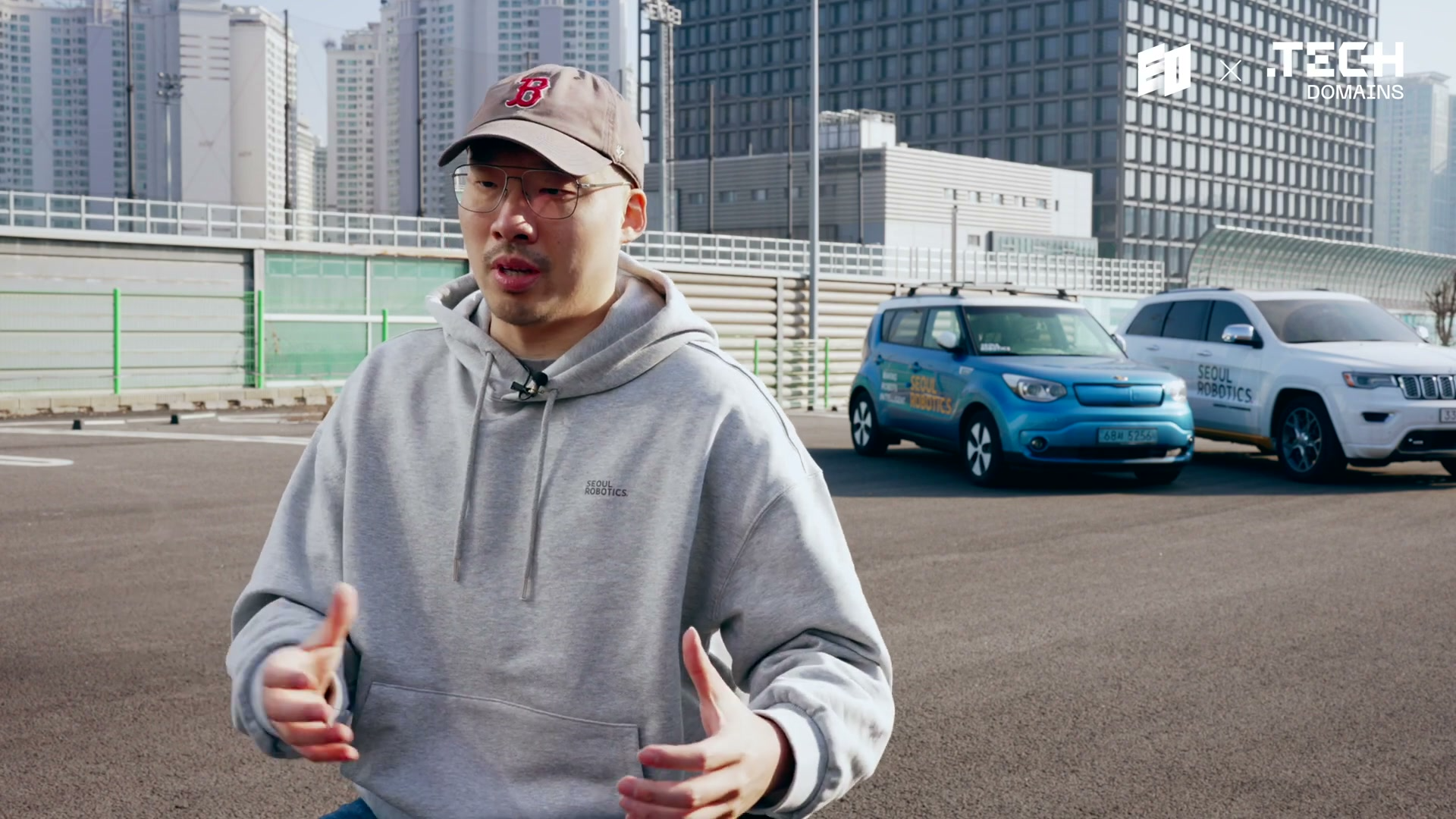
What was the breakthrough moment? How did you find your winning project among those 100?
Hanbin Lee: The first major client was BMW, so they had a very interesting problem, problems so significant that all the way to the C-level, they wanted to solve this problem. And the problem was when they make the car, somebody has to pick up this car manually and drive them into the train station and this drive was anywhere 1 kilometer, 2 kilometers or 3 kilometers. You need to have 3-4 shifts of workers driving these cars and it's a large factory, you need a lot of people to do this.
In the automotive history, this has never been automated, so it has been always driven by humans and that's the problem they want to solve because simply they couldn't find enough people to drive these cars. And so this was one of our 100 projects, 99 failed and this project succeeded. That's how we had the first glimpse of B2B autonomous driving.
There was a lot of fight within the company. Out of 100 projects, which one do we keep it alive? We should actually keep some of it instead of dropping the rest of the 99 problems, but I said, no, we have to be the master of one single product and one single problem. We don't have resources to dilute our focus. I think I made the right call. Those 99 problems, 99 products didn't matter. If you have a one single killer item, that's going to carry all the way through.
In the automotive history, this has never been automated, so it has been always driven by humans and that's the problem they want to solve because simply they couldn't find enough people to drive these cars. And so this was one of our 100 projects, 99 failed and this project succeeded. That's how we had the first glimpse of B2B autonomous driving.
There was a lot of fight within the company. Out of 100 projects, which one do we keep it alive? We should actually keep some of it instead of dropping the rest of the 99 problems, but I said, no, we have to be the master of one single product and one single problem. We don't have resources to dilute our focus. I think I made the right call. Those 99 problems, 99 products didn't matter. If you have a one single killer item, that's going to carry all the way through.
The Infrastructure Revolution: Why Sensors Don't Go on Cars
How do you explain B2B autonomous driving? What makes it different from consumer self-driving?
Hanbin Lee: If I were to kind of explain what B2B autonomous driving is, Tesla is not going to provide autonomous driving for every industry segment. You can use Uber app, you can use Facebook app, but these are running on backend system of AWS and AWS makes a whole lot of money from all these companies. AWS is a B2B cloud system. You guys might know a company like Oracle Database related company or Salesforce who maintains the database of clients for companies and these are purely a B2B driven backend server, so to say companies and B2B autonomous driving is like that.
We are a specific domain autonomous driving systems so that the societies can operate. We're the backbone, we're the backend autonomous driving system for the society. That's how I like to think of what we do.
We are a specific domain autonomous driving systems so that the societies can operate. We're the backbone, we're the backend autonomous driving system for the society. That's how I like to think of what we do.
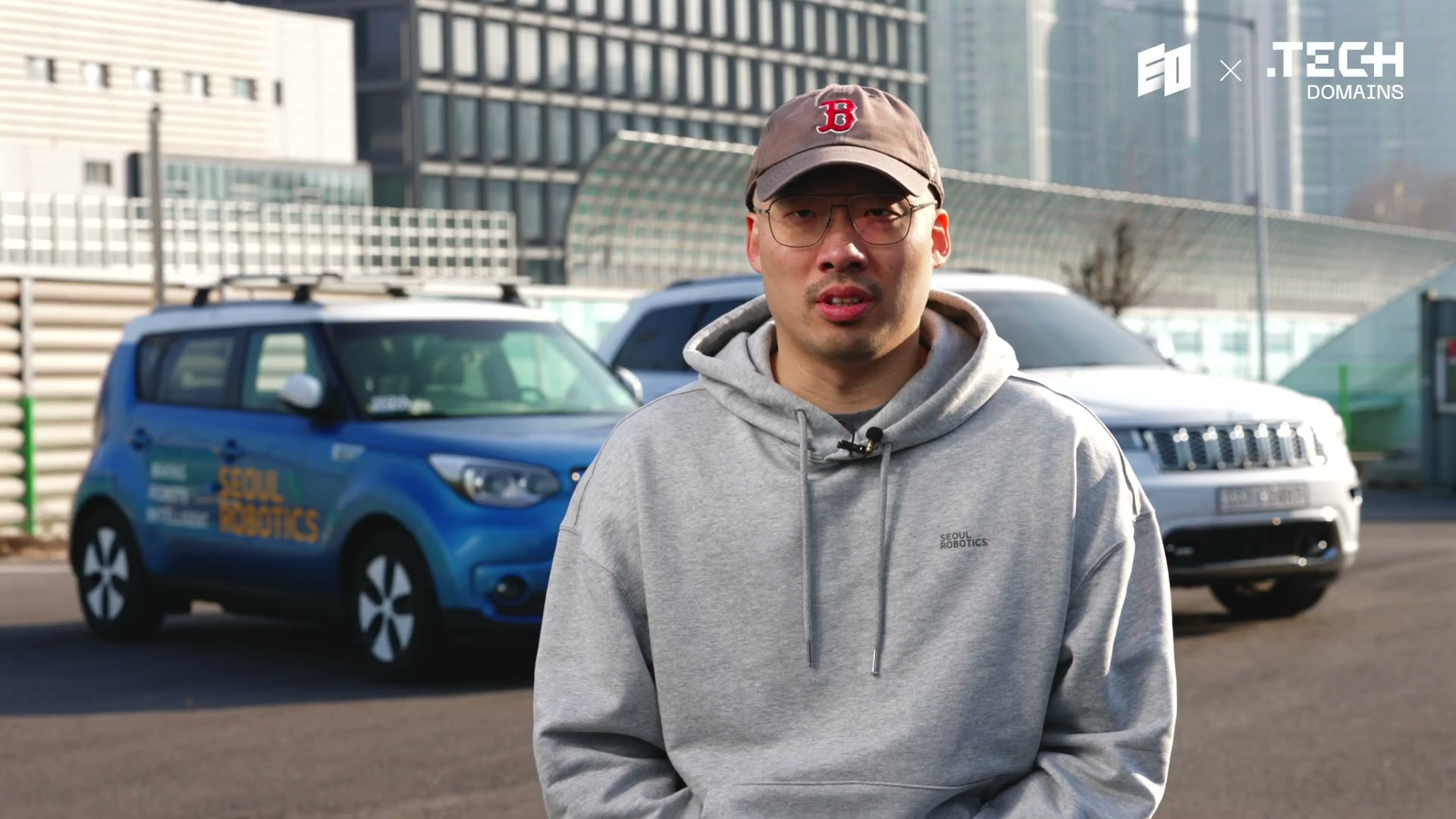
Your technology approach is quite different from Tesla and Waymo. Can you explain your infrastructure-based system?
Hanbin Lee: Our technology is quite unique. It's very different from Waymo and Tesla. First of all, we are still predominantly using LIDAR. Second of all, these LIDARs are not on the cars themselves. These LIDARs are installed around the infrastructures. You'll be able to see there's poles and then there's a camera and the LIDARs installed around the facility. We have embedded our robotic system into the factory grounds or into the building itself.
What we've essentially done is along the path of this car has to drive, we have installed these poles, these sensors, and then these cars will be guided from this infrastructure system. The software is identical to standard self-driving which it goes into the car. We just have expanded on that idea to turn the infrastructure itself into a self-driving machine.
Now when you do that, you can solve a lot of critical issues that cannot be solved by a conventional method. First of all, you don't have to install hundreds and thousands of dollars of sensors per car. You just need to install a handful of sensors around the infrastructure. Second of all, the issue with current self-driving is that it cannot handle heavy weather scenarios because when it rains, when it snows, the sensors are blocked by precipitation.
But when you're using infrastructure, first of all, you're bypassing that limitation because the sensors are installed a lot closer to each other, so you can mitigate just for the shortages of sensors because you have just a lot more of them. So it kind of brute forcing this problem by just putting more infrastructure system into it. But obviously, second of all, it's not about the hardware, it's about learning how to fuse those immense amount of sensor data, processing them with the data that you have collected for the last 6 years to AI to figure out what is rain, what is snow, what is noise and filter all those out to exactly identify where my fleet of cars are.
What we've essentially done is along the path of this car has to drive, we have installed these poles, these sensors, and then these cars will be guided from this infrastructure system. The software is identical to standard self-driving which it goes into the car. We just have expanded on that idea to turn the infrastructure itself into a self-driving machine.
Now when you do that, you can solve a lot of critical issues that cannot be solved by a conventional method. First of all, you don't have to install hundreds and thousands of dollars of sensors per car. You just need to install a handful of sensors around the infrastructure. Second of all, the issue with current self-driving is that it cannot handle heavy weather scenarios because when it rains, when it snows, the sensors are blocked by precipitation.
But when you're using infrastructure, first of all, you're bypassing that limitation because the sensors are installed a lot closer to each other, so you can mitigate just for the shortages of sensors because you have just a lot more of them. So it kind of brute forcing this problem by just putting more infrastructure system into it. But obviously, second of all, it's not about the hardware, it's about learning how to fuse those immense amount of sensor data, processing them with the data that you have collected for the last 6 years to AI to figure out what is rain, what is snow, what is noise and filter all those out to exactly identify where my fleet of cars are.
What advantages does this infrastructure approach give you for fleet management?
Hanbin Lee: This technology, which we call autonomous infrastructure, gets to solve a very critical issue, almost as a byproduct. By doing so, this was going to be solving one of the critical issues for the especially B2B use cases because the cars needed to move in fleet, groups of 5, groups of 10, groups of 50, groups of 100 cars, and the current technology of autonomous driving just wasn't going to solve that. But if you're having infrastructure system orchestrates fleets of cars simultaneously, all of a sudden, you can move the fleets of cars safely.
We didn't take the path of the least resistance, we just took the path of what kind of makes sense to solve this problem step by step and it turns out that our system is actually extremely cheap to deploy because conventional method, you need to install systems for 100 cars. For us, it's a small parking lot, handful of sensors, then you can move hundreds of cars simultaneously.
We didn't take the path of the least resistance, we just took the path of what kind of makes sense to solve this problem step by step and it turns out that our system is actually extremely cheap to deploy because conventional method, you need to install systems for 100 cars. For us, it's a small parking lot, handful of sensors, then you can move hundreds of cars simultaneously.
Physical AI and the Future of Robotics
There's a lot of talk about Physical AI at events like CES. How do you see this trend affecting your industry?
Hanbin Lee: CES and especially Nvidia, they're looking into 10-15, 20 years in the future. Now they're painting a picture of what it needs to be and they, I think they coined the term physical AI. Most breakthrough application is going to be robotics and physical AI is simply AI agents going all the way to actuating robotic arms and what's the difference between robotic arms and engine of the car, it's the same, it's a self-driving system or you could call it humanoid robotics, etc. and it is still a few more years away from commercialization, but it's slowly getting there and physical AI as well. Eventually, it's going to get there.
What I admire about Tesla and Waymo is that they stuck to the problem with the original design for actually longer than anybody else with extremely talented groups of engineers. This physical AI, I think it just means that there's more degree of freedom robotics being rolled out for many different applications, humanoid robot being kind of the epitome of that application use cases.
But I think if robotech and humanoid is kind of similar as it's like a B2C application can be widely used for everybody else. I think it's going to be the same. There's going to be a lot of sectors actually that you need to provide product for B2B use cases for autonomous driving and there's going to be a lot of robotics for B2B use cases as well that might not look like humanoid robotics, maybe somewhere in between of those large industrial robotics that you see in the car factories and the humanoid robotics, a lot of robotics that goes into B2B sector is somewhere in between. It is going to be the future. It is fixed.
What I admire about Tesla and Waymo is that they stuck to the problem with the original design for actually longer than anybody else with extremely talented groups of engineers. This physical AI, I think it just means that there's more degree of freedom robotics being rolled out for many different applications, humanoid robot being kind of the epitome of that application use cases.
But I think if robotech and humanoid is kind of similar as it's like a B2C application can be widely used for everybody else. I think it's going to be the same. There's going to be a lot of sectors actually that you need to provide product for B2B use cases for autonomous driving and there's going to be a lot of robotics for B2B use cases as well that might not look like humanoid robotics, maybe somewhere in between of those large industrial robotics that you see in the car factories and the humanoid robotics, a lot of robotics that goes into B2B sector is somewhere in between. It is going to be the future. It is fixed.
The Tesla Playbook: Focus and Vertical Integration
What have been your key learnings about focus and company strategy as you've grown?
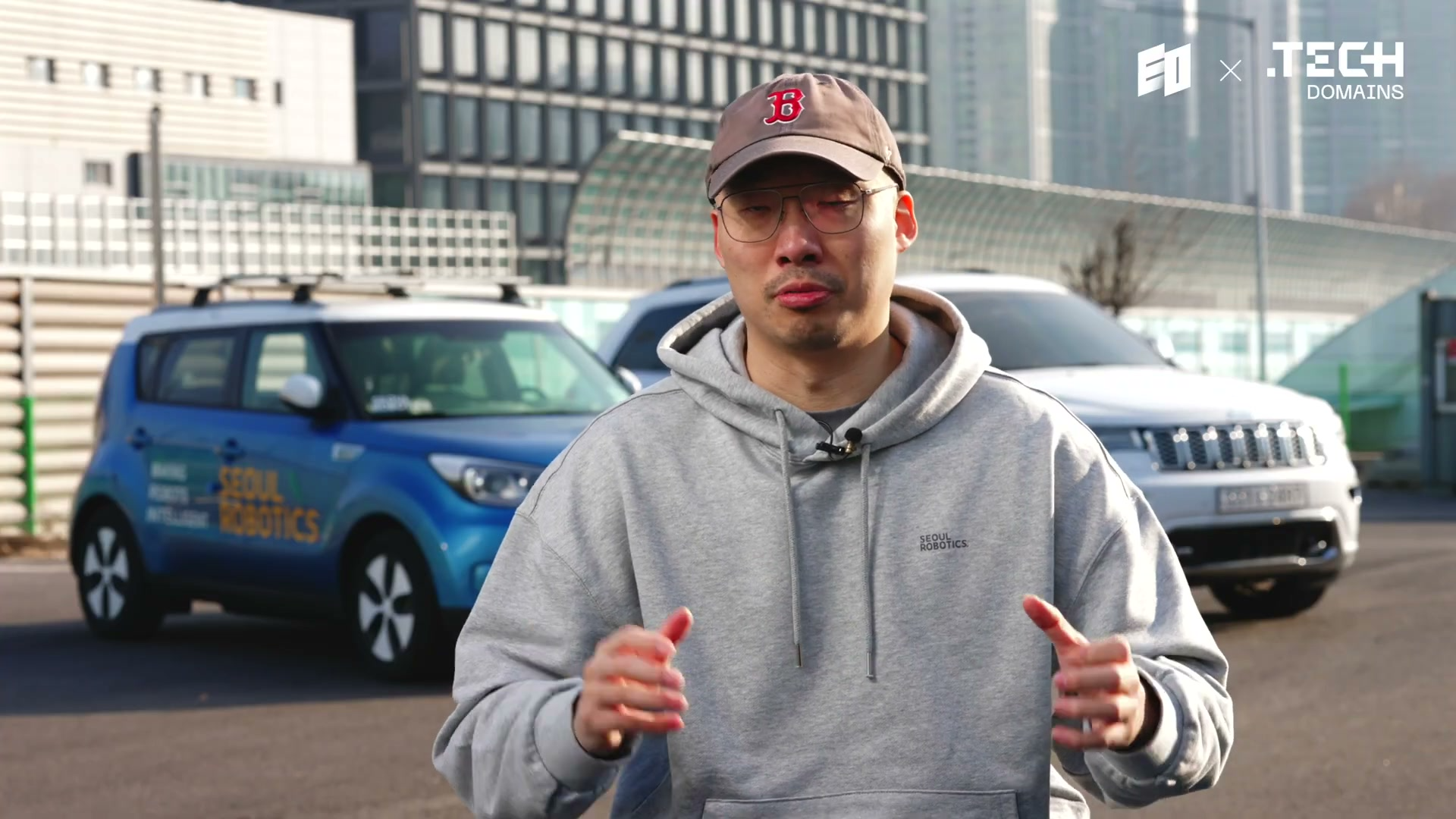
Hanbin Lee: The thing that's always a big mistake is going after a giant market on day one. I think one of the things was a pivot. Again, we pivoted several times until we kind of settled down on this B2B autonomous driving and there was a lot of fight within the company.
I don't want to use Samsung as a bad example, but you know, Samsung and TSMC, TSMC just focus on a single thing, you know, Apple and Samsung, Apple focuses on a very handful of products. Samsung does a lot of things. If you look at the pure evaluation, how the market perceives those 2-3 companies, TSMC and Apple has a higher evaluation than Samsung. I think that makes sense.
One risk that has massive upside, that if I failed in this, it's OK because that was a massive upside instead of the mediocre market, distribute our focus on different autonomous driving projects, that was just going to be mediocre all around. And that's the risk of starting a company. If we fail, we fail. But if you succeed in this one market segment, that is going to be so massive that just it wouldn't be better.
As the company grew, people had different opinions about what kind of product to build, what kind of focus we need to have, multi-product strategy, multiple market strategy, etc. I don't like that. I think those were some of the kind of learnings.
I don't want to use Samsung as a bad example, but you know, Samsung and TSMC, TSMC just focus on a single thing, you know, Apple and Samsung, Apple focuses on a very handful of products. Samsung does a lot of things. If you look at the pure evaluation, how the market perceives those 2-3 companies, TSMC and Apple has a higher evaluation than Samsung. I think that makes sense.
One risk that has massive upside, that if I failed in this, it's OK because that was a massive upside instead of the mediocre market, distribute our focus on different autonomous driving projects, that was just going to be mediocre all around. And that's the risk of starting a company. If we fail, we fail. But if you succeed in this one market segment, that is going to be so massive that just it wouldn't be better.
As the company grew, people had different opinions about what kind of product to build, what kind of focus we need to have, multi-product strategy, multiple market strategy, etc. I don't like that. I think those were some of the kind of learnings.
You mentioned following Tesla's approach. How has that influenced your strategy?
Hanbin Lee: Let's take for example, Tesla. They started with focusing on the electric motor itself. They actually could build a pretty good, powerful, efficient electric motor, so they start building that only and rest of the car component, they just kind of outsource it, battery, car body or whatever. The next thing was the battery, focusing on the battery technology was going to be very important for Tesla's future. And then after that, they were trying to sell the car using the body of somebody else's and they learned that, OK, you actually got to build the body frame around your core technology to build a solid product that you can sell.
Tesla actually worked on outsourcing some of their battery technology and the powertrain technology in the early days. So they were doing some of the outsourcing before they built their first product of the Model S, but that is building one success on top of each other to build verticalization of technology into a singular solid product that outperforms everybody else's.
Seoul Robotics, we kind of took the similar approach. When it comes to autonomous driving, perception was the most important thing. So we really delved deeply into solving the computer vision problem. On top of that, we were meddling around many different applications, but we found that in order to serve the B2B autonomous driving problems, we got to build the entire product, not just the perception side. We got to build the planning and we got to build control, we got to build a system around that to make our product work. So that kind of verticalization was extremely important.
In order for that to work, you still actually got to own that core differentiation technology for yourself. You can't outsource that. And I think that's one of the problems that a lot of existing car makers are having because their core technology is not batteries or software or electrical motor, it's assembling parts. So this core technology differentiation is kind of showing the impact today.
Tesla actually worked on outsourcing some of their battery technology and the powertrain technology in the early days. So they were doing some of the outsourcing before they built their first product of the Model S, but that is building one success on top of each other to build verticalization of technology into a singular solid product that outperforms everybody else's.
Seoul Robotics, we kind of took the similar approach. When it comes to autonomous driving, perception was the most important thing. So we really delved deeply into solving the computer vision problem. On top of that, we were meddling around many different applications, but we found that in order to serve the B2B autonomous driving problems, we got to build the entire product, not just the perception side. We got to build the planning and we got to build control, we got to build a system around that to make our product work. So that kind of verticalization was extremely important.
In order for that to work, you still actually got to own that core differentiation technology for yourself. You can't outsource that. And I think that's one of the problems that a lot of existing car makers are having because their core technology is not batteries or software or electrical motor, it's assembling parts. So this core technology differentiation is kind of showing the impact today.
Building the Future of B2B Autonomy
Where do you see Seoul Robotics and the B2B autonomous driving market heading?
Hanbin Lee: Autonomous driving that we know is not just limited to robotaxi, there's just a lot to do in the world. The driver shortage is severe in Korea and Asia. We need to provide robust autonomous driving technology to the backbone industry. It's still in the early days. There's a lot to do.
Right now, we're the only very few companies in the world who's providing autonomous driving technology to multiple carmakers and multiple logistics companies. I think we're going to be one of the long-lasting and very successful autonomous driving company that solved this severe societal problem.
We are based in Korea. If you want to solve autonomous driving problems across the different domains of industry, please take a look at our website, soulRobotics.tech.
Right now, we're the only very few companies in the world who's providing autonomous driving technology to multiple carmakers and multiple logistics companies. I think we're going to be one of the long-lasting and very successful autonomous driving company that solved this severe societal problem.
We are based in Korea. If you want to solve autonomous driving problems across the different domains of industry, please take a look at our website, soulRobotics.tech.
Explore more