
Companies today are growing faster and becoming more valuable than ever before – but only those willing to prioritize speed over efficiency in the face of uncertainty.
Chris Yeh, co-author of the groundbreaking book "Blitzscaling" with LinkedIn co-founder Reid Hoffman, has identified the specific conditions and counterintuitive strategies that allow companies to build multi-billion dollar businesses by moving faster than their competitors.
In this revealing interview, Yeh breaks down the **two key principles that determine when blitzscaling is necessary, why launching a product you're "ashamed of" can be the smartest move, and how AI is creating unprecedented opportunities for the next generation of blitzscalers**.
Watch the full interview now on EO's YouTube channel! Below is the complete transcription of the interview. Minor edits have been made for clarity and readability.
Key Highlights:

"So one of the things that Reid Hoffman and I noticed is that companies were growing faster and more valuable than ever before, and we tried to figure out what was allowing this to happen."
"The core principle of blitz scaling, which is to prioritize speed over efficiency in the face of uncertainty, is something that is not found in any single business school textbook."
"If you're not ashamed of your first product, you've launched too late."
"Learning to let go of the lessons that made you successful in order to have room for the new lessons that will make you successful in the future, is one of the most important things you could do as a blitz scaling entrepreneur."
"Reid told me he believes that there will be dozens of outcomes that are $10 billion plus just in the next couple of years as companies build out AI solutions of various kinds."
"The core principle of blitz scaling, which is to prioritize speed over efficiency in the face of uncertainty, is something that is not found in any single business school textbook."
"If you're not ashamed of your first product, you've launched too late."
"Learning to let go of the lessons that made you successful in order to have room for the new lessons that will make you successful in the future, is one of the most important things you could do as a blitz scaling entrepreneur."
"Reid told me he believes that there will be dozens of outcomes that are $10 billion plus just in the next couple of years as companies build out AI solutions of various kinds."
The Two Principles That Make Blitzscaling Work
What exactly is blitzscaling, and when should companies use this strategy?
Chris Yeh: Hi, I'm Chris Yeh, and I'm best known as the co-author of Blitzscaling. That's a book that I wrote with my friend Reid Hoffman, the co-founder of LinkedIn, which is all about how companies can grow enormous multi-billion dollar businesses by prioritizing speed over efficiency to win a winner-take-most market.
So obviously everyone's very interested in OpenAI, but OpenAI is also a great example of how the techniques of blitzscaling become important for building a great company. And with OpenAI they began just building out product. That's wonderful. But the thing is, the number of users that your product has drives product value. It's played out in terms of the launch of the product, tapping into global distribution in order to grow quickly. It plays out in terms of the alliance with Microsoft. They've been able to continue to keep that product up and running and to grow, even though it's the fastest growing product of all time.
So the core principle of blitzscaling, which is to prioritize speed over efficiency in the face of uncertainty, is something that is not found in any single business school textbook. I know because I went to Harvard Business School. That was not something we were taught. Whereas in blitzscaling, our message is, no, no, sometimes you have to sacrifice efficiency and risk making mistakes in order to move faster.
So obviously everyone's very interested in OpenAI, but OpenAI is also a great example of how the techniques of blitzscaling become important for building a great company. And with OpenAI they began just building out product. That's wonderful. But the thing is, the number of users that your product has drives product value. It's played out in terms of the launch of the product, tapping into global distribution in order to grow quickly. It plays out in terms of the alliance with Microsoft. They've been able to continue to keep that product up and running and to grow, even though it's the fastest growing product of all time.
So the core principle of blitzscaling, which is to prioritize speed over efficiency in the face of uncertainty, is something that is not found in any single business school textbook. I know because I went to Harvard Business School. That was not something we were taught. Whereas in blitzscaling, our message is, no, no, sometimes you have to sacrifice efficiency and risk making mistakes in order to move faster.

What are the specific conditions that determine when blitzscaling is the right strategy?
Chris Yeh: So the important thing to remember about blitzscaling is it's not the strategy you apply in every single circumstance. It applies when you are in a very particular kind of market with a very particular kind of opportunity. The way you can tell is you can focus on two key principles.
The first is a winner-take-most market dynamic. You need to be in a market where the first company to achieve scale achieves enduring market leadership, and this can come about because of network effects that you have elements like community or you have elements like a platform network effect. If you don't build that in from the start, you won't have that winner-take-most market dynamics.
The second part is equally important, and that is that you have a distribution advantage. So your ability to grow depends on your distribution. You can think of it as a race where you're running against your competitors and you're trying to get to the finish line first. Your distribution is the thing that determines how quickly you can run. Companies should really focus on either using something like virality that allows them to build on growth from original organic growth, but you can also bring in incentivized virality, something like Dropbox, where if you refer a new user, you get additional free storage. That's something you have to consider as you're designing your business model.
The first is a winner-take-most market dynamic. You need to be in a market where the first company to achieve scale achieves enduring market leadership, and this can come about because of network effects that you have elements like community or you have elements like a platform network effect. If you don't build that in from the start, you won't have that winner-take-most market dynamics.
The second part is equally important, and that is that you have a distribution advantage. So your ability to grow depends on your distribution. You can think of it as a race where you're running against your competitors and you're trying to get to the finish line first. Your distribution is the thing that determines how quickly you can run. Companies should really focus on either using something like virality that allows them to build on growth from original organic growth, but you can also bring in incentivized virality, something like Dropbox, where if you refer a new user, you get additional free storage. That's something you have to consider as you're designing your business model.
Why Growth Is Hard and Risky
What makes blitzscaling such a difficult strategy to implement successfully?
Chris Yeh: So a lot of people ask, is blitzscaling for everyone? As we described, it only applies to certain circumstances. But it's also the case that blitzscaling is a difficult strategy to implement. It's not like, oh great, let me just grow and things will magically happen. As we all know, growth is hard, and blitzscaling involves a level of growth that is uncomfortable and risky.
So when you're prioritizing speed over efficiency, it means that you might be in danger of running out of money. And so if you do not need to blitzscale, it may be easier to actually pursue a slower growth strategy. But that doesn't work if you are actually in a blitzscalable market, if it's winner-take-most, because while you are taking your time, another competitor may be blitzscaling. The key is spending money in a way that is going to give you a better competitive advantage. And once they win that market, it doesn't matter how well you execute, you will never be able to catch up.
So when you're prioritizing speed over efficiency, it means that you might be in danger of running out of money. And so if you do not need to blitzscale, it may be easier to actually pursue a slower growth strategy. But that doesn't work if you are actually in a blitzscalable market, if it's winner-take-most, because while you are taking your time, another competitor may be blitzscaling. The key is spending money in a way that is going to give you a better competitive advantage. And once they win that market, it doesn't matter how well you execute, you will never be able to catch up.
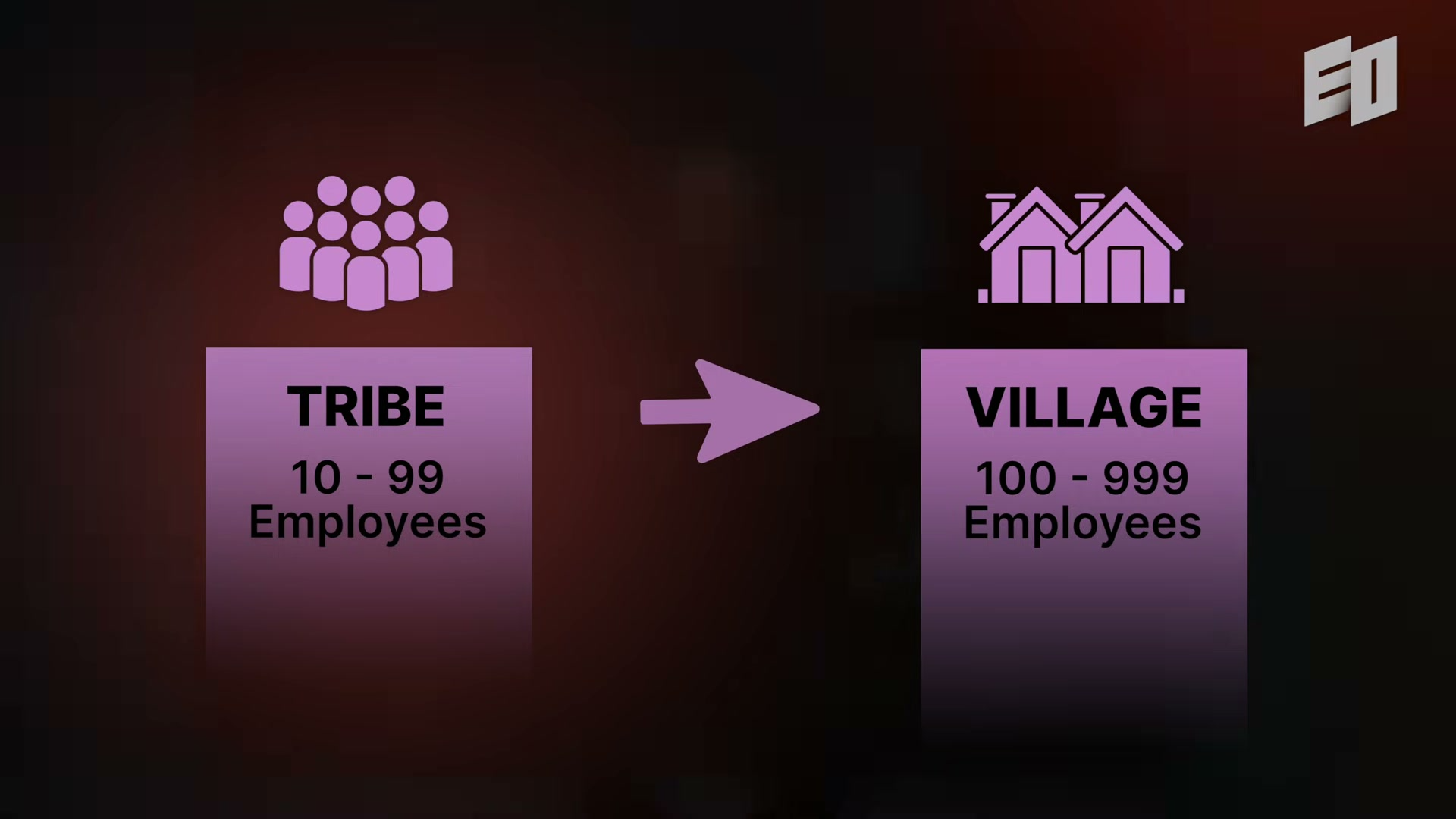
How should founders prepare themselves mentally for the uncertainty that comes with blitzscaling?
Chris Yeh: So when a founder decides they're going to blitzscale their company, they have to prepare themselves for uncertainty. You are trying to figure out how to grow faster than your competitors. Your competitors are also aggressive entrepreneurs. They're also finding ways to grow quickly. And so as a result, the aggressiveness that's required means that you have to tolerate a lot of uncertainty and a lot of risk.
And so in order to actually do blitzscaling, you often have to do things that are counterintuitive in comparison to conventional wisdom.
And so in order to actually do blitzscaling, you often have to do things that are counterintuitive in comparison to conventional wisdom.
Launch a Product You're Ashamed Of
What's one of the most counterintuitive principles of blitzscaling that challenges conventional wisdom?
Chris Yeh: So there are a couple of these counterintuitive principles, and I'll share one that has been very popular because it's probably one of Reid's most famous sayings: if you're not ashamed of your first product, you've launched too late. So launch a product you're ashamed of.
Now this is really strange, right, because we normally say we want to launch a great product, we want to launch a product that people love, but Reid's insight is we have the ability to rapidly iterate and improve our products. This is a lesson Reid learned with his first company, which is called SocialNet. What he discovered is they spent all this time perfecting all these little features that they thought were important, and when they actually launched it, the customers ignored them, never used them.
And so he took that lesson with him when he started LinkedIn. When he started LinkedIn right when they were about to launch, one of the things that people said was, oh, you know what, we need to stop and delay the launch because we need to build the ability for people to find consultants on LinkedIn. That sounds interesting, but tell you what, we're just going to launch LinkedIn and then if people really clamor for it and say they want it, we'll go back and we'll build it.
That's because Reid knew that what we think is going to be essential to the user might not be, and the best way to improve the product is to get real world feedback and iterate. And so they launched LinkedIn, and it turns out that's not what people wanted. The number one request that came in from LinkedIn users was very simple: I want to put my picture on my LinkedIn profile.
Now this is really strange, right, because we normally say we want to launch a great product, we want to launch a product that people love, but Reid's insight is we have the ability to rapidly iterate and improve our products. This is a lesson Reid learned with his first company, which is called SocialNet. What he discovered is they spent all this time perfecting all these little features that they thought were important, and when they actually launched it, the customers ignored them, never used them.
And so he took that lesson with him when he started LinkedIn. When he started LinkedIn right when they were about to launch, one of the things that people said was, oh, you know what, we need to stop and delay the launch because we need to build the ability for people to find consultants on LinkedIn. That sounds interesting, but tell you what, we're just going to launch LinkedIn and then if people really clamor for it and say they want it, we'll go back and we'll build it.
That's because Reid knew that what we think is going to be essential to the user might not be, and the best way to improve the product is to get real world feedback and iterate. And so they launched LinkedIn, and it turns out that's not what people wanted. The number one request that came in from LinkedIn users was very simple: I want to put my picture on my LinkedIn profile.

Why is launching an imperfect product actually better than waiting for perfection?
Chris Yeh: And so launching a product that embarrasses you is a way of getting over your fear of what if it's not perfect. Guess what? It's not going to be perfect. It's going to have problems. And the reason is none of us are geniuses. None of us is smart enough to know exactly what the market wants. But you'd rather be fixing real problems based on real user feedback than trying to fix things based on your own intuition, which could very well be wrong.
Speed of Learning Over Speed of Execution
How should founders prepare themselves to blitzscale? Is it just about being more aggressive?
Chris Yeh: So the question I always get when it comes to blitzscaling is, how do I prepare myself to blitzscale? Is it just a matter of being aggressive? I'm like, no, no, no, hold on. Aggression is not the point. Speed is the point. And the most important speed you can have is actually speed of learning, because the world around us is constantly changing. The thing that worked 3 months ago may not work today.
And so the thing you want to train yourself to do is to be what we call an infinite learner. Someone who is able to constantly learn new things, but more importantly, let go of old lessons. We all learn lessons in our lives, often from the things that helped us be successful, but that doesn't mean those lessons still apply. And so learning to let go of the lessons that made you successful in order to have room for the new lessons that will make you successful in the future, is one of the most important things you could do as a blitzscaling entrepreneur.
And so the thing you want to train yourself to do is to be what we call an infinite learner. Someone who is able to constantly learn new things, but more importantly, let go of old lessons. We all learn lessons in our lives, often from the things that helped us be successful, but that doesn't mean those lessons still apply. And so learning to let go of the lessons that made you successful in order to have room for the new lessons that will make you successful in the future, is one of the most important things you could do as a blitzscaling entrepreneur.
The Product-Market Fit Dilemma
What's the relationship between achieving product-market fit and the timing of when to start blitzscaling?
Chris Yeh: So there are a lot of misconceptions about how startups grow. Some people think that you just raise a lot of money and spend it on marketing, you can buy growth. To some extent you can. But you're not gonna buy sustainable success. That's why it's so important early on and as detailed in the book The Lean Startup, that companies find product-market fit. Without product-market fit, no company can achieve long-term success.
If you blitzscale before you achieve product-market fit, that's very risky, because if you blitzscale a product that doesn't yet retain its users, it may be that you're just spending money to buy temporary market share. The best time for a founder to implement blitzscaling is after achieving product-market fit, but before the competitors begin to scale. That's the ideal scenario. You've achieved product market fit and you know that you can benefit from throwing money into growth, but at the same time, you haven't fallen behind your competitors.
If you blitzscale before you achieve product-market fit, that's very risky, because if you blitzscale a product that doesn't yet retain its users, it may be that you're just spending money to buy temporary market share. The best time for a founder to implement blitzscaling is after achieving product-market fit, but before the competitors begin to scale. That's the ideal scenario. You've achieved product market fit and you know that you can benefit from throwing money into growth, but at the same time, you haven't fallen behind your competitors.

What happens when competitors start scaling before they achieve product-market fit?
Chris Yeh: If your competitors are starting to grow before they achieve product-market fit, you may need to start growing earlier. That's that judgment call where you have to decide, can my competitors achieve product market fit as they scale or not.
Now the issue is, it becomes nuanced. Let's say your competitor is scaling up very quickly. You have to ask yourself, is that competitor going to be able to achieve product market fit as they grow, because if they do, and they've grown out in front of you, you won't be able to catch up with them. However, if you think that they're far from product market fit, you may let them go ahead and grow quickly and then swoop in and buy up their assets after they go bankrupt. This has happened many times in history as well. But if achieving product market fit occurs simultaneously with scaling up, you may need to blitzscale even before you achieve product market fit.
Now the issue is, it becomes nuanced. Let's say your competitor is scaling up very quickly. You have to ask yourself, is that competitor going to be able to achieve product market fit as they grow, because if they do, and they've grown out in front of you, you won't be able to catch up with them. However, if you think that they're far from product market fit, you may let them go ahead and grow quickly and then swoop in and buy up their assets after they go bankrupt. This has happened many times in history as well. But if achieving product market fit occurs simultaneously with scaling up, you may need to blitzscale even before you achieve product market fit.
The Airbnb vs. Wimdu War
Can you share a real-world example of blitzscaling in action under competitive pressure?
Chris Yeh: One of the most fascinating stories about why blitzscaling matters is the story of Airbnb. So I want you to think back in time to when Airbnb was a much smaller company. It had about 30 or 40 people at the time. It was primarily in the United States, and that is when the Samwer brothers in Germany decided they wanted to create an Airbnb clone.
So they actually created a clone called Wimdu, and they funded it with $100 million and they hired 400 people to build out the company. So at $100 million, 400 employees. Airbnb at that point had maybe 40 employees and $10 million of funding. So it was a sudden situation where Airbnb had gone from the leading company in the field into the David versus the Goliath of Wimdu.
And the Samwer brothers were also interested in starting Wimdu because they thought what they could do is they could merge Wimdu and Airbnb. And so that in the end, Wimdu shareholders would own 25% of the company, Airbnb shareholders would own 75% of the company. This was a nasty shock to the founders of Airbnb because here there was a competitor with 10 times as much money and 10 times as many people going after the same market.
So they actually created a clone called Wimdu, and they funded it with $100 million and they hired 400 people to build out the company. So at $100 million, 400 employees. Airbnb at that point had maybe 40 employees and $10 million of funding. So it was a sudden situation where Airbnb had gone from the leading company in the field into the David versus the Goliath of Wimdu.
And the Samwer brothers were also interested in starting Wimdu because they thought what they could do is they could merge Wimdu and Airbnb. And so that in the end, Wimdu shareholders would own 25% of the company, Airbnb shareholders would own 75% of the company. This was a nasty shock to the founders of Airbnb because here there was a competitor with 10 times as much money and 10 times as many people going after the same market.

How did Airbnb respond to this massive competitive threat?
Chris Yeh: It would be very easy to just say yes to the Samwer brothers, to go ahead and accept this merger agreement, which would still allow them to keep most of the value, but it would involve giving up so much of their value, and it would involve rewarding bad behavior. We don't want to set a precedent where people who just clone products get to extort people for their equity.
And so what Airbnb decided to do is we're going to blitzscale. The term hadn't been invented yet, but that's essentially what they decided to do, we have to raise more money. We have to hire more people. We have to compete head to head with Wimdu in Europe so that we can outgrow them.
That's exactly what they did. They raised $100 million of their own. They launched 12 different offices in Europe in the subsequent six months. Ultimately they outgrew Wimdu. In fact, Wimdu went bankrupt in 2019, and Airbnb, thanks to the power of blitzscaling, of prioritizing growth for the sake of achieving a better competitive position, was able to become the dominant company we see today.
And so what Airbnb decided to do is we're going to blitzscale. The term hadn't been invented yet, but that's essentially what they decided to do, we have to raise more money. We have to hire more people. We have to compete head to head with Wimdu in Europe so that we can outgrow them.
That's exactly what they did. They raised $100 million of their own. They launched 12 different offices in Europe in the subsequent six months. Ultimately they outgrew Wimdu. In fact, Wimdu went bankrupt in 2019, and Airbnb, thanks to the power of blitzscaling, of prioritizing growth for the sake of achieving a better competitive position, was able to become the dominant company we see today.
AI: The Ultimate Blitzscaling Opportunity
How is AI changing the landscape for blitzscaling opportunities?
Chris Yeh: So one of the things that is really new and that I'm going around the world talking about is the way that AI and blitzscaling interact. Remember the model of blitzscaling. Technology innovation triggers new markets and scrambles existing ones. Well, guess what? AI is doing that left and right. So we are looking at this tremendous change in the marketplace, and that's going to create those opportunities for blitzscaling, those opportunities for business model innovations, those opportunities for new companies.
Reid told me he believes that there will be dozens of outcomes that are $10 billion plus just in the next couple of years as companies build out AI solutions of various kinds. So the message I want to give people is AI is coming. It's absolutely going to have a huge impact, and it enables even more blitzscaling.
Reid told me he believes that there will be dozens of outcomes that are $10 billion plus just in the next couple of years as companies build out AI solutions of various kinds. So the message I want to give people is AI is coming. It's absolutely going to have a huge impact, and it enables even more blitzscaling.

What specific advantages does AI give to companies that want to blitzscale?
Chris Yeh: On several levels for existing companies who are looking to blitzscale, AI and its ability to amplify human productivity allows you to grow more with fewer people and fewer resources, and the companies that leverage AI will be able to outscale their competitors.
On the other side, AI-based companies can really tap into the principles of blitzscaling because AI really has strong winner-take-most market dynamics. Thanks to the fact that if you build a better model, you attract more users. If you attract more users, you have more data to build a better model, to attract more users, there is this incredible virtuous circle that really helps the existing players like OpenAI, and we're going to see this play out in many different AI-based markets, and we expect the blitzscales that are being established right now in the next couple of years to ultimately dominate the world of AI.
On the other side, AI-based companies can really tap into the principles of blitzscaling because AI really has strong winner-take-most market dynamics. Thanks to the fact that if you build a better model, you attract more users. If you attract more users, you have more data to build a better model, to attract more users, there is this incredible virtuous circle that really helps the existing players like OpenAI, and we're going to see this play out in many different AI-based markets, and we expect the blitzscales that are being established right now in the next couple of years to ultimately dominate the world of AI.
What does the growth trajectory look like for companies that successfully blitzscale?
Chris Yeh: The level of growth that you go through with blitzscaling, it's far beyond what a normal company goes through, and the company began growing at the rate of about 1 to 5% a day. It's growing like 10x per year. You as a founder, the things that you did to get you from one stage to the next won't necessarily work when you get to that next stage. You have to blitzscale differently when you're in a bear market or when economic times are tough.
Explore more