
What happens when a World Cup footballer decides the shoe industry is fundamentally broken? You get a $600 million revolution wrapped in wool.
Tim Brown didn't just kick balls for New Zealand's national team—he kicked down the doors of an industry that hadn't innovated in decades. After retiring from professional soccer, Brown co-founded Allbirds, turning sustainable materials into one of the world's fastest-growing footwear brands.
In this candid interview, Brown reveals why experts told him wool shoes were a waste of time, how he sold $1 million worth of shoes in his first month, and what it really takes to build a brand that puts purpose over profit.
Watch the full interview now on EO's YouTube channel! Below is the complete transcription of the interview. Minor edits have been made for clarity and readability.
Key Highlights:
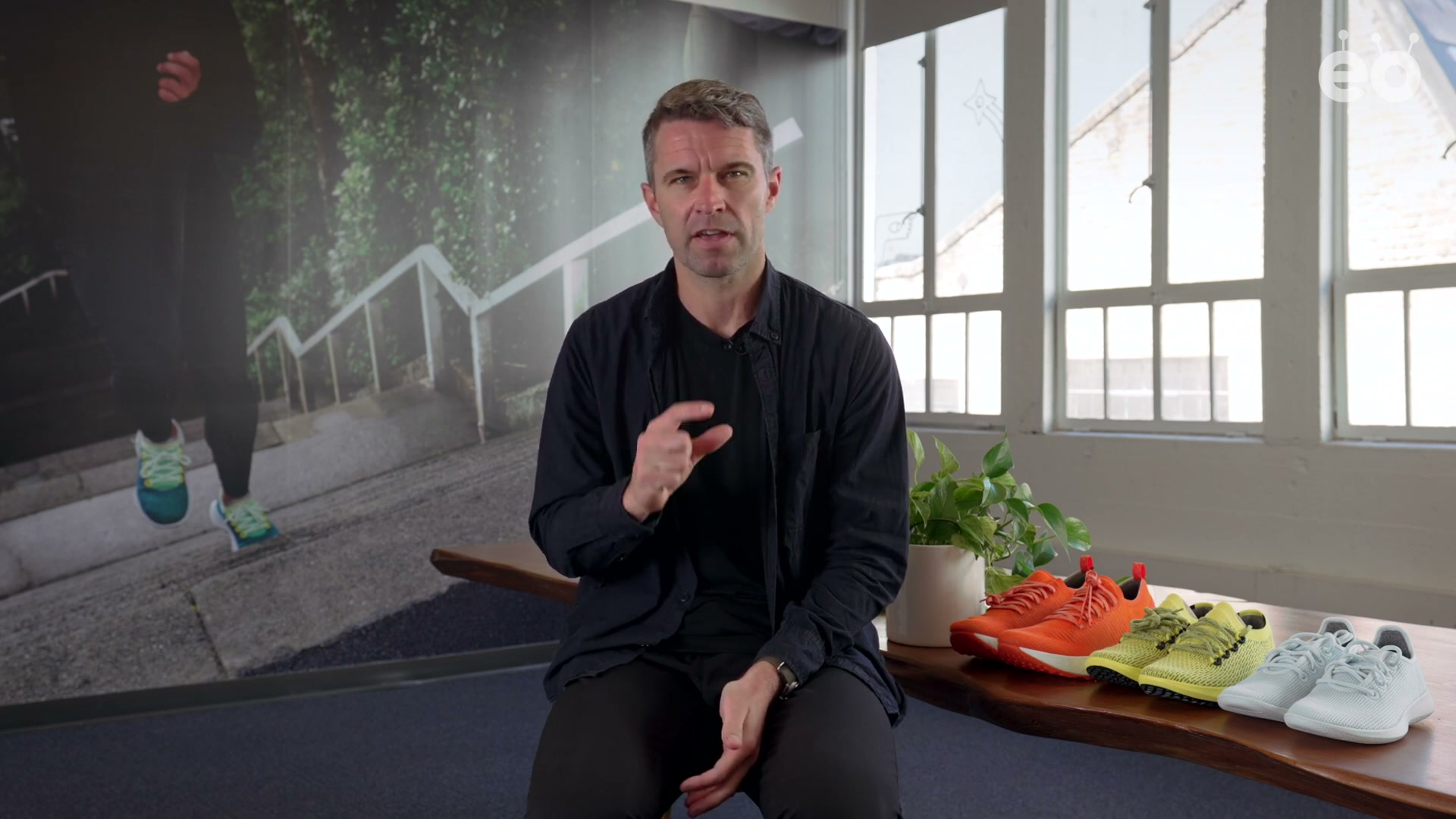
"It was an incredible ride. It was the first time in 28 years New Zealand had been to the World Cup."
"Generally as individuals, we tend to overestimate what we can do in the short-term and underestimate what can be achieved in the long-term if we stick with something. And sport teaches you to stick with something."
"You have to believe in the compounding impact of getting a little bit better every day."
"It felt like footwear design was very loud and a lot, if most of everything was made from plastic and synthetic materials. So I started to imagine a different type of business, a different way of making and thinking about product."
"It turns out it's very, very hard to make shoes, making a shoe out of materials that have never been used, or very seldom used in footwear is even harder."
"Customers buy great products, not sustainable ones. What I mean is there's never going to be a sacrifice on the performance of a product, the comfort of the product, the style of the product."
"Time magazine said we were the most comfortable shoe in the world. Obviously that was super helpful. We sold a million dollars worth of shoes in the first month."
"Generally as individuals, we tend to overestimate what we can do in the short-term and underestimate what can be achieved in the long-term if we stick with something. And sport teaches you to stick with something."
"You have to believe in the compounding impact of getting a little bit better every day."
"It felt like footwear design was very loud and a lot, if most of everything was made from plastic and synthetic materials. So I started to imagine a different type of business, a different way of making and thinking about product."
"It turns out it's very, very hard to make shoes, making a shoe out of materials that have never been used, or very seldom used in footwear is even harder."
"Customers buy great products, not sustainable ones. What I mean is there's never going to be a sacrifice on the performance of a product, the comfort of the product, the style of the product."
"Time magazine said we were the most comfortable shoe in the world. Obviously that was super helpful. We sold a million dollars worth of shoes in the first month."
From World Cup Dreams to Entrepreneurial Reality
What lessons from your soccer career at the World Cup shaped your approach to building Allbirds?
Tim Brown: I think there was a lot of things I learned from sport that have been very important for me as an entrepreneur. Generally as individuals, we tend to overestimate what we can do in the short-term and underestimate what can be achieved in the long-term if we stick with something. And sport teaches you to stick with something, but sometimes on a day to day basis, it can be hard to see the improvement.
You have to believe in the compounding impact of getting a little bit better every day. I think the opportunity to start your own idea and chase it is a privilege. You get to choose the problem that you're going after that has real meaning and just remember to laugh often.
You have to believe in the compounding impact of getting a little bit better every day. I think the opportunity to start your own idea and chase it is a privilege. You get to choose the problem that you're going after that has real meaning and just remember to laugh often.
The Plastic Problem That Started Everything
What sparked your initial vision for Allbirds when you were still a professional athlete?
Tim Brown: When I played sport, I was sponsored by one of the big sportswear companies. It was one of the great things about playing sport. With my own observations, it felt like footwear design was very loud and a lot, if most of everything was made from plastic and synthetic materials. So I started to imagine a different type of business, a different way of making and thinking about product.
I had a professor at business school after I retired from sport. I was talking a lot about the shoes. I was thinking deeply about the shoes, and he encouraged me to get it out in the world. He was frustrated with me. He was like, stop talking about it, get it out into the world and see if someone other than your mum will buy these things.
I had a professor at business school after I retired from sport. I was talking a lot about the shoes. I was thinking deeply about the shoes, and he encouraged me to get it out in the world. He was frustrated with me. He was like, stop talking about it, get it out into the world and see if someone other than your mum will buy these things.
The Wool Experiment That Almost Failed
How did you discover merino wool as your first material, and what were the early challenges?
Tim Brown: It turns out it's very, very hard to make shoes, making a shoe out of materials that have never been used, or very seldom used in footwear is even harder. Merino wool was our first material.
We launched it on Kickstarter, and it was very successful in a short space of time, but it lacked a purpose. I don't think I had that big dream. I really wasn't sure I wanted to keep going, it was hard.
We launched it on Kickstarter, and it was very successful in a short space of time, but it lacked a purpose. I don't think I had that big dream. I really wasn't sure I wanted to keep going, it was hard.
How did meeting your co-founder Joey change the trajectory of the company?
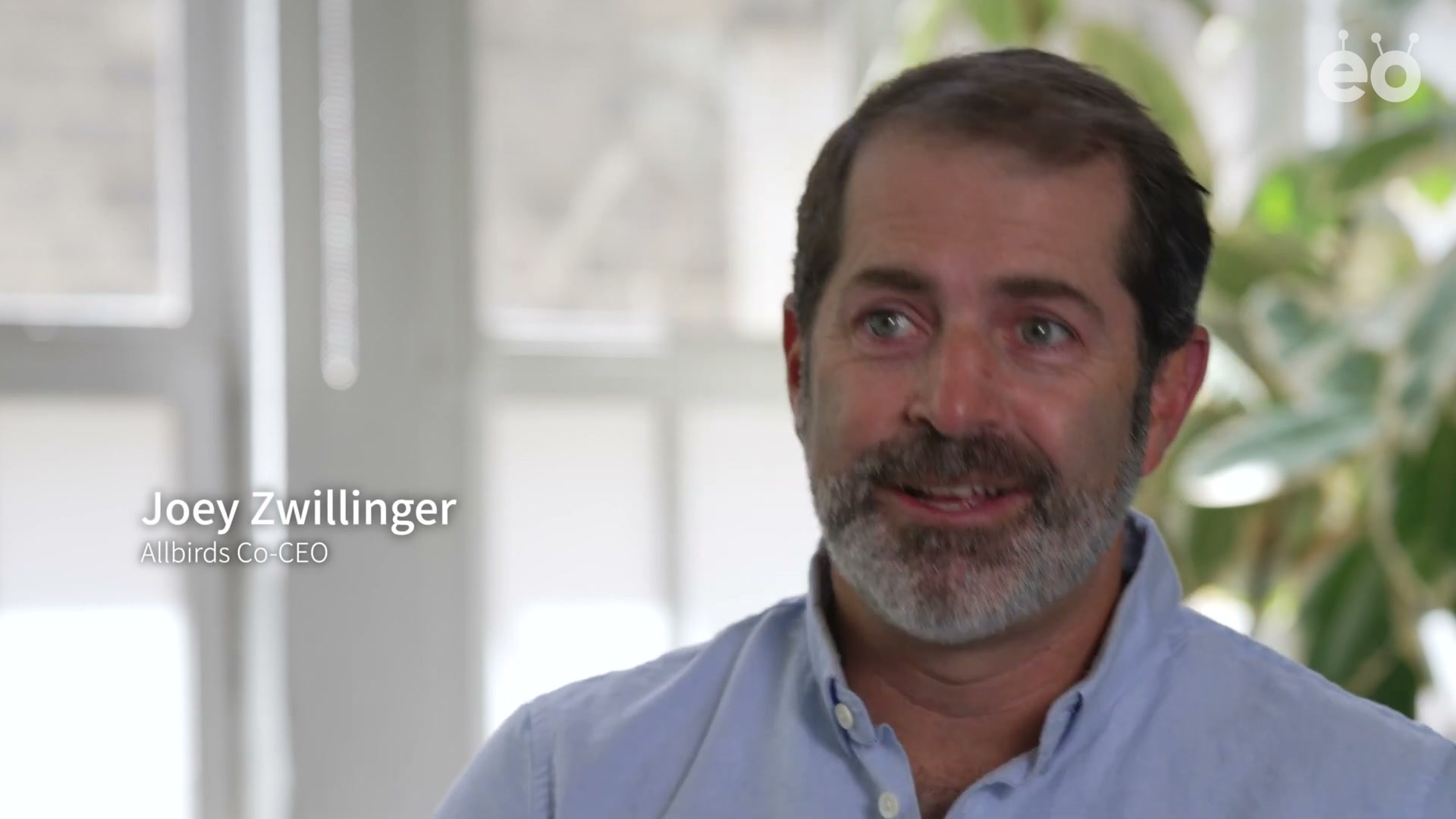
Tim Brown: And I met Joey, my co-founder. He had been on a different journey around climate change and the environment. He opened my eyes to challenge around the environment, around climate change, around the fashion industry, and an opportunity for business to be a true leader in that space. And he was the one that was really responsible for the big dream and don't tell him I said anything good.
When the Experts Said No
What was the response from industry experts when you first pitched wool shoes?
Tim Brown: We were able to meet a couple of really experienced people within the wool industry and also a little bit further down the road in the footwear industry. Both of those experts said this was a waste of time. That they'd looked at it, the opportunity wasn't big enough, the consumer wasn't gonna care.
It really was one of those moments in time where you either quit or you double down and try even harder. We'd ask them really simple questions about why it hadn't been done before, and we could never get completely satisfied with the answer. And so we trusted ourselves.
I like to sort of say, if you don't seek feedback, you're dumb. It's not very smart. But equally I make the case that you're more dumb if you listen to all of it.
It really was one of those moments in time where you either quit or you double down and try even harder. We'd ask them really simple questions about why it hadn't been done before, and we could never get completely satisfied with the answer. And so we trusted ourselves.
I like to sort of say, if you don't seek feedback, you're dumb. It's not very smart. But equally I make the case that you're more dumb if you listen to all of it.
The Million Dollar Month
Tell us about the launch of the Wool Runner and those early days of explosive growth.
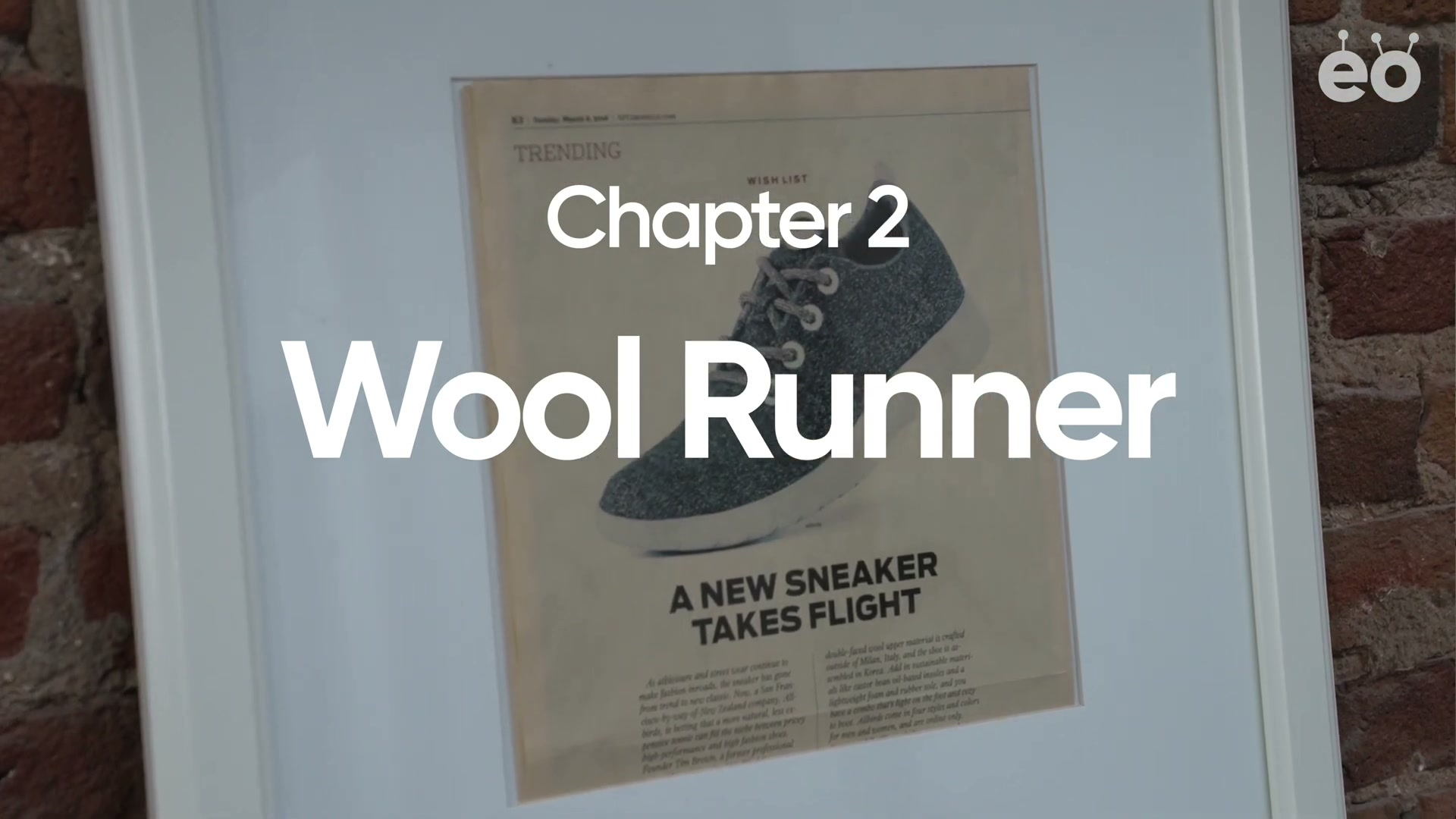
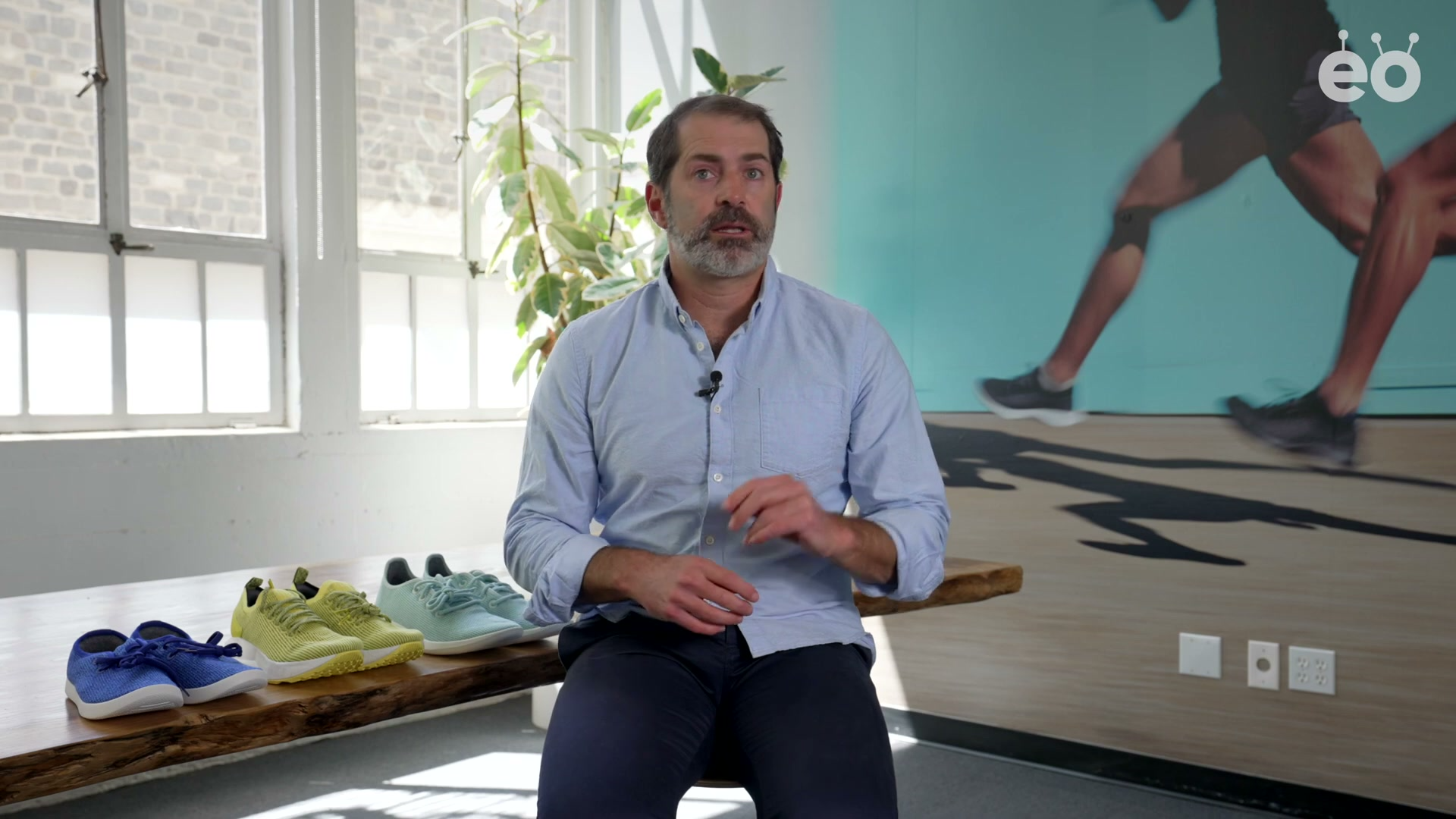
Tim Brown: On March 1st, 2016, we launched the Wool Runner. Time magazine said we were the most comfortable shoe in the world. Obviously that was super helpful. We sold a million dollars worth of shoes in the first month behind the demand with our supply. We frankly couldn't make enough shoes. It was successful. It has become a kind of an iconic product for us.
Sometimes we assume innovation is about adding more things, making new things, and sometimes it can also be about simplifying. So when we put something to market, in the tech industry, maybe you talk about a minimum viable product, we like to talk about a minimum lovable product. The hurdle is a little higher.
Sometimes we assume innovation is about adding more things, making new things, and sometimes it can also be about simplifying. So when we put something to market, in the tech industry, maybe you talk about a minimum viable product, we like to talk about a minimum lovable product. The hurdle is a little higher.
Fighting Climate Change One Shoe at a Time
How do you balance sustainability with creating products that customers actually want to buy?
Tim Brown: I think we're a bit different than maybe some other companies that have gone at sustainability as sustainability being their outcome. Customers buy great products, not sustainable ones. What I mean is there's never going to be a sacrifice on the performance of a product, the comfort of the product, the style of the product. That has to be a plus.
What's crazy is there's 20 billion pairs of shoes made every year, and virtually all of them are made from plastic from petroleum or leather from cows. It's essentially the two options, and they're polluting the earth when they're doing that because of the carbon emissions. They go into landfills and they're just wasted there. There's no circularity in the sneaker industry.
What's crazy is there's 20 billion pairs of shoes made every year, and virtually all of them are made from plastic from petroleum or leather from cows. It's essentially the two options, and they're polluting the earth when they're doing that because of the carbon emissions. They go into landfills and they're just wasted there. There's no circularity in the sneaker industry.
How do you make sustainability tangible for consumers?
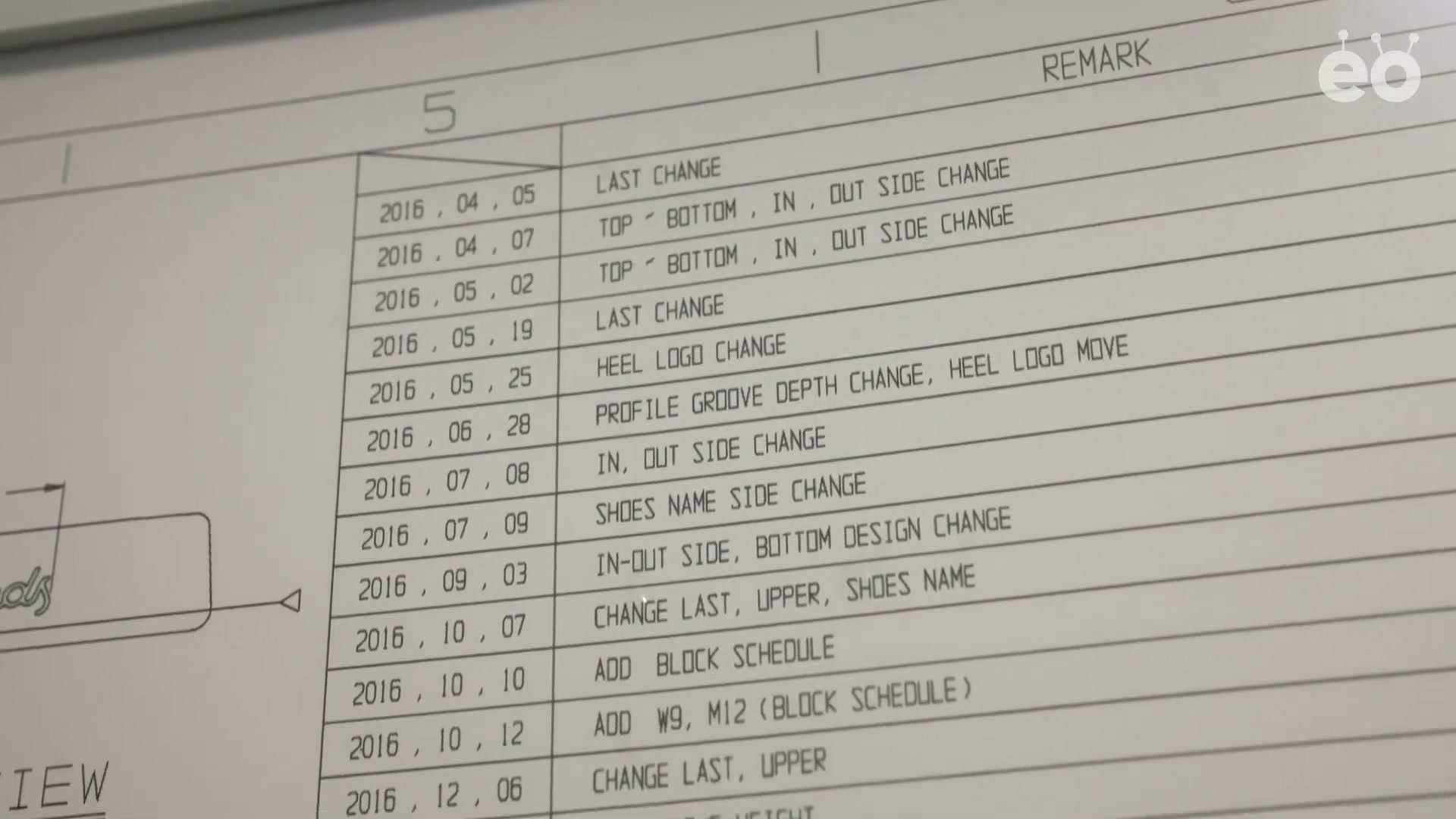
Tim Brown: At Allbirds, part of our job has been to try and make sense of that. We've tried to do that through the lens of carbon. That's predominantly the focus of our environmental work. Every product that we make has the carbon footprint on the tongue or on the heel in the same way that calories are labeled on food.
Because for us, we really believe that you first have to measure it. You can't reduce it if you don't know where you stand. So first measure it, then reduce it to zero, and then we just work backwards. How do we get there?
Because for us, we really believe that you first have to measure it. You can't reduce it if you don't know where you stand. So first measure it, then reduce it to zero, and then we just work backwards. How do we get there?
The Power of Saying No
How do you maintain focus as a company in such a competitive industry?
Tim Brown: I guess I could say there's two things that really help us be effective as a company trying to do something that no one's done before. First thing is to make sure we have a really clear purpose. It always goes back to we make great products, not sustainable ones, but truly great products are sustainable.
And then the second thing is prioritization. We're selling to consumers that they hear so many different things in a single day, and we need to cut through with a consistent sharp message. If we did 50 different things, we would lose focus. The customer would stop caring. That's a trap that a lot of people fall into that they don't say no 99 times for every 1 thing they say yes to.
And then the second thing is prioritization. We're selling to consumers that they hear so many different things in a single day, and we need to cut through with a consistent sharp message. If we did 50 different things, we would lose focus. The customer would stop caring. That's a trap that a lot of people fall into that they don't say no 99 times for every 1 thing they say yes to.
Swinging for the Fences
What drives you to keep pushing forward despite the challenges?
Tim Brown: Anyone starting a business will quickly find out that always thinking about your business is very tiring if you don't believe in what you're doing. And so I go back to the purpose of the company if I authentically believe that the world needs a leader in consumer products to change the view of climate change, we need a leader like that and that helps me get out of bed every day no matter how hard the last day was and say all right, let's go again like we're fighting for something important.
It's less about the fact that I'm confident, it's probably more that I have one life to live. If I'm gonna take one swing at the baseball, I'd rather swing for the fences.
As an entrepreneur, as a founder of a business, I feel incredibly fortunate. People talk a lot about the challenges and that's real, but I allow you to talk about some of the good things and some of the good things are you get to choose who you work with, to be able to surround yourself with people that are smart, thoughtful, hardworking, you can create some deep relationships, friendships. So it's worth it, and I feel for anyone who gets the opportunity to do it, they should give it a go.
It's less about the fact that I'm confident, it's probably more that I have one life to live. If I'm gonna take one swing at the baseball, I'd rather swing for the fences.
As an entrepreneur, as a founder of a business, I feel incredibly fortunate. People talk a lot about the challenges and that's real, but I allow you to talk about some of the good things and some of the good things are you get to choose who you work with, to be able to surround yourself with people that are smart, thoughtful, hardworking, you can create some deep relationships, friendships. So it's worth it, and I feel for anyone who gets the opportunity to do it, they should give it a go.
Explore more