
Feb 24, 2026
China Builds 230x More Ships. This Navy Vet's Solution? Warships Without Sailors.
An interview with Rylan Hamilton, Founder of Blue Water Autonomy
Founder Focused
China's shipbuilding capacity is over 230 times that of the United States. For a Navy veteran who once stood on those very deck plates, that number isn't just a statistic. It's a call to arms.
Rylan Hamilton is the CEO and co-founder of Blue Water Autonomy, a company designing and building autonomous warships from the keel up for the US Navy. Backed by $50 million from Google Ventures and existing investors, with over $2 billion allocated by Congress for the category they're building in, Blue Water has already launched a 145-ton autonomous test vessel outside of Boston. Hamilton's path from Navy officer to Amazon Robotics leader to defense tech founder gives him a rare lens on leadership, obsession, and what it takes to solve problems that actually matter.
In this interview, Rylan shares how 9/11 redirected his entire career, the Navy leadership philosophy he still applies as a founder, why he walked away from a successful exit to take on an even harder problem, and why America's answer to China's shipbuilding dominance isn't more ships but smarter ones.
Watch the full interview now on EO's YouTube channel! Below is the complete transcription of the interview. Minor edits have been made for clarity and readability.
Key Highlights:
"Right out of college, I joined the Navy. So, I was on ships in the Pacific and the Atlantic Ocean."
"The Navy that I was in 20 years ago, we had the world's most powerful Navy. And there's really no pure competitor. But when I first was on a ship in the Navy, and I was in charge of a division, I actually wasn't a great leader."
"In the Navy, you don't get to choose the people who are working for you. The Navy basically says, 'This is your team, and you've got to make the best out of them.'"
"And so what you learn over time is you have to learn what motivates people and you have to understand people and you have to care about people and if you don't understand people, then you can't understand what motivates them, and then you can't get your mission, your job done, and then everything kind of unravels from there."
"What I learned in the Navy about leadership is leading from the front. When I was a junior officer in the Navy, there was this sort of concept of 'deck plate leadership', which is that you have to be on the deck plates with your sailors and with your team, and trying to help them solve the issue, so that you're not someone they report to. You're someone who's part of a team that's helping them solve the problem at hand."
"And sometimes that meant spending hours in an engine room trying to troubleshoot an issue. Sometimes we would lose steering at sea. We'd lose power. We'd have flooding. We'd have fires. We had many different issues that we'd have to work through."
"But when your team saw that you were the person, you're standing in there, you're waiting with them, you're being patient, and you understood the problems that they were facing, and you understood any barriers that you could help remove, you would then get their trust."
"The Navy that I was in 20 years ago, we had the world's most powerful Navy. And there's really no pure competitor. But when I first was on a ship in the Navy, and I was in charge of a division, I actually wasn't a great leader."
"In the Navy, you don't get to choose the people who are working for you. The Navy basically says, 'This is your team, and you've got to make the best out of them.'"
"And so what you learn over time is you have to learn what motivates people and you have to understand people and you have to care about people and if you don't understand people, then you can't understand what motivates them, and then you can't get your mission, your job done, and then everything kind of unravels from there."
"What I learned in the Navy about leadership is leading from the front. When I was a junior officer in the Navy, there was this sort of concept of 'deck plate leadership', which is that you have to be on the deck plates with your sailors and with your team, and trying to help them solve the issue, so that you're not someone they report to. You're someone who's part of a team that's helping them solve the problem at hand."
"And sometimes that meant spending hours in an engine room trying to troubleshoot an issue. Sometimes we would lose steering at sea. We'd lose power. We'd have flooding. We'd have fires. We had many different issues that we'd have to work through."
"But when your team saw that you were the person, you're standing in there, you're waiting with them, you're being patient, and you understood the problems that they were facing, and you understood any barriers that you could help remove, you would then get their trust."
400 Sailors Hunting Mines With Binoculars
Can you introduce yourself and tell us what Blue Water Autonomy does?
Rylan: My name is Rylan Hamilton. I'm the CEO and co-founder of Blue Water Autonomy. Our first customer is the US Navy. We're designing and building autonomous ships. Our focus is on the US Navy and building future warships for the Navy.
Right out of college, I joined the Navy. I was on ships in the Pacific and the Atlantic Ocean. We were up in the Northern Gulf, and we were looking for mines. In fact, we'd have lookouts on the front of the ship 24/7 looking for any mines that could be floating. There are a lot of really risky missions in the Navy that could be done by autonomous systems. There's no reason that a ship with 400 sailors on it should be hunting for mines, including having people with binoculars on the front of that ship.
Right out of college, I joined the Navy. I was on ships in the Pacific and the Atlantic Ocean. We were up in the Northern Gulf, and we were looking for mines. In fact, we'd have lookouts on the front of the ship 24/7 looking for any mines that could be floating. There are a lot of really risky missions in the Navy that could be done by autonomous systems. There's no reason that a ship with 400 sailors on it should be hunting for mines, including having people with binoculars on the front of that ship.

And to date, we've actually launched what we call our autonomous test vessel, which is a 145-ton vessel just outside of Boston, where we're already testing our technology. Google Ventures and our existing investors put $50 million into our company, which really helps turbocharge what we're doing.
When the Towers Fell, the Desk Jobs Lost Their Appeal
9/11 happened while you were in college. When everyone else was heading to consulting and banking, what made you choose the Navy?

Rylan: When I was in college, 9/11 happened, and it definitely was a moment that shook everyone and said, "What do you really want to do with your life?" And at that point, the traditional jobs coming out of college were to go into consulting or into investment banking and professional service careers. But I wanted to do something different. And I'm not the type of person who's well-suited to be behind a desk from 9 to 5.
And I was like, "Oh, well, my family had been in the Navy. My father actually went to the Naval Academy and served on nuclear submarines in the '60s. I had two uncles who also served in the Navy. So, I wonder what a career in the Navy would be like." And I joined the Navy, which was one of the best decisions I've ever made.
We were up in the Northern Gulf, and we were looking for mines. In fact, we'd have lookouts on the front of the ship 24/7 looking for any mines that could be floating.
And I was like, "Oh, well, my family had been in the Navy. My father actually went to the Naval Academy and served on nuclear submarines in the '60s. I had two uncles who also served in the Navy. So, I wonder what a career in the Navy would be like." And I joined the Navy, which was one of the best decisions I've ever made.
We were up in the Northern Gulf, and we were looking for mines. In fact, we'd have lookouts on the front of the ship 24/7 looking for any mines that could be floating.
What was your first experience like actually stepping onto a naval ship?
Rylan: One of the most memorable experiences I had in the Navy was probably the first time I actually was on a naval ship out in the open ocean. I joined an amphibious transport ship. It was actually in the Persian Gulf when I met it. But in order to get to that ship, I had to fly in a helicopter and go to an aircraft carrier first.
And while I was on that aircraft carrier waiting to get transported to my ship, Iran actually fired some test missiles. Now, the Navy at the time didn't know if those were test missiles until the whole ship went to general quarters, but here I was, new to the Navy, and because I had actually been traveling in the Middle East, I was still in my civilian clothes.
So, I was on a ship, the ship was going to general quarters, and I didn't even know where to go. I was just running up and down staircases, and someone grabbed me and said, "You look like you don't know what you're doing. Come in here and wait."
That was my first hour on a naval ship. But I think that lesson taught me is like, be aware that anything can happen at any moment. It's important to have a plan, but then it's also important to understand that the plan will never actually materialize exactly as you expected.
And while I was on that aircraft carrier waiting to get transported to my ship, Iran actually fired some test missiles. Now, the Navy at the time didn't know if those were test missiles until the whole ship went to general quarters, but here I was, new to the Navy, and because I had actually been traveling in the Middle East, I was still in my civilian clothes.
So, I was on a ship, the ship was going to general quarters, and I didn't even know where to go. I was just running up and down staircases, and someone grabbed me and said, "You look like you don't know what you're doing. Come in here and wait."
That was my first hour on a naval ship. But I think that lesson taught me is like, be aware that anything can happen at any moment. It's important to have a plan, but then it's also important to understand that the plan will never actually materialize exactly as you expected.
The 3 PM Lesson That Changed How He Leads
You've said you weren't a great leader when you first started in the Navy. What did you learn about motivating people?
Rylan: One of the things is when you're in the Navy, you don't get to choose the people that are working for you. The Navy basically says this is your team, and you've got to make the best out of them. When I was first on a ship in the Navy, and I was in charge of a division, I actually wasn't a great leader. And what you learn over time is you have to learn what motivates people, you have to understand people, and you have to care about people. And if you don't understand people, then you can't understand what motivates them, and then you can't get your mission, your job done. And then everything kind of unravels from there.
When I first joined the Navy, I was like, let's do this job because everyone cares about the mission and America. But at the end of the day, actually, what people cared about, especially when you're in port, is they're like, "Hey, sir, I just want to go home at 3 PM." So if our division can get all of our tasks done and we can go home at 3 PM, that's what matters to me because at home I have a wife, I have kids, I have a lot of other stuff going on. And when we're back at port, it really matters for me to have this balance between my work and my life.
And I realized that over time. And then I said, "All right, when we show up to work, let's focus on getting the mission done, and let's get everyone home." And then when you got people home, they were like, "Hey, I'm motivated now." It's really when you're in the Navy that you understand people and what motivates them. And that's not something that was innately obvious to me when I first joined the Navy.
When I first joined the Navy, I was like, let's do this job because everyone cares about the mission and America. But at the end of the day, actually, what people cared about, especially when you're in port, is they're like, "Hey, sir, I just want to go home at 3 PM." So if our division can get all of our tasks done and we can go home at 3 PM, that's what matters to me because at home I have a wife, I have kids, I have a lot of other stuff going on. And when we're back at port, it really matters for me to have this balance between my work and my life.
And I realized that over time. And then I said, "All right, when we show up to work, let's focus on getting the mission done, and let's get everyone home." And then when you got people home, they were like, "Hey, I'm motivated now." It's really when you're in the Navy that you understand people and what motivates them. And that's not something that was innately obvious to me when I first joined the Navy.
What does 'deck plate leadership' actually look like in practice?
Rylan: What I learned in the Navy about leadership is leading from the front. When I was a junior officer in the Navy, there was this concept of deck plate leadership, that you have to be on the deck plates with your sailors and with your team, and trying to help them solve the issue. That you're not someone who they report to, you're someone who's part of a team that's helping them solve the problem at hand.
And sometimes that meant spending hours in an engine room trying to troubleshoot an issue. Sometimes we would lose steering at sea, we'd lose power, we'd have flooding, we'd have fires, we had many different issues that we'd have to work through. But when your team saw that you were the person, you're standing in there, you're waiting with them, you're being patient, and you understood the problems that they were facing, and you understood any barriers that you could help remove, you would then get their trust.
And sometimes that meant spending hours in an engine room trying to troubleshoot an issue. Sometimes we would lose steering at sea, we'd lose power, we'd have flooding, we'd have fires, we had many different issues that we'd have to work through. But when your team saw that you were the person, you're standing in there, you're waiting with them, you're being patient, and you understood the problems that they were facing, and you understood any barriers that you could help remove, you would then get their trust.
From Deck Plates to Concrete Floors
After four years in the Navy, how did you transition into the private sector and end up in warehouse automation?
Rylan: I had a great experience, served for four years, and then when I got out, I went to graduate school, and I transitioned into warehouse automation. I got lucky, and I joined a company called Kiva Systems. It was back in 2011 when there were a couple of thousand robots in the field. And after a couple of years, Amazon came in and actually bought Kiva Systems and made Kiva Systems into what we now call Amazon Robotics, where there are now over a million robots all throughout the world in Amazon warehouses.
How did your Navy leadership style translate to leading teams in warehouses across the world?
Rylan: My experience in Amazon Robotics, where it wasn't deck plate leadership, it was more like concrete floor leadership in a warehouse, where you're spending a lot of time with the team in warehouses all throughout the United States and the world. And you're with your team when you're trying to commission these different systems, and you were there. You're traveling, you're spending the time in the warehouse, it really showed the team that you cared and the team would respond well to that. Those are definitely things that I've learned over time.
And the other piece is in the Navy, we definitely had mission obsession where we knew what the mission was and we obsessed and just completed it at all costs. When I transitioned to Kiva Systems, it was all about customer obsession.
And the other piece is in the Navy, we definitely had mission obsession where we knew what the mission was and we obsessed and just completed it at all costs. When I transitioned to Kiva Systems, it was all about customer obsession.
My responsibility at Kiva in my job was to be a program manager. A sales team would basically spend months or years working through a deal, and they'd get a customer to sign a contract, and the contract would say we are willing to pay this amount if you hit these different objectives or different milestones. My job was to hit those milestones, and one of them was to get the customer to accept the system. There was a ton of cross-functional work that had to happen, but part of that was to really just do whatever it would take to get the deal done and to make the customer happy.
Sometimes that would mean traveling to warehouses in remote parts of Nevada and actually trying to convince someone to go run a fiber line from the street into the warehouse into the data room. And sometimes that would mean saying, "Hey, I'll pay you a hundred bucks right now in cash. I don't know if that will incentivize you, but you just do whatever it takes. We just have this customer obsession and think outside the box about what it would take to actually get the job done."
For me, startups have always been a passion project. It's probably not the best way to have a balance between your work and your personal life. I wouldn't recommend startups, but if you want to find something where you show up every day and it's the best job in the world and you love what you're doing, you love your customers, then there's nothing better than getting obsessed over a startup.
Sometimes that would mean traveling to warehouses in remote parts of Nevada and actually trying to convince someone to go run a fiber line from the street into the warehouse into the data room. And sometimes that would mean saying, "Hey, I'll pay you a hundred bucks right now in cash. I don't know if that will incentivize you, but you just do whatever it takes. We just have this customer obsession and think outside the box about what it would take to actually get the job done."
For me, startups have always been a passion project. It's probably not the best way to have a balance between your work and your personal life. I wouldn't recommend startups, but if you want to find something where you show up every day and it's the best job in the world and you love what you're doing, you love your customers, then there's nothing better than getting obsessed over a startup.
The Itch That Jensen Huang Warned Him About
After your time at Amazon Robotics, you co-founded Six River Systems and sold it to Shopify. What made you start yet another company?
Rylan: I took that experience from being in warehouse automation and actually started a company with some other people from Amazon Robotics, a company called Six River Systems, and we made collaborative autonomous mobile robots, basically self-driving vehicles in warehouses, and we created a new form of automation, and we sold that a couple of years later to Amazon's competitor, Shopify.
When I left Six River Systems, I really took Jensen's advice at Nvidia to heart that he probably wouldn't go back and start another company because it is so hard. But I found myself itching to do something. I like taking a hard problem and solving it. And if it's an easy problem or an easy path, it's just not interesting to me. I think throughout my career, I've probably taken the hard path more often than I have taken the easy path. Many other people can take the easy path. But it's the hard problems where, if you solve them or if you solve them with a team, the gratification that comes from solving hard problems is amazing.
I had a period of time to just go explore. I was looking into a lot of different verticals. I knew someone who actually worked at Anduril, which is a really impressive defense tech startup. And I realized at the time that you can actually start a company and then sell into the defense market. And that wasn't a concept or framework that I had 10 or 20 years ago when I was thinking about different startup opportunities.
But I started exploring, and before I said I want to go start something, I said, "Let me just go learn more about the space. And I really just tried to get smart about the opportunity set within defense and within the Navy. And what was amazing is that if I started the first idea that I came up with, I would not be here today. But I just had an open mind and just wanted to absorb as much information and get really smart about the opportunity.
When I left Six River Systems, I really took Jensen's advice at Nvidia to heart that he probably wouldn't go back and start another company because it is so hard. But I found myself itching to do something. I like taking a hard problem and solving it. And if it's an easy problem or an easy path, it's just not interesting to me. I think throughout my career, I've probably taken the hard path more often than I have taken the easy path. Many other people can take the easy path. But it's the hard problems where, if you solve them or if you solve them with a team, the gratification that comes from solving hard problems is amazing.
I had a period of time to just go explore. I was looking into a lot of different verticals. I knew someone who actually worked at Anduril, which is a really impressive defense tech startup. And I realized at the time that you can actually start a company and then sell into the defense market. And that wasn't a concept or framework that I had 10 or 20 years ago when I was thinking about different startup opportunities.
But I started exploring, and before I said I want to go start something, I said, "Let me just go learn more about the space. And I really just tried to get smart about the opportunity set within defense and within the Navy. And what was amazing is that if I started the first idea that I came up with, I would not be here today. But I just had an open mind and just wanted to absorb as much information and get really smart about the opportunity.
230 Times Outbuilt, But Not Outsmarted
When you started digging into the defense space, what did you discover about the current state of America's naval capabilities compared to 20 years ago?
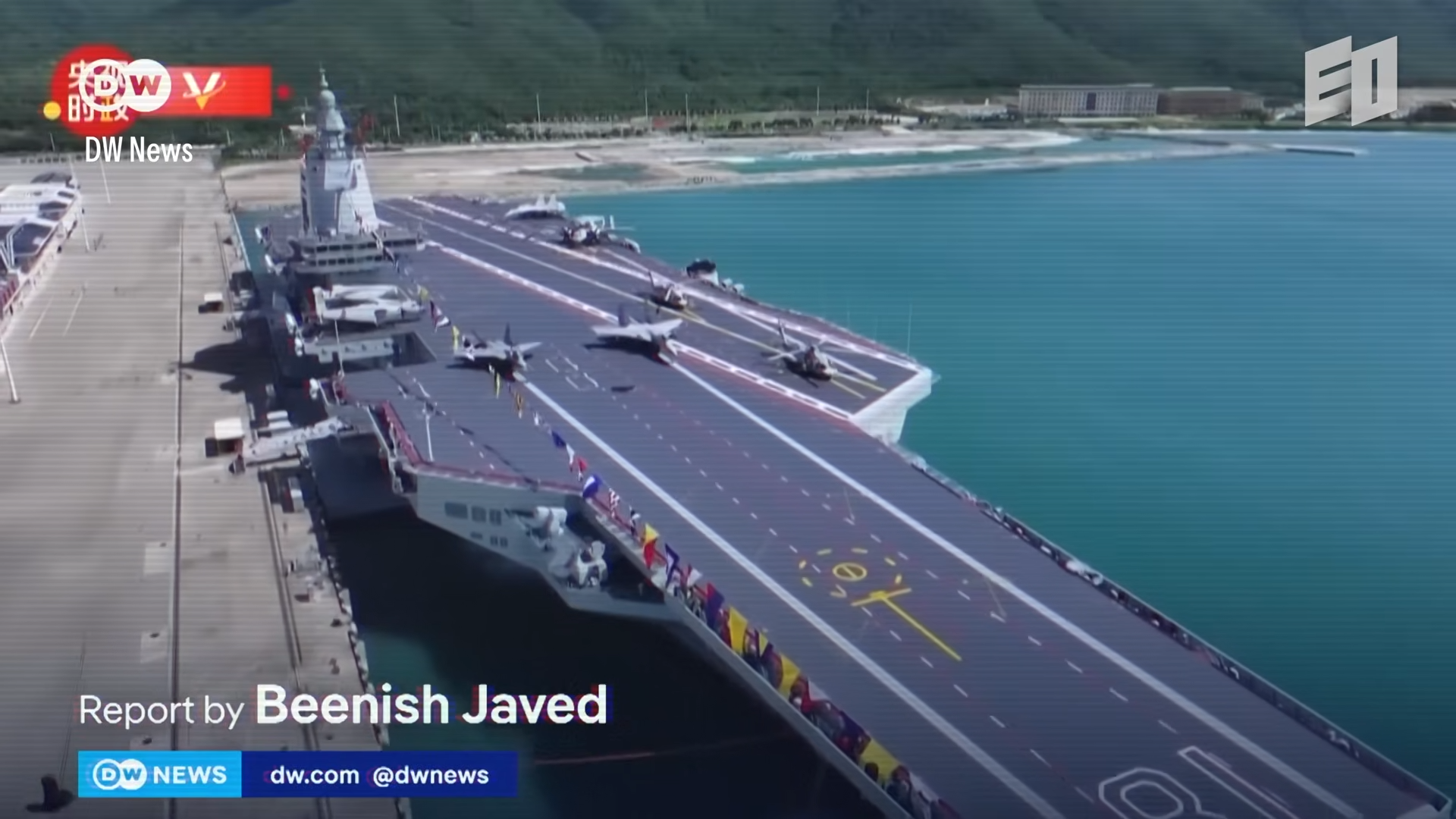
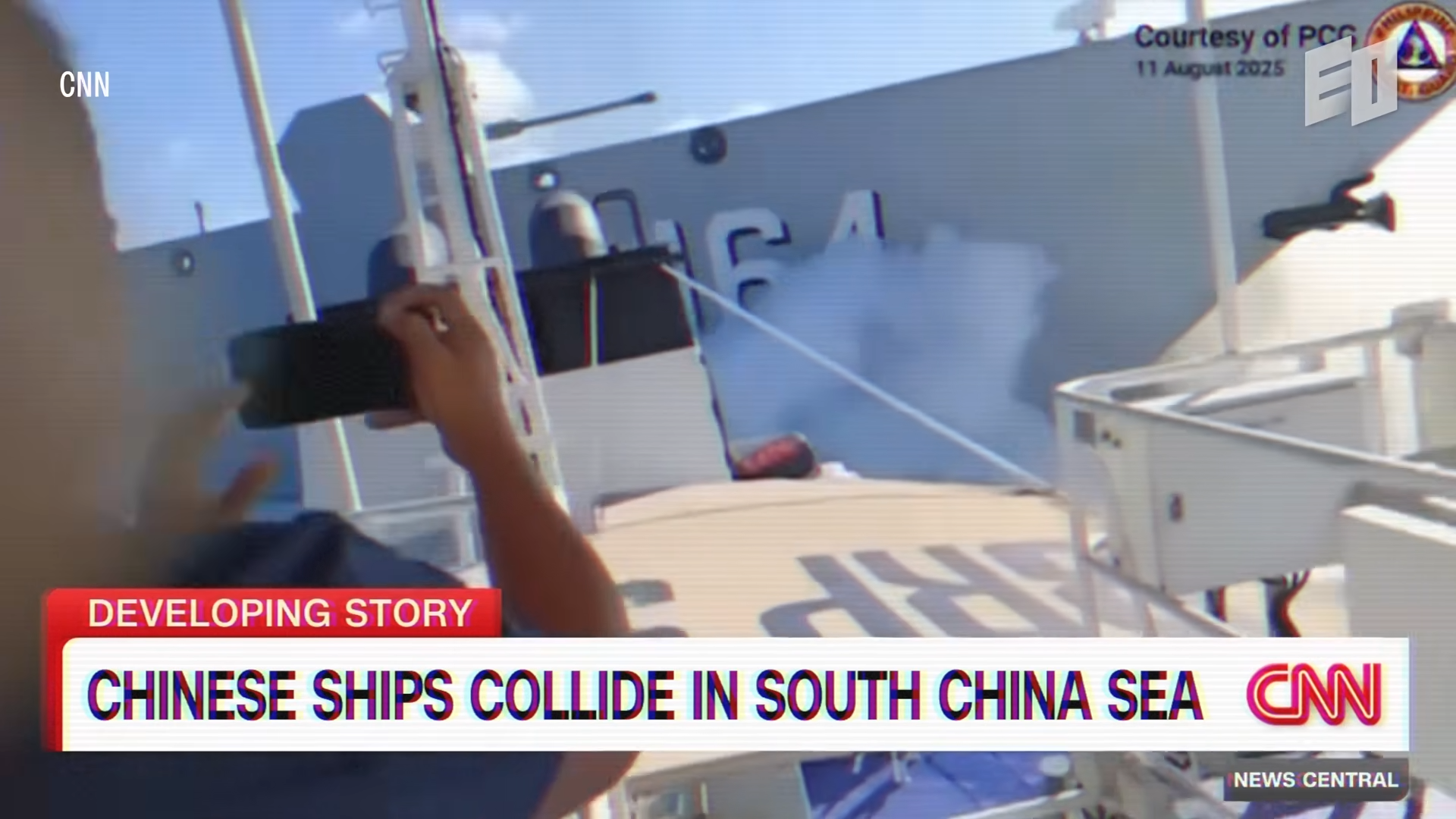
Rylan: The Navy that I was in 20 years ago, we had the world's most powerful Navy and there's really no pure competitor. But today, as we think across the world, China builds half of the world's ships.
"China possesses a shipbuilding capacity over 230 times that of the United States."Roger WickerThe U.S. Senator
Rylan: When it comes to just building raw tonnage that we can put in the Pacific, China is definitely a competitor in that space. So, we need to rethink the problem.
I definitely spend a lot of time trying to understand, is this market big enough? Is this market big enough that I can spend the next 10-plus years building a transformational company in this space?
Every week, I would have 10 to 20 different conversations with people. I learned about some of the delays that we have in some of the large shipbuilding programs. I learned about how big a pain point it is and how we're not going to overnight change our shipbuilding capacity in the United States.
We need to rethink the problem. We're not going to compete on shipbuilding, but we can compete on tech. The United States is really strong on autonomy and technology. And we can take that strength and then apply it to today's Navy.
Every week, I would have 10 to 20 different conversations with people. I learned about some of the delays that we have in some of the large shipbuilding programs. I learned about how big a pain point it is and how we're not going to overnight change our shipbuilding capacity in the United States.
We need to rethink the problem. We're not going to compete on shipbuilding, but we can compete on tech. The United States is really strong on autonomy and technology. And we can take that strength and then apply it to today's Navy.
Why did you decide to design entirely new ships rather than retrofitting existing vessels to be autonomous?
Rylan: We're not retrofitting existing vessels to make them autonomous. We're literally redesigning a ship from the keel up. Part of that reason is that my experience in the Navy was that today's naval ships and commercial ships have engineers who are on the ships that are standing watch every day, and they're maintaining and repairing the vessels.
So to take that commercial design or that naval design and try to make it unmanned for months at a time just won't work. There are too many single points of failures and we've got a lot of good feedback that you can't take a commercial design and do a retrofit for the missions that we're focused on.
So to take that commercial design or that naval design and try to make it unmanned for months at a time just won't work. There are too many single points of failures and we've got a lot of good feedback that you can't take a commercial design and do a retrofit for the missions that we're focused on.
At any early-stage startup, you need to be super focused on one customer with one product. But I don't think it's obvious to a lot of founders when they're starting something. Sometimes they see a cool technology, and they try to force-fit it or try to create a market. When we're thinking about the opportunities on the commercial market for autonomous ships and then on the defense market, the commercial market is super interesting, but there are still some regulatory hurdles and obstacles that need to be overcome.
But when you looked at the defense side, and we looked at some of the geopolitical threats that are happening in all the areas of the world, especially around the Pacific, we saw a critical need. We saw a customer with a willingness to pay, and we didn't see any of those regulatory obstacles that you have on the commercial side.
And we said, we believe in maritime autonomy. We want to accelerate it, but we're going to focus on the defense market. We've seen a ton of support from the Navy. We've even seen Congress allocate over $2 billion to what we're building. The lesson learned was that focus really matters at an early-stage company. Now that doesn't always scale, but I think when you're an early-stage company, you're not trying to figure out how to scale. You're trying to figure out how to solve a problem.
But when you looked at the defense side, and we looked at some of the geopolitical threats that are happening in all the areas of the world, especially around the Pacific, we saw a critical need. We saw a customer with a willingness to pay, and we didn't see any of those regulatory obstacles that you have on the commercial side.
And we said, we believe in maritime autonomy. We want to accelerate it, but we're going to focus on the defense market. We've seen a ton of support from the Navy. We've even seen Congress allocate over $2 billion to what we're building. The lesson learned was that focus really matters at an early-stage company. Now that doesn't always scale, but I think when you're an early-stage company, you're not trying to figure out how to scale. You're trying to figure out how to solve a problem.
The Waymo of the Open Ocean
You've talked about how being on a ship in the open ocean shapes your thinking. How do you apply that to building trust between teams at a startup?
Rylan: The other part about being on ships and in the open ocean is that it's a beautiful experience being out in the middle of the open ocean. You don't necessarily have control over everything. You just have a lot of respect for the ocean. If you're in a large storm or something like that, there's only so much you can do.
What you can do is you can rally around the people that surround you that are on the ship, and you're a team. When you show up to a job, and it's 9 to 5, you can go home at the end of the day. Well, when you're on a ship in the middle of the ocean, you don't go home at the end of the day; you're on the ship. And then they also remind you that it's a team effort and that it's not about you being successful in your job on a ship. It's about the whole ship being successful.
Those are some of the thrilling moments about being at a startup. If you have teams that don't trust each other, then the interfaces between the teams aren't necessarily healthy. And what'll happen is that every team will have contingency plans that are there and then, when you don't hit a date, they'll basically create a lot of conflict between the different teams. But if the teams trust each other, then you can remove a lot of that contingency between the different teams.
What's super important to me is integrity. Especially at a startup, there are a lot of things that could go well. There are a lot of things that could go wrong. And one thing I learned in the Navy is that bad news does not get better over time. And I want people to feel comfortable sharing good news and bad news, but it doesn't help to hoard a little bit of bad news internally and not tell other people, because it just doesn't help the startup. Transparency and being truthful definitely help a startup make the best decisions at the moment.
What you can do is you can rally around the people that surround you that are on the ship, and you're a team. When you show up to a job, and it's 9 to 5, you can go home at the end of the day. Well, when you're on a ship in the middle of the ocean, you don't go home at the end of the day; you're on the ship. And then they also remind you that it's a team effort and that it's not about you being successful in your job on a ship. It's about the whole ship being successful.
Those are some of the thrilling moments about being at a startup. If you have teams that don't trust each other, then the interfaces between the teams aren't necessarily healthy. And what'll happen is that every team will have contingency plans that are there and then, when you don't hit a date, they'll basically create a lot of conflict between the different teams. But if the teams trust each other, then you can remove a lot of that contingency between the different teams.
What's super important to me is integrity. Especially at a startup, there are a lot of things that could go well. There are a lot of things that could go wrong. And one thing I learned in the Navy is that bad news does not get better over time. And I want people to feel comfortable sharing good news and bad news, but it doesn't help to hoard a little bit of bad news internally and not tell other people, because it just doesn't help the startup. Transparency and being truthful definitely help a startup make the best decisions at the moment.
What's the long-term vision for Blue Water Autonomy?
Rylan: When you're a founder, and you're thinking about a plan, never does your plan go perfectly. In fact, there are a lot of times when the outcomes aren't what you expected. And that's the beauty about being a founder, is basically you're trying to get the best out of everyone because at the end of the day, you'll have so many resources, you have so many people, and your goal is to get the best out of your resources and your people and to produce the best outcome. It might not exactly be the plan, but just embrace that there are going to be some downsides, but there are also a lot of upsides, and things you moved a lot faster than you ever expected.
Today, we're in San Francisco, and when I think about what I want Blue Water to be by describing it to my family or friends and what the long-term vision is, I really want to be the Waymo for the open ocean. I think Waymo is this type of technology and this company where we're now coming to the fact that we accept getting into a car without people in it. We don't think about Waymo as a vehicle company, but more as a company creating these software-defined vehicles.
When I think about what I want Blue Water to be, I want Blue Water to basically create every ship that's out there, and for people to think about them as being software-defined. A lot of the dull jobs can be replaced by software. So it can actually maybe become one of the best jobs that's out there, where you're basically on a vessel doing different types of tasks, chores, or missions, and it's a beautiful experience just like being in a Waymo car.
Today, we're in San Francisco, and when I think about what I want Blue Water to be by describing it to my family or friends and what the long-term vision is, I really want to be the Waymo for the open ocean. I think Waymo is this type of technology and this company where we're now coming to the fact that we accept getting into a car without people in it. We don't think about Waymo as a vehicle company, but more as a company creating these software-defined vehicles.
When I think about what I want Blue Water to be, I want Blue Water to basically create every ship that's out there, and for people to think about them as being software-defined. A lot of the dull jobs can be replaced by software. So it can actually maybe become one of the best jobs that's out there, where you're basically on a vessel doing different types of tasks, chores, or missions, and it's a beautiful experience just like being in a Waymo car.
Explore more