
Aug 08, 2026
The FIRST Thing Every Founder Must Get Right
Interview with Ali Hussain, Tabs co-founder
Founder Focused
0:00 / 0:00
💡
At a Glance
- Who: Ali Hussain is the co-founder and CEO of Tabs. He previously served as COO at Latch(now rebranded to DOOR), where he scaled the team from under 10 to 500+ people and rode the company to a NASDAQ IPO.
- What: Tabs builds AI agents for finance and accounting teams, helping companies make complex revenue simple at scale.
- Traction: Founded in 2023, Tabs is now 150+ people, has raised a $55M Series B led by Lightspeed, and grew ARR 5x in a single year, with customers including Cursor and Statsig.
Ali Hussain scaled Latch from a team of less than 10 to over 500 people. At one point, 1 in 10 new apartments in America was going up with their smart locks. He rode that growth all the way to a NASDAQ IPO. Then he started over. In 2023, he founded Tabs, building AI agents for finance and accounting teams. Three years later, Tabs has 150+ people, a $55M Series B led by Lightspeed, and 5x ARR growth in a single year, with customers like Cursor and Statsig. His scaling playbook sounds backwards: in order to grow, you have to go slow before you can go fast. In this interview, Ali answers the 10 questions every founder should face before scaling.
7 Key Takeaways:
Why "Go Slow to Go Fast" Beats Rushing to Build
Before writing any code, Ali spent nearly six months talking to almost a thousand finance professionals to find the real root of the pain, then spent just as much effort figuring out exactly who his first customers should be. Skipping either step to move faster only slows a company down later.
The Most Boring Problems Often Attract the Least Competition and the Most Spend
His first investor called Tabs' focus on finance and accounting the most boring problem he could pick. Watching Zip, Ramp, and Coupa turn vendor management into a wave of unicorns convinced Ali that overlooked categories often hide the biggest opportunities.
Why Your First 10 Hires Should Look Nothing Like You
Ali's litmus test for early hires is that they should not think, behave, or work the way he does. Combined with getting that founding team in one physical place, this diversity of skill set is what actually compounds a startup's early velocity.
The Two Traits That Separate Future Leaders From Everyone Else
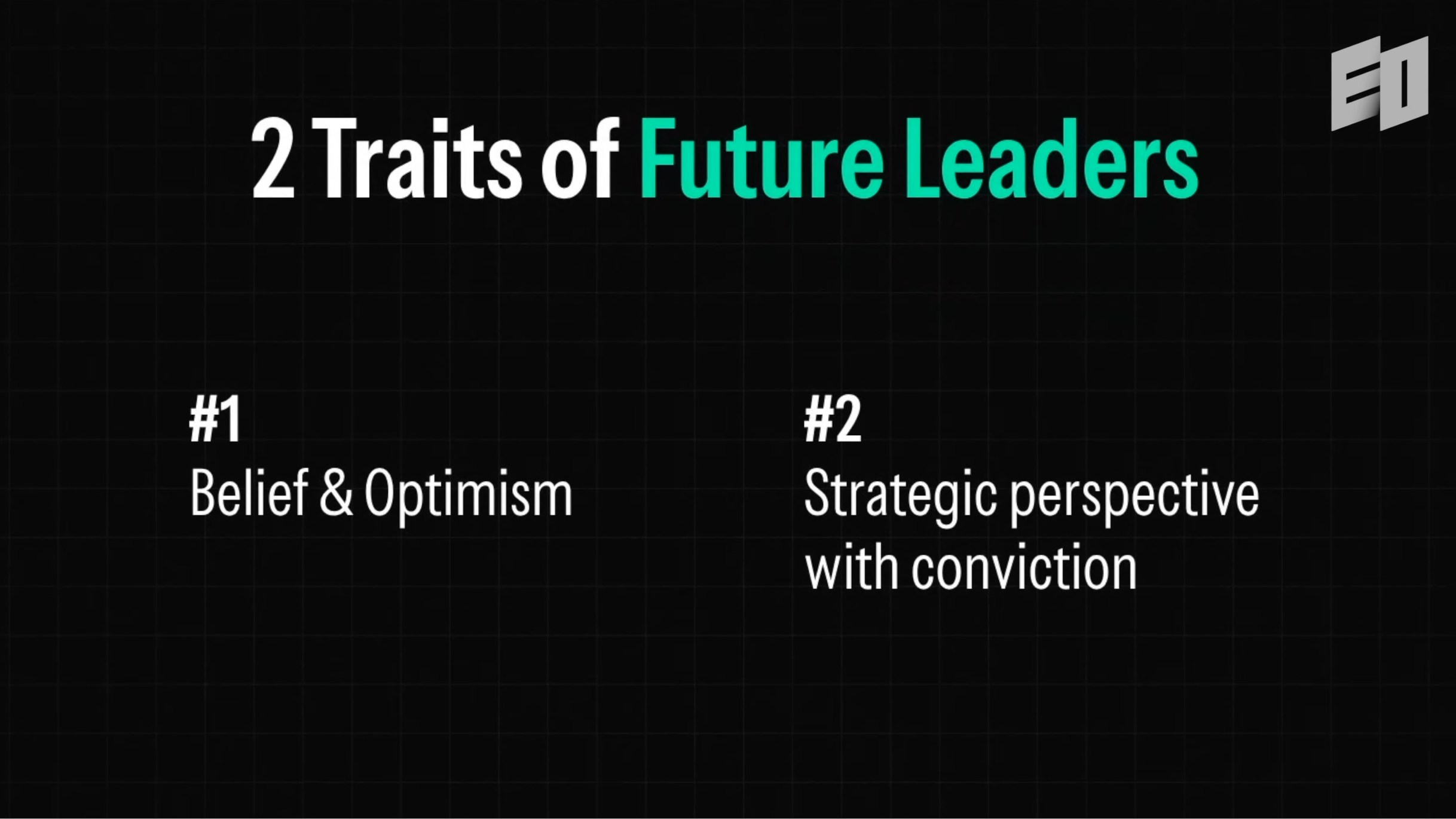
Ali looks for two things before investing in someone: unshakeable belief and optimism, and the willingness to bring a strong, even risky, strategic opinion to leadership. Conviction, even when someone turns out to be wrong, is what actually moves a company forward.
How Tabs Scales What Only the Founders Know
Because documentation can never keep pace with a fast-growing startup, Ali relies on direct mentorship, teaching new hires by showing them himself or through his co-founders. The best trainers at Tabs today are people who learned the business that way and are now cascading that knowledge to others.
Why Long-Term Planning Can Be a Competitive Disadvantage
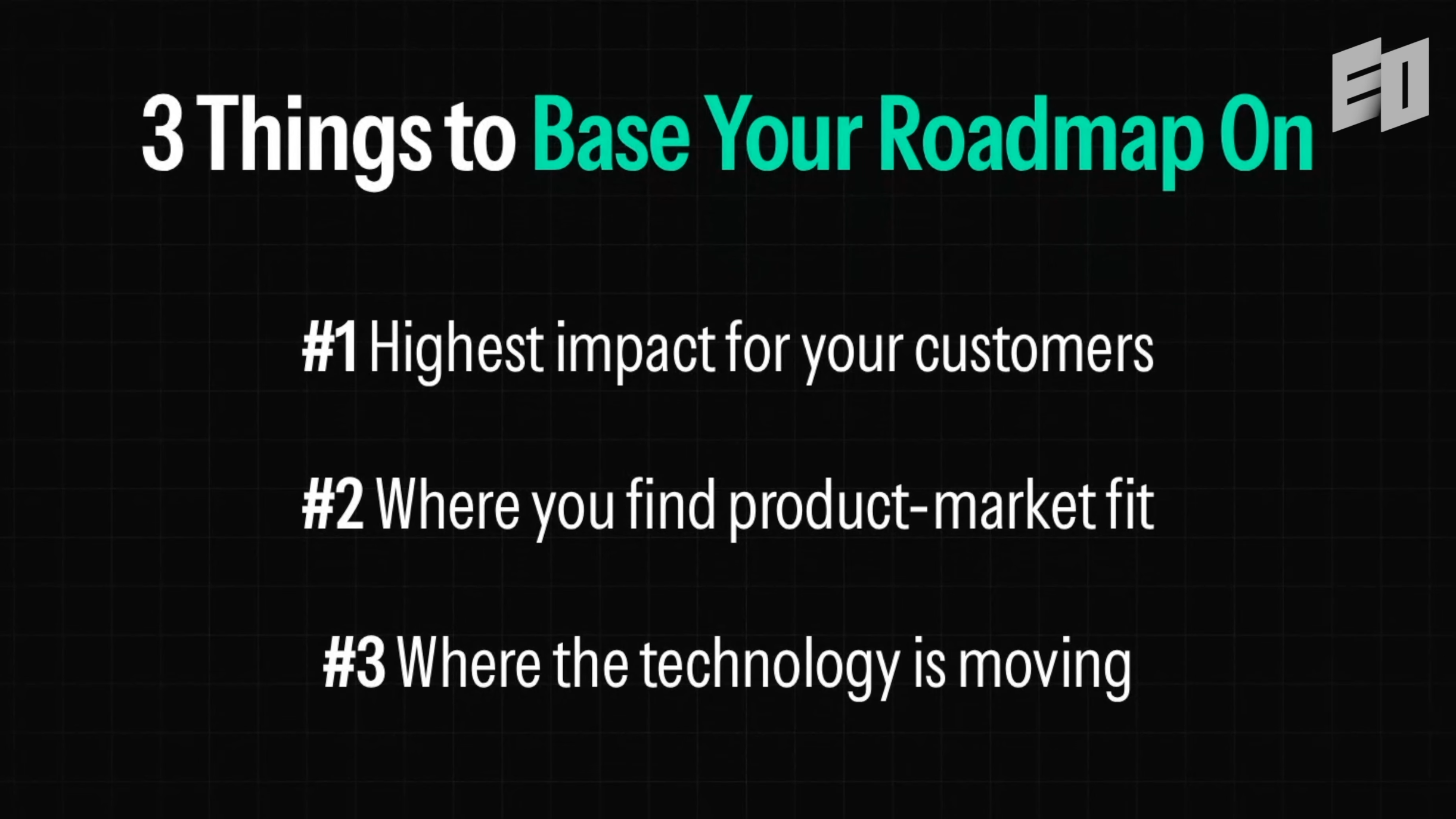
Ali resists the instinct to plan 12 months out once a company scales, because locking in a long-term roadmap ignores how fast customer needs and technology shift. He builds Tabs' roadmap around three things instead: customer impact, product-market fit, and where the technology is moving.
How AI Is Reshaping Every Function at Tabs, Not Just Engineering
Tabs now has AI mandates across every team, letting people in post-sales, marketing, and support build and automate work that once required an engineer. Ali says the real skill going forward is having enough clarity on what makes your company defensible against tools like Claude, not just adopting AI everywhere.
Watch the full interview now on EO's YouTube channel! Below is the complete transcription of the interview. Minor edits have been made for clarity and readability.
Introducing Ali Hussain, Co-founder and CEO of Tabs
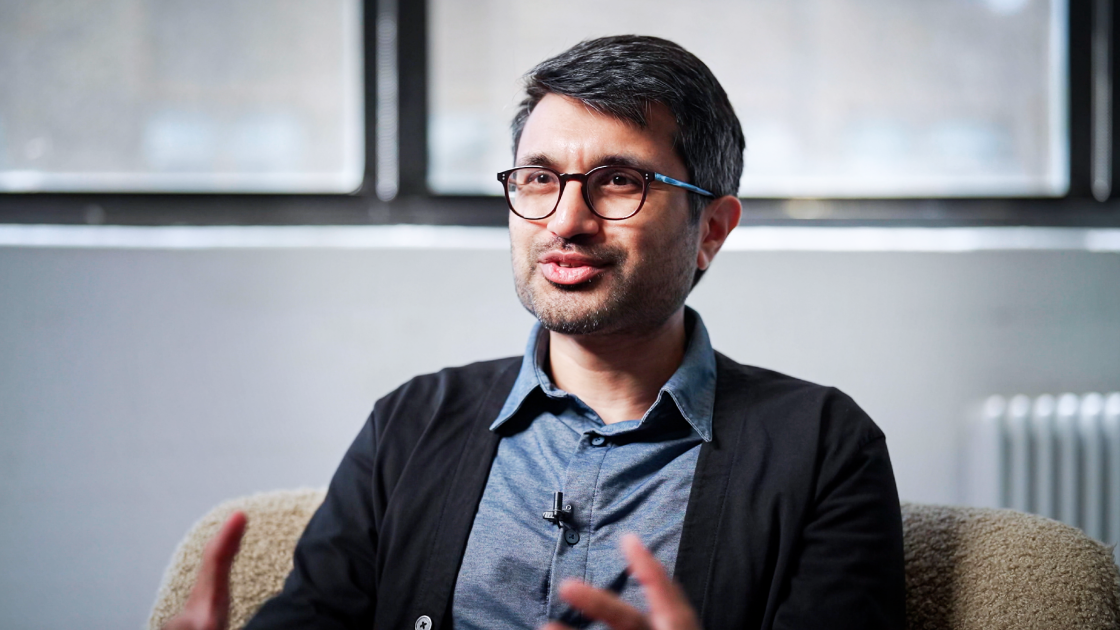
My name is Ali Hussein and I am the co-founder and CEO of Tabs. Tabs is building AI and agents for finance and accounting. The core problem we help our partners solve is helping make their complex revenue more simple at scale.
One of the things I was really fortunate about at Latch is I got to be the COO. We grew over 500 people with fast growth, and at one point we were one in 10 new apartments going up with our products. I think anytime the team starts to scale beyond 30 to 50, and us today at 150-plus people, you're starting to be in meetings where you're not seeing those people for even a month at a time. That inflection point, it becomes a different beast.
Chapter 1: Go Slow Before You Can Go Fast
Q: How did you learn to scale?
When I joined Latch, it was a hungry and young team. We were less than 10 people. For many of us, it was our first time out of college being in a startup. There was just a level of aptitude but also slope that allowed us to do unreasonable things, to be able to build and scale very fast, because it was all driven by belief.
I think the part where we realized this is really working is there's a moment where we had opened up a new warehouse. I remember walking it and just seeing not 20 locks out there, but thousands of locks, tens of thousands, ready to ship. In realizing that the operation had grown, in which tens of thousands of users were going to get to experience this product throughout the country, knowing that those users would get to experience this product was like a turning point in that experience.
Q: What was the hardest part of scaling?
I think the things that often have kept me up at night, in an area where I believe is incredibly important, is what happens in the middle. How are we actually going to deploy this product? How are we going to implement it? I think a lot of my experiences from Latch, which is a very complex product deployment in apartment buildings where thousands of families lived, really forced me to try to build that muscle early in my career.
I remember one of our really high-profile buildings, with one of our biggest customers, had 500 residents, and the locks stopped working at 11:00 p.m. People were locked out, and getting calls from the property manager that you're not getting access into the building can be incredibly high stress. Those are just the types of things you deal with when you deal with mission-critical workflows that are not nice-to-haves. Learning that muscle is something that's resonated with me throughout my career.
Q: How do you get ahead of the hard part?
One of the playbooks from Latch that was very important, but also something I reflected on a lot before I started the next company, Tabs, was: in order to grow, sometimes you have to go slow before you can go fast. There's a few things in place that if you can get the right pieces together, though very painful, it will make everything subsequently a lot faster.
Number one is just understanding the problem statement and the space you want to go after. I've always been very first-principles in how I think, trying to understand root problems and empathy on what the core challenge is. A lot of that resulted in how we started Tabs, which was not writing software and trying to solve right away. It was going back and spending almost six months talking to hundreds, if not close to a thousand, finance professionals, understanding where the most pain was today, which ultimately ties to a lot of how I think and was the backbone of how we started Tabs.
I think one of the things is, often when people think a problem is the most boring, there's the least investment already in it, but it's often the area that the most spend goes into. I remember my first investor said, "Oh, you're going after the most boring problem. Why would you want to do that?" Part of it is because I faced that problem, and that ultimately drives you to want to build something much better.

I saw the success of other companies around vendor management in finance with companies like Zip, Ramp, and Coupa, how advanced some of that other tooling had become, and how generally left behind finance and accounting technology had become. So overnight we saw dozens of unicorns get formed. I realized this is not that boring of a problem or that small of a business opportunity, which allowed us to go after the revenue opportunity here at Tabs.
The second thing I would highly encourage people to think about, beyond just starting to build, is the pattern matching around who your initial customer profile will be. Understanding who you're actually selling to and why is just as important as the product you're building, because you may realize that it's a really tough customer. There's only a very narrow set of people who are willing to buy. I put a lot of effort into really trying to understand, for any founder I talk to, how much ICP work they've done, because though we moved slowly and made some mistakes, it has allowed us to unlock the market we sell into much faster in the early stages.
Just savor the moment. The early days are often some of the most fun, and I think there's often this view that, "Will I ever get there? Will the company ever get to a million in revenue? Will it scale to a certain level of brand presence where you're on the subway or finance folks know about you in every community?" That moment, if you do the right things, comes a lot faster than you realize.
It's been incredible to be a part of this journey so quickly with some amazing human beings. I think if I could have looked back, I would have just savored that early moment, because it's really special, and a lot in your day-to-day changes when you become a large company, where you have to further functionalize the organization, the governance, etc. So, savor the early moment. It's a lot of fun.
Chapter 2: Hire What You're Missing
Q: How do you build a team that scales?
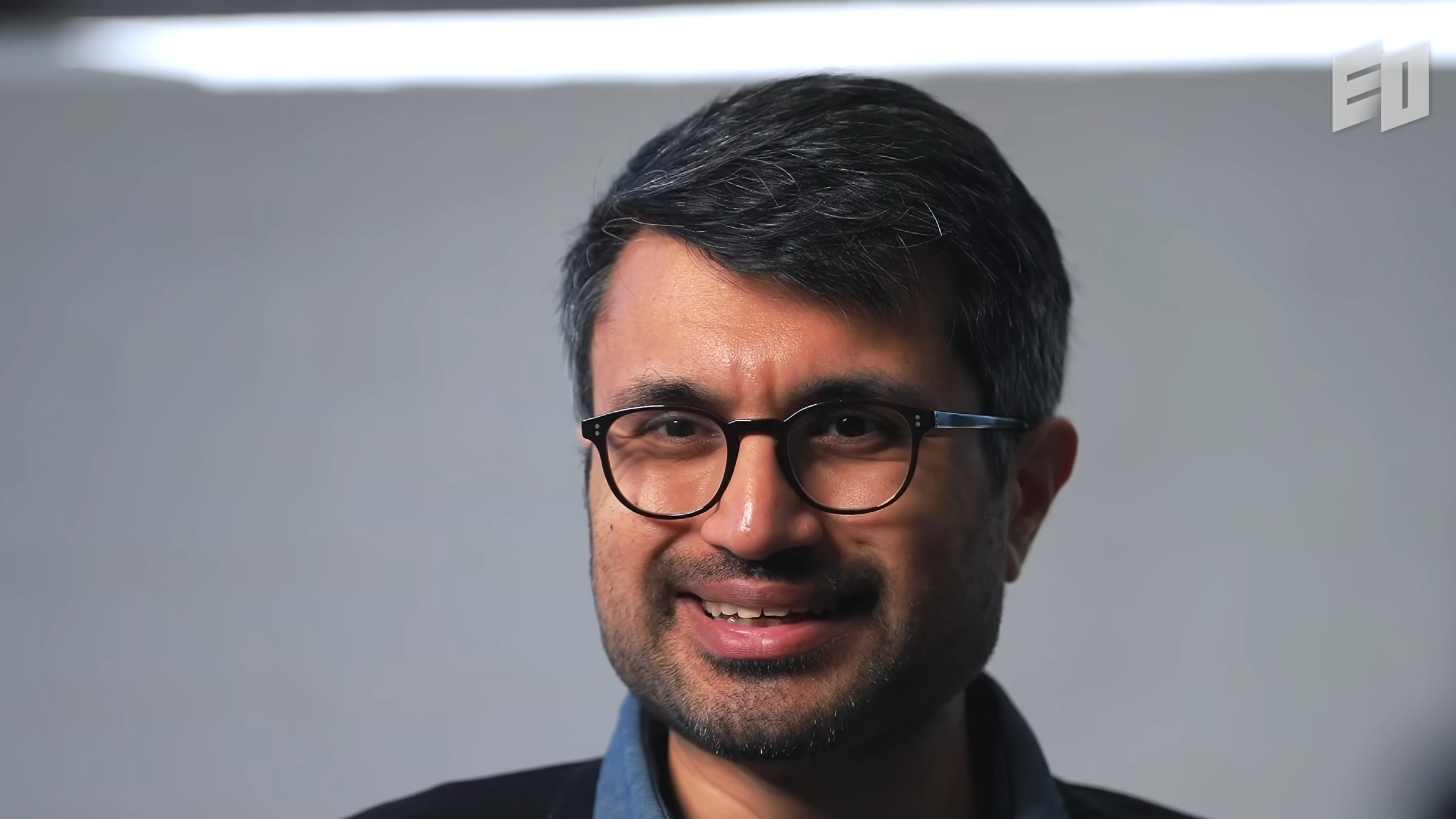
I think it is really important, whether it's just your co-founder or your founding team, getting the right pieces of the puzzle together. One, building a startup is incredibly lonely. But also, when you are early, what you don't realize is how much you compound the velocity of the people who join, if they're part of that very early journey. That's incredibly helpful. I think for the first 10 employees, you need to augment skill sets and diversity that you as the founder don't have.
It's incredibly important, if you're technical, to find someone who is very sales-oriented or very operational. So the number one litmus test is: if I'm hiring my first 8 to 10 employees, they should certainly not look like me, behave like me. Diversity of thought and skill set is incredibly important. I think those mixtures together can pull together a really good founding team.
The last thing, and I've been very vocal about this from the beginning, is that the place and space you build together is going to set the trajectory of the company. Though it may be easy to hire people remotely or in different cities or markets, getting that initial 10 people together, whether that's in New York or SF, is incredibly important. I cannot encourage that enough when you start a company.
Q: How do you grow leaders as your team scales?
One of the ways you can really understand if someone will make a good manager, even if they haven't managed people at the company, is: we'll bet on people. We may not give them 100% managerial responsibility out of the gate, but we'll make them pod leads. We'll let them get set up for success in that environment, and if they can crush it over some period, whether it's three months or six, we'll bet the farm behind them. To me, I will always bet on someone internal to take on roles in leadership rather than always necessarily going outside to hire, because people internally understand the product the best, the culture, the processes.
The types of people who can succeed in a startup environment obviously come in, at baseline, with incredible work ethic and the acumen to evolve and continue to uplevel their skill set, whether they have it from the day they start or as they go through the journey. I think the two things that further separate the leaders who succeed from the ones who don't: one is just belief and optimism. If you want to grow and go from being an IC to one day running an ops function or a sales function, you just have to have both belief in yourself and belief in the company. That's incredibly contagious.
The last thing is some type of strategic perspective that could change the course of the entire company. If you come in and believe that the CEO or the founders have all the answers, and you just sit waiting to be told what success looks like, it's incredibly hard to shine. But if you come in with strong perspectives and bring that to me or someone else in leadership, and say, "I believe we should change this about our implementation approach," or this way of thinking about the product in the market. Even if you're wrong, that conviction and that amplification is incredibly powerful. Those types of thinkers are incredibly priceless to me. They're what's going to drive the direction of the company over the next two to five years, and I will always look to keep them here as long as possible, ideally in a place of leadership or deeper strategic thinking within the business.
Chapter 3: Scale Founder's Know-how into a System
Q: How does your role change as you scale?
Being a CEO means you get to go very wide and look at a bunch of different parts of the business. In the early days, you're doing all of it. You're selling, but you're also handling customer support tickets, success, operations, even marketing. In some ways, you have your hands in all of them.
There becomes a phase later where you're still deeply involved in some of those functions, but you start to hire or work with people who are specialized in their domain. In the later phase, the role just changes a little bit. Particularly, in some ways, when you hire amazing people, you almost shrink your role and go back full cycle. That's not a bad thing. If you're able to bring on amazing people, you tend to almost become redundant over the phases of the business.
Q: How do you scale what only the founders know?
The reality is, in the early days, trying to build and translate knowledge is a very hard thing in a startup, because everyone is running around reactively, and the ability to document everything and have the perfect kind of onboarding and enablement is just really hard. Even us today, at 150-plus people, are we perfect at it? Absolutely not. It's one of the hardest muscles to build.
I believe a lot in direct mentorship and teaching while showing. One of the things I've always been comfortable with is hiring really good people. Sometimes they may not have the perfect domain knowledge, but in the early days, making sure they're getting that tutelage via me or my founding team, and knowing that if they can run that muscle through learning from us, they can become the right way to cascade that.
Some of our best mentors and teachers at the company learned through me or through one of my co-founders. Through that, they've been able to cascade that domain knowledge, and they're the best trainers and stewards of enablement within the company.
Q: How do you keep driving impact as the team grows?
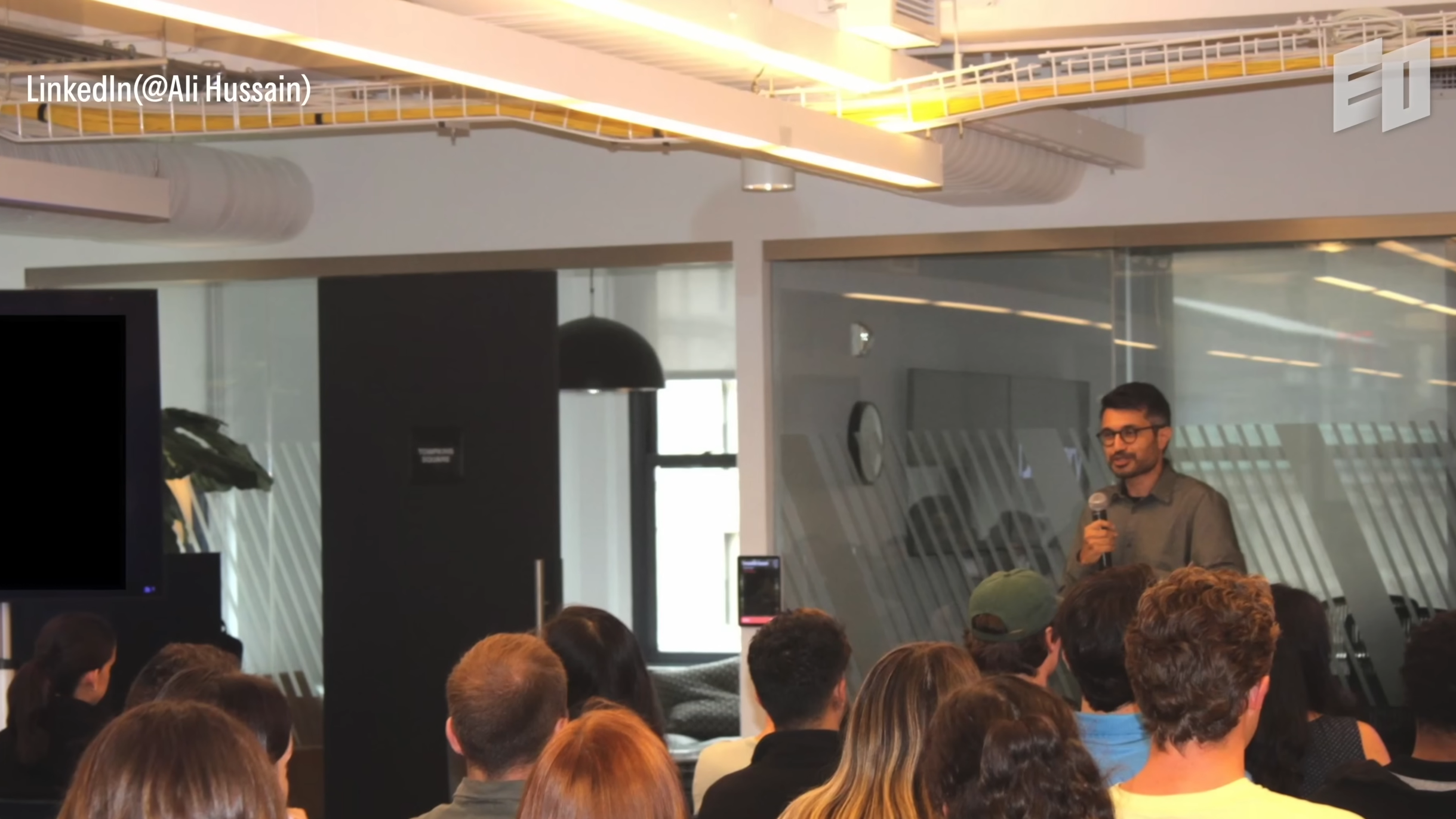
From an operating principle standpoint, I'm very data-driven. Each team has KPIs that are very important. Every team has two or three metrics that are must-focus and must have a path to. I also think as companies grow, they have more risk of getting distracted by way too many things, so it's really important for me to lay down where I need each of my teams to be hyper-prioritized.
One of the things I often do, if not monthly, certainly quarterly, is talk to each of my reports and do a sense check of where they're spending their time, ensuring that aligns with what I believe is the most impactful thing they can do for the company.
What I spend less of my time on is the what and the how, meaning the strategy to get there. If we need to hit a certain metric, I'm not in the weeds trying to figure out exactly where marketing spends their dollars to get to pipeline, or which specific features in payments or billing my product team is working on. I defer that to people who are smarter on it, more on the ground, and have the domain knowledge that I just don't have in every part of the business. You have to work with people who are far more intelligent and have the knowledge to execute on that strategy.
On the other hand, when it comes to strategy or setting direction, the leader must be decisive and consistent. They can't reinvent the wheel every couple of weeks. They can't be stalled by decision fatigue. They must drive clear mandates and then rally the org behind that.
Q: What's the most common scaling mistake?
I think, often when you scale, you want to get more into long-term planning, and there becomes this belief that, "Hey, I've scaled, I need to be thinking 12 months out." For a fast-growing company, that's just really hard. At the end of the day, your roadmap and what you build has to be a culmination of what's the highest impact for your customers, where you're finding product-market fit, and also where the technology is moving.
Thinking long-term can often be a great disadvantage, strategically and competitively. I've become a lot more comfortable embracing the uncertainty in the longer term, while making sure all my calories go into being incredibly flexible and focused on driving the most impact for our customers in the short term.
Q: How is AI changing the way you scale?
AI is going to require and change the way we build, the way we sell, the way we operate companies, and we have pretty significant AI mandates across every function. It's allowing each team to build in ways they otherwise may have relied on engineering for, or have access to things they can build and democratize that they may not otherwise have had the skill set to do.
For example, most of our post-sales team has the ability to connect into our product and build on top of it to drive value for our merchants, or make parts of their job more efficient than they otherwise would be able to. I've been amazed by people in marketing or support. It's provided a democratization of tools where they can get access to automation or tooling. These are just some of the examples, and it's not even about hardware or software. It's the different functions that have been able to do a lot more, or move faster, with AI access at their fingertips.
In today's world, having the right clarity of mind about what differentiates you versus things that can be built more easily with just AI tooling like Claude, and having a strong perspective on what makes you inevitable and defensible, is incredibly important.
So go touch the metal, go build hard things, and don't shy away from that. I think if you do that with a ton of conviction, you'll be incredibly successful.
Explore more