
Jun 22, 2026
Lightyear Residency: 30 Days. Zero Distractions. No Excuses.
A look inside the first ever Lightyear batch demoday
Behind The Scenes
0:00 / 0:00
A Month at Lightyear Residency
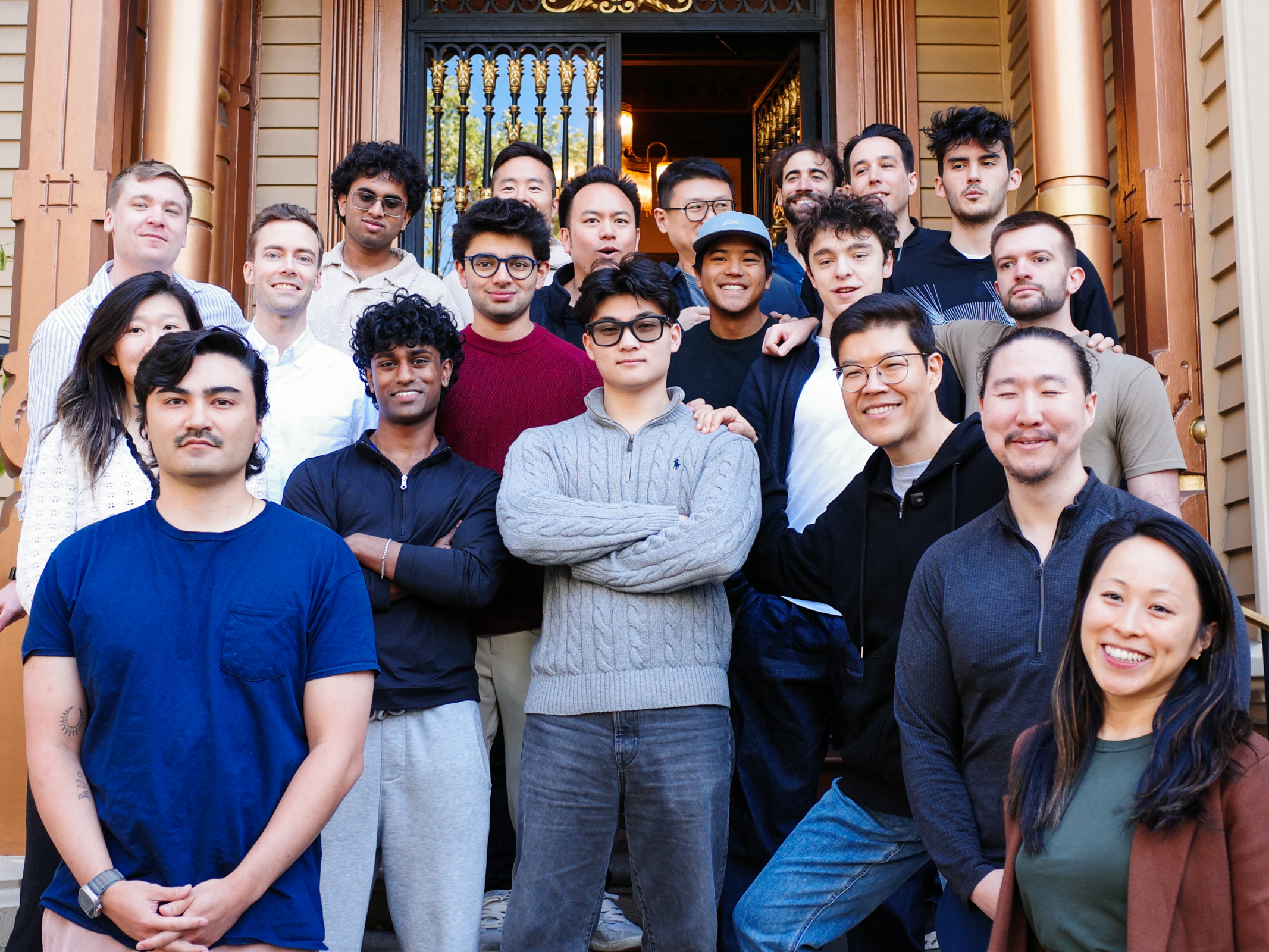
"It's probably the only program that brings you to a retreat in the Berkeley Hills. Like, it's kind of like a monastery. It's very quiet."Lucas MirandaFounder, Reflex
This past spring, a group of 20 founders found themselves together. Among them is a 24-year-old Indian building AI tools for Hollywood, a Canadian building the API layer for physical AI, and a 52-year-old Korean building humanoid robots. They are all part of the first-ever cohort of the Lightyear residency. They had just spent a month together rewiring their brains and locking in to ship their products at the speed of light.
Lightyear was incubated by HF0, the hyper-selective San Francisco accelerator. The one-month residency is built around a single thesis: a year's worth of work in one month. The program had been running in stealth for approximately a year. Winter 26 was its first public batch.
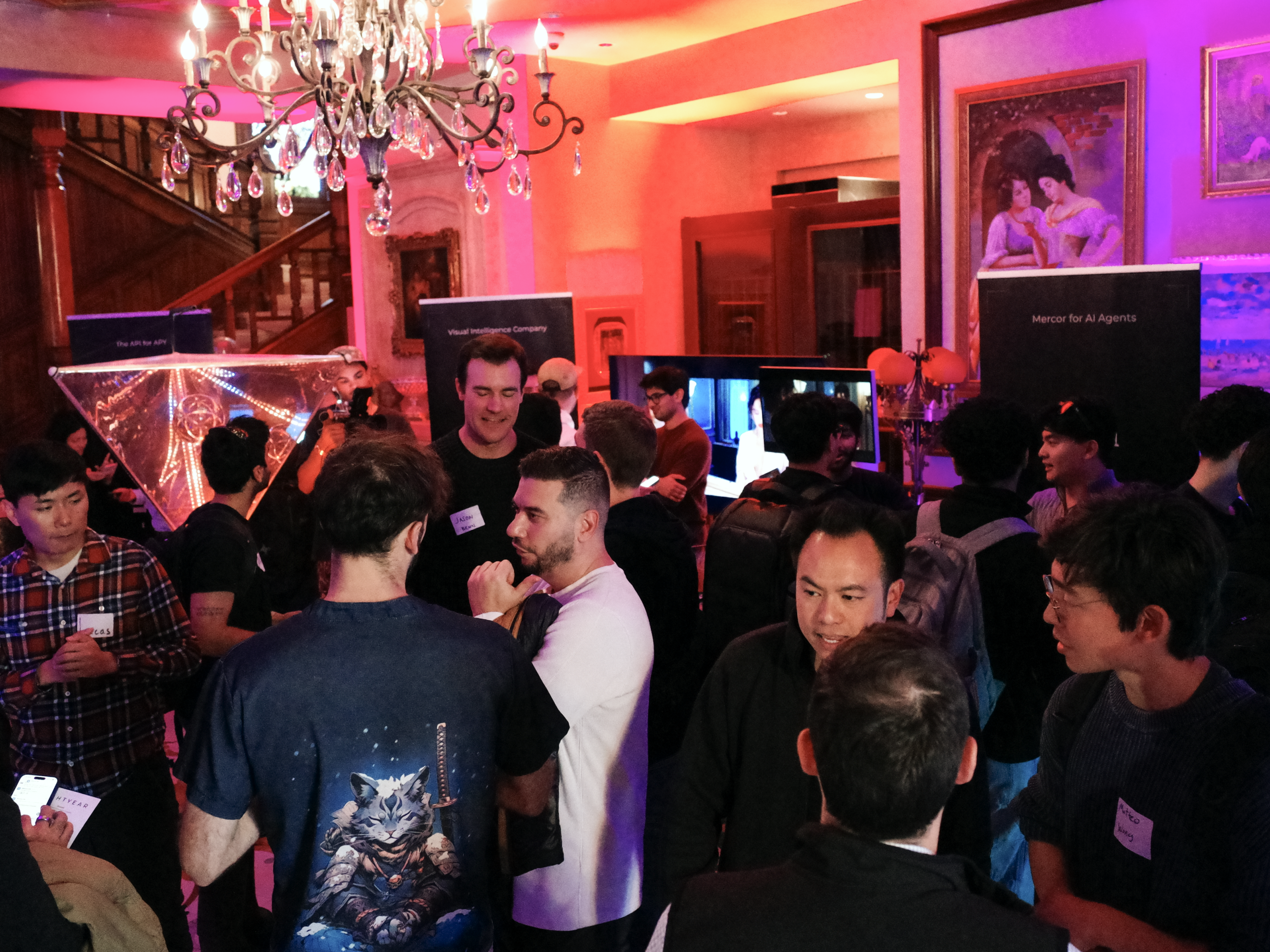
Last April, inside a classic Queen Anne style mansion in San Francisco, investors and GPs gathered for the Lightyear Winter 26 Demo Day. The room was pure 19th century, with dark-wood carved staircases and a crystal chandelier, but with humanoid and AI demos giving the century-old room a jolt of the future.
Cold Plunges, No Sugar, a Chef, and One Month to Build
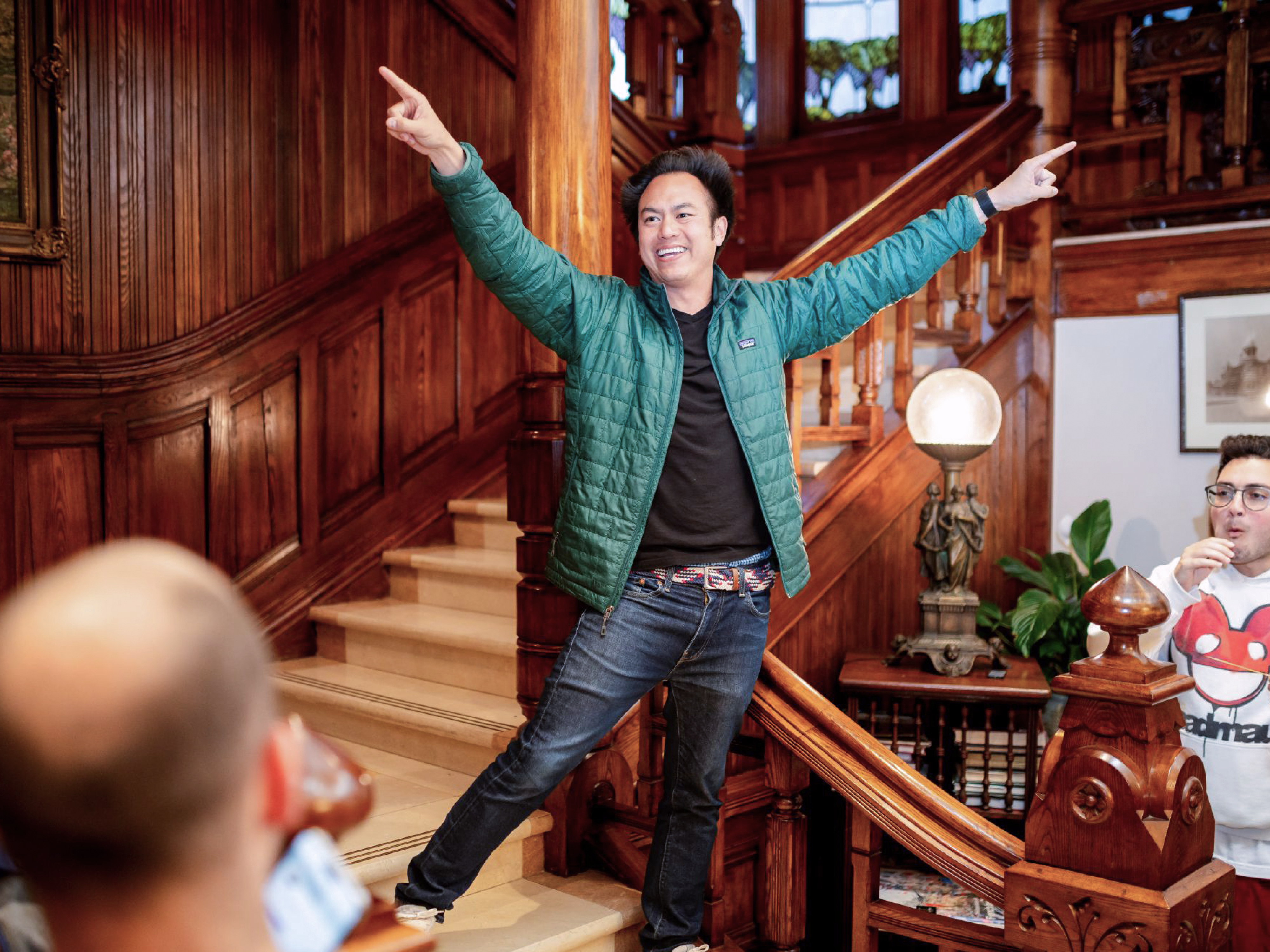
"The best startup program started in 2005. It's a three-month program. 21 years later, the best startup programs are still three months."Don HoFounder, Lightyear
Don is a founder and veteran investor who has been watching accelerators run the same playbook for two decades. Lightyear was his answer to that.
The program is designed down to the body. A cold plunge to refresh their minds. A personal trainer to manage the physical program. Sugar intake is tracked. Every founder is given a WHOOP to monitor sleep, strain, and recovery. They even have a private chef running the kitchen. Every minute at the Lightyear residency is accounted for: focused and stripped of everything that isn't the work.
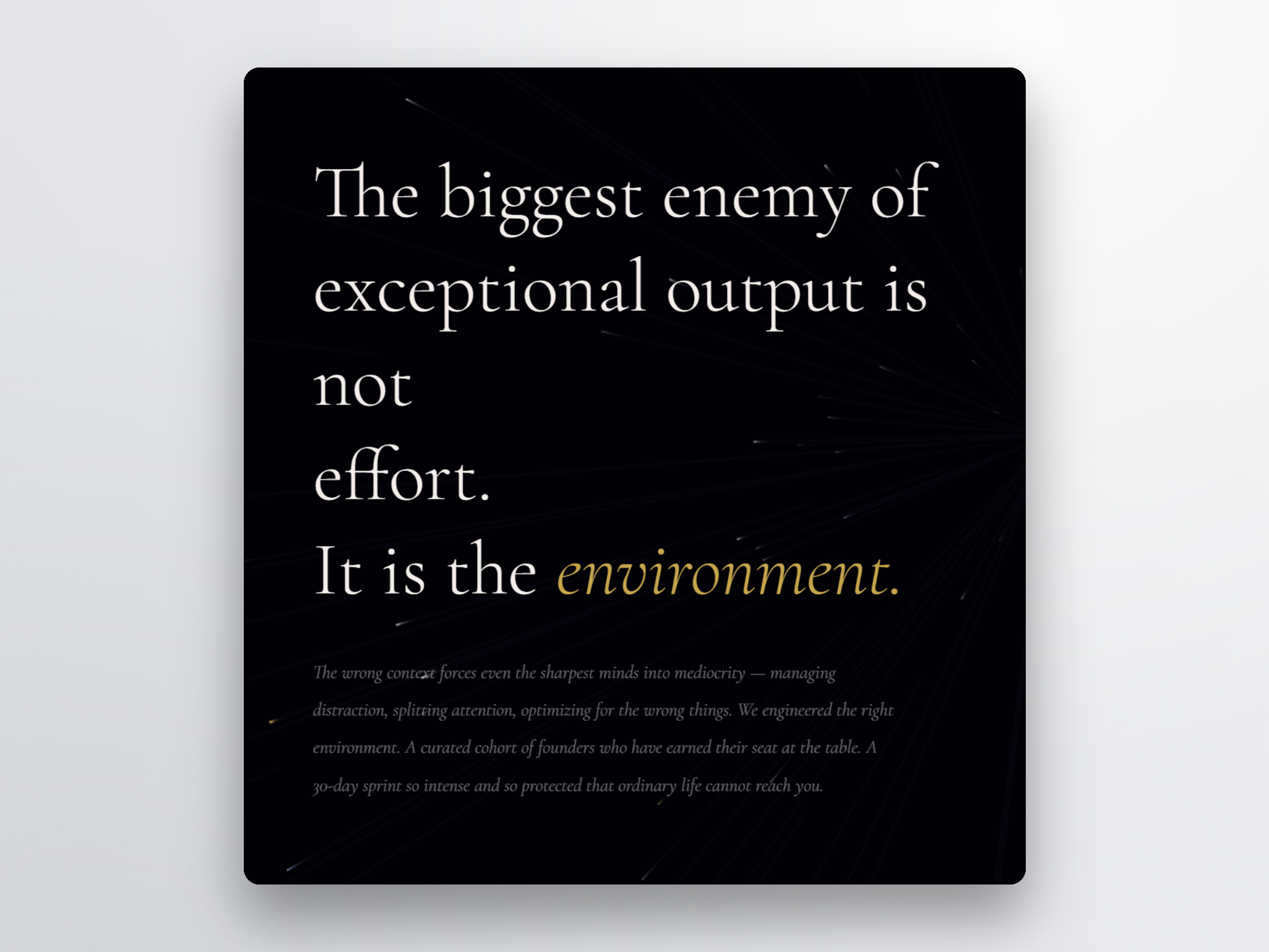
Lightyear is built on the belief that the bottleneck in company building has never been time, but rather the environment. Don put it plainly: "AI compute inference is doubling every month. If you don't double your progress every month, AI will win." Lightyear believes that if you put a founder in the right container, with accountability, conviction, and zero distraction, they can compress years of progress into weeks.
"We had $5 million in annual contracts. We were already in a pretty good position. We joined Lightyear, and we went from $5 million to $15 million. That's what it did to us."Rudresh UpadhyayaCEO, VINC
"We have a personal trainer and even a chef. They track our sleep schedule and track our sugar intake. We only eat healthy. It's all about the container. And we have a very good container."Lucas MirandaFounder, Reflex
Container. That's the program language. You prepare a good container. You open one, get inside, close it, and don't leave until it's done.
Lightyear Winter 2026 Batch
Here are some teams I was able to see pitching on the demoday:
Prophetic
- Founder: Wesley Louis Berry
- Industry: Consumer Neurotechnology
- Website: prophetic.com
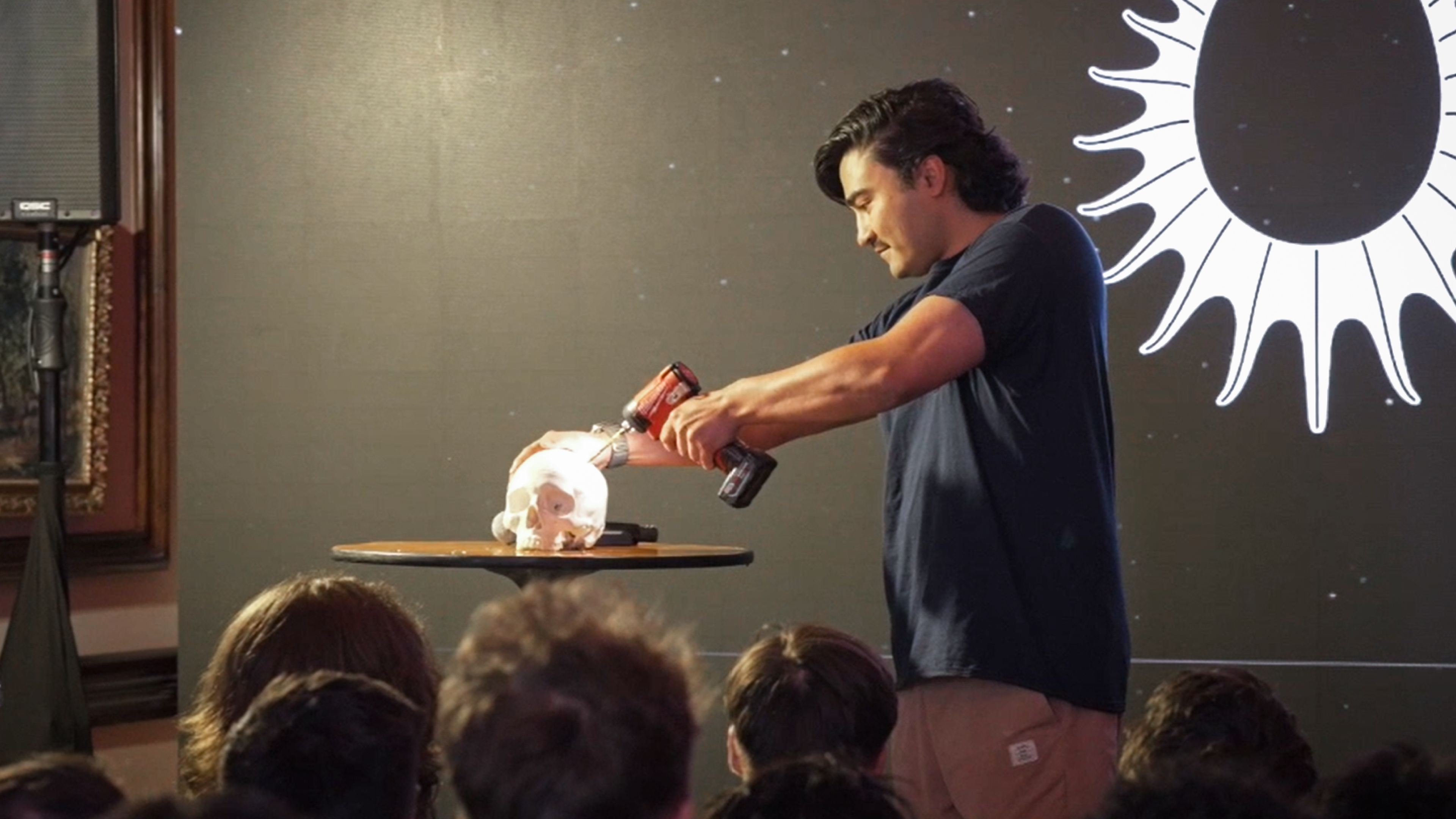
Wesley started his pitch by drilling a hole into a skull model. Prophetic builds wearable headbands that use ultrasonic stimulation to induce lucid dreaming, targeting the prefrontal cortex to enhance dream recall and user control during sleep. Founded in January 2023, the company's first batch sold out. With zero marketing spend, they have $4.5 million in booked revenue.
Reflex
- Founder: Lucas Miranda
- Industry: Industrial Robotics, AI
- Website: reflexrobotics.com
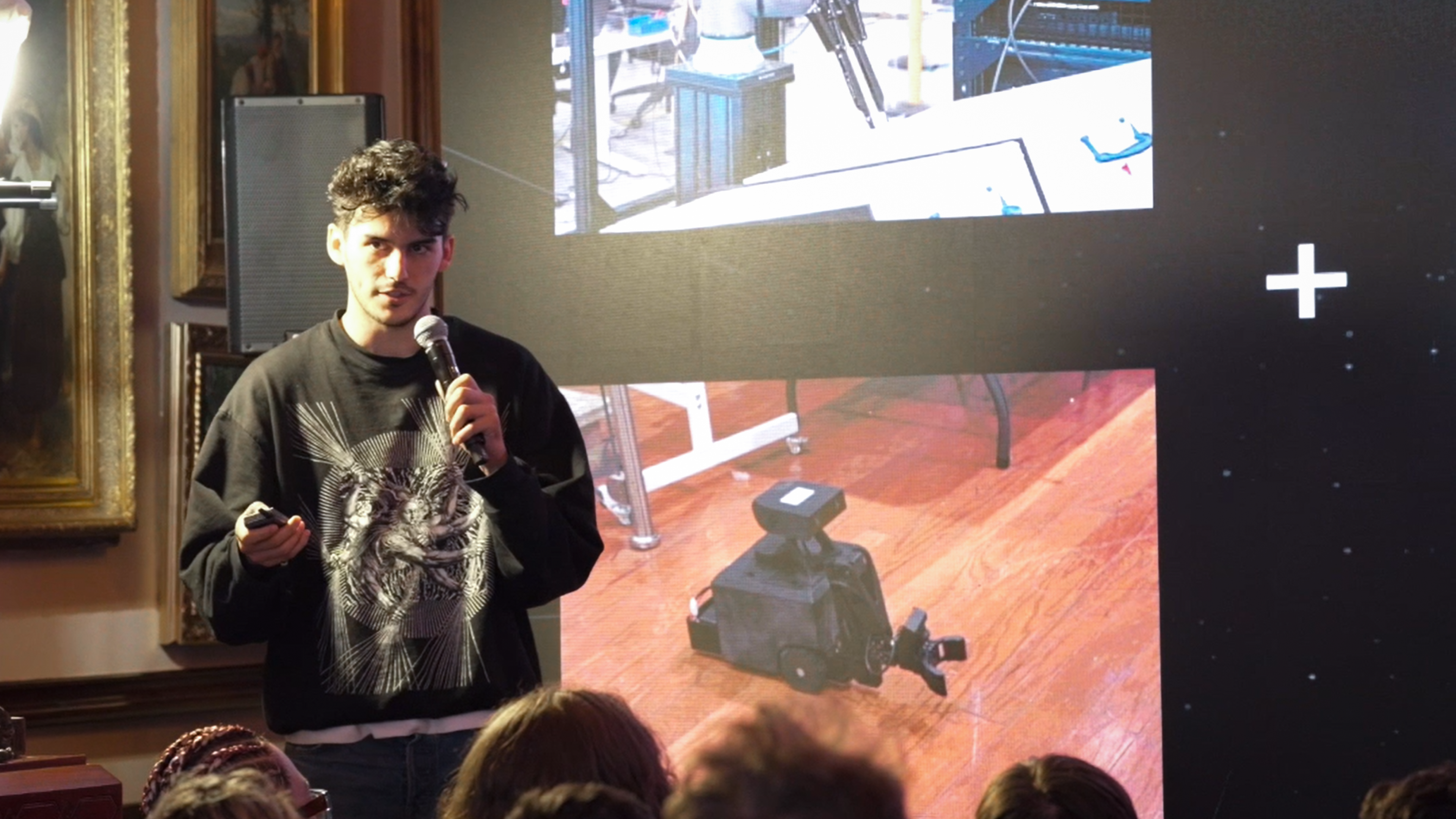
Reflex builds an API for Physical AI, giving robots real-time access to datacenter-scale AI models. Lucas quit his quant job and also his research position at Stanford to participate in 15 different hackathons. He moved among multiple hacker houses, even being homeless for a while, before founding Reflex. The team currently partners with companies like Nvidia and Boston Robotics. They went from zero to $700K MRR in a single month and currently have $60 million in the pipeline. Lucas's co-founder, who is also a climber, is planning to put a robot on top of Mt. Everest to promote Reflex.
Ground
- Founder: Reid Cuming
- Industry: Fintech, Crypto Infrastructure
- Website: groundtech.co
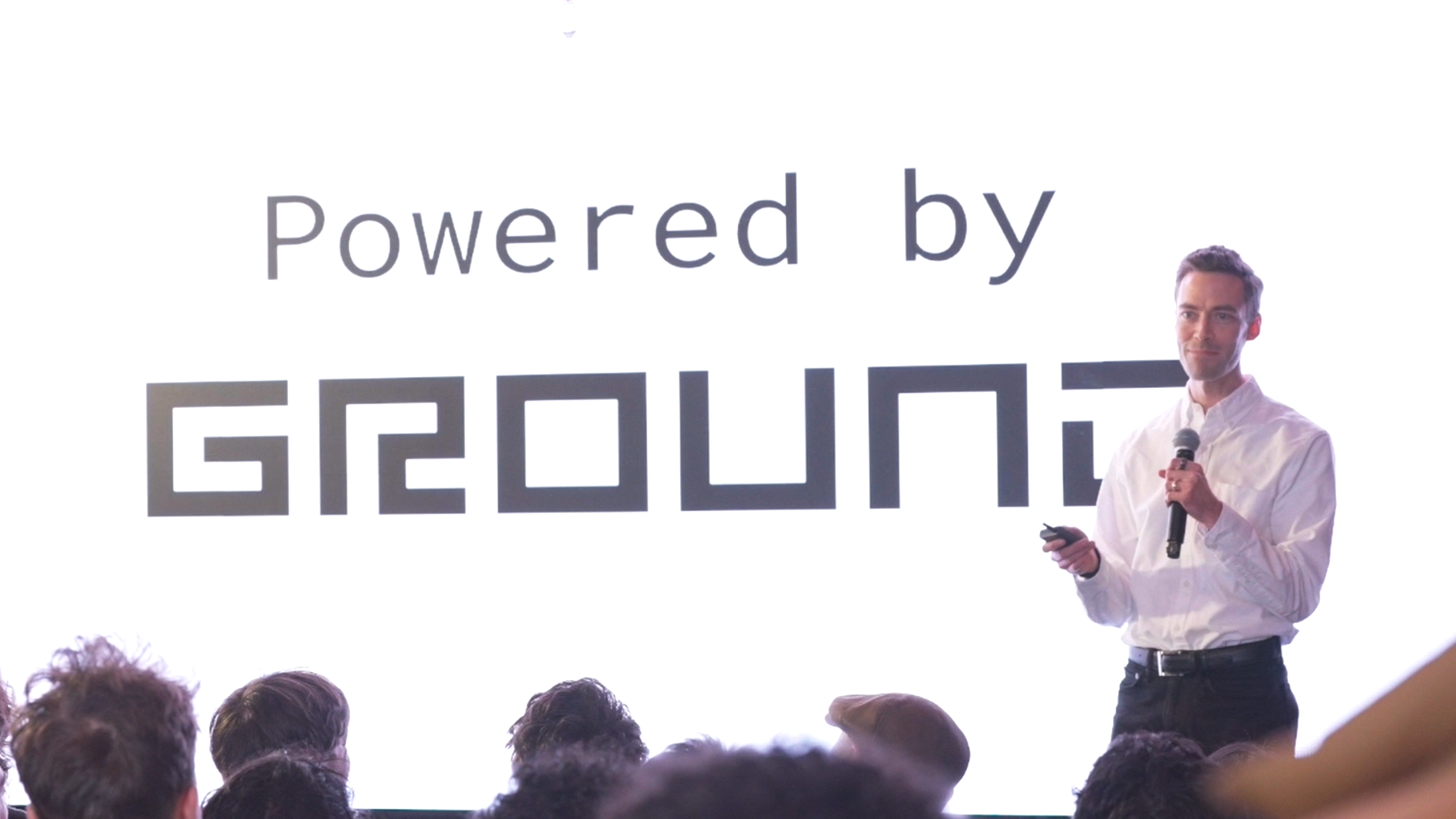
Ground is a money infrastructure company that transforms idle balances, dollars, or stablecoins into continuous on-chain yield. They make onchain finance easy, accessible, and embeddable, supercharging the entire finance and banking industry. The product is noncustodial, institutional-grade, and embeds into existing financial infrastructure via API rather than replacing it. Ground already has 9-figure asset managers onboarding.
VINC
- Founder: Rudresh Upadhyaya
- Industry: AI, Entertainment
- Website: https://trytaketwo.app/
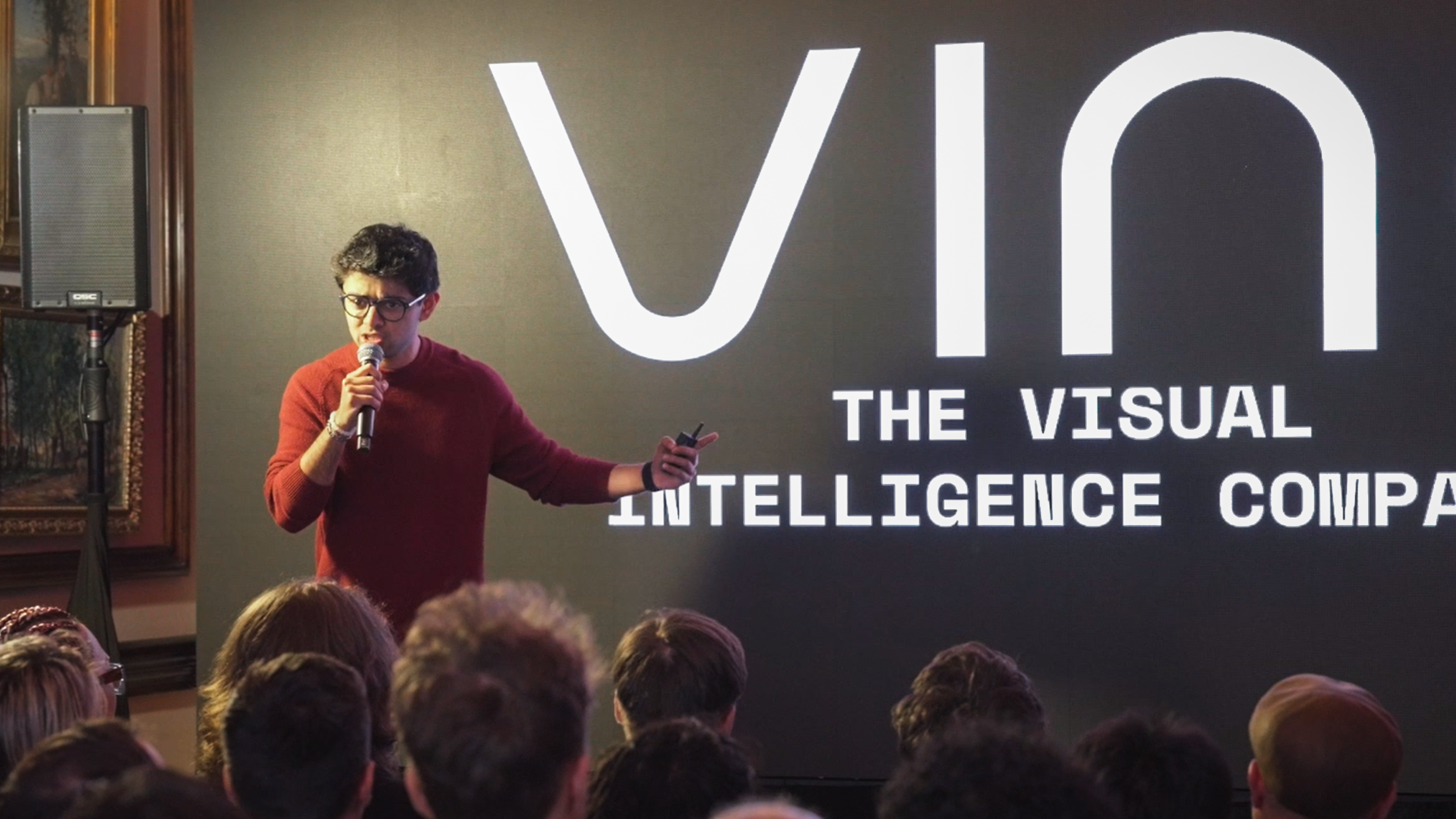
Rudresh has a unique founding story. He wanted to be an actor at 17, but got rejected from Hollywood. He got pissed off and ended up getting a computer science degree in the States. Now, he wants to achieve the teenage dream by building a company to put himself in an AI movie.
VINC builds AI post-production tools for Hollywood studios. While other AI video companies aim to replace Hollywood, VINC works with Hollywood to supercharge post-production timelines using AI agents. The company went from zero to $15 million in annual contracts in four months, tripling in the last month alone.
RLWRLD
- Founder: Jung-hee Ryu
- Industry: Robotics, Industrial Automation
- Website: rlwrld.ai
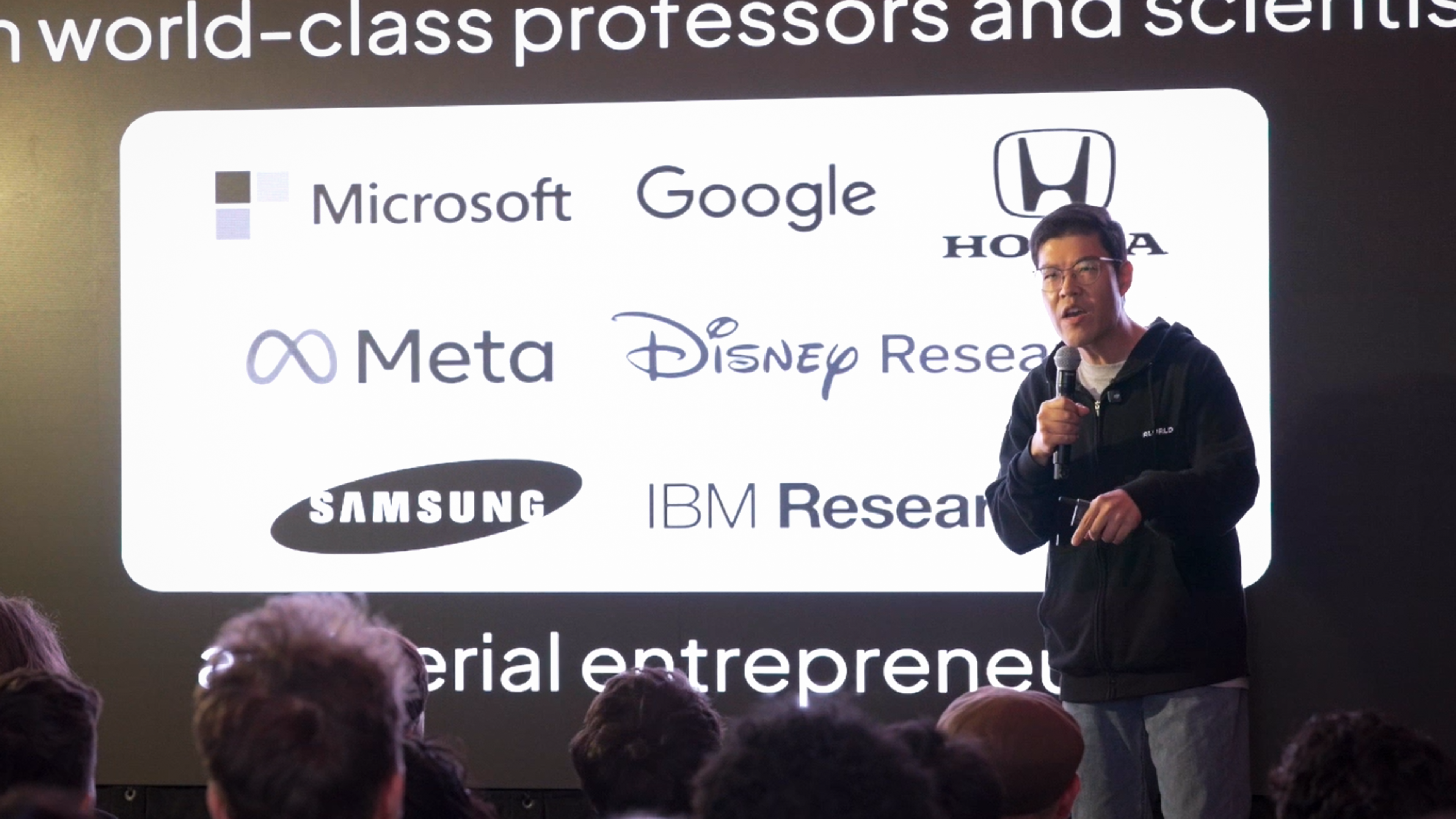
RLWRLD builds robotics foundation models focused on dexterity. Jung-hee is an "AI OG" who sold his former AI company to Intel in 2012. His co-founder is Jinwoo(also known as "Asian Yann LeCun"), a professor at KAIST. RLWRLD targets the last mile of industrial automation, where 65-75% of advanced manufacturing tasks still require precise manual labor that robots cannot handle. Their flagship model, RLDX, uses 4D motion capture data from real factory floors to enable fully autonomous humanoid movement at real speed. RLWRLD currently operates offices in San Francisco, Seoul, and Tokyo and has raised $45 million.
Orca
- Founder: Ryan Ni
- Industry: AI Agents
- Website: www.orcanets.com
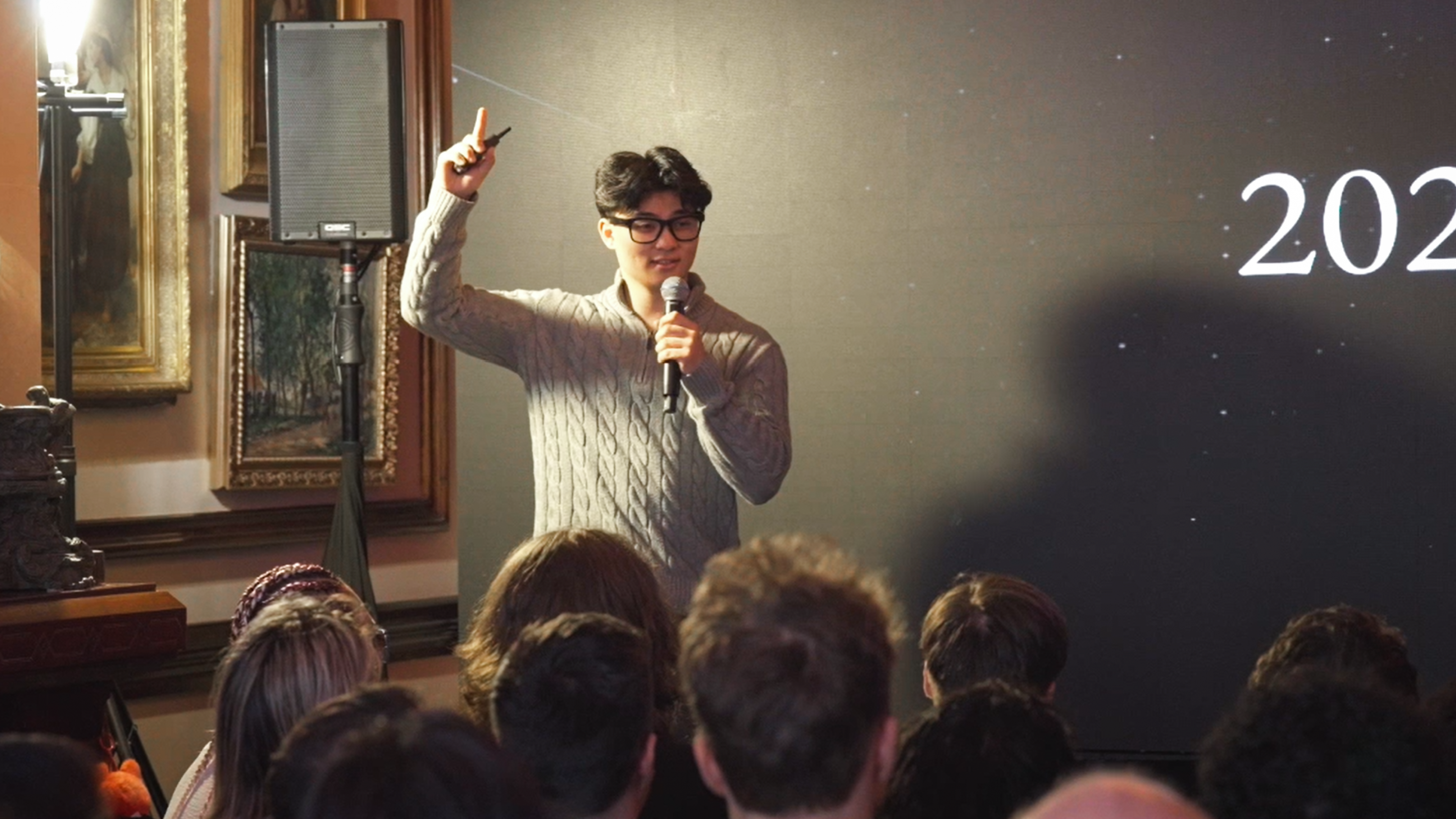
Orca is an agent orchestration network that lets AI agents earn money on behalf of their operators. It's a decentralized platform where anyone can contribute spare compute power to match real demand. No special hardware required, just one's laptop.
Most people use only 10% of their laptop's computing power, leaving 90% idle. Orca puts that unused power to work. Users "auto-accept" task categories they want to participate in, and AI agents handle the rest silently in the background, earning money while users go about their day. Orca launched across 100+ college campuses in a single weekend.
Kurtos
- Founder: Jack Mayo, Francisco Hernández Iglesias
- Industry: AI Infrastructure, Defense
- Website: kurtos.ai
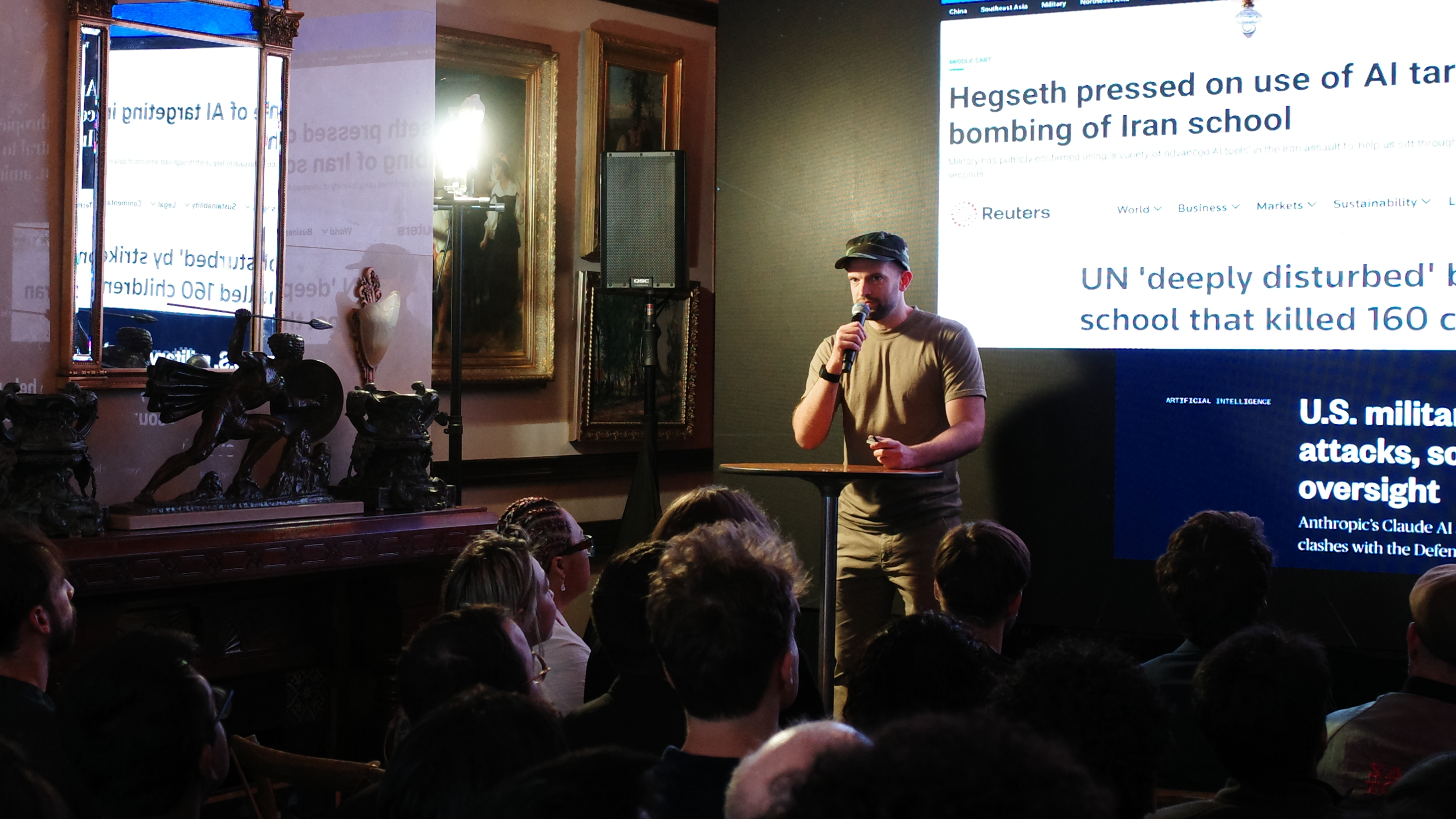
Kurtos builds a reasoning-first language architecture designed for high-stakes environments. Iglesias gave a recent example of how AI is being used to target airstrikes in war zones. He argues that the language models used are not fit for important decision-making. Unlike standard language models, Kurto's system collects evidence before acting. Kurtos's advisor is Csaba Szepesvári, the creator of the UCT algorithm used in AlphaGo. Their model learns 6,500x faster than existing architectures, and the head of theory at OpenAI has called Kurto's work "state-of-the-art".
You Ain't Graduates Yet
The backroom debrief was what made the event more dramatic.
When the pitches ended, Don did not let the energy drop.
When the pitches ended, Don did not let the energy drop.
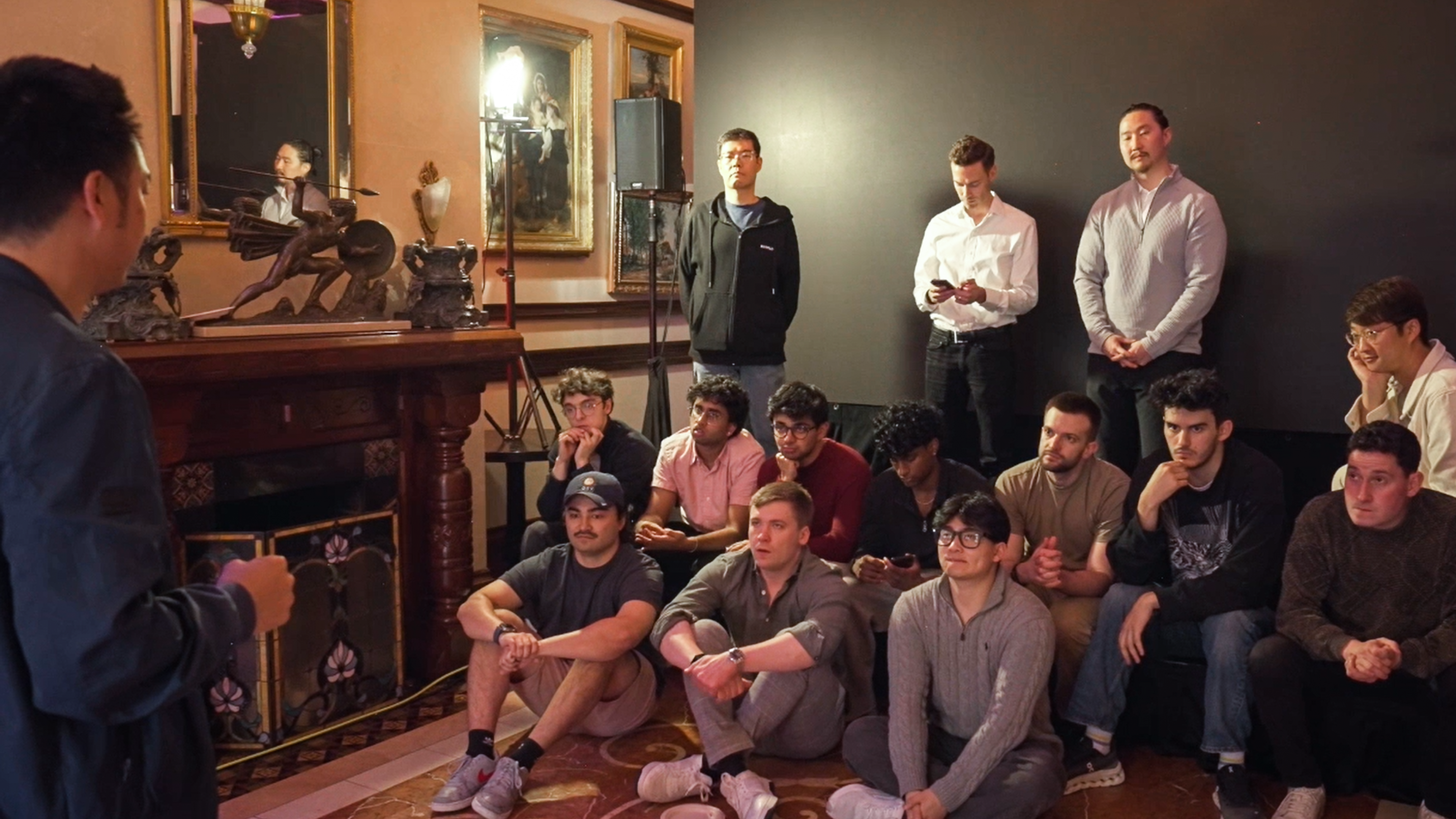
"You guys brought the heat. I felt it. The crowd felt it. But this is not graduation. You sign that term sheet, that's when you graduate."Don Ho
He went directly into what comes next. 99% percent of the time, he said, investing is a job. In that 1%, an investor feels something. The founders had just manufactured that feeling in a room full of investors and GPs. Now they had to capture it before it expires.
He urged the founders to follow up tonight before that "feeling" would be gone.
"You do it tomorrow, you're probably looking at a week later. So capture it while it's hot."Don Ho
Lightyear even set up a war room for each founder. Lightyear staff members are all inside and available to answer questions about valuations, term sheets, and deal structure. It was the founders who had to move.
He called this process the vortex: "Once you're in fundraising, you stay in. You don't leave the vortex until the round closes. Saturday: closing ceremony. Sunday: demo dinner. Monday through close."
Looking Back on the 30 Days
Jung-hee Ryu was the oldest founder in the room. Reflecting after the event, he described something he hadn't expected.
"Being in Korea, a lot of people know me, and many people judge my actions and behavior. So it's really hard just to let go of that weight and take risks and challenges the way I once did when I was young."Jung-hee RyuFounder & CEO, RLWRLD
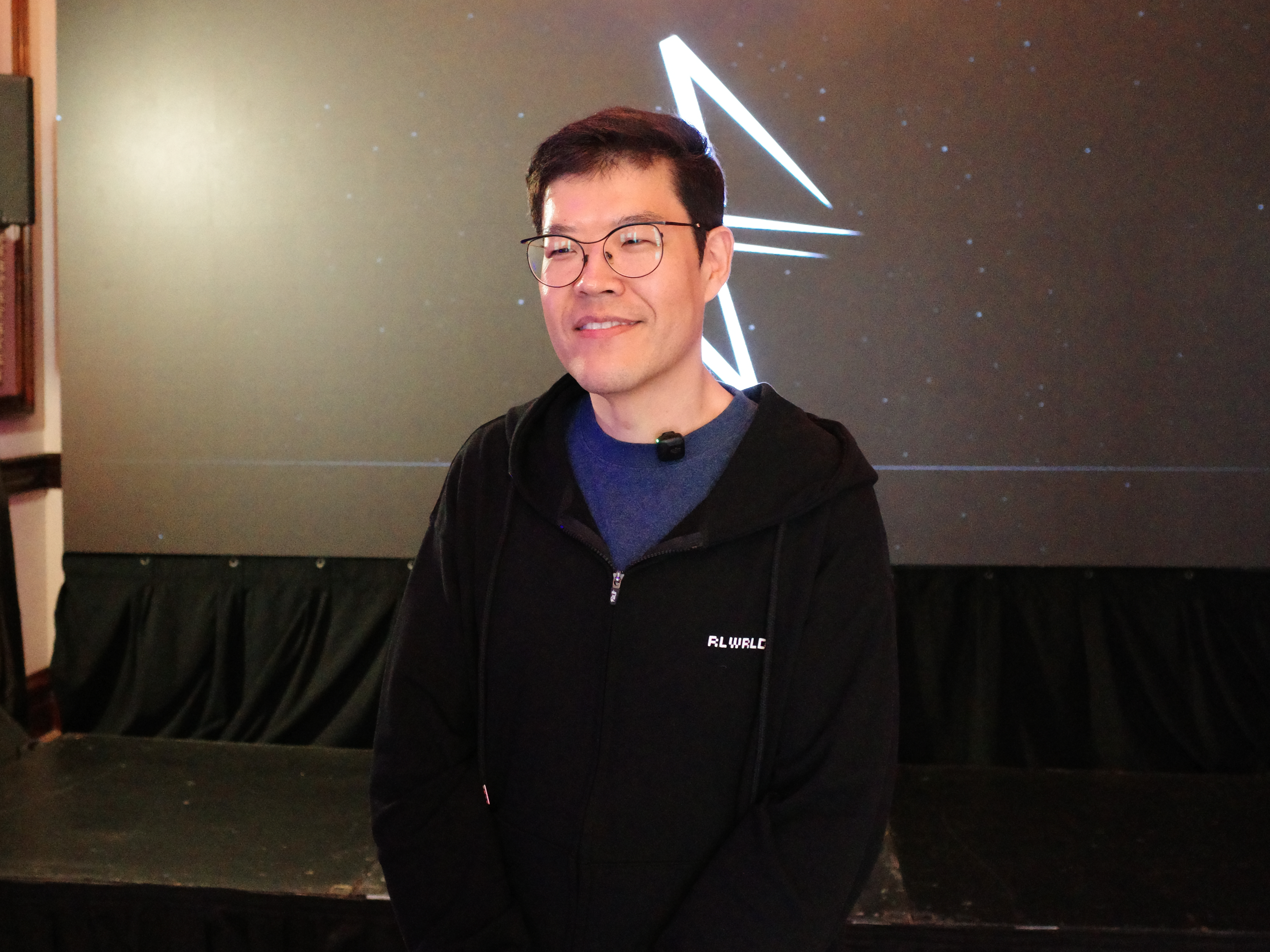
During his time in Lightyear Residency, the 52-year-old found himself bonding with a couple of young founders in their 20s. Rudy, from India, and Ryan, a Chinese-American. The three started calling themselves the "Asian Avengers." What struck him wasn't their energy or hustle, but how they interacted with technology.
For his generation, technology was a tool: you identify a problem in the physical world, then find the technology to solve it. For Ryan and Rudy, that sequence is flipped. They start inside the internet and build outward. The digital world isn't a layer on top of reality; it was their reality. "The dynamic has completely reversed," Jung-hee said. "I realized I still have a lot to learn from 20-year-old founders."
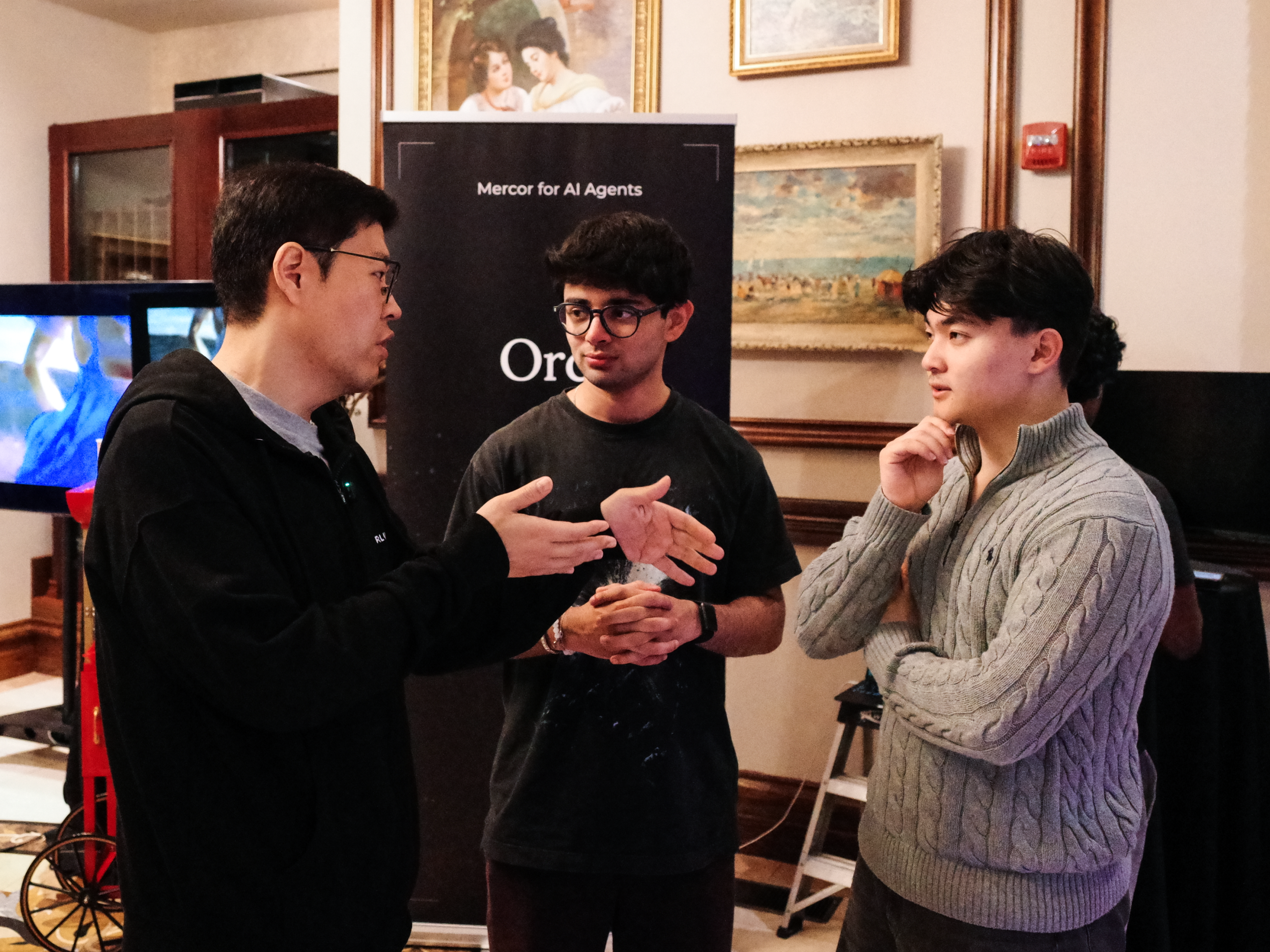
To challenge yourself, you have to put yourself in a situation where you have no choice but to challenge. The Lightyear residency was exactly that. He described the month as a dream that passed too quickly, leaving him completely clear and refreshed.
"If I can do it at 52, you definitely can."Jung-hee RyuFounder & CEO, RLWRLD
Explore more