
May 06, 2026
How Two Founders Raised $100M Pre-Revenue to Disrupt a $3.7 Trillion Industry
Inside Corgi's multi-year bet to rebuild insurance from scratch
Founder Focused
💡
At A Glance
- Who: Nico Laqua and Emily Yuan are two young founders who walked away from a working company to rebuild a trillion-dollar industry from the ground up
- What: Corgi, an AI insurance company for technology startups that became a fully licensed insurance carrier rather than just another broker
- Traction: Raising nearly $80 million pre-revenue, securing regulatory licenses across multiple states, and ending the year at several hundred million in ARR as one of the fastest growing B2B companies on the planet.
In this conversation, they share why they shut down a working business to chase a harder problem, how regulation became their moat instead of their obstacle, and what it really takes to rebuild a legacy industry from scratch using AI.
Watch the full interview now on EO's YouTube channel! Below is the complete transcription of the interview. Minor edits have been made for clarity and readability.
Key Highlights:
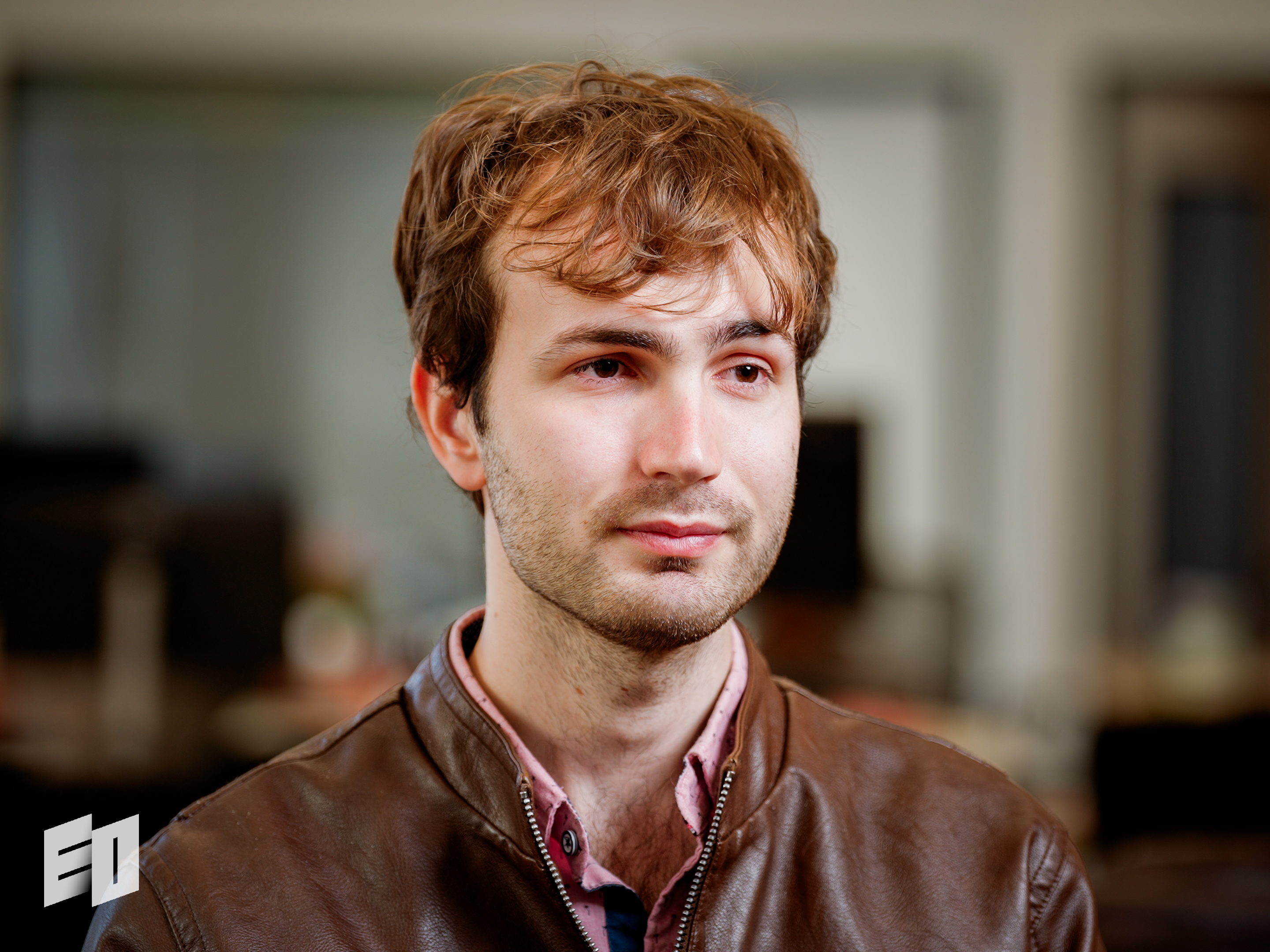
"I don't think you can change the world if you're reselling someone else's product. So in our case, we decided to become the infrastructure."
"Often times a young startup founder tries to make products that you yourself would use, which is normally pretty good advice, but the problem is that the problems they try to solve are often not as big as they could be."
"We decided to shut down what we were doing, which was working pretty well. At the time, that was not an obvious decision. That was a very controversial decision."
"We had to get a fax machine and we were sending faxes back and forth to billion-dollar carriers. And I thought to myself, there is no way that this is the way a huge part of the economy works."
"The superpower that young people have is that they have a lot of time and not a lot of commitments. That time and that energy is worth a lot. It is something that is really hard to compete with."
"Often times a young startup founder tries to make products that you yourself would use, which is normally pretty good advice, but the problem is that the problems they try to solve are often not as big as they could be."
"We decided to shut down what we were doing, which was working pretty well. At the time, that was not an obvious decision. That was a very controversial decision."
"We had to get a fax machine and we were sending faxes back and forth to billion-dollar carriers. And I thought to myself, there is no way that this is the way a huge part of the economy works."
"The superpower that young people have is that they have a lot of time and not a lot of commitments. That time and that energy is worth a lot. It is something that is really hard to compete with."
Chapter 1: Pursue the Most Ambitious Version of Your Goal
Tell us about your backgrounds and how you both ended up building Corgi together.
Nico Laqua: My name is Nico and I'm the co-founder and the CEO of Corgi. Corgi is an AI insurance company for technology startup. We're the fastest growing B2B companies on the planet. I grew up in San Diego, California. In high school, I had a couple of jobs. Anyone who works jobs while they are in high school knows that they suck. You have a boss that is telling you all sorts of things that are just wasting your time. At some point I just kind of decided that I wanted to do something that was big and important with my life. And it seemed like starting a company was a really good way to make a difference.
Before Corgi, I spent a lot of time in the startup hacker communities and I was working on making apps. One of the apps I was working on was an app for college clubs. It is the type of idea that I think a 19-year-old who knows how to program and does not know that much about startups typically does.
Emily at that time was really interested in startups and she was running one of Stanford's entrepreneurship clubs. I wanted her to test out this app and most of the people I knew were not giving me that great of feedback, but Emily came back with a Figma page with like a hundred comments about the app.
Before Corgi, I spent a lot of time in the startup hacker communities and I was working on making apps. One of the apps I was working on was an app for college clubs. It is the type of idea that I think a 19-year-old who knows how to program and does not know that much about startups typically does.
Emily at that time was really interested in startups and she was running one of Stanford's entrepreneurship clubs. I wanted her to test out this app and most of the people I knew were not giving me that great of feedback, but Emily came back with a Figma page with like a hundred comments about the app.
Emily Yuan: I'm Emily, the co-founder and COO at Corgi. Nico wanted someone to help promote his app to everyone at Stanford. So I agreed to help and I kind of just became more and more involved. Eventually that became the company, which was Picnic, and then it became the gaming company Basket.
Nico is very good at identifying good opportunities and I think that actually complements my skill set. I am very good at helping make sure that we can figure out how to get all these different things done. You can throw a very complicated thing at me and I will go figure out how to get it done.
In high school, I actually started a nonprofit with a couple of my friends called Paper Bridges. It was an area where there could be a lot of work done. I could make a lot of impact even as a student without a lot of funding or resources. We started off sending letters to orphans and foster kids around the world. As we grew and scaled, we started donating medical supplies and face masks to a lot of these centers in the US. If I am able to do it, I should just go get people together and just go for it.
Nico is very good at identifying good opportunities and I think that actually complements my skill set. I am very good at helping make sure that we can figure out how to get all these different things done. You can throw a very complicated thing at me and I will go figure out how to get it done.
In high school, I actually started a nonprofit with a couple of my friends called Paper Bridges. It was an area where there could be a lot of work done. I could make a lot of impact even as a student without a lot of funding or resources. We started off sending letters to orphans and foster kids around the world. As we grew and scaled, we started donating medical supplies and face masks to a lot of these centers in the US. If I am able to do it, I should just go get people together and just go for it.
You spent years building Basket before Corgi. What made you walk away from it?
Nico Laqua: Basket makes a lot of really great games. I got that company to the destination that I wanted to get it to. I spent over four years there.
Emily Yuan: But it did not feel like a very impactful company. It is a very different type of company than what Nico and I really wanted to spend the next ten years building. And one thing I really wanted to make sure I do is spend my time in the highest leverage way possible. We want to do the biggest, most ambitious thing possible.
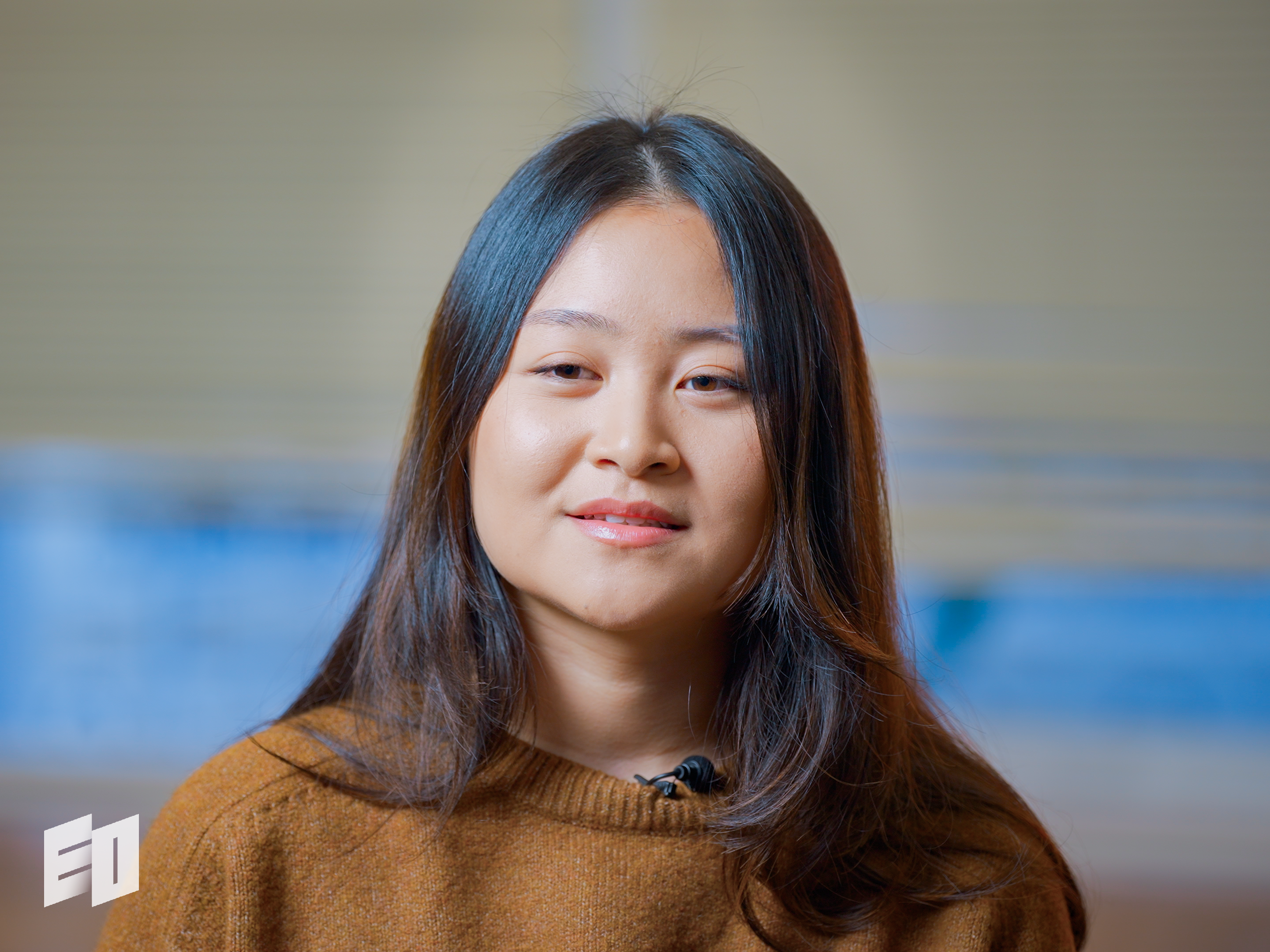
Why do you believe founders should pursue the most ambitious version of their idea rather than scaling it down?
Nico Laqua: Often times a young startup founder tries to make products that you yourself would use, which is normally pretty good advice. But the problem is that the problems they try to solve are often not as big as they could be. A lot of people think that if they take a really big idea and scale it down to something very small, that makes it more likely to succeed. But actually I think people should do the opposite and think of the most ambitious version.
If you are doing that, suddenly a lot of really smart people will want to join you on your mission, a lot of investors will be more likely to fund those ideas, and success actually changes the world in an interesting way. Generally I think a good idea tends to be really difficult and tends to be hard, and doing the hard things ends up working out much better. That makes it hard for competitors to come out and try to copy your stuff.
Being the 50th app for college students on campus or the 500th restaurant in the financial district is not a good business because it is kind of being the same as everyone else. A good business means you are doing something unique and you are the company in that category. In order to be category defining, you cannot just do something very simple and very easy and very capital light. You need to do something very ambitious and difficult, the highest impact, highest leverage version of whatever your idea is.
If you are doing that, suddenly a lot of really smart people will want to join you on your mission, a lot of investors will be more likely to fund those ideas, and success actually changes the world in an interesting way. Generally I think a good idea tends to be really difficult and tends to be hard, and doing the hard things ends up working out much better. That makes it hard for competitors to come out and try to copy your stuff.
Being the 50th app for college students on campus or the 500th restaurant in the financial district is not a good business because it is kind of being the same as everyone else. A good business means you are doing something unique and you are the company in that category. In order to be category defining, you cannot just do something very simple and very easy and very capital light. You need to do something very ambitious and difficult, the highest impact, highest leverage version of whatever your idea is.
Chapter 2: How Two Outsiders Broke Into a Legacy Industry
What drew you to insurance specifically? What did you see that others were missing?
Emily Yuan: Historically it has been very difficult for tech startups to get insurance.
Nico Laqua: I had to get insurance for my last company and we did not have a lot of money at that time. The insurance policy was $60,000 and that is a lot of money. I was making about $1,000 to $2,000 a month at that time. So this was a huge expense. My experience was terrible. I had to call these brokers. It took several weeks to get the policy. They were not answering my emails for weeks, and of course they never paid out anything.
Emily Yuan: It was just shocking how slow the process is. We were trying to give them a bunch of money to buy this product and everyone was just taking forever to get back to us. It was very confusing what we were even buying. We just looked at how everything was set up and we were like, wow, this is terrible. How do you have a hundred billion dollar company that runs like this?
Nico Laqua: If you look at it, it is 12% of GDP. It is about twice as big of a market category as software. But all of the regulation around it and the huge regulatory barrier to entry, coupled with the fact that most of these big insurance providers started 40 years ago or more, has led to them being very comfortable, very complicit, and continually worsening their product quality.
Emily Yuan: A big problem with people who have been working in the industry for 20 years is that yes, they have a lot of experience, but they kind of have this solidified mindset of how things are supposed to work, and they will use tech but just plug it into the existing infrastructure. It is actually a big advantage for us because we can come in with a blank slate and if something does not make sense, we can question why it is being done this way and whether there is a better way.
What did you discover once you actually started operating as a broker inside the insurance system?
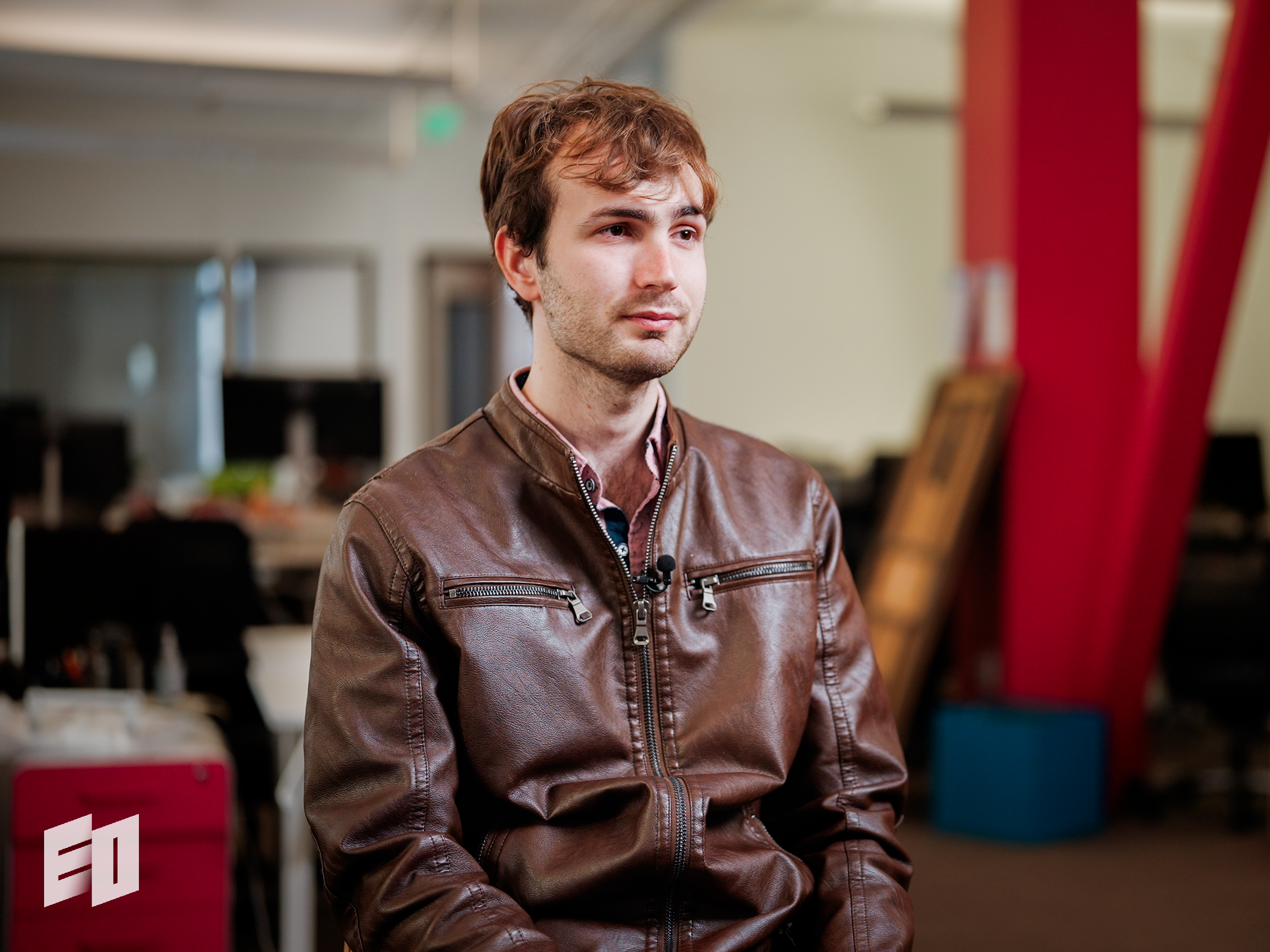
Nico Laqua: We applied to YC already licensed to be an insurance brokerage. Our idea was to embed with contract management companies. We just wanted to be a broker and do the normal thing. That is what we started with and actually it was working pretty well. We sold a couple tens of thousands of dollars of premium and our revenue growth was pretty good.
Emily Yuan: But when we first started, I do not think we understood where the problems were in the insurance stack. We thought that these insurance companies just were not being aggressive enough, that they should just market more. But in reality, because they had to rely on these really old traditional insurance carriers, it made it really hard for them to have a good product.
Nico Laqua: It was really nasty to deal with the insurance carriers. Making phone calls to them for every single policy. We had to get a fax machine and we were sending faxes back and forth. I would look up these carriers and see they are like $10 to $20 billion companies, and this is the way they work. With faxes. With people calling them for every single policy.
I thought to myself, there is no way that this is the way a huge part of the economy works. There must be a better insurance carrier out there. We checked every single one. There were not any that were better.
I thought to myself, there is no way that this is the way a huge part of the economy works. There must be a better insurance carrier out there. We checked every single one. There were not any that were better.
Emily Yuan: Through doing that, we realized the problem was not the website or the tech. The problem was the actual underlying product, which is the insurance policy. So then we had to figure out how to actually go and be the company that creates and has control over the product. And the only way you can really do that is to become an insurance carrier.
That must have been an incredibly hard call to make. What was going through your mind when you decided to shut down what was working?
Nico Laqua: We decided to shut down what we were doing, which was working pretty well. At the time, that was not an obvious decision. That was a very controversial decision. I think we could have been well regarded, maybe not the top company in our batch, but one of the top companies in our batch if we just continued to do what we were doing.
But we shut that all down and decided we are going to become the insurance carrier. It is our vision not to build on top of, not to modernize, not to fix what is already there. We are building a new type of financial institution where we actually become these highly regulated financial entities and rebuild them from the ground up using AI.
But we shut that all down and decided we are going to become the insurance carrier. It is our vision not to build on top of, not to modernize, not to fix what is already there. We are building a new type of financial institution where we actually become these highly regulated financial entities and rebuild them from the ground up using AI.
Emily Yuan: You really need to come in with a new and fresh perspective. It is just really hard to untrain yourself from the existing paradigm of how things are done. Being new to the industry really allows us to come in with a different perspective, questioning how a lot of these traditional industries are run and just say, we will go and make an AI version of that and rebuild it from the ground up.
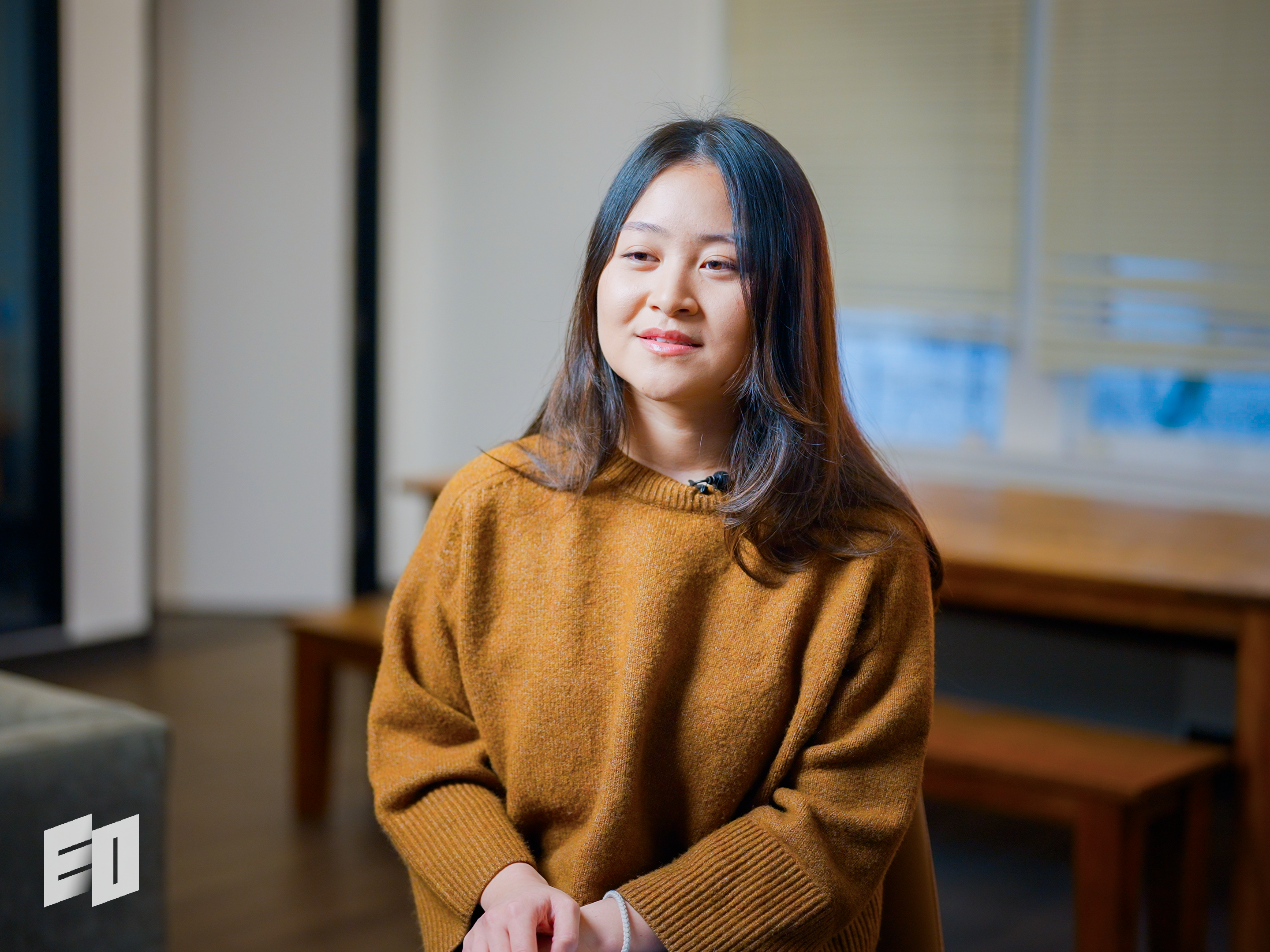
Chapter 3: The Harder It Is, The Deeper Your Moat
What did that multi-year process of becoming a licensed carrier actually look like?
Nico Laqua: The problem is you cannot just start one. It is something that is very difficult to do. So we went from a company that was doing very well in our batch to one that was not doing well at all. We did not do demo day. We were not one of the hot companies in our batch at all. It ended up being a very long multi-year process where our company almost ended on many occasions. There were a lot of times where we were very close to default. In our case, it ended up taking us tens of millions of dollars and several years. We had to raise almost $80 million pre-revenue.
We raised all this money and we never made a pitch deck. We never went out to market or did competitive fundraising. I think we just made ourselves a hard company to bet against. The initial investors we had during Y Combinator would visit the office and see it full every single day of the week. Talking to anyone at the company, they could see that we deeply cared about the problem. We wanted to be winners and we wanted to win, and the end destination would lead to the world being a better place. When you combine all of that, it makes it a bit easier for people to bet on you instead of against you.
We raised all this money and we never made a pitch deck. We never went out to market or did competitive fundraising. I think we just made ourselves a hard company to bet against. The initial investors we had during Y Combinator would visit the office and see it full every single day of the week. Talking to anyone at the company, they could see that we deeply cared about the problem. We wanted to be winners and we wanted to win, and the end destination would lead to the world being a better place. When you combine all of that, it makes it a bit easier for people to bet on you instead of against you.
Time and Energy Beat Money
What does it take in terms of commitment to actually pull something like this off?
Emily Yuan: If you are trying to tackle an industry as big and as complicated as insurance, you really do need to spend a lot of time on it. I live very close to the office so I can get here quickly. Nico actually lives in the office and a lot of our team members just live close to the office as well. If we do not put 110% effort and a lot of time and energy into it, you just cannot do it properly.
Nico Laqua: The superpower that young people have is that they have a lot of time and not a lot of commitments. The trade-off is they do not have a lot of money. I have been there, it is tough, but that time and that energy is worth a lot. It is something that is really hard to compete with.
Emily Yuan: Something I have always been pretty good at is reading legal documents and really understanding what goes into them. Regulation is not some mysterious thing. They tell you what you can and cannot do and you just make sure you follow the directions. It was not for fun that we had to raise over $100 million to make it happen.
Nico Laqua: And it was not for fun that it took two years. Overall, regulation is pretty difficult and pretty challenging. But once we got our first set of licenses, our revenue started growing very quickly. The company kind of inflected after that.
When the Bet Started Paying Off
Now that the infrastructure is in place, what does the competitive landscape look like for Corgi?
Emily Yuan: People will just go to the easiest, most convenient product available. And if you are just that, then people will come. There is not that much additional marketing we really have to do. It is fundamentally a better product than what is available, and unless someone else goes and makes an entire new carrier for startups, there just are not that many other options.
Operating in regulated industries is very difficult and very capital intensive, but once you are able to actually get the core infrastructure set up, there is a lot that you can just build on top of it. It is kind of hard for someone else to make a Corgi 2.0 because we had to spend so much time and so much money getting the infrastructure set up. Most companies just cannot do that.
Just doing the hard thing and getting it out of the way and getting it resolved is a really big advantage for us.
Operating in regulated industries is very difficult and very capital intensive, but once you are able to actually get the core infrastructure set up, there is a lot that you can just build on top of it. It is kind of hard for someone else to make a Corgi 2.0 because we had to spend so much time and so much money getting the infrastructure set up. Most companies just cannot do that.
Just doing the hard thing and getting it out of the way and getting it resolved is a really big advantage for us.
Nico Laqua: Generally I think a good idea tends to be really difficult and tends to be hard, and doing the hard things ends up working out much better. It took us almost two years getting regulatory licensing in order to launch our first product. We would have been a pretty boring company, and I do not think we would be an important company, if all we did was resell someone else's product. I do not think you can change the world if you are reselling someone else's product. So in our case, we decided to become the infrastructure, and it took us a lot longer and a lot more money than we thought it would, but in the end I think it ended up working out.
Explore more