
Apr 18, 2026
The Workers AI Is Replacing Are Not Who You Think
An interview with Bharat Chandar, an economist at the Stanford Digital Economy Lab
The Thinking Mode
0:00 / 0:00
💡
Summary
Young workers are facing something no previous generation has encountered: the jobs most exposed to AI are seeing 16% slower employment growth, and Stanford economist Bharat Chandar thinks this is not a temporary change but a structural one. He sees a once in a century opportunity to finally turn the career ladder into a lattice.
In this conversation, Bharat unpacks what his data actually shows, why experienced workers seem insulated while entry-level roles are shrinking, and what young people should be doing right now to build skills that AI cannot easily replace.
In this conversation, Bharat unpacks what his data actually shows, why experienced workers seem insulated while entry-level roles are shrinking, and what young people should be doing right now to build skills that AI cannot easily replace.
Watch the full interview now on EO's YouTube channel! Below is the complete transcription of the interview. Minor edits have been made for clarity and readability.
Key Highlights:
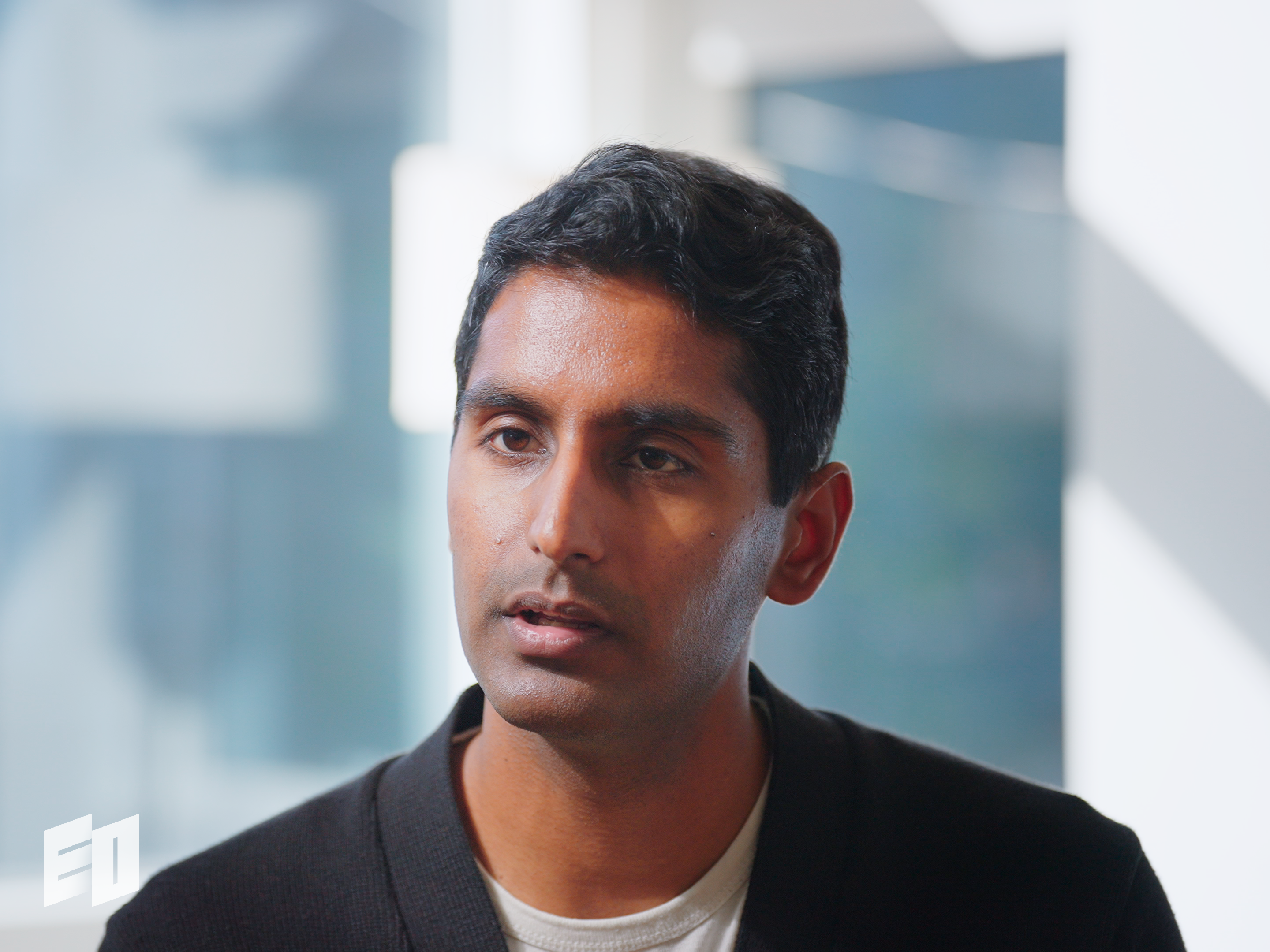
"We're seeing that the jobs that are more exposed to AI, the young workers in those jobs are seeing 16% slower employment growth. So that's pretty large."
"If you think about what young workers are doing when they're entering the workforce, a lot of it is implementation, doing things that rely on the book knowledge that they learned while they were at school."
"I do think there's something worth bearing in mind here. One way that AI might be different than past historical episodes is just the rate of capabilities improvement."
"I'm really hopeful that we end up somewhere closer to a career lattice that works for workers as opposed to a career ladder where there's much more risk about this technological change."
"I think we have an opportunity right now for one of the biggest changes in learning capabilities that we've had in 100 years if not longer."
"If you think about what young workers are doing when they're entering the workforce, a lot of it is implementation, doing things that rely on the book knowledge that they learned while they were at school."
"I do think there's something worth bearing in mind here. One way that AI might be different than past historical episodes is just the rate of capabilities improvement."
"I'm really hopeful that we end up somewhere closer to a career lattice that works for workers as opposed to a career ladder where there's much more risk about this technological change."
"I think we have an opportunity right now for one of the biggest changes in learning capabilities that we've had in 100 years if not longer."
Lesson 1: The Facts about the Recent Employment Effects of AI
Can you tell us about your background and what drew you to study AI's impact on work?
Bharat Chandar: I'm an economist at the Stanford Digital Economy Lab and I study how AI is impacting work. I would say over the past year and a half or so, I do feel like one of the most important questions in labor economics today is about AI's impact on the labor market. Once I really started using the tools more and understood their capabilities, that became the focus of my research agenda because it felt like one of the most important questions impacting society potentially in the future.
What did your research actually find?
Bharat Chandar: I released a study with my collaborators Erik Brynjolfsson and Ruyu Chen. We studied how jobs were changing in jobs that were more exposed to AI versus less exposed to AI, and we were tracking millions of workers across the United States using data from a payroll company called ADP.
One of the key findings there is that overall we were not seeing major differences in employment changes for jobs that were more and less exposed to AI. However, when we focus on young workers, we do see more of a divergence there where the jobs that are more exposed to AI, such as software development, customer service, more administrative roles, we were seeing employment declines and jobs that were less exposed to AI, we were still seeing some continued growth and employment. And for more experienced workers as well, we were still seeing employment growth that was pretty much on trend.
One of the key findings there is that overall we were not seeing major differences in employment changes for jobs that were more and less exposed to AI. However, when we focus on young workers, we do see more of a divergence there where the jobs that are more exposed to AI, such as software development, customer service, more administrative roles, we were seeing employment declines and jobs that were less exposed to AI, we were still seeing some continued growth and employment. And for more experienced workers as well, we were still seeing employment growth that was pretty much on trend.
What were the most striking findings from your research?
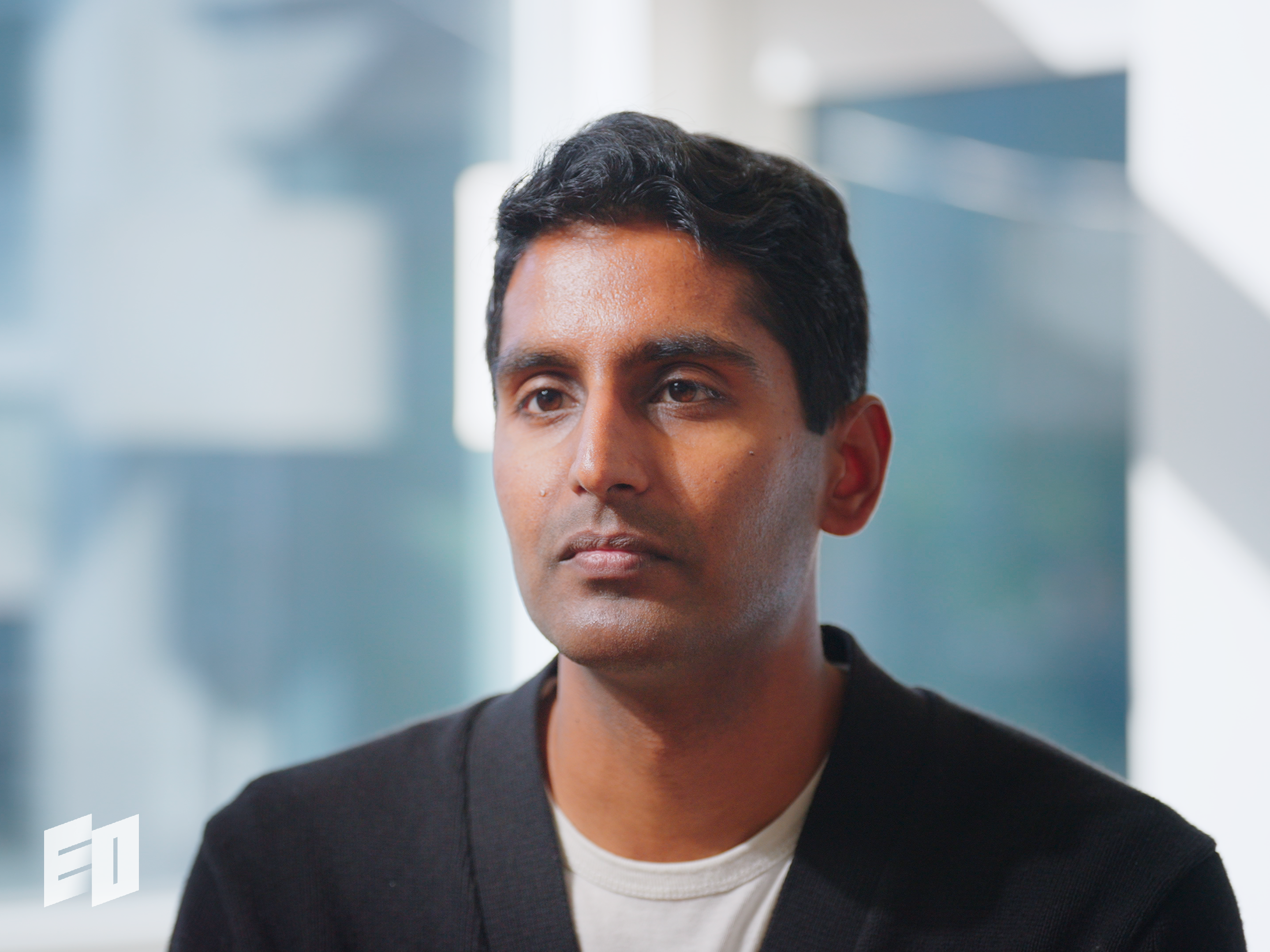
Bharat Chandar: We're seeing that the jobs that are more exposed to AI, the young workers in those jobs are seeing 16% slower employment growth. A lot of people just starting off in their careers are finding it a hard time in doing that. The reason we chose the canaries in the coal mine title is I think consistent with that view. We want to be tracking these outcomes because we think they could be indicative of potentially future transformative impacts of AI.
How confident are you that AI is actually driving this and not other economic factors?
Bharat Chandar: We can't be sure whether this is just temporary change in the economy or if it's a structural change being driven by AI. Now, we did test some of the most plausible alternatives that we could think of. That includes interest rate changes. Jobs that are more exposed to interest rate changes are actually less exposed to AI. One way to think about that is things like transportation and construction are very exposed to interest rate changes, but they're really not very exposed to AI. So that makes me think that it's probably not interest rate changes that are driving our results.
Could this just be a tech industry correction rather than an AI story?
Bharat Chandar: Other things that we tested include tech over hiring. We can take out the tech sector, we get similar results. Take out computer jobs. We tested some of these different alternatives and we were still getting this very similar results. If it's a structural change in AI capabilities that are impacting the labor market, that's not going to be a temporary change. That's potentially going to be a long run change. And the longer that we can track this and if those trends still seem to hold up, that would be indicative of AI potentially impacting work.
Lesson 2: Young Workers Lost Their Edge. Where Is the New One?
Why are young workers specifically the ones being hit harder?
Bharat Chandar: If you think about what young workers are doing when they're entering the workforce, a lot of it is implementation, doing things that rely on the book knowledge that they learned while they were at school. Whereas the things that they don't have as much experience with an ability to do is relying on the tacit knowledge or the sort of experience that you can only get by doing things on the job, also more social interaction and more strategic thinking.
Why do experienced workers seem to have an advantage here that young workers don't?
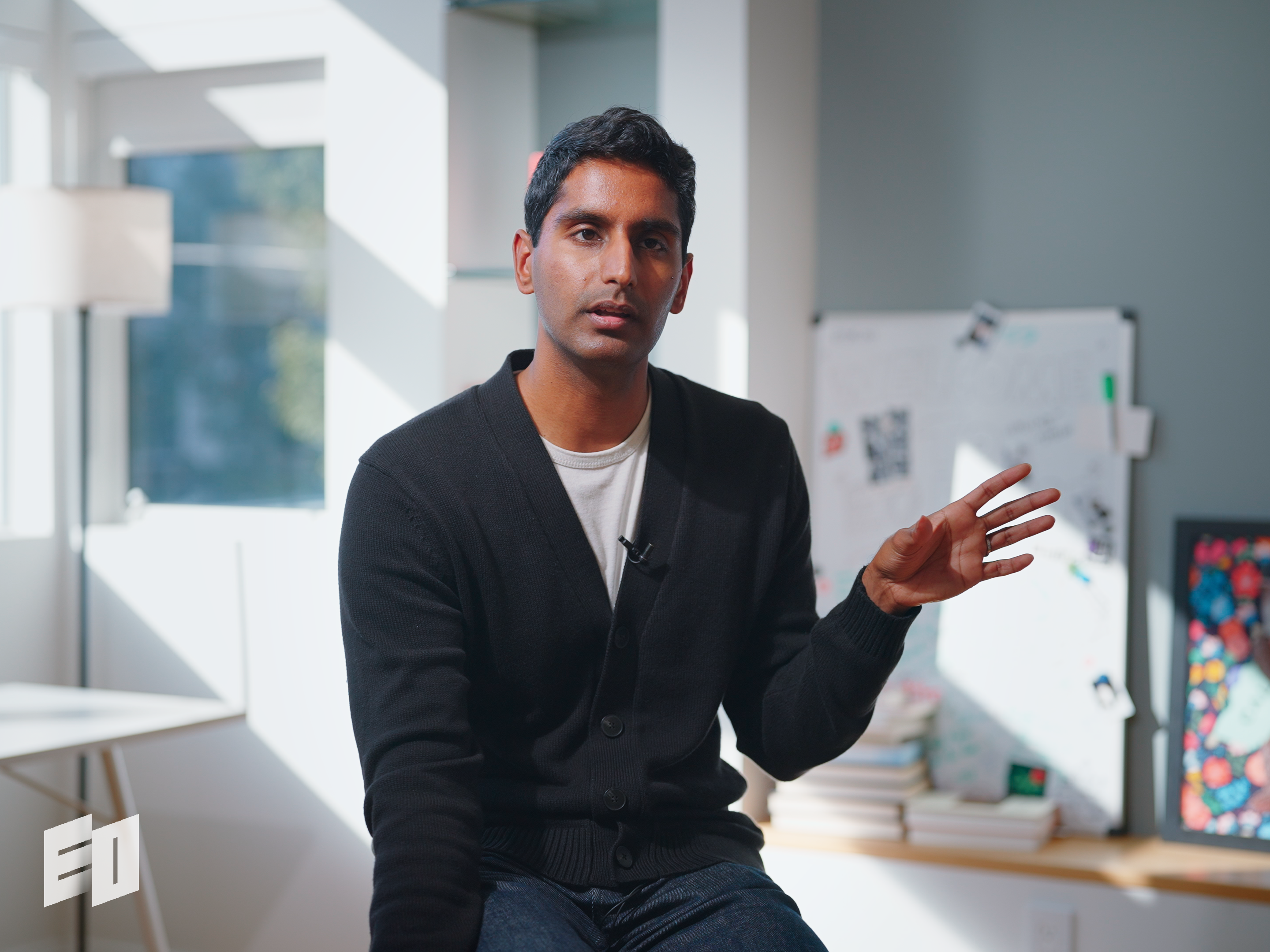
Bharat Chandar: Tacit knowledge I think of as things that rely on a lot of hyper local context or strategic thinking or social interaction or things that you only build via experience on the job. So those are the types of things that are maybe not written down as much in a book. For young workers, it's more directly overlapping with the AI capabilities. And those could be the sort of situations where more experienced workers might have a relative advantage compared to AI and also compared to young workers.
Does this create a long term pipeline problem for companies who still need experienced workers eventually?
Bharat Chandar: When it comes to training young workers, it's totally right that firms will want to hire young people if they want to have a middle management or more experienced staff going forward. Now the issue here is even though they have some incentive to do that so that they have workers in the future, they might not have enough incentive to do that. So they might not hire as much young people as they should from a social perspective and they might not train them as much as they should. And the reason that's the case is because those young people don't have to stay at the company forever. They can just go leave to another company.
So it's true that they will still want to hire some of them, but they might not want to hire as many as would be beneficial to society. It's just kind of this mismatch between what is the incentive of the individual private company versus what is the incentive of society as a whole.
So it's true that they will still want to hire some of them, but they might not want to hire as many as would be beneficial to society. It's just kind of this mismatch between what is the incentive of the individual private company versus what is the incentive of society as a whole.
What skills should young people be developing that AI is not going to replace?
Bharat Chandar: There are three things that I think AI is going to be much less capable of doing certainly in the short to medium term. One, physical tasks unless we see a big advance in robotics. Number two is strategic thinking and guiding what needs to be done. And number three is social interaction.
What does the future of work actually look like if AI keeps advancing?
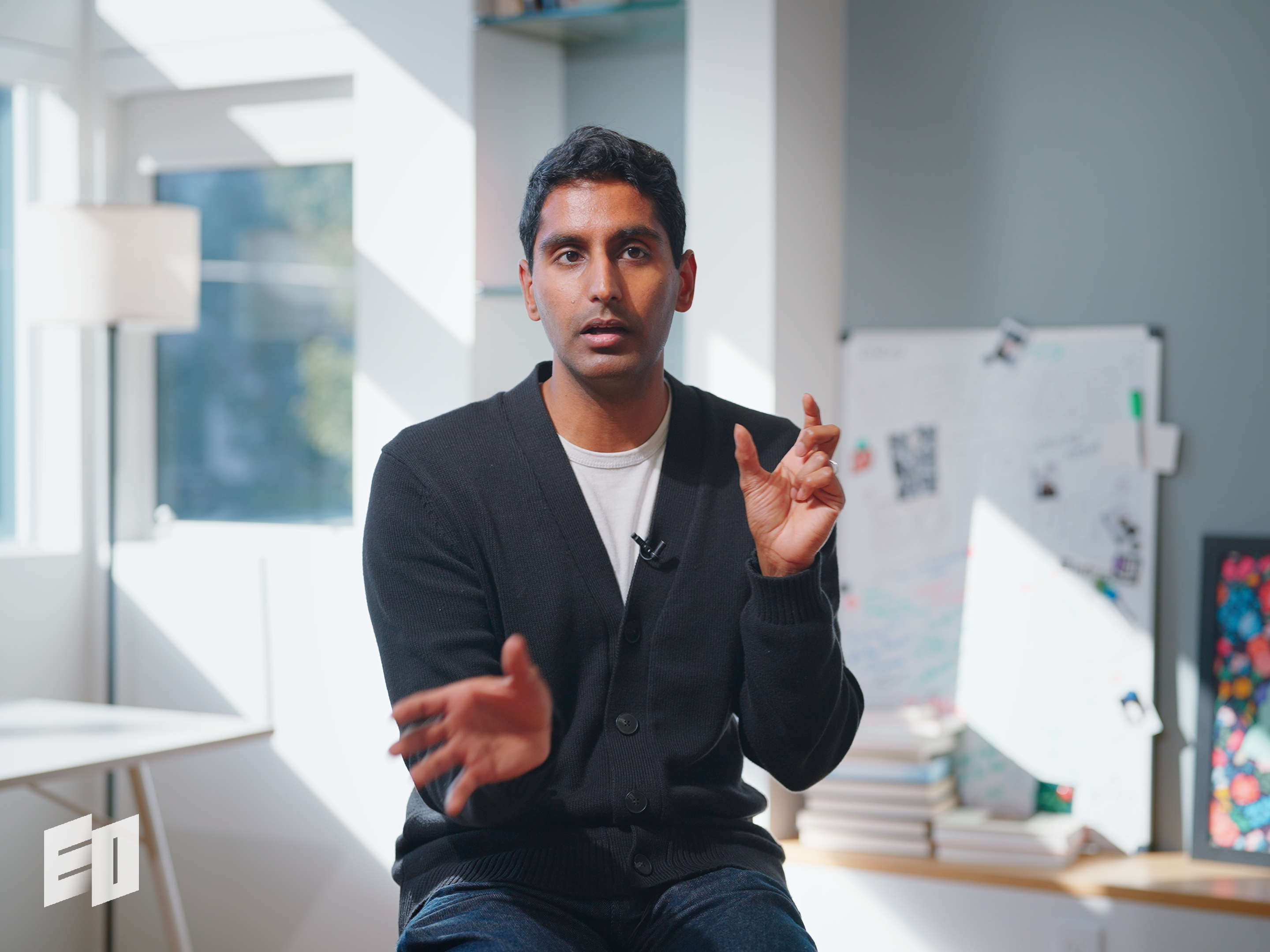
I think the strategic thinking is increasingly important and it's going to be even more important going forward potentially because it does seem like in the future a lot of work might look like guiding AI agents to do implementation while you're telling them and guiding them on what needs to be done. And so that sort of strategic thinking, expressing what it is that needs to be done or what I want to be produced, I think that's going to be a pretty key skill and that's kind of the role of what a manager does within a company.
What would you tell young people who are worried about their career prospects right now?
I would encourage young people, students to use the AI tools as much as they can, build with them and really focus on developing that kind of strategic thinking. How do you best make use of these tools? Where are the areas where they're not as good and what are areas in which you as a human can add a lot of value?
Lesson 3: From Career Ladder to Career Lattice
How does this compare to other major technological disruptions in history?
Bharat Chandar: I do think it's very helpful to compare AI to some of these historical changes. For example, the industrial revolution. One comparison between AI and that period is that it was actually the most skilled workers who faced more risk from the industrial revolution. One case that comes to mind is the Luddites who were these kind of skilled textile workers and the new inventions that came about during the industrial revolution actually led a lot of them to lose their work and those were kind of the more skilled workers in society. Something that you might be seeing that's kind of similar here is that it's more of the knowledge workers in more educated roles that might be facing greater AI exposure.
Does history give us any clues about where this is headed?
If we think about things like electricity or the IT revolution, basically over the course of the 20th century, a lot of those were actually kind of the opposite where it was kind of this middle skill or low skilled work that tended to be more exposed to that technology. Whereas the most skilled, the highest educated people benefited a lot more from the development of this new technology. So we still have to see going forward, is AI going to look more like the first case or the second case?
What makes AI potentially different from those past technological shifts?
Bharat Chandar: I do think there's something worth bearing in mind here. One way that AI might be different than past historical episodes is just the rate of capabilities improvement. Even today it's much more capable of doing different tasks than it was 3 years ago and I do think there's this question about as new work gets created, there's new demand for existing work etc., are those going to be done by humans or are the AI capabilities going to advance fast enough that AI is also going to be doing that kind of work? And I think that's the one area where we could think that potentially AI could be different than prior technologies.
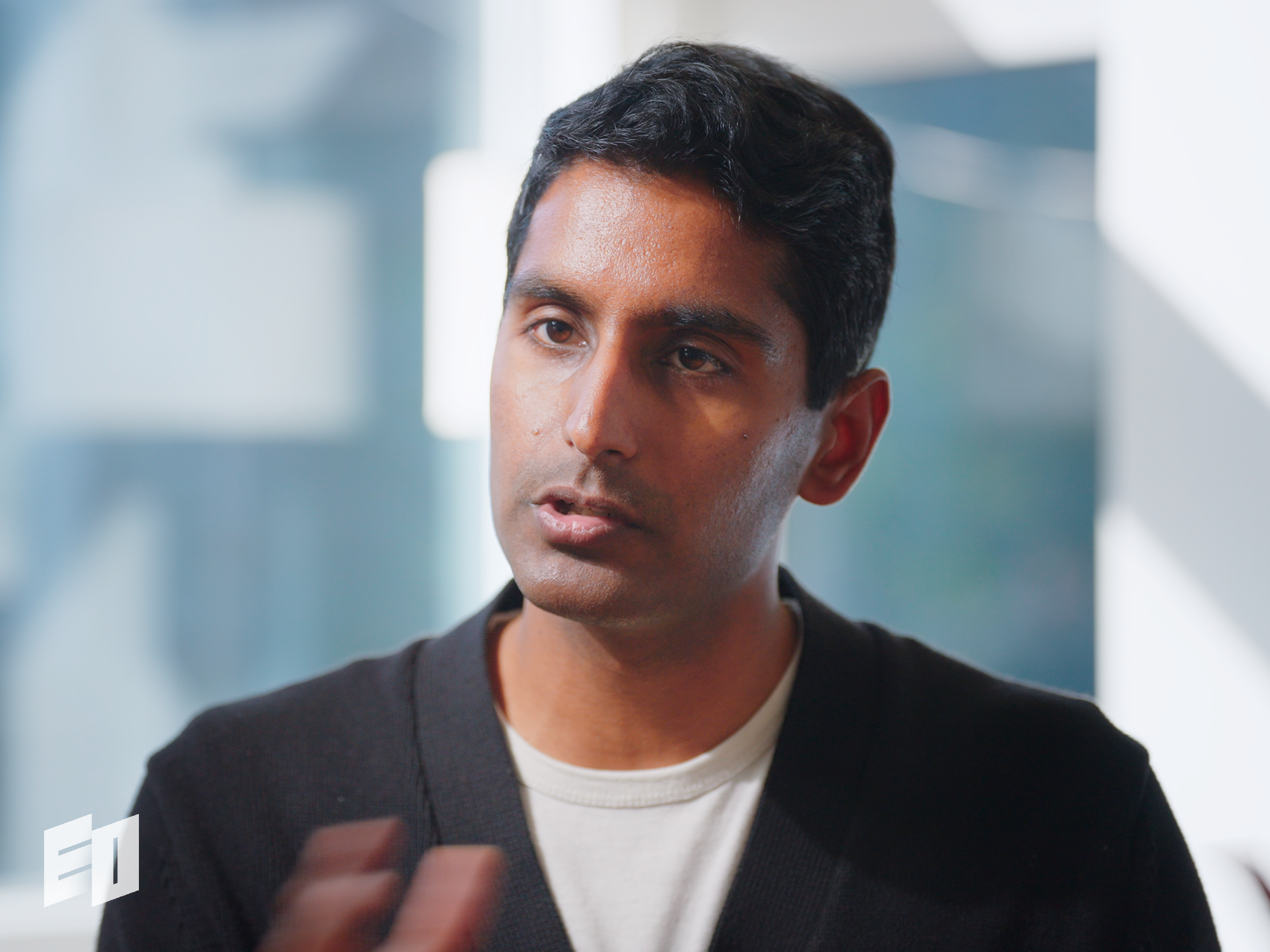
You mentioned the idea of a career lattice versus a career ladder. What do you mean by that?
Bharat Chandar: I do think there's this question about the more optimistic take that I could give here is that if AI really is as capable of helping people learn and as a tool for education, maybe it could speed up the process at which that happens. That could also require a lot of changes in the way that we organize our education system potentially, universities or even at a lower level than that, to help people learn faster and better.
If we really unlock AI's capabilities for helping people learn, it could be much easier to switch between different professions based on how demand for those jobs is evolving over time. And if some job becomes much more important in the economy, if we can find a way to help people transition faster, that could really unlock a lot of potential. So I'm really hopeful that we end up somewhere closer to a career lattice that works for workers as opposed to a career ladder where there's much more risk about this technological change.
If we really unlock AI's capabilities for helping people learn, it could be much easier to switch between different professions based on how demand for those jobs is evolving over time. And if some job becomes much more important in the economy, if we can find a way to help people transition faster, that could really unlock a lot of potential. So I'm really hopeful that we end up somewhere closer to a career lattice that works for workers as opposed to a career ladder where there's much more risk about this technological change.
Lesson 4: How to Use AI Without Losing Yourself
What does augmentation actually look like in practice versus automation replacing workers?
Bharat Chandar: Whether you're more automated or augmented really depends on what are the tasks that you're focusing on. Are you increasing the scope of tasks that you can do or are your tasks getting shrunk by the introduction of this technology?
An example of a person who's augmenting themselves with AI right now would be a startup founder with a really lean team that's able to do a lot more tasks because they have access to the AI. All of the different functions that previously they wouldn't have had any idea how to do, now they can do it themselves because they have access to these AI tools. I think that's a very good example in fact of augmentation.
The reason that I think that this could be wonderful in terms of augmentation is that when we think about technology that benefits workers, often it is increasing the set of tasks that they're able to do. In contrast, things that automate work that substitute for workers, those are things that take away some of the tasks that workers have to do and now they have to do fewer things.
An example of a person who's augmenting themselves with AI right now would be a startup founder with a really lean team that's able to do a lot more tasks because they have access to the AI. All of the different functions that previously they wouldn't have had any idea how to do, now they can do it themselves because they have access to these AI tools. I think that's a very good example in fact of augmentation.
The reason that I think that this could be wonderful in terms of augmentation is that when we think about technology that benefits workers, often it is increasing the set of tasks that they're able to do. In contrast, things that automate work that substitute for workers, those are things that take away some of the tasks that workers have to do and now they have to do fewer things.
You mentioned you personally don't use AI for writing. Why not?
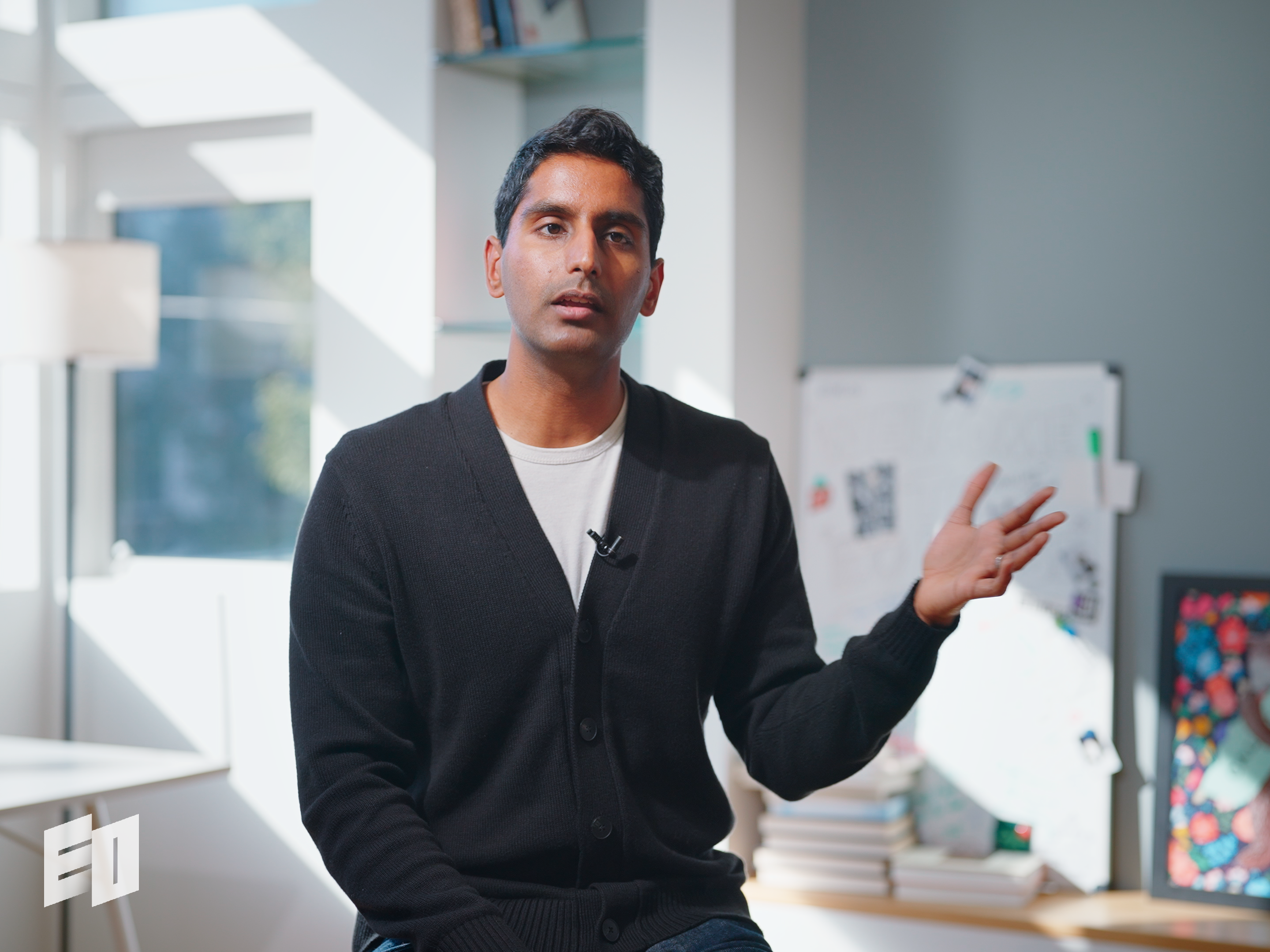
Bharat Chandar: There are areas where I might need to write down a model or prove something in math. AI is really, really good at that. The way that that's augmenting is that it's easier to check if something is correct than it is to necessarily write it from scratch. And so I also potentially view that as a significant way of augmenting my work.
On the other hand, things that I don't do with AI: I personally don't really use it for writing. And the reason I don't use it for writing is that writing helps me think and it helps me understand a problem really well when I do it myself. It's not that I don't trust the AI tools to do the writing. It's more that I would get way less value out of the writing if I didn't do it myself and understood what it was that I was talking about.
I think in deciding what we want to delegate and what we want to preserve as human, a lot of that depends on what it is that humans want and some of that is about values like what is right, what is wrong. Some of that is also just expressing our preferences. That guidance about what it is that we should build, what it is that we should implement, that I view as at least in the short to medium term being more characteristically human than AI.
On the other hand, things that I don't do with AI: I personally don't really use it for writing. And the reason I don't use it for writing is that writing helps me think and it helps me understand a problem really well when I do it myself. It's not that I don't trust the AI tools to do the writing. It's more that I would get way less value out of the writing if I didn't do it myself and understood what it was that I was talking about.
I think in deciding what we want to delegate and what we want to preserve as human, a lot of that depends on what it is that humans want and some of that is about values like what is right, what is wrong. Some of that is also just expressing our preferences. That guidance about what it is that we should build, what it is that we should implement, that I view as at least in the short to medium term being more characteristically human than AI.
What is the bigger picture opportunity you see in AI and learning?
Bharat Chandar: I think we have an opportunity right now for one of the biggest changes in learning capabilities that we've had in 100 years if not longer. And that's in using the AI tools for personalized learning.
I know Khan Academy for example has one where you can use the AI tool but it's not going to give you the answer. It's going to help you think through how to get to the answer as opposed to just giving it to you off the bat. I do think that we could imagine a world in the future where if we really unlock AI's capabilities for helping people learn, it could be much easier to switch between different professions based on how demand for those jobs is evolving over time.
The goal is to try to find ways to augment workers to make them more capable of doing things. And one of the best ways that we know historically for doing that is by educating them. With education, workers are able to do a lot more than they could do before.
I know Khan Academy for example has one where you can use the AI tool but it's not going to give you the answer. It's going to help you think through how to get to the answer as opposed to just giving it to you off the bat. I do think that we could imagine a world in the future where if we really unlock AI's capabilities for helping people learn, it could be much easier to switch between different professions based on how demand for those jobs is evolving over time.
The goal is to try to find ways to augment workers to make them more capable of doing things. And one of the best ways that we know historically for doing that is by educating them. With education, workers are able to do a lot more than they could do before.
Explore more