
At 23, Samir Vasavada became the youngest person in history to build a billion-dollar company. But the path there started with stealing food from Whole Foods buffets and sleeping on dorm room floors in San Francisco's Tenderloin district.
Vasavada dropped out of high school at 16 to build Vise, an AI-powered investment platform that's now worth over $1 billion. His company helps financial advisors automate portfolio management for their clients, tackling an industry that manages trillions but still relies on outdated manual processes.
In this interview, Samir reveals the brutal realities behind Silicon Valley's youngest unicorn founder: why hiring Harvard graduates disappointed him, how his company nearly collapsed during hypergrowth, and the counterintuitive hiring philosophy that saved Vise from becoming another startup casualty.
Watch the full interview now on EO's YouTube channel! Below is the complete transcription of the interview. Minor edits have been made for clarity and readability.
Key Highlights:
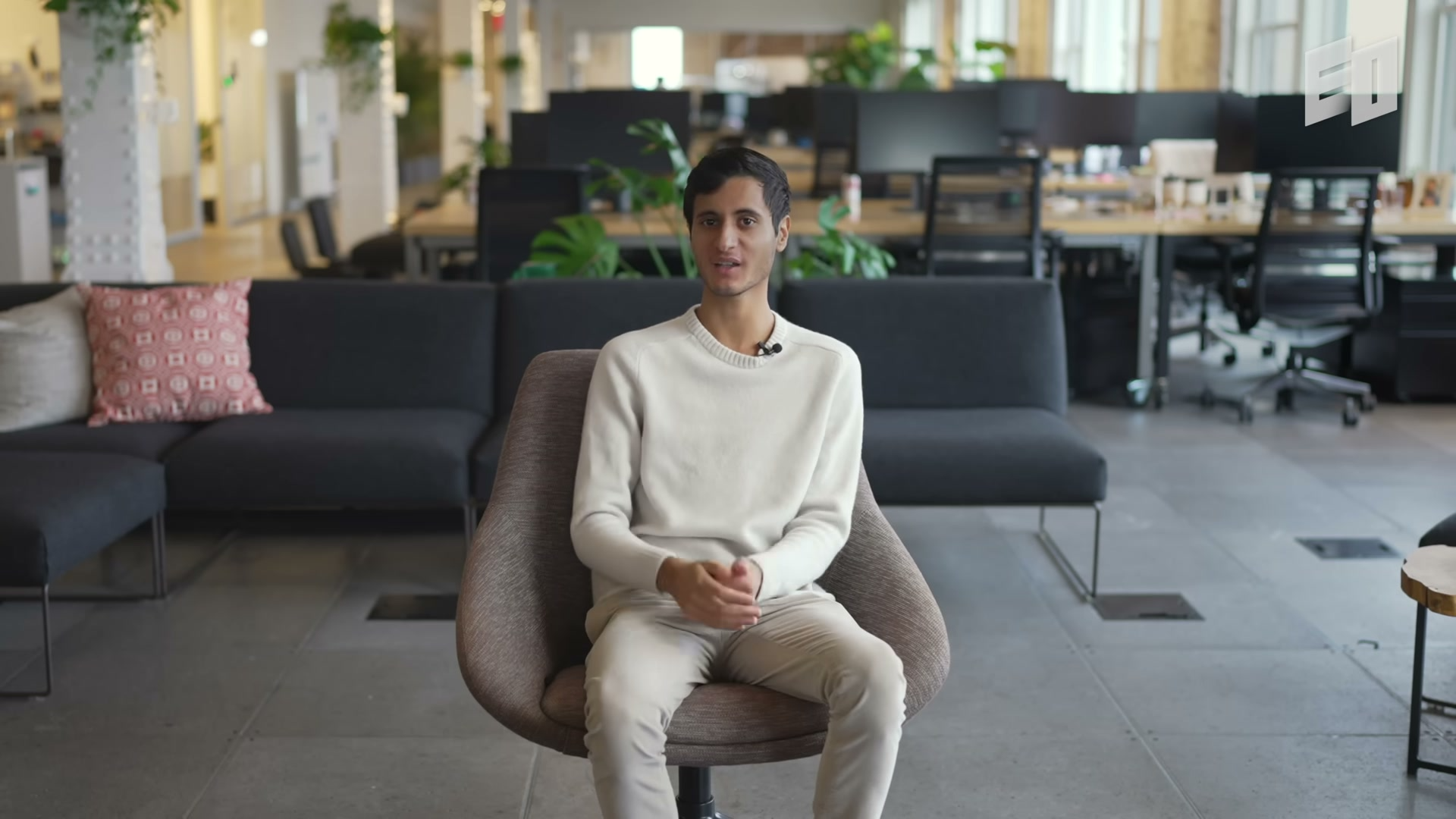
"I actually dropped out of high school and I moved to the Bay Area and I lived in this place called the Tenderloin, but like I didn't really give my parents a choice. My decision was, this is my passion, this is the thing that drives me. It was actually more than a passion, it was like a calling."
"I used to believe the smartest people, they went to the best universities, they went to Harvard, they went to Yale, they went to Stanford. That's actually not true. And oftentimes when we've hired those people, we've actually been disappointed and we've been wrong."
"The right people that are thinking about solving the right customer problems, operating at the right speed, is what makes companies grow and scale faster."
"I used to believe the smartest people, they went to the best universities, they went to Harvard, they went to Yale, they went to Stanford. That's actually not true. And oftentimes when we've hired those people, we've actually been disappointed and we've been wrong."
"The right people that are thinking about solving the right customer problems, operating at the right speed, is what makes companies grow and scale faster."
When Building Apps Became a Billion-Dollar Calling
Tell us about yourself and what Vise does.
Samir: My name is Samir Vasavada. I'm co-founder and CEO of Vise. Vise does three things. We help advisors build personalized portfolios. We help them manage those portfolios, and then we help explain the portfolio, where technology enables investment management at scale.
It's funny because I've looked back to a very young age. The drivers, the things that brought me fulfillment in life was always like building something. Like I loved to build. And then you know the iPhone had come out. I had seen Steve Jobs and I'd read his book by Walter Isaacson, and I'd just been inspired by tech.
It's funny because I come from a very traditional family. My parents were Indian immigrants. We grew up in a relatively small town. The concept of being a builder, of running a tech company, was kind of a foreign concept.
It's funny because I've looked back to a very young age. The drivers, the things that brought me fulfillment in life was always like building something. Like I loved to build. And then you know the iPhone had come out. I had seen Steve Jobs and I'd read his book by Walter Isaacson, and I'd just been inspired by tech.
It's funny because I come from a very traditional family. My parents were Indian immigrants. We grew up in a relatively small town. The concept of being a builder, of running a tech company, was kind of a foreign concept.
How did you and your co-founder first get started?
Samir: The way I actually started with this was pretty interesting, pretty random. I met my co-founder at a summer program in 8th grade. Our parents had sent us to a summer program at Northwestern, and we had met because our dorm rooms were across the hall from each other.
And when we finished the program, we wondered to ourselves, we have all this time on our hands. School's not too difficult. Let's make money. And apps at the time were really, really hot. Every small business wanted an app, and we thought we could build those apps. So we learned how to program. We built our first couple of apps, and then my co-founder got a research opportunity at a notable university in artificial intelligence research, and we decided what if we use AI to automate those apps? What if you could type in your app idea into a platform and we could build you an iPhone app in 30 seconds? And that was our first startup.
It turned out to be too much of a technical challenge at the time suited for 13, 14 year olds, but one of the guys who was mentoring us was a former investment banker, and he said, you guys know so much about AI and machine learning now that you should consult with large investment banks because large investment banks want to learn about AI and machine learning for investment decisions and efficiency decisions within their firms.
And when we finished the program, we wondered to ourselves, we have all this time on our hands. School's not too difficult. Let's make money. And apps at the time were really, really hot. Every small business wanted an app, and we thought we could build those apps. So we learned how to program. We built our first couple of apps, and then my co-founder got a research opportunity at a notable university in artificial intelligence research, and we decided what if we use AI to automate those apps? What if you could type in your app idea into a platform and we could build you an iPhone app in 30 seconds? And that was our first startup.
It turned out to be too much of a technical challenge at the time suited for 13, 14 year olds, but one of the guys who was mentoring us was a former investment banker, and he said, you guys know so much about AI and machine learning now that you should consult with large investment banks because large investment banks want to learn about AI and machine learning for investment decisions and efficiency decisions within their firms.

How did consulting with investment banks lead you to discover the opportunity in wealth management?
Samir: So we started consulting with a lot of the largest investment banks in the country, and we were charging a lot of money, $500 to $1000 an hour, which was a great side income for that age. And as we were consulting with a lot of these firms, we had realized that the wealth and asset management space is a really big part of revenues for a lot of these institutions. It was 50% of revenues for Morgan Stanley, but financial advisors at these institutions, we had believed were money management gurus. They were investment management experts, and they didn't necessarily have the tools to be successful with investment management, so we saw an opportunity.
What if we build technology to help automate the investment workflows for these large investment institutions? We built our first prototype at 15, and the goal was to sell it to big financial institutions. We didn't know how hard that would be at the time, and Jamie Dimon was speaking at a Detroit Startup Week. There was a local school field trip, and Rick had gone down to go see Jamie Dimon speak, and Jamie got off stage, and we rushed him and we asked Jamie, would JP Morgan be interested in leveraging artificial intelligence to automate their investment workloads for their financial advisors?
And he basically said to us, no, JPMorgan has lots of technology, lots of investment workflows, but you should look at independent financial advisors because what's happening is a lot of advisors are leaving big institutions and they're going independent, and you guys can provide the tech, the software to power them. So we discovered this massive market of independent financial advisors, and Vise can be the first company to really deliver this.
What if we build technology to help automate the investment workflows for these large investment institutions? We built our first prototype at 15, and the goal was to sell it to big financial institutions. We didn't know how hard that would be at the time, and Jamie Dimon was speaking at a Detroit Startup Week. There was a local school field trip, and Rick had gone down to go see Jamie Dimon speak, and Jamie got off stage, and we rushed him and we asked Jamie, would JP Morgan be interested in leveraging artificial intelligence to automate their investment workloads for their financial advisors?
And he basically said to us, no, JPMorgan has lots of technology, lots of investment workflows, but you should look at independent financial advisors because what's happening is a lot of advisors are leaving big institutions and they're going independent, and you guys can provide the tech, the software to power them. So we discovered this massive market of independent financial advisors, and Vise can be the first company to really deliver this.
Burning the Boats in the Tenderloin
That led to you making the dramatic decision to drop out of high school. Tell us about that moment.
Samir: So I actually dropped out of high school, but I basically left high school after partially through 11th grade, and I moved to the Bay Area and I lived in this place called the Tenderloin, but like I didn't really give my parents a choice. My decision was this is my passion, this is the thing that drives me. It was actually more than a passion, it was like a calling.
Oftentimes when people say that you're taking on risk to follow your passion, the actual risk you're taking is not doing that, right, because you're taking the risk of, am I going to be miserable in life if I don't actually follow my calling? I think it gets really challenging to take risks when you have a family and you have kids and you have obligations and responsibilities, and that's when most people really regret not having taken risks earlier on in their lives.
And when you're doing it at a young age, it's actually even more important because you have the time and ability to take risk. I'm 16, 17, 18 years old. Now is the time in my life where I should take the most risk because I have a safety net to fall back on. So the question is, do I listen to my parents or do I not? And oftentimes you should kind of listen to your gut.
Oftentimes when people say that you're taking on risk to follow your passion, the actual risk you're taking is not doing that, right, because you're taking the risk of, am I going to be miserable in life if I don't actually follow my calling? I think it gets really challenging to take risks when you have a family and you have kids and you have obligations and responsibilities, and that's when most people really regret not having taken risks earlier on in their lives.
And when you're doing it at a young age, it's actually even more important because you have the time and ability to take risk. I'm 16, 17, 18 years old. Now is the time in my life where I should take the most risk because I have a safety net to fall back on. So the question is, do I listen to my parents or do I not? And oftentimes you should kind of listen to your gut.
What was the vision for Vise when you started?
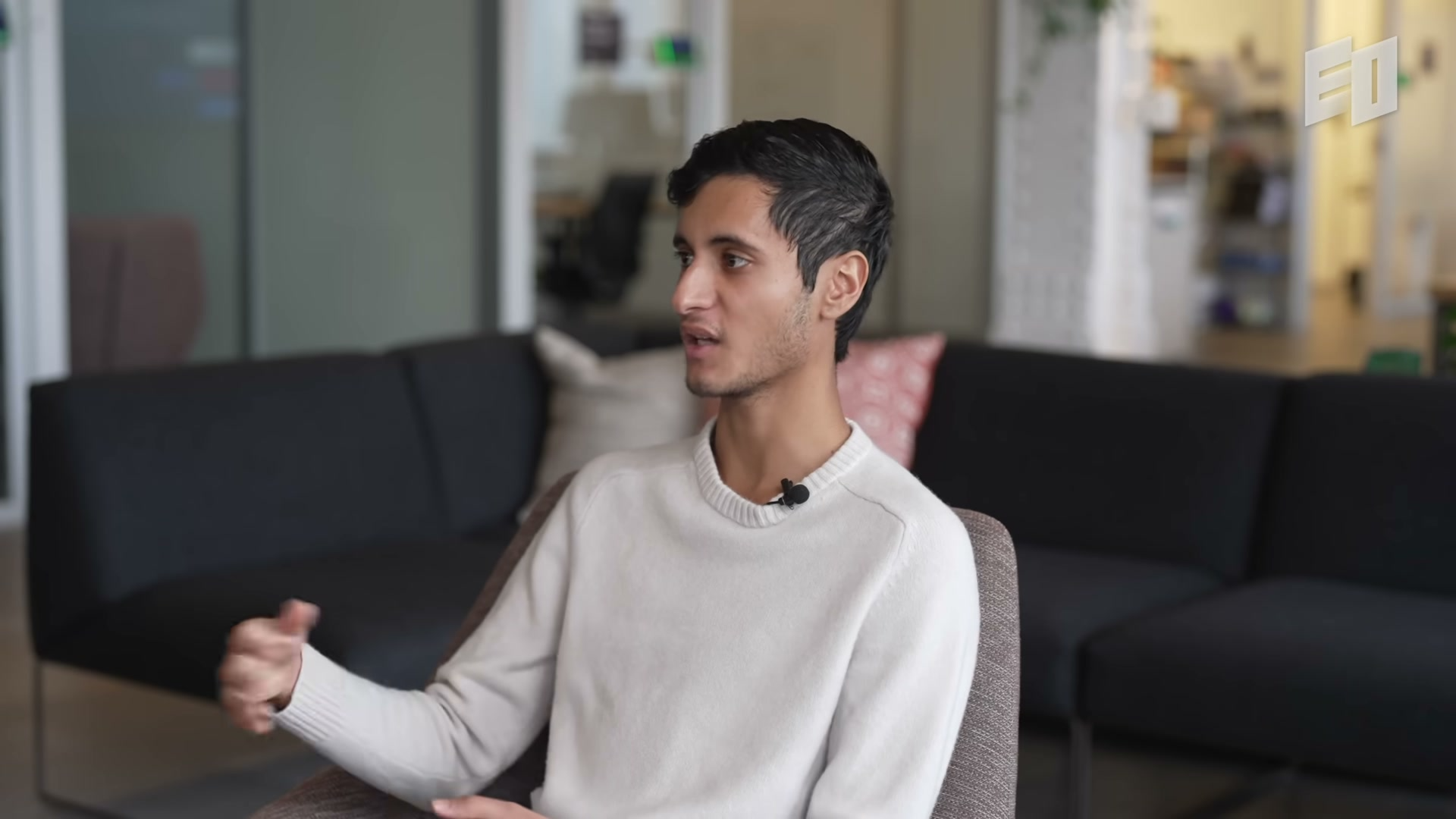
Samir: There are over 400,000 investment advisors in the United States. Clients expect personalized portfolios tailored to their needs, but instead are getting dumped into generic buckets of mutual funds and ETFs. Vise AI is an artificial intelligence platform tailored to investment advisors, so they can automate portfolio construction and management.
Sleeping on Floors and Chasing Sequoia
How difficult was it to raise funding as teenage founders?
Samir: When we started, it was incredibly difficult. I had cold called, cold emailed hundreds of investors between the ages of 16 and 19, and no one would give us money. While I was living in the Bay Area, sleeping on floors, my co-founder had actually decided to go to UPenn and do a year at college, which could have destroyed our business.
But I had actually moved onto Rick's dorm room floor and I said, I'm not leaving until you drop out. And it's OK to drop out, we need to raise a million bucks. His parents said if you drop out or take a leave of absence, you need to raise a million dollars. So we decided we're going to go out and raise a million dollars. We don't know who's going to give us a million dollars, but we set out to do it.
And it's funny because we'd cold called so many people. One of the people we'd cold called was Jim Goetz, a very famous partner at Sequoia, and I found his number online somehow, and I'd called him and I said, Jim, this is the business we're working on. But I was so nervous the first time I hung up and then I called him back and he chewed me out on the phone for like 10 minutes and said Sequoia's never going to fund you and ironically a couple of years later they funded us 3 times over.
But I had actually moved onto Rick's dorm room floor and I said, I'm not leaving until you drop out. And it's OK to drop out, we need to raise a million bucks. His parents said if you drop out or take a leave of absence, you need to raise a million dollars. So we decided we're going to go out and raise a million dollars. We don't know who's going to give us a million dollars, but we set out to do it.
And it's funny because we'd cold called so many people. One of the people we'd cold called was Jim Goetz, a very famous partner at Sequoia, and I found his number online somehow, and I'd called him and I said, Jim, this is the business we're working on. But I was so nervous the first time I hung up and then I called him back and he chewed me out on the phone for like 10 minutes and said Sequoia's never going to fund you and ironically a couple of years later they funded us 3 times over.
What was the breakthrough that got you your first funding?
Samir: But when we were in this process, we kept coming against all these road bumps and like people just kept rejecting us. What are you kids going to be able to do in the wealth management space? Go find a real job and come back to this. And we ended up meeting these two guys, Nat Turner and Zach Weinberg, who started a company called Flatiron Health, and they said, OK, we'll be your first investors even if the thing goes to zero. It's OK. We think you'll be successful, and they gave us our first $1000.
One, we can afford to feed our employees because everyone was working on equity at that point in time. And two, it was enough momentum for us to kind of get excited and keep going. And then we ended up meeting Founders Fund, and Founders Fund co-led a seed round and we raised $2 million which was pretty exciting at the time. And Rick had dropped out, moved to the Bay Area, and we had started the company officially.
One, we can afford to feed our employees because everyone was working on equity at that point in time. And two, it was enough momentum for us to kind of get excited and keep going. And then we ended up meeting Founders Fund, and Founders Fund co-led a seed round and we raised $2 million which was pretty exciting at the time. And Rick had dropped out, moved to the Bay Area, and we had started the company officially.
The Embarrassing Product That Never Launched
What was your approach to building and iterating on the product?
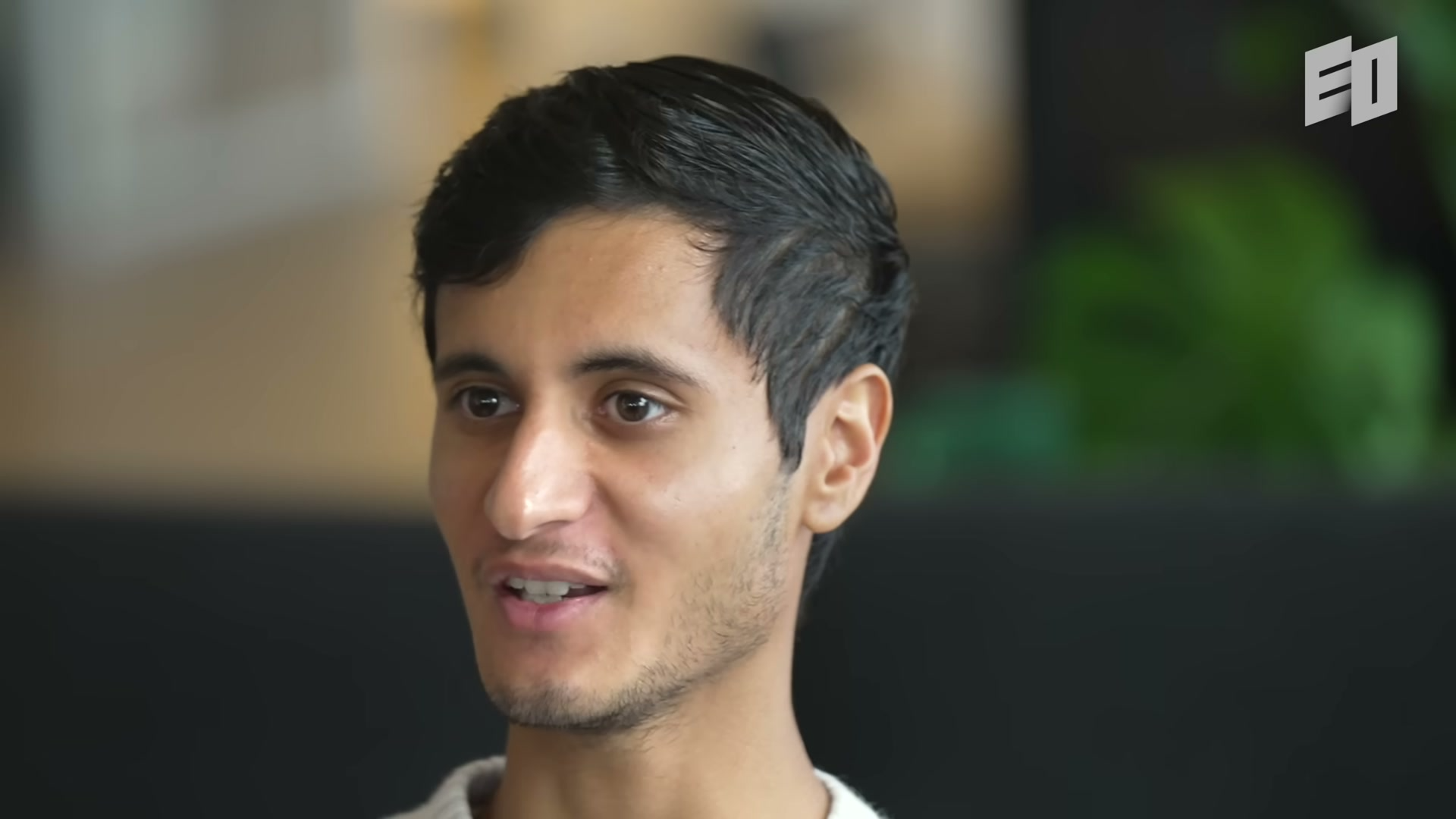
Samir: The way I think about it is there's just you have individual successes and you have individual failures, and we've had lots and lots of failures, but you never learn from your successes, you always learn from your failures. So our goal is to have as many failures as fast as possible.
So before we had a launch ready product at Vise, we had rebuilt the platform something like 5 to 7 times. So we'd gone from a full platform build to like scrapping it all and restarting. And I think my one big lesson in this whole thing, there's a Reid Hoffman quote, you should be embarrassed about your first product. We were always embarrassed about our product, but we never actually launched it. We just kept scrapping it and restarting.
If I had to redo it all over again, I would have given it to users even though I was so desperately embarrassed about the product because you're going to learn, right? And even if something isn't perfect, a little bit more feedback will continue your iteration cycle to keep learning, keep getting better.
So before we had a launch ready product at Vise, we had rebuilt the platform something like 5 to 7 times. So we'd gone from a full platform build to like scrapping it all and restarting. And I think my one big lesson in this whole thing, there's a Reid Hoffman quote, you should be embarrassed about your first product. We were always embarrassed about our product, but we never actually launched it. We just kept scrapping it and restarting.
If I had to redo it all over again, I would have given it to users even though I was so desperately embarrassed about the product because you're going to learn, right? And even if something isn't perfect, a little bit more feedback will continue your iteration cycle to keep learning, keep getting better.
How did you learn what your customers actually needed?
Samir: So a lot of my early days, every day after school, I would sit in financial advisors' offices and I would just watch them use our product. Or watch them use other products and then it builds a really strong mental model and understanding of how do they think, how do they make decisions, why do they make decisions. So a lot of my learnings came from just simply watching them do the work or doing the work with them, and the best way to learn is just to do.
So YC has this quote, Always be talking to your customers, and it couldn't be more true. As you grow, the hard thing is as you grow and you become larger and larger, you have salespeople, you have product managers, you have people that will talk to the customer on your behalf, and that's the wrong thing to do as a CEO, as a founder. You want to always be talking to your customers, whether you're a multi-billion dollar company or you're a five-person company, because the more time you spend with your customers, the better your product gets, the better your story gets, the better you get at sales.
There is nothing more important than talking to customers. I actually make it a key part of my week how much time did I spend talking to prospective customers or existing customers, because the amount of learnings you get improve your business tenfold.
So YC has this quote, Always be talking to your customers, and it couldn't be more true. As you grow, the hard thing is as you grow and you become larger and larger, you have salespeople, you have product managers, you have people that will talk to the customer on your behalf, and that's the wrong thing to do as a CEO, as a founder. You want to always be talking to your customers, whether you're a multi-billion dollar company or you're a five-person company, because the more time you spend with your customers, the better your product gets, the better your story gets, the better you get at sales.
There is nothing more important than talking to customers. I actually make it a key part of my week how much time did I spend talking to prospective customers or existing customers, because the amount of learnings you get improve your business tenfold.
Why Harvard Graduates Disappointed Him
What's your philosophy on hiring and building teams?
Samir: There is a belief in Silicon Valley that more people and more capital builds businesses faster, and that's actually a fallacy, that's not true. The right people that are thinking about solving the right customer problems, operating at the right speed, is what makes companies grow and scale faster. And the problem when you have a lot of employees, less work actually gets done because you have more people that you're managing, more problems that you're managing with more people.
So we actually realized having less people and the top performers would actually lead to better results because what you realize is the company is that the top 20% of performers drive the top 80% of results. So why do you want the other 80%? You want only the top performers at the company and you want to make sure those top performers are properly incentivized, structured properly, and they have the resources they need to be successful.
I used to believe the smartest people, they went to the best universities, they went to Harvard, they went to Yale, they went to Stanford. That's actually not true. And oftentimes when we've hired those people, we've actually been disappointed and we've been wrong.
So we actually realized having less people and the top performers would actually lead to better results because what you realize is the company is that the top 20% of performers drive the top 80% of results. So why do you want the other 80%? You want only the top performers at the company and you want to make sure those top performers are properly incentivized, structured properly, and they have the resources they need to be successful.
I used to believe the smartest people, they went to the best universities, they went to Harvard, they went to Yale, they went to Stanford. That's actually not true. And oftentimes when we've hired those people, we've actually been disappointed and we've been wrong.

What happened when Vise reached billion-dollar status?
Samir: We wanted everyone to think about being kind of the day zero, day one employees that were building, that were solving problems. And what happened was Vise had gone from a seed stage company to a billion dollar company in 18 months. It was record fast timing. It was the youngest person in history to have a billion dollar company.
And what happened was we started to recruit a lot of the wrong people. We recruited people that were here to get rich, they were mercenaries. They wanted to join Vise and expected it to be a rocket ship and expected them not to have to solve problems when in reality we were still an early stage startup and we needed to do a major shift.
We had built the wrong culture. We had hired the wrong people, and we had to make hard decisions to let a lot of those people go and to change the mental model internally to we're not a big company that's made it. We're a company that is figuring out that's going to win because we are all problem solvers, we're all thinkers, and we're all hustling to make it happen just like we did in the early days of the company.
And what happened was we started to recruit a lot of the wrong people. We recruited people that were here to get rich, they were mercenaries. They wanted to join Vise and expected it to be a rocket ship and expected them not to have to solve problems when in reality we were still an early stage startup and we needed to do a major shift.
We had built the wrong culture. We had hired the wrong people, and we had to make hard decisions to let a lot of those people go and to change the mental model internally to we're not a big company that's made it. We're a company that is figuring out that's going to win because we are all problem solvers, we're all thinkers, and we're all hustling to make it happen just like we did in the early days of the company.
What's your framework for identifying the right talent?
Samir: The way to actually think about talent and hiring the best talent is to think about like a framework I call SKQs, skills, knowledge, and qualities, really focusing on qualities. Is this person willing to work super duper hard? Are they someone who can learn? Are they flexible? Are they open to taking feedback? Are they driven? Are they motivated?
Vise has three core values: burn the boats, customer obsession, and 1% better every day. Number one, we want people that are committed. They're all in on the mission. They're willing to go through any walls, run through any walls, go through any challenges to be successful in the business. They truly have this burn the boats mentality.
Two, 1% better every day. You're 1% better every day. You're far, far better at the end of the year, and it's those little changes you make every single day to constantly evolve. It's not about the big changes. It's about the little changes, and those learnings compound and your organization compounds as a result of those learnings.
And the last and probably one of the most important values is customer obsession, making the customer truly embedded as part of our entire organization. Everyone in every decision is thinking about how is the customer impacted, how are we going to drive more value to the customer, putting the customer ahead of everyone, even if it comes out at a personal cost to our company.
Vise has three core values: burn the boats, customer obsession, and 1% better every day. Number one, we want people that are committed. They're all in on the mission. They're willing to go through any walls, run through any walls, go through any challenges to be successful in the business. They truly have this burn the boats mentality.
Two, 1% better every day. You're 1% better every day. You're far, far better at the end of the year, and it's those little changes you make every single day to constantly evolve. It's not about the big changes. It's about the little changes, and those learnings compound and your organization compounds as a result of those learnings.
And the last and probably one of the most important values is customer obsession, making the customer truly embedded as part of our entire organization. Everyone in every decision is thinking about how is the customer impacted, how are we going to drive more value to the customer, putting the customer ahead of everyone, even if it comes out at a personal cost to our company.
Stealing from Whole Foods and Building Grit
What advice do you have for young people considering starting a company?
Samir: I don't recommend starting a company at a young age unless it is your true driving passion. I think a lot of people think, wow, it's really cool to start a company and it's the hot thing to be doing, and oftentimes you shouldn't do the hot thing. You should do the thing that you're passionate about, that you're excited about.
I think I've had times where we were at the top of the world and I was feeling kind of lonely and misunderstood and just miserable. And I was like feeding for scraps basically. Like I would go to the Whole Foods and like steal from the buffet because I had no money and I needed food and I think that was like some of the hardest moments of my life, but it was also really important because one, it built grit, and two, it built this kind of sense of drive and purpose that like if I didn't figure it out, I was kind of screwed and I had to figure it out. It was like a burn the boats mentality.
But if you truly, it's truly the thing that makes you happy. I would say it's a no brainer opportunity to be a founder. It's a no brainer opportunity to start a company and you'll learn so much more in the process about yourself, about the world, and it's important to know that you're not alone, and that's just kind of what the entrepreneurial journey is like, and it's important to just constantly realize that the next day is going to get better and your job is just to move to the next day and just get a little better. And as long as you don't quit, as long as you don't give up, you will get there.
I think I've had times where we were at the top of the world and I was feeling kind of lonely and misunderstood and just miserable. And I was like feeding for scraps basically. Like I would go to the Whole Foods and like steal from the buffet because I had no money and I needed food and I think that was like some of the hardest moments of my life, but it was also really important because one, it built grit, and two, it built this kind of sense of drive and purpose that like if I didn't figure it out, I was kind of screwed and I had to figure it out. It was like a burn the boats mentality.
But if you truly, it's truly the thing that makes you happy. I would say it's a no brainer opportunity to be a founder. It's a no brainer opportunity to start a company and you'll learn so much more in the process about yourself, about the world, and it's important to know that you're not alone, and that's just kind of what the entrepreneurial journey is like, and it's important to just constantly realize that the next day is going to get better and your job is just to move to the next day and just get a little better. And as long as you don't quit, as long as you don't give up, you will get there.
What's your long-term vision for Vise?
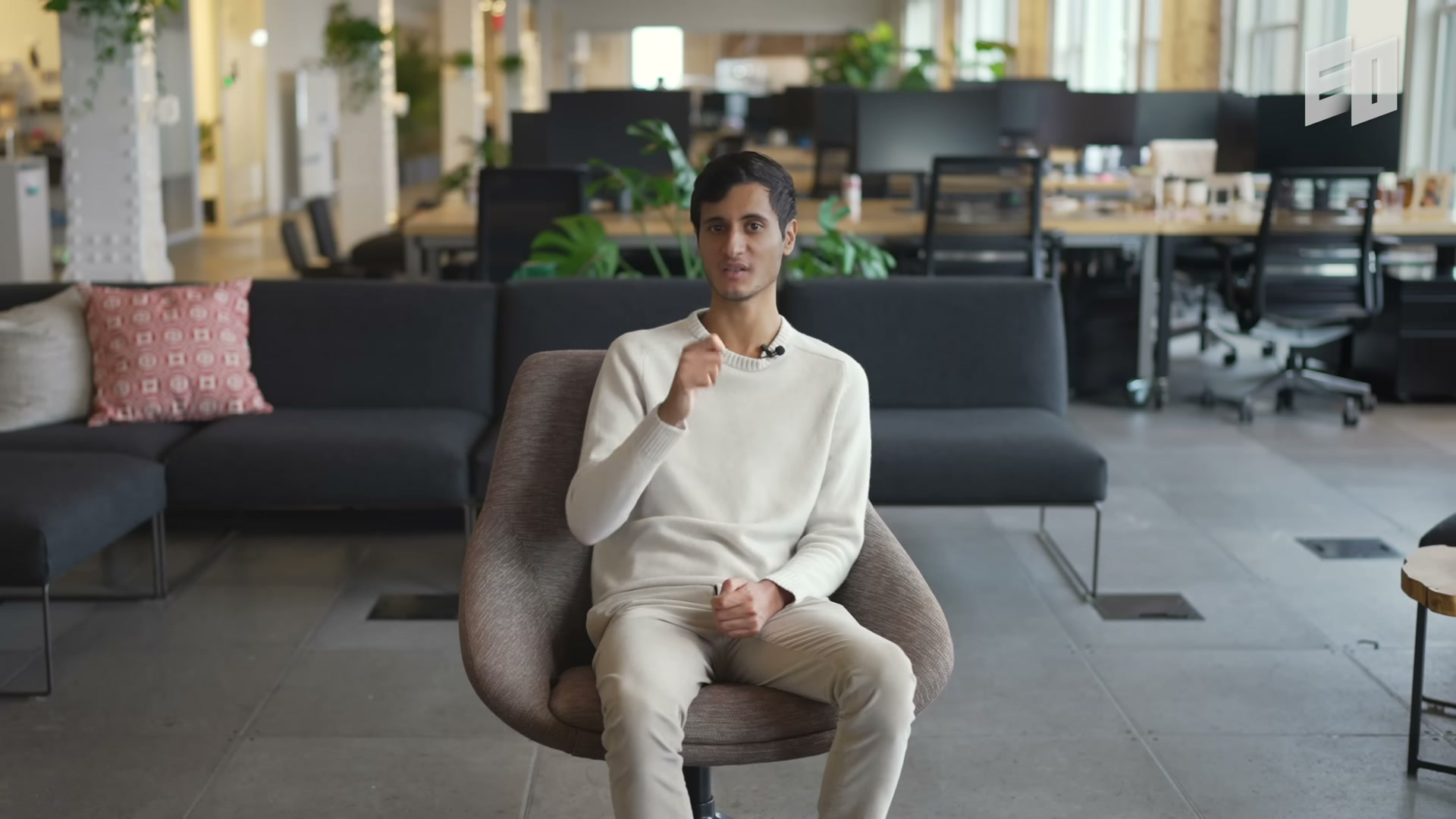
Samir: I think my vision is to build the world's largest asset manager entirely powered by technology. How do we transform this legacy archaic, age-old industry into the modern era? And I think that we have a very great shot at doing that, and I think it's going to take a while, but I think it's going to be a lot of fun. As long as you keep going, we'll eventually get there. So in many ways that is my vision.
Explore more