
"PR really has nothing to do with marketing," says Emily Gerber, and she means it. While most founders treat public relations as another marketing channel, Gerber has built her agency around a radically different philosophy—one that's helped companies like Webflow and NewBank cut through the noise in an era where 7 PR people compete for every 1 journalist's attention.
As the founder and CEO of Six Eastern, Gerber has worked with startups at every stage, from early-stage companies struggling to get their first media mention to public companies managing global communications. Her agency represents both B2B and consumer companies, including some of the fastest-growing platforms in tech. But her approach challenges everything most founders think they know about getting press coverage.
In this interview, Gerber reveals why most startup PR efforts fail, when founders should actually start caring about media coverage, and how to turn your biggest competitor into your greatest storytelling asset. For any founder who's ever wondered whether PR is worth the investment—or why their carefully crafted press releases keep getting ignored—this conversation offers a masterclass in thinking like a journalist, not a marketer.
Watch the full interview now on EO's YouTube channel! Below is the complete transcription of the interview. Minor edits have been made for clarity and readability.
Key Highlights:

"A lot of founders don't necessarily understand the role of PR or what the role of media is in relation to their business. PR really has nothing to do with marketing."
"Obviously we all know that it's more interesting to read a negative headline than a positive one."
"It's important to not assume that everyone's paying attention to what's going on in your business, especially if you're an early stage startup."
"Today there are 7 PR people for every 1 journalist, so the average reporter gets hundreds of pitches every day from PR people."
"Obviously we all know that it's more interesting to read a negative headline than a positive one."
"It's important to not assume that everyone's paying attention to what's going on in your business, especially if you're an early stage startup."
"Today there are 7 PR people for every 1 journalist, so the average reporter gets hundreds of pitches every day from PR people."
From Gift Wrapping to Global PR: The Unlikely Journey
Tell us about yourself and your company.
Emily Gerber: My name's Emily Gerber and I'm the founder and CEO of Six Eastern PR for startups of every stage. We work with both B2B companies, consumer companies. We work with NewBank, which is one of the largest FinTechs in the world, a public company based out of Brazil. We work with Webflow, one of the fastest growing web development platforms.
I was extremely introverted as a child, which is surprising being in PR, but I was not someone that naturally wanted to talk to strangers. 14 years old, I worked at Macy's and I did gift wrapping for them, so I was in charge of, especially during the holiday season, wrapping presents for people. I think it has absolutely nothing to do with what I do today, but I think the common thread is just a desire to work and be busy.
I was extremely introverted as a child, which is surprising being in PR, but I was not someone that naturally wanted to talk to strangers. 14 years old, I worked at Macy's and I did gift wrapping for them, so I was in charge of, especially during the holiday season, wrapping presents for people. I think it has absolutely nothing to do with what I do today, but I think the common thread is just a desire to work and be busy.

How did your educational background shape your path into PR?
Emily Gerber: I was never very good in school actually. Communications was kind of a major that people often pick when they're not sure what they want to do with their lives. I've always had very mediocre grades. A big reason for that is that I just wasn't good at memorization and so much of school comes down to memorizing things. So I thought I wasn't smart, but really I just wasn't the kind of smart that school tests for.
Once I graduated, I really believe that the best possible way to learn about PR is by working at an agency first. You're able to see not just one company, but how 10 companies do things. So that's really shaped my experience today.
Once I graduated, I really believe that the best possible way to learn about PR is by working at an agency first. You're able to see not just one company, but how 10 companies do things. So that's really shaped my experience today.
Beyond the Glamour: What PR Really Is
What drew you to PR, and how did your early career experiences shape your understanding of the field?
Emily Gerber: When you think of public relations, a lot of people think of glamorous like fashion, entertainment, working with celebrities, and there's certainly a place for all of that, but I think I get to work with really smart people and solving really interesting problems.
So my next job was at Box. Box is an enterprise software company, so it's not necessarily something that reporters are always looking to cover, and it really forces you to be creative and come up with interesting stories and angles. After some time I had a really unique opportunity to join Uber as their first B2B communications hire, so essentially the first person promoting their business products, their main one being Uber for Business, which is like transportation for employees.
So my next job was at Box. Box is an enterprise software company, so it's not necessarily something that reporters are always looking to cover, and it really forces you to be creative and come up with interesting stories and angles. After some time I had a really unique opportunity to join Uber as their first B2B communications hire, so essentially the first person promoting their business products, their main one being Uber for Business, which is like transportation for employees.
What was it like joining Uber during such a turbulent time?
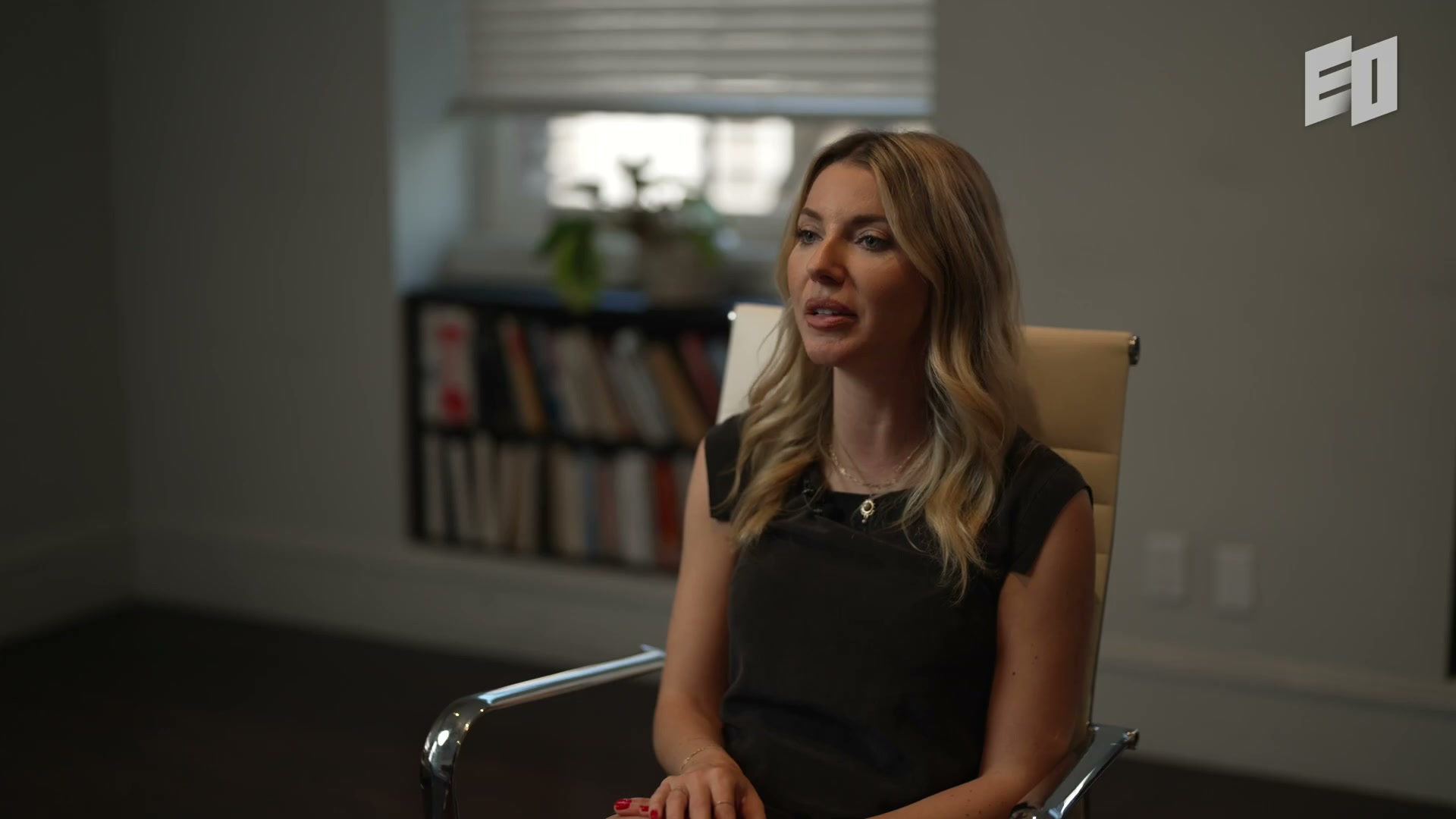
Emily Gerber: I joined Uber at a really interesting time. I think it was like a couple weeks before there was one of the major crises that ended up kind of leading to the CEO leaving. Reporters only want to hear about this bigger thing that's happening at the company for me to kind of navigate that and figure out really being really creative to tell those stories.
Building Six Eastern: Seeing the Gap
How did you decide to start your own agency?
Emily Gerber: Never had ambitions to start an agency. Part of my role at Uber included business development communications, which often meant doing partnerships with other companies and announcing them so I could see what kind of communications support these other companies had. I could sense that there was a need for more support for early stage startups, and I could sense that it was something that I would be good at.
My biggest fear was that we would just become a standard PR agency, but I saw that I was able to scale it in a way that really worked.
My biggest fear was that we would just become a standard PR agency, but I saw that I was able to scale it in a way that really worked.

The PR vs Marketing Myth: Setting the Record Straight
What are the biggest misconceptions founders have about PR?
Emily Gerber: And then I also think there's a more general misconception that confuses PR and marketing and PR really has nothing to do with anything that you pay for, and there's a whole another world of marketing out there. PR is not usually a direct acquisition channel. It's much more top of funnel brand awareness and so expecting that it's going to drive tons of conversion immediately, you're kind of setting yourself up for failure in most instances.
When should startups start caring about PR?
Emily Gerber: The ways to figure out when to start caring about PR, figuring out whether a more public reputation would contribute to key hires that you're trying to make if your company has a bunch of BD efforts going on and you want to build partnerships. Keep in mind that the publication is not your company's vendor. They're not being paid by you and they're not beholden to you in any way, really. Their job is to write informative, interesting articles for their readers. Your job is to best shape that story and help them as much as you can.
The Art of Standing Out: Bold Moves in a Crowded Field
How can startups cut through the noise when pitching to journalists?
Emily Gerber: There are a lot of reporters that get hundreds of pitches every day, and so if you're going to stand out, come up with something really bold and controversial and unique to say. Think of your story as a big picture. Don't just zero in on what your company is and what it does, and instead think about what reporters are covering, what people are interested in, topical things happening in the news, and figure out how to make your story resonate as part of that.
What mistakes do first-time founders make with PR expectations?
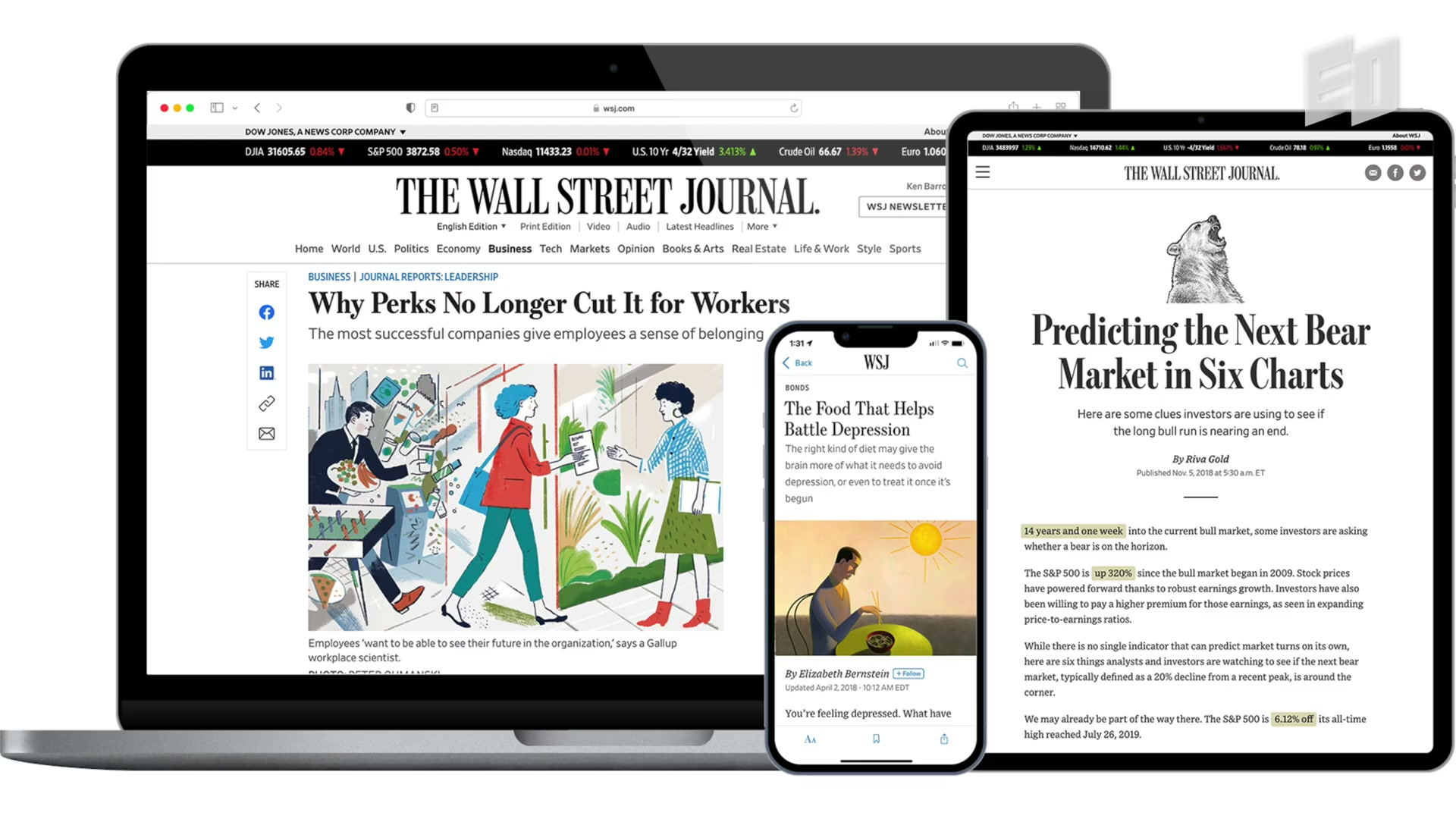
Emily Gerber: I think a lot of founders, when they do PR for the first time, expect that within the first couple of weeks they're going to already see coverage on their company, which simply isn't how it works. Don't expect that you can go straight to getting CNBC and The Wall Street Journal and The New York Times. It's so important to build your credibility through those smaller opportunities first, whether it's a niche podcast that reaches your target audience, whether it's working with a trade publication on a story in order to get those bigger pieces, they're going to want to see that you've done other kinds of media. Don't discount those smaller opportunities and assume that you can go straight to the big guys because then in reality you're just kind of stalling your entire communications program.
Crafting Your Founder Story: The Elements That Matter
What makes a founder's story compelling to journalists?
Emily Gerber: When you're a founder thinking about what makes your story interesting, I think there's a couple of things to consider. One is the founding story, the individual themselves, so like what made them intrigued by the problem that they're solving today? What was their past experience that could have led them on the journey to get there if they worked at an interesting company name or they have really interesting career accomplishments from the past, we always tend to include that in the story.
And then also a lot of founders don't necessarily want to talk about how their company compares to giants in the space, founders want to position themselves as creating a category, which is occasionally true. You can create a brand new category where there's nothing that competes, but I think that's very rare, and it's also actually harder to tell those stories because if we're pitching the story and there's no frame of reference, oh, this company is trying to disrupt Salesforce or Google or something more specific, then our job is a lot harder because we're having to talk through the nuance and explain things from scratch.
And then also a lot of founders don't necessarily want to talk about how their company compares to giants in the space, founders want to position themselves as creating a category, which is occasionally true. You can create a brand new category where there's nothing that competes, but I think that's very rare, and it's also actually harder to tell those stories because if we're pitching the story and there's no frame of reference, oh, this company is trying to disrupt Salesforce or Google or something more specific, then our job is a lot harder because we're having to talk through the nuance and explain things from scratch.
What concrete elements should every startup story include?
Emily Gerber: And then this sounds very basic, but if the startup has raised funding or has some growth metrics, that should always be a part of the story because reporters get pitches about companies each and every day, and some of them might be really interesting, but there needs to be something tangible behind it. It can't just be an interesting story. They need to see that it's real. When we talk to startups, we'll often advise that they hold on even engaging with PR or telling their story publicly until they have something along those lines to share.
Social Media Strategy: Where Founders Go Wrong
How should startups approach social media, particularly Twitter?
Emily Gerber: I think use of social media, it's like Twitter. So many companies assume that they need to have this when in reality there should be more thought put to whether that's even where your audience is. I will say that even with the changes at Twitter, there are still a lot of journalists on the platform, so it can be a really great way to build relationships with journalists, especially if you can get a decent following going.
I wouldn't recommend that you necessarily do that through a brand page, but instead through the actual founder's page, and they need to really have something unique to share. It shouldn't just be constant tweets about the company's news or generic things that are clearly written by the corporate communications person. I think if you're going to do it, you have to do it well and make it interesting, engaging content.
I wouldn't recommend that you necessarily do that through a brand page, but instead through the actual founder's page, and they need to really have something unique to share. It shouldn't just be constant tweets about the company's news or generic things that are clearly written by the corporate communications person. I think if you're going to do it, you have to do it well and make it interesting, engaging content.
Crisis Management: When Bad News Strikes
How should startups handle negative press or crises?
Emily Gerber: Obviously we all know that it's more interesting to read a negative headline than a positive one. You can't always prevent bad news because there are going to be things like a data breach which are completely out of the control of anyone at the business, but I do think for a lot of the negative things that happen that can be controlled, it's just very helpful to have an additional set of eyes reviewing things, especially if you're a startup and you don't have a communications person yet or a marketing person yet, even just getting maybe it's the people team lead or the legal team or someone on the product team getting different perspectives on something.
Oftentimes when something negative happens to a company, there's a desire to react. There's an example recently the CEO of Carta put out a long email or blog post about the negative press that the company was getting and kind of took issue with it, but in reality, most people weren't aware that Carta had a bunch of negative press and so there was tons more conversation on the topic that otherwise wouldn't have appeared.
Oftentimes when something negative happens to a company, there's a desire to react. There's an example recently the CEO of Carta put out a long email or blog post about the negative press that the company was getting and kind of took issue with it, but in reality, most people weren't aware that Carta had a bunch of negative press and so there was tons more conversation on the topic that otherwise wouldn't have appeared.
What's the key principle for crisis response?
Emily Gerber: It's important to not assume that everyone's paying attention to what's going on in your business, especially if you're an early stage startup. Only comment if it's actually going to be constructive. I think it's a misconception a little bit that we're able to squash stories or ensure that certain things stay out of the news. When I've worked on crisis communications, it's not so much about covering up the issue, but more so figuring out what facts you can share with a reporter on background to potentially soften the blow.
The Future of PR: Adapting to New Realities
How is the PR landscape changing, and what should founders expect?
Emily Gerber: Building a reputation takes time and it's not going to happen overnight. It's a combination of perseverance and then also just consistency and telling your story over and over again and then over time I think you'll see greater returns.
Today there are 7 PR people for every 1 journalist, so the average reporter gets hundreds of pitches every day from PR people talking about their company. I would say even for every pitch we send, a small fraction get replies. So I think how companies think about PR needs to inevitably change, and one of the ways is to think about other platforms outside of more traditional media. I think thinking about new places to reach your audience can be really a good way to do that. So for instance, if your product is sold to HR people targeting HR specific podcasts or HR specific newsletters, it might be a smaller audience, but it's going to be the right people.
Today there are 7 PR people for every 1 journalist, so the average reporter gets hundreds of pitches every day from PR people talking about their company. I would say even for every pitch we send, a small fraction get replies. So I think how companies think about PR needs to inevitably change, and one of the ways is to think about other platforms outside of more traditional media. I think thinking about new places to reach your audience can be really a good way to do that. So for instance, if your product is sold to HR people targeting HR specific podcasts or HR specific newsletters, it might be a smaller audience, but it's going to be the right people.
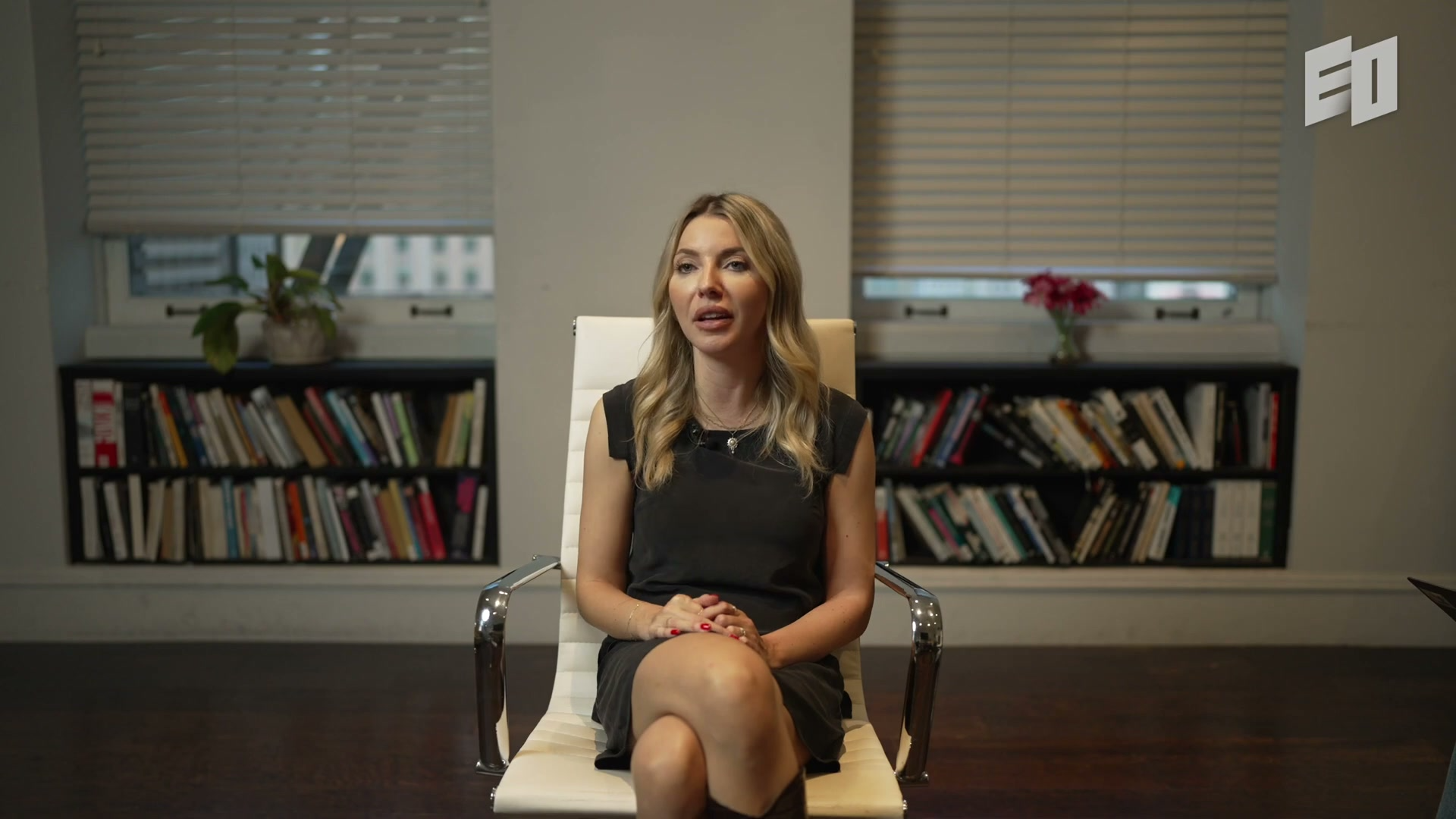
What motivates you as you continue to grow Six Eastern?
Emily Gerber: I think what motivates me in the job is seeing client wins and being able to celebrate those client wins. Whenever candidates ask me in interviews where I see the agency in 5 to 10 years, I'm never totally sure what to say because I never would have expected to be where it is.
I think your reputation is so important in PR and it's very easy to lose credibility if you do a bad job on one account, and that can really impact the business dramatically. So my number one priority is ensuring that we don't sacrifice anything as we grow.
I think your reputation is so important in PR and it's very easy to lose credibility if you do a bad job on one account, and that can really impact the business dramatically. So my number one priority is ensuring that we don't sacrifice anything as we grow.
Explore more